

The Legacy Lost Without Your Stories
By Tom Seest
At LegacyExplorations, we help people plan and explore their legacy by collecting information and news regarding end-of-life planning.
Please share this post with your friends, family, or business associates who may want help to plan or explore their legacy.
What Will Your Family Learn If You Do Not Share Your Stories Now?
When it comes to family stories, the idea of “legacy storytelling” might sound a bit like a fancy term reserved for the history books. But in reality, it’s about more than just recounting tales from days gone by. Think of it as a family’s roadmap, a guide that shows where you’ve been and hints at where you might head next. If you choose not to share your stories now, you’re not just withholding adventures, quirks, and lessons learned; you’re robbing your family of their roots.
Consider this: every family has its own unique narrative woven through generations. Each character in that saga—the bold, the timid, the wise, and the foolish—has something valuable to contribute. If you don’t pass those stories down, your family might be left searching for their identity, wandering through life without the rich tapestry that has shaped who they are. They may end up crafting a narrative without context, relying on assumptions rather than a solid foundation of experience.
What will your family learn if you keep your stories to yourself? They might stumble through the same traps you’ve encountered, wrestling with the very lessons you could easily share. The struggles of the past, from financial hardships to personal failures, can serve as guideposts. If you keep your experiences locked away, they may have to face the same storms without the wisdom of your sheltering umbrella.
And it’s not just the grand tales of triumph and defeat that matter; it’s the everyday stories—the laughter shared over a holiday meal, the lessons learned during simple family projects, or the secrets to making life just a little sweeter. These anecdotes carry weight, yet they can be lost if they’re never told.
Moreover, think about the next generation. What will your grandchildren learn about you? Will they only know your name, or will they understand the person behind it? Without your stories, they could end up with a family tree that feels more like a curiosity than a heritage. Don’t let your legacy turn into a whisper. Share your tales now, and give your family the gift of understanding, connection, and identity that can last for generations.

What Will Your Family Learn If You Do Not Share Your Stories Now?
What Will Your Family Learn If You Do Not Share Your Stories Now?
- Legacy storytelling serves as a roadmap for families, highlighting past experiences and guiding future paths.
- Every family has a unique narrative comprised of diverse characters, each contributing valuable perspectives.
- Not sharing family stories can rob future generations of their roots and sense of identity.
- Without shared experiences, family members may repeat the same mistakes and miss out on vital lessons.
- Everyday anecdotes, alongside grand tales, hold significant value and should be shared to enrich family history.
- Future generations, like grandchildren, deserve to know the stories behind names, fostering a sense of heritage.
- Sharing stories promotes understanding, connection, and identity, creating a lasting legacy.
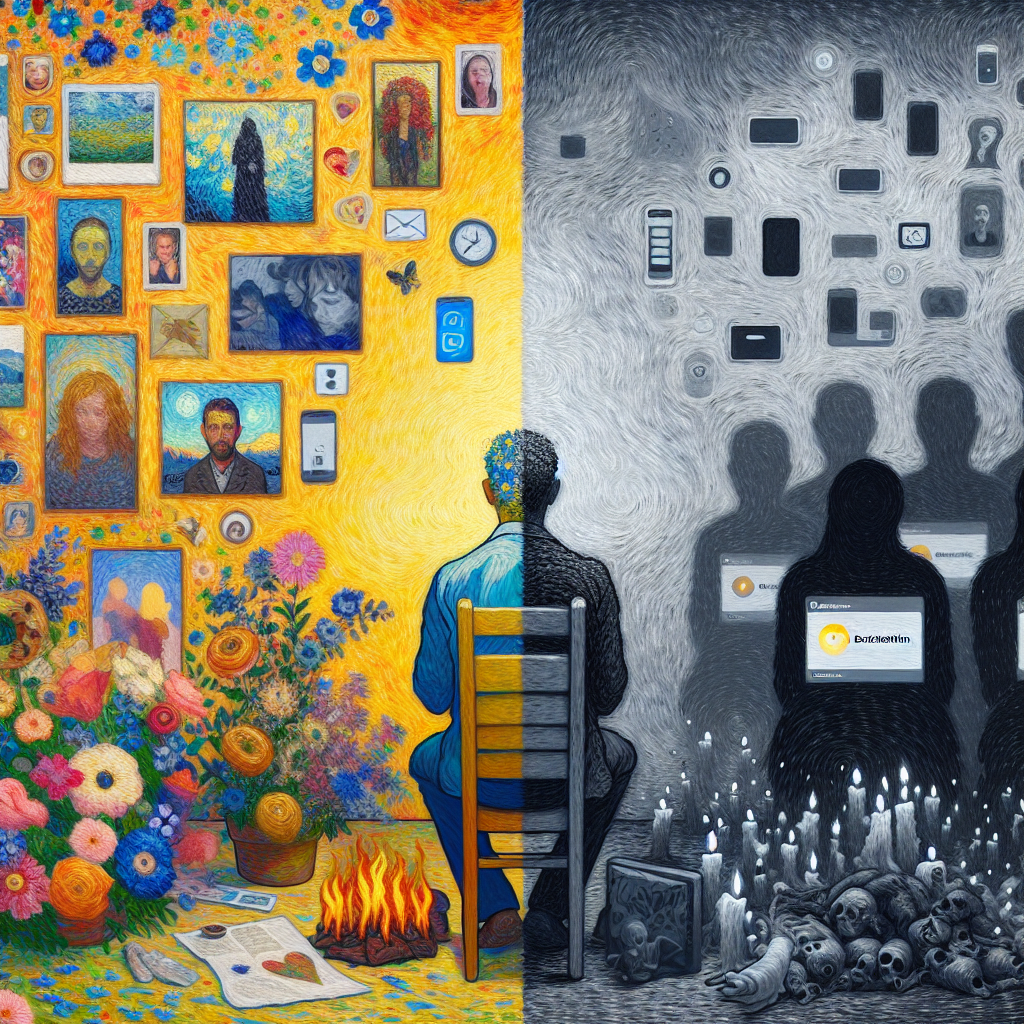
What Will Your Family Learn If You Do Not Share Your Stories Now?
Table Of Contents
- What Will Your Family Learn If You Do Not Share Your Stories Now?
- What Lessons Do Family Stories Teach About Our History?
- How Can Sharing Stories Strengthen Family Bonds?
- What Happens To Family Traditions If Stories Are Not Shared?
- Why Is It Important To Document Personal Experiences?
- How Can Storytelling Preserve Cultural Heritage?
- What Impact Do Untold Stories Have On Future Generations?
- How Does Sharing Stories Foster Empathy Within A Family?
- Conclusion
- Other Resources
- Glossary Of Terms
- Other Questions
- Haiku
- Poem
- Checklist
What Lessons Do Family Stories Teach About Our History?
When you sit down with family, whether it’s over a holiday meal or during a lazy Sunday afternoon, you often hear stories that seem to drift through time, carrying the weight of generations. These aren’t just idle tales; they are fragments of a family’s legacy, woven together by the experiences of those who came before us. Legacy storytelling is the backbone of our collective identity—an invisible thread that connects us to our ancestors and shapes the way we view the world.
Consider the ordinary stories shared around dinner tables: the daring escapades of an ancestor who braved the elements to build a life in a new land, or the quiet courage of a relative who stood firm during challenging times. These narratives do more than entertain; they provide insight into the values, struggles, and triumphs of our forebears. They reveal the grit and determination that often go unnoticed in the annals of history books.
When we listen to these stories, we engage in a kind of history lesson that textbooks can never replicate. We learn about resilience and innovation, not just as abstract concepts, but as lived experiences, tangible and raw. The legendary feats of great figures are undoubtedly crucial, but it’s the everyday stories of our family that truly humanize history. From them, we glean lessons about perseverance, humility, and the strength found in community bonds.
Moreover, legacy storytelling fosters empathy. As we hear the struggles of those who faced adversity—be it economic hardship, racial discrimination, or personal loss—we develop a deeper understanding and appreciation for the complexities of life. These stories can spark conversations about societal changes and encourage us to consider how history continues to unfold today. We start to grasp that the past is not a distant land; it lives in us and shapes our present.
Ultimately, family stories keep our history alive, allowing lessons learned to echo down through the generations. They equip us with the wisdom to navigate our own challenges while honoring the sacrifices and triumphs of those who paved the way. So next time you find yourself surrounded by loved ones, take a moment to listen carefully. You might just discover that the most profound lessons about our history are nestled in the fabric of your family’s legacy storytelling, waiting for you to uncover them.

What Lessons Do Family Stories Teach About Our History?
What Lessons Do Family Stories Teach About Our History?
- Family storytelling is a key component of our collective identity, connecting us to our ancestors.
- Ordinary stories shared during meals reveal the values, struggles, and triumphs of our predecessors.
- These narratives offer insights into resilience and innovation as lived experiences, contrasting with textbook lessons.
- Everyday family stories humanize history and teach lessons about perseverance, humility, and community.
- Legacy storytelling fosters empathy by helping us understand the complexities of life through ancestral struggles.
- Such stories encourage discussions about societal changes and highlight the ongoing relevance of history in our lives.
- Listening to family stories keeps history alive, imparting wisdom and honoring the sacrifices of previous generations.

What Lessons Do Family Stories Teach About Our History?
How Can Sharing Stories Strengthen Family Bonds?
In an age dominated by quick texts and fleeting social media interactions, one might wonder if the art of storytelling is going the way of the dinosaur. But let’s not overlook the profound significance of sharing family narratives. Legacy storytelling isn’t just a quaint pastime; it’s a powerful tool for strengthening the bonds that tie us together.
Imagine sitting around a dinner table, surrounded by familiar faces, as a grandparent weaves tales of their youth. Each story is rife with adventure, hardship, and humor. It’s not just about the events recounted; it’s about the emotions invoked and the shared experience that unfolds. This is where the magic happens: when generations converge, laughter fills the room, and understanding blooms.
Why is this so important? For starters, legacy storytelling provides a sense of continuity. In a world that seems to change by the minute, knowing our family’s history connects us to a lineage that goes back years, sometimes even centuries. Those stories—be they about triumphs or tribulations—create a tapestry that is distinctly ours. They reveal not only who we are, but also why we think and act the way we do. This understanding can foster empathy among family members and lead to deeper connections.
Furthermore, telling and retelling these stories strengthens the oral traditions that weave families together. When we share tales, we’re passing down values, morals, and lessons learned—essentially handing down a roadmap for future generations. Children especially benefit from this practice; hearing about their ancestors’ life choices and challenges can create a sense of identity and empowerment. They begin to understand that they are part of something larger than themselves, a legacy of perseverance, courage, and love.
Of course, legacy storytelling isn’t always a solemn affair. The laughter that erupts during these sessions is just as vital as the lessons. It’s the shared jokes, the humorous mishaps, and the silly moments that create bonds and memories worth cherishing.
So next time you’re tempted to scroll through your phone or dive into another streaming binge, consider taking a moment to gather your family and share your stories. You’ll not only be preserving your family’s legacy but also nurturing the very connections that give life its richness. It’s these stories—the fabric of our lives—that truly bring us together.

How Can Sharing Stories Strengthen Family Bonds?
How Can Sharing Stories Strengthen Family Bonds?
- The art of storytelling remains vital in an era of rapid digital communication.
- Family narratives serve as a significant tool for strengthening familial bonds.
- Sharing stories around the dinner table fosters connections and evokes emotions.
- Legacy storytelling connects us to our family’s history and lineage.
- These narratives convey values and lessons that empower future generations.
- Laughter and humor during storytelling sessions create cherished memories.
- Gathering to share stories enriches life and preserves family legacies.

How Can Sharing Stories Strengthen Family Bonds?
What Happens To Family Traditions If Stories Are Not Shared?
What happens to family traditions if stories are not shared? It’s a question that swirls through the halls of our homes like dust motes in a sunbeam—visible yet often ignored. As families gather around tables for holidays or reunions, the laughter and chatter might fill the air, but without the telling of stories, a vital thread of our human experience is easily severed.
Family traditions, like old oak trees, grow deep roots from the soil of shared experiences passed down through generations. They are the folklore of our lineage—where we came from, who we are, and what we stand for. Legacy storytelling becomes the trowel that digs into the soil, allowing us to plant seeds of understanding for future generations. But when those stories are not shared, what remains? A barren landscape devoid of the richness that cultivates identity.
Consider the table piled high with favorite dishes—each lovingly prepared according to Grandma’s cherished recipes. But if no one takes the time to share the stories behind them, those recipes just become a collection of ingredients with no soul. Why do we serve Aunt Lucy’s famous cornbread on Thanksgiving? What’s the backstory behind Dad’s legendary chili that we all argue over each year? Without the anecdotes that accompany these beloved family staples, there’s a risk that their significance fades faster than the scent of a home-cooked meal.
And let’s not forget the hilarious mishaps—the grand tales of epic failures and unforgettable moments. If those stories go unshared, we rob the next generation of both laughter and lessons. Who knows? Perhaps the laughable accident during last year’s family campout is what helps your child connect with their own sense of humor or resilience.
Moreover, as familial relationships often shift, the lack of storytelling might leave gaps in connections. Relationships thrive on shared narratives, bonding us as we revisit shared histories. The absence of these tales risks turning a family gathering into a series of isolated interactions, with members feeling more like strangers than kin.
So, as you gather around the table next time, remember: without the exchange of stories, family traditions can wither and fade like leaves in autumn. Embrace the legacy storytelling offers, and your family connections will not only endure—they will flourish!

What Happens To Family Traditions If Stories Are Not Shared?
What Happens To Family Traditions If Stories Are Not Shared?
- Family traditions are akin to deep-rooted trees, relying on shared experiences passed down through generations.
- Legacy storytelling is essential for cultivating identity and understanding within families.
- Sharing stories behind family recipes adds depth and significance to cherished dishes.
- Unshared stories risk diminishing the value of family traditions, making them feel hollow.
- Humorous tales and mishaps provide both laughter and important lessons for future generations.
- Lack of storytelling can lead to diminished familial connections, making members feel like strangers.
- Embracing storytelling fosters stronger family bonds and helps traditions flourish.

What Happens To Family Traditions If Stories Are Not Shared?
Why Is It Important To Document Personal Experiences?
In a world that seems to rush by at breakneck speed, we often overlook the simple yet profound act of documenting our personal experiences. It’s a bit like digging a well: you might not feel the need for that refreshing drink at the moment, but when you finally find yourself parched, you’ll be mighty glad to have it there. That’s where legacy storytelling comes in—a way to not just capture moments, but to weave them into the fabric of our existence, enriching both our lives and those of future generations.
Consider this: our personal narratives are akin to the stitches in a quilt, each piece representing a different moment, emotion, or lesson learned. When we take the time to document these experiences, we create a rich tapestry of who we are. This isn’t just about the big milestones—sure, weddings and graduations matter—but what about the quiet moments? The little triumphs, the failures, the purely human experiences that bring color to our lives? It’s these details that form the backbone of legacy storytelling, reminding us of our humanity.
Moreover, there’s an undeniable therapeutic value in putting pen to paper or fingers to keyboard. Venting frustrations, recounting adventures, or simply describing a lazy afternoon can help clarify our thoughts and feelings. When we take a step back and reflect on our experiences, we gain insights about ourselves and the world around us. This process can lead to a deeper understanding of our journey, instilling a sense of appreciation for both the highs and the lows.
Now, let’s not forget the impact these stories can have on those who come after us. By documenting our personal experiences, we gift future generations a window into our lives—a chance to understand our stories, values, and struggles. Instead of being mere footnotes in a history book, we become characters in a narrative. Our grandchildren won’t just know us as names or faces but as real people who weathered storms, celebrated victories, and navigated life in all its messy glory.
So, why is it important to document personal experiences? It’s simple: it’s about connection, clarity, and legacy. It’s a gift—a chance to leave behind not just memories, but stories that echo through time. And in a world so often focused on the hustle, that’s a treasure worth cherishing.

Why Is It Important To Document Personal Experiences?
Why Is It Important To Document Personal Experiences?
- Documenting personal experiences enriches lives and future generations, akin to digging a well for later use.
- Legacy storytelling captures moments and weaves them into a rich tapestry of identity.
- Personal narratives include not only major milestones but also quiet, everyday moments that define humanity.
- Writing offers therapeutic benefits by helping to clarify thoughts and emotions.
- Reflecting on experiences fosters deeper insights and appreciation for life’s journey.
- Documented stories provide future generations with a window into our lives, making us relatable characters in their history.
- Overall, it promotes connection, clarity, and the creation of a lasting legacy worth cherishing.

Why Is It Important To Document Personal Experiences?
How Can Storytelling Preserve Cultural Heritage?
In a world inundated with rapid technological change and mass globalization, the threads that weave the fabric of our cultural heritage often fray, leaving us questioning what it means to belong. Enter the powerful tool of storytelling. It’s not just a quaint art form; it’s an essential practice that has endured the ages, allowing us to preserve and share our unique legacies.
Legacy storytelling isn’t just about recounting tales from the past. It’s about encapsulating the essence of a culture, its values, and the shared experiences that define a community. From oral traditions passed down through generations to modern digital platforms, the way we tell our stories has evolved, but the importance remains the same. Each story carries with it crucial lessons and reflections of societal norms, belief systems, and even historical challenges. They’re the breadcrumbs that guide us through the labyrinth of our ancestry and cultural practices.
Consider the rich Inuit oral traditions that include tales of survival in the harsh Arctic environment. These stories are not merely entertainment; they serve a vital purpose. They provide essential knowledge about navigating an unforgiving landscape, teaching values such as respect for nature, community cooperation, and resilience. By engaging with such narratives, modern audiences connect not just with the content but also with the broader cultural zeitgeist that shaped those experiences. In this way, legacy storytelling brings off the shelf historical data and carefully transforms it into living memories that breathe relevance into our present.
Moreover, storytelling has a remarkable ability to foster empathy, bridging gaps between diverse cultures. When you hear a story from someone far removed from your own experience, you find pieces of yourself in their struggles and triumphs. It creates a kind of cultural tapestry where connections can thrive. In a time when division seems to rear its ugly head, recognizing shared narratives can remind us of our shared humanity—a beautiful legacy bestowed upon us through the ages.
But storytelling must not be relegated to the past; it needs active participation from each of us. Whether writing a memoir, recording an oral history, or even sharing a story around a campfire, we all play a role in keeping these cultural legacies alive. In doing so, we not only ensure the survival of our heritage but also enrich our interconnectedness, making the world just a little bit smaller and a whole lot richer. So, grab a seat and listen closely—the stories of our ancestors are waiting to be told.

How Can Storytelling Preserve Cultural Heritage?
How Can Storytelling Preserve Cultural Heritage?
- The rapid pace of technological change and globalization challenges our cultural heritage and sense of belonging.
- Storytelling is a vital practice that preserves and shares cultural legacies across generations.
- Legacy storytelling conveys the essence of culture, values, and community experiences beyond mere entertainment.
- Inuit oral traditions exemplify storytelling’s purpose in imparting knowledge about survival and values such as resilience.
- Storytelling fosters empathy and bridges gaps between diverse cultures, highlighting shared narratives and humanity.
- Active participation in storytelling, whether through written or oral forms, is crucial for sustaining cultural legacies.
- Engaging in storytelling enriches our interconnectedness and enhances the relevance of ancestral narratives in the present.

How Can Storytelling Preserve Cultural Heritage?
What Impact Do Untold Stories Have On Future Generations?
When you think about the impact of untold stories on future generations, consider this: every story has the power to shape perceptions, influence decisions, and inspire change. Think about your grandparents or great-grandparents. Their experiences, triumphs, and struggles are interwoven into the fabric of your identity—even if you’ve never heard every detail. That’s the essence of Legacy Storytelling; it’s an invisible thread connecting us to our past and guiding the next generation.
Untold stories have the remarkable ability to fill in the gaps—both personally and culturally. When we ignore these narratives, what gets lost? Lessons learned, hardships endured, and the relentless spirit that kept people moving forward. Each generation faces its own set of challenges, and learning from the untold stories of those who came before us can provide wisdom and perspective that textbooks often overlook.
Imagine the young teenager today who feels overwhelmed by the weight of the world—school pressures, social media expectations, and uncertainty about the future. Now, picture meeting an elderly person who endured a world war or a period of economic collapse. Their tales of resilience, humor, and ingenuity impart lessons that can help shape a young person’s mindset. This is not just about preserving family trees or historical records; it’s about cultivating values, instilling grit, and sparking curiosity.
When you listen to these untold stories, you realize that they aren’t just anecdotes—they are blueprints for navigating life’s complexities. They remind us that everyone has faced adversity, sometimes in ways we can’t even begin to fathom. As we pass these tales down, we equip younger generations with tools they didn’t even know they needed.
Moreover, these stories help forge empathy. They break down the divides of time, culture, and experience, creating connections that encourage understanding and compassion. A world where people comprehend the truths behind the stories of those who’ve come before us is a world far more likely to cultivate kindness and resilience.
In essence, the untold stories of our past are not just echoes fading into oblivion; they are powerful narratives waiting to be heard, fostering a legacy of understanding and strength. Let’s ensure these stories aren’t left in the shadows, but instead, illuminated for the next generation, ready to carve new paths forward. In this tangled web of human experience, every voice matters, and every story counts.

What Impact Do Untold Stories Have On Future Generations?
What Impact Do Untold Stories Have On Future Generations?
- Untold stories shape perceptions, influence decisions, and inspire change across generations.
- Legacy Storytelling connects us to our past and informs our identity through the experiences of ancestors.
- Ignoring these narratives leads to the loss of valuable lessons, hardships, and the relentless spirit of perseverance.
- Learning from untold stories provides wisdom and perspective often overlooked in traditional education.
- Stories of resilience from past generations can impart essential life lessons for today’s youth facing modern challenges.
- Listening to untold stories equips younger generations with tools for navigating life’s complexities and cultivates empathy.
- It’s crucial to illuminate these powerful narratives, fostering understanding and strength for future generations.

What Impact Do Untold Stories Have On Future Generations?
How Does Sharing Stories Foster Empathy Within A Family?
Gather ‘round, folks, because there’s power in a well-told tale, and it’s one that resonates throughout the generations. Legacy storytelling isn’t just a pastime; it’s a vital cornerstone of family life. When families open up, share their experiences, and dive into the rich tapestry of their histories, they build bridges—solid, sturdy bridges made of understanding, compassion, and empathy.
Think about it. Every family has its stories—those moments that define who they are. From the triumphs to the trials, these stories give context to our own lives. When a parent shares their childhood struggles, a sibling recounts a moment of resilience, or a grandparent recalls a love that defied the odds, they’re not merely spinning yarns. They’re offering a glimpse into their past, inviting others to walk in their shoes, if only for a moment.
Now, here’s where the magic happens. As we listen to these narratives, our hearts and minds expand. We begin to see the world through the eyes of those we love. Suddenly, that seemingly grumpy uncle, who always seems put out, is revealed to be someone who fought hard for his dreams, his struggles echoing in the voices of the younger generation. Understanding those backstories fosters compassion; it helps us realize that every person has their battles, often hidden beneath the surface.
This is especially crucial in families where conflicts arise. A story can be a gentle reminder that beneath the exterior of irritation or frustration lies history, emotion, and, yes, even vulnerability. When family members recount shared experiences—be it a painful loss or a joyous occasion—those feelings are reawakened. They invite us to respond not with judgment, but with empathy, knitting together the fabric of familial bonds.
Moreover, legacy storytelling is a powerful tool for instilling values in younger generations. When children hear tales of bravery, kindness, and sacrifice, they’re not just learning about the past. They’re absorbing the lessons those stories impart. Empathy becomes a muscle that’s worked and strengthened through these narratives—a life skill they’ll carry into their future relationships.
So, grab a seat at the proverbial fire. Share your stories. Engage in the act of listening. You’ll find that in those moments of connection lies the foundation for a family built on understanding, compassion, and unbreakable bonds.

How Does Sharing Stories Foster Empathy Within A Family?
How Does Sharing Stories Foster Empathy Within A Family?
- Legacy storytelling is a vital cornerstone of family life, helping to build understanding and empathy.
- Every family has defining stories that provide context to their lives, including triumphs and trials.
- Listening to family narratives allows us to see the world through the eyes of our loved ones.
- Understanding family histories fosters compassion and reveals the struggles hidden beneath the surface.
- Storytelling can remind family members of their shared experiences, encouraging empathy over judgment.
- Legacy storytelling instills values in younger generations through lessons of bravery, kindness, and sacrifice.
- Engaging in storytelling and listening strengthens familial bonds and creates a foundation of connection.

How Does Sharing Stories Foster Empathy Within A Family?
Conclusion
So here’s the deal, folks: if we don’t start sharing our family stories now, we risk losing more than just some quaint anecdotes; we’re jeopardizing our family’s very essence. Think about it as a roadmap for your legacy. Each story, whether it’s a grand adventure or a simple lesson learned, adds color and depth to the rich tapestry of our identities. Without these threads, we run the risk of leaving our descendants wandering through life like a lost puppy—unsure of where they come from or who they really are.
Every family has its cast of characters, those colorful individuals whose experiences shape generations. If we keep those stories to ourselves, we deny our children and grandchildren crucial insights into the values, struggles, and triumphs that have paved the way for them. Imagine your grandchild growing up only knowing your name, but not the nuances, the grit, and the heart behind it. What’s more impactful? A name on a family tree, or a narrative that evokes laughter, empathy, and connection?
The everyday stories matter just as much as the grand tales. The laughter at family dinners, the silly accidents during holiday gatherings—these are the moments that build bonds and invite warmth into our relationships. If those stories go unshared, they vanish like summer sunsets, leaving only shadows where laughter once lived.
And then there’s the unforgettably rich benefit of legacy storytelling: the lessons that echo through time. The financial hardships faced by your grandparents can offer a roadmap for your kids to dodge similar pitfalls. Their triumphs can motivate courage in times of doubt. When we recount these life chapters, we empower the next generation with a toolbox full of wisdom.
Here’s the bottom line: don’t let your family’s legacy turn into a whisper. Share those stories—the good, the bad, the laughable, and the serious. Embrace the gift of legacy storytelling, and watch as it strengthens family bonds and preserves cultural heritage. It may take some effort, but trust me, the rewards are limitless. So get to telling; your family’s narrative is waiting to be shared, and those future generations will be better for it. Remember, folks, every voice matters, and every story counts. Now go out there and start weaving that tapestry!

Conclusion
Conclusion:
- Sharing family stories is essential to preserving the essence of our families and creating a legacy.
- Each story, big or small, adds depth to our identities, helping future generations understand their roots.
- Family narratives provide insights into the values, struggles, and successes of previous generations.
- Everyday stories and memories strengthen family bonds and create lasting warmth in relationships.
- Legacy storytelling imparts valuable lessons that can guide future generations through challenges.
- All aspects of storytelling—good, bad, funny, or serious—are important for cultural heritage.
- Every voice and story matters; sharing them enriches family history and strengthens connections.

Conclusion
Other Resources

Other Resources
Here is a list of other resources you can review online to learn more:
- Digital Legacy Association
- FindMyPast
- RootsMagic
- MyHeritage
- LegalZoom
- FamilySearch
- Tributize
- Storyfile
- AmericanAncestors
- Remembered.com
Use This Prompt To Get More Resources With Your Favorite Online AI Tool: Please provide me with a list of online articles with their URLs in a bulleted list that I can read regarding What Will Your Family Learn If You Do Not Share Your Stories Now?

Other Resources
Glossary Terms
What Will Your Family Learn If You Do Not Share Your Stories Now? – Glossary Of Terms
1. Heritage: The traditions, values, and beliefs passed down through generations that shape family identity.
2. Legacy: An inheritance of values, experiences, and wisdom that you leave behind for future generations.
3. Narrative: The act of telling a story, which can provide context and meaning to family experiences and history.
4. Oral Tradition: The practice of sharing stories verbally from one generation to another, preserving culture and history.
5. Ancestry: The lineage or family tree that shows the connections between individuals and their forebears.
6. Experiential Learning: Gaining knowledge and understanding through personal experiences which can be shared within the family.
7. Cultural Identity: The sense of belonging to a particular culture based on shared customs, stories, and historical experiences.
8. Family Bonding: The connections and relationships between family members, strengthened by shared stories and experiences.
9. Perspective: Understanding different viewpoints that come from individual experiences, enriching family discussions.
10. Empathy: The ability to understand and share the feelings of another, cultivated through shared stories and experiences.
11. Genealogy: The study of family ancestries and histories, creating a deeper connection to the past.
12. Intergenerational Communication: The exchange of stories and information between different generations, enhancing understanding and relationships.
13. Memory: The mental faculty that retains and recalls past events, vital for storytelling and preserving family history.
14. Value Transmission: The process of instilling important values or lessons inherited from previous generations through storytelling.
15. Shared Experience: Events or stories that family members have in common, creating a sense of unity and belonging.
16. Insight: An understanding gained from shared stories that can lead to personal growth and family development.
17. Reflection: The process of looking back on past experiences, offering opportunities for learning and growth.
18. Storytelling: The art of conveying stories which can entertain, educate, and foster connections within a family.
19. Wisdom: Knowledge gained through life experiences, often shared through storytelling to guide future generations.
20. Authenticity: The quality of being genuine, allowing family members to share true experiences that shape understanding.
21. Connection: The relational bond formed through shared experiences and stories, crucial for family unity.
22. Tradition: Customs or practices that are passed down, often encapsulated within family stories that bind generations.
23. Research: The act of investigating family histories and stories to uncover truths and enrich family narratives.
24. Memory Mapping: A technique used to visualize family histories and stories, helping to preserve and share them effectively.
25. Dialogue: The exchange of ideas and stories between family members, promoting understanding and connection.
26. Resilience: The capacity to recover quickly from difficulties, often illustrated through family stories of overcoming challenges.
27. Identity Formation: The process through which individuals develop their sense of self, significantly influenced by family stories.
28. Emotional Resilience: The ability to cope with stress and adversity, often strengthened by shared family narratives.
29. Sacred Narratives: Stories that hold profound spiritual or cultural significance within a family or community.
30. Story Sharing Platforms: Tools or methods (such as books, digital platforms, or gatherings) used to share and preserve family stories for future generations.

Glossary Of Terms
Other Questions
What Will Your Family Learn If You Do Not Share Your Stories Now? – Other Questions
If you wish to explore and discover more, consider looking for answers to these questions:
- What are some effective ways to start sharing family stories?
- How can I encourage my family members to participate in storytelling?
- What types of stories are most impactful for sharing with future generations?
- How can storytelling be incorporated into family traditions?
- What are some common obstacles to sharing family stories, and how can they be overcome?
- How does the act of sharing stories change over generations?
- What role does technology play in preserving and sharing family stories?
- Are there specific exercises or prompts that can help facilitate storytelling?
- How can I ensure that my family stories are documented for future generations?
- What are the psychological benefits of sharing personal stories within a family?
- How can I address sensitive topics in family stories?
- What is the significance of storytelling in maintaining cultural heritage?
- How can storytelling influence a family’s collective identity?
- What impact do family stories have on children’s development and understanding of their heritage?

Other Questions
Haiku
What Will Your Family Learn If You Do Not Share Your Stories Now? – A Haiku
Whispers of the past,
Stories weave our family,
Roots of love endure.

Haiku
Poem
What Will Your Family Learn If You Do Not Share Your Stories Now? – A Poem
In every family, a tale unfolds,
A legacy spun from the threads of old,
Through laughter and tears, across time they roam,
Each story a stitch in the fabric of home.
Without shared moments, our roots may fade,
Adventures and lessons lost in the shade,
A map for tomorrow, a guide for today,
Where wisdom is whispered, not locked away.
The triumphs, the failures that shaped who we are,
Like guiding constellations, each one a star,
From financial woes to love’s sweet embrace,
Our struggles remind us of life’s tender grace.
Gathered together, around a warm meal,
We share not just food, but emotions we feel,
The fun and the folly, the stories that bind,
Creating connections that grow in our mind.
What will your grandchildren know of your name?
Without any stories, it’s truly a shame,
A family tree, bereft of the past,
Leaves them unraveled, their identities cast.
So weave your narratives, both mighty and meek,
Through whispers of heartache or laughter that peaks,
In so doing, you gift them a bridge to the past,
A legacy living, connection steadfast.
For culture is cradled in stories retold,
In shared human threads, our heritage molded,
Each tale a reminder, from darkness to light,
Empathy’s compass, guiding through night.
Document lives, let the moments accrue,
For the quilt of existence is stitched just for you,
Through quickening days that often seem blurry,
Your stories are treasures, their weight is your jury.
So speak to your families, draw them in close,
In the tapestry woven, you’ll cherish the most,
For stories are magic, imbued with our breath,
The living legacy that conquers even death.

Poem
Checklist
What Will Your Family Learn If You Do Not Share Your Stories Now? – A Checklist
1. Identify Your Stories
_____ Think about significant events in your life.
_____ Reflect on family traditions and holidays you cherish.
_____ Write down funny or heartfelt anecdotes that you can share.
2. Gather Family Members
_____ Organize a family gathering or dinner.
_____ Create a comfortable atmosphere for open dialogue.
_____ Encourage everyone to participate in storytelling.
3. Create a Storytelling Environment
_____ Set up a cozy space, free from distractions like phones and TV.
_____ Use prompts such as “What was your favorite childhood memory?” to spark conversation.
4. Document the Stories
_____ Consider recording your storytelling sessions (audio/video).
_____ Take notes to capture the essence of each story.
_____ Ask family members for their written reflections on the stories shared.
5. Share and Listen
_____ Give everyone a chance to share their own stories.
_____ Practice active listening—ask questions and show empathy.
_____ Encourage laughter and emotions as they come.
6. Reflect on Lessons
_____ Pause after sharing to discuss what you learned.
_____ Highlight the values and morals that come from the stories.
_____ Encourage family members to think about how these lessons can apply to their own lives.
7. Preserve Your Stories
_____ Create a family scrapbook or digital archive for your stories.
_____ Consider writing a family history or memoir that includes shared experiences.
_____ Share your collection with younger generations.
8. Encourage Ongoing Storytelling
_____ Make storytelling a regular family tradition (e. g. , every holiday or monthly gathering).
_____ Use storytelling games or prompts to ignite creativity.
_____ Keep the narratives alive by revisiting and building upon them.
9. Connect with Cultural Heritage
_____ Discuss how your stories reflect your family’s culture and traditions.
_____ Research and share stories from your ancestors to deepen the cultural context.
10. Evaluate the Impact
_____ After sessions, talk about how these stories shaped your understanding of each other.
_____ Assess how sharing has fostered empathy in your family relationships.
_____ Celebrate the bonding and connections established through storytelling.
By following this checklist, you and your family can engage in meaningful conversations, preserve your legacy, and strengthen bonds through the art of storytelling. Happy sharing!

Checklist
At LegacyExplorations, we help people plan and explore their legacy by collecting information and news regarding end-of-life planning.
Please share this post with your friends, family, or business associates who may want help to plan or explore their legacy.