

Redefining Your Future: The Impact Of Policy On Your Life Story
By Tom Seest
At LegacyExplorations, we help people plan and explore their legacy by collecting information and news regarding end-of-life planning.
Please share this post with your friends, family, or business associates who may want help to plan or explore their legacy.
When a Policy Update Rewrites Your Legacy
Change is the only constant in life. Yet, when a policy update comes crashing into your world, it can feel like a wrecking ball right through the heart of your legacy. We build our stories over years, brick by brick, with sweat, struggle, and perhaps a touch of stubbornness. Our legacies are woven from the fabric of our experiences, the choices we’ve made, and the values we uphold. But what happens when those very values appear under threat from a new directive?
Picture it: You’ve spent decades cultivating a success that stands as a testament to your efforts and sacrifices, a legacy storytelling in each achievement, a narrative etched into the very foundation of your community. And then, with one sweeping policy update, the rules change. It’s unsettling, like standing on solid ground and feeling the earth shift beneath your feet.
The emotional weight of this shift is palpable. You may feel anger, frustration, or even despair as you grapple with the implications. It’s easy to view this as a personal affront, a rewriting of your history. But perhaps there’s a different lens through which to view this change. Instead of feeling divided, think about how this policy can be an opportunity to evolve your narrative. Policies, like people, are not monolithic. They can be shaped, influenced, and redefined through spirited dialogue and collective effort.
From a rational perspective, a shift in policy does not erase what you’ve accomplished. Laws and regulations may change, but the impact you’ve made and the lives you’ve touched are immutable. Examine how you can adapt and align your legacy with the new framework. This is the moment to lean into your authority—your experience and insights are vital now more than ever.
Ethically, it’s important to foster conversations around policy updates, ensuring that every voice is heard. Engage with your peers, your community, and even your critics. Collaboration strengthens resolve, drawing people together to create a united front. Reach out—many share your concerns and hopes.
Embrace this as part of your story. Every great narrative involves challenges that redefine characters. Allow this policy update to be a chapter in your legacy that underscores resilience. After all, it’s not the policies that define us, but how we respond to them that ultimately shapes our true legacy. Trust in your ability to adapt and inspire those around you—it may just ignite a deeper connection between your past and future.

When a Policy Update Rewrites Your Legacy
When a Policy Update Rewrites Your Legacy
- Change is a constant in life, but policy updates can feel disruptive to one’s legacy.
- Legacies are built on experiences, choices, and values, which may be challenged by new directives.
- Emotional responses to policy changes include anger, frustration, and despair, as they may feel like personal affronts.
- Viewing policy updates as opportunities rather than threats can reshape one’s narrative.
- The achievements made are not erased by changes in laws; adapting to new frameworks is essential.
- Engaging in conversations about policy fosters collaboration and a united front among peers and community.
- Resilience and adaptation in the face of policy changes can enhance the connection between past and future legacies.

When a Policy Update Rewrites Your Legacy
Table Of Contents
- When a Policy Update Rewrites Your Legacy
- What Sacrifices Have You Made for Your Legacy?
- How Do Policies Shape Our Future?
- Is Your Legacy Defined By Your Choices Or Circumstances?
- What Stories Do We Inherit From Outdated Policies?
- Are You Ready to Challenge the Status Quo for Change?
- How Do You Balance Tradition with Innovation?
- What Ethical Dilemmas Arise From Policy Changes?
- Conclusion
- Other Resources
- Glossary Of Terms
- Other Questions
- Haiku
- Poem
- Checklist
What Sacrifices Have You Made for Your Legacy?
Every day, we wake up with choices in front of us, and each choice can echo far beyond the moment. We often find ourselves wrestling with the idea of legacy—what we leave behind, how we’re remembered. Legacy isn’t just a distant concept; it’s the aggregate whispers of our lives, the stories woven into the fabric of those we impact. What sacrifices have you made for your legacy?
Consider the late nights spent working quietly while others slept—the hours that could have been filled with relaxation or leisure instead filled with labor. These moments, though seemingly mundane, transform into powerful Legacy Storytelling. They become the chapters that illustrate commitment, not just to personal ambition but to a broader purpose. Perhaps it’s the time you chose to mentor a colleague instead of focusing solely on your own advancement, creating ripples that will continue long after your footprints fade.
Sacrifices often demand more than just our time; they require vulnerability. They challenge us to confront our priorities and values. Imagine sharing your fears and failures, the stories that shape your journey, inviting others to learn from your experiences. Such transparency fosters an environment where authenticity thrives and connections deepen. When we open ourselves up—when we acknowledge those difficult days—we empower others to trust and reflect upon their own paths.
Rationally, consider the benefits of your sacrifices. Each decision is a building block for something greater than self. By investing in your community, your family, or a cause close to your heart, you’re creating a legacy richer than gold, one that offers value beyond mere words. It’s an ethical commitment; what we cultivate today defines the future that flourishes tomorrow.
Let’s talk about authority and narrative. You’ve got your own story, one filled with unique trials and triumphs, and that story has the power to inspire. Every small action, each choice to forgo the easy path, becomes a thread in a larger tapestry. When we share these experiences, we normalize the sacrifices required for meaningful impact, reinforcing the idea that we’re all in this together.
In navigating your legacy, remember that these sacrifices carve pathways for others. They become touchstones for conversation, prompting reflection among friends and strangers alike. So ask yourself: What sacrifices have you made for your legacy? Your answer could very well ignite a conversation that leads others to consider their own paths, forging deeper connections and expanding the circle of impact.

What Sacrifices Have You Made for Your Legacy?
What Sacrifices Have You Made for Your Legacy?
- Every day presents choices that affect our legacy and how we are remembered.
- Legacy is shaped by the stories and impacts on others; sacrifices are often required.
- Working late nights can transform into powerful storytelling that reflects commitment to broader purposes.
- Vulnerability in sharing fears and failures fosters authenticity and deepens connections.
- Investing in community, family, or causes creates a legacy of greater value than personal ambition.
- Each story of struggle and triumph can inspire others and highlight the importance of sacrifices.
- Reflecting on sacrifices made for legacy can prompt meaningful conversations and expand connections.

What Sacrifices Have You Made for Your Legacy?
How Do Policies Shape Our Future?
Policies don’t just shape the present; they carve the pathways of our future, leaving lasting legacies that echo through generations. When we talk about policies, we’re not talking about abstract documents filled with legal jargon; instead, we’re diving into the essence of who we are as a society. Every policy is a story, a narrative of our collective values, dreams, and aspirations.
Let’s face it; we all crave connection. We want to resonate with what’s happening around us. When a community agrees on policies, it tells a tale about where they’ve been and, more importantly, where they’re headed. Think about it: a school policy that prioritizes education reform doesn’t just affect students today; it shapes the learners of tomorrow. That’s a legacy worth believing in. This is where storytelling becomes vital. Every time we advocate for change, we’re sharing a legacy story about aspirations, victories, and the struggles endured for a better tomorrow.
Consider the ethical dimensions that underlie our decisions. Who benefits and who bears the burden? Policies can uplift entire communities or weigh down the most vulnerable among us. Understanding these dynamics invites us to engage critically with the decisions we make today. It forces us, quite frankly, to look in the mirror and ask: Are we creating a future we can all be proud of? Policies anchored in empathy and understanding inspire trust and foster a sense of responsibility. They create an environment where people feel safe to voice their own narratives.
The rational mind agrees: effective policies can lead to economic growth, social justice, and environmental sustainability. But the gut instinct? That’s where true change ignites. It’s about the feeling we get when we see families thriving and neighborhoods flourishing. When people feel like they matter, they become active participants in shaping the policies that affect them. This transformation is palpable.
So, as we navigate the intricate web of policy-making, let’s be conscious architects of our collective future. Share stories, engage ethically, and hold ourselves accountable to the legacies we leave behind. Together, we are writing a narrative that speaks to the heart, head, and gut—a narrative that, if told right, brings us together in a common quest for a brighter tomorrow.

How Do Policies Shape Our Future?
How Do Policies Shape Our Future?
- Policies shape the present and future, creating lasting legacies.
- Every policy reflects societal values, dreams, and aspirations.
- Community agreement on policies demonstrates shared history and direction.
- Storytelling is essential in advocating for policy change and legacy.
- Ethical considerations in policy-making impact beneficiaries and burdened groups.
- Effective policies foster growth, justice, and sustainability, driven by emotional engagement.
- Conscious policy-making encourages accountability and communal narratives for a collective future.

How Do Policies Shape Our Future?
Is Your Legacy Defined By Your Choices Or Circumstances?
Life is a vast tapestry woven from individual threads of legacy and storytelling, each person contributing their unique fabric to a shared narrative. We often ponder the age-old question: are we defined by our choices, or are we merely products of our circumstances? To answer this requires a deeper dive into the essence of what it means to leave a legacy.
Consider the moments that shape us. A decision, big or small, can carve out our paths, directing us toward something greater. It takes courage to make these choices, to forge ahead despite uncertainty. In contrast, circumstances—those unexpected twists and turns—can either hinder or prompt change, challenging us to rise above. They test our resilience and fortitude, and through them, our true character often emerges.
A powerful legacy is not just built on personal achievement but also on the stories we tell and the narratives we create. Each story highlights a choice made in the face of struggle, joy, or tragedy, reminding us that the human experience is rich and complex. When we share our stories, we connect on a fundamental level, fostering an understanding that transcends our individual experiences. This is the beauty of legacy storytelling; it’s a bridge that unites diverse lives and backgrounds.
Moreover, our choices have the power to impact others long after we’re gone. When we act ethically, courageously, and authentically, we lay down markers for those who follow. We inspire trust and confidence, serving as beacons for others navigating their paths. These legacies form the backbone of communities, guiding future generations through the trials and triumphs of life.
Yet, it’s vital to remember that circumstances do play a role. They can present obstacles, but they can also open doors. When faced with adversity, we often find our greatest strengths. It’s in these moments of struggle that we can redefine our legacies. The true measure of a person is not merely what they achieved but how they responded when life’s circumstances knocked them off course.
Ultimately, both choices and circumstances define our legacies. By embracing the complexity of our stories, we create a lasting impact that resonates through time. Each of us has the power to transform our narrative, proving that while we may not control our circumstances, we can choose how we respond to them—therein lies the heart of legacy.

Is Your Legacy Defined By Your Choices Or Circumstances?
Is Your Legacy Defined By Your Choices Or Circumstances?
- Life is a tapestry of individual legacies and stories.
- Debate exists on whether choices or circumstances define us.
- Decisions shape our paths, requiring courage to navigate uncertainty.
- Stories reflect choices made in the face of various challenges.
- Ethical and courageous actions create lasting impacts and inspire others.
- Circumstances can hinder or promote growth, testing our resilience.
- Both choices and circumstances collectively shape our legacies.

Is Your Legacy Defined By Your Choices Or Circumstances?
What Stories Do We Inherit From Outdated Policies?
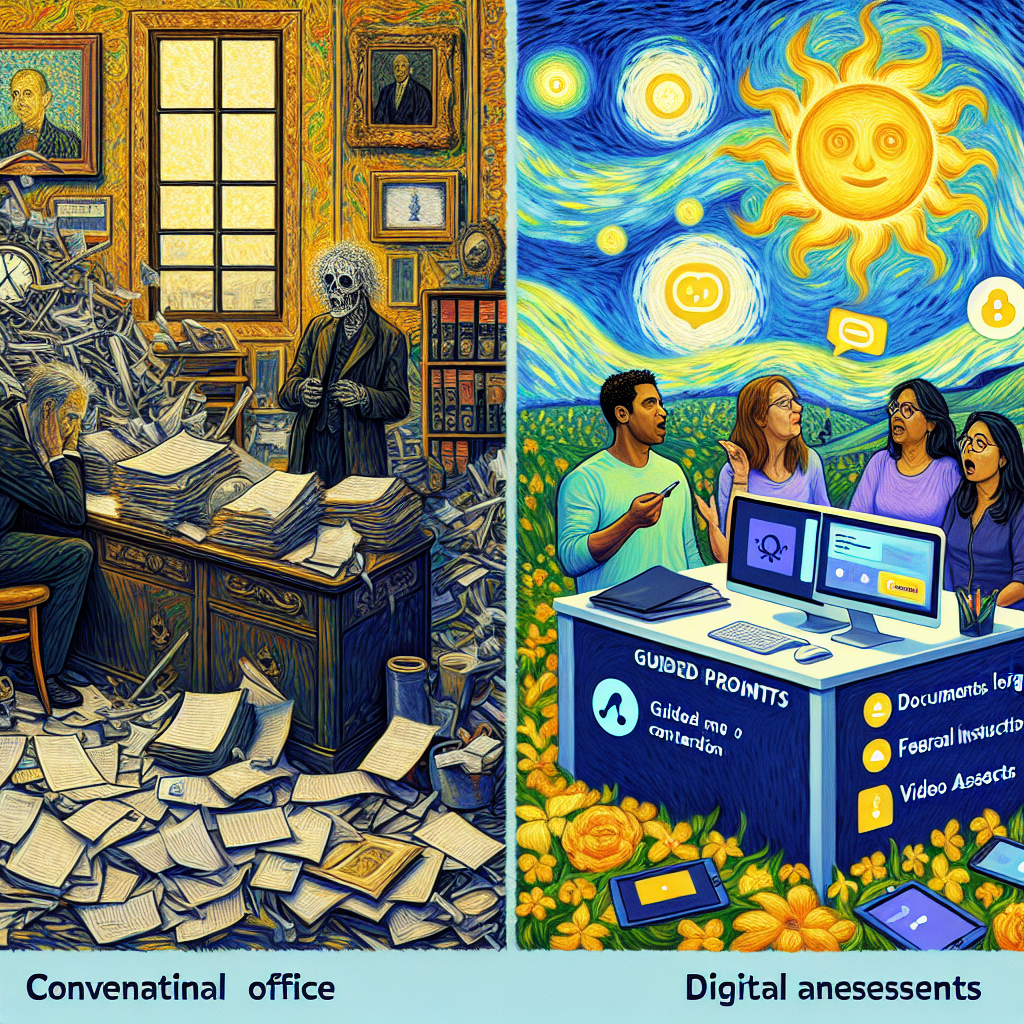
In a world brimming with innovation, clinging to outdated policies feels like holding onto a relic from a bygone era. These policies, like faded photographs tucked away in a dusty attic, tell stories—stories of a time when decisions were made with good intentions but lacked foresight. They shape our present and mold our future, often with consequences we didn’t foresee.
Legacy storytelling weaves through our communities and workplaces, crafting a narrative that reflects our values, challenges, and aspirations. When policies linger long past their expiration date, they become the backdrop of our collective experience. Imagine the hardworking individual who fought for regulations that seemed progressive at the time, only to see them morph into barriers that stifle creativity and progress. This isn’t merely a historical footnote; it’s a testament to the disconnect that can arise between intention and impact.
Rationally, we must assess how these outdated policies can stymie growth. They act as anchors, holding us in waters too shallow for advancement. Organizations that cling to these antiquated rules gamble with their relevance, risking the trust and loyalty of those they aim to serve. Citizens recognize the clash between modern needs and outdated mandates. When we fail to update these policies, we undermine our ethical obligation to foster environments that nurture talent and innovation.
Take a moment to reflect on your own encounters with such policies. Perhaps you’ve encountered tedious bureaucracy that feels like a barrier rather than a bridge. Every story of frustration is a call for action—a reminder that we have a choice. We can push back against the inertia of complacency and advocate for policies that reflect today’s realities, not yesterday’s assumptions.
Furthermore, as we navigate this landscape, we are not alone. Our communities are filled with those equally frustrated by the limitations imposed by outdated policies. By sharing our stories, we connect on an emotional level, fostering a sense of solidarity. These shared experiences inspire trust among us, creating a collective resolve to champion change.
Together, we stand at the crossroads of legacy and progress. Let’s challenge the old narratives and craft new ones that honor where we’ve been while boldly stepping into the future. The power of our collective voice can transform the stories we inherit, turning them from cautionary tales into inspiring motivators for change.

What Stories Do We Inherit From Outdated Policies?
What Stories Do We Inherit From Outdated Policies?
- Outdated policies resemble relics from the past, lacking foresight and shaping the present and future.
- Legacy storytelling reflects community values, challenges, and aspirations, but outdated policies can stifle creativity.
- Old regulations can act as anchors, hindering organizational growth and risking trust with stakeholders.
- Failure to update policies undermines the ethical obligation to nurture talent and innovation.
- Personal experiences with bureaucratic barriers highlight the need for change and advocacy for modern policies.
- Sharing frustrations fosters emotional connections and inspires collective resolve for change.
- Collectively, there’s an opportunity to challenge old narratives and craft inspiring, forward-looking policies.

What Stories Do We Inherit From Outdated Policies?
Are You Ready to Challenge the Status Quo for Change?
Change doesn’t come easy. We often find ourselves trapped in routines, clinging to what’s familiar and safe, even when it no longer serves us. But let’s take a moment to reflect: what story do you really want to tell? The legacy you leave behind is not just about the successes you achieve but about the battles you chose to fight. If we want to create a lasting impact, we must embrace the uncomfortable act of challenging the status quo.
Legacy storytelling is the art of weaving together the past and present to illuminate a path forward. It’s about sharing the struggles, failures, and triumphs that guide our journey. Think of the narratives that shape your community—those stories of grit and resilience that inspire action. We are always one story away from a breakthrough. When we share our experiences, we invite others to participate in the collective narrative, fostering a sense of belonging and accountability.
Now, let’s engage our heads. The evidence is clear: persistence fosters innovation. Organizations that dare to step away from tradition often lead the charge toward progress. Embracing change is not just a personal endeavor; it has far-reaching implications that can ripple through your community and beyond. Consider the innovators and disruptors who have reshaped entire industries—they didn’t achieve that by playing it safe. They took risks, challenged norms, and inspired others through their courage.
Yet, it’s essential to connect emotionally. Remember why this matters. Our world is filled with challenges that demand our attention. Whether it’s social justice, environmental issues, or economic disparity, your voice and actions can ignite change. Imagine standing on the shoulders of giants who fought for what was right; how do you want your legacy to measure up?
But we must also ground ourselves in ethics. Challenging the status quo means balancing ambition with responsibility. It’s not just about personal gain but about uplifting others along the way. True leadership is measured by the lives we touch and the positive transformations we initiate.
So here’s the question: are you ready to step into the arena and challenge the norm? Are you prepared to be the catalyst for change, the spark that ignites a movement? Your story matters, and the world is waiting for you to share it. Take that step; let your legacy tell a tale of courage, connection, and unwavering hope.

Are You Ready to Challenge the Status Quo for Change?
Are You Ready to Challenge the Status Quo for Change?
- Change is difficult; people often resist it by clinging to familiar routines.
- Legacy storytelling involves sharing struggles and triumphs to inspire others.
- Embracing change can create a lasting impact on communities and industries.
- Persistence leads to innovation; challenging the status quo is essential for progress.
- Emotional connections are crucial for igniting change in response to social challenges.
- True leadership balances ambition with responsibility, uplifting others in the process.
- Everyone has a story to tell that can spark movement and inspire courage and hope.

Are You Ready to Challenge the Status Quo for Change?
How Do You Balance Tradition with Innovation?
Balancing tradition with innovation is akin to walking a tightrope—one misstep can send us tumbling into the abyss of obsolescence or into the chaotic realm of relentless change. Yet, it is precisely this balance that can lead us to not only survive but thrive in our ever-evolving world.
Think of the artisans, the craftsmen who pour their souls into their creations. Their legacy is steeped in history, each stitch or carve telling a unique story that connects generations. Yet, as much as we cherish this legacy, innovation beckons us to bring this artistry into the modern age. We must ask ourselves: how can we honor these traditional crafts while also embracing fresh ideas and technologies?
Take, for instance, a master woodworker who upholds age-old techniques passed down through family lines. Imagine him standing in his workshop, surrounded by tools that feel as sacred as the wood he carves. He knows that these methods have defined his craft, forming an enduring legacy. But as the world changes, so must he. What if he integrates modern design principles or sustainable materials? By merging the reliability of tradition with the promise of innovation, he’s not just preserving his craft—he’s revitalizing it for future generations. His story isn’t merely about the past; it becomes a powerful narrative that juxtaposes respect for heritage with a forward-thinking mentality.
Engaging with tradition doesn’t mean slowing progress, nor does innovation require us to disregard our roots. It calls for a dialogue—a symbiotic relationship where both serve as teachers to the other. The heart of this balance lies in recognizing that every cutting-edge innovation has the potential to add depth to our legacy storytelling. The community, our social fabric, thrives when these old and new elements interweave. This dynamic collaboration can inspire action, stir passion, and foster trust within us.
As we navigate this landscape, let’s remember that our innovation is only as strong as our foundation—the stories that bind us. By honoring the past while looking toward the future, we create a tapestry rich in meaning, relevance, and connection. Embrace the challenge. Listening to the whispers of our history while charging forward with bold ideas allows us to tread this fine line with confidence and purpose. This is how we redefine our legacy—accessible, authentic, and undeniably thrilling.

How Do You Balance Tradition with Innovation?
How Do You Balance Tradition with Innovation?
- Balancing tradition with innovation is crucial for survival in a changing world.
- Artisans maintain a legacy steeped in history through their craftsmanship.
- Innovation encourages the modernization of traditional crafts.
- A master woodworker exemplifies the blend of age-old techniques with modern design principles.
- Engaging with tradition and innovation fosters a symbiotic relationship.
- The interplay of old and new elements strengthens community and trust.
- Honoring the past while embracing the future creates a meaningful legacy.

How Do You Balance Tradition with Innovation?
What Ethical Dilemmas Arise From Policy Changes?
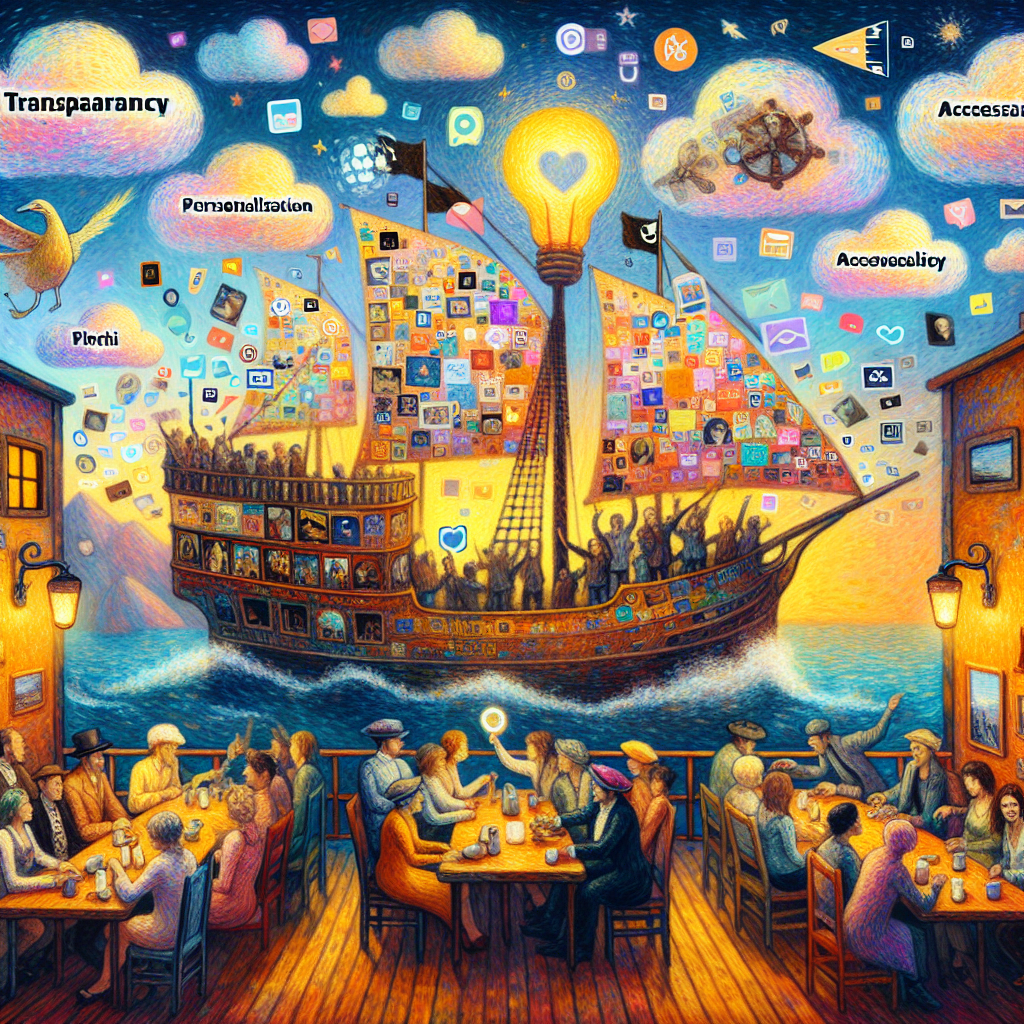
When a policy changes, it’s not just an abstract discussion unfolding in boardrooms or legislative halls; it reverberates through the lives of everyday people. Picture the single parent who relies on benefits for their children’s education. Each policy shift is a legacy storytelling moment, where the chapters of their lives can take unexpected turns. It’s these very real stories that often get lost in the numbers and statistics we throw around when debating policy changes.
Ethics often come into play when we weigh the intended benefits of a policy against its potential consequences. Let’s be honest: many policies are crafted with good intentions—but good intentions can mask harsh realities. Consider a policy that seeks to improve work-life balance by reducing hours for employees. On paper, it’s ideal. Yet, for the worker who needs overtime to make ends meet, the policy becomes a bitter pill to swallow. Here, the ethical dilemma arises—do we prioritize the wellbeing of a few over the survival of many?
To connect with this dilemma, we need to look beyond the surface. Each individual impacted by policy changes has a unique narrative. The elderly man on social security, the college student burdened with student loans—each person represents a potential ripple effect stemming from a single decision. Weighing these stories against the backdrop of authority figures who draft these policies can evoke feelings of frustration and distrust. Why are we not being heard?
As policy advocates and lawmakers, there’s a responsibility we carry. We must engage in genuine conversations, allowing room for diverse experiences and perspectives. Ethical policymaking demands that we cultivate relationships, grounded in trust and openness. The goal should always be to enact changes that reflect the collective good, rather than a one-size-fits-all approach that serves few at the expense of many.
When we engage in legacy storytelling, we create a space for empathy and understanding. These stories can inspire action and encourage accountability among those in power. The question we must ask ourselves is: What kind of legacy do we want to leave behind? One where policies are just ink on paper, or one that resonates with the lives of the people they touch? The ethical dilemmas of policy changes are not merely problems to be solved, but opportunities to truly listen, learn, and act with intention.

What Ethical Dilemmas Arise From Policy Changes?
What Ethical Dilemmas Arise From Policy Changes?
- Policy changes impact everyday lives, affecting individuals like single parents reliant on benefits.
- Stories behind policies often overshadowed by statistics in debates.
- Ethical considerations are essential, balancing intended benefits against potential negative consequences.
- Good intentions in policy-making can lead to unintended hardships for some, such as reduced work hours impacting financial stability.
- Each individual’s unique narrative reveals the broader impact of policy decisions.
- Policy advocates must foster trust and openness to reflect diverse experiences in policymaking.
- Legacy storytelling can promote empathy and accountability, shaping meaningful policies that resonate with affected individuals.
What Ethical Dilemmas Arise From Policy Changes?
Conclusion
Change is a constant force, and when a policy update disrupts the status quo, it can feel like an upheaval, shaking the very foundation of our legacies. For years, we’ve shaped our personal narratives through triumphs, struggles, and sacrifices, using our values as the mortar binding our achievements. Suddenly, a new directive threatens to alter that story—our history, once solid, now feels precarious. The emotional impact is profound; feelings of anger and despair may arise as we confront the possibility of a rewritten legacy. Yet, instead of seeing this as a setback, we must recognize it as a chance for transformation. Policies are not permanent; they can be tailored through dialogue and collaboration.
Rationally, we know that our accomplishments and the lives we’ve impacted remain untouched by changing laws. It’s crucial to embrace our authority built from experience and resilience during these times of upheaval. Engaging ethically with those around us—community members, colleagues, and even dissenters—can foster the conversations needed to reshape how we engage with new directives. When we unite our voices, we strengthen our capacity for collective action and empowerment.
Each of us carries a narrative shaped not just by our successes but also by the sacrifices we’ve made for our legacies. The late nights of hard work and the moments spent mentoring others are the bedrock of the stories we leave behind. These sacrifices take courage and vulnerability, highlighting our commitment to something greater than ourselves. They pave the way for future generations, serving as beacons of trust and connection that inspire those who follow.
Looking towards the future, we must acknowledge how policies shape our society, often serving as reflections of our values. As we face outdated mandates, it’s vital to challenge the inertia that keeps us anchored to the past. Crafting policies that resonate with our aspirations creates a legacy enriched by our shared stories. Together, we can rewrite these narratives, transforming outdated codes into innovative forces that inspire change.
Ultimately, our legacy will not solely be defined by policy updates but by how we respond to them. Embrace the discomfort; it’s there where growth happens. Stand tall in the face of adversity, for your story matters. As we confront these realities, let us gather our communities, share our narratives, and build a future that honors our past while forging new paths forward, ensuring that our legacies resonate for generations to come.

Conclusion
Conclusion:
- Change is a constant force that can disrupt established legacies through policy updates.
- Personal narratives shaped by values, triumphs, and sacrifices may feel threatened by new directives.
- Emotional responses such as anger and despair may arise from the potential rewriting of history.
- Seeing policy changes as opportunities for transformation can lead to positive outcomes.
- Engaging in dialogue and collaboration is essential for adapting to new policies.
- Our legacies are built on sacrifices made, inspiring future generations through trust and connection.
- Collective action and community engagement are crucial in shaping policies that reflect our values and aspirations.

Conclusion
Other Resources

Other Resources
Here is a list of other resources you can review online to learn more:
- Meminto
- Bcelebrated
- RootsMagic
- FindMyPast
- Funeral Finder
- International End of Life Doula Association
- ForeverMissed
- Is There A Need To Pay For Copyrighting Services For Personal Or Family Legacy Stories?
- LegalNature
- Ancestry
- Cake
- Forever Missed
- Storyfile Life
- YouMattered
- IronClad Family
- Trust And Will
- LifeWeb 360
- FuneralWise
- APH
- Tributize
Use This Prompt To Get More Resources With Your Favorite Online AI Tool: Please provide me with a list of online articles with their URLs in a bulleted list that I can read regarding When a Policy Update Rewrites Your Legacy

Other Resources
Glossary Terms
When a Policy Update Rewrites Your Legacy – Glossary Of Terms
1. Legacy: The accumulated history, values, or systems established by an individual or organization that influences future policies or practices.
2. Policy Update: A formal change or addition to existing regulations or guidelines within an organization.
3. Rewrite: The act of revising or altering the content and meaning of a document or set of policies.
4. Stakeholders: Individuals or groups that have an interest in the outcomes of policy changes, including employees, management, and customers.
5. Compliance: Adherence to established laws, regulations, or standards set forth by governing bodies or organizations.
6. Impact Assessment: A systematic evaluation of the potential effects resulting from a policy update on various stakeholders or processes.
7. Operational Framework: The structure that outlines how policies are implemented and managed within an organization.
8. Risk Management: The identification, assessment, and prioritization of risks followed by coordinated efforts to minimize their impact.
9. Change Management: A structured approach to transitioning individuals, teams, and organizations from a current state to a desired future state.
10. Transparency: The practice of openly sharing information regarding policies and changes with affected parties.
11. Accountability: The obligation of individuals or organizations to explain their decisions and accept responsibility for the outcomes.
12. Feedback Loop: A process where the outputs of a system are circled back and used as inputs for future actions or policies.
13. Standard Operating Procedures (SOPs): Established guidelines that dictate how specific tasks should be performed to ensure consistency and compliance.
14. Legacy System: An outdated computing system or application that may still be in use but is not aligned with current operational requirements.
15. Cultural Shift: A significant change in the values, beliefs, or behaviors within an organization prompted by new policies.
16. Strategic Alignment: The process of ensuring that policies are compatible with the overall goals and objectives of the organization.
17. Stakeholder Engagement: The process of involving relevant parties in discussions and decisions regarding policy updates.
18. Policy Advocacy: Efforts aimed at influencing policy decisions or promoting a specific set of policies.
19. Benchmarking: The practice of comparing organizational processes and performance metrics to industry standards or best practices.
20. Change Resistance: Opposition or reluctance from individuals or groups to accept or adapt to new policy changes.
21. Documentation: Official records that outline existing policies, procedures, and changes brought by policy updates.
22. Training and Development: Programs designed to enhance employees’ skills and knowledge in response to policy changes.
23. Implementation Plan: A detailed roadmap outlining how a policy update will be executed within an organization.
24. Evaluation Metrics: Criteria or standards used to assess the effectiveness or impact of a policy.
25. Organizational Culture: The shared values, beliefs, and practices that shape the environment within an organization.
26. Policy Review: A periodic examination of existing policies to ensure they remain relevant and effective in light of new circumstances.
27. Normative Change: Adjustments to established norms or guidelines as a result of new policies.
28. Interdepartmental Coordination: Collaboration between different departments to ensure unified compliance and understanding of new policies.
29. Feedback Mechanism: Tools or processes established to gather input and sentiments from stakeholders about policy changes.
30. Sustainability: The capacity to maintain practices over the long term without adverse effects on the organization or its stakeholders following policy updates.

Glossary Of Terms
Other Questions
When a Policy Update Rewrites Your Legacy – Other Questions
If you wish to explore and discover more, consider looking for answers to these questions:
- How exactly will this policy update affect my current projects, assets, or reputation?
- What immediate actions should I take to protect elements of my legacy that are most vulnerable?
- Are there legal avenues or appeals available to contest or mitigate the policy change?
- Who are the key decision-makers or stakeholders behind the policy, and how can I engage them?
- What examples exist of individuals or organizations that successfully adapted their legacies after similar policy shifts?
- How can I measure the long-term impact of the policy on my community or field?
- What trade-offs are involved in resisting the policy versus adapting to it?
- What resources (financial, legal, advisory) will be necessary to respond effectively?
- How do I communicate the effects of the policy to the people who rely on or are inspired by my legacy?
- What ethical considerations should guide my response to this policy change?
- Which voices or perspectives are missing from the policy conversation, and how can they be amplified?
- How can I transform frustration or grief about the change into constructive action?
- What short-term strategies can preserve credibility while I develop a long-term plan?
- How do I balance honoring past traditions with the need to innovate under the new rules?
- What specific innovations or adaptations are most compatible with my established values and history?
- How will this policy affect different groups unequally, and what can be done to address disparities?
- What role can storytelling play in reshaping public opinion or influencing future amendments?
- How do I build coalitions or alliances to amplify efforts for policy revision or mitigation?
- What metrics should I use to determine whether my legacy is evolving positively under the new policy?
- How can mentoring or knowledge transfer help future generations navigate similar policy disruptions?
- What contingency plans should organizations and families develop to safeguard their legacies?
- How can I document and preserve the history of my accomplishments independent of changing regulations?
- What emotional supports or leadership practices help individuals and teams cope with policy-driven loss?
- How long might meaningful policy change take, and what milestones should I expect along the way?
- What practical steps can ordinary citizens take to influence the policy-making process?
- Which data, stories, or evidence will be most persuasive when advocating for policy adjustments?
- How do we ensure new policies are designed to avoid creating unintended harms in the future?

Other Questions
Haiku
When a Policy Update Rewrites Your Legacy – A Haiku
Policies change our paths,
Legacies redefined,
Stories shape our souls.

Haiku
Poem
When a Policy Update Rewrites Your Legacy – A Poem
When the policy winds blow cold and fierce,
Our legacies tremble, our hearts feel the pierce.
Years of sweat woven into lifes tale,
Shattered in moments when old ways derail.
From bricks of effort, foundations we’ve laid,
With each sweeping change, shadows invade.
Yet in turmoils embrace, a chance to amend,
To mold and reshape, let our stories transcend.
What we’ve built doesn’t crumble to dust,
Only challenged to rise, adapt with trust.
For our voices, united, form a chorus of light,
In dialogue’s embrace, we find strength in the fight.
Remember the nights lost, the sacrifices made,
Each choice a thread in this tapestry laid.
Fear and vulnerability, they sharpen our edge,
Unify us in purpose, a communal pledge.
Policies shape futures, their echoes resound,
From classrooms to communities, a legacy found.
Yet outdated narratives can shackle our dreams,
If we share our stories, our power redeems.
Embrace the balance of old and the new,
Craft traditions anew, let innovation flow through.
Legacies flourish not just in what’s claimed,
But in courage to change, in the truth we’ve named.
So let us step forward, challenge the norm,
Dare to redefine where our visions are born.
Together we rise, hearts, heads, and guts,
Creating a future where hope never shuts.
Poem
Checklist
When a Policy Update Rewrites Your Legacy – A Checklist
Emotional Appeals
✅______ Reflect on personal feelings triggered by policy changes (anger, frustration, hope).
✅______ Identify and share stories of resilience in the face of shifts in policy.
✅______ Consider the emotional impact of legacy—What do you want to be remembered for?
Rational Appeals
✅______ Analyze how the policy update aligns or contrasts with your achievements.
✅______ Outline the benefits of adaptation—How can you respond rationally to policy changes?
✅______ Examine potential future scenarios—How can you leverage the new policy to enhance your legacy?
Ethical Appeals
✅______ Engage in discussions about the implications of the policy update.
✅______ Ensure diverse voices are included—Are the perspectives of all affected individuals being considered?
✅______ Promote transparency and accountability in conversations surrounding the policy.
Authority Appeals
✅______ Recognize your experience and insights as valuable contributions during change.
✅______ Share authoritative knowledge by educating others on facts surrounding the policy.
✅______ Use your influence to foster mentoring relationships within your community.
Narrative Appeals
✅______ Craft a personal narrative that highlights choices made in response to the policy change.
✅______ Encourage others to share their stories of adaptation and legacy.
✅______ Document and share the journey of evolving your legacy amidst policy updates.
Social Appeals
✅______ Foster community engagement—How can shared experiences catalyze change?
✅______ Connect with others who are experiencing similar policy updates—promote solidarity.
✅______ Create spaces for dialogue within your community to encourage collective advocacy and action.

Checklist
At LegacyExplorations, we help people plan and explore their legacy by collecting information and news regarding end-of-life planning.
Please share this post with your friends, family, or business associates who may want help to plan or explore their legacy.