

Embracing Memories: The Ethical Journey Of Ai And Life Beyond Death
By Tom Seest
At LegacyExplorations, we help people plan and explore their legacy by collecting information and news regarding end-of-life planning.
Please share this post with your friends, family, or business associates who may want help to plan or explore their legacy.
When AI Recreates the Dead
When we think about the intersection of technology and life, a profound question emerges: what happens when AI recreates the dead? This isn’t just a technical marvel; it’s an emotional and ethical labyrinth that speaks to our deepest fears and hopes. Imagine a family, gathered around a digital representation of a loved one lost far too soon. It’s not just a ghostly image flickering on a screen; it’s a chance for legacy storytelling to continue, a bridge spanning the chasm that death often creates.
We walk a tightrope here, balancing on the fine line of innovation and reverence. On one hand, the ability to bring back memories, to recreate voices, and to generate conversations with those we’ve lost is intoxicating. It serves a purpose, helping us to process grief, connect with memories, and remind us of the shared joy that was once tangible. Yet, what are the implications? Emotionally, it feels like a lifeline, while rationally some might argue it trivializes the very fabric of life and death. We face the gnawing question: at what point does remembering become recreating, and what does that mean for our understanding of loss?
Engaging with this technology can remind us of the fragility of our existence, but it can also forge a community around shared experiences—an understanding that invites everyone to reflect on their own encounters with mortality. Ethical concerns crop up naturally here. Who controls these digital embodiments? Can someone’s essence be reduced to mere algorithms? Yet, therein lies a powerful storytelling opportunity. We can choose to represent our loved ones with dignity and respect, transforming that square of pixels back into a narrative celebrating a life well-lived.
As we explore this frontier, we have the responsibility to foster connections rooted in authenticity. This isn’t merely about technological prowess; it’s about the impact we have on those left behind. The allure of AI recreating the dead calls us to act responsibly and thoughtfully, to build trust not just in the technology but in ourselves. When we engage with these innovations, let’s ensure they serve as a beacon of hope and healing, rather than a haunting reminder of what we’ve lost. Ultimately, as we navigate this brave new world, we embrace a chance to keep memories alive in new ways, honoring the legacies of those who have shaped our lives.

When AI Recreates the Dead
When AI Recreates the Dead
- AI recreating the dead raises profound emotional and ethical questions.
- Digital representations can serve as a bridge for legacy storytelling.
- This technology helps process grief and connect with memories.
- There are implications regarding the meaning of loss and remembrance.
- Ethical concerns include control over digital embodiments and the reduction of essence to algorithms.
- There’s potential for respectful storytelling that honors lives well-lived.
- Engagement with this technology should focus on authenticity and the positive impact on the living.

When AI Recreates the Dead
Table Of Contents
- When AI Recreates the Dead
- What Would It Mean to See Our Loved Ones Again?
- Can AI Truly Understand Memories?
- Is It Ethical to Recreate Someone Who Has Passed?
- How Do We Balance Technology and Human Emotion In Grieving?
- What Moral Dilemmas Arise When AI Mimics the Deceased?
- Can AI Provide Closure Or Just Prolong Our Pain?
- How Might Society Change If We Can Interact with the Departed?
- Conclusion
- Other Resources
- Glossary Of Terms
- Other Questions
- Haiku
- Poem
- Checklist
What Would It Mean to See Our Loved Ones Again?
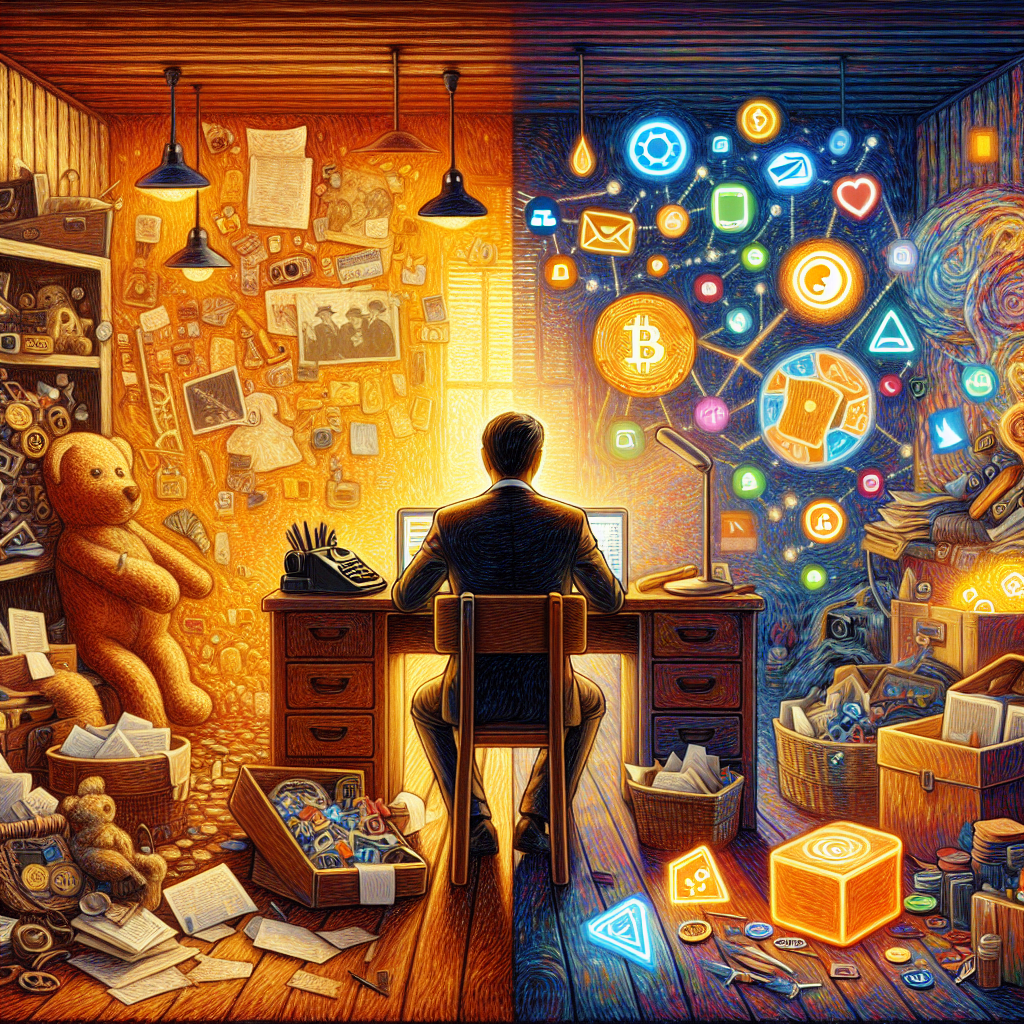
The thought of reuniting with those we’ve lost stirs a mix of longing and wonder in the human heart. It’s more than just a dream; it’s a hope that transcends time and space, connecting us to the legacies of loved ones who shaped our lives. Each relationship we forge tells a legacy story, woven through memories that echo in our minds long after farewells have been said. Imagine walking through a familiar threshold and embracing a presence that shaped your very being. The emotional impact of that moment is profound.
Our experiences with loss often lead us down a rocky path, where grief mingles with cherished recollections. In facing this steep incline together, we create a community — a supportive network that understands the weight of such experiences. When we gather to share these legacy stories, we validate one another’s grief and honor the lives we’ve lost. Here, we find comfort in the shared human experience of love and loss.
Rationally, we grapple with the mystery of existence and what lies beyond. Science explores consciousness and the nature of the soul, while philosophers ponder ideas of an afterlife. But regardless of our beliefs, the desire to reunite speaks to an innate part of us — a yearning for connection that dismisses the boundaries of mortality. This pursuit is not merely an escape from sorrow but a testament to the joy and profound impact these loved ones had on our lives.
Ethically, it compels us to consider the legacy we leave behind. How do we honor those we’ve lost? By embodying their values, sharing their stories, and living in a way that reflects the love they provided. This act of remembrance becomes a bridge connecting generations, inspiring us to build a future that resonates with the lessons learned from our past.
Contemplating what it would mean to see our loved ones again invites a cascade of emotions and thoughts. It encourages us to live fully, forge meaningful connections, and embrace the vulnerability that comes with loving deeply. The prospect of reunion is a catalyst — pushing us to actively choose a life rich with purpose, connection, and the legacy storytelling that binds us all together. These fleeting moments may fade, yet the stories, the laughter, and the love become an eternal part of who we are. Through connection and shared narrative, we keep the spirit of those we miss alive within us.
What Would It Mean to See Our Loved Ones Again?
What Would It Mean to See Our Loved Ones Again?
- The desire to reunite with lost loved ones evokes longing and hope, transcending time and space.
- Each relationship contributes to a legacy story, shaped by memories that linger after goodbyes.
- Experiences of loss create a community that validates grief and honors the deceased.
- Both science and philosophy explore the nature of existence and the afterlife, highlighting a universal yearning for connection.
- To honor those we’ve lost, we embody their values and share their stories, creating bridges across generations.
- Contemplating reunions motivates us to live meaningfully and embrace vulnerability in love.
- Through shared narratives, we keep the memories and spirits of those we miss alive within us.

What Would It Mean to See Our Loved Ones Again?
Can AI Truly Understand Memories?
In a world increasingly shaped by technology, the notion of artificial intelligence grasping human memory seems at once intriguing and unsettling. Memories are the threads that weave the tapestry of our lives; they shape who we are, define our legacies, and tell our stories. The power of legacy storytelling evokes the warmth of shared experiences and the depth of our emotional landscapes. Yet here we stand, at a crossroads where machines may one day be able to mimic these cherished narratives. But can they truly understand them?
When we think about memories, we are not merely recalling facts; we are revisiting feelings, smells, and sounds that awaken our pasts. It’s an emotional echo that resonates in our hearts, reminding us of our victories and losses. While AI can analyze data points and recreate actions, does it possess the genuine emotional connection to these memories? Without the capacity for human experience, the richness that comes from living those moments might escape a machine’s programmed understanding.
On the rational side, we must consider the implications of AI interpreting human memory. Can it distinguish between a joyful recollection and a painful one? Understanding these nuances requires more than algorithms; it demands emotional intelligence—a quality often regarded as uniquely human. When we share our stories, we are not just relaying information; we are building social bonds, establishing trust, and fostering connections that go beyond mere words.
Ethically, we venture into murky waters with AI as a memory interpreter. Should a machine be entrusted with the stories that encapsulate our identities? Who controls the narrative? The heart of these questions resonates deeply within us, challenging our assumptions about privacy, authenticity, and agency. As we explore AI’s capabilities, we must tread cautiously, keeping in mind the weight of the stories it seeks to understand.
Ultimately, the journey to understand memories through AI is as much about the adventure of learning as it is about technology itself. It beckons us to reconnect—to share our stories, our legacies. By engaging with these questions, we remind ourselves of the importance of empathy and the human spirit. While AI may enhance how we capture and archive memories, the authentic understanding will always reside within us, inviting reflection and fostering a rich dialogue about what it means to be human. We hold the pen to our own narrative, and that in itself is a powerful legacy.

Can AI Truly Understand Memories?
Can AI Truly Understand Memories?
- Artificial intelligence’s potential to grasp human memory is both intriguing and unsettling.
- Memories shape our identities and legacies, representing emotional experiences beyond mere facts.
- AI can analyze data but lacks genuine emotional connections to human memories.
- Understanding memories requires emotional intelligence, a uniquely human trait.
- The ethical implications of AI interpreting memories raise questions of narrative control and identity.
- The exploration of AI in memory invites dialogue about empathy and the human experience.
- Ultimately, the authentic understanding of memories remains a human endeavor, emphasizing our role in storytelling.

Can AI Truly Understand Memories?
Is It Ethical to Recreate Someone Who Has Passed?
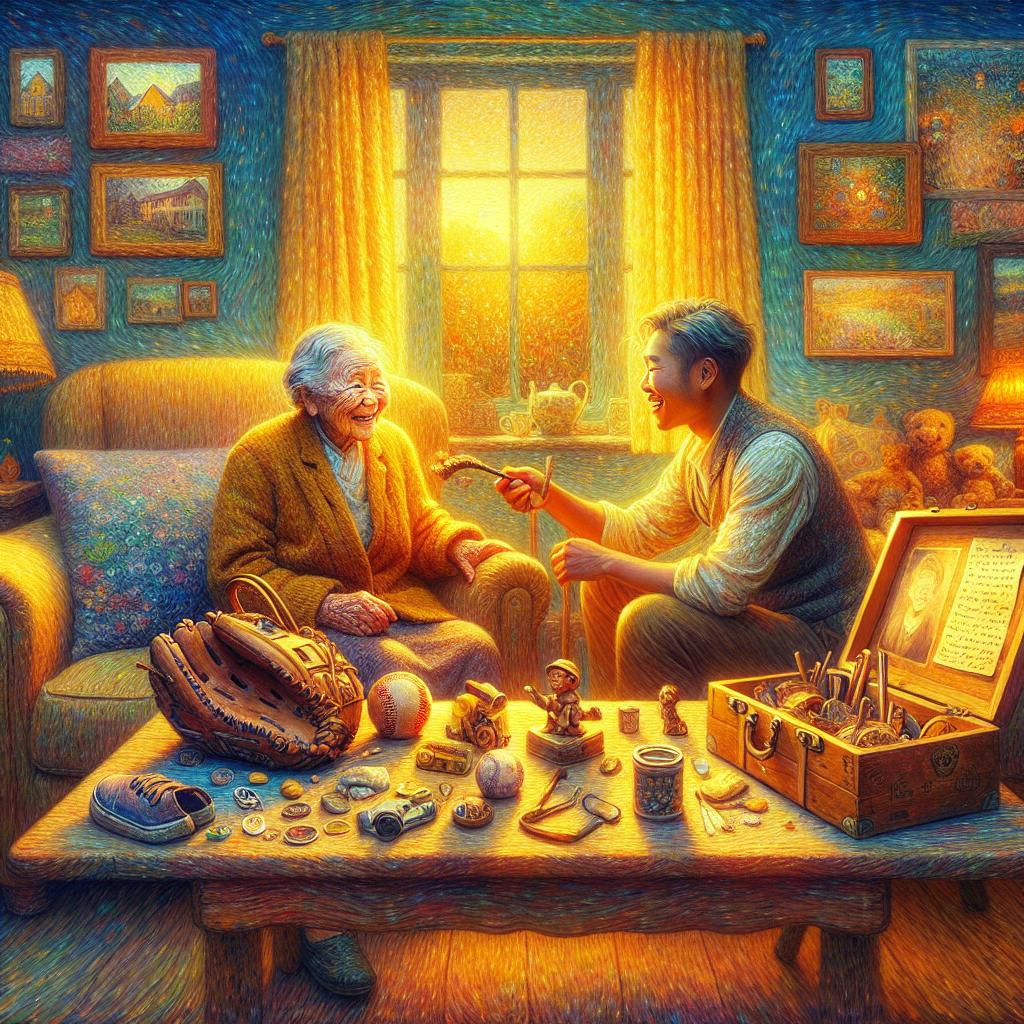
Is it ethical to recreate someone who has passed? This question isn’t just an academic exercise; it digs deep into our understanding of legacy storytelling—how we remember, honor, and even resurrect the voices of those we’ve lost. Recreating a loved one is more than pixels on a screen or an echo of a voice; it is an attempt to crystallize the essence of their spirit, a mission to keep their legacy alive in an increasingly digitalized society.
Consider for a moment the emotional pull of this act. We cling to memories, to mementos, and to stories that define our relationships. There’s a gut-wrenching truth in the aching absence left behind. Humans are inherently social beings, wired to connect. We share laughs, tears, and experiences. When a loved one passes, that connection feels severed, yet the desire to maintain it remains. It’s more than nostalgia; it’s a yearning for continuity. Recreating someone can serve to bridge that chasm, making us feel less alone, less abandoned.
But alongside that emotional plea, there’s an ethical dilemma. Is it right to utilize technology to mimic someone’s presence? Dealing with grief is complex, and the moral landscape grows murky when we start to manipulate memories. Some argue that it trivializes human experience, reducing individuals to mere data points or avatars, stripping them of their depth. They’re not just stories to be told; they were living, breathing people—flawed, imperfect, beautiful.
However, there’s another layer to consider. Technology can also offer a new level of connection and intimacy. Imagine the comfort of hearing a familiar voice or watching a visual representation that evokes fond memories. It is a chance to celebrate a legacy, to tell the story of a life lived, to give a voice to those silenced too soon. It’s a delicate balance between honoring someone’s memory and allowing technology to intrude on the sanctity of personal loss.
At its core, recreating someone is about respect and recognition—recognition of their impact on our lives and the narratives we continue to share. It’s imperative that we approach this with intention and integrity, ensuring that we preserve the dignity of the individual while nurturing our own need for connection. In a world where technology often dwarfs the human experience, the call to be mindful is stronger than ever. So, as we grapple with these questions, we find ourselves intertwined in a profound legacy storytelling, each act of remembrance sparking conversation about what it means to truly live on.
Is It Ethical to Recreate Someone Who Has Passed?
Is It Ethical to Recreate Someone Who Has Passed?
- The ethics of recreating someone who has passed delves into legacy storytelling and memory preservation.
- Recreating a loved one aims to keep their essence and legacy alive in a digital society.
- This act addresses the emotional void felt after a loss, highlighting the human desire for connection.
- There is an ethical dilemma in using technology to mimic someone’s presence, risking the trivialization of their memory.
- Critics argue that this practice reduces individuals to data points, stripping away their humanity.
- Conversely, technology can provide comfort and intimacy, allowing for celebration and remembrance.
- Respecting the individual’s dignity while fulfilling the need for connection is crucial in this complex interplay.

Is It Ethical to Recreate Someone Who Has Passed?
How Do We Balance Technology and Human Emotion In Grieving?
Technology has woven itself into the fabric of our lives, offering both solace and challenge as we navigate grief. The ability to connect with others instantaneously can provide a sense of belonging, yet it can also bring about feelings of isolation in a time when human connection is paramount. How do we find a balance between the convenience of technology and the depth of human emotion during one of life’s most profound experiences?
Imagine standing in a room filled with memories—the laughter, the warmth, the love. Legacy storytelling emerges as a powerful medium to honor those we have lost. Through shared stories, we not only remember but also celebrate the lives that shaped us. Technology can amplify this process. Social media platforms allow us to share our memories far and wide, inviting others to contribute to our collective remembrance. This digital age enables us to curate a tapestry of experiences, creating a living tribute to the past.
Yet, there is a pivotal question: does this reliance on screens dilute our emotional connection? While scrolling through photos can evoke fond memories, it can also lead to superficial engagement. Authenticity becomes crucial. It’s about striking a balance—technology can enhance our grieving process if we use it as a tool for connection rather than a substitute for genuine, heartfelt interactions.
Navigating grief in the digital age requires self-awareness and intentionality. Being the architect of our own grieving experience means recognizing when technology serves us and when it pulls us away from the solace of personal connection. Engaging in face-to-face conversations or gathering for a memory-sharing event can ground us as we cope with loss. These moments create emotional echoes that reverberate through time, reinforcing the bonds that grief can sometimes stretch.
In this journey, we must also consider the ethical implications. How do we handle the legacies left behind in a digital format? The stories shared online are part of someone’s identity, a collection of moments worth preserving. By engaging with technology thoughtfully, we help ensure these legacies endure without overshadowing the raw, human emotions behind them.
As we walk this path, let us remember that grieving is not a solitary endeavor. It is a shared experience, interwoven with humanity. By embracing both technology and emotion, we forge a connection that honors our departed while nurturing our hearts. In doing so, we empower ourselves and others to find meaning in loss and celebrate a life well-lived.

How Do We Balance Technology and Human Emotion In Grieving?
How Do We Balance Technology and Human Emotion In Grieving?
- Technology significantly impacts how we navigate grief, offering both solace and challenges.
- Instant communication can provide a sense of belonging but may also lead to feelings of isolation.
- Legacy storytelling serves as a powerful way to honor and celebrate the lives of those we’ve lost.
- Social media platforms facilitate the sharing of memories, contributing to collective remembrance.
- There is a risk that reliance on technology could dilute emotional connections and lead to superficial engagement.
- Intentional use of technology can enhance the grieving process by fostering genuine interactions.
- Grieving is a shared experience, and embracing both technology and emotion helps to honor departed loved ones.

How Do We Balance Technology and Human Emotion In Grieving?
What Moral Dilemmas Arise When AI Mimics the Deceased?
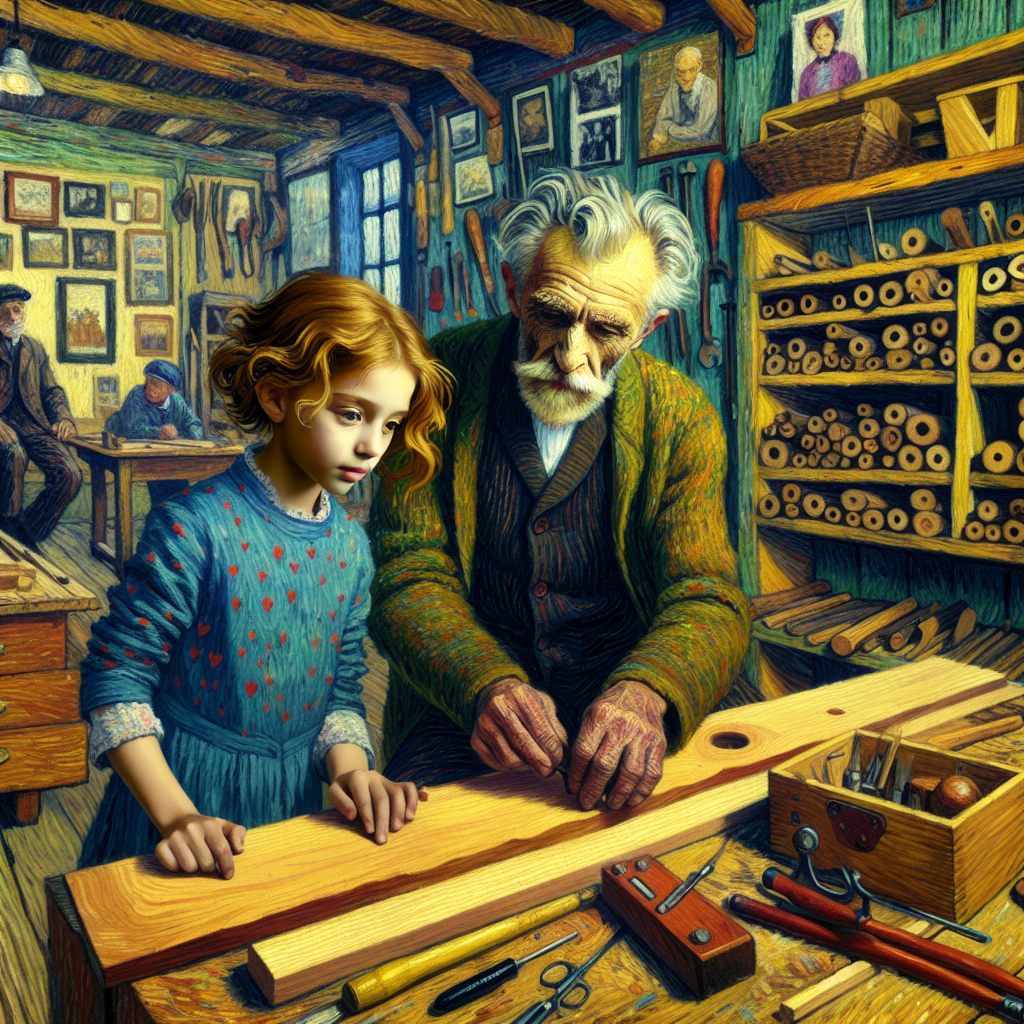
As we stand on the brink of a technological revolution, the idea of AI mimicking the deceased taps into something profoundly human: our connection to legacy and storytelling. Imagine, for a moment, a world where an AI can recreate the laughter, the wisdom, and even the quirks of those we’ve lost. It’s a compelling notion, but along with this incredible potential comes a minefield of moral dilemmas that spark deep reflection in our hearts and minds.
Let’s first consider the emotional impact. The allure of interacting with a virtual version of a loved one can offer comfort in grief, a chance to preserve that person’s essence for future generations. But does this mimicry steal away the authenticity of memories? When we engage with an AI portrayal, are we embracing a comforting fiction or denying ourselves the hard but necessary journey of mourning? Each interaction can feel like a warm embrace, yet underneath, the question looms: At what point does honoring a legacy become an obstacle to genuine healing?
From a rational perspective, the ethics surrounding consent become crucial. Many individuals cannot voice their wishes about how their digital selves should be shared or represented after they’re gone. Families may face the tough decision of whether to allow AI to embody their loved ones, creating potential conflicts among survivors. Would Grandma’s spirit be proud to be “alive” again, or disturbed to find her essence commercialized or distorted? This dilemma raises significant questions about autonomy and respect for the deceased—a balancing act that reflects our values and the narratives we choose to perpetuate.
Socially, the implications extend beyond individual families. Emulating the deceased through AI transforms how we view death and remembrance in the broader culture. It challenges traditional grieving practices and reshapes our understanding of connection. The digital footprint we leave behind isn’t just data anymore; it’s a narrative that can be manipulated, romanticized, or sanitized. As we explore this terrain, we need to collectively navigate who holds the power to dictate these narratives.
Ultimately, the significance of our legacy lies in the stories we leave behind. Each mimicked laugh or wisdom echoed back from an AI is a reminder of the human experiences that shaped us. In this evolving landscape, we must foster a dialogue that respects our past while thoughtfully considering the moral threads that intertwine our emotional and ethical fabric. It’s a challenge worth undertaking, as we strive to honor those who came before us while navigating the complexities of empowerment and preservation.
What Moral Dilemmas Arise When AI Mimics the Deceased?
What Moral Dilemmas Arise When AI Mimics the Deceased?
- AI mimicking the deceased taps into human connections to legacy and storytelling.
- Interacting with virtual versions of loved ones can provide comfort but may compromise genuine mourning.
- Consent and representation of the deceased present significant moral and ethical dilemmas.
- Families may face conflicts regarding how to honor their loved ones through AI.
- AI transforms cultural views on death and remembrance, reshaping traditional grieving practices.
- The digital footprint left behind is a narrative subject to manipulation and commercialization.
- Dialogue is needed to navigate the moral implications of preserving legacies in an evolving technological landscape.

What Moral Dilemmas Arise When AI Mimics the Deceased?
Can AI Provide Closure Or Just Prolong Our Pain?
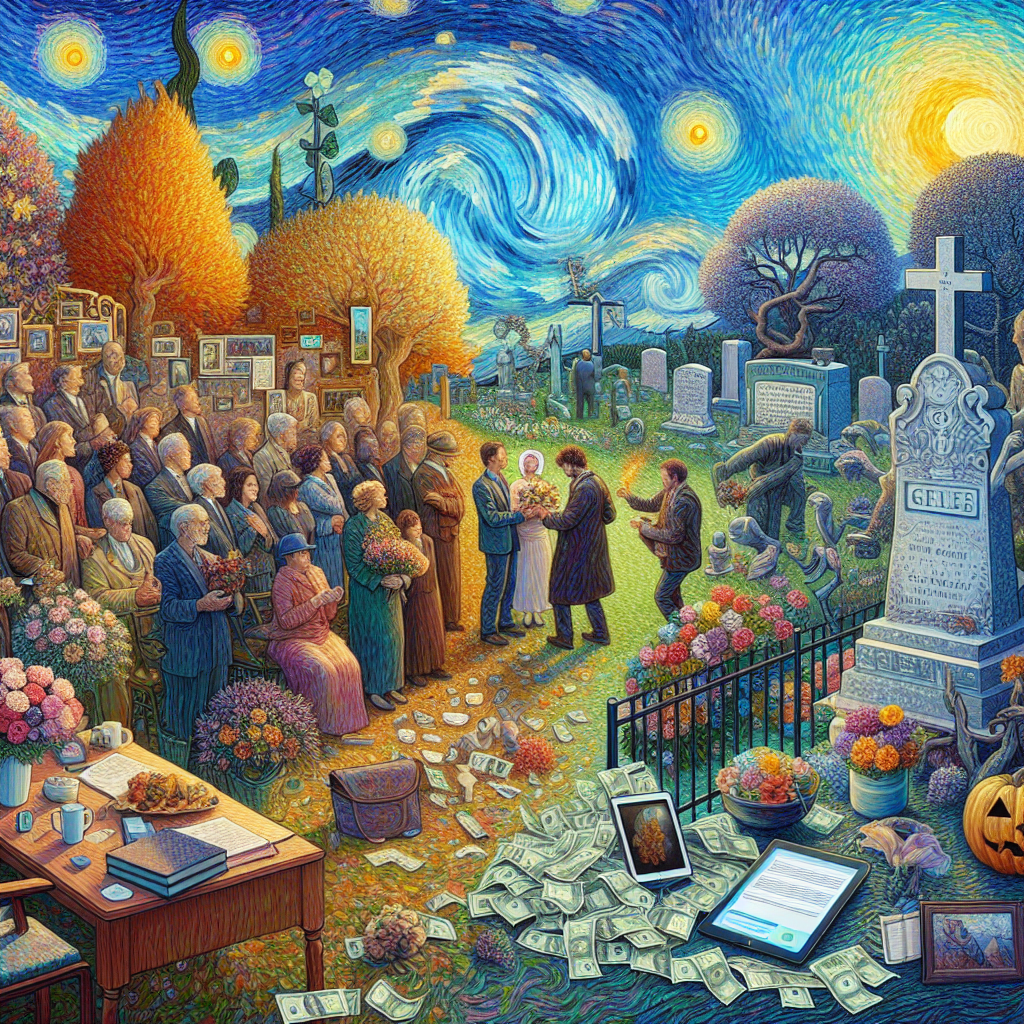
In a world where connections often feel fleeting, we find solace in the idea of Legacy Storytelling. We weave narratives that honor those we’ve lost, binding us to their memory as we navigate our grief. Yet, with the rise of artificial intelligence, we confront a new question: Does this technology offer genuine closure or merely extend our suffering?
Imagine a grieving parent seeking comfort in a chat with an AI designed to emulate their child’s voice. At first, it can seem like a lifeline, a bridge connecting the past with the present. The heart whispers that perhaps this interaction provides a semblance of connection, allowing them to replay cherished memories like an old record. Yet, the head prompts a pause. Is this reprieve truly healing, or does it keep us tethered to unresolved pain, blurring the lines between remembrance and obsession?
This dilemma raises ethical questions about the role of AI in our grief. On one hand, we hold technology as a tool, a means for preservation—a digital vault where memories are stored, perhaps even enriched. On the other, we risk becoming ensnared in a loop, where our attempts at closure are continually diverted by our interactions with machines. It’s a treacherous path, one that invites scrutiny. Can a silicon-based entity genuinely understand the depths of human sorrow? If we seek authority in this discourse, we must look at the data, the experiences of those who have traversed this territory.
Consider the narratives we share with one another. Personal stories have a power that transcends algorithms. They forge bonds between us, reminding us that we are not alone in our despair. Engaging in conversations about our loss—whether through casual gatherings or formal support groups—offers a grounding experience, one vastly different from the sterile interactions with an AI. Social support becomes a balm, seemingly more effective than a programmed response.
Ultimately, we must ask ourselves: Is our engagement with AI a means of honoring those we’ve lost, or a distraction that prolongs our pain? As we sift through our emotions, we are called to confront our truths. It’s a delicate dance between holding on and letting go, between utilizing technology and nurturing our humanity. Genuine closure may not come from the circuits of an AI but from the heart, hand in hand with those who share our narratives, our legacies.
Can AI Provide Closure Or Just Prolong Our Pain?
Can AI Provide Closure Or Just Prolong Our Pain?
- Legacy Storytelling offers a way to honor and remember lost loved ones amidst grief.
- The rise of AI raises questions about whether it provides genuine closure or prolongs suffering.
- A grieving parent may find solace in AI conversations, but it risks blurring the lines between remembrance and obsession.
- Ethical concerns arise regarding AI’s role in grief, highlighting the potential for technology to act as a preservation tool or a hindrance.
- Human narratives and personal stories create meaningful connections, contrasting with sterile AI interactions.
- Social support through discussions about loss is often more healing than engaging with machines.
- True closure may stem from human connections rather than AI, emphasizing the importance of shared experiences and emotions.

Can AI Provide Closure Or Just Prolong Our Pain?
How Might Society Change If We Can Interact with the Departed?
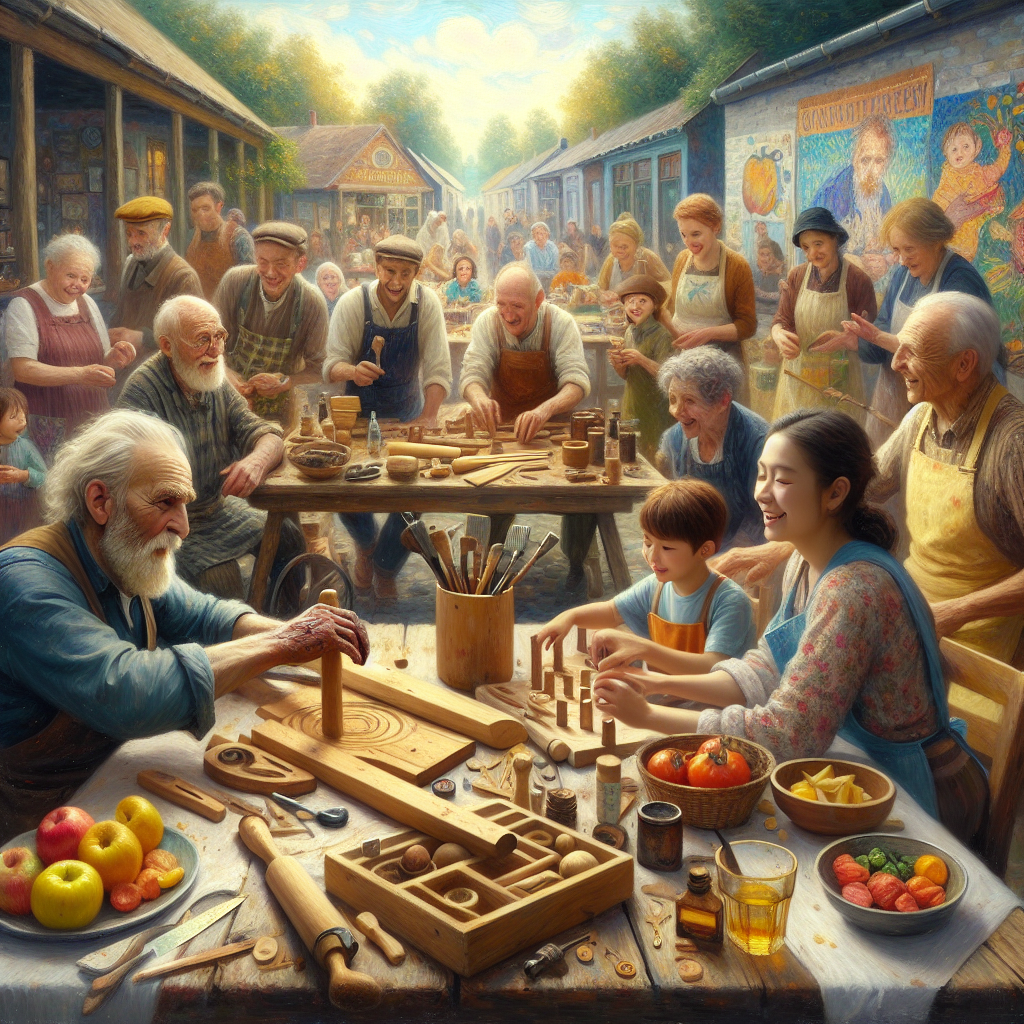
Imagine a world where the veil between life and death is not a solid wall, but a translucent curtain that we can gently part. The allure of interacting with those who have crossed over tugs at our deepest emotions, weaving together a tapestry of hope, nostalgia, and reflection. This isn’t just about the fantastical; it’s about legacy and storytelling, a profound reminder that our connections don’t end with a heartbeat. When we consider this possibility, we open ourselves up to a profound exploration of what it means to remember, to honor, and to learn from those who came before us.
The emotional impact of this interaction could be staggering. Picture a grieving parent, able to converse with a departed child, discussing dreams, regrets, and cherished memories. This exchange might bring closure and understanding, transforming heartache into healing. For many, this isn’t merely an ethereal notion; it speaks to the innate human desire to maintain ties, to feel seen and heard in the wake of loss. Legacy storytelling becomes a tool of comfort, enabling conversations that enrich our understanding of life and mortality, nurturing our humanity.
Rationally, one might consider the implications for society. How would our cultural narratives shift if we could routinely access the wisdom of those who had lived through profound experiences? The cumulative insights from generations could guide us, fostering an ethic of shared knowledge and responsibility. Communities could form around these interactions, with stories passed down not just through memory, but through vibrant dialogues with the past. This could spark a renaissance of learning, curiosity, and respect for history, as ethical frameworks of our predecessors challenge the status quo and inspire innovative ideas.
Socially, the normalization of these interactions could reshape our outlook on death and life. Instead of shying away from discussions about mortality, society could embrace them, allowing for a culture that celebrates life and acknowledges death as part of our shared journey. Through these conversations, we could foster deeper connections with our families, friends, and communities, transforming how we perceive grief and remembrance.
Ultimately, the ability to interact with the departed would be more than a mystical experience; it would serve as a powerful reminder of our shared humanity. It would invite us to honor our past, listen to the stories that shaped us, and inspired by their narratives, work together to build a future laced with wisdom, compassion, and understanding.
How Might Society Change If We Can Interact with the Departed?
How Might Society Change If We Can Interact with the Departed?
- The world presents a veil between life and death, allowing interaction with the departed.
- This possibility evokes emotions of hope, nostalgia, and reflection, emphasizing legacy and storytelling.
- Emotional exchanges can bring closure and healing, especially for grieving individuals.
- Societal implications include reshaped cultural narratives and shared knowledge from past generations.
- Communities could form around these interactions, enriching understanding of history and ethics.
- Normalizing discussions about death may foster deeper connections and transform grief perception.
- Interacting with the departed serves to honor the past and build a compassionate, wise future.

How Might Society Change If We Can Interact with the Departed?
Conclusion
The convergence of artificial intelligence and the legacies of those we’ve lost presents a transformative yet complex journey, stirring a spectrum of emotions and ethical considerations. Imagine gathering with family around a digital echo of a loved one, reigniting the laughter and warmth that once filled your lives. This isn’t merely about technology; it’s about connection, memory, and the intricate dance we engage in while confronting our mortality.
On a heart level, AI can bridge profound divides, allowing us to hold onto memories and honor the vibrancy of those who have passed. These interactions can serve as a lifeline, aiding in the grieving process while simultaneously questioning the very nature of loss. Are we preserving genuine memories, or are we tiptoeing into the realm of illusion? The allure of recreating the departed reminds us of our inherent desire for connection, pushing us to explore the nuances of what it means to remember.
Rationally, we grapple with responsibility. Who controls these digital representations? Ethical dilemmas arise when we consider the authenticity of recreating a life once lived. The heartache that accompanies loss can, surprisingly, give rise to communities that share and celebrate collective stories, each narrative a thread connecting us to the past. In this framework, technology must be wielded with care, ensuring that the dignity of those we’ve lost is preserved while navigating the boundaries between memory and commercialized remembrances.
When engaging with AI, we must reflect on the deeper implications of these simulations. Does engaging with a digital presence prolong our grief or provide a true sense of closure? Engaging with real connections, whether with family or support systems, could present the most genuine pathways toward healing, rather than relying solely on simulated interactions. This discussion invites a broader societal dialogue about how we choose to remember and honor our departed.
As we step boldly into this new terrain, we must approach these innovations with ethical intent and heartfelt sincerity, conscious of the weight of our choices. Ultimately, it’s about striking a balance—leveraging technology not simply as a tool for remembrance but as a means to deepen our understanding of life, loss, and legacy. Through careful stewardship of our memories and the lives of those we’ve loved, we can ensure that as we navigate this brave new world, we do so with purpose, respect, and an unwavering commitment to honor our shared humanity.

Conclusion
Conclusion:
- The convergence of artificial intelligence with the legacies of lost loved ones creates a transformative journey filled with emotions and ethical considerations.
- Digital recreations of deceased individuals serve to reignite memories, warmth, and connection for grieving families.
- AI interactions can aid in the grieving process, raising questions about the nature of memory and the risk of entering illusion.
- Ethical dilemmas emerge around the control and authenticity of digital representations of lives once lived.
- Loss can foster communities that celebrate collective stories, connecting individuals with their past.
- Engagement with AI should prompt reflection on whether it prolongs grief or aids in achieving closure.
- The future involves navigating the balance between technology as a remembrance tool and deepening our understanding of life, loss, and legacy.

Conclusion
Other Resources

Other Resources
Here is a list of other resources you can review online to learn more:
- International End of Life Doula Association
- RocketLawyer
- YouMattered
- LifeBio
- Living Wisely
- Obituary Templates
- How to Avoid Losing Your Family History One Generation at a Time
- MyHeritage
- Storyworth
- Memorial Matters
- UpCounsel
- Ever Loved
- LegacyLearned
- ForeverMissed
- FamilySearch
- Knotify.me
- LifeWeb 360
- Lexikin
- PartingWishes
Use This Prompt To Get More Resources With Your Favorite Online AI Tool: Please provide me with a list of online articles with their URLs in a bulleted list that I can read regarding When AI Recreates the Dead

Other Resources
Glossary Terms
When AI Recreates the Dead – Glossary Of Terms
1. AI (Artificial Intelligence): Computer systems designed to perform tasks that typically require human intelligence, such as understanding language and recognizing patterns.
2. Recreation: The act of creating or bringing something back into existence, often referring to digital replicas or simulations.
3. Digital Resurrection: The process of utilizing technology to simulate a deceased individual’s likeness, behavior, or personality in digital form.
4. Deepfake: A technology that uses AI to create realistic-looking fake videos or audio recordings, often manipulating existing footage of an individual.
5. Ethics: A branch of philosophy dealing with what is morally right or wrong, particularly relevant in discussions about recreating deceased individuals.
6. Cognitive Modeling: A method in AI that attempts to imitate human thought processes to create realistic simulations of individuals.
7. Virtual Reality (VR): Computer-generated environments that can simulate real-life situations, allowing users to engage with digital representations of people or places.
8. Avatar: A digital representation of a person, often used in virtual environments, that can take on the appearance and characteristics of a deceased individual.
9. Mortality: The condition of being subject to death; a core concept in discussions about life, existence, and the implications of recreating the dead.
10. Simulation: The imitation of a real-world process or system over time, utilized to replicate human behavior or experiences.
11. Genealogy: The study of family history and lineage, which can inform AI recreations through the analysis of personal narratives and data.
12. Ethical Considerations: Important moral questions and implications regarding the appropriateness of recreating deceased individuals through AI technologies.
13. Memorialization: The process of preserving the memory of a deceased person, often enhanced by digital recreations or virtual representations.
14. User Interface (UI): The means by which a user interacts with a computer system, critical in the design of applications for AI recreations.
15. Digital Footprint: The data trail left by individuals online, which can be used to inform AI models about the preferences and behaviors of the deceased.
16. Personality Modeling: The use of algorithms to replicate an individual’s distinctive traits and behaviors in a virtual format.
17. Predictive Analytics: Techniques used in AI to analyze data and predict future trends, which can apply to recreating behaviors of deceased individuals.
18. Authenticity: The quality of being genuine or real, a significant concern when recreating deceased individuals to ensure fidelity to their real-life personas.
19. Consent: The agreement or permission required from living individuals or their families to recreate the likeness or persona of a deceased person.
20. Existentialism: A philosophical theory emphasizing individual existence and freedom, often engaged with in discussions about digital reincarnation.
21. Transhumanism: A movement advocating for the use of technology to enhance human capabilities, sometimes including the recreation of consciousness after death.
22. Character Reconstruction: The process of rebuilding a representation of a person based on collected data and traits, relevant in AI recreations.
23. Legacy: The impact or memory of a person after their death, which can be preserved or altered through digital means.
24. Augmented Reality (AR): An interactive experience that enhances the real world with digital content, potentially allowing for interactions with recreated individuals.
25. Neuromorphic Computing: A type of computing inspired by the human brain’s structure and function, which can aid in developing more human-like AI.
26. Psychological Impact: The emotional and mental effects that recreations of deceased individuals can have on their families and society at large.
27. Behavioral Simulation: The replication of an individual’s actions and responses using AI algorithms based on historical data.
28. Societal Implications: The effects that the ability to recreate the deceased may have on culture, mourning practices, and ethical standards in society.
29. Data Mining: The process of analyzing large datasets to extract relevant information, often used to gather insights into personalities for AI recreations.
30. Spirituality: Concepts related to the nature of the soul and existence beyond physical death, influencing perceptions of recreating deceased individuals.
Glossary Of Terms
Other Questions
When AI Recreates the Dead – Other Questions
If you wish to explore and discover more, consider looking for answers to these questions:
- Who owns the digital likeness, voice, and data used to recreate a deceased person?
- How is consent obtained or represented for someone who cannot consent after death?
- What legal protections exist against misuse, impersonation, or defamation of the recreated person?
- How accurate and faithful are AI recreations to the real person’s personality and memories?
- What sources of data (texts, audio, video, social media) are required to build a meaningful recreation?
- Can AI recreate someone from limited or unreliable data, and how are uncertainties handled?
- How do developers prevent bias, distortion, or sanitization of a person’s character or history?
- How transparent should systems be about what is real memory versus generated content?
- What ethical frameworks guide decisions about creating, displaying, or terminating a digital replica?
- Who controls access to the AI recreation and who decides who can interact with it?
- What safeguards prevent commercial exploitation or commodification of a deceased person’s likeness?
- How do cultural, religious, and family values shape whether and how recreations are used?
- Can interacting with an AI replica facilitate healthy grieving, or might it impede closure?
- What empirical evidence exists about psychological benefits or harms from interacting with AI recreations?
- How should clinicians, therapists, or support groups integrate or regulate AI-based bereavement tools?
- What age restrictions or protections should exist for children interacting with these recreations?
- How long should a digital recreation persist, and who decides when it is deleted?
- What security measures protect the stored data and prevent hacking, alteration, or identity theft?
- How are disagreements among relatives about creating or controlling a recreation resolved legally?
- Could AI recreations be used as evidence in legal proceedings, and with what admissibility standards?
- What standards or certifications should developers meet to ensure ethical, accurate recreations?
- How do we verify authenticity and prevent malicious deepfakes posing as legitimate memorial AIs?
- What business models exist (subscription, one‑time creation, freemium), and what are their ethical implications?
- How will widespread use of such technology change social rituals around death, mourning, and remembrance?
- What regulatory frameworks are needed at national and international levels to govern posthumous AI?
- How do privacy laws apply to data collected from the deceased or their online footprint?
- What responsibilities do creators have to disclose limitations, biases, or likely inaccuracies to users?
- How can families ensure the recreated persona respects the deceased’s values, flaws, and full context?

Other Questions
Haiku
When AI Recreates the Dead – A Haiku
Digital echoes linger,
Memories bridge life and loss—
Healing hearts or ghosts?

Haiku
Poem
When AI Recreates the Dead – A Poem
In shadows cast by memories lost,
Where echoes linger, the hearts deep cost,
AI stands poised on the edge of grace,
To bridge the chasm of time and space.
Imagine souls reborn in light,
Recreated voices soft as night,
A digital embrace, a flickering flame,
Yet with each touch, we tread a name.
In griefs harsh grip, where love still clings,
The quest for solace, the hope it brings—
But what of essence in pixels confined?
Can algorithms cradle the heart and the mind?
Ethics whisper in the still of our night,
Who holds the narrative, the sacred right?
The essence of life, a debated will,
Is it a comfort or merely a thrill?
Through screens we share our tales unsung,
Stories of laughter, of life, of young—
Yet dangers lie in this pixelated dance,
Where memories morph and reality prance.
Closure beckons with its tender grin,
But does it heal or anchor us within?
The heart yearns for warmth, for touch, for breath,
Yet fear lingers—does this lead to death?
Faced with the past, we’re called to unite,
To weave our legacies, shining bright—
For in sharing sorrow, the burden we lighten,
Finding strength together, our spirits igniting.
So as we march in this brave new domain,
Embrace the stories, the joy and the pain.
In the harmony of loss, may we evolve,
Honoring those lost, in their tales, we resolve.

Poem
Checklist
When AI Recreates the Dead – A Checklist
Emotional Appeal
✅______ Reflect on your feelings before engaging with AI representations of lost loved ones ⠀
✅______ Consider the memories you cherish and how they can be preserved respectfully ⠀
✅______ Acknowledge the mixed emotions of grief and comfort when interacting with AI recreations ⠀
Rational Appeal
✅______ Evaluate the potential benefits of AI in preserving legacies and memories ⠀
✅______ Understand the limitations of AI in replicating genuine human connections and emotions ⠀
✅______ Assess the risks of reliance on technology for emotional closure versus organic grieving processes ⠀
Ethical Appeal
✅______ Contemplate the moral implications of recreating a loved one using AI ⠀
✅______ Ensure that the memories and stories shared through AI are treated with respect and care ⠀
✅______ Discuss with family members their views on using AI to represent the deceased and obtain consent where necessary ⠀
Authority Appeal
✅______ Seek insights from experts in technology, psychology, and ethics regarding the use of AI in memory recreation ⠀
✅______ Engage with literature on the impact of AI on human emotion and social interactions ⠀
✅______ Consider case studies that illustrate both positive and negative experiences with AI representations of the deceased ⠀
Narrative Appeal
✅______ Share personal stories of loss and reminiscence, highlighting the importance of legacy storytelling ⠀
✅______ Encourage others to recount their experiences with grief and technology to foster community understanding ⠀
✅______ Use fictional narratives or testimonials to explore the emotional landscape surrounding AI interactions ⠀
Social Appeal
✅______ Join groups or forums discussing the intersection of AI technology and memory to share and hear diverse perspectives ⠀
✅______ Encourage community conversations about grief, technology, and human connection ⠀
✅______ Promote events that celebrate memory and legacy, combining technology with personal stories ⠀

Checklist
At LegacyExplorations, we help people plan and explore their legacy by collecting information and news regarding end-of-life planning.
Please share this post with your friends, family, or business associates who may want help to plan or explore their legacy.