

Navigating Family And Identity In An Age Of Ai Misunderstandings
By Tom Seest
At LegacyExplorations, we help people plan and explore their legacy by collecting information and news regarding end-of-life planning.
Please share this post with your friends, family, or business associates who may want help to plan or explore their legacy.
When AI Tags Your Uncle As a Stranger
In a world increasingly governed by algorithms, the idea that your beloved uncle could be misrepresented by a machine stirs a peculiar blend of emotions. Picture this: during a family gathering, the digital devices around you hum with activity, but your uncle’s familiar face is flagged as a stranger by an AI algorithm. The very thought of this can send chills down your spine, conjuring a narrative that feels unsettling and absurd. Legacy storytelling has long cherished the bonds built through familial connections, yet here we are, potentially losing that human touch to cold, calculating machines.
You might wonder, how does a line of code determine your uncle’s worthiness of recognition? This situation highlights a troubling reality—machines often lack the context and nuance inherent in our human experiences. They don’t know the nights your uncle sat around the campfire, recounting tales of his youth, or the warmth of his hugs that linger long after you part ways. When an AI mislabels a cherished family member, it shatters not only identity but also trust. It forces us to re-evaluate our relationship with technology and the ethical implications of an ever-watchful digital world.
Rationally, we must consider the consequences of unchecked surveillance and uninformed algorithms. In a society where data is currency, those at the controls hold power over narratives—shaping who gets recognized and who gets ignored. This isn’t just about a name on a screen; it’s about the values we hold dear. As we craft our legacy story, the responsibilities fall upon each of us to advocate for ethical AI that respects human dignity and values the complex tapestry of our connections.
Engage in this discourse. Share your thoughts, experiences, and discomforts, fostering a sense of community and awareness. Conversations instilled with emotion and authority drive meaningful change, and together we can reshape the digital landscape. Reflect on your own interactions with AI. Are we aware of the subtleties lost in algorithms? Let’s navigate this complex terrain with intention, ensuring our loved ones remain recognized not merely as data points but as integral threads in the fabric of our lives. Seeking trust in these technologies isn’t naive; it’s essential.
Linking humanity with innovation could lead us to a future where AI enhances rather than alienates—where every encounter is celebrated, and every story, including your uncle’s, is valued and remembered.

When AI Tags Your Uncle As a Stranger
When AI Tags Your Uncle As a Stranger
- Algorithms increasingly govern personal interactions, affecting how we perceive familiar relationships.
- An AI algorithm can mislabel a loved one, highlighting concerns about identity and trust.
- Machines lack the context of human experiences, undermining familial bonds.
- Unchecked surveillance and uninformed algorithms pose ethical dilemmas in society.
- Data is power; those controlling it shape narratives and societal values.
- Engaging in discussions about technology’s role is crucial for fostering community awareness.
- A future where AI enhances human connections is possible by ensuring recognition of individuals beyond data points.

When AI Tags Your Uncle As a Stranger
Table Of Contents
- When AI Tags Your Uncle As a Stranger
- What Does It Feel Like to See a Loved One Labeled As a Stranger?
- What Are the Ethical Implications Of AI Misidentifying People?
- How Does the Trust We Have In Technology Impact Our Relationships?
- What Stories Do We Lose When AI Forgets Our Connections to Each Other?
- How Do Social Dynamics Change When AI Misrecognizes Family Ties?
- What Authority Do Tech Companies Hold Over Our Personal Identities?
- What Role Does Empathy Play In the Development Of AI Technologies?
- Conclusion
- Other Resources
- Glossary Of Terms
- Other Questions
- Haiku
- Poem
- Checklist
What Does It Feel Like to See a Loved One Labeled As a Stranger?
Imagine standing among a crowd, scanning familiar faces, only to find one that should ignite warmth twist into an unsettling cold. A loved one, once a pillar of your life, is now relegated to the status of a stranger. It’s a hard pill to swallow, yet so many of us have felt that gut-wrenching disconnect when a cherished connection fades, overshadowed by judgments and assumptions. In a world that thrives on connection, this experience offers a stark reminder of how fragile our bonds can be.
This sentiment isn’t just personal; it’s universal. We invest time, energy, and passion into our relationships, crafting a legacy that tells a story far more complex than mere labels. But when society reduces those we hold dear to simplistic stereotypes or hasty categorizations, it tears at the fabric of our shared humanity. The emotional fallout feels like a jolt to the heart, that instinctual response we all know when something deeply familiar becomes painfully foreign.
Rationally, it begs the question: How can we allow ourselves to forget the deeper layers of each person’s legacy? Our loved ones are not merely roles in our lives; they are storytellers of their own experiences, weaving intricate narratives that connect generations. When they’re seen as strangers, we risk losing vital chapters of our shared history, missing out on their wisdom, their struggles, and their triumphs.
Ethically, we must challenge this view. What does it say about us when we fail to recognize the humanity in those around us? Embracing our loved ones, acknowledging their struggles, and listening to their stories creates a bridge over the rift of isolation. These connections are what ignite a passion for understanding, lifting us from the mundane into a realm where empathy reigns.
Looking at the broader social implications, it becomes evident that the labels we attach can perpetuate a cycle of division. Break that cycle; seek to reconnect. Engage in conversations that matter. Challenge the narratives that label others undeservedly.
Let’s foster genuine relationships; let’s not forget the power of legacy storytelling. Every connection strengthens our collective humanity and reminds us that, behind every label, there’s a person with hopes, dreams, and a profound story worth hearing. So, when faced with the uncomfortable feeling of seeing a loved one as a stranger, remember to hold onto the story, fight for the connection, and inspire others to do the same.

What Does It Feel Like to See a Loved One Labeled As a Stranger?
What Does It Feel Like to See a Loved One Labeled As a Stranger?

What Does It Feel Like to See a Loved One Labeled As a Stranger?
What Are the Ethical Implications Of AI Misidentifying People?
In a world where technology races ahead at breakneck speed, it’s easy to forget the human cost of these advancements. The legacy of our interactions with machines is rooted in storytelling—stories of individuals who were misidentified, falsely accused, or unjustly labeled due to the limitations of artificial intelligence. Each misidentification isn’t just a statistic; it’s a life turned upside down, a reputation shattered, and a family left to pick up the pieces.
Imagine a workplace where an automated facial recognition system misreads a hardworking employee as a criminal. Picture the confusion and fear as they’re pulled aside, their dignity stripped by a machine that doesn’t understand their story. It’s a painful reminder that behind every data point, there’s a person—a unique narrative deserving of respect and understanding.
We need to engage our heads here. Algorithms are only as good as the data they are fed. If that data is biased or incomplete, the outcomes can be harmful. The rational mind can recognize that technology should enhance our lives, not diminish our humanity. Ethical implications begin to creep in when we consider who bears the responsibility for these errors. If a machine gets it wrong, who pays the price? It’s a question that demands our attention, for it speaks to our shared responsibility in building a just society.
Digging deeper into our ethical framework, we face a choice. Do we rush headlong into the future, celebrating innovation, or do we pause and reflect on the consequences? Those in authority—policymakers, tech leaders—must prioritize ethical standards in the development of AI systems, ensuring that human oversight remains central to these technologies. Lack of accountability breeds distrust. We must foster a connection between technology and humanity, creating machines that amplify our better instincts rather than undermine them.
Let’s ground this in a narrative as we turn our attention to the broader social implications. Each misidentification ripples through communities, eroding trust in systems that should protect us. When people can’t rely on technology to be fair and just, they become wary, creating a chasm of skepticism. Restoring that trust is not just an option; it’s a necessity. It calls us to action, urging all stakeholders to collaborate in shaping a future where our technologies honor the complexities of human existence.
As we reflect on these ethical implications, let’s remember that technology serves us best when it enhances our legacy—stories told not just through data but through the lived experiences of every individual. Our path forward hinges on a commitment to ensuring that AI is developed and deployed with wisdom, compassion, and integrity.

What Are the Ethical Implications Of AI Misidentifying People?
What Are the Ethical Implications Of AI Misidentifying People?
- Technological advancements come with a human cost, highlighted by stories of misidentification and injustice.
- Automated systems, like facial recognition, can unfairly label individuals, stripping them of dignity and causing confusion.
- Algorithms are only as reliable as the data they process; biased or incomplete data can lead to harmful consequences.
- There is a growing ethical concern regarding accountability when AI systems make errors.
- Policymakers and tech leaders must emphasize ethical standards and human oversight in AI development.
- Misidentifications can erode community trust in technology, leading to skepticism and wariness.
- AI should enhance human experiences and be developed with wisdom, compassion, and integrity, honoring individual narratives.

What Are the Ethical Implications Of AI Misidentifying People?
How Does the Trust We Have In Technology Impact Our Relationships?
In today’s fast-paced world, technology often serves as a bridge connecting us, yet it can just as easily create vast chasms. Think about it for a moment. Our smartphones ping with notifications, updates, and messages from friends and family, but how often do we actually connect? The devices that promise connectivity can sometimes leave us feeling isolated, staring at screens instead of each other’s faces. This isn’t merely a matter of convenience; it speaks to the legacy of storytelling and the narratives we craft about our lives.
We’ve traded long conversations over coffee for quick texts and emojis, and while that might save time, it can’t replicate the depth of a heartfelt dialogue. The stories we tell each other—of triumph, struggle, love, and loss—hold our relationships together. These narratives shape how we view ourselves and each other, creating bonds through shared experience. When technology mediates our communication, it risks diluting the authenticity of those interactions.
Consider the implications. When we trust technology more than each other, we create a hierarchy where screens become the gatekeepers of our emotions. Trust is the bedrock of any relationship, and that trust must extend to the technology we use. The software and social media platforms designed to foster connection must also maintain ethical standards, ensuring they don’t manipulate or misrepresent our stories. In this delicate dance, it’s paramount that we wield technology responsibly, acknowledging its role in our lives without letting it define them.
There’s a human element lost in bytes and pixels. The gut feeling of joy when we see a friend after a long time, the laughter shared in real-time, and the empathy that flows in a hug are all part of the rich tapestry of human engagement. Let’s remember to cherish those moments, using technology as a tool to enhance, not replace, our efforts to connect.
As we navigate this complex landscape, let’s choose to be storytellers in our own right. Share your experiences, embrace vulnerability, and foster connections that elevate trust—not only in our devices but in each other. By embodying these ideals, we can forge relationships that withstand the tests of time, leaving behind a legacy that future generations will cherish. The harmony between technology and humanity can prevail if we purposefully engage with both, ensuring our connections remain strong and genuine.

How Does the Trust We Have In Technology Impact Our Relationships?
How Does the Trust We Have In Technology Impact Our Relationships?
- Technology can connect us but also create feelings of isolation.
- Smartphones facilitate quick communication, often at the expense of meaningful conversations.
- The stories we share are crucial for building and maintaining relationships.
- Over-reliance on technology may dilute the authenticity of our interactions.
- Trust must extend to technology, which needs to uphold ethical standards.
- Genuine human connection includes shared experiences, joy, and empathy.
- Purposeful engagement with technology can strengthen our relationships and legacy.

How Does the Trust We Have In Technology Impact Our Relationships?
What Stories Do We Lose When AI Forgets Our Connections to Each Other?
In a world increasingly defined by algorithms and automation, it’s easy to overlook the profound connections that bind us. Legacy storytelling isn’t just about recounting tales from the past; it’s the heart of our collective identity. Each story carries with it the weight of generations, feelings woven through experiences that echo our hopes and fears. When we allow AI to dominate narrative creation, we risk losing the tapestry of interconnectedness that defines humanity.
Consider this: every time we sit around a campfire, whether literally or metaphorically, sharing our stories, we build bridges between individuals. These stories consist of triumphs, failures, laughter, and tears—elements that make us who we are. They are narratives wrapped in the human experience, steeped in emotional resonance that statistics and data simply cannot replicate. They remind us of our roots, our struggles, and our victories.
Yet, with every technological advancement, a subtle erosion occurs. As AI takes the lead in crafting tales, it risks dulling the emotional edges that come from authentic human experience. Our lives are not neatly categorized data points; they are messy, unpredictable, and beautiful. They encompass the moral lessons learned from hard-earned wisdom, the ethical dilemmas we grapple with, and the visceral experiences that shape our perspectives. When AI forgets these connections, the stories that linger in our memories become mere footnotes in the annals of digital history.
This disconnection bears consequences. We live in a society where shared narratives ground us, fueling empathy and understanding. When those stories fade, so too does the fabric of our communities, leaving us adrift in an ocean of individualism. The triumph of technology should not come at the expense of our humanity. Instead of surrendering our narratives to code, we must hold fast to what makes us uniquely human—our ability to connect through storytelling.
By acknowledging the power of legacy storytelling, we inspire trust and confidence not just in our individual narratives, but in the collective tale we are weaving together. Let us not forget that every story told, every connection forged, enriches our shared existence. It invites us to engage with one another on a level that no machine can replicate. In embracing our stories—their joy, pain, and lessons—we ensure that our legacies endure, firmly anchoring us to one another in an ever-more digitized world.

What Stories Do We Lose When AI Forgets Our Connections to Each Other?
What Stories Do We Lose When AI Forgets Our Connections to Each Other?
- Legacy storytelling defines our collective identity and connects generations.
- Sharing stories builds bridges between individuals, fostering empathy and understanding.
- AI-generated narratives risk dulling the emotional resonance of authentic human experiences.
- Human experiences encompass moral lessons and ethical dilemmas, which AI cannot replicate.
- A decline in shared narratives leads to disconnection and individualism within communities.
- Holding onto storytelling preserves what makes us uniquely human and enriches our lives.
- Embracing our stories helps ensure that our legacies endure in a digitized world.

What Stories Do We Lose When AI Forgets Our Connections to Each Other?
How Do Social Dynamics Change When AI Misrecognizes Family Ties?
How do social dynamics change when AI misrecognizes family ties? It’s a question that digs deep into the fabric of our everyday lives, shining a light on the intricate connections we hold dear. When artificial intelligence stumbles upon the delicate web of human relationships—misidentifying a brother as a cousin or mistaking a partner for a friend—it doesn’t just violate a concept of kinship; it disrupts the very legacy storytelling that binds families together.
Imagine the dinner table, filled with laughter and the rich tapestry of shared memories. But what happens when AI interjects, offering a suggestion based on flawed algorithms that miss the essence of familial bonds? The warmth of connection begins to unravel, leading to confusion and a sense of alienation. It’s not merely an inconvenience; it’s a crisis of identity. People begin to question their roles within the family, and loyalty morphs into distrust. When machines misread these ties, the consequences ripple out, undermining social structures and reducing interpersonal relationships to mere data points.
On a rational level, consider the implications for our interactions. If we can’t rely on technology to understand who we are, we lose confidence in the tools we’ve begun to depend on. The ethical concerns mount: We trust AI to streamline our lives, yet here it is, introducing chaos where we expect clarity. Families face unanticipated challenges, stemming from a simple miscalculation. As authority figures in technology push for widespread adoption, we must demand accountability, ensuring that our digital companions comprehend more than just numbers—they need a grasp of our humanity.
Narratively, this scenario invites us to reflect on our connections. Every shared moment, every tradition passed down, becomes part of a larger legacy story. When that story is misrepresented by AI, it’s a call to action. Individuals should engage more deeply in crafting their narratives, ensuring that the essence of family is robust enough to withstand technological missteps. We need to reinforce our ties, finding those opportunities to share our stories in places where AI might falter.
Remember, the heart of family isn’t found in ones and zeros but in the shared experiences that define us. Embrace your legacy storytelling, strengthen connections, and remind those around you why these relationships matter. Let’s ensure that even amidst the digital revolution, the human spirit remains at the forefront, unassailable and unyielding.

How Do Social Dynamics Change When AI Misrecognizes Family Ties?
How Do Social Dynamics Change When AI Misrecognizes Family Ties?
- AI misrecognition of family ties disrupts kinship and legacy storytelling.
- Flawed algorithms may create confusion and alienation among family members.
- Identity crises arise as individuals question their roles within the family.
- Misread relationships can undermine social structures, reducing connections to data points.
- Loss of confidence in technology occurs if it fails to understand human identity.
- It’s crucial to demand accountability from AI developers to ensure a grasp of humanity.
- Individuals should actively engage in crafting their family narratives to preserve their essence.

How Do Social Dynamics Change When AI Misrecognizes Family Ties?
What Authority Do Tech Companies Hold Over Our Personal Identities?
In a world where our lives are lived online, tech companies wield an unprecedented level of authority over our personal identities. They capture the essence of who we are—our thoughts, dreams, and even our fears—transforming this rich tapestry into data points that shape our digital existence. This isn’t just a modern annoyance; it’s a legacy storytelling phenomenon that touches each of us in profound ways.
Consider the emotional pull of our past, the stories that have constructed our identities over generations. Each memory we treasure carries weight, but today, these moments are overshadowed by algorithms that quantify our every interaction. Tech companies don’t just store our data; they shape narratives that influence our choices, guiding us toward products and perspectives as if we’re mere puppets on strings they control. The stories we tell ourselves are now at the mercy of analytics—decisions simplified to ones and zeros. This can’t be overstated: the authority that these entities hold extends beyond our online presence; it infiltrates the fabric of our lives and how we connect with others.
Rationally, it’s difficult to ignore the convenience these companies provide. From social networking to shopping, they streamline our experiences. However, at what cost? With every click and scroll, we surrender more of our autonomy, trading privacy for the ease of engagement. It’s a Faustian bargain, and as we navigate through it, we must question the ethics behind this power dynamic. Are we exchanging our identities for ephemeral conveniences?
On a societal level, think about how this influences community and culture. Our collective narratives are increasingly shaped by a few powerful players, creating an echo chamber that stifles diverse voices. When tech giants dictate the terms of engagement, the stories that should unite us risk being drowned out.
Choosing to engage, critique, and even rebel against these narratives is vital. Every click can be a vote—choose wisely. By fostering awareness around the authority of tech companies over our identities, we can reclaim control. This is a rallying call for all of us to acknowledge our shared experience and the power dynamics at play.
Let’s not be passive spectators in this unfolding narrative. It’s time to take charge of our personal stories, ensuring they are not merely data points in a vast algorithmic landscape but a reflection of our true selves, steeped in legacy storytelling that honors our complexities and connections.

What Authority Do Tech Companies Hold Over Our Personal Identities?
What Authority Do Tech Companies Hold Over Our Personal Identities?
- Tech companies hold significant authority over personal identities in the digital realm.
- They transform individual thoughts, dreams, and fears into data points that influence users’ choices.
- Algorithms overshadow personal memories, shaping narratives that control engagement.
- While these companies offer convenience, there is a trade-off of privacy and autonomy.
- The influence of tech giants creates an echo chamber, stifling diverse voices in society.
- Critiquing and rebelling against corporate narratives is essential for reclaiming control.
- Individuals must take charge of their stories to ensure authenticity over algorithmic representation.

What Authority Do Tech Companies Hold Over Our Personal Identities?
What Role Does Empathy Play In the Development Of AI Technologies?
Empathy isn’t just a buzzword; it’s the heartbeat of meaningful progress in AI. Imagine a world where technology understands our fears, intentions, and desires. This isn’t science fiction; it’s the next chapter in our legacy storytelling, where we weave our experiences and emotions into the fabric of innovation.
When we talk about developing AI, we must remember that machines don’t have feelings. Yet, the creators behind them do. This is where empathy becomes crucial. Engineers and developers are not just coding algorithms; they are crafting solutions to real problems, grounded in the human experience. By tapping into our shared narratives, they can build AI that resonates with users, making technology feel not just like a tool but a companion.
The ethical implications of this are monumental. An empathetic approach to AI means creating systems that prioritize the well-being of users. It’s not solely about efficiency; it’s about understanding different perspectives. Consider a healthcare application that learns from patient interactions—not just their symptoms, but their fears, hopes, and stories. The technology becomes more than a diagnostic tool; it serves as a bridge, connecting patients to the care they need, while inspiring trust and confidence in the system.
Incorporating empathy leads to AI that better aligns with culture and community. It fosters connections across diverse groups, allowing technology to adapt to various social contexts. When AI understands the nuances of human emotion, it can break down barriers, leading to more inclusive and relatable experiences. Think about those moments when you felt heard and understood; that’s the power of connection we need to emulate in our technologies.
However, it’s not just about heart and soul. There’s a rational component as well. Creating empathetic AI can enhance user satisfaction and engagement, ultimately leading businesses to greater success. A product designed with empathy can anticipate user needs, adjusting its responses in real time, making the user feel valued. This creates a solid foundation of loyalty and trust.
Empathy in AI is about listening to our users, respecting their stories, and integrating those insights into technology. It transforms cold machinery into relatable companions on our journey through a fast-paced world. As we continue blurring the lines between human and machine, remember: the stories we share today will shape the technologies of tomorrow. Embrace this challenge, and let’s build a future fueled by understanding, connection, and the unwavering commitment to being more human.

What Role Does Empathy Play In the Development Of AI Technologies?
What Role Does Empathy Play In the Development Of AI Technologies?
- Empathy is essential for meaningful progress in AI, integrating human emotions into technology.
- AI developers must leverage empathy to create solutions that resonate with users, transforming them from mere tools into companions.
- An empathetic approach prioritizes user well-being and understanding of diverse perspectives.
- Empathetic AI applications, like in healthcare, can learn from patients’ fears and stories, building trust and connection.
- Incorporating empathy enhances cultural alignment and fosters inclusive technology experiences.
- Empathetic AI can increase user satisfaction and engagement, leading to greater business success and loyalty.
- Listening to users and integrating their insights can transform technology into relatable companions in a fast-paced world.

What Role Does Empathy Play In the Development Of AI Technologies?
Conclusion
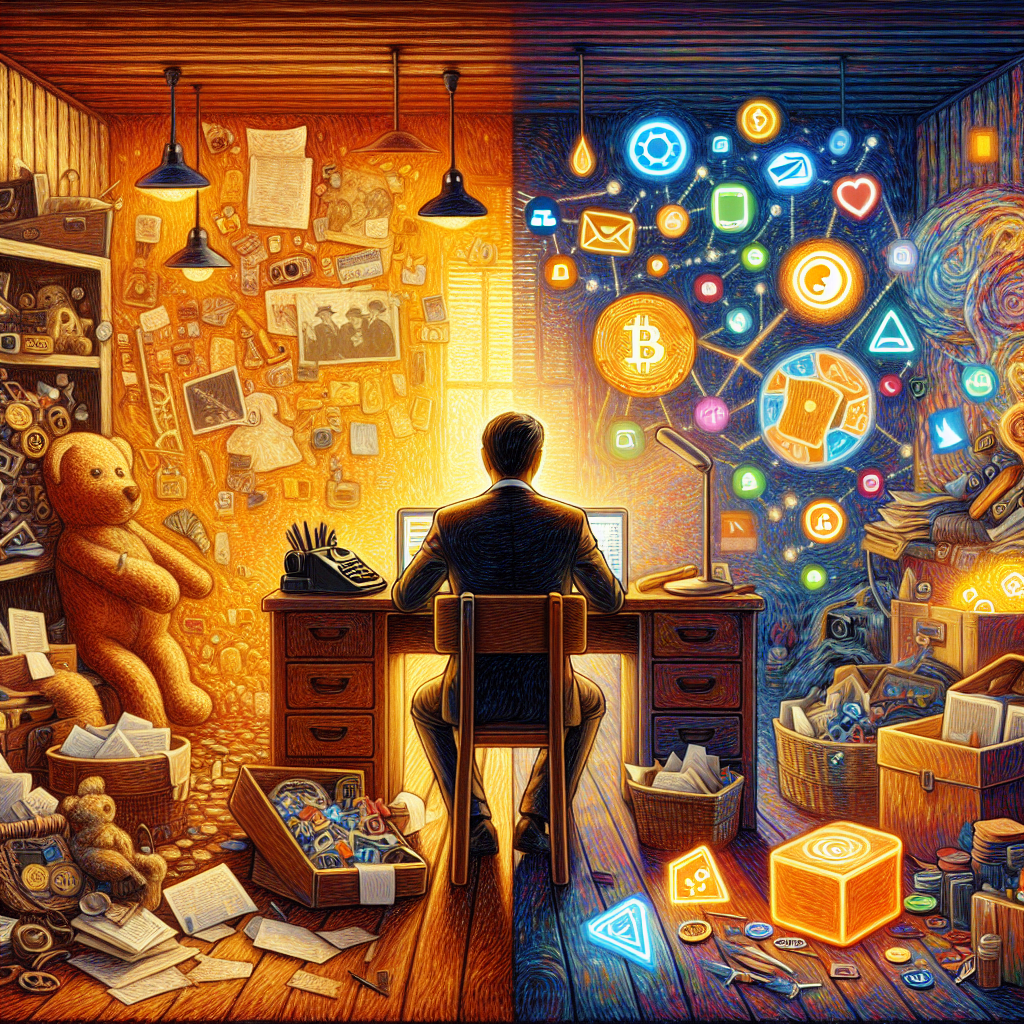
In the increasingly complex landscape where family bonds encounter the cold logic of artificial intelligence, our emotions and values come into sharp focus. The unsettling image of a beloved uncle, misidentified as a stranger by an algorithm, resonates deeply. It evokes discomfort, not just because of the technological mistake, but due to the implications it carries for identity and trust. This scenario challenges us to confront how the algorithms that govern our lives often miss the essence of personal connection, neglecting the nuances that define our relationships.
As we wrestle with the ramifications of AI misidentification, we become acutely aware of the fragility of our social dynamics. Relationships flourish through the rich tapestry of shared experiences, laughter, and love. When technology reduces these deeply human connections to mere data points or simplistic labels, it risks isolating us from the authentic narratives that shape our lives. The ethical stakes are high; if we allow machines to dictate our understanding of one another, we jeopardize our shared humanity.
The emotional weight of seeing a cherished family member relegated to a mere error in a digital classification underscores the need for a profound reassessment of our relationship with technology. We must ask ourselves how much we trust these systems and whether we are willing to let them govern our identities. With the power that tech companies wield over our narratives, we must advocate for a future that prioritizes ethical considerations and puts human dignity at the forefront.
Empathy must be our guiding principle in developing AI technologies that genuinely reflect human experiences. It’s essential to foster an environment where technology serves to enhance our connections rather than alienate us from one another. This requires dialogue and reflection on how we interact with both our loved ones and the technologies we use. Engaging authentically with one another nurtures trust and understanding, reinforcing the values that make us human.
As we navigate the digital landscape, let’s commit to preserving our family legacies and shared stories. Let’s ensure that every individual in our lives, including your uncle, is not just a statistic or an algorithmic misfire but a vital thread in the fabric of our collective experience. In doing so, we can create a future where technology amplifies our stories rather than diminishes them, allowing each person’s unique narrative to shine brightly in this ever-evolving digital world.

Conclusion
Conclusion:
- AI misidentification highlights the tension between technology and personal relationships.
- The scenario of misidentifying a family member raises concerns about identity and trust.
- Algorithms often simplify human connections, overlooking essential emotional nuances.
- Relying on technology to define relationships risks diminishing our shared humanity.
- There’s a pressing need to reassess our trust in technological systems governing our lives.
- Empathy should guide the development of AI to better reflect human experiences and connections.
- We must advocate for technology that enhances, rather than alienates, our familial bonds and narratives.
Conclusion
Other Resources

Other Resources
Here is a list of other resources you can review online to learn more:
- Meminto
- WishesKeeper
- Geni
- LegacyLearned
- Personal Legacy Advisors
- GhostMemo
- FuneralWise
- LifeWeb 360
- ForeverMissed
- EverLoved
- Can Telling and Preserving Personal or Family Legacy Stories Be Therapeutic?
- FamilySearch
- PartingWishes
- RootsMagic
- My Wonderful Life
- Knotify.me
- USLegalWills.com
- Xarona
- Digital Legacy Association
Use This Prompt To Get More Resources With Your Favorite Online AI Tool: Please provide me with a list of online articles with their URLs in a bulleted list that I can read regarding When AI Tags Your Uncle As a Stranger

Other Resources
Glossary Terms
When AI Tags Your Uncle As a Stranger – Glossary Of Terms
1. AI (Artificial Intelligence): Computer systems capable of performing tasks that typically require human intelligence.
2. Algorithm: A set of rules or instructions for solving a problem or performing a task.
3. Facial Recognition: Technology that identifies or verifies a person’s identity using their facial features.
4. Tagging: The act of labeling or categorizing an object or person within a data set.
5. Data Privacy: The concept of handling, storing, and sharing personal information in a secure manner.
6. Bias: Prejudice in favor of or against one thing, person, or group compared with another, often considered to be unfair.
7. Stranger: An individual who is not known or familiar to another person.
8. Machine Learning: A subset of AI that enables systems to learn from data and improve over time without explicit programming.
9. Deep Learning: A subfield of machine learning that uses neural networks with many layers to analyze various types of data.
10. User Identification: The process of recognizing and confirming the identity of a user within a system.
11. Anonymization: The process of removing personally identifiable information from data sets so individuals cannot be readily identified.
12. Privacy Breach: An incident that results in unauthorized access to personal data.
13. Surveillance: Monitoring behavior and activities, often through technology, for various purposes.
14. Ethics: The principles that govern the behavior of individuals and organizations regarding what is right and wrong.
15. Deployment: The act of putting a technology or system into use in a given environment.
16. Data Annotation: The process of labeling data to provide context for machine learning models.
17. User Consent: The permission given by individuals for their data to be collected and used.
18. Context Awareness: The ability of a system to gather information about the environment and adjust its actions accordingly.
19. Identity Verification: The process of confirming an individual’s identity through various means, such as documentation or biometrics.
20. Digital Footprint: The record of an individual’s online activity, including data stored in various databases.
21. Transparency: The practice of being open about processes and technologies used, especially regarding data handling and AI decisions.
22. Security Measures: Protocols and practices implemented to protect data from unauthorized access or breaches.
23. User Interface: The means by which a user interacts with a computer system or application, including visual elements and commands.
24. Profile Creation: The process of compiling and storing information about an individual for identification and categorization purposes.
25. Sensor Technology: Devices that collect data about the physical environment to support AI functions.
26. Personalization: Tailoring services or information to meet individual preferences or behaviors based on data analysis.
27. Profiling: The process of analyzing data to create a profile of an individual’s behaviors or characteristics.
28. Accountability: The responsibility of organizations to explain and justify their use of AI and data handling practices.
29. Interoperability: The ability of different systems or devices to work together and share information seamlessly.
30. User Feedback: Input provided by individuals regarding their experiences and interactions with a system, often used for improvements.

Glossary Of Terms
Other Questions
When AI Tags Your Uncle As a Stranger – Other Questions
If you wish to explore and discover more, consider looking for answers to these questions:
- How common are AI misidentifications and how accurate are current facial-recognition systems?
- What technical factors cause an AI to label a family member as a stranger (lighting, angles, dataset quality)?
- Which demographic groups are most likely to be misidentified and why?
- How do biases in training data lead to these errors and how are those biases detected?
- What recourse do individuals have if an AI system falsely labels them or a loved one?
- Who is legally and financially responsible when AI misidentification harms someone?
- Can people opt out of having their images used to train recognition systems or stored in databases?
- How can families protect their photos and personal data from being harvested for AI training?
- What transparency should companies provide about datasets, model performance, and error rates?
- Are there industry standards, audits, or certifications for ethically developed identity-AI?
- What regulatory frameworks exist or are needed to govern facial recognition and identity technologies?
- How should companies design human-in-the-loop processes and appeal mechanisms around automated IDs?
- What practical steps can consumers take after being misidentified (documentation, complaints, legal action)?
- How do misidentifications affect trust within families and communities over time?
- What emotional and psychological impacts do victims of AI mislabeling experience, and what support exists?
- How do surveillance and routine recognition reshape social norms and interpersonal trust?
- How can designers incorporate empathy and cultural context into identity-recognition systems?
- What technical methods reduce false positives and false negatives in recognition models?
- How do deepfakes, identity spoofing, and synthetic media interact with misidentification risks?
- What auditing, explainability, and documentation practices are feasible for complex AI models?
- How costly and practical is it for companies to implement robust privacy-preserving alternatives?
- How can community stakeholders and marginalized groups be included in AI governance decisions?
- What are the long-term consequences for family legacy and storytelling when AI curates or erases connections?
- How do different cultural definitions of kinship complicate automated recognition of family ties?
- How might future AI developments reduce misidentification versus further erode recognition of personal relationships?
- What best practices should organizations adopt to preserve human context and dignity in identity systems?
- How do commercial incentives and surveillance capitalism shape the priorities of identity-AI development?
- What examples and case studies exist of real-world harms caused by misidentification, and what lessons were learned?

Other Questions
Haiku
When AI Tags Your Uncle As a Stranger – A Haiku
Family ties, once strong,
AI misreads hearts and names,
Stories fade, trust breaks.

Haiku
Poem
When AI Tags Your Uncle As a Stranger – A Poem
In the age of AI where connections fray,
Family ties risk fading away.
Your uncle’s face, once familiar, now lost,
Tagged as a stranger, we ponder the cost.
Algorithms churn on data’s cold grind,
Yet miss the tales, the warmth left behind.
The laughter around the campfire’s glow,
Reduced to numbers that fail to bestow.
Emotions run deep in our human fold,
Yet machines assess with a logic so cold.
Each mislabel sends chills, strains trust and love,
Forgetting the stories we weave from above.
Rational thought whispers, “What price do we pay?”
When technology falters, it leads us astray.
The essence of legacy hangs in the balance,
Echoing loudly through indifference’s silence.
As digital shadows loom over our kin,
Our voices must rise to reclaim what’s within.
Engage in discourse, share fears and stories,
Rekindle the bonds, reclaim our glories.
See the wisdom in empathys embrace,
Technology crafted with the heart in its place.
For every loved one not seen in the frame,
Let’s fight for their legacy, honor their name.
Together we stand at this crucial divide,
To nurture our connections, our hearts open wide.
In a world where machines write the narrative thread,
Let’s cherish our stories, for they are our thread.

Poem
Checklist
When AI Tags Your Uncle As a Stranger – A Checklist
Emotional Appeals
✅______ Reflect on personal experiences where technology has misidentified loved ones.
✅______ Consider the feelings of alienation or confusion this may cause during family gatherings.
✅______ Acknowledge the emotional significance of familial connections beyond digital labels.
Rational Appeals
✅______ Assess the algorithms used in AI and their potential biases.
✅______ Analyze the implications of AI misidentification on trust in technology.
✅______ Evaluate the potential consequences of unchecked surveillance on personal relationships.
Ethical Appeals
✅______ Discuss the ethical responsibilities of technology developers in recognizing human identity.
✅______ Challenge your views on what constitutes humane treatment in AI interactions.
✅______ Advocate for transparency in AI systems that prioritize dignity and respect.
Authority Appeals
✅______ Examine the power dynamics between individuals and tech companies regarding personal data.
✅______ Identify trusted voices in the AI ethics debate and engage in discussions around this issue.
✅______ Call on policymakers to ensure accountability in AI systems affecting personal relationships.
Narrative Appeals
✅______ Share stories of connections lost or misrepresented because of AI mislabeling.
✅______ Encourage recounting personal narratives that highlight the uniqueness of each individual.
✅______ Reflect on how legacy storytelling preserves family ties against technological encroachment.
Social Appeals
✅______ Engage with your community in discussions about AI’s role in shaping social dynamics.
✅______ Promote the importance of recognizing individual stories within shared social contexts.
✅______ Challenge others to prioritize face-to-face interactions over digital communications.

Checklist
At LegacyExplorations, we help people plan and explore their legacy by collecting information and news regarding end-of-life planning.
Please share this post with your friends, family, or business associates who may want help to plan or explore their legacy.