

Preserving Your Legacy In The Digital Age
By Tom Seest
At LegacyExplorations, we help people plan and explore their legacy by collecting information and news regarding end-of-life planning.
Please share this post with your friends, family, or business associates who may want help to plan or explore their legacy.
When Cds, Tapes, and Drives Die—So Does Your Story
Every time you pop a CD into the player or crank up that old cassette tape, you’re not just revisiting a favorite tune; you’re stepping into a time machine, where memories flood back—moments tied to laughter, love, and sometimes a tear or two. Music has this extraordinary ability to weave our narratives, filling in the blanks of our lives. But what happens when those machines fail us? When CDs scratch, tapes snap, and drives crash, they don’t just take your favorite melodies; they threaten to erase the very essence of who you are. That’s the reality of our digital age.
Legacy storytelling to me is the heartbeat of memory—it’s how we connect with past generations and pass down tales that define us. But in an age of impermanence, where we’ve swapped nostalgia for convenience, we must reckon with the inadequacies of our technology. The hard truth is that reliance on a single medium can lead to loss; when the devices we trust give out, so too does a fragment of our lives. Think about it—those childhood birthday parties, the family reunions, your first love, or that unforgettable road trip. They can slip into oblivion quicker than a track can skip.
Emotional impact aside, let’s get rational. In this age of constant upgrades, we’ve created a culture of disposability. It’s not just the tech that needs safeguarding, but the stories embedded within it. Imagine the bond you share when you revive an old memory; how it binds families and friends—strengthening the roots of your personal narrative. Protecting these stories is not merely an ethical responsibility; it’s about honoring those who came before us. We owe it to them—and to ourselves—to ensure that the spirit of our experiences doesn’t fade with the flick of a switch.
Consider this: every story has the potential to inspire, to connect, and to educate. Are you ready to put your legacy on the line? Take action. Embrace the tools available to preserve your narrative—back it up, record it, share it. Engage with those around you, from family to friends, as you tell your stories. The time to safeguard your legacy is now. After all, when those drives die, it’s not just data that disappears; it’s you.

When Cds, Tapes, and Drives Die—So Does Your Story
When Cds, Tapes, and Drives Die—So Does Your Story
- Listening to CDs or cassette tapes acts as a time machine, evoking memories tied to significant moments in our lives.
- Music weaves our narratives and can evoke laughter, love, and even sadness.
- When playback devices fail, it threatens to erase pieces of our identity and cherished memories.
- Legacy storytelling connects us with past generations and defines our personal histories.
- Reliance on a single medium can lead to the loss of valuable, irreplaceable memories.
- We live in a culture of disposability, making it essential to safeguard both technology and the stories within.
- Every story has the power to inspire; taking action to preserve your narrative is crucial for personal legacy.

When Cds, Tapes, and Drives Die—So Does Your Story
Table Of Contents
- When Cds, Tapes, and Drives Die—So Does Your Story
- What Memories Are Lost When Our Digital Media Fails?
- How Do We Preserve Our Legacies Today?
- Is Your Story Worth More Than Its Physical Medium?
- What Ethical Responsibilities Do We Have To Our Own History?
- How Does Losing Your Media Affect Your Sense Of Self?
- What Alternatives Exist To Safeguard Our Memories?
- How Do Others Cope With Similar Media Loss Experiences?
- Conclusion
- Other Resources
- Glossary Of Terms
- Other Questions
- Haiku
- Poem
- Checklist
What Memories Are Lost When Our Digital Media Fails?
When our digital media fails, it’s not just data that disappears; it’s a treasure trove of legacy storytelling that vanishes into the ether. Imagine a parent’s voice captured in a video, recounting family history, lost forever due to a simple hard drive crash. Or the giggles of a child preserved in an impromptu recording that never makes it to the cloud. Each byte of memory holds something profound, threads woven into the tapestry of our lives, waiting to be recalled and cherished.
On a gut level, the thought of losing precious memories impacts us all. Those selfies from a road trip, or the videos of a first dance, aren’t merely pixels on a screen; they encapsulate feelings, places, and moments that make us who we are. Emotionally, those captures represent connections—relationships that transcend time and space. They are the laughter shared at the kitchen table, the tears shed during tough times, and the milestones that mark our journeys. Without them, we face the unsettling reality of fading identities like an unfinished novel, ripe with unfinished chapters.
Rationally, consider your digital footprint as an extension of you—historical documentation ranging from kids’ birthday parties to the grand adventures that shape our narratives. Ethical responsibility comes with preserving that legacy for future generations; they deserve to know who we were and what we stood for. It’s our obligation to maintain these stories, ensuring they don’t succumb to the whims of technology.
The authority of our experiences can’t be overstated. Statistics show that 60% of people are anxious about losing their digital memories. This dread speaks to a collective understanding: the losses we incur are not just individual but societal. Our grandkids, who may inherit an empty hard drive instead of a vault of family wisdom, deserve better.
As we face the growing risk of digital failures, it’s crucial to take proactive steps. Start a family archive or a simple external hard drive backup—whatever it takes to safeguard your precious memories. Foster that connection with your loved ones, and don’t let the failures of technology decide which stories are told. After all, these tales define not just us, but the legacy we leave behind.

What Memories Are Lost When Our Digital Media Fails?
What Memories Are Lost When Our Digital Media Fails?
- The loss of digital media represents the disappearance of valuable legacy storytelling and personal memories.
- Memories captured in videos or recordings are meaningful, reflecting experiences that shape our identities.
- Digital memories encompass emotional connections and significant life moments that we cherish.
- Preserving our digital footprints is a moral responsibility to ensure future generations understand our histories.
- Statistics indicate that 60% of individuals feel anxious about losing their digital memories, highlighting a societal issue.
- Proactive measures, such as family archives or external backups, are essential for safeguarding these precious memories.
- It’s important to foster personal connections and retain control over which family stories are preserved for the future.

What Memories Are Lost When Our Digital Media Fails?
How Do We Preserve Our Legacies Today?
Preserving our legacies today means embracing the art of Legacy Storytelling. We are living in a time when technology connects us in ways that previous generations could only dream about. Still, with this connectivity comes the challenge of truly being heard amidst the clamor of voices online. Our legacies are the narratives we leave behind, the stories soaked in sweat, determination, heart, and soul. Each individual has a unique tale that deserves to be told, but how do we ensure that these tales resonate?
Think about it. The stories that move us often come from real, gritty experiences—struggles faced, lessons learned, and triumphs achieved. Sharing these authentic moments not only captures the essence of who we are but also inspires others to reflect on their own journeys. This is where the emotional appeal comes in. A heartfelt story transcends time; it weaves itself into the fabric of our community, creating bonds that link past, present, and future. When we share our legacies, we invite others to join us in an understanding that goes beyond mere words.
To tackle the rational aspect, consider how preserving our legacies can benefit society as a whole. Our stories contribute to a vast reservoir of knowledge—an archive filled with victories, failures, wisdom, and warnings. This information is vital for progress, enabling future generations to learn from our experiences instead of repeating our mistakes. By taking the time to document and share our stories, we lay a foundation for others to build upon, fostering a culture of growth.
Ethically, there’s an obligation we have to those who came before us. Acknowledging their struggles and victories keeps their memories alive and honors their sacrifices. By sharing their stories alongside our own, we create a tapestry of resilience that can empower others who may feel isolated in their challenges.
Finally, the social aspect cannot be ignored. We find strength in community, and our legacies are often intertwined with those of family, friends, and mentors. Inviting others into the narrative fosters connection and cultivates a shared understanding. When we embrace Legacy Storytelling, we’re not just preserving our own past; we’re weaving a collective narrative that enriches humanity as a whole. In this interconnected world, let us boldly step forward, ready to share our legacies and inspire action for generations to come.
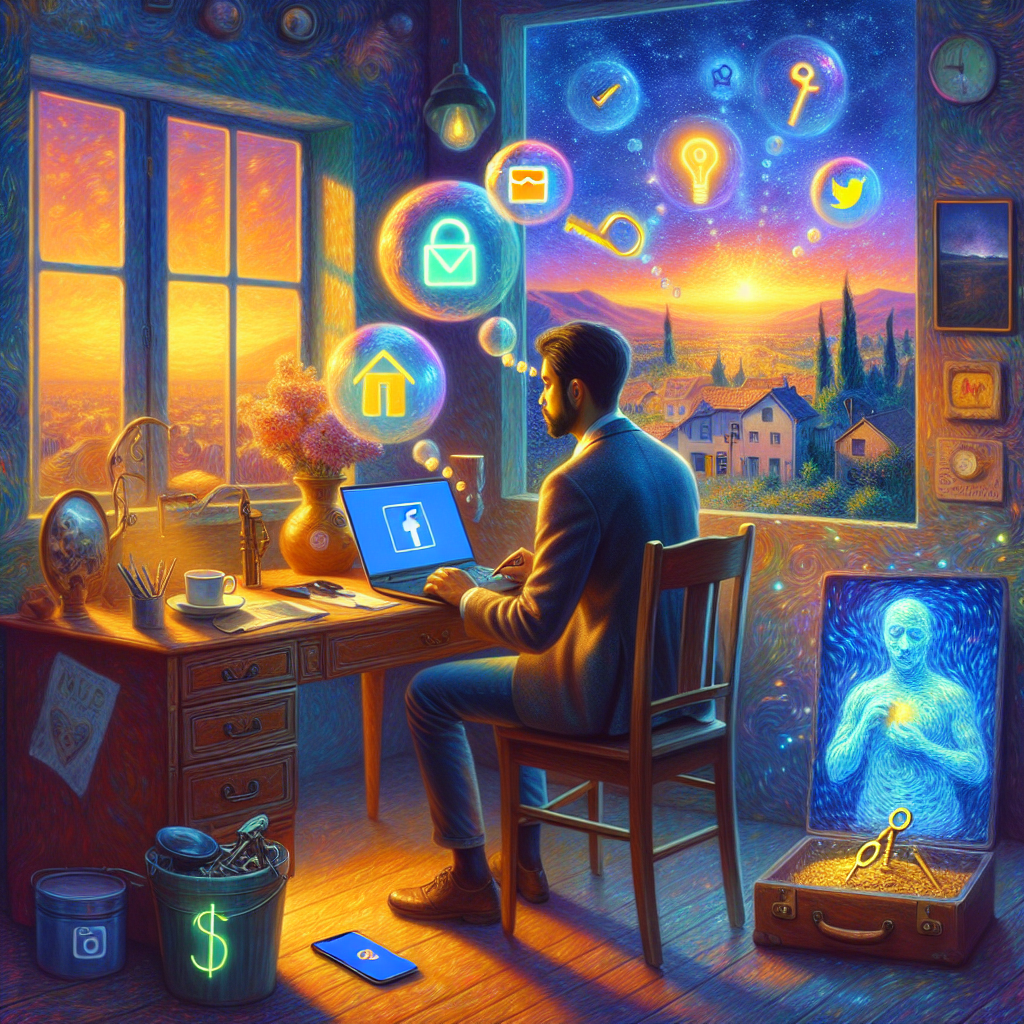
How Do We Preserve Our Legacies Today?
How Do We Preserve Our Legacies Today?
- Embracing the art of Legacy Storytelling is essential for preserving our legacies today.
- Technology connects us, but distinguishing our unique voices amidst the noise of the online world is challenging.
- Authentic stories, rooted in real experiences, resonate deeply and inspire reflection on personal journeys.
- Sharing our legacies creates emotional bonds that link past, present, and future communities.
- Documenting and sharing our stories contributes to a collective knowledge pool, benefiting future generations.
- Acknowledging the struggles and victories of those before us honors their memories and empowers the current generation.
- Legacy Storytelling fosters connection and enriches collective narratives, enhancing our shared human experience.

How Do We Preserve Our Legacies Today?
Is Your Story Worth More Than Its Physical Medium?
Every time we gather around a campfire, we share more than just warmth; we share stories. These stories, often woven into the fabric of our lives, are not merely tales told to pass the time; they are the legacy we leave behind. Legacy storytelling transcends the physical medium. It speaks to our deepest fears, our greatest hopes, and the universal struggles that bind us as human beings.
Consider this: when you sit down to reflect on your life, what comes to mind? Is it the moments captured in a photograph, or the connections forged through shared experiences? A picture on a wall can evoke feelings, but it’s the story behind that image—the laughter, the tears, the lessons learned—that enlivens it. That’s where the real value lies.
The stories we tell shape our identities. They define how we view ourselves and how others perceive us. From the anecdotes that make us chuckle, to the struggles that bring us to our knees, each narrative is a thread in the rich tapestry of our existence. When we invest the time and energy into crafting our stories, we engage in a powerful act of creation—both for ourselves and for those who will hear us.
Moreover, in a world driven by fleeting trends and superficial connections, we yearn for authenticity and meaning. Stories create bonds. They allow us to connect not just with the people in our lives today, but also with future generations. They cultivate empathy, making us aware of the shared human experience that cuts across cultures and backgrounds.
When we share our legacy stories, we open up doors for dialogue. We challenge others to reflect on their own narratives, igniting a chain reaction of understanding and connection. This is not just an exercise in self-reflection—it’s an invitation to participate in something bigger. It’s the chance to create a community, to cultivate trust, and perhaps even to inspire change through shared experiences.
Ultimately, it’s about recognizing that the essence of a story is not confined to its form. Whether spoken, written, or captured on film, what matters is the heart behind the words. Are you ready to elevate your story beyond the medium it resides in? Your voice has the power to resonate, to challenge, and to connect. Embrace it, and let your legacy unfold.

Is Your Story Worth More Than Its Physical Medium?
Is Your Story Worth More Than Its Physical Medium?
- Campfires are a space for sharing warmth and stories, which form a crucial part of our legacy.
- Legacy storytelling expresses our deepest fears, hopes, and universal struggles as humans.
- True value lies not in physical memories like photographs, but in the stories behind them.
- Our narratives shape personal and collective identities, influencing how we perceive ourselves and how others see us.
- In a superficial world, stories foster authenticity, meaning, and deeper connections across generations.
- Sharing legacy stories invites dialogue, reflection, and community-building among individuals.
- The heart of a story transcends its medium—embracing your voice allows your legacy to resonate and inspire.
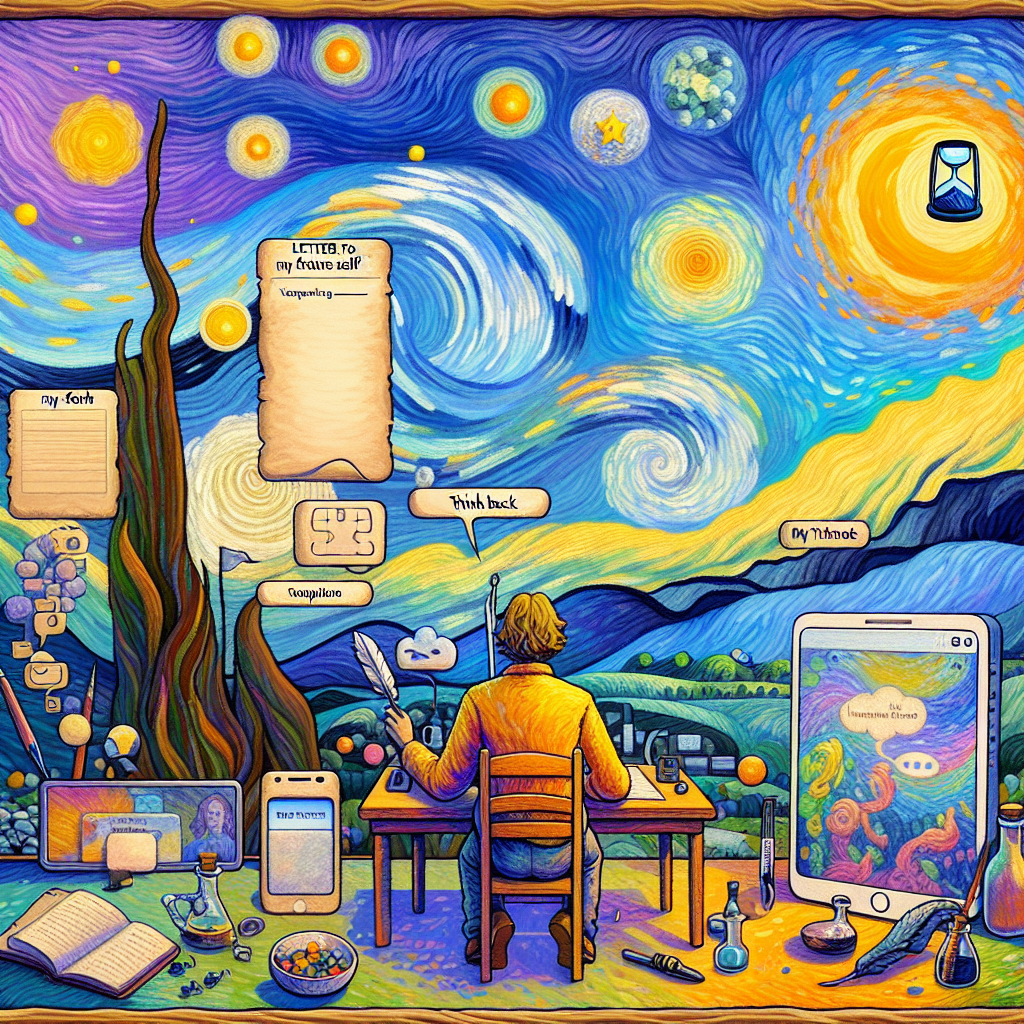
Is Your Story Worth More Than Its Physical Medium?
What Ethical Responsibilities Do We Have To Our Own History?
Our history is more than just dates and events; it’s a narrative woven with the fabric of our identities, families, and communities. Understanding this connection requires us to take a good, hard look at the ethical responsibilities we owe to our own pasts. As we delve into the depths of our legacy, we must cherish the stories—some bright, others shadowed—that define us.
First, let’s think about legacy. Every family has its quiet heroes and hidden struggles; these elements form a tapestry of resilience and hope. When we share our narratives, we honor not only ourselves but also those who paved the way with their grit and determination. There’s a profound weight in that responsibility. With every story we tell, we breathe life into the memories of those who came before us. From the laughter of a grandparent telling tales of hardship to the quiet determination of a parent who fought battles unseen, we carry their legacies forward.
But why should it matter? The head might tell us that history is just old news, but the heart knows better. When we dig deep into our past, we cultivate empathy and understanding, allowing us to connect across generations. It’s a bridge that can narrow the gaps caused by time and experience, fostering a sense of unity in an increasingly divided world. We’re not merely recounting events; we’re preserving humanity.
Ethically, we owe it to ourselves to be truthful in our storytelling. History has a way of being rewritten, sometimes to uplift, sometimes to erase discomfort. Embracing the messiness of our past—the triumphs and the failures—creates a more authentic narrative. Authority figures in history have often tried to sanitize it; our task is to resist that urge. Instead, we should approach our legacies with honesty and transparency, allowing future generations to learn, grow, and inspire action based on the full picture.
Ultimately, it boils down to connection. Everyone has a story, and in sharing those tales, we enrich the social fabric that binds us all. We carry the torch of our history not just for ourselves but for our children, our communities, and even those who feel lost in the noise of modern life. By embracing our story and the stories of others, we create a legacy of understanding, compassion, and resilience. It’s not just about where we came from—it’s about where we’re going together.
What Ethical Responsibilities Do We Have To Our Own History?
What Ethical Responsibilities Do We Have To Our Own History?
- Our history is a narrative tied to our identities, families, and communities.
- Legacy includes family heroes and struggles that showcase resilience and hope.
- Sharing narratives honors those who came before us, preserving their memories.
- Diving into our past cultivates empathy and connection across generations.
- We have an ethical obligation to tell our stories truthfully, embracing both triumphs and failures.
- Authentic storytelling allows future generations to learn and find inspiration.
- By sharing our stories, we foster understanding and compassion, shaping our collective future.
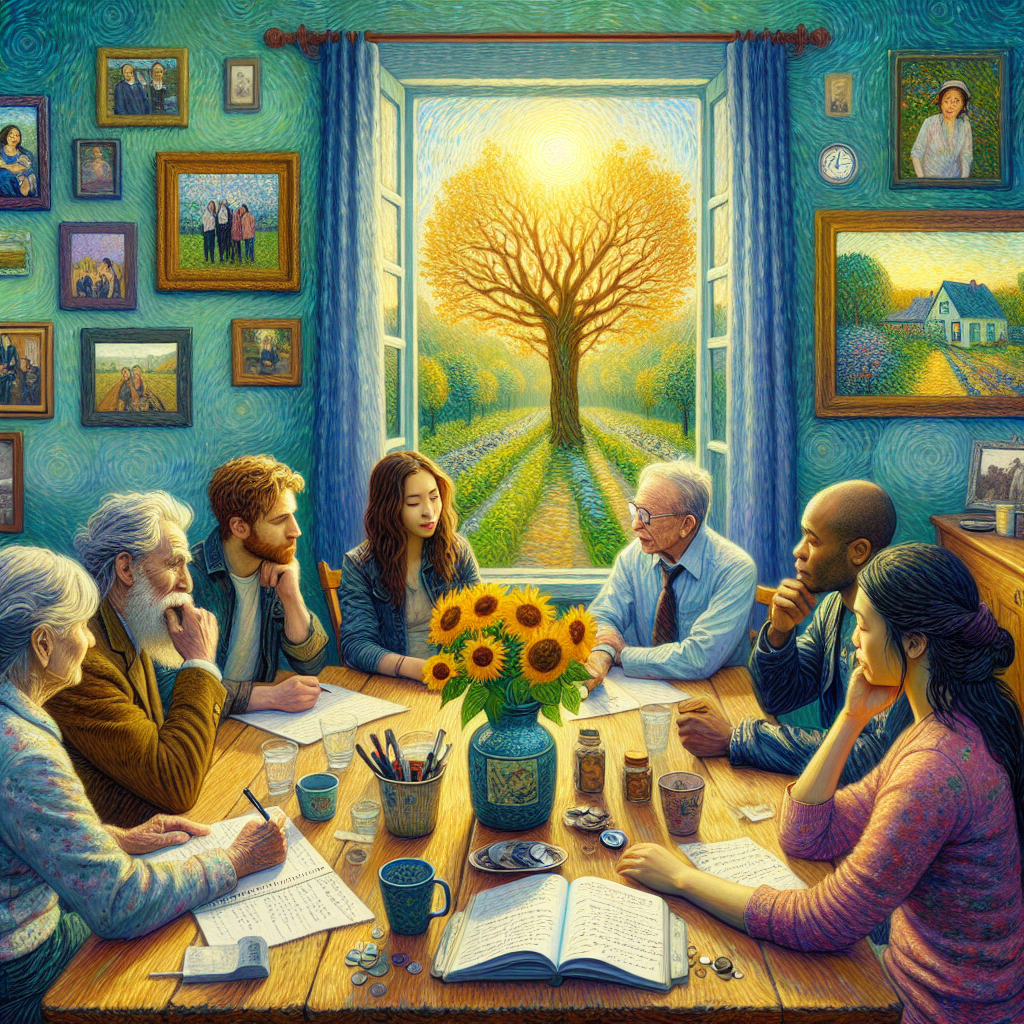
What Ethical Responsibilities Do We Have To Our Own History?
How Does Losing Your Media Affect Your Sense Of Self?
Losing your media doesn’t just mean losing files; it can feel like a shattering of your legacy. Think back to those photos of holiday dinners, candid moments with friends, or cherished milestones. These aren’t merely pixels; they are threads in the fabric of your existence, the very essence of your storytelling. Each image carries a heartbeat—a memory that encapsulates not just who you are but also who you were. It’s a connection to our past that helps define our present.
When you scroll through a digital library, you’re not just flipping through a collection; you’re navigating a narrative, a carefully woven tapestry of your experiences that informs your identity. Consider the gut-wrenching reality of waking up one day to find those stories, those scraps of your life, lost to the ether. It’s incomprehensible. Suddenly, you are stripped of a part of yourself—like losing chapters from a book that tells your life’s journey.
On an emotional level, this loss resonates deeply. It’s akin to losing an old friend—someone who shared laughter, tears, and triumphs with you. The absence prompts reflection: Who am I without these memories? What does my legacy look like if it’s not captured in these snapshots? And as you sift through your mind for recollections that once were easily accessible, it dawns on you how intertwined your sense of self is with these digital remnants.
From a rational perspective, it’s an unfortunate truth of our modern age. We invest so much in our devices and services to house our stories, yet they can vanish in a blink. It raises the ethical concern of how we engage with technology. Are we truly safeguarding our histories, or have we entrusted our most precious narratives to fragile systems?
This loss impacts us socially as well. We connect through shared memories, bonding over experiences encapsulated in photographs. Without those, our ability to relate diminishes, challenging our interactions in an increasingly digital world.
Ultimately, losing your media isn’t merely about the absence of files; it’s an existential crisis—an invitation to reclaim your narrative. Protecting your legacy is essential, not just for yourself but for those who come after you. Your story matters. Make it resonate.

How Does Losing Your Media Affect Your Sense Of Self?
How Does Losing Your Media Affect Your Sense Of Self?
- Loss of media feels like a shattering of personal legacy, impacting identity and storytelling.
- Photos represent significant moments and memories that define who we are.
- Viewing digital collections is akin to navigating a personal narrative that shapes identity.
- Loss of media results in emotional distress, reminiscent of losing a close friend.
- Our sense of self is deeply intertwined with digital remnants of memories.
- Reflects an ethical dilemma about how we engage with technology and safeguard our histories.
- Losing media challenges social interactions, as shared memories are key to connection.

How Does Losing Your Media Affect Your Sense Of Self?
What Alternatives Exist To Safeguard Our Memories?
When we think about the fragility of our memories, it hits home in a way that sends a shiver down your spine. Memories are the threads that weave our lives together, filling the fabric of our personal histories. But what happens when those threads begin to fray? For many, the answer lies in the art of Legacy Storytelling. This powerful practice doesn’t just safeguard the past; it anchors relationships, strengthens families, and binds generations.
Imagine sitting with a grandparent, their eyes twinkling as they recount tales from a time when the world felt slower but no less rich. These stories don’t just entertain; they teach. They carry values, morals, and the rich tapestry of lived experiences. Each anecdote shared is a lifeline that connects us to our roots—the good, the bad, and everything in between. And as we gather to listen, we not only preserve memories but also forge bonds that withstand the test of time.
From a rational standpoint, the act of recording these stories is invaluable. Data shows that emotional connections enhance memory retention. When we infuse storytelling with our experiences, those memories become imprinted in our minds far better than a faded photograph or a forgotten diary ever could. By putting pen to paper or recording a voice note, we give ourselves a tangible artifact, something that can be revisited and cherished.
Ethically, there’s a responsibility to ensure that our loved ones’ legacies are honored. Sharing stories is about more than personal nostalgia; it’s about recognizing and valuing the lives that shaped us. This is a gift we can give to the next generation—a chance to understand their place in the world and the sacrifices made to get them there.
And let’s not forget about the social aspect of storytelling. In a society increasingly disconnected by technology, taking the time to gather and share our narratives brings us back to what truly matters. It’s about creating community. It’s about those “ah-ha!” moments when we realize we’re not alone in our struggles or joys.
So, whether it’s through informal family gatherings or more structured workshops, let’s commit to preserving our memories. Let’s embrace Legacy Storytelling, not as a chore, but as a heartfelt invitation to reflect, connect, and ultimately, safeguard the very essence of what it means to be human.
What Alternatives Exist To Safeguard Our Memories?
What Alternatives Exist To Safeguard Our Memories?
- Memories are fragile threads weaving our personal histories, and their preservation is crucial.
- Legacy Storytelling acts as a safeguard for the past, enhancing relationships and uniting generations.
- Sharing stories from elders provides entertainment and teaches values, connecting us to our roots.
- Recording stories improves memory retention, making memories tangible and revisit-able.
- There is an ethical responsibility to honor loved ones’ legacies through storytelling.
- Storytelling fosters community and emotional connections in an increasingly disconnected world.
- Participating in Legacy Storytelling is an invitation to reflect, connect, and safeguard our human essence.

What Alternatives Exist To Safeguard Our Memories?
How Do Others Cope With Similar Media Loss Experiences?
When we lose something that has shaped our lives—be it a cherished movie, a beloved television show, or an old photograph—it can feel like a piece of ourselves has vanished into thin air. Yet, when faced with this media loss, countless individuals have discovered transformative ways to cope, each weaving their own legacy storytelling into a tapestry of resilience. They remind us that the essence of what we cherished was never truly gone.
Imagine gathering around a fire pit on a crisp autumn evening, sharing tales of those unforgettable moments—how that witty sitcom made you laugh until you cried, or how a heartfelt drama taught you about love and loss. This simple act of storytelling fosters a profound connection, allowing others to see how similar experiences bridge gaps between generations and backgrounds. It’s in those stories where healing begins, where laughter mixes with tears, and we realize we’re not alone in our grief.
While it’s easy to get bogged down in despair over lost media, many people harness that emotional energy to create something new. Take a group of friends reflecting on their favorite childhood cartoons; they might decide to recreate episodes through short skits or digital art. This act not only preserves the joy associated with their memories but also cultivates a sense of community and belonging. It’s a reminder that we can actively shape our narrative, regardless of loss.
Rationally speaking, engaging with our memories can prompt us to explore the underlying themes those beloved stories presented. Why did that movie resonate? What values did those characters embody? By examining these questions, we deepen our understanding of ourselves and our place in the world.
Ethically, we owe it to ourselves to honor the emotions tied to our favorite media while also being open to exploring new forms of expressions. Just because one chapter closed doesn’t mean the story has to end. Instead, it can evolve, allowing us to draw on the wisdom of the past while building a brighter future.
So, as we navigate through the bittersweet waters of media loss, let’s embrace legacy storytelling as a powerful tool for connection, healing, and renewal. It invites us to craft new narratives, celebrate shared experiences, and remember that every ending is just a whisper of a new beginning. In doing so, we cultivate a deeper trust in the stories that define us all.

How Do Others Cope With Similar Media Loss Experiences?
How Do Others Cope With Similar Media Loss Experiences?
- Media loss can feel like losing a part of ourselves, impacting our emotional well-being.
- Storytelling serves as a transformative way to cope with loss, fostering resilience and connection.
- Sharing stories creates bonds, highlighting common experiences across generations and backgrounds.
- People can channel their grief into creativity, such as recreating old media through skits or art.
- Reflecting on the themes of cherished media deepens our self-understanding and life perspective.
- Honor the emotions tied to lost media while being open to new forms of expression and narratives.
- Legacy storytelling allows us to craft new narratives and find healing, symbolizing every ending as a new beginning.

How Do Others Cope With Similar Media Loss Experiences?
Conclusion
Loss is an inevitable part of life, but when that loss pertains to our cherished memories—those snapshots of joy, love, and laughter—it strikes a far deeper chord. The reality is that, in our fast-paced, technology-driven world, we often overlook the fragility of our digital legacies. With a simple scratch on a CD, a tape that’s seen better days, or a malfunctioning hard drive, we risk losing not just data, but fragments of who we are and the stories that define us. This isn’t just about nostalgia; it’s an urgent reminder that our legacy is at stake.
Consider the intimate connections we share through stories. Each tale—woven into our identities—acts as a thread that unites us with generations past and future. When we bypass the act of preserving these stories, we are, in essence, severing those ties. The laughter around a dinner table, the tears shed during personal struggles—these moments are not mere pixels on a screen; they are the essence of our humanity. They constitute our legacies, the rich tapestry of our lives that deserves safeguarding.
However, we’re confronted with an uncomfortable truth: our reliance on transitory technology puts our stories at risk. This reality urges us to confront our ethical responsibilities. Are we honoring the experiences that shaped us, or are we allowing them to fade away? To truly respect and celebrate our history, we must take an active role in preserving it. Every story we tell is an investment in a collective future, where understanding and empathy have room to grow.
The call to action is clear: embrace legacy storytelling. Engage with your loved ones to share and document those tales that matter—even when it feels daunting. This practice is not merely about recording narratives for the sake of nostalgia; it’s a vibrant community-building exercise. It bridges the gap between generations, allowing wisdom to flow freely through shared experiences.
Let’s also not forget the profound truth that our stories are interwoven; they enrich the social fabric. When we gather with intention and authenticity, we form connections that go beyond mere words. In preserving our legacies, we ensure that our truths don’t dissolve into silence. The time to safeguard these stories is not tomorrow; it’s now. When those drives inevitably crash, when the medium fades, our shared experiences must endure. Our stories shape us, empowering us to reclaim the narrative—a legacy worth protecting, for ourselves and for those who will come after us.

Conclusion
Conclusion:
- Loss is a fundamental aspect of life, especially when it involves cherished memories.
- In our technology-driven world, the fragility of digital legacies is often overlooked.
- A damaged CD or malfunctioning hard drive can lead to the loss of our identity and stories.
- Each story connects us with past and future generations, representing the essence of our humanity.
- Reliance on temporary technology puts our narratives at risk, challenging us to preserve them actively.
- Engaging in legacy storytelling fosters community, bridges generational gaps, and shares wisdom.
- Now is the time to safeguard our stories to ensure our legacies endure through future generations.

Conclusion
Other Resources

Other Resources
Here is a list of other resources you can review online to learn more:
- Obituary Templates
- Ever Loved
- Tributize
- LegacyFamilyTree
- Knotify.me
- FindMyPast
- Funeral Services Guide
- APH
- How To Write Legacy Stories That Appeal To The Heart, Gut and Head
- Trust And Will
- LifeWeb 360
- Association of Personal Historians
- MyMoriam
- Storyworth
- deviantART
- DocuBank
- INELA
- Legacy Family Tree
- Bcelebrated
Use This Prompt To Get More Resources With Your Favorite Online AI Tool: Please provide me with a list of online articles with their URLs in a bulleted list that I can read regarding When Cds, Tapes, and Drives Die—So Does Your Story
Other Resources
Glossary Terms
When Cds, Tapes, and Drives Die—So Does Your Story – Glossary Of Terms
1. Audiovisual: Relates to materials that use both sight and sound for storytelling, such as CDs and tapes.
2. Archiving: The process of preserving documents or media for future access and reference.
3. Analog: A type of recording or storage that represents data in a continuous form, like audio tapes.
4. Backup: A secondary copy of data or media created to prevent loss of information.
5. Compression: Reducing the size of audio or video files to save space, which may impact quality.
6. Digital: Refers to encoding of data in discrete values, as with DVDs and digital audio files.
7. Degradation: The gradual decline in quality of a medium over time, affecting the playback of tapes and discs.
8. Format: The method or style in which data is stored or presented, such as MP3 or WAV for audio.
9. Media Longevity: The lifespan of a storage medium, often impacted by environmental conditions and usage.
10. Metadata: Data that provides information about other data, such as album titles and artist names.
11. Preservation: Efforts made to maintain the integrity of media over time to prevent data loss.
12. Recovery: The process of retrieving lost or corrupted files from damaged storage media.
13. Redundancy: Having multiple copies of information to ensure that data is not lost if one copy fails.
14. Remastering: Improving the quality of audio or video recordings by reprocessing the original materials.
15. Repair: Fixing damaged media or equipment to restore functionality.
16. Rip: Extracting audio or video files from physical media for digital storage.
17. Storage Medium: The physical device or material used to store data, like CDs, tapes, or hard drives.
18. Technical Obsolescence: When a technology becomes outdated, making it difficult to access data stored on it.
19. Transcoding: Converting data from one file format to another for compatibility and playback purposes.
20. Transfer: Moving data from one storage medium to another, often essential for preserving content.
21. Data Loss: The accidental loss of digital information due to various factors, including media failure.
22. Preservation Copies: Duplicate versions of important media kept specifically to safeguard content against loss.
23. Digital Migration: The process of converting analog media to digital formats for accessibility and preservation.
24. Playback: The act of playing back audio or video content from a storage medium.
25. Signal Degradation: The loss of signal quality in audio or video over time, typically due to aging media.
26. Library: A collection of stored media, often inclusive of various formats and types.
27. Curation: The process of selecting, preserving, and managing media collections for archiving purposes.
28. Cloud Storage: A service that allows users to store data on remote servers accessed via the internet.
29. File System: The method in which files are named, stored, and organized on a storage medium.
30. Long-term Storage: Solutions designed for preserving data over extended periods, ensuring accessibility and integrity.

Glossary Of Terms
Other Questions
When Cds, Tapes, and Drives Die—So Does Your Story – Other Questions
If you wish to explore and discover more, consider looking for answers to these questions:
- What specific steps can I take to back up my digital memories?
- How can I engage my family and friends in preserving our legacies together?
- What tools or services are available for legacy storytelling?
- How can I initiate a family storytelling project?
- What are the best practices for documenting personal histories?
- Can physical mediums (like printed photos) be more reliable than digital storage?
- How do I handle the emotional pain of losing cherished memories?
- What are some common ways people have lost their digital memories?
- How can I create a community around legacy storytelling?
- What ethical considerations should I keep in mind when sharing family stories?
- How does legacy storytelling differ across cultures?
- What role does technology play in preserving or hindering our legacies?
- How can I ensure my stories are engaging and resonate with future generations?
- What examples are there of successful legacy storytelling projects?
- How do I approach sensitive topics in my family’s history?
Other Questions
Haiku
When Cds, Tapes, and Drives Die—So Does Your Story – A Haiku
Memories fade like mist,
Digital fragments vanish,
Stories bind us tight.

Haiku
Poem
When Cds, Tapes, and Drives Die—So Does Your Story – A Poem
In the quiet hum of memory’s tune,
Lives a melody, a heartbeat, a boon.
CDs and tapes, those vessels of art,
Hold the whispers of past, a treasure to chart.
Yet time has its sway, and machines might fade,
Leaving echoes of laughter in shadows you’ve made.
What’s lost when the music no longer plays,
Is the essence of life, in its many displays.
Feel the pulse of connections that bind us so tight,
In photos and laughter, in shared stars of night.
The stories of ancestors, the tales we inherit,
Are woven in fibers of love and of spirit.
Rational minds ponder, what worth do we find,
In stories untold, left behind in unkind?
For legacy’s not just in gadgets we keep,
But in the bonds that we nurture, the memories we reap.
Ethically tasked to safeguard the lore,
We owe it to those who’ve walked before,
To honor their struggles, their victories bold,
By capturing essence, their stories unfold.
Gather ‘round hearths, let souls intertwine,
In the sharing of narratives, our spirits align.
For each tale that we tell shapes the roots of our kin,
Uniting our journeys, where we all begin.
In this age of connection, let hearts intertwine,
Preserve what is precious, your history, your sign.
For when those drives die, it’s not just data lost,
It’s you, it’s your heartbeat, at an immeasurable cost.
So lift up your stories, let your voice ring true,
In the art of remembrance, old tales find renew.
Embrace legacy’s power, let it guide your way,
For the essence of living is in what we convey.

Poem
Checklist
When Cds, Tapes, and Drives Die—So Does Your Story – A Checklist
Legacy Storytelling Preservation Checklist
Emotional Appeals
_____ Reflect on the memories tied to your digital media; list key moments that define your story.
_____ Create a scrapbook of significant stories from your life, including pictures and captions.
_____ Schedule regular family storytelling nights to share and celebrate your legacy.
Rational Appeals
_____ Assess your current digital storage methods; are they reliable and backed up?
_____ Research and invest in cloud storage solutions for sustainability and accessibility.
_____ Compile a list of types of media to back up (photos, videos, documents) and schedule regular backups.
Ethical Appeals
_____ Consider the stories of your ancestors; make a conscious effort to include their tales in your own narrative.
_____ Document family history; create an ethical responsibility to pass on stories to future generations.
_____ Encourage open discussions in your family about the importance of preserving legacies.
Authority Appeals
_____ Seek expert recommendations on best practices for archiving digital content.
_____ Attend workshops or online courses on multimedia storytelling and preservation techniques.
_____ Read books or articles on legacy storytelling to enhance your understanding and motivation.
Narrative Appeals
_____ Write down personal anecdotes that resonate with your journey; focus on the lessons learned.
_____ Record audio or video interviews with family members to capture their stories.
_____ Create a timeline of significant life events to visualize your narrative.
Social Appeals
_____ Form a community group focused on sharing and preserving personal and family narratives.
_____ Share your stories on social media or community platforms to inspire others.
_____ Encourage friends and family to participate in a collective family history project.
By following this checklist, you can take proactive steps towards safeguarding your legacy and ensuring that your stories endure for future generations.

Checklist
At LegacyExplorations, we help people plan and explore their legacy by collecting information and news regarding end-of-life planning.
Please share this post with your friends, family, or business associates who may want help to plan or explore their legacy.