
Rediscovering Authenticity In A World Of Imitation And Influence
By Tom Seest
At LegacyExplorations, we help people plan and explore their legacy by collecting information and news regarding end-of-life planning.
Please share this post with your friends, family, or business associates who may want help to plan or explore their legacy.
When Copies Replace Originals
When we think about value, the heart often leads the charge, followed closely by the head. Yet today, we find ourselves in a peculiar moment where copies may be replacing originals in ways that feel alarming. This doesn’t just challenge our notions of authenticity; it also strikes at the very core of our Legacy Storytelling—a tradition that imparts lessons, values, and memories, enriching our lives and connecting us as communities.
Imagine a family gathering where loved ones share stories that have been passed down through generations. These narratives carry emotions, quirks, and flavors that no copy could emulate. When you hear those stories, you don’t just listen; you feel the weight of history, the laughter, the sorrow, and the wisdom in the retelling. This is genuine connection, a reflection of who we are and where we come from. It causes you to reflect on your own legacy, the stories you’ll tell, and the originals you uphold.
Now consider the rise of replicas—the copies that flood our world and our conversations. They may promise convenience and instant gratification, but what do they cost us? The experience is stripped down to mere echoing; the heart of storytelling becomes a hollow shell. Rationally, we know that nothing beats the richness of the original, yet we often settle for surrogates. We must ask ourselves: are we willing to let our narratives be diluted? Ethically speaking, we must protect the stories that reflect real experiences, the ones that shape our humanity.
Authority lies not just in the hands of creators or artists, but also in every one of us who values an authentic story. When we step up, championing the originals, we foster an environment where genuine creativity and expression thrive. Each person has a role in this, whether as a storyteller or as an engaged listener.
Let’s remember that every time we choose a copy over an original, we risk losing touch with the human experience. It’s a crisis not just of culture but of connection. By honoring the original stories—the gritty, messy, beautifully imperfect narratives—we invest in our shared humanity. Let’s commit to seeking the true, the real, and the valuable. Embrace those originals, revel in their flaws, and hold them dear. Our legacy, after all, is shaped not by the number of copies we accumulate but by the stories we share and cherish.

When Copies Replace Originals
When Copies Replace Originals
- Value is often determined by emotional and intellectual connections.
- Replicas are increasingly replacing original stories, challenging authenticity.
- Legacy storytelling enriches lives and creates community bonds.
- Original narratives carry unique emotions and wisdom, deepening connections.
- Choosing copies over originals risks diluting our narratives and experiences.
- Ethically, we must protect authentic stories that shape humanity.
- Every individual plays a role in valuing and sharing original stories.
When Copies Replace Originals
Table Of Contents
- When Copies Replace Originals
- What Value Do We Place on Originality In Our Lives?
- How Do Replicas Influence Our Perception Of Art?
- Can Copies Ever Evoke the Same Emotions As Originals?
- What Ethical Dilemmas Arise From Creating Replicas?
- Are We Losing the Essence Of Creativity with Every Copy Made?
- How Do Cultural Narratives Shape Our Views on Originals Vs. Copies?
- What Role Does Authority Play In Defining What Is Considered Original?
- Conclusion
- Other Resources
- Glossary Of Terms
- Other Questions
- Haiku
- Poem
- Checklist
What Value Do We Place on Originality In Our Lives?
Originality isn’t just a buzzword; it’s the lifeblood of human experience, a thread woven deeply into the fabric of our lives. Whether it’s a piece of art, a groundbreaking idea, or an unexpected act of kindness, originality speaks to the core of our existence. It stirs us, moves us, and compels us to reevaluate what we hold dear. In a world where conformity often reigns, the quest for originality becomes a legacy worth chasing.
Consider the power of legacy. The stories we tell—our legacy storytelling—shape our lives and the lives of those who come after us. By embracing our unique perspectives, we create narratives that aren’t just ours; they resonate with others, forging connections that span generations. Imagine the stories of those who dared to be different, who took risks when the easy path beckoned. Each tale becomes a testament to human resilience, a vivid reminder that stepping outside the norm can lead to extraordinary outcomes.
On the surface, originality might seem like a personal indulgence, but it’s also a call to action. When we value originality, we also value authenticity. We challenge the status quo and dare to ask, “What if?” This reflective journey asks both our hearts and our minds to engage actively with the world around us. We learn from the innovators and the dreamers whose ideas unfurl into movements, inspiring us to think bigger and bolder.
Rationally, originality fuels progress. It invites experimentation and innovation, essential for growth in every sphere, from art to technology. When we encourage originality, we are not just endorsing change; we are paving the way for solutions to complex problems. Ethical considerations bind this pursuit—taking ownership of our unique voices is not merely a right but a responsibility. It’s about leaving behind footprints that others can follow, footprints stamped with courage and creativity.
Finally, originality fosters a sense of belonging. When we share our original ideas and stories, we invite others to draw closer and connect. We create communities bonded by the threads of our diverse experiences, reinforcing the notion that together we are greater than the sum of our parts. Originality challenges us to step up, share our most authentic selves, and empower others to do the same. In valuing originality, we embrace our roles as storytellers, shaping legacies that will inspire for generations to come.

What Value Do We Place on Originality In Our Lives?
What Value Do We Place on Originality In Our Lives?
- Originality is essential to human experience and existence, influencing art, ideas, and acts of kindness.
- Legacy storytelling shapes lives, creating narratives that resonate and connect across generations.
- Originality encourages us to challenge the status quo and engage actively with the world.
- Value for originality fosters innovation and experimentation, driving growth in various fields.
- Ownership of unique voices is a responsibility, leaving a legacy of courage and creativity.
- Sharing original ideas fosters community and connection, highlighting collective strength.
- Valuing originality empowers individuals to embrace their authentic selves and inspire future generations.

What Value Do We Place on Originality In Our Lives?
How Do Replicas Influence Our Perception Of Art?
Replicas often act as mirrors reflecting our relationship with art, diving deep into the interplay between perception and authenticity. When we gaze upon a replica, we are not just looking at a facsimile; we’re engaging with a story that transcends time and space. Each replica carries a legacy — a connection to the original’s narrative, its creator, and the emotions it once evoked in viewers. This legacy storytelling transforms mere objects into vessels of shared human experience, allowing us to bond with the past while navigating our present.
Consider the thrill of experiencing a replica of a masterpiece. Sure, it lacks the patina of age and the brushstrokes that tell tales of the artist’s hand. However, it invites us to explore the essence of what’s significant in art. It beckons with both challenge and opportunity: how do we assign value to something that isn’t ‘the real thing’? This question may rattle the head but finds its answer in the heart. Replicas inspire us to think critically while simultaneously engaging our emotions. They remind us that art is not just about physical presence; it’s about connection and context.
Ethically, replicating art opens dialogues about access and inclusivity. Not everyone can travel to see the originals, yet we all share a desire for beauty and understanding. Replicas make art more accessible, inviting people from all walks of life to partake in cultural experiences, fostering a communal appreciation. The more we embrace these reproductions, the broader our understanding of art becomes, allowing us to walk alongside others in their journeys of discovery.
Authority in art can be nuanced. Authenticity often carries weight, yet replicas wield power in their own right. These reproductions can reach into society, become points of conversation, and serve as educational tools. They are the unsung heroes of galleries and museums, appealing to various audiences and sparking curiosity. They encourage questions, inspire trust in the power of art, and ignite action within communities seeking cultural enrichment.
In a world increasingly surrounded by replicas, we must recognize their role not as mere imitations but as facilitators of connection. They draw people together, sparking conversations that cross generational and cultural boundaries. Through this lens, we understand that art—whether original or replicated—breathes life into our shared legacy, inviting us to celebrate the stories we all have yet to tell.

How Do Replicas Influence Our Perception Of Art?
How Do Replicas Influence Our Perception Of Art?
- Replicas reflect our relationship with art, revealing the dynamics of perception and authenticity.
- Viewing a replica engages us with a narrative that connects past and present.
- Each replica serves as a vessel for shared human experience and emotional connection.
- Replicas challenge us to consider the value of art beyond original works.
- They enhance accessibility and inclusivity in experiencing art, fostering communal appreciation.
- Replicas function as educational tools and conversation starters within society.
- They encourage connection across generational and cultural boundaries, celebrating shared legacies.

How Do Replicas Influence Our Perception Of Art?
Can Copies Ever Evoke the Same Emotions As Originals?
Can Copies Ever Evoke the Same Emotions as Originals?
In a world saturated with reproductions, we often find ourselves grappling with an age-old question: can a copy ever stir the same feelings as the original? The beauty of art, music, and storytelling is deeply intertwined with their origins, but let’s turn the lens a bit. Think of it this way: every copy stands on the shoulders of a legacy. Legacy storytelling shapes our collective experience, transmitting emotions and narratives through generations. Each reproduction may draw from profound roots, yet it is the connection we forge with those roots that can determine the depth of emotion we experience.
Consider a piece of art that speaks to you. Perhaps it’s the brushstrokes of a long-dead master or the raw energy of a contemporary artist. A copy might lack the authenticity of the original, but it can awaken something universal within us. It’s about how that copy resonates in our lives, how it can tell a story that mirrors our own struggles, triumphs, or dreams. The emotional weight isn’t simply in the creator’s intention but in the viewer’s interpretation. We relate to those emotions, regardless of the object’s origin.
From a rational perspective, we recognize that replicas allow us access to greatness that might otherwise be out of reach. They democratize art and culture, bringing the magnificence of the original to those who may never see the museum walls where it hangs. In this light, copies serve an ethical purpose, preserving legacies while extending opportunities for engagement. They invite us to explore new thoughts and feelings, sometimes even prompting discussions that wouldn’t have emerged around the original.
It boils down to connection. Think of the stories we share over campfires or in crowded cafes. These narratives, whether original or retold, bind us together, fostering a sense of community. Copies can become springboards for conversations, reflections, and, sometimes, even actions. They can inspire trust in shared experiences, where the emotional and the intellectual intertwine to foster genuine relationships.
So, can copies evoke the same emotions as originals? Perhaps it’s not about whether they can match in intensity but rather how they can evoke something uniquely valuable—a new layer of appreciation, understanding, and connection that honors the legacy storytelling behind them. Whether we’re gazing at a printed replica or hearing a cover song, the heart, head, and gut can be moved, all connected through the threads of our shared humanity.
Can Copies Ever Evoke the Same Emotions As Originals?
Can Copies Ever Evoke the Same Emotions As Originals?
- Copies of art, music, and storytelling often evoke questions about emotional authenticity.
- Legacy storytelling influences our emotional connections to art across generations.
- A copy may lack authenticity but can resonate universally based on individual experiences.
- Replicas democratize access to art, allowing wider engagement with cultural heritage.
- Copies encourage new reflections and discussions, extending the original’s impact.
- Shared narratives foster community and interpersonal connections, regardless of originality.
- Emotional value in copies is tied to the appreciation and understanding they inspire.

Can Copies Ever Evoke the Same Emotions As Originals?
What Ethical Dilemmas Arise From Creating Replicas?
In a world where technology blurs the line between reality and imitation, we find ourselves facing a complex tapestry of ethical dilemmas born from the creation of replicas. Legacy storytelling—the art of weaving our past into narratives that resonate—is at the heart of this discussion. It’s about remembering who we are while grappling with what it means to reproduce our stories in lifelike forms.
Consider the emotional pull of a replica. It can evoke powerful memories, a familiar warmth reminiscent of loved ones long gone. A life-like figure might stand in the corner, embodying the essence of a father, a sister, or a beloved friend. Yet, does this capturing of a spirit serve as a tribute, or does it risk commodifying the relationships we cherish? The gut reaction—to hold onto that semblance of life—can sometimes outweigh the rational implications of what a replica represents.
On a rational level, we must question the authenticity of these reproductions. Can a replica truly embody the nuances of an individual’s experience, or does it flatten the rich layers of their existence into mere imitation? This is where the ethical landscape gets precarious. With advanced technology, we run the risk of creating replicas that can distort memories, replacing genuine connections with hollow substitutes. What does it mean for our legacy storytelling when the characters of our lives are tucked away on a shelf, forever frozen in authenticity but deprived of their living, breathing essence?
Social implications also loom large. As we navigate the waters of replication, we must reflect on how these creations affect our relationships with others. Gathering around a table may feel different if a replica overshadows the very memory of the person we once broke bread with. Isn’t the shared experience, the laughter, and the tears what truly solidifies our legacy? These moments risk dilution when we place replicas on pedestals.
The authority of ethics comes into play here, too. Who governs the creation of these replicas? Should there be limits on how we capture or replicate the stories of those who have passed or those still living? As we step into this intricate dance of innovation, we carry the weight of our collective history, reminding us that while technology may offer incredible tools, the heart of legacy storytelling rests in our ability to remember, honor, and foster genuine connections. Ethics should guide us, ensuring that our replicas serve as helpful reminders of our pasts rather than distant echoes devoid of meaning.

What Ethical Dilemmas Arise From Creating Replicas?
What Ethical Dilemmas Arise From Creating Replicas?
- Technology blurs the line between reality and imitation, leading to ethical dilemmas in creating replicas.
- Legacy storytelling weaves past narratives into current understanding, grappling with reproducing stories in lifelike forms.
- Replicas evoke powerful memories and familiar connections, but raise questions about commodification of cherished relationships.
- Authenticity of replicas is questioned; they may simplify the complexity of individual experiences into mere imitation.
- Advancements in technology risk creating hollow substitutes for genuine connections and memories.
- Social implications arise as replicas can overshadow real memories and shared experiences in relationships.
- The ethics of replica creation must be governed, balancing innovation with the preservation of genuine connections in legacy storytelling.

What Ethical Dilemmas Arise From Creating Replicas?
Are We Losing the Essence Of Creativity with Every Copy Made?
Are we losing the essence of creativity with every copy made? This question resonates deeply in a world where originality often gets overshadowed by replication. In our quest for efficiency and mass appeal, we risk diluting the very essence of what makes us human: our ability to tell stories and share experiences. Creativity isn’t just about putting pen to paper or paint to canvas; it’s about legacy, about weaving a narrative that connects generations. Each piece of art, music, or writing is a legacy, a unique reflection of a moment in time, a sentiment captured for others to experience.
When we churn out copies, we inadvertently dismantle the richness of these stories. Think about it – every great creation is rooted in a personal experience, a spark of inspiration. When we mimic rather than innovate, we take a shortcut that leads us away from authenticity. This isn’t just an artistic concern; it’s fundamentally ethical. We owe it to the creators before us to honor their work by building upon it with new ideas rather than repetitive echoes.
Yet, in our ever-connected social landscape, the allure of replication feels undeniable. With each copy made, we might feel a momentary satisfaction of instant success. But is that success soul-nourishing? Does it inspire us to dig deeper, to challenge ourselves, to evoke real emotion? Real creativity is often messy and complex. It stirs our emotions and encourages us to think critically about our world. It makes us uncomfortable, sparks debates, and fosters genuine connections. It moves us from mere spectators to active participants in the collective narrative we’re weaving.
As we engage with this question, let’s consider what creativity means to us as individuals and as a society. How do we ensure our legacies are rooted in authentic narratives rather than recycled interpretations? The answer lies in embracing the unique stories we each carry. It means nurturing the instinct to create, to share, and to innovate. In a time when copies can circulate at the speed of light, let’s strive to champion the original, the raw, the transformative.
Let’s not lose sight of the heart, the head, and the gut feelings that give birth to true creativity. Together, we can reclaim the narrative, fostering a vibrant culture that values authenticity over imitation, legacy storytelling over fleeting trends. Each of us has the potential to leave a mark. Let’s make it count.

Are We Losing the Essence Of Creativity with Every Copy Made?
Are We Losing the Essence Of Creativity with Every Copy Made?
- Originality is increasingly overshadowed by replication in creativity.
- Creativity involves storytelling and connecting generations through unique narratives.
- Churning out copies diminishes the richness and authenticity of original works.
- Respecting past creators requires building upon their ideas with innovation.
- Instant success from replication may not foster deeper emotional engagement or inspiration.
- True creativity is complex, encourages critical thinking, and fosters genuine connections.
- Embracing unique stories and authenticity can reclaim the narrative of creativity.

Are We Losing the Essence Of Creativity with Every Copy Made?
How Do Cultural Narratives Shape Our Views on Originals Vs. Copies?
Cultural narratives have a profound way of shaping our perspectives on originals versus copies, diving deep into the waters where emotion and reason intermingle. Think about it: why do we hold the Mona Lisa in such high esteem while a mass-produced print might elicit a mere shrug? It’s legacy storytelling at its best—a tapestry woven from history, authenticity, and the human experience.
Originals resonate with us. They carry the fingerprints of their creators, the echoes of inspiration that sparked their existence. Each brushstroke or note captures a moment in time, a snapshot of the artist’s heart and soul. We crave these connections, recognizing that when we gaze upon something original, we also engage with the story it embodies. This narrative, layered with authenticity, fuels our desire for ownership in a world overflowing with replicas.
On a rational level, the value of the original transcends the tangible. It represents a unique investment in creativity and innovation. When we think of innovators—those daring enough to step boldly into the unknown—we often pause, recognizing their works not merely as objects but as milestones in human ingenuity. The copy, while perhaps functional, cannot arguably capture the weight of this legacy. It lacks the rich narrative, the struggle, and the triumph inherent in the original piece.
Yet, ethically, we must ask ourselves: what does it mean to celebrate the original and dismiss the copy? A culture that reveres authenticity while dismissing imitations fosters a mindset steeped in exclusivity. In some cases, copies serve as gateways—sparking interest in the originals they mimic. They offer accessibility, allowing broader appreciation for art, literature, or music. Here lies a moral dilemma; while we champion originality, should we not also acknowledge the role copies play in widening the cultural conversation?
Socially, our views on originals and copies are influenced by community standards. A shared narrative often dictates what is considered valuable and what is not. As we engage in collective discussions about authenticity, we strengthen our sense of belonging and identity. The stories we pass down—the legacy storytelling of generations—crystallize our beliefs and biases.
In this modern age, as we navigate the blurred lines between original and copy, we must cultivate an appreciation for both. Trust in the narratives that shape our understanding, and let’s act with intention—cherishing the originals while recognizing the stories and connections that replicas can offer.

How Do Cultural Narratives Shape Our Views on Originals Vs. Copies?
How Do Cultural Narratives Shape Our Views on Originals Vs. Copies?
- Cultural narratives shape our perspectives on originals versus copies, intertwining emotion and reason.
- Original artworks, like the Mona Lisa, are valued for their authenticity and the emotional connections they foster.
- Each original piece reflects the creator’s unique inspiration and captures moments in time.
- The value of originals transcends their physicality, embodying creativity and milestones in human ingenuity.
- Ethically, celebrating originals while dismissing copies raises questions about exclusivity and accessibility.
- Copies can spark interest in originals and widen cultural conversations, contributing positively to art appreciation.
- Views on originals and copies are shaped by community standards and collective narratives influencing identity and belonging.
How Do Cultural Narratives Shape Our Views on Originals Vs. Copies?
What Role Does Authority Play In Defining What Is Considered Original?
Authority holds a significant place in our understanding of originality. It can shape perceptions, dictate standards, and create boundaries. Think about it: when a historian tells a story, that narrative carries the weight of their expertise. Their authority lends credence to what we consider “original,” framing the story through a lens enriched by experience and knowledge. This is where legacy storytelling enters the picture, weaving together personal accounts and cultural anecdotes, each one colored by its creator’s unique authority.
However, original ideas and expressions often arise outside conventional authority. Different voices contribute to a rich tapestry, challenging the status quo and inviting us to explore alternatives. In every community, there are unsung heroes and everyday storytellers who possess insights and experiences that can redefine originality. These narratives, often overlooked, can resonate deeply, making us reconsider the established boundaries of what is deemed “original.”
Consider the local craftsman who creates with passion, imbued with traditions passed down through generations. Their authority stems not from formal education but from lived experience and a connection to their community. This perspective invites us to engage with the essence of creativity: it’s about authenticity, not just accolades. What an exhilarating notion! It encourages us to break free from the chains of convention and truly own our contributions to the world.
The social aspect of authority is equally powerful. We glean our understanding of originality from the collective dialogues within our societies. When a community rallies around an artist or a storyteller, their collective belief amplifies that individual’s authority. The endorsement of peers and mentors can shift paradigms, illuminating what originality looks like in various forms. This creates a shared experience that transcends individual stories, offering a sense of belonging and validation.
As we explore what originality means, it’s crucial to understand that it thrives in diverse interpretations. True authority lies in the courage to share one’s unique voice. Those legacy stories that come from the heart, the ones that draw on personal trials and victories, resonate most strongly. They remind us that originality is not just a product of brilliance but a shared endeavor, inviting us to remember our roots and celebrate our diverse expressions.
In this landscape of conflicting narratives, the challenge is clear: to embrace the multitude of expressions that exist and recognize the authority behind them. It’s more than just understanding originality. It’s about fostering connections that inspire trust, encourage action, and celebrate the vibrant spectrum of human creativity.

What Role Does Authority Play In Defining What Is Considered Original?
What Role Does Authority Play In Defining What Is Considered Original?
- Authority plays a crucial role in defining originality, shaping perceptions and creating boundaries.
- Historians’ narratives carry weight due to their expertise, influencing what is considered “original.”.
- Original ideas often emerge from voices outside traditional authority, challenging established norms.
- Local craftsmen exemplify authentic creativity rooted in lived experiences and community connections.
- Social dynamics amplify individual authority when communities support artists and storytellers.
- Originality thrives in diverse interpretations, with true authority coming from sharing unique voices.
- Recognizing and embracing various expressions fosters connections and celebrates human creativity.
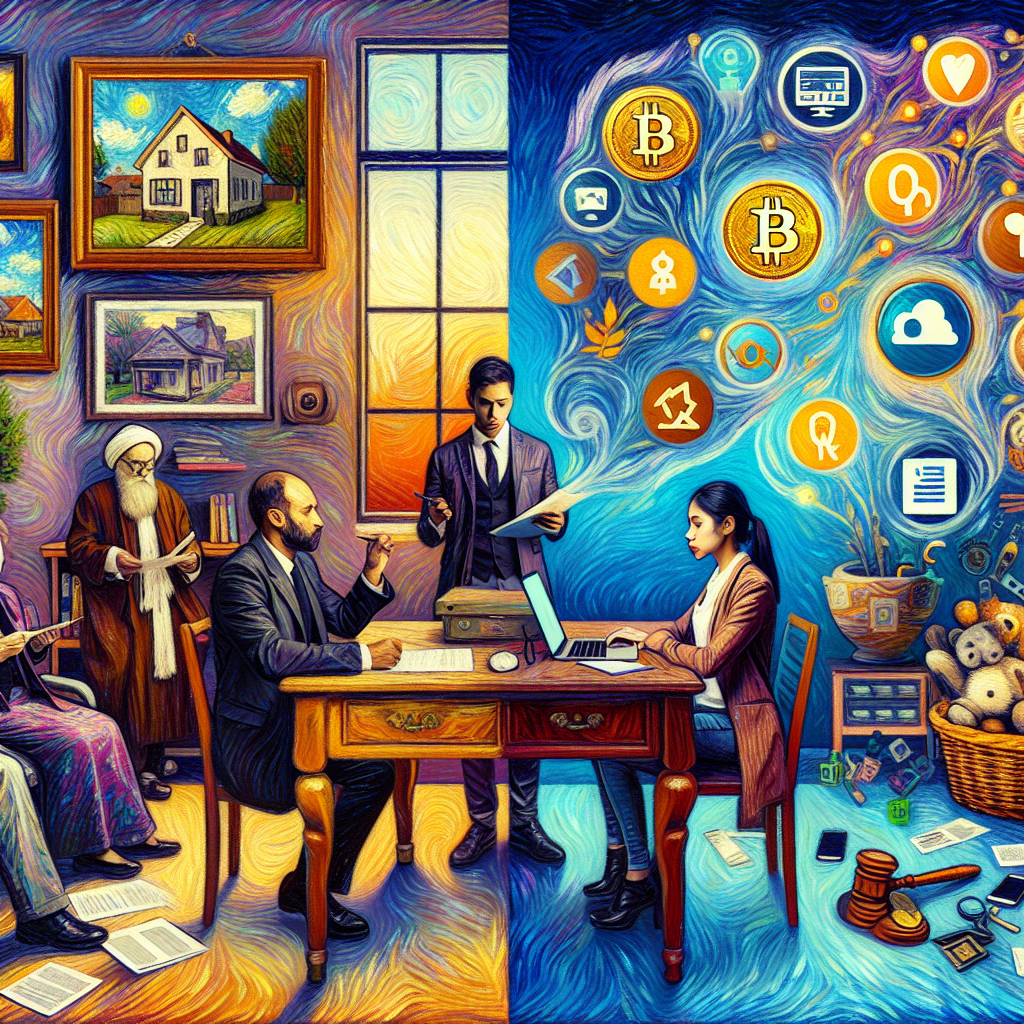
What Role Does Authority Play In Defining What Is Considered Original?
Conclusion
In a world inundated with copies and replicas, the essence of originality stands as a beacon guiding us back to authenticity and deeper human connection. Tom Seest’s exploration of this theme challenges us to confront an unsettling reality: as copies proliferate, we risk losing not only the depth of our narratives but also the soulful connections that bind communities through Legacy Storytelling. The stories shared across generations are rich with emotion, echoing laughter, sorrow, and wisdom that no mere replica can replicate. They remind us of our shared history and the unique contributions each of us brings to the table.
As we navigate an era defined by convenience and instant gratification, we must ask ourselves what we sacrifice for the sake of replication. Though replicas might provide fleeting satisfaction, they tend to dilute the authenticity and richness woven into the original narratives. The challenge lies in recognizing that in our pursuit of the easy and the available, we may overlook the profound lessons embedded in our collective legacies. Ethically, the responsibility to protect these stories falls not only on artists and creators but on all of us who appreciate genuine expression.
Moreover, the discussion around replicas isn’t merely about aesthetics; it’s inherently about our values and beliefs. They can foster inclusivity and accessibility, allowing broader audiences to engage with art and culture. Yet, we must tread carefully, ensuring that our celebration of the original doesn’t dismiss the important role replicas play in sparking interest and conversation.
Creativity thrives on originality—it’s the cornerstone of human expression. Each authentic narrative we share fosters connections, fuels innovation, and inspires future generations. As we grapple with the implications of replicas on our culture and creativity, it’s vital to understand that the heartfelt pursuit of original stories fosters a culture rich in authenticity, diversity, and meaning.
Instead of allowing the allure of replicas to overshadow our appreciation for the original, let’s actively seek out the true, the flawed, the unique. By doing so, we reclaim our narratives, embracing the vibrant tapestry of human experience that remains when we choose authenticity over imitation. In the end, it’s not the number of copies we accumulate, but the original stories we hold dear that define our legacy and foster lasting connections across generations.
Conclusion
Conclusion:
- The essence of originality serves as a guide towards authenticity and deeper human connection.
- Tom Seest encourages us to confront the reality that increasing copies threaten the depth of narratives and community connections through Legacy Storytelling.
- Generational stories carry emotions and wisdom that cannot be replicated, reminding us of our shared history.
- While replicas offer convenience, they dilute the richness of original narratives and the lessons they hold.
- The dialogue about replicas touches on our values, highlighting the balance between inclusivity and the appreciation of original art.
- Originality is essential for creativity, fostering connections and inspiring future generations.
- Choosing authenticity over imitation helps reclaim our narratives and define our legacy across generations.

Conclusion
Other Resources

Other Resources
Here is a list of other resources you can review online to learn more:
- Afternote
- International End of Life Doula Association
- Trust And Will
- Storyworth
- Bcelebrated
- Legacy Learned
- RootsMagic
- Xarona
- IronClad Family
- How to Save Your Family�s Stories from Being Lost Forever � A Step-by-Step Guide to Creating a Lasting Digital Legacy
- Ever Loved
- WishesKeeper
- Tributes
- LifeSite
- FindMyPast
- How to Avoid Losing Your Family History One Generation at a Time
- YouMattered
- How To Write Legacy Story Headlines That Appeal To The Heart, Gut and Head
- Directive Communication Systems
Use This Prompt To Get More Resources With Your Favorite Online AI Tool: Please provide me with a list of online articles with their URLs in a bulleted list that I can read regarding When Copies Replace Originals
Other Resources
Glossary Terms
When Copies Replace Originals – Glossary Of Terms
1. Copy: An identical reproduction of an original item, such as a text, image, or artwork.
2. Original: The first or primary version of a work, which serves as the basis for copies.
3. Duplication: The process of making a copy of an original, often used in printing and publishing.
4. Authenticity: The quality of being genuine or original, which affects the value of a work.
5. Reproduction: The act of producing a copy, typically for distribution or display.
6. Piracy: The unauthorized reproduction or distribution of copyrighted material.
7. Facsimile: An exact copy or reproduction of a document or artifact, often used in legal contexts.
8. Edition: A specific version of a work that may contain changes or updates compared to previous versions.
9. Imitation: A copy of an original that may vary in quality or style, often lacking authenticity.
10. Variant: A different version of an original, which may include alterations or modifications.
11. Counterfeit: An imitation made to resemble something of value, typically with the intent to deceive.
12. Mass Production: The manufacturing of large quantities of goods, often leading to numerous copies of a product.
13. Digital Copy: An electronic reproduction of an original work, commonly found in digital media.
14. Replica: A copy that is intended to be a faithful reproduction of the original.
15. Print Run: The number of copies produced in a single printing, commonly associated with books and magazines.
16. Copyright: A legal protection granted to original works, preventing unauthorized use or reproduction.
17. Licensing: The process by which creators give permission for others to use their works under defined conditions.
18. Derivative Work: A new work created from an existing one, which may incorporate and modify the original.
19. Archive: A collection of original documents and copies preserved for historical records.
20. Forged: A copy that is made with malicious intent, often for fraudulent purposes.
21. Reissue: The release of a previously published work, typically as a new edition or format.
22. Vanity Press: A publishing house that prints books at the author’s expense, often leading to copies without significant editorial review.
23. Trace: A method of creating a copy by outlining the original’s features, typically used in art.
24. Transcription: The process of converting spoken or written material into a written format, often resulting in copies of the original.
25. Collation: The process of comparing copies against the original to ensure fidelity and accuracy.
26. Provenance: The chronology of the ownership and custody of an original work, influencing its value and authenticity.
27. Reproduction Rights: Legal rights that specify how and when a work can be reproduced.
28. Alteration: A change made to an original that results in a different version or copy.
29. Usage Rights: Permissions granted to use a copy in specific contexts or for specific purposes.
30. Restoration: The process of returning an original work or copy to a former condition or appearance.

Glossary Of Terms
Other Questions
When Copies Replace Originals – Other Questions
If you wish to explore and discover more, consider looking for answers to these questions:
- What exactly defines an “original” versus a “copy” in art, storytelling, and culture?
- How can I determine whether a work or story is an original or a replica?
- What practical steps can individuals take to support original creators?
- How do replicas affect the livelihoods and recognition of artists, writers, and storytellers?
- What legal protections (copyright, moral rights, attribution) exist for originals?
- How should museums, galleries, and institutions balance exhibiting originals versus replicas?
- Can replicas increase access to culture without devaluing the originals, and how?
- What ethical guidelines should govern creating replicas of deceased people or personal legacies?
- How do replicas influence how communities pass down legacy stories and cultural memory?
- Do replicas change the way we grieve, remember, or relate to lost loved ones?
- What responsibilities do creators have when permitting reproductions of their work?
- How does emerging technology (AI, deepfakes, 3D printing) alter the replication landscape?
- What markers of provenance or authentication reliably indicate an original?
- When might a replica be preferable to an original (education, accessibility, preservation)?
- How do replicas impact the historical and monetary value of original works?
- Can copies ever inspire genuine new creativity rather than merely imitate?
- How do cultural narratives and community norms shape our valuation of originals versus copies?
- What role does authority (experts, institutions, communities) play in defining originality?
- How have perceptions of originality shifted over time and across cultures?
- What social or psychological effects arise from preferring replicas to originals?
- How should families approach legacy storytelling when replicas or digital recreations are possible?
- What economic models could fairly compensate original creators in an era of easy replication?
- How do replicas intersect with issues of cultural appropriation and respect for source communities?
- What educational approaches teach people to appreciate authenticity and the value of originals?
- How do social media and virality accelerate the spread and normalization of copies?
- What are notable historical examples where replicas reshaped cultural understanding?
- How might future technologies further blur the line between original and replica?
- What criteria should we use to judge value—emotional resonance, historical significance, monetary worth, or something else?
- How can consumers make intentional, value-aligned choices between originals and copies?
Other Questions
Haiku
When Copies Replace Originals – A Haiku
Original tales we share,
Echoes of heart and history,
Lifeblood of our souls.

Haiku
Poem
When Copies Replace Originals – A Poem
In a world where echoes mask the true sound,
Copies arise, but what value is found?
Our hearts, they ache for stories once told,
Tales of the brave, where the spirit is bold.
Legacy whispers through time’s gentle hand,
The warmth of our past, a shared, cherished band.
Yet replicas flood, promising ease and delight,
Stripping the rich fabric, dimming the light.
Originals breathe life into memorys glow,
Each brushstroke, each note, a river that flows.
But in this pursuit of the quick and the fake,
What do we relinquish? What bonds do we break?
Authenticity beckons with tales of the heart,
An invitation to feel, to engage and to start.
Ethics woven in narratives, voices that rise,
Creativity thrives when we honor the wise.
Can copies evoke what the heart truly craves?
While they open the door, do they fill up the graves?
A scaffold for meaning, they spark vital discourse,
Yet risk losing our way, we must stay on course.
In culture’s great tapestry, narratives twist,
What’s deemed “original” may not simply exist.
Authority grants power, yet it’s shared on this stage,
As we tell our own stories, we script every page.
So let’s cherish the unique, the raw, and the real,
Embrace every flaw, every wound that can heal.
In a landscape of likeness, be bold and be bright,
For the essence of creation is found in the fight.

Poem
Checklist
When Copies Replace Originals – A Checklist
Emotional Appeals
✅______ Reflect on personal stories that have shaped your identity.
✅______ Identify moments where you felt a deep connection to original narratives.
✅______ Consider the emotional significance of heirlooms or original art in your life.
Rational Appeals
✅______ Evaluate the impact of copies versus originals on cultural and personal growth.
✅______ Analyze how original content can foster unique experiences compared to replicas.
✅______ Consider the benefits of engaging with original artworks, music, or literature.
Ethical Considerations
✅______ Reflect on the importance of authenticity in storytelling and art.
✅______ Assess the ethical implications of valuing copies over originals in cultural contexts.
✅______ Commit to preserving and promoting original stories in your community.
Authority in Originality
✅______ Identify individuals or groups that champion original narratives.
✅______ Recognize the importance of diverse voices in defining what is considered original.
✅______ Reflect on how your authority as a storyteller can influence others.
Narrative Engagement
✅______ Share an original story that highlights your unique experiences and values.
✅______ Encourage discussions on legacy storytelling within your community.
✅______ Facilitate storytelling sessions that promote the sharing of original tales.
Social Connections
✅______ Discuss how copies can spark conversations about original works.
✅______ Evaluate the role of community in preserving and celebrating authenticity.
✅______ Build networks that support and engage with original creators and storytellers.

Checklist
At LegacyExplorations, we help people plan and explore their legacy by collecting information and news regarding end-of-life planning.
Please share this post with your friends, family, or business associates who may want help to plan or explore their legacy.