

Navigating Chaos: The Human Touch In An Overwhelming Data World
By Tom Seest
At LegacyExplorations, we help people plan and explore their legacy by collecting information and news regarding end-of-life planning.
Please share this post with your friends, family, or business associates who may want help to plan or explore their legacy.
When Everything Is Indexed and Nothing Is Curated
When we find ourselves living in a world where everything is indexed but nothing is curated, we must pause and reflect on what that truly means. Our lives today overflow with information, transforming daily experiences into a vast digital library. Yet, in this endless sea of data, we often lose the threads that weave meaning into our existence. This isn’t just a problem for tech gurus; it’s an issue that touches every one of us, resonating deep within our legacy storytelling journey.
Think about it: each click, each search, each swipe pulls us deeper into a whirlpool of facts, figures, and fleeting trends, but what about the stories behind those numbers? What about the people? The real, lived moments that shaped our values, our choices, our very identity? In the rush to index every detail of our surroundings, we’ve sidelined the art of curation. We’ve sacrificed context for convenience, drowning out narratives that could connect us to each other and ourselves.
Emotionally, this disconnect can be profound. Picture a family gathered around a table, sharing tales of their past. Each story is a thread that binds them together. But when every story becomes just another piece of searchable content, we lose that warm, intimate feel. Curated storytelling honors the lessons learned and the wisdom earned, making our experiences relevant and relatable. It’s these shared narratives that can inspire trust and foster a sense of belonging—elements crucial to our humanity.
Rationally, we must ask ourselves: how do we navigate this vast information landscape without losing our way? We need discerning eyes and open hearts, seeking meaning in the multitude. When we start to curate—selecting and sharing stories that resonate—we engage not only our minds but our guts. This is where real change happens. We become advocates for deeper conversations, the kind that spark connections and fuel action.
Ethically, we hold the responsibility to cultivate authenticity amidst the noise. Our voices can serve as beacons, guiding others toward a curated existence rich with context and significance. It’s about taking charge of our narratives and ensuring that, even in a world deluged with data, the stories that matter most are not merely indexed but cherished, remembered, and shared. Together, we can reclaim the power of our legacy storytelling, elevating our collective voice to rewrite a narrative that echoes across time.

When Everything Is Indexed and Nothing Is Curated
When Everything Is Indexed and Nothing Is Curated
- Living in an indexed world leads to information overload and a loss of meaningful connections.
- The rush to index data has sacrificed the art of curation, overlooking important narratives.
- Stories bind us together, and their loss diminishes emotional intimacy and connection.
- Curated storytelling imparts lessons and wisdom, fostering trust and a sense of belonging.
- Discerning navigation of information requires seeking meaning beyond mere data.
- Authenticity is essential; our voices can guide towards a significant curated existence.
- Reclaiming legacy storytelling can enrich our collective narrative across time.

When Everything Is Indexed and Nothing Is Curated
Table Of Contents
- When Everything Is Indexed and Nothing Is Curated
- What Does It Mean to Live In a World Without Curation?
- How Do We Find Meaning In Endless Information?
- Is the Overload Of Data Overwhelming Our Ability to Think?
- Are We Losing the Ability to Connect Authentically with Others?
- How Does Unfiltered Information Impact Our Emotional Well-Being?
- What Responsibility Do We Have to Curate for Ourselves and Others?
- Is Our Reliance on Algorithms Shaping Our Perceptions Unfairly?
- Conclusion
- Other Resources
- Glossary Of Terms
- Other Questions
- Haiku
- Poem
- Checklist
What Does It Mean to Live In a World Without Curation?
Imagine waking up in a world where every piece of information, every experience, comes at you unchecked, unfiltered, and unqualified. Sounds like chaos, doesn’t it? Without the gentle guiding hands of curation, we risk losing the very essence of what brings us together: our shared narratives, our legacy storytelling, and the wisdom passed down through generations.
In this uncurated landscape, the overload of options could paralyze us. Should we trust the information that floods our screens? A headline, a video, a post—each one clamoring for attention, each one claiming to reveal truth. The absence of curation means we have to sift through mountains of noise to find value. It’s a daunting reality. With no authority to lean on, we’re left to navigate a stormy sea of opinions, facts, and sheer nonsense, often leading us to miss the stories that truly matter.
Consider the role of curation in our lives. It’s not merely about organizing content; it’s about making sense of the overwhelming complexity of the world we live in. It’s about connecting heart, head, and gut. The storyteller’s duty has always been to filter life’s chaos, highlighting the raw truths and shared experiences that resonate with us. A good curator helps us find our way, crafting narratives that spark emotion and inspire action.
Without this guidance, we risk becoming islands—disconnected from one another, our stories lost in the shuffle. The ethical implications are significant. By relinquishing curation, we may inadvertently endorse misinformation, creating a society where division and mistrust thrive. It’s not just an intellectual exercise; it’s a heart issue. How can we foster genuine relationships and empathy when the noise of disarray surrounds us?
People crave connection, and stories are the threads that weave us together. In a world without curation, we lose those threads, leaving us vulnerable to isolation. If we hold on to the art of curation, we can preserve the richness of our experiences, allowing diverse voices to shine and ensuring the stories worth telling aren’t drowned out.
By embracing curation, we commit to honoring our collective narrative, facilitating understanding, and promoting trust. This is not just the responsibility of a few; it’s a call to all of us. Let’s champion the curators—those who illuminate the path and remind us of our shared humanity. Together, we have the power to reclaim our stories and shape a legacy that inspires generations to come.

What Does It Mean to Live In a World Without Curation?
What Does It Mean to Live In a World Without Curation?
- Unfiltered information leads to chaos, risking the loss of shared narratives and storytelling.
- The overload of options without curation can paralyze decision-making and obscure valuable truths.
- Curation helps navigate complex information and connects emotional, intellectual, and instinctive responses.
- Good curators filter chaos, highlighting relevant stories and fostering emotional resonance.
- Lack of curation may endorse misinformation and breed societal division and mistrust.
- Stories create connections; without curation, we risk isolation and losing meaningful narratives.
- Embracing curation is vital for honoring collective narratives and promoting understanding and trust among people.

What Does It Mean to Live In a World Without Curation?
How Do We Find Meaning In Endless Information?
In a world bombarded by endless information, the quest for meaning can seem like searching for a needle in a haystack. We’re living in an age where noise often drowns out the signal, yet within this chaos lies an incredible opportunity for legacy storytelling. It’s a powerful tool that can help us clarify our thoughts, connect us to one another, and carve out our own narratives in this vast sea of data.
Think about it. Every bit of information we encounter has the potential to shape our stories. Whether it’s a news report, a social media post, or a podcast, each piece provides a chance to interpret, reflect, and find personal significance. The key isn’t just consuming content but actively engaging with it—asking ourselves why it matters, how it resonates with our lives, and what legacy we want to leave behind.
Legacy storytelling isn’t merely about sharing facts; it’s about fostering connection. When we recount experiences, moments, or even struggles, we invite others into our lives. These narratives create a shared sense of understanding that transcends mere data. They embody our values, beliefs, and the lessons we learn along the way. They say we are not alone in our journey.
However, the challenge lies in balancing emotion with rationality. While our hearts might pull us towards sensational stories that trigger visceral reactions, our heads remind us to sift through the noise, discerning what’s relevant and truthful. This is where our collective responsibility kicks in—not only to consume thoughtfully but to share insights that matter. When we choose to elevate meaningful stories over the trivial, we contribute to a culture that values substance over sensationalism.
We also have an ethical duty to those who come after us. In a society overwhelmed with fleeting information, our stories can provide clarity and direction for future generations. They encapsulate our trials and triumphs, serving as touchstones in an ever-changing landscape. By embracing legacy storytelling, we lay the groundwork for ethical engagement with information, ensuring that what we pass on nurtures rather than confuses.
Ultimately, finding meaning in endless information isn’t just about personal understanding; it’s about community. When we gather around authentic stories—those that capture our struggles, joys, and aspirations—we build bonds that strengthen our social fabric. In this interconnected web of narratives, we become more than individuals; we become a collective voice that echoes across the noise, leaving a lasting legacy for all.

How Do We Find Meaning In Endless Information?
How Do We Find Meaning In Endless Information?
- Endless information can obscure meaning; legacy storytelling offers clarity amid chaos.
- Every piece of information has the potential to shape personal narratives.
- Engagement with content is crucial; understanding its relevance to our lives fosters meaning.
- Legacy storytelling creates connections and shared understanding beyond mere data.
- A balance between emotion and rationality is essential when interpreting stories.
- Stories serve as ethical guidance for future generations, preserving lessons from our experiences.
- Community bonds strengthen through authentic storytelling, creating a collective legacy.

How Do We Find Meaning In Endless Information?
Is the Overload Of Data Overwhelming Our Ability to Think?
In a world overflowing with information, it sometimes feels like we’re caught in a relentless current, swept along by a torrent of data that threatens to drown our deepest thoughts. This isn’t just a modern inconvenience; it’s a challenge to our very essence. Each beep of a notification resonates like an alarm in our minds, compelling us to stay tethered to our screens, yet the more we consume, the more detached we become from authentic understanding.
Reflecting on our collective experience, we can look to the power of legacy storytelling. These narratives, passed down through generations, have the ability to ground us. They provide context and meaning that raw statistics simply cannot deliver. Unlike the numbers flashing on our devices, stories connect us, weaving a tapestry of shared human experience. They remind us that we are not alone in this overwhelming sea of data; we are part of a vast continuum, bound by our hopes, fears, and triumphs.
As we navigate this ocean of content, it’s crucial to assess not just what we’re consuming, but how it shapes our capacity to think critically. Are we merely reacting, or are we engaging our minds in thoughtful dialogue? Information overload can lead to paralysis—an inability to discern what is essential in the chaos. Understanding the nuances of data-driven decision-making cultivates a cautious approach, one that weighs evidence with ethical discernment.
Our responsibility is not just to ourselves but to our communities. By fostering spaces where meaningful conversation thrives, we can counteract the numbing effects of excessive information. Engaging with each other about our stories, both personal and cultural, nurtures a sense of belonging and purpose, allowing us to rise above superficial noise.
Imagine gathering around a fire, sharing tales that ignite our imaginations. These moments are not just entertainment; they forge connections and instill confidence in our collective narrative. Emphasizing personal stories allows us to reclaim agency over our experiences, transforming passive consumption into active participation.
Ultimately, as we sift through the overwhelming data, let us remember that our ability to think, feel, and connect is paramount. It’s time to shift our perspective from the relentless pursuit of information toward a more thoughtful, story-driven approach, ensuring that we honor our legacies while embracing the full spectrum of human experience.

Is the Overload Of Data Overwhelming Our Ability to Think?
Is the Overload Of Data Overwhelming Our Ability to Think?
- We are overwhelmed by information, leading to a detachment from authentic understanding.
- Legacy storytelling grounds us, providing context and meaning that statistics cannot.
- Stories weave a tapestry of shared human experience, emphasizing our collective hopes and fears.
- Critical thinking is essential in navigating information overload to avoid paralysis.
- Communities must foster meaningful conversations to counteract the effects of excessive information.
- Personal storytelling transforms passive consumption into active participation and connection.
- Shifting from information pursuit to a story-driven approach honors our legacies and embraces human experience.

Is the Overload Of Data Overwhelming Our Ability to Think?
Are We Losing the Ability to Connect Authentically with Others?
The question of whether we are losing the ability to connect authentically with others is not just philosophical; it hits home in the everyday interactions we have, or the lack thereof. In a world saturated with digital communication, we find ourselves losing the rich tapestry of human connection that once was. Legacy storytelling, a craft that requires time and vulnerability, seems to be fading in the face of quick texts and sound bites.
Think about it: when was the last time you sat with someone, truly listened, and shared your stories? The stories that shape our identities, our legacies, often get drowned out by the noise of notifications and screens. We are living in a paradox. While technology has made it easier to reach out, it has also erected barriers to genuine connection. The convenience of a quick message can overshadow the profound impact of a heartfelt conversation.
On one hand, our heads tell us that the speed of life requires brevity and efficiency. Yet our hearts yearn for depth. There’s a longing for authenticity, for those moments where we’re seen and heard, not just as avatars but as human beings, complete with dreams, fears, and flaws. The gut instinct tells us something’s amiss when we realize that many relationships today are like surfaces—polished but lacking substance.
Consider the ethical imperative to nurture meaningful dialogues. It’s not only our right but our responsibility to foster environments where legacy storytelling thrives. When we share our histories, our triumphs and tribulations, we invite others into our world, forging connections that can last a lifetime. Each tale becomes a thread in the fabric of our shared humanity.
Moreover, think of the authority of lived experiences. Personal narratives resonate because they validate our shared struggles. They unite us across generations and geography, reminding us that while our circumstances may differ, the core of our humanity is the same. These connections create a safety net where we can be vulnerable, take risks, and ultimately grow closer.
As we navigate through the complexities of our modern landscape, let us not forsake the power of authentic connection. Reclaim the art of storytelling, invest time in others, and watch as the walls that divide us begin to crumble. The heart of our society depends on it.

Are We Losing the Ability to Connect Authentically with Others?
Are We Losing the Ability to Connect Authentically with Others?
- The ability to connect authentically is declining amid digital communication.
- Legacy storytelling, which requires time and vulnerability, is fading due to quick texts and sound bites.
- Today’s communication often lacks the depth necessary for genuine relationships.
- Authentic connection is complicated by technology, which can create barriers.
- Sharing personal stories fosters meaningful dialogues and connections that last a lifetime.
- Lived experiences unite people, reminding us of our shared humanity despite differing circumstances.
- Reclaiming storytelling and investing time in others can help dismantle societal barriers.

Are We Losing the Ability to Connect Authentically with Others?
How Does Unfiltered Information Impact Our Emotional Well-Being?
In a world saturated with unfiltered information, the impact on our emotional well-being can’t be overstated. We’re bombarded by a relentless stream of news, opinions, and social media updates, each one vying for our attention. The challenge isn’t just sorting fact from fiction; it’s navigating the emotional labyrinth that arises when we engage with this deluge. As we scroll through headlines and posts, we often feel an urgent tug on our hearts, our minds racing in tune with a narrative that can be both compelling and overwhelming.
Consider the legacy of storytelling—a cornerstone of human connection. Stories have the power to shape our beliefs and inform our understanding of the world. Yet, when those stories are unfiltered, they can distort the truths we’re meant to grasp. Instead of fostering connection, they sometimes divide us, pitting us against each other in a battle for who’s right and who’s wrong. As we digest this information, our emotional wellness hangs in the balance. We find ourselves reacting not just with our heads, but also with our guts, feeling anger, fear, and confusion, emotions that can cloud rational thinking.
Research supports this concern. Studies suggest that heavy consumption of unfiltered content can lead to anxiety, depression, and feelings of isolation. When we’re constantly exposed to negativity—be it through sensational headlines or the endless scroll of disheartening news—we begin to internalize these narratives. This descent can lead to a fractured sense of self, eroding our confidence and trust in the world around us. We start to lose sight of what truly matters, trapped in a cycle of comparison and despair.
Ethically speaking, we must ask ourselves how we consume information and its effects on our communities. We hold an intrinsic responsibility not just to ourselves, but to those around us. By choosing to engage with curated, thoughtful content, we can uplift others and ourselves. In reclaiming our narratives, we create space for stories that inspire hope, promote understanding, and foster social connection.
Take action by critically evaluating the information you consume. Seek out sources that prioritize quality over quantity. Embrace the legacy of storytelling that uplifts, educates, and connects. By doing so, you not only protect your emotional well-being but also contribute to a healthier discourse, shaping a world that values compassion over sensationalism. It’s a step towards a collective emotional recovery—one story at a time.

How Does Unfiltered Information Impact Our Emotional Well-Being?
How Does Unfiltered Information Impact Our Emotional Well-Being?
- Unfiltered information significantly impacts emotional well-being.
- The constant stream of news and social media is overwhelming.
- Stories shape beliefs but can distort truths when unfiltered.
- Heavy consumption of negative content leads to anxiety, depression, and isolation.
- This negativity erodes self-confidence and sense of trust in the world.
- Engaging with curated content can uplift individuals and communities.
- Evaluating information sources fosters healthier discourse and emotional recovery.

How Does Unfiltered Information Impact Our Emotional Well-Being?
What Responsibility Do We Have to Curate for Ourselves and Others?
In a world overflowing with information, curating our personal narrative—and that of others—has become a responsibility we can no longer overlook. Each post, tweet, or shared article contributes to a digital legacy that shapes not only our perception but also the way future generations understand the past. We hold the power to craft a legacy through storytelling, yet with that power comes the ethical obligation to tell stories that matter.
Consider the stories we share. A narrative doesn’t merely convey information; it adds layers to our shared humanity. When we curate thoughtfully, we play a role in how our communities perceive themselves. Every time we highlight a struggle overcome or a triumph achieved, we foster connection among individuals, creating a tapestry of shared experiences that binds us closer together. Each story serves as a thread, intricately woven into the collective consciousness, encouraging empathy and understanding.
But the challenge is not just in the storytelling; it’s in the mindful curation of what we consume. The digital landscape is cluttered with noise, and it’s our responsibility to sift through the chaos not just for ourselves but for our friends, families, and community. What we choose to amplify can either uplift or undermine, teach or confuse, foster trust or breed division. It’s a matter of reflecting on what aligns with our shared values and principles.
This isn’t about censorship; it’s about intention. It’s essential to ask ourselves: what kind of legacy do we want to leave behind? Do we want our stories to demonstrate resilience, to highlight the good in humanity, or to launch a call to action? With every click and share, we possess the power to guide conversations, influence decisions, and inspire action. The right narrative can ignite change, encouraging open dialogue and fostering a sense of belonging.
We must approach this responsibility with the seriousness it deserves. Curation goes beyond choices; it suggests that we care about the impact we have on others. When we honor others’ stories, we affirm their existence and significance, creating ripples that resonate far beyond our immediate circles. Our collective legacy isn’t merely built from isolated voices; it thrives in collaboration, sincerity, and shared purpose.
The responsibility to curate effectively isn’t a burdensome task—it’s an opportunity. Embrace it with courage and compassion. Together, let’s shape a narrative worth sharing and a legacy worth leaving behind.

What Responsibility Do We Have to Curate for Ourselves and Others?
What Responsibility Do We Have to Curate for Ourselves and Others?
- Curating personal and collective narratives is a vital responsibility in a world filled with information.
- Each digital contribution shapes our legacy and influences future understanding of the past.
- Thoughtfully shared stories enhance our humanity and foster community connections.
- Mindful curation in the face of digital noise is essential for informed dialogue.
- Our choices in amplification can uplift or detract from shared values and principles.
- Effective curation is about intention, guiding conversations and inspiring change.
- Embracing the responsibility to curate creates opportunities for compassion and collaboration.

What Responsibility Do We Have to Curate for Ourselves and Others?
Is Our Reliance on Algorithms Shaping Our Perceptions Unfairly?
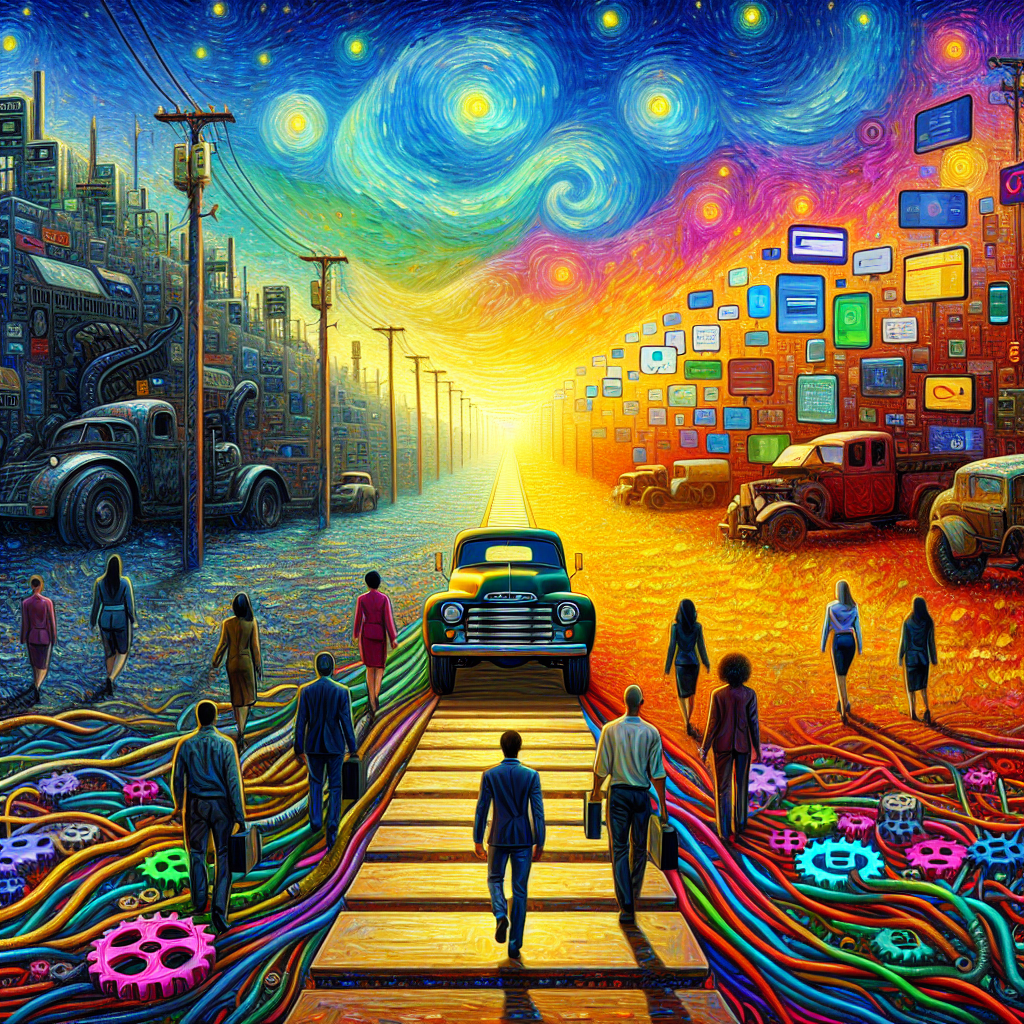
In today’s fast-paced world, we find ourselves ensnared in a web of algorithms designed to simplify our choices, but are they shaping our perceptions unfairly? It’s a question we must grapple with, especially as we navigate the complexities of modern life. Each swipe, each click, chips away at the tapestry of our lived experiences, and in many ways, it’s a modern take on a timeless practice: legacy storytelling.
Picture your favorite storyteller—perhaps a grandparent or a cherished mentor—unraveling tales rich with lessons and insights, each uniquely crafted by their experiences. These stories connect us, grounding our values in shared human experiences. Now, consider how algorithms, built upon data and patterns, often have the opposite effect. They’re not telling a story; they’re curating one. These algorithms might tempt you with bite-sized content that aligns with your current preferences, molding your perceptions without a context that respects the breadth of human experience.
Rationally, we know that algorithms rely on historical data to predict our choices. It’s efficient yet unnerving. What happens when the stories fed to us by these entities narrow rather than widen our worldview? When we engage with content shaped by an unseen hand, we risk conforming to a narrative dictated not by our passions but by cold calculations. Our curiosity, a vital human attribute, can be stifled, leaving us in a loop of what we know rather than what we might learn.
Ethically, this dependence on algorithms begs us to reconsider the very essence of our decision-making. Should a computer dictate our values? The stakes are high. The erosion of independent thought and genuine connection is a formidable foe in the landscape of individual autonomy.
We must reclaim our narrative. As aware consumers of technology, we can demand diversity in our sources and embrace mediums that foster deeper connections. Together, we can challenge the status quo, prioritizing stories that illuminate rather than obscure.
Our legacy depends on it. By nurturing a rich tapestry of experiences, we invite deeper understanding and connection, ensuring that the narratives we subscribe to honor the fullness of life. We owe it to ourselves to step beyond the constraints of tailored algorithms and engage with the messy, beautiful, and intricate stories that make us human. The next time you scroll, ask yourself: what kind of story do you want to be part of?
Is Our Reliance on Algorithms Shaping Our Perceptions Unfairly?
Is Our Reliance on Algorithms Shaping Our Perceptions Unfairly?
- Algorithms simplify choices but may unfairly shape perceptions.
- Each interaction with technology narrows our lived experiences.
- Legacy storytelling connects us through shared human experiences.
- Algorithms curate content, often reinforcing existing preferences.
- Dependence on algorithms can stifle curiosity and independent thought.
- We must reclaim our narrative by demanding diverse sources and deeper connections.
- Engaging with a variety of stories honors the complexity of human experience.

Is Our Reliance on Algorithms Shaping Our Perceptions Unfairly?
Conclusion
In a world overflowing with data yet devoid of thoughtful curation, we find ourselves grappling with an essential truth: information without context often leads us adrift. The sheer volume of indexed content can overwhelm, turning vital stories into mere statistics. We’ve traded in the rich tapestry of personal narratives for the convenience of swipes and clicks, leading to a profound disconnection from the human experiences that shape our identities.
Curated storytelling serves as a balm in this chaotic landscape. It connects us, allowing shared histories to emerge from the noise. Remember the warmth of family stories passed around a dinner table? Those narratives encapsulate the lessons and values that define us, fostering trust and belonging. As we immerse ourselves in an endless information cycle, we must actively seek meaning in our consumption, asking ourselves how the stories we engage with resonate with our lives and what legacy we wish to leave.
Navigating this sea of unfiltered content also imposes an ethical imperative to be discerning consumers. Without active engagement, we risk endorsing misinformation, which feeds division and mistrust in our communities. The heart of authentic connection relies on nurturing meaningful conversations, where every story shared is a thread in our collective narrative, enhancing empathy and understanding. As guardians of our own legacies, we influence how future generations perceive the world.
We must acknowledge that our emotional well-being is entwined with what we consume. The continuous barrage of information can lead to anxiety and isolation, distorting our sense of self and community. By embracing curated content that uplifts and connects, we create a healthier discourse that places connection over sensationalism, allowing us to reclaim our emotional health and collective narrative.
The responsibility to curate extends beyond our individual stories; it involves shaping the fabric of society. We’re positioned as storytellers with the power to amplify voices and experiences that matter. This isn’t about censoring; it’s about intentionality. Each narrative shared can inspire hope, foster understanding, and encourage action, paving the way for deeper social bonds.
Ultimately, amidst the chaos of information, we must find our way back to authentic connections and meaningful stories. Together, we hold the reins of our narratives, crafting a legacy that not only reflects our experiences but also resonates with the shared human condition. As we reclaim curation, we weave a richer, more connected future for us all.

Conclusion
Conclusion:
- The overwhelming volume of uncurated data can lead to disconnection from personal narratives and human experiences.
- Curated storytelling fosters connection by allowing shared histories to emerge and enhances collective identity.
- Engaging with meaningful stories is crucial for discovering personal relevance and shaping our legacies.
- Consumers have an ethical responsibility to discern information to prevent the spread of misinformation that divides communities.
- Our emotional well-being is linked to our consumption of information, which can impact anxiety and feelings of isolation.
- Curating content intentionally can amplify important voices, foster understanding, and strengthen social connections.
- By reclaiming curation, we can create a richer, more connected future that reflects shared human experiences.

Conclusion
Other Resources

Other Resources
Here is a list of other resources you can review online to learn more:
- StoryCorps
- Remembered.com
- Obituary Templates
- FamilySearch
- Trust And Will
- Afternote
- Storyworth
- Bcelebrated
- Digital Legacy Association
- UpCounsel
- WishesKeeper
- Meminto
- Willmaker
- My Wonderful Life
- ForeverMissed
- Knotify.me
- Legacy
- FuneralWise
- Storyfile Life
- MyMoriam
Use This Prompt To Get More Resources With Your Favorite Online AI Tool: Please provide me with a list of online articles with their URLs in a bulleted list that I can read regarding When Everything Is Indexed and Nothing Is Curated

Other Resources
Glossary Terms
When Everything Is Indexed and Nothing Is Curated – Glossary Of Terms
1. Indexing: The process of organizing information to facilitate easy search and retrieval.
2. Curating: The act of selecting, organizing, and presenting information with a specific purpose or audience in mind.
3. Metadata: Data that provides information about other data, such as its origin, format, or relevance.
4. Algorithm: A step-by-step procedure or formula for solving a problem, often used in data processing.
5. Data Overload: The overwhelming amount of information that can hinder decision-making and understanding.
6. Search Engine: A system designed to search for information on the internet based on user queries.
7. Content Aggregation: The process of collecting various content from different sources into one location or platform.
8. Digital Archiving: The preservation of digital information over time for future access and use.
9. Taxonomy: A classification system that organizes information into hierarchical categories.
10. Information Architecture: The structural design of shared information environments, focusing on organizing and labeling content.
11. User Experience (UX): The overall experience of a person using a product or service, especially in terms of ease of use and enjoyment.
12. Knowledge Management: The process of capturing, distributing, and effectively using knowledge within an organization.
13. Big Data: Extremely large data sets that may be analyzed computationally to reveal patterns, trends, and associations.
14. Data Visualization: The graphical representation of information and data, making complex data more accessible.
15. Interoperability: The ability of different systems to work together seamlessly and exchange information.
16. Data Integrity: The accuracy and consistency of data over its lifecycle.
17. Semantic Search: A search technique that seeks to improve search accuracy by understanding the intent and contextual meaning of search terms.
18. Content Management System (CMS): A software application used to create, edit, manage, and publish digital content.
19. Relevance: The degree to which information meets the needs and expectations of the user.
20. Information Retrieval: The process of obtaining information system resources that are relevant to an information need.
21. Data Mining: The practice of examining large datasets to discover patterns and extract meaningful information.
22. Folksonomy: A way of categorizing information using tags contributed by users rather than a predetermined taxonomy.
23. Content Delivery Network (CDN): A system of distributed servers that deliver web content to users based on their geographic location.
24. Search Engine Optimization (SEO): The practice of enhancing website content to improve visibility in search engine results.
25. Cloud Storage: Online storage that allows users to save data on remote servers accessed via the internet.
26. Data Model: An abstract model that organizes elements of data and standardizes how they relate to one another.
27. Content Strategy: A plan for the creation, delivery, and governance of useful, usable content.
28. Natural Language Processing (NLP): A field of artificial intelligence that focuses on the interaction between computers and human language.
29. Digital Footprint: The trail of data left behind by users on digital services, including their interactions and behaviors online.
30. Quality Control: The processes and measures in place to ensure that data and information meet certain standards of accuracy and reliability.

Glossary Of Terms
Other Questions
When Everything Is Indexed and Nothing Is Curated – Other Questions
If you wish to explore and discover more, consider looking for answers to these questions:
- What practical steps can individuals take to curate their own digital information and preserve meaningful stories?
- How can families and communities capture and pass down legacy storytelling in a world of indexed content?
- Which tools or platforms are most effective for personal or collective curation and long-term archiving?
- How do algorithms decide which content is surfaced, and how transparent are those processes?
- What kinds of biases are built into algorithmic recommendation systems and how do they affect what we see?
- How can readers distinguish between curated, trustworthy narratives and noise or misinformation?
- What responsibilities do technology companies have to support meaningful curation rather than mere indexing?
- Should governments or regulators mandate greater transparency or guardrails around algorithmic curation?
- How does information overload impact attention, critical thinking, and decision-making ability?
- What measurable effects does constant exposure to unfiltered content have on mental health and emotional well‑being?
- How can schools and educators teach curation skills and digital literacy to younger generations?
- How can organizations balance full indexing with curated storytelling to serve users better?
- What ethical guidelines should govern curating other people’s stories, especially when those stories are sensitive?
- How can curators avoid becoming censors while still filtering for quality and relevance?
- What practical habits help individuals resist echo chambers and algorithmic narrowing of perspectives?
- How can we intentionally create spaces—online and offline—for authentic, vulnerable storytelling?
- How should we evaluate the credibility and provenance of digital content before sharing it?
- What role can AI play in ethical curation, and what limits should be placed on automated editors?
- How can curators ensure diverse voices and marginal perspectives are represented and preserved?
- What are best practices for curating and organizing digital memories so they remain accessible over time?
- How do commercial incentives (attention economy, ad revenue) shape what gets curated or amplified?
- How can individuals and institutions measure the impact of curated narratives on communities and culture?
- What legal or privacy implications arise when curating and sharing personal or family stories online?

Other Questions
Haiku
When Everything Is Indexed and Nothing Is Curated – A Haiku
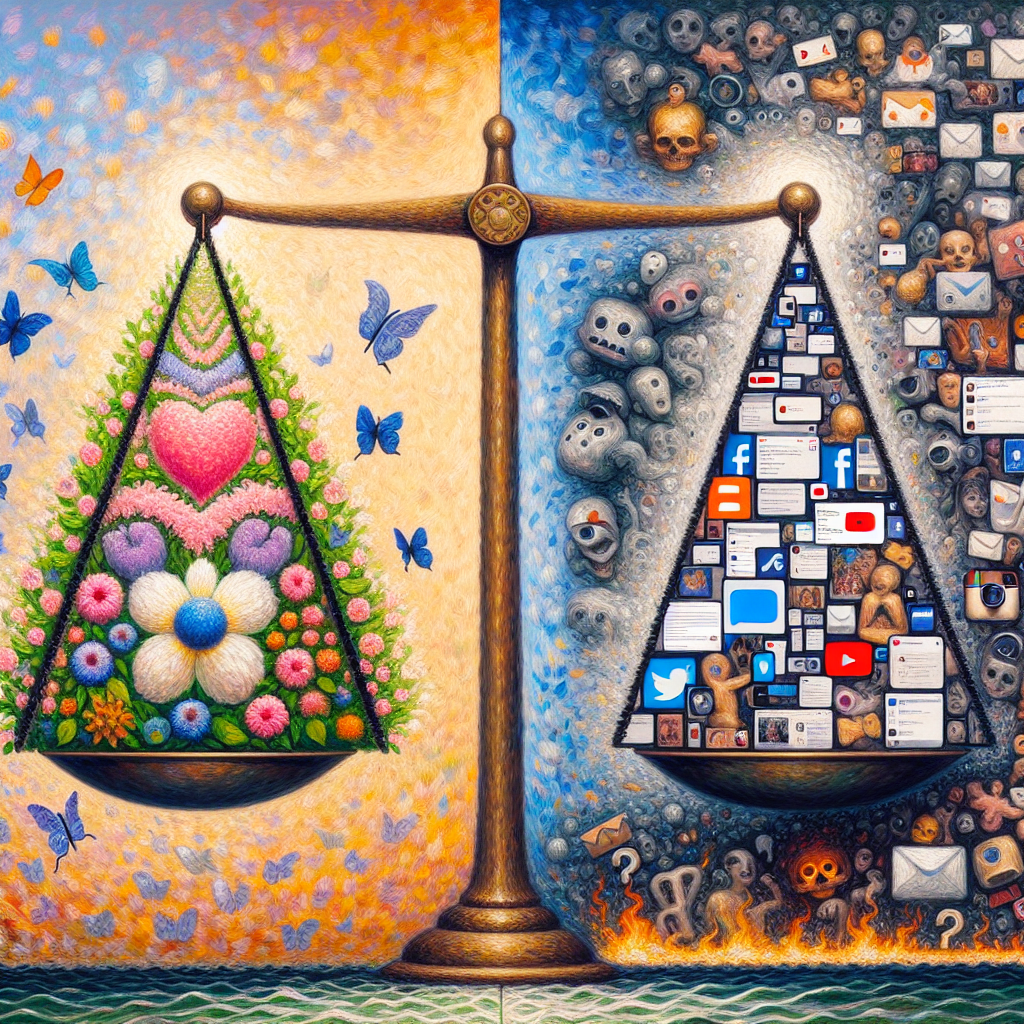
Amidst endless data,
Stories lost in the chaos—
Hearts yearn for meaning.
Haiku
Poem
When Everything Is Indexed and Nothing Is Curated – A Poem
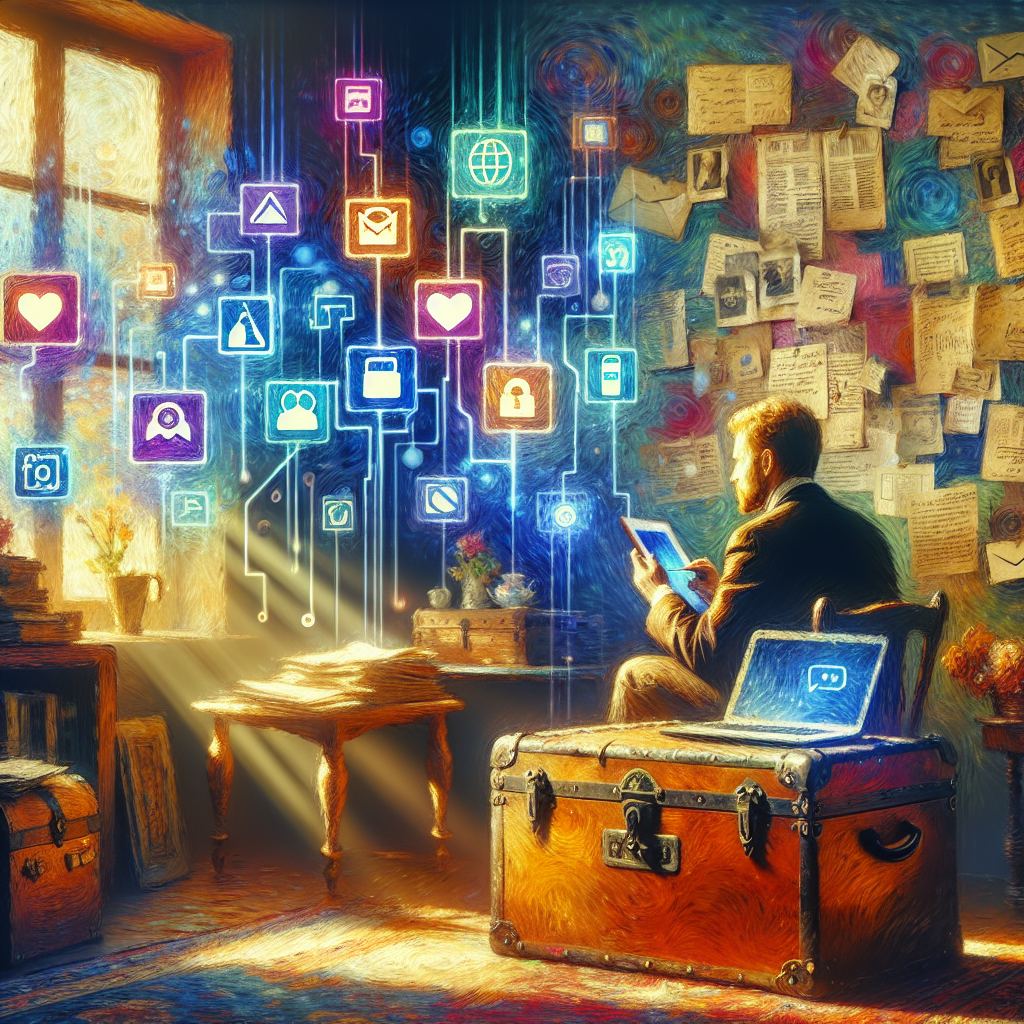
In a world where noise overflows,
Every click, each swipe, the chaos grows.
Indexed data, a vast retreat,
Yet the warmth of stories feels obsolete.
Beneath the surface of endless chatter,
Lies the heart of connection, the bonds that matter.
Moments shared around a tables grace,
Become mere digits in a faceless space.
As we sift through endless streams,
Let’s reclaim the power of our dreams.
Curate the tales that echo our past,
Crafting a legacy that’s meant to last.
In this fast-paced digital tide,
We seek authenticity, not just a guide.
With discerning eyes and open hearts,
We can transform chaos into art.
Embrace the stories that bind us tight,
Foster trust, and ignite insight.
For every narrative, a thread we share,
A reminder that in our journey, we care.
As information floods, our minds must discern,
The ethos of curation we each must learn.
Let’s champion voices, diverse and true,
Rewriting a future where hope comes anew.
Together we rise, reclaiming the light,
In this vast data sea, we’ll hold on tight.
With heart, head, and gut intertwined,
We shape our legacy, and stories aligned.
Poem
Checklist
When Everything Is Indexed and Nothing Is Curated – A Checklist
Emotional Appeals
✅______ Reflect on personal stories that define your identity.
✅______ Share a meaningful narrative with someone today.
✅______ Create a family tradition of storytelling to strengthen bonds.
Rational Appeals
✅______ Identify reliable sources of information amid noise.
✅______ Practice critical thinking by questioning the validity of what you consume.
✅______ Set a limit on daily screen time to reduce information overload.
Ethical Appeals
✅______ Make a conscious effort to curate content that fosters understanding and empathy.
✅______ Consider the impact of stories you share on your community.
✅______ Promote authenticity by encouraging others to share their experiences.
Authority Appeals
✅______ Seek out expert opinions and well-researched content for informed decision-making.
✅______ Participate in discussions led by knowledgeable individuals in your field of interest.
✅______ Follow curators and storytellers who prioritize quality and relevance over quantity.
Narrative Appeals
✅______ Engage with stories that resonate with your personal experiences.
✅______ Find ways to weave your life lessons into broader conversations.
✅______ Create a vision board of values and narratives you want to promote.
Social Appeals
✅______ Host gatherings to discuss meaningful stories and experiences.
✅______ Form a community group dedicated to sharing and curating impactful narratives.
✅______ Actively listen to others’ stories to foster deeper connections.

Checklist
At LegacyExplorations, we help people plan and explore their legacy by collecting information and news regarding end-of-life planning.
Please share this post with your friends, family, or business associates who may want help to plan or explore their legacy.