

Revealing Secrets: How Online Lives Shape Family Connections
By Tom Seest
At LegacyExplorations, we help people plan and explore their legacy by collecting information and news regarding end-of-life planning.
Please share this post with your friends, family, or business associates who may want help to plan or explore their legacy.
When Families Discover Hidden Online Lives
When families discover hidden online lives, it’s a wake-up call that shakes the very foundation of trust. Picture this: a typical household, bustling with life, laughter, and the occasional quarrel. Parents may think they know everything about their children, but then they stumble upon a digital world that feels completely alien. This revelation can trigger feelings of betrayal, confusion, and even panic. Yet, it also opens the door to profound conversations that can shape the legacy of family relationships.
This is where legacy storytelling comes into play. It’s not just about sharing tales of the past; it’s about weaving a narrative that connects generations. When parents and children navigate the choppy waters of digital identities together, they have an opportunity to create a story that is uniquely theirs. These discussions can transform suspicion into understanding, guiding families to explore not just the online behaviors but also the underlying emotions that drive them.
Engaging with this online reality requires a rational approach. Statistics illustrate a growing gap in digital literacy between generations. Parents might feel overwhelmed by new social platforms and changing behaviors, but acknowledging this gap can foster a sense of unity. Families can commit to learning together, establishing a knowledge base that nurtures growth and understanding rather than judgment.
On a deeper level, the ethical implications of hidden online lives are undeniable. Children often mask their online personas, fearing they will be judged or misunderstood. Parents must approach this discovery not as a breach of privacy but as an opportunity to cultivate a safe space. Open communication is essential; trust can only be rebuilt when both sides are willing to share their fears, hopes, and dreams.
The right authority figures, be it educators or digital safety experts, can provide invaluable insights into navigating these conversations. With guidance, families may develop strategies to foster their children’s digital literacy while retaining the connections that matter most.
Ultimately, discovering these hidden online lives is less about the secrets and more about trust—trust that must be earned, rebuilt, and maintained. As families engage in this often challenging dialogue, they lay the groundwork for a shared legacy, fostering deeper connection, mutual respect, and understanding that will resonate for years to come.

When Families Discover Hidden Online Lives
When Families Discover Hidden Online Lives
- Discovery of hidden online lives shifts family trust dynamics.
- Leads to feelings of betrayal and confusion but can prompt important conversations.
- Legacy storytelling connects generations through shared digital experiences.
- Families can close the digital literacy gap by learning together.
- Open communication fosters a safe space for discussing fears and hopes.
- Educators and digital safety experts provide essential guidance for navigating online challenges.
- Building trust is vital for shaping a family’s shared legacy and understanding.

When Families Discover Hidden Online Lives
Table Of Contents
- When Families Discover Hidden Online Lives
- What Secrets Lie Behind Their Online Personas?
- How Do We Truly Trust Our Loved Ones?
- Are We Losing Connection In Our Digital Lives?
- What Stories Do They Tell Through Their Online Choices?
- How Can We Nurture Open Communication with Our Families?
- What Ethical Dilemmas Arise From Hidden Online Lives?
- How Do Hidden Lives Impact Family Trust and Unity?
- Conclusion
- Other Resources
- Glossary Of Terms
- Other Questions
- Haiku
- Poem
- Checklist
What Secrets Lie Behind Their Online Personas?
In the age of polished profiles and curated feeds, the online personas we encounter can seem like a kaleidoscope of perfection and self-advocacy. Yet, behind every image, behind every hashtag, and in the silence between the posts, lie stories worthy of legacy storytelling. These are not just avatars crafted for likes; they’re the echoes of real lives—filled with victories and failures, joy and sorrow, connection and isolation.
Every scroll through social media tells a tale, often punctuated by the carefully chosen words of influencers and ordinary folks alike. But what happens when the camera are off? That’s where the heart of the matter lies. Each persona often masks struggles that are rarely shared. The anxiety of living up to expectations, the burden of comparison, and the overwhelming need for validation create a cacophony that resonates with many. These narratives connect us on a deep human level, revealing that beneath the curated content are lives navigating the complexities of existence.
Think for a moment about the ethics of these portrayals. Behind the polished selfies and inspirational quotes lies a critical question: What is authentic? In a world where likes can equate to worth, many are left grappling with the authority of their own voices, questioning whether they should join the chorus or remain silent. The pressure to conform can drown out individual truths, but the real stories—the real connections—often emerge from vulnerability and honesty. When someone shares their journey, it resonates; it inspires trust, confidence, a sense of belonging.
Imagine the collective impact if we all stepped back from the spotlight of our screens to share our unfiltered truths. These vulnerable moments foster connection in ways meticulously curated content never could. People relate to imperfections; they lean in when they hear about the struggle, the defeat, the rise from ashes. Such narratives uplift, illuminate, and inspire action—transforming silent suffering into shared strength.
The question remains—what secrets lie behind their online personas? They are stories of struggle, authenticity, and a yearning for real connection. Embracing the messiness of life can turn our online interactions into legacy storytelling, reminding us all of our shared humanity. So take a moment, peel back the layers, and engage with the real lives behind those screens—you’re likely to find a story worth telling, one that echoes the truth within us all.
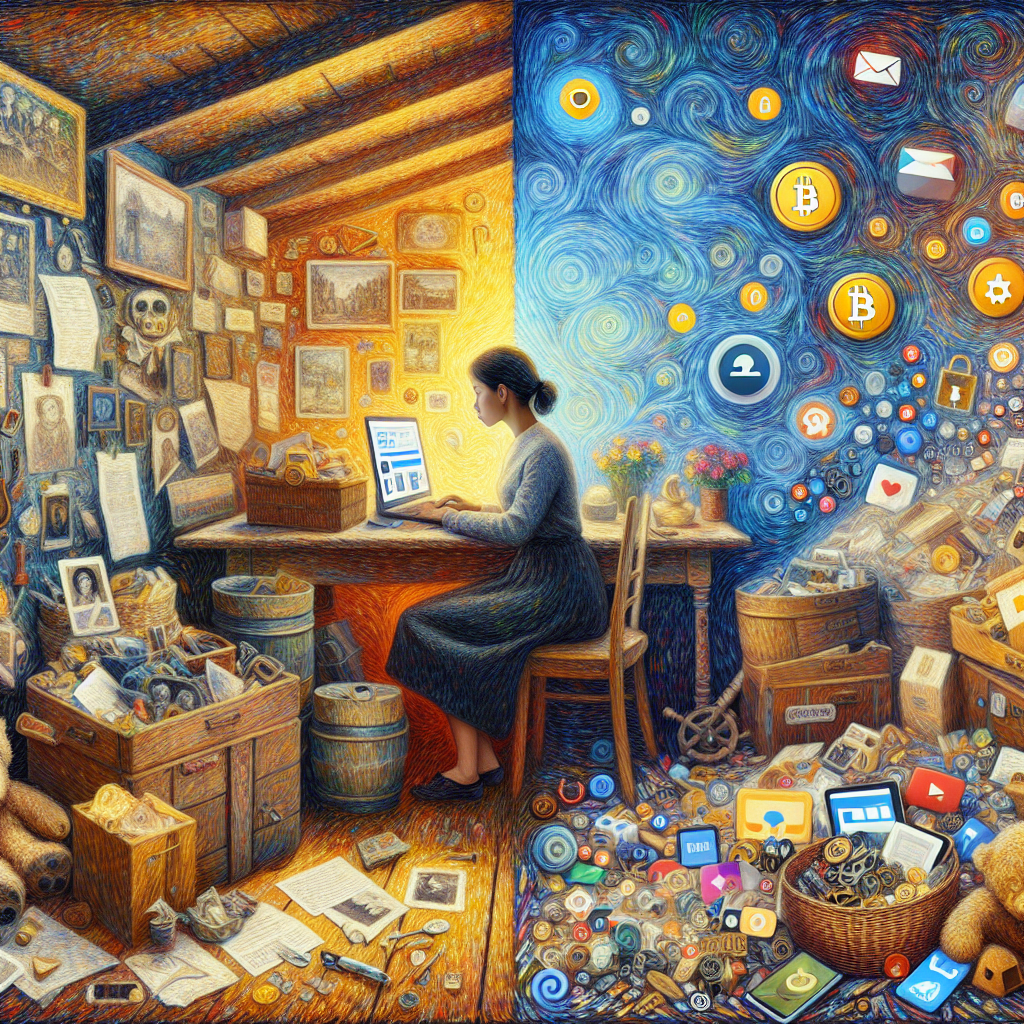
What Secrets Lie Behind Their Online Personas?
What Secrets Lie Behind Their Online Personas?
- Online personas often present a curated image of perfection and self-advocacy.
- Behind each persona are real stories filled with both triumphs and struggles.
- Social media narratives often mask underlying anxieties, pressures, and the need for validation.
- The ethics of authenticity and worth in the age of likes raise important questions about self-expression.
- Sharing unfiltered truths can lead to deeper connections and inspire trust and belonging.
- Vulnerability in storytelling has the power to transform silent suffering into shared strength.
- Engaging with the realities behind online interactions fosters a sense of shared humanity.

What Secrets Lie Behind Their Online Personas?
How Do We Truly Trust Our Loved Ones?
Trust is the glue that binds relationships, and it’s as essential as air. When considering how we build and maintain that trust with our loved ones, it all boils down to legacy storytelling—sharing who we are and where we come from. Each of us carries a story, a legacy that defines our choices, values, and the very fabric of our relationships.
Imagine for a moment sitting around a fire with family and friends, sharing tales from your past. These aren’t just mere recollections; they’re windows into your soul, each anecdote revealing a piece of your character, your struggles, your triumphs. When we share these stories, we don’t just recount events; we create connections. In those moments, we build an atmosphere where vulnerability thrives, allowing others to see our imperfections, triumphs, and aspirations. It’s in this sharing that trust begins to flourish.
Rationally, trust is founded on consistency and reliability. When you’re open with your loved ones, showing them who you are through your stories, you lay a foundation of transparency. You create a pattern—your words and actions align, proving you can be counted on. It’s not just about saying you’re trustworthy; it’s about living it, day after day, and allowing others to witness it in real time. This authenticity cultivates confidence, reassuring your loved ones that you are steadfast and dependable.
Ethically, our relationships should be built on mutual respect. When we take the time to understand each other’s legacies, we acknowledge the complexities of individual experiences. This respect fosters an environment where everyone feels valued, promoting deeper connections and shared trust.
Authority comes from experience, and that authority strengthens trust. The more you share, the more you invite others to share in return. You find common ground, discover shared values, and build bridges over the gaps of misunderstanding. Relationships don’t just happen; they are crafted through meaningful interactions and stories exchanged.
Socially, trust is contagious. When you trust and demonstrate that trustworthiness, you encourage those around you to reciprocate. It inspires a culture of openness and honesty, one where heartfelt conversations flourish.
In this digital age, the importance of genuine connection cannot be overstated. Let’s embrace the power of our legacy storytelling, fostering relationships built on trust that endure the test of time. Recognize that trust is not given; it’s earned, and you have the power to cultivate it in every interaction.

How Do We Truly Trust Our Loved Ones?
How Do We Truly Trust Our Loved Ones?
- Trust is essential for building and maintaining relationships, acting as their foundational glue.
- Legacy storytelling involves sharing personal stories that reveal character, struggles, and triumphs.
- Sharing stories fosters vulnerability, creating deeper connections and allowing trust to flourish.
- Trust is built on consistency and reliability, aligning words and actions to show dependability.
- Mutual respect is critical; understanding each other’s legacies promotes valued connections and shared trust.
- Experience enhances authority, encouraging open conversations and shared values within relationships.
- In a digital age, building genuine connections through storytelling is crucial for earning trust over time.

How Do We Truly Trust Our Loved Ones?
Are We Losing Connection In Our Digital Lives?
In our fast-paced digital world, the irony is striking: as we connect more, we often find ourselves feeling profoundly disconnected. This paradox is not just a passing whim; it speaks to a deeper truth about our modern existence, one that can tug at your heart, spark an epiphany in your mind, and stir a visceral response in your gut.
Consider the legacy storytelling that has shaped human experiences for millennia. Our ancestors gathered around fires, weaving tales that brought communities together, imparted wisdom, and forged bonds that transcended time. Today, we tell our stories through screens—posts, tweets, and texts—yet, many of us struggle to see the faces behind the profiles. The pixels might deliver information, but they can’t replicate the warmth of a genuine smile or the comfort of shared silence. It becomes clear that while our digital lives explode with information, they often lack the authenticity and intimacy found in those fire-lit conversations of yore.
This shift raises ethical questions about the kind of connections we value. Are we prioritizing quantity over quality? We might boast hundreds of friends online while feeling isolated in our own homes. It’s a notion that should trouble anyone invested in nurturing real relationships. Our emotional well-being hinges on our ability to connect deeply, and deep connections require effort, vulnerability, and—most importantly—human presence.
Furthermore, consider the broader narrative. We’re living in a time where technology provides convenience but often at the price of true connection. It’s a fleeting engagement, a swipe, a click. Yet, if we step back and recognize the power of our collective human experience, we can choose to engage differently. How can we reclaim our narratives? By fostering environments—virtual or otherwise—where stories are shared and listened to, where our vulnerabilities are met with compassion.
When we become intentional about our interactions, we invite authenticity back into our lives. This doesn’t mean shunning technology; rather, it’s about using it as a tool to enhance our connections. Let’s embrace it with the excitement and curiosity it deserves, weaving our lives together, one meaningful exchange at a time. The life we craft, both online and off, should reflect not just who we are, but also who we aspire to be—a community of storytellers, united in our quest for connection.

Are We Losing Connection In Our Digital Lives?
Are We Losing Connection In Our Digital Lives?
- In the digital age, increased connectivity often leads to feelings of disconnection.
- Storytelling has historically united communities, contrasting with modern digital communication that lacks intimacy.
- The abundance of online connections does not equate to meaningful relationships.
- Emotional well-being relies on the depth of our connections, requiring effort and human presence.
- Technology offers convenience but can detract from genuine engagement and connection.
- Intentional interactions can enhance authenticity in relationships, integrating technology positively.
- A united community of storytellers can cultivate meaningful exchanges, reflecting our aspirations in both online and offline lives.

Are We Losing Connection In Our Digital Lives?
What Stories Do They Tell Through Their Online Choices?
In the vast digital landscape, our online choices craft a narrative that extends beyond mere clicks and likes. Each post, each comment, reflects a Legacy Storytelling woven into the fabric of who we are. Every individual’s online presence serves as a mirror, reflecting unique life experiences, values, and aspirations. The stories we tell online resonate, often striking a chord deep within the hearts and minds of others.
Picture the teenager who spends hours curating a perfect Instagram feed. Through their carefully selected images, they share a tale of self-discovery, capturing the struggles and triumphs of adolescence. This isn’t just vanity; it’s a search for connection and validation in a world that often feels cold. For them, each “like” is not just a number but a gentle affirmation that their story matters, that someone is listening. This emotional appeal fosters a sense of belonging, a community built on shared experiences that transcends geographical boundaries.
Now consider the business professional updating their LinkedIn profile. Here, storytelling takes a different form—one grounded in achievement and authority. Their online choices paint a picture of hard work, dedication, and the pursuit of excellence. Beyond the resumes lies a deeper truth: a legacy defined not just by accomplishments but by the mark left on colleagues and industries. This narrative inspires trust, confidence, and the conviction that success is attainable through perseverance and integrity.
Social media also showcases stories of activism and compassion. When we encounter posts advocating for social change, we witness powerful narratives of courage and resilience. Each call to action is an invitation to join a larger movement, to stand up for ethical values that bind us together. These stories challenge us to reflect on our own choices and the impact they have on our communities, compelling us to act on our beliefs and contribute to the greater good.
On a gut level, our online choices tell stories that elicit visceral reactions—laughter, anger, joy, or sorrow. These emotional responses create a bond among us, reminding us that despite our differences, we share the human experience.
Ultimately, the stories we share through our online choices weave together a rich tapestry that reflects our individual and collective ethos. They are narratives of triumph, heartache, hope, and resilience. Whether we’re engaging with our friends or advocating for change, we hold the power to shape perceptions and influence lives. In this way, each story is a testament to who we are and who we aspire to be—a legacy that continues to unfold in the digital age.

What Stories Do They Tell Through Their Online Choices?
What Stories Do They Tell Through Their Online Choices?
- Online choices create narratives that reflect personal identity beyond clicks and likes.
- Each person’s digital presence showcases unique experiences, values, and aspirations.
- Teenagers curating social media feeds seek connection and validation through their storytelling.
- Business professionals use online platforms to project authority and achievements, shaping their legacy.
- Social media serves as a space for activism, advocating for social change through compelling narratives.
- Emotional responses generated by online stories strengthen the sense of shared human experience.
- The stories shared online influence perceptions and contribute to a collective legacy in the digital age.

What Stories Do They Tell Through Their Online Choices?
How Can We Nurture Open Communication with Our Families?
In the ever-evolving landscape of family dynamics, a legacy of open communication stands out as vital. Picture your family as a living storybook, where each member contributes a unique chapter, filled with lessons, laughter, and love. This storytelling creates a rich legacy that weaves our identities together, fostering relationships that can withstand the tests of time. Yet, in our fast-paced lives, the thread that binds us can easily fray.
To nurture open communication, we first need to acknowledge the importance of presence. In a world rife with distractions, simply being there—physically and emotionally—can create a sturdy foundation. It’s the gatherings around a dinner table, the late-night conversations, and the shared experiences that lay the groundwork for trust. When we listen actively, we not only hear words but also emotions, thoughts, and dreams, setting the stage for meaningful connections.
Next, we must embrace vulnerability. Sharing our own stories—mistakes and all—encourages others to do the same. This act of honesty doesn’t just break down barriers; it establishes a culture of empathy. When family members know that they can express their fears, struggles, and aspirations without judgment, the air fills with authenticity. This openness opens doors, allowing deeper discussions that honor different perspectives rather than shying away from them.
We also have to bring in accountability. Open communication does not imply a free-for-all; rather, it serves as an invitation to engage with respect and thoughtfulness. Families thrive when they hold one another accountable, upholding shared values while navigating differences. This creates a space where everyone can voice their thoughts and feelings without fear of conflict, ultimately strengthening the family bond.
Fostering open communication is about creating a legacy of connection that transcends generations. It’s not just a matter of exchanging words; it’s about crafting an environment where every voice matters. Each conversation is a thread in the fabric of your family, and when woven together with care, they create something beautiful and resilient. So, let’s embrace the opportunity to cultivate these connections, ensuring our family story remains vibrant and alive for years to come.

How Can We Nurture Open Communication with Our Families?
How Can We Nurture Open Communication with Our Families?
- Open communication is essential in family dynamics, creating a legacy that strengthens relationships.
- Families are likened to a storybook, with each member adding their own unique experiences.
- Physical and emotional presence is crucial for fostering trust and connection.
- Active listening helps understand emotions and thoughts, enhancing meaningful connections.
- Embracing vulnerability encourages openness and empathy among family members.
- Accountability in communication promotes respect and healthy discussions without fear of conflict.
- Fostering open communication ensures every voice is valued, creating a resilient family legacy.

How Can We Nurture Open Communication with Our Families?
What Ethical Dilemmas Arise From Hidden Online Lives?
In today’s digital age, the allure of a hidden online life can be as intoxicating as it is perilous. Each click, every post, and every comment we make online weaves a complex tapestry of our personal narrative—a legacy storytelling of sorts, for all to see. But nestled within these pixels is a murky realm that raises profound ethical questions. What happens when the online persona doesn’t reflect who we truly are? This dilemma hits not only at the core of our integrity but also challenges our relationships, affecting those around us.
Consider the individual who curates a perfect image online, presenting their life as one of luxury and ease. What many might not realize is that behind the screen, they might be struggling with self-worth, anxiety, or financial instability. This discrepancy can serve as a catalyst for societal pressures, where others compare their raw realities to a filtered existence. It creates a false narrative—an invitation to disconnect from authenticity.
The heart begs us to ponder: When does the need for acceptance trump our ethical obligation to ourselves and others? This isn’t merely a personal question; it’s a societal one. Each hidden truth carries with it a familiar weight—the burden of deception, even if unintended. People might find themselves crafting personas that may resonate more with societal expectations than with their true selves, leading to feelings of isolation and disconnection.
From a rational standpoint, the digital landscape is a reflection of our collective morals. Do we prioritize clicks and likes over genuine connection? When we engage with these online facades, it raises questions about our role in perpetuating them. This awareness can spur a movement toward authenticity, grounding our online interactions in empathy and honesty.
The ethical considerations grow even more complicated with authority figures, such as influencers or public figures—a new breed of modern-day role models. When they misrepresent themselves, they don’t just play with their truth; they impact countless others, shaping perceptions and expectations. The ramifications of their actions set standards that ripple through social circles, sparking a collective introspection about the stories we tell and whom we choose to share them with.
In grappling with these hidden lives, we encounter a powerful invitation to foster deeper connections, to forge bonds rooted in sincerity, and to strive for authenticity. The choice is clear: embrace honesty in our legacies, weave narratives that reflect our truths, and aim for a digital existence that honors both our individuality and our community.

What Ethical Dilemmas Arise From Hidden Online Lives?
What Ethical Dilemmas Arise From Hidden Online Lives?
- The hidden online life can be enticing yet dangerous, creating a complex personal narrative.
- Online personas often do not reflect reality, impacting personal integrity and relationships.
- Curating an idealized image can mask struggles with self-worth, anxiety, and financial issues.
- This discrepancy fosters societal pressures and invites disconnection from authenticity.
- Digital interactions raise questions about prioritizing clicks over genuine connections.
- Influencers and public figures can impact societal perceptions when they misrepresent themselves.
- There is a call to foster deeper connections and maintain honesty in our online legacies.

What Ethical Dilemmas Arise From Hidden Online Lives?
How Do Hidden Lives Impact Family Trust and Unity?
Hidden lives often weave intricate tapestries within families, creating a rich but sometimes tangled legacy that impacts trust and unity. When family members conceal parts of their lives—whether out of fear, shame, or simply the desire for privacy—those hidden layers can become the proverbial elephant in the room. Imagine gathering around the dinner table, laughter echoing, while unspoken truths linger just beneath the surface. This dynamic can erode trust, making every interaction feel slightly off-kilter, as if everyone is playing a part in a drama where the script is known by few.
Legacy storytelling, the act of sharing familial narratives and experiences, can be a powerful antidote to these unspoken divides. When conversations flow freely, revealing the joys and struggles that shape us, a deeper understanding emerges. This isn’t just about anecdotes; it’s about building a framework of trust that connects generations. A heartwarming tale about a grandparent’s courage during tough times, or a sibling’s journey through hardship, transforms the family narrative into a shared story that bolsters unity.
Rationally, we know that open communication fosters strong relationships. Studies show that families who share their stories tend to feel more cohesive. Transparency lays the groundwork for understanding and acceptance, encouraging family members to share their own experiences without fear of judgment. The ethics of honesty in these relationships are paramount. When one person opens up, it invites others to do the same, creating an environment where vulnerability is met with empathy rather than skepticism.
From an emotional standpoint, safety and authenticity encourage connection. Each story carries weight—the weight of experience, struggle, and triumph. These shared moments invite reflection and foster a sense of belonging. When family members understand each other’s hidden lives, they’re not merely spectators; they become active participants in a narrative that builds resilience.
Socially, our families are microcosms of the larger world. When we embrace our hidden parts and open up, we not only strengthen our familial bonds but also set an example for others. It sends a message: vulnerability can lead to strength, and unity often flourishes in the warmth of shared stories. The next time you gather with family, consider what hidden truths might exist and how sharing them could weave a stronger tapestry of trust. Your family’s legacy is worth telling, and those hidden lives could be the very threads that unite you all.

How Do Hidden Lives Impact Family Trust and Unity?
How Do Hidden Lives Impact Family Trust and Unity?
- Hidden lives within families create complex legacies that affect trust and unity.
- Concealing parts of one’s life can cause underlying tensions in familial relationships.
- Legacy storytelling promotes open communication and strengthens familial bonds.
- Sharing narratives encourages trust across generations and helps define family identity.
- Honesty and transparency foster an environment of empathy and vulnerability.
- Understanding each other’s hidden experiences enhances connection and belonging.
- Embracing vulnerability can lead to strength and unity within families.

How Do Hidden Lives Impact Family Trust and Unity?
Conclusion
Hidden online lives can profoundly impact family dynamics, unleashing a spectrum of emotions and revelations that often reshape the foundation of trust. As families delve into these concealed digital realms, they are met with a mixed bag of feelings including betrayal, confusion, and even fear. However, this discovery can become an opportunity for familial bonding through essential conversations. Rather than allowing suspicion to dominate, families can engage in legacy storytelling, wherein shared experiences become avenues for connection.
Navigating these sensitive discussions requires a rational understanding of the generational gaps in digital literacy. Parents may feel lost in a fast-evolving landscape of apps and platforms while their children flourish within it. Acknowledging this disparity can replace judgment with unity, allowing families to learn together, fostering a shared understanding that encourages growth rather than division.
The ethical dimension of hidden online lives cannot be overlooked either. Often, children curate online personas viewed through the lens of fear—fear of judgment, misunderstanding, or rejection. Parents must see these revelations not as invasions of privacy but as crucial chances to cultivate safe spaces for dialogue. Trust can only be rebuilt through earnest conversations where fears and aspirations are shared openly.
Authority figures, such as educators and digital experts, play crucial roles in steering these discussions, equipping families with strategies to enhance digital literacy while strengthening interpersonal bonds. Ultimately, the discovery of hidden online lives underscores a fundamental truth about relationships: trust must be cultivated, earned, and preserved.
Beyond that, our digital choices tell stories that ripple through families and communities. Beneath curated images lie narratives of yearning and vulnerability. Whether one shares the polished success story on LinkedIn or a heartfelt plea for connection on social media, each post serves as a thread woven into the broader tapestry of our shared human experience.
As we acknowledge and embrace our narratives—both the pristine and the messy—we can revitalize the connections that matter most. This calls for intentional conversations that honor our shared legacies, reminding us that behind every screen is a story waiting to be told, one that invites understanding, empathy, and authentic connection. In the quagmire of digital life, let these authentic connections become bridges that strengthen family dynamics, crafting relationships that last through generations and resonate within our shared humanity.

Conclusion
Conclusion:
- Hidden online lives can affect family dynamics, impacting trust and emotions.
- Discovery of these digital realms can lead to feelings of betrayal, confusion, and fear.
- Families can use these revelations to foster bonding through essential conversations.
- Understanding generational gaps in digital literacy is crucial for constructive dialogue.
- Parents should view online discoveries as opportunities for safe discussion rather than invasions of privacy.
- Educators and digital experts can provide strategies to enhance digital literacy and interpersonal connections.
- Our digital choices reflect deeper narratives about the human experience, highlighting the need for intentional conversations.

Conclusion
Other Resources

Other Resources
Here is a list of other resources you can review online to learn more:
- Remembered.com
- Knotify.me
- UpCounsel
- Geneanet
- LifeBio
- Directive Communication Systems
- Ancestry
- YouMattered
- LegacyFamilyTree
- Storyfile Life
- LegalNature
- FuneralWise
- StoryCorps
- Trust And Will
- How to Save Your Family�s Stories from Being Lost Forever � A Step-by-Step Guide to Creating a Lasting Digital Legacy
- ForeverMissed
- Can Telling and Preserving Personal or Family Legacy Stories Be Therapeutic?
- MyHeritage
- Your Digital Afterlife
- DocuBank
Use This Prompt To Get More Resources With Your Favorite Online AI Tool: Please provide me with a list of online articles with their URLs in a bulleted list that I can read regarding When Families Discover Hidden Online Lives

Other Resources
Glossary Terms
When Families Discover Hidden Online Lives – Glossary Of Terms
1. Anonymity: The state of being unknown or unacknowledged, especially in online interactions.
2. Catfishing: The practice of creating a false identity on social media or online platforms to deceive others.
3. Digital footprint: The trail of data created by a user’s online activity, which can reveal personal information.
4. Cyberbullying: The use of electronic communication to bully, harass, or intimidate others.
5. Privacy settings: Options available on online platforms that allow users to control who sees their information.
6. Social media: Websites and applications that enable users to create and share content or participate in social networking.
7. Online gaming: Playing video games over the internet, often involving interactions with other players.
8. Messaging apps: Applications that allow users to send and receive text messages, images, and videos.
9. Virtual reality: A simulated experience that can mimic or enhance the real world, often used in gaming.
10. Phishing: Attempts to acquire sensitive information by masquerading as a trustworthy entity in digital communications.
11. Hidden profiles: Online accounts or profiles that are not publicly visible, often used to conceal identity.
12. Identity theft: The unauthorized use of someone’s personal information, typically for financial gain.
13. Digital literacy: The ability to effectively and critically navigate, evaluate, and create information in various digital formats.
14. Online predators: Individuals who use the internet to exploit others, particularly minors, for sexual or criminal purposes.
15. Screen time: The amount of time spent using devices with screens, such as computers, tablets, and smartphones.
16. Content moderation: The process of monitoring and managing user-generated content on online platforms to ensure compliance with guidelines.
17. Cybersecurity: Measures taken to protect a computer or computer system against unauthorized access or attacks.
18. Blogging: The act of writing and publishing content on a website, often reflecting personal opinions or experiences.
19. Influencer: A person who has the power to affect the purchasing decisions of others because of their authority or relationship with their audience.
20. Data privacy: The aspect of data protection that focuses on handling personal information in compliance with regulations.
21. Inappropriate content: Material that is deemed unsuitable or offensive, especially for children or young audiences.
22. Social engineering: Manipulating individuals into divulging confidential information, often through psychological tricks.
23. Open dialogue: Encouraging transparent communication within families regarding online activities and experiences.
24. Digital well-being: The concept of maintaining a healthy relationship with technology and online activities.
25. Content sharing: Distributing and disseminating information through various online platforms.
26. App tracking: Monitoring user activity within mobile applications, often for marketing or research purposes.
27. Boundaries: Limits set by individuals or families regarding acceptable online behavior and interactions.
28. Virtual communities: Online groups that share common interests, where individuals interact through social media or forums.
29. Gaming addiction: A behavioral addiction characterized by excessive or compulsive use of video games, often impacting daily life.
30. Confidentiality: The obligation to protect personal information and not disclose it without consent.

Glossary Of Terms
Other Questions
When Families Discover Hidden Online Lives – Other Questions
If you wish to explore and discover more, consider looking for answers to these questions:
- What immediate signs suggest a family member is leading a hidden online life?
- How should I approach a loved one when I discover something concerning online?
- Is it ever acceptable to monitor or check a family member’s online activity without their consent?
- How can families rebuild trust after a digital breach of privacy or secret online behavior?
- What boundaries are appropriate for adolescents versus adults regarding online privacy?
- How can parents balance respecting privacy with ensuring safety?
- What practical steps improve digital literacy across generations?
- When should educators, counselors, or digital safety experts be involved?
- How do hidden online lives affect mental health, and what support is best?
- What legal or ethical implications should families consider if online behavior crosses into illegal activity?
- How can families foster open, nonjudgmental conversations about online identities?
- What are effective strategies to encourage authenticity rather than curated personas?
- How do social media platforms and algorithms influence the formation of hidden or exaggerated personas?
- How can legacy storytelling be used to strengthen family bonds in a digital age?
- What tools or resources help parents learn about new platforms and trends quickly?
- How should families handle public figures or influencers within the household who present curated lives?
- What role do peer pressure and online validation play in creating secret online behaviors?
- How can families create agreements or norms for responsible online behavior?
- What are the long-term consequences for relationships when hidden online lives are revealed?
- How can families preserve a positive digital legacy while acknowledging past mistakes?
- What privacy settings and security practices reduce the risk of harmful exposure?
- How can siblings and extended family members support someone revealing a hidden online life?
- What signs indicate that secret online activity is a symptom of deeper issues like addiction or abuse?
- How can families repair reputational damage caused by misleading online personas?
- What are age-appropriate ways to teach children about authenticity, consent, and digital footprint?

Other Questions
Haiku
When Families Discover Hidden Online Lives – A Haiku
Hidden lives unfold,
Trust weaves through shared stories,
Hearts meet, truth ignites.

Haiku
Poem
When Families Discover Hidden Online Lives – A Poem
In hidden realms where shadows play,
Families find their trust in sway,
A bustling home, laughter’s sweet sound,
Yet beneath the surface, secrets abound.
Digital tides, a world unknown,
Parents stumble on paths their youth have sown,
Betrayal echoes, confusions sharp call,
Yet in these discoveries, connections may sprawl.
Legacy storytelling, a bridge to the past,
Weaving narratives, contexts amassed,
Through online lives, we unearth the tales,
Of struggles, triumphs, as empathy prevails.
Behind every post, a story concealed,
In curated smiles, the heartache revealed,
Isolation cloaked in polished grace,
But vulnerability’s light can reclaim our space.
Ethics and trust, the fibers that bind,
In open discussions, unity we find,
Parents and children, together they learn,
Resetting the course, their hearts start to yearn.
So gather ‘round the table, share your own fight,
Inauthentic facades yield to genuine light,
Let kindness replace judgment, and silence make way,
For deeper connections that grow every day.
In a digital age, let’s not drift apart,
Let’s nurture our stories, not just play the part,
For trust is the legacy that must be earned,
In the hearth of our homes, let this wisdom be turned.

Poem
Checklist
When Families Discover Hidden Online Lives – A Checklist
Emotional Appeals
✅______ Share Your Story: Encourage family members to share personal stories, including struggles and triumphs, to foster vulnerability and connection.
✅______ Practice Empathy: Make an effort to understand one another’s feelings and experiences, ensuring everyone feels heard and valued.
✅______ Create Safe Spaces: Establish an environment where family members can openly discuss their online lives without fear of judgment.
Rational Appeals
✅______ Digital Literacy Commitment: Agree as a family to learn about digital platforms together, bridging the generational knowledge gap.
✅______ Open Communication Pact: Establish guidelines for sharing online experiences and boundaries regarding privacy.
✅______ Regular Check-Ins: Schedule family meetings to discuss online behavior and its impact on relationships, promoting accountability.
Ethical Appeals
✅______ Value Authenticity: Discuss the importance of representing true selves online and the ethical implications of curated personas.
✅______ Respect Boundaries: Acknowledge personal privacy while encouraging openness about hidden online lives.
✅______ Foster Ethical Media Consumption: Encourage critical thinking about the content consumed and shared on social media.
Authority Appeals
✅______ Engage Trusted Experts: Invite educators or digital safety professionals to talk with the family about responsible online behavior.
✅______ Use Reliable Resources: Share articles, books, or webinars on digital literacy and healthy online practices.
Narrative Appeals
✅______ Legacy Storytelling: Incorporate family storytelling into regular gatherings to strengthen relationships and share values.
✅______ Collective Family Narrative: Create a shared family document or digital scrapbook that highlights both online and offline stories.
Social Appeals
✅______ Model Positive Behavior: Demonstrate trust and open communication to inspire younger family members to reciprocate.
✅______ Engage in Group Activities: Plan family outings or activities that encourage face-to-face interactions, reducing digital distractions.
✅______ Join Community Efforts: Participate in community service or local events as a family, creating shared experiences that strengthen bonds.

Checklist
At LegacyExplorations, we help people plan and explore their legacy by collecting information and news regarding end-of-life planning.
Please share this post with your friends, family, or business associates who may want help to plan or explore their legacy.