

Reviving Connections: From Digital Labels To Timeless Legacies
By Tom Seest
At LegacyExplorations, we help people plan and explore their legacy by collecting information and news regarding end-of-life planning.
Please share this post with your friends, family, or business associates who may want help to plan or explore their legacy.
When File Names Replace Family Stories
In today’s digital age, the art of Legacy Storytelling seems to be vanishing beneath a mountain of file names. It’s all too easy to let the rich tapestry of family history reduce to folders labeled with dates and events, drifting like autumn leaves on the wind. Amidst the constant click of keyboards and the hum of gadgets, we might overlook the profound relationships and narratives that breathe life into those names on our screens.
Consider this: every file contains more than just data; it represents a moment, a feeling, a lesson learned. When we save “Smith_Family_Vacation_2022.jpg,” we strip away the warmth, the laughter, and the shared experiences that make those memories special. Would we rather our children reference digital archives or engage in heartfelt conversations, rich with the emotion and wisdom that only come from shared stories passed down through generations?
Legacy storytelling is about more than just preserving information; it’s about connecting to our roots, understanding where we came from, and fostering a bond that transcends times and screens. Imagine sitting around the table, recounting tales of your grandmother’s courage during tough times, or your uncle’s mischievous antics that brought the family together. Those stories are threads that weave us into a fabric of identity and pride, making us who we are.
We have an ethical duty to preserve these narratives, to ensure that our family history is not lost in the digital shuffle. As custodians of our legacies, we must prioritize storytelling over mere documentation. With every forgotten tale, we risk severing connections that ground us, leaving future generations to navigate an emotional desert, where only dry data exists.
Moreover, engaging storytelling inspires trust and confidence. When we tell our stories, we establish authority in our family’s history. It cultivates a sense of belonging, a vital ingredient for any community. Imagine a world where our children recount these tales, passing them to their own, flourishing traditions instead of static archiving. They become not just repositories of history but rather vibrant storytellers themselves.
The next time you find yourself typing file names, pause. Instead of cataloging memories with simple labels, take a moment to breathe life into them. Share the narrative behind the names. By embracing legacy storytelling, we can foster a connection that echoes through time, igniting hearts, minds, and souls in ways a simple label never could.

When File Names Replace Family Stories
When File Names Replace Family Stories
- The art of Legacy Storytelling is diminishing in the digital age, with family histories often reduced to simple file names.
- Each digital file encapsulates moments, feelings, and lessons, highlighting the importance of the stories behind them.
- Engaging conversations about family history are more valuable than referencing digital archives.
- Legacy storytelling fosters connections to our roots and solidifies family bonds across generations.
- There is an ethical obligation to preserve family narratives to prevent cultural disconnection and emotional desolation.
- Telling stories instills trust and creates a sense of belonging within families and communities.
- Encouraging children to share family tales transforms them from passive recipients to active storytellers, ensuring tradition continuity.

When File Names Replace Family Stories
Table Of Contents
- When File Names Replace Family Stories
- When Did We Start Losing Our Family Stories to File Names?
- How Do Our Digital Lives Impact Our Relationships?
- Are We Sacrificing Memories for Convenience with File Naming?
- What Stories Are Hidden Behind the Digital Files We Store?
- How Do We Ensure Our Family History Is More Than Just Data?
- Is There a Way to Reconnect with Our Roots In the Digital Age?
- Can Sharing Our Family Narratives Improve Our Connections Today?
- Conclusion
- Other Resources
- Glossary Of Terms
- Other Questions
- Haiku
- Poem
- Checklist
When Did We Start Losing Our Family Stories to File Names?
In an era dominated by screens and bytes, where family memories often find themselves reduced to mere file names, one must ask: when did we trade storytelling for data storage? Our legacy, the very narratives that shape who we are, is at risk of fading into obscurity, buried beneath folders labeled “Vacation 2021” or “Christmas Pics.”
Legacy storytelling has been the heartbeat of families for generations. These stories, passed down from grandparents to grandchildren around hearths or kitchen tables, weave a tapestry of shared experiences, values, and lessons learned. They evoke emotions that resonate deep within us, sparking laughter, tears, and sometimes a healthy dose of humility. Yet today, our intimate tales are often lost in the void of technology, replaced by the sterile descriptions of files waiting to be clicked open.
As we rely on digital platforms, the depth of our shared human experience diminishes. It leaves us pondering: can a file name ever encapsulate the love a parent felt witnessing their child take their first steps, or the bittersweet reflection of a family member recounting their struggles? The answer, stark and clear, is no. We’re facing an ethical dilemma of sorts, caught between convenience and the richness of our heritage. Each time we save a memory as a simple JPEG, we strip it of context, emotion, and meaning.
Our authority on the matter should stem from a visceral understanding of what it means to belong—to be part of something larger than ourselves. Families thrive on connection, and storytelling is the bridge to that connection. When we share these narratives, we foster a sense of trust and confidence in our past, reminding ourselves that the mundane is often the profound in disguise. Each story reflects lessons learned, obstacles overcome, and the quiet strength that binds us.
Imagine a future where our descendants not only sift through endless digital archives but also eagerly gather around to hear the heroic tales of their ancestors. The emotional threads of legacy storytelling must be revived, encouraging each of us to archive not just images but the stories behind them. By valuing and sharing our narratives, we can reclaim our heritage in an age of digital anonymity, ensuring that the legacies we leave are rich, vibrant, and alive. So, let us not allow our family stories to be lost in the abyss of file names; let’s reclaim them and pass them down, for they hold the essence of who we are and who we aspire to be.

When Did We Start Losing Our Family Stories to File Names?
When Did We Start Losing Our Family Stories to File Names?
- Modern technology reduces family memories to simple file names.
- Legacy storytelling has historically connected generations through shared narratives.
- Intimate tales evoke deep emotions, which are often lost in digital formats.
- The depth of human experience is diminished by reliance on digital platforms.
- The context and meaning of memories are stripped away when saved as JPEGs.
- Storytelling creates connections, fostering trust and confidence in family heritage.
- Encouraging the sharing of narratives can revitalize legacy storytelling for future generations.

When Did We Start Losing Our Family Stories to File Names?
How Do Our Digital Lives Impact Our Relationships?
In our fast-paced, digitally driven world, we often overlook the threads that connect us. Technology has woven itself into the fabric of our daily lives, changing the way we interact, relate, and share experiences. The screens we stare into can sometimes feel like barriers, but they are also gateways to connection and understanding.
Think about the legacy we’re crafting with each keystroke, every image shared. Our digital footprint becomes a narrative—a storytelling platform where every post can tell a story, but it also reveals a deeper truth about who we are. Each interaction has the potential to shape our relationships, but are we cultivating depth or distraction? The stories we tell online can enhance our relationships, fostering emotional bonds through shared experiences, laughter, and the comfort of knowing we’re not alone in our struggles.
However, there’s a flipside. The same devices that bridge distances can deepen isolation. Picture a family dinner, everyone present yet separately glued to a handheld screen. The rich conversations that used to flow can become stilted, dulled by an incessant scroll. This disconnect challenges the very essence of relationships, inviting us to reflect on the balance we must strike.
Let’s consider the ethical implications of our digital behavior. Are we presenting our authentic selves, or curating a highlight reel that feeds comparison and envy? It’s essential to remember that real connections require vulnerability and authenticity. In a world obsessed with perfection, the most powerful stories are those that embrace our flaws and failures.
Authority in digital relationships doesn’t stem from follower counts or likes but from trust and understanding. It’s about showing up, being present, and offering genuine support. Our actions online should inspire connection rather than create walls. What if we redirected our focus, emphasizing genuine communication over curated content? Wouldn’t that foster deeper ties?
Ultimately, our digital lives can empower our relationships if we choose to use them intentionally. Imagine a world where each click, each post, and every shared story fosters connection and understanding, enriching our lives and the lives of those around us. In this digital age, let’s prioritize the human connection that lies beyond the screen—because the most captivating legacy we can create is one rooted in authentic storytelling that nurtures our most treasured relationships.

How Do Our Digital Lives Impact Our Relationships?
How Do Our Digital Lives Impact Our Relationships?
- Technology influences daily interactions, connecting and isolating us simultaneously.
- Our digital footprint serves as a narrative that shapes our identity and relationships.
- Online stories can enhance emotional bonds through shared experiences and understanding.
- Excessive screen time can lead to disconnect during in-person interactions.
- Authentic connections require vulnerability rather than curated online personas.
- Trust and understanding are key components of authority in digital relationships.
- Intentional use of digital tools can foster deeper connections and enrich our lives.

How Do Our Digital Lives Impact Our Relationships?
Are We Sacrificing Memories for Convenience with File Naming?
In an age where convenience often trumps meaningful connection, we find ourselves at a crossroads: Are our memories being sacrificed on the altar of efficiency? The way we name our digital files may seem mundane at first glance, yet each label carries the potential to tell a story—our story. We upload, click, and save, folding our lives into the crisp confines of arbitrary file names, losing the richness of our legacy storytelling in the process.
Consider for a moment the photographs we snap. In the hurry to document our lives, how often do we reduce a cherished moment to a generic label, like “IMG_2345”? We scroll through our devices, a soulless archive stripped of narratives. What if, instead, we named files after the emotions they evoke? “Family_Reunion_2023” or “Graduation_Day_Elena” breathe life back into those captured moments. Each name connects us to our experiences, reminding us of the laughter, tears, and triumphs that made those moments significant.
There’s an ethical dimension to how we curate our digital memories. By honoring our experiences with thoughtful naming conventions, we preserve not just a record but an identity. Each file becomes a testament to who we are and what we’ve lived through. In an increasingly automated world, it’s the personal touch that fosters trust and connection—a way to say, “I cherish this moment enough to remember it properly.”
Rationally, a more intentional approach to file naming doesn’t just serve nostalgia; it sharpens our focus on what’s truly important. It cultivates mindfulness in a society ravaged by information overload. Instead of dismissing our digital footprint, we can harness it to reflect our values and beliefs. This isn’t just about preserving data; it’s about nurturing our relationships with memories that define our lives.
Our social circles thrive on shared experiences. A well-named file can spark a conversation, rekindle connections, or simply bring a smile when we revisit our past. When we communicate through our files, we invite others into our stories, fostering a blend of collective memories.
So, as we strive for convenience, let’s not forget the power of legacy storytelling. Let’s reclaim our memories from anonymity and breathe the life back into our digital spaces. A simple file name can remind us that every moment is worth remembering, and every story deserves to be told with dignity. Embrace the intentional, and let’s elevate the act of remembering.

Are We Sacrificing Memories for Convenience with File Naming?
Are We Sacrificing Memories for Convenience with File Naming?
- Convenience often compromises meaningful connections and sacrifices memories for efficiency.
- File names can tell stories, with thoughtful labels carrying personal significance.
- Generic labels like “IMG_2345” reduce cherished moments to soulless archives.
- Intentional naming, like “Family_Reunion_2023,” connects us emotionally to our experiences.
- Curating digital memories with care preserves identity and fosters trust in an automated world.
- Mindful file naming helps us focus on what truly matters amidst information overload.
- Well-named files can enhance social connections and create shared narratives from our past.

Are We Sacrificing Memories for Convenience with File Naming?
What Stories Are Hidden Behind the Digital Files We Store?
In a world dominated by ones and zeros, our digital files often become a silent witness to the stories that shape our lives. Each photo, email, and document is a thread in the fabric of our existence, holding memories we’ve cherished, struggles we’ve overcome, and dreams we wish to fulfill. We may think of these files as mere data, but they are, in fact, the legacy storytelling of our time—portals to our past and guiding lights for the future.
Imagine scrolling through your digital library. You pause at an old family photo, and suddenly, the memories flood back—a childhood spent exploring, laughter shared on summer evenings, lessons learned through trials. These images are more than pixels; they are the stories of who we are and where we come from. They connect us to our roots, providing a sense of belonging in an increasingly disconnected world. The emotional weight of these files can be immeasurable, challenging us to reflect on our journeys and look forward with intention.
But beyond nostalgia, there’s a rational aspect to consider. Each digital file contains information that can inform our decisions today. By reviewing our past interactions, we gain insights into our patterns and choices, helping us to make more informed, ethical decisions moving forward. Our digital lives are a reservoir of experience, ready to guide us when the path gets murky. They remind us of the values we hold dear and the principles we aspire to uphold.
We must also recognize the authority these files wield. In an era where information can be manipulated, authenticity matters now more than ever. Our digital files can serve as a testament to our integrity. They hold our truths, our trials, and our triumphs, demanding that we uphold them with respect and responsibility. When we share our stories digitally, we invite others to connect, fostering community and understanding.
Ultimately, our digital files challenge us to act. They push us to curate what we allow to define us, to tell our stories authentically and meaningfully. In every saved document, every shared photo, lies an opportunity to inspire and connect. Reflecting on what stories we are storing can help us decide not only how we remember but also how we want to be remembered. Each file is a chance to leave a legacy—a story waiting to resonate, spark conversations, and build bridges between generations.

What Stories Are Hidden Behind the Digital Files We Store?
What Stories Are Hidden Behind the Digital Files We Store?
- Digital files are integral to our lives, serving as a record of cherished memories and experiences.
- Each photo and document holds emotional significance, connecting us to our heritage and sense of belonging.
- Reviewing our digital archives provides insights that can guide current decisions and ethical choices.
- Digital files serve as a testament to our integrity, reflecting our truths and personal narratives.
- Sharing stories through these files fosters community and understanding among individuals.
- We are encouraged to curate our digital identities intentionally and authentically.
- Every file presents an opportunity to create a lasting legacy and inspire future generations.
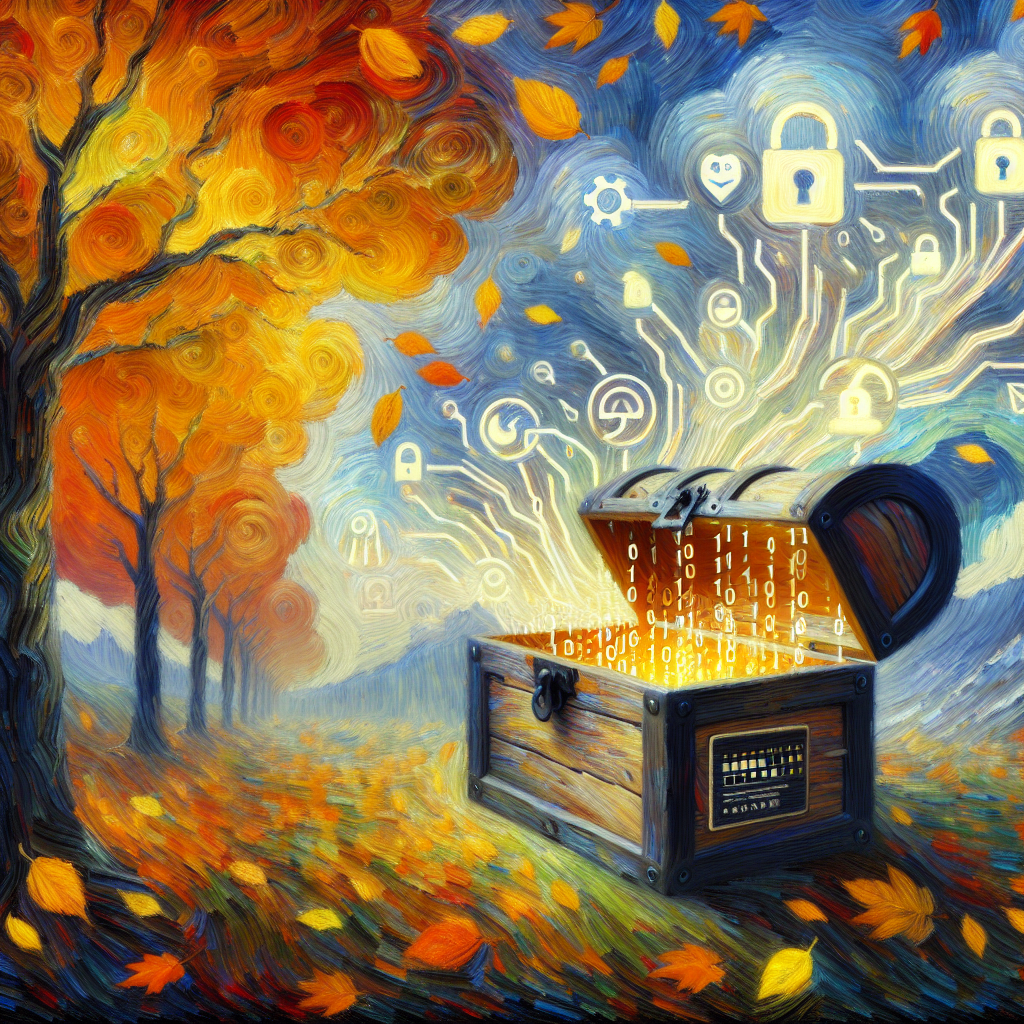
What Stories Are Hidden Behind the Digital Files We Store?
How Do We Ensure Our Family History Is More Than Just Data?
In the age of digits and data, where ancestral lines get reduced to mere statistics, it’s vital that we breathe life into our family histories. Understanding who we are is not just a matter of names and dates; it’s about weaving a tapestry of Legacy Storytelling that connects us to our roots and to each other. This isn’t just an exercise in genealogy; it’s a way to ensure our stories resonate across generations.
Think of your family tree as a sprawling oak. The roots run deep, anchoring the branches that stretch across time. Each branch represents a story, a moment of triumph or struggle, a whispered secret under the stars, or a hearty laugh shared around the dinner table. These experiences touch our hearts, anchoring us emotionally to the past, while also providing a roadmap for the future. When we share these narratives, we give our lineage a pulse, allowing descendants to feel the weight of their heritage.
Rationally, consider the impact of our stories on future generations. They provide context, offering a sense of identity that transcends mere blood ties. When we share the trials and triumphs of our ancestors, we equip our children not just with names, but with the resilience, courage, and hope that those names embody. In a world increasingly reliant on statistics and algorithms, these personal stories are the antidote, anchoring us in a reality that’s both real and relatable.
Ethically, embracing and sharing our family histories openly fosters a sense of belonging. It creates an environment where every member, young and old, can share their voice. When we invite our family to recount their experiences, we create a community built on trust and respect. This moral responsibility to honor our lineage empowers us to ensure that no story is lost, no voice is silenced.
It’s not just for us; it’s for the collective. Sharing these narratives encourages dialogues that span generations—providing a bridge between the old and the young, creating understanding and connection within the family unit. These stories remind us that we are part of something larger than ourselves.
Encouraging Legacy Storytelling is about action, too. So gather your family around the table, dig out that dusty scrapbook, or pick up the phone to call that aunt or uncle. Capture these moments while you can. Document the laughter, the heartbreak, and the triumph. It’s not just about preserving data; it’s about nurturing a living history that binds us together, inspiring those who come after us to honor that legacy with their own stories.

How Do We Ensure Our Family History Is More Than Just Data?
How Do We Ensure Our Family History Is More Than Just Data?
- In a digital age, it’s essential to bring life to family histories through Legacy Storytelling.
- Family trees symbolize connections, with roots representing deep stories and branches representing experiences shared over time.
- Sharing stories provides context and identity, offering resilience and hope to future generations beyond mere names.
- Openly sharing family histories fosters belonging and creates a trusting, respectful environment for all members.
- Family narratives create bridges between generations, enhancing understanding and connection within families.
- Encouraging Legacy Storytelling involves action, such as gathering family members to document shared experiences.
- The goal is to nurture a living history that inspires future generations to honor their heritage with their own stories.

How Do We Ensure Our Family History Is More Than Just Data?
Is There a Way to Reconnect with Our Roots In the Digital Age?
In the hustle of the digital age, where screens often replace face-to-face interactions, the quest to reconnect with our roots feels more pressing than ever. We live in a world saturated with information, yet, amidst the noise, it’s essential to recognize the power of Legacy Storytelling. Our roots offer profound lessons and invaluable insights that can anchor us in an increasingly chaotic environment.
Consider the stories that have shaped your family, your community, and even your nation. These narratives are not mere anecdotes; they are the fibers of our collective identities, binding us to generations past. They remind us of who we are and where we come from. By engaging in Legacy Storytelling, we embrace the wisdom encapsulated in our history, offering clarity and perspective that transcends the here and now.
The heart of reconnecting with our roots lies in authenticity. It’s about stepping away from curated online personas and finding genuine connection in the richness of our stories. By sharing our experiences—both triumphs and struggles—we foster empathy and understanding within our communities. When we tap into our personal histories, we illuminate a path for others, showing that vulnerability is not a weakness but a bridge to stronger relationships.
This process is not just emotional; it also appeals to our rational selves. Embracing our roots can enhance our sense of belonging and identity. It fosters resilience in us as individuals. When we understand our backgrounds, we navigate the complexities of modern life with a stronger sense of self. This journey into our past can yield insights that empower us to make informed decisions for our future.
Ethically, engaging in Legacy Storytelling challenges us to honor our ancestors while ensuring their stories endure. We’re called to be stewards of our heritage, passing down knowledge that enriches future generations. Sharing these tales can inspire others to embark on their own journeys of discovery, creating a communal tapestry that celebrates diversity and shared humanity.
This call to action beckons us to cultivate connections—not only with our past but with each other. So, as we scroll through endless feeds and curated lives, let’s not forget the flickering flame of our roots. Embrace the power of story, connect with your heritage, and let those narratives guide you as we navigate this digital expanse together. The threads of our past are waiting to weave us back to what truly matters; all we have to do is listen.

Is There a Way to Reconnect with Our Roots In the Digital Age?
Is There a Way to Reconnect with Our Roots In the Digital Age?
- The digital age emphasizes the need to reconnect with our roots amidst pervasive screens and information overload.
- Legacy Storytelling provides valuable lessons and insights, anchoring us in chaotic environments.
- Personal and collective narratives define our identities and remind us of our origins.
- Authenticity in sharing stories fosters genuine connections, empathy, and understanding within communities.
- Engaging with our backgrounds enhances our sense of belonging, identity, and resilience.
- Ethical storytelling honors ancestors and ensures their legacies enrich future generations.
- Embracing our heritage cultivates connections not only with the past but also with one another.
Is There a Way to Reconnect with Our Roots In the Digital Age?
Can Sharing Our Family Narratives Improve Our Connections Today?
In a world bombarded by fleeting online moments and curated images, the essence of human connection often feels diluted. Yet, there lies a powerful antidote: sharing our family narratives. Legacy storytelling isn’t just a way to pass time; it’s the thread that weaves us together, connecting the past with the present and shaping the paths we tread today. Our stories carry the wisdom of generations, echoing the struggles, triumphs, and experiences of those who walked before us, inviting us to reflect on our own lives and the choices we make.
Imagine sitting around a dinner table, where laughter intertwines with silence as family members recount tales of resilience or joy. It’s in these moments that we experience a profound connection—not just to one another, but to the values and lessons that have molded our family’s legacy. These narratives, rich with detail and emotion, offer a window into our roots, helping us understand who we are in a world that often feels disjointed. When we engage in storytelling, we don’t merely share facts; we invite others to feel, think, and introspect. Each story is a morsel of experience, a piece of wisdom, surging with vulnerability and authenticity.
This practice goes beyond nostalgia. Ethically, it fosters a sense of belonging and responsibility. The stories we pass down shape not only our identities but also our interconnectedness. They remind us that our lives are part of a larger tapestry and that understanding our history can empower us to build better futures. It’s about continuity—learning from the missteps of past generations as we strive to create a legacy worthy of our loved ones.
Moreover, studies indicate that storytelling enhances empathy and understanding. Families who engage in legacy storytelling create environments where conversations flourish, strengthening bonds and mutual respect. In sharing, we give voice to the unheard, validating experiences that might otherwise go unnoticed. Each narrative carries the weight of authority, making our tales credible and impactful as they resonate universally.
As we embrace our family narratives, we take a step towards fostering authentic relationships, not just within our families but in broader communities. Let’s inspire trust and action by letting our stories shine a light on our shared human experience. So, gather your loved ones, dig into those archives of memories, and let your family stories ignite a conversation that bridges generations, reminding us all of our shared journey through this extraordinary life.

Can Sharing Our Family Narratives Improve Our Connections Today?
Can Sharing Our Family Narratives Improve Our Connections Today?
- Sharing family narratives strengthens human connection in a digital age.
- Legacy storytelling connects past to present and shapes future paths.
- Family stories carry wisdom from previous generations, reflecting their struggles and triumphs.
- Storytelling fosters a profound connection to both family values and personal identity.
- This practice cultivates a sense of belonging and highlights our interconnectedness.
- Engaging in storytelling enhances empathy, strengthens bonds, and validates unheard experiences.
- Embracing family narratives sparks conversations that bridge generations and share our collective journey.

Can Sharing Our Family Narratives Improve Our Connections Today?
Conclusion
In this digital age, where the click of a mouse often overshadows the warmth of human connection, the essence of storytelling is at risk of being buried under a deluge of file names. Legacy storytelling—our way of passing down the rich tapestry of family history—has become overshadowed by expediency, reducing cherished moments to sterile labels. Think about it: every time we type a name like “Smith_Family_Vacation_2022.jpg,” we strip away the laughter, the tears, and the shared emotions that define that experience. Would we prefer our children to scroll through digital archives or to hear the rich narratives that breathe life into our family heritage?
Reconnecting with our roots involves more than just retrieving old photos. It means reviving the heartfelt tales of struggle, celebration, and growth that bind us together. Each family story is a vital thread woven into the fabric of our identity, providing context and depth, reminding us of our shared values and lessons learned. It’s an ethical responsibility we hold to preserve these narratives, ensuring future generations inherit more than just data—they inherit a legacy steeped in meaning and connection.
As we navigate this world increasingly defined by digital interactions, we must reflect on how our online behavior impacts our relationships. The devices meant to connect us can also foster isolation if we neglect genuine engagement. Powerful storytelling, whether shared at a dinner table or through a simple phone call, has the potential to enrich our bonds. It cultivates trust and belonging, nurturing a community woven from shared experiences.
To ensure our family history transcends mere numerical data, we must commit ourselves to actively engage with it. Instead of mechanically labeling images, we can breathe life into our digital archives by attaching the narrative behind each moment. Capturing and sharing these stories fosters connection and inspires resilience in future generations, cultivating a culture where every voice is valued and heard.
In reclaiming our family stories, we do more than preserve memories; we assert our identities and empower our descendants. Let’s lift the veil on our digital lives, embedding meaning into what could easily become lost in the noise. As we share and celebrate our narratives, we not only honor our past but also illuminate the path to a more connected and compassionate future. Embrace the power of storytelling; it’s the legacy we leave behind, echoing through time and resonating in the hearts of those who come after us.

Conclusion
Conclusion:
- Digital storytelling risks losing emotional depth due to sterile labeling of photos.
- Legacy storytelling is essential for passing down family history and connections.
- Reconnecting with roots involves sharing heartfelt stories beyond just retrieving photos.
- Family stories provide context, reminding us of shared values and life’s lessons.
- Online behavior can foster isolation if genuine engagement is neglected.
- Active engagement in storytelling enriches bonds and nurtures community connections.
- Preserving family narratives asserts identities and empowers future generations.

Conclusion
Other Resources

Other Resources
Here is a list of other resources you can review online to learn more:
- Can Telling and Preserving Personal or Family Legacy Stories Be Therapeutic?
- WishesKeeper
- Geneanet
- AmericanAncestors
- 23AndMe
- PartingWishes
- Ever Loved
- Funeral Services Guide
- Storyfile
- LastPass
- Cake
- Afternote
- Willmaker
- StoryCorps
- Trust And Will
- How To Write Legacy Stories That Appeal To The Heart, Gut and Head
- RocketLawyer
- Tributes
- LivingDNA
- Tributize
Use This Prompt To Get More Resources With Your Favorite Online AI Tool: Please provide me with a list of online articles with their URLs in a bulleted list that I can read regarding When File Names Replace Family Stories

Other Resources
Glossary Terms
When File Names Replace Family Stories – Glossary Of Terms
1. File Name: A label assigned to a digital document that signifies its content or purpose.
2. Digital Archive: An organized online collection of files and documents preserved for future reference.
3. Metadata: Data that provides information about other data, such as the creation date and author.
4. Genealogy: The study of family lineage and history, often facilitated by digital files.
5. Ancestry: The lineage or descent of an individual, often explored through family stories and records.
6. Narrative: A spoken or written account of connected events, often reflecting family experiences.
7. Preservation: The process of maintaining and protecting family stories and documents for future generations.
8. Legacy: Something handed down from one generation to another, often in the form of stories or documents.
9. Intergenerational: Relating to or involving multiple generations within a family, often connected through shared stories.
10. Repository: A central location where files and family histories are stored and accessed.
11. Storytelling: The art of sharing narratives, especially those that convey family histories and values.
12. Digital Footprint: The unique set of data created by an individual’s online activities, including file names related to family history.
13. Oral History: The practice of collecting and preserving spoken accounts of personal experiences and family stories.
14. Curation: The process of selecting and organizing digital files to create a meaningful collection of family stories.
15. Chronology: The arrangement of events or stories in the order of their occurrence, often used in family histories.
16. Inheritance: The passing down of assets, traditions, and stories from one generation to the next.
17. Family Tree: A visual representation of a family’s lineage, often enhanced by digital documentation.
18. Archival Quality: Describes the durability and suitability of digital files for long-term preservation of family history.
19. Documentation: The act of recording information about family stories and history through various digital formats.
20. Narrative Structure: The organized framework of a story, including elements like plot, setting, and characters, often seen in family histories.
21. Context: Background information that provides meaning to family stories, often conveyed through related file names.
22. Ethos: The character or credibility of a family, often expressed through shared stories and traditions.
23. Personal History: The unique experiences and memories that define an individual’s life and family background.
24. Digital Narrative: A storytelling format that utilizes digital media to convey family stories and histories.
25. Legacy Project: A digital initiative created to compile and preserve family stories for future generations.
26. Cultural Heritage: The traditions, values, and stories passed down through families, often documented in files.
27. Syndication: The distribution of family stories across digital platforms to reach wider audiences.
28. Collaboration: Working with family members to gather and organize stories and documents into a cohesive digital archive.
29. User-generated Content: Digital material created by individuals, often reflecting personal or family experiences and stories.
30. Preservationist: An individual or organization dedicated to the preservation of family stories and historical documents.

Glossary Of Terms
Other Questions
When File Names Replace Family Stories – Other Questions
If you wish to explore and discover more, consider looking for answers to these questions:
- How can I start capturing family stories before they are lost?
- What are simple techniques for interviewing relatives effectively?
- Which digital tools best preserve narratives alongside photos and files?
- How should I name files to preserve context, emotion, and meaning?
- How do I record oral histories (audio/video) in a way that lasts?
- How can I encourage reluctant or shy family members to share their stories?
- How do I verify conflicting or uncertain family anecdotes and facts?
- What ethical and privacy concerns arise when sharing family stories online?
- How should I handle sensitive, traumatic, or contested stories respectfully?
- How can I make family stories engaging for younger, tech-native generations?
- How do I organize and index multimedia memories so they are discoverable?
- What metadata should accompany photos, videos, and documents?
- How do I transcribe and caption audio/video recordings efficiently?
- Which file formats and storage methods are best for long-term preservation?
- How can I ensure my digital archive survives format changes and obsolescence?
- How do I balance detailed storytelling with conciseness for future readers?
- How can I integrate story collection into family traditions or gatherings?
- Who should have access to family archives, and how is access managed after death?
- Can AI and other technologies help restore, enhance, or summarize family stories, and what are the trade-offs?
- How do I incorporate personal narratives into formal genealogy research?
- What low-cost methods exist to digitize photos, letters, and artifacts?
- How do I create cohesive narratives from disparate files and fragments?
- How can I preserve the emotional tone and voice of storytellers, not just facts?
- What legal considerations apply to publishing or monetizing family stories?
- How can I protect sensitive personal data while still sharing meaningful stories?
- How do I document multilingual family histories or stories in endangered languages?
- How can sharing family narratives improve relationships and communication today?
- What prompts or questions reliably elicit rich, memorable stories?
- How do I teach children to value and continue legacy storytelling into the future?

Other Questions
Haiku
When File Names Replace Family Stories – A Haiku
File names can’t tell,
Silent stories fade away—
Let our tales revive.

Haiku
Poem
When File Names Replace Family Stories – A Poem
In an age of clicks and coded names,
We risk losing more than just our claims.
What lies within the labels, mere data blocks,
Are tales of love, triumph, and emotional shocks.
Smith_Family_Vacation, a label we cast,
Yet what of the laughter, the memories amassed?
Each file a heartbeat, a moment in time,
A tapestry woven with threads so prime.
From grandmothers courage to uncles delight,
Each story ignites, turning darkness to light.
Our digital lives, while efficient and fast,
Mustnt eclipse the warmth of the stories from the past.
With every pixel and byte we store,
Can we echo the tales that hold so much more?
Tales of resilience, of joy and of pain,
Connecting our roots like a soft, gentle rain.
We hold an ethical duty, a sacred trust,
To breathe life into legacy, not let it rust.
So gather your kin, let the narratives flow,
Reclaim what’s forgotten, let the memories glow.
In the hum of technology, let voices resound,
For true human connection is where love can be found.
With every shared story, let bonds intertwine,
In the heart of our families, let the legacy shine.

Poem
Checklist
When File Names Replace Family Stories – A Checklist
Emotional Appeal
✅______ Share a memory: Recall and narrate a cherished family event or tradition.
✅______ Embrace vulnerability: Reflect on a personal challenge and how it shaped your family’s narrative.
✅______ Create emotional file names: Rename digital files to reflect the emotions tied to the memories they represent.
✅______ Reconnect with feelings: Write down the emotions associated with key family moments.
Rational Appeal
✅______ Understand the importance: Analyze how storytelling can impact family identity and cohesion.
✅______ Evaluate digital practices: Assess your current file-naming habits. Are they meaningful?
✅______ Map family history: Create a visual or written family tree that includes stories behind key ancestors.
Ethical Appeal
✅______ Preserve legacies: Commit to documenting not just data, but the stories that breathe life into family history.
✅______ Encourage inclusive storytelling: Ensure every family member has a chance to share their stories.
✅______ Honor ancestral values: Reflect on the lessons learned from past generations and share them with younger relatives.
Authority Appeal
✅______ Establish trust: Share stories that showcase family resilience, thereby reinforcing a sense of belonging.
✅______ Curate authentic narratives: Be the storytelling authority in your family by gathering and sharing meaningful tales.
✅______ Act as a family historian: Take the initiative to compile family stories and share them widely.
Narrative Appeal
✅______ Reconnect with roots: Host a family gathering to share stories and discover collective heritage.
✅______ Craft a family book: Compile stories into a book format, preserving the narratives for future generations.
✅______ Utilize visual aids: Create a slideshow or video that pairs images with the stories they represent.
Social Appeal
✅______ Start a storytelling circle: Organize regular family meetings focused on sharing stories.
✅______ Engage online: Use social media to highlight family stories and invite extended family to contribute their narratives.
✅______ Network with relatives: Reach out to distant relatives to uncover and incorporate their stories into your family history.

Checklist
At LegacyExplorations, we help people plan and explore their legacy by collecting information and news regarding end-of-life planning.
Please share this post with your friends, family, or business associates who may want help to plan or explore their legacy.