

Preserving Legacies: Balancing Privacy With Our Ancestral Stories
By Tom Seest
At LegacyExplorations, we help people plan and explore their legacy by collecting information and news regarding end-of-life planning.
Please share this post with your friends, family, or business associates who may want help to plan or explore their legacy.
When Gdpr Meets Family History
When GDPR Meets Family History
In the heart of every family lies a story, a legacy that shapes who we are. Legacy storytelling connects generations, bridging the gap between past and present, making the present richer and more meaningful. Yet, as we embrace this beautiful journey of discovery, we find ourselves navigating the winding road of GDPR—the General Data Protection Regulation. At first glance, these two worlds seem at odds, but they can coexist in harmony.
Imagine a family gathering where stories overflow—grandparents sharing tales of resilience, laughter, and love. The thrill of piecing together your heritage fuels a deep sense of identity, a yearning to understand where you come from, and perhaps, the driving force to share this knowledge with future generations. But then, the thought creeps in: Is it ethical to share these stories? Could a relative’s privacy be at stake?
Here’s where the rational mind must step in. GDPR sets out to protect personal data, ensuring that individuals have control over their information. This legislation isn’t just bureaucratic jargon; it’s our society’s acknowledgment of the right to privacy in an increasingly interconnected world. Yet, navigating these regulations doesn’t mean we have to abandon our roots. Instead, it calls for a thoughtful balance—honoring the tales of our ancestors while respecting their right to remain private.
Engaging with our family history isn’t merely an intellectual pursuit; it resonates deeply, appealing to the gut. Think about it: every story encapsulates emotion—joy, sorrow, struggle, triumph. Those feelings forge connections not just between family members but also within our communities, reminding us that we’re part of something larger. It’s that common thread of humanity that invites trust. With each shared anecdote, we foster a sense of belonging and responsibility.
The voice of authority in this dialogue is imperative. Family historians and genealogists must understand GDPR to guide others safely through the maze of their own family tales. By advocating for best practices, they build a foundation of knowledge that ensures storytelling can thrive without compromising anyone’s individual rights.
Together, legacy storytelling and GDPR aren’t adversaries but partners. As we weave together our family narratives with respect for privacy, we not only preserve the stories that define us but also inspire future generations to connect with, learn from, and cherish their rich heritage.

When Gdpr Meets Family History
When Gdpr Meets Family History
- Legacy storytelling connects generations and enriches the present.
- GDPR protects personal data and individuals’ rights to privacy.
- There is a need to balance storytelling with respect for privacy.
- Family history evokes deep emotions and fosters community connections.
- Family historians must understand GDPR to guide safe storytelling.
- Advocating for best practices ensures individual rights are maintained.
- Legacy storytelling and GDPR can coexist and encourage heritage appreciation.

When Gdpr Meets Family History
Table Of Contents
- When Gdpr Meets Family History
- How Can We Navigate Gdpr While Preserving Family Stories?
- What Ethical Implications Arise When Sharing Ancestral Data?
- Are We Losing Personal Connections In the Data Protection Age?
- How Can Gdpr Enhance Trust In Family History Research?
- How Does Gdpr Impact Our Understanding Of Shared Family Narratives?
- What Responsibility Do Researchers Have to Protect Family Data?
- Can Digital Storytelling Coexist with Strict Data Privacy Laws?
- Conclusion
- Other Resources
- Glossary Of Terms
- Other Questions
- Haiku
- Poem
- Checklist
How Can We Navigate Gdpr While Preserving Family Stories?
Navigating GDPR while preserving family stories is a balancing act that requires us to honor both our legal obligations and the deeply human desire to share our heritage. Imagine a family gathered around the dinner table, sharing stories that have been passed down through generations. These legacy stories are more than mere anecdotes; they are the threads that weave the fabric of our identities. They connect us, grounding us in a shared history while offering a glimpse into our ancestors’ lives—triumphs, struggles, and dreams.
Yet, as we delve into these narratives, we encounter the shadows of modern legislation. The General Data Protection Regulation is necessary for protecting personal information, but it can feel like a heavy fog hovering over the very stories that define us. It’s crucial to approach this with both head and heart. Understand the parameters set by GDPR. This isn’t just red tape; it’s a framework designed to safeguard privacy. However, it’s also our responsibility to protect the stories that have shaped our families.
How do we do that? Start by fostering a culture of consent within our families. Before sharing any family story involving another person, seek their permission. This simple act becomes a bridge of respect, demonstrating that every voice matters in the telling of our collective narrative. This ethical approach reinforces trust and shows that we value each story as part of our legacy storytelling. It’s not just about legal compliance; it’s about caring for the relationships that these stories represent.
Consider using technology wisely. With every family historian and storyteller among us armed with smartphones, we have unprecedented access to capture and preserve these tales. But we must remember that sharing is a choice. Acknowledge the discomfort that can arise when mixing personal stories with public platforms. Strive to create accounts that honor the legacy of those involved, finding that sweet spot between sharing and safeguarding.
As we navigate this complex landscape, we must engage our communities. Start conversations about balancing tradition with technology, about the importance of protecting families while sharing their histories. Whether through workshops, social media, or family gatherings, these discussions foster connections that transcend both generations and regulations. In this way, we advocate for not just our stories, but for the very essence of our legacy, ensuring that they remain intact, respected, and ready to inspire future generations.

How Can We Navigate Gdpr While Preserving Family Stories?
How Can We Navigate Gdpr While Preserving Family Stories?
- Navigating GDPR involves balancing legal obligations with the desire to share family heritage.
- Family stories connect generations, revealing shared history and personal identities.
- GDPR protects personal information but can complicate storytelling efforts.
- Emphasizing the importance of consent before sharing family stories fosters respect and trust.
- Using technology thoughtfully allows for the preservation of family stories while safeguarding privacy.
- Community engagement and discussions about tradition vs. technology help protect family legacies.
- Advocating for our stories ensures they remain respected and inspire future generations.

How Can We Navigate Gdpr While Preserving Family Stories?
What Ethical Implications Arise When Sharing Ancestral Data?
When we share ancestral data, we tap into a well of Legacy Storytelling that extends beyond mere genealogy. Ancestral data isn’t just about names and dates; it’s a tapestry woven from the lives of our forebears, filled with triumphs, struggles, and significant moments. Sharing that data can invoke a sense of responsibility—a connection to history that feels both profound and personal. Yet, with this connection comes a weighty question: what ethical implications surface when we disclose these stories, often without considering the voices of those who lived them?
At its core, ancestral data sharing involves a dance between curiosity and respect. On one hand, the desire to uncover our roots can be an exhilarating journey. It satisfies a natural instinct to know who we are and where we come from—a quest that resonates deeply in all of us. But, on the other hand, we must ponder the rights of those whose stories we recount. Are we, as stewards of our ancestors’ narratives, honoring their legacies or potentially commodifying their very existence?
As we navigate this territory, it’s crucial to incorporate ethical considerations into our motivations. We must ensure that we respect boundaries, cultural sensitivities, and the potential emotional ramifications for living relatives. When we share our family trees or DNA results, we inadvertently place a spotlight on interconnectedness—a double-edged sword. For example, you might discover that you have a half-sibling you didn’t know about, transforming a casual family exploration into a moment that carries significant psychological and social weight.
Additionally, the potential for data misuse can’t be overlooked. In a world where information is often traded as a commodity, how do we safeguard the legacies entrusted to us? Institutions, such as heritage organizations, face the daunting task of balancing public interest against private rights. Establishing guidelines and seeking informed consent becomes an ethical imperative for those who handle ancestral data.
This isn’t just a matter of legal mandates; it’s an opportunity to foster a collective ethos rooted in dignity and respect. By engaging in thoughtful dialogue and open communication, we can build bridges and create meaningful connections through our shared past. The stories of our ancestors deserve to be told—respectfully and authentically. If done right, sharing ancestral data can inspire not just a deeper understanding of who we are, but a renewed commitment to preserving our legacy for future generations.

What Ethical Implications Arise When Sharing Ancestral Data?
What Ethical Implications Arise When Sharing Ancestral Data?
- Ancestral data sharing extends beyond genealogy, creating a legacy storytelling tapestry from the lives of ancestors.
- This connection invokes a sense of responsibility and raises ethical questions about the voices of those whose stories are disclosed.
- There is a balancing act between curiosity to explore roots and the respect owed to ancestors’ narratives.
- Ethical considerations must include respecting boundaries, cultural sensitivities, and emotional implications for living relatives.
- The discovery of unknown family connections can have profound psychological and social impacts.
- Data misuse risks necessitate guidelines and informed consent for handling ancestral information.
- Engaging in respectful dialogue fosters meaningful connections and inspires a commitment to preserving legacies for future generations.

What Ethical Implications Arise When Sharing Ancestral Data?
Are We Losing Personal Connections In the Data Protection Age?
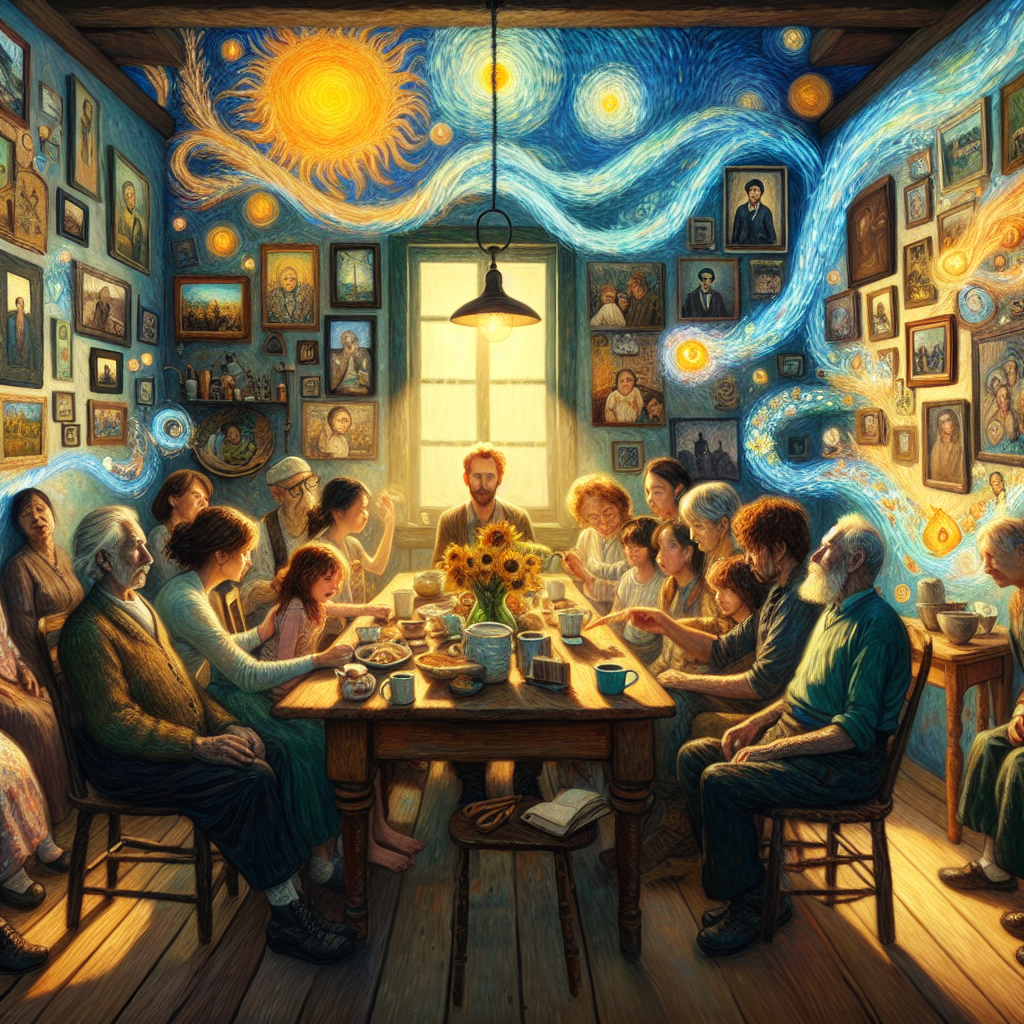
In an age dominated by data and digital connections, one has to pause and ask: Are we really connecting, or are we simply exchanging information? We often pride ourselves on the speed and efficiency of our digital communications, but in this race to stay updated, are we sacrificing something deeper—our personal connections? Every day, we scroll through curated feeds filled with highlights of others’ lives, but the question lingers: Where’s the authenticity?
Legacy storytelling has long been the fabric of our human experience, weaving tales that bind generations and preserve memories. Yet, in this data-driven world, those rich narratives are often reduced to mere snippets. They lose their context and, ultimately, their significance. Consider how much we miss when we rely on emojis and abbreviations to convey feelings that once required rich, descriptive language. How many poignant moments evaporate in a quick reply or a disconnected text?
Rationally, we know that personal connections are critical for our well-being and happiness. Bonds formed through genuine interactions foster trust and security. They are the foundation upon which we build our lives, both personally and professionally. And let’s not forget the ethical dimensions; when we prioritize speed over substance, we may be neglecting the emotional needs of ourselves and others. This is a call to recognize that every interaction holds power.
There’s a certain authority that comes from shared experiences and storytelling, lessons passed down from our elders that shape how we view the world. Today’s relationships can too easily slip into transactional exchanges, causing us to miss the wisdom embedded in our collective histories. We are losing not just data, but the nuances and complexities of who we are as a society, leaving us with a hollow sense of connection.
This isn’t merely nostalgia; it’s an urgent plea to embrace the messy, beautiful reality of human interaction. When we gather around a table to share stories, we create a bond that no algorithm can replicate. Interpersonal connections aren’t just advantageous for emotional health—they are essential. They ground us in shared experiences and common values, reinforcing our collective humanity.
As we navigate this digital landscape, let us challenge ourselves to go beyond the screens. Let’s prioritize authentic conversations and rediscover the art of storytelling, honoring the connections that have defined us for generations. It’s time to reclaim our narratives and ensure that in the data protection age, we don’t lose sight of the hearts that beat beneath the numbers.

Are We Losing Personal Connections In the Data Protection Age?
Are We Losing Personal Connections In the Data Protection Age?
- Digital communication often lacks genuine connection, risking personal relationships.
- Legacy storytelling has historical importance but is diminished in the modern data-driven landscape.
- Emojis and abbreviations can fail to convey deep emotions and meaningful experiences.
- Personal connections are essential for well-being, trust, and security in both personal and professional life.
- The shift to transactional relationships undermines the wisdom of shared histories.
- Authentic human interaction is irreplaceable, fostering community and reinforcing humanity.
- There’s a call to prioritize storytelling and authentic conversations as we navigate the digital age.
Are We Losing Personal Connections In the Data Protection Age?
How Can Gdpr Enhance Trust In Family History Research?
How Can GDPR Enhance Trust in Family History Research?
In the world of family history research, the stories we uncover are often more than just names and dates—they’re the threads that weave together our identities. Every document, every photograph carries a piece of our legacy, telling tales of resilience, triumph, and sometimes heartache. But as we dive deeper into these narratives, the question of privacy and trust looms large—a concern made all the more poignant by regulations like the General Data Protection Regulation (GDPR).
GDPR is more than a set of rules; it’s a pledge. It assures individuals that their data is respected and safeguarded. This assurance empowers family historians—the seekers of truth—enabling them to tell their community’s legacy storytelling with confidence. When researchers can assure relatives that their personal information is handled with meticulous care, they foster a sense of trust that resonates on a personal level. It encourages families to share more, to open up about their past, knowing that their stories remain their own, navigated with respect.
On a logical front, GDPR standardizes how data should be collected, stored, and shared. This clarity eliminates ambiguity, helping researchers find the right balance between gathering vital information and protecting sensitive details. When individuals know their data is being managed responsibly, it builds a rational foundation for collaboration. The stories emerge not just as relics of the past but as living narratives that reflect evolving identities in an ethical light.
The ethical implications of GDPR cannot be overstated. It acts as a beacon of transparency in a field that thrives on trust—trust that transforms raw facts into heartfelt stories. Researchers are now seen not merely as collectors of information but as responsible custodians of history, charged with honoring the legacy of those who came before us. This ethical commitment invites individuals to share their legacies, turning potential fears into bonds of understanding and connection.
Lastly, think of the social impact. When families engage in this research under the cloak of GDPR assurance, they’re fostering a community of shared narratives. These stories inspire not just a sense of belonging but also a collective duty to protect the legacies we uncover. The empathy generated in this space binds us, not just to our past, but to one another—a powerful catalyst for action and advocacy.
So, as we delve into our family histories, let the principles of GDPR be our guide. Together, let’s embrace a new age of trust, where stories flow freely, safeguarded under a promise that resonates deep within our hearts, heads, and guts. Trust not only enhances our research but elevates our commitment to honoring every legacy we encounter.

How Can Gdpr Enhance Trust In Family History Research?
How Can Gdpr Enhance Trust In Family History Research?
- Family history research connects personal identities through stories, documents, and photographs.
- The General Data Protection Regulation (GDPR) assures individuals that their data is respected and safeguarded.
- Trust is fostered when researchers handle personal information carefully, encouraging families to share their histories.
- GDPR standardizes data collection, storage, and sharing, providing clarity and responsibility in research practices.
- It promotes ethical transparency, transforming researchers into custodians of history and encouraging legacy sharing.
- Families engaging under GDPR create a community of shared narratives, enhancing belonging and protecting legacies.
- The principles of GDPR nurture trust, facilitating a commitment to honor the legacies uncovered in research.

How Can Gdpr Enhance Trust In Family History Research?
How Does Gdpr Impact Our Understanding Of Shared Family Narratives?
How Does GDPR Impact Our Understanding Of Shared Family Narratives?
In a world increasingly attuned to the significance of data privacy, the General Data Protection Regulation (GDPR) sends ripples through every aspect of our lives, including how we perceive and share our family stories. These narratives, often rich in emotion and history, shape our identities and connect generations. Yet, as we navigate this landscape of rules and regulations, we must reflect on their implications for legacy storytelling.
Picture this: a family gathering around the fire, sharing anecdotes that weave together the fabric of their shared existence. Those stories are not just entertainment; they are the roots from which our values and traditions grow. The GDPR urges us to consider who owns the stories we tell and the memories we share. It compels us to think about consent and ownership in a new light. Are we safeguarding our loved ones’ memories, or are we at risk of commodifying them?
The emotional resonance of family narratives fuels our desire to connect. Think of the trust built on sharing secrets or cherished memories. GDPR puts that trust to the test, asking us to engage in a dance of ethical responsibility regarding our family’s legacy. It encourages honesty and transparency in how we tell these stories, ensuring that everyone feels respected and heard. When we embrace these principles, we not only honor our families but also enrich our shared experiences.
Yet, it would be naive to overlook the tension inherent in this balancing act. Families are fragile ecosystems, and while GDPR offers guidelines for protection, it can feel like an intrusion into our intimate lives. Picture an unwelcome guest stirring up dust, making us rethink what we can share freely. But could it also be an opportunity for growth? As we navigate the regulations, we might emerge with a greater understanding of the stories that truly matter, cultivating a deeper appreciation for the voices that have historically been silenced.
Moreover, these regulations encourage us to be advocates for our family’s heritage and legacy storytelling. They remind us that sharing narratives is not just an act of affection but also a profound act of protection. By respecting our relatives’ privacy while engaging in storytelling, we strengthen our family’s bonds—narratives become both shield and sword in the quest for connection.
GGDPR doesn’t stifle our shared family narratives; it invites us to redefine how we share them. As we adapt, we may find a renewed understanding of our legacies—one that balances heart, head, and gut, ensuring our stories are not only told but held sacred.

How Does Gdpr Impact Our Understanding Of Shared Family Narratives?
How Does Gdpr Impact Our Understanding Of Shared Family Narratives?
- The GDPR influences how family stories are perceived and shared, emphasizing data privacy.
- Family narratives shape identities and connect generations, serving as roots for values and traditions.
- GDPR raises questions about story ownership, consent, and the potential commodification of memories.
- The regulation tests trust and encourages ethical responsibility in sharing family legacies.
- It highlights the importance of transparency and respect while sharing narratives.
- GDPR may create tension within families but also offers opportunities for deeper understanding and appreciation of stories.
- The regulation promotes advocacy for family heritage and encourages protective storytelling practices.

How Does Gdpr Impact Our Understanding Of Shared Family Narratives?
What Responsibility Do Researchers Have to Protect Family Data?
Protecting family data is about more than just a legal obligation; it’s an ethical imperative that resonates deep within us. When researchers gather personal information, they enter a realm where the individual stories of families intertwine with data sets and statistics. Each piece of data represents a legacy, a tapestry of experiences, triumphs, and struggles. This is where legacy storytelling comes into play.
Families often entrust researchers with pieces of their lives, expecting that these stories will be handled with care and respect. The responsibility to protect this sensitive information lies not only in maintaining privacy but in honoring the trust that families place in researchers. When researchers mishandle data, they risk shattering that trust and, with it, the very foundation of human connection that enables research to thrive.
Rationally speaking, the consequences of failing to protect family data can be dramatic. Breaches can expose personal information that brings emotional distress, alters reputations, and even endangers safety. Researchers must understand the weight of their work—how easily a dataset can switch from a numerical abstraction to a personal narrative with real-world implications. This awareness should serve as a guide, compelling researchers to adopt stringent protocols that put families first.
Ethically, the stakes are even higher. We must ask ourselves: What kind of society do we want to build? One where families live in fear of being exploited, or one where they feel secure in sharing their stories with researchers who genuinely care? Researchers, as the stewards of this intimate knowledge, must embrace an ethical duty to safeguard these narratives. This is not just a matter of compliance; it’s about aligning one’s work with a higher calling to protect and uplift the very communities that contribute to scholarly endeavors.
Authority plays a key role here. Institutional leadership must set a precedent, establishing guidelines that prioritize data protection and ensuring that all researchers are equipped to meet these standards. Training, resources, and oversight are essential for cultivating a culture that values family data protection.
This is about more than just numbers; it’s about human lives and the stories woven through them. Researchers have a profound responsibility to protect family data, serving as guardians of the narratives that shape our understanding of society. In doing so, they not only earn trust and confidence but also inspire families to share their stories, enriching the field of research for generations to come. The safety of these legacies depends on it.

What Responsibility Do Researchers Have to Protect Family Data?
What Responsibility Do Researchers Have to Protect Family Data?
- Protecting family data is an ethical imperative and not just a legal obligation.
- Researchers handle personal information that intertwines individual family stories with data sets.
- Maintaining privacy and honoring families’ trust is essential in research.
- Failing to protect data can lead to emotional distress, reputation damage, and safety risks.
- Researchers must adopt strict protocols to prioritize family welfare.
- Institutional leadership should establish guidelines and provide resources for data protection.
- Researchers have a responsibility to safeguard narratives, enhancing trust and enriching research.

What Responsibility Do Researchers Have to Protect Family Data?
Can Digital Storytelling Coexist with Strict Data Privacy Laws?
In an age where the flicker of a digital screen can transport us to worlds both fantastical and familiar, the age-old tradition of legacy storytelling faces a new kind of challenge. Digital storytelling, vibrant and dynamic, is tasked with weaving its narrative even as the strict threads of data privacy laws tighten around it. The heart of the matter rests on the very essence of storytelling: connection.
Legacy storytelling has long been about shared experiences, cultures, and values. It has bridged generations, allowing us to pass down wisdom and lessons through generations. Today, digital platforms offer a chance to revitalize these stories, giving them new life and reaching wider audiences. Yet, the insistence on guarding personal data brings with it ethical questions that cannot be ignored. Can we craft compelling narratives while ensuring the trust of our audience? It’s a tightrope walk that requires both creativity and care.
There’s no denying that data privacy laws exist for a reason. They protect individuals from exploitation and misuse, guarding their personal information like a precious heirloom. But let’s not forget the narrative power these stories hold. The challenge lies in finding a balance, one where artistic expression doesn’t trample ethical grounds. Engaging with audiences in a way that respects their privacy can foster deeper connections and trust. It’s about being transparent; why not use these laws as a catalyst for truth? In a world cluttered with misinformation, where trust is often in short supply, clear communication about how stories are created and what data may be involved can inspire confidence.
Moreover, there’s an undeniable human aspect to storytelling. Think of a time when you shared a story that resonated with someone else. This connection is profound and essential, a reminder that we all crave understanding and community. With strict data privacy regulations, digital storytellers are urged to pick their narratives wisely—what to include and what to avoid. This new landscape requires a keen awareness of ethical storytelling, an appeal not only to the head but to the gut, making sure the audience feels respected and valued.
Digital storytelling can indeed coexist with strict data privacy laws. It demands creativity and integrity, but the beauty of legacy storytelling remains intact, evolving alongside the landscape. The challenge may seem daunting, but it’s a necessary journey that invites us all to engage with humanity in thoughtful, meaningful ways.

Can Digital Storytelling Coexist with Strict Data Privacy Laws?
Can Digital Storytelling Coexist with Strict Data Privacy Laws?
- Digital storytelling is challenged by evolving data privacy laws while maintaining narrative connection.
- Legacy storytelling conveys shared experiences and values, connecting generations through wisdom.
- Digital platforms can rejuvenate traditional stories and expand their reach to wider audiences.
- Data privacy laws protect individual information but raise ethical questions about narrative trust.
- Finding a balance between artistic expression and ethical storytelling is essential.
- Clear communication about data use can enhance audience trust and connection.
- Digital storytelling can coexist with strict data privacy, fostering creativity and respect for audiences.

Can Digital Storytelling Coexist with Strict Data Privacy Laws?
Conclusion
In the intricate dance between preserving our family stories and navigating GDPR regulations, we find ourselves at a unique crossroads. The heart of this journey lies in the rich tapestry of our ancestral narratives—each thread filled with love, struggle, triumph, and resilience. These stories are our legacy, connecting generations and grounding us in a shared identity. However, the emerging weight of GDPR, designed to protect personal data, introduces a necessary but complex layer to our storytelling.
Imagine a family gathering: laughter, poignant memories, and deep bonds formed over shared experiences. Yet, as we eagerly share tales of our forebears, an important question arises—are we inadvertently risking the privacy of those whose stories we tell? Herein lies the rational need for a balanced approach. GDPR doesn’t aim to stifle our connections; rather, it prompts us to engage thoughtfully with how we share these intimate narratives. It calls for an ethical conversation around consent and respect, encouraging us to prioritize the voices of those we speak about—even those long departed.
Engaging with our heritage is not merely an intellectual pursuit; it ignites our emotions, crafting connections that bind us to our communities. This is where trust plays a critical role. In a world increasingly driven by data, understanding and adherence to GDPR can enhance this trust. When family historians uphold the principles of privacy, they create a safe space for narratives to flourish, ensuring that stories remain a source of pride rather than potential offense.
As we navigate this landscape, let’s foster a culture of transparency. Whether through family discussions, workshops, or digital platforms, we can engage in meaningful conversations about protecting our narratives. With the right approach, we can empower families to share their histories while safeguarding personal information, ensuring that every story told is a testament to shared legacy, not a breach of trust.
The path forward is clear: embrace the dual mandate of storytelling and protection. As we honor the rich histories that shape us, let’s ensure that our tales echo with truth, respect, and ethical responsibility—preserving the past while paving a heartfelt way for future generations to explore their own family narratives. By doing so, we honor our ancestors and reinforce the ties that bind us, transforming our legacy into a living, breathing entity that thrives on connection.
Conclusion
Conclusion:
- Preserving family stories at the intersection of storytelling and GDPR regulations creates a unique challenge.
- Ancestral narratives offer a rich legacy, filled with love and resilience, connecting generations.
- GDPR aims to protect personal data but adds complexity to sharing family stories.
- Engagement with heritage fosters emotional connections and requires thoughtful conversations about privacy.
- Trust enhances storytelling, as adherence to GDPR principles creates a safe space for narratives.
- Transparent discussions about protecting narratives can empower families to share histories responsibly.
- A balanced approach ensures stories honor the past while maintaining ethical responsibility for future generations.

Conclusion
Other Resources

Other Resources
Here is a list of other resources you can review online to learn more:
- Knotify.me
- Obituary Templates
- FutureMe
- Memorial Matters
- Funeral Finder
- LifeBio
- LegalNature
- Willmaker
- 23AndMe
- How To Write Legacy Story Headlines That Appeal To The Heart, Gut and Head
- GhostMemo
- EverNote
- FindMyPast
- Tributize
- Ancestry
- APH
- Legacy Family Tree
- Geni
- LifeWeb 360
- NoLo
Use This Prompt To Get More Resources With Your Favorite Online AI Tool: Please provide me with a list of online articles with their URLs in a bulleted list that I can read regarding When Gdpr Meets Family History

Other Resources
Glossary Terms
When Gdpr Meets Family History – Glossary Of Terms
1. GDPR: General Data Protection Regulation; EU law on data protection and privacy that governs how personal information is processed and stored.
2. Personal Data: Any information related to an identified or identifiable individual that can directly or indirectly identify them.
3. Data Subject: An individual whose personal data is collected, processed, or stored.
4. Controller: The entity or individual that determines the purposes and means of processing personal data.
5. Processor: A person or organization that processes personal data on behalf of the controller.
6. Consent: A clear indication by a data subject of their agreement to the processing of their personal data for a specific purpose.
7. Anonymization: The process of removing personal identifiers from data so that individuals cannot be readily identified.
8. Pseudonymization: Replacing private identifiers with fake identifiers or pseudonyms, allowing data to be processed without revealing actual identities.
9. Data Breach: An incident where unauthorized access or disclosure of personal data occurs.
10. Right to Access: The right of a data subject to request and obtain access to their personal data held by an organization.
11. Right to Erasure: A data subject’s right to have their personal data deleted under certain conditions.
12. Data Portability: The ability for individuals to transfer their personal data from one service provider to another.
13. Privacy Notice: A statement that explains how personal data is collected, used, and protected by an organization.
14. Legitimate Interest: A legal basis for processing personal data when the processing is necessary for the legitimate interests of the controller or a third party.
15. Data Minimization: The principle of limiting personal data collection to only what is necessary for the intended purpose.
16. Impact Assessment: A process to evaluate the potential effects of data processing on data subjects’ privacy rights.
17. Profiling: Automated processing of personal data to evaluate certain aspects of an individual, such as their behavior or preferences.
18. Third Party: An external entity that is not the data subject, controller, or processor but may access personal data.
19. Sensitive Data: Personal data that requires more protection due to its nature, like racial or ethnic origin, political opinions, or health information.
20. Data Retention: Policies and practices that determine how long personal data is stored and maintained.
21. Explicit Consent: A more stringent form of consent where the data subject must provide specific agreement for processing sensitive data.
22. Breach Notification: The obligation of data controllers to inform data subjects and authorities of a personal data breach within 72 hours.
23. Accountability: The principle that a data controller is responsible for compliance with GDPR and must demonstrate this to regulators.
24. Cross-Border Data Transfer: Concerns the movement of personal data from one jurisdiction to another, subject to different data protection regulations.
25. Data Protection Officer (DPO): An individual designated to oversee compliance with data protection laws and policies within an organization.
26. EU-U. S. Privacy Shield: A framework for transatlantic exchanges of personal data for commercial purposes, later invalidated but once a mechanism for ensuring compliant U. S. data practices.
27. Right to Object: A data subject’s right to object to the processing of their personal data in certain situations.
28. Data Subject Access Request (DSAR): A request made by individuals to access their personal data held by an organization.
29. Fines and Penalties: Financial consequences imposed on organizations that fail to comply with GDPR requirements.
30. Genealogy Research: The study of family lineage and history, which may involve the gathering and processing of personal data.

Glossary Of Terms
Other Questions
When Gdpr Meets Family History – Other Questions
If you wish to explore and discover more, consider looking for answers to these questions:
- What specific types of personal data in family history projects fall under GDPR?
- Does GDPR apply to information about deceased relatives?
- How should researchers obtain and document consent from living relatives?
- What if a relative refuses consent—can their story still be included in private family records?
- How do you handle consent withdrawal after stories or records are published?
- What lawful bases besides consent (e.g., legitimate interests, historical research) can justify processing family data?
- How do cross‑border data transfers affect family history research when relatives live outside the EU?
- What special rules apply to genetic and DNA data used in genealogy?
- How should sensitive information (criminal records, adoptions, medical history) be handled ethically and legally?
- Can anonymization or pseudonymization make family data safe to share publicly, and what are the limits?
- What retention periods are appropriate for family archives and digital records under GDPR?
- How do data subject rights (access, rectification, erasure, restriction) work in the context of family trees?
- Who counts as the data controller and who as the processor in collaborative family history projects or online platforms?
- What responsibilities do commercial genealogy sites and third‑party services have under GDPR?
- What technical and organizational measures should be used to secure digitized family records?
- How should oral histories, recorded interviews, and transcripts be stored and shared lawfully?
- Are there archival or research exemptions that permit broader use of historical family data?
- How should researchers manage unexpected discoveries that reveal sensitive or previously unknown family relationships?
- How do you approach storytelling ethically when publication could harm living relatives or reputations?
- What consent is needed to publish family photos, letters, or personal documents online or in print?
- How should researchers handle data involving minors and obtain appropriate parental or guardian consent?
- What are best practices for drafting clear, legally sound consent forms for family storytelling projects?
- How should requests from journalists, historians, or broadcasters for family data be evaluated and handled?
- What steps should be taken in response to a data breach involving family history records?
- What training, policies, and governance should institutions provide to researchers handling family data?
- How do you balance public interest or historical value against individual privacy rights?
- Can family associations or genealogical societies act as data stewards, and what obligations would that create?
- How should cultural sensitivities, minority rights, and community-held narratives be respected in research and publication?
- What legal liabilities could researchers or publishers face for mishandling family data under GDPR?
- How can researchers verify that consent is informed, specific, and valid for digital publication?
- How should metadata and embedded location data in photos and files be handled before sharing?
- When using cloud storage, social platforms, or third‑party tools, how can researchers ensure GDPR compliance?
- How does GDPR affect sharing findings at public events, exhibitions, family reunions, or on social media?
- What practical steps should be taken to prepare a family history project audit for GDPR compliance?

Other Questions
Haiku
When Gdpr Meets Family History – A Haiku
Legends shared with care,
Balancing hearts, rights, wisdom,
Stories thrive in trust.

Haiku
Poem
When Gdpr Meets Family History – A Poem
In every heart, a story glows,
Legacies shaped by the lives we chose.
From whispered tales of love and strife,
Roots entwined, the fabric of life.
Yet whispers clash with privacys call,
GDPR looms over us all.
A dance of respect, a quest to find,
The balance that honors both heart and mind.
Gather round, hear laughter unfold,
Grandparents memories, precious and old.
But questions arise in the light of day—
Is it ethical to share, to portray?
In every narrative, emotions ignite,
Joy and sorrow intertwined in the night.
The ties that bind are threads of trust,
In sharing our stories, we find we must
Honor the voices, the lives at stake,
Navigate consent for our ancestors sake.
With care and wisdom, we craft and weave,
A tapestry of stories that we all believe.
Researchers hold a solemn vow,
To guard what they gather, this truth we avow.
Privacys weight is a heavy load,
Yet through shared tales, new connections explode.
Technology can help but also divide,
As generations clash with the speed of the tide.
Let hearts speak true, let authenticity soar,
In the quest for connection, let narratives roar.
As legacy storytelling meets modern decree,
We find unity in honoring the plea.
For in safeguarding data, we nurture the art,
Of weaving our stories, life’s intricate chart.
Together we thrive, we learn, we grow,
In the garden of memories, let kindness flow.
Trust flourishes where respect lays its claim,
In the dance of our past, we thrive without shame.

Poem
Checklist
When Gdpr Meets Family History – A Checklist
Emotional Appeals
✅______ Reflect on the emotional significance of sharing family stories and how they connect us to our heritage.
✅______ Foster a strong sense of belonging within your family by encouraging open storytelling.
✅______ Acknowledge the feelings tied to personal histories and their impact on identity.
Rational Appeals
✅______ Understand GDPR regulations and how they protect personal data.
✅______ Inform family members about their rights under GDPR and the implications for sharing stories.
✅______ Develop clear guidelines for data processing and usage in storytelling.
Ethical Appeals
✅______ Obtain consent from living relatives before sharing their stories.
✅______ Respect the privacy and dignity of ancestors and relatives in all narratives.
✅______ Weigh the ethical implications of sharing sensitive information from family histories.
Authority Appeals
✅______ Consult with family historians and GDPR experts to guide your storytelling practices.
✅______ Provide training for family storytellers on responsible data management and ethical sharing.
✅______ Establish a framework based on best practices to ensure compliance with GDPR.
Narrative Appeals
✅______ Use narratives that highlight resilience, courage, and the beauty of family history.
✅______ Share stories that honor the legacy of ancestors while respecting their privacy.
✅______ Create a narrative that reflects the interconnectedness of family experiences.
Social Appeals
✅______ Encourage family discussions about the importance of preserving stories responsibly.
✅______ Promote workshops or gatherings focused on sharing personal histories while advocating for privacy.
✅______ Utilize social platforms sensitively, ensuring stories shared online align with privacy norms.
Action Steps
✅______ Initiate conversations about family legacies and the importance of respecting personal data.
✅______ Create a culture of consent within your family regarding storytelling.
✅______ Share insights and practices learned from GDPR to cultivate a community of trust.

Checklist
At LegacyExplorations, we help people plan and explore their legacy by collecting information and news regarding end-of-life planning.
Please share this post with your friends, family, or business associates who may want help to plan or explore their legacy.