

Rediscovering Meaning In A World Of Forgotten Memories
By Tom Seest
At LegacyExplorations, we help people plan and explore their legacy by collecting information and news regarding end-of-life planning.
Please share this post with your friends, family, or business associates who may want help to plan or explore their legacy.
When Memory Becomes Disposable
When we think about memory, we often view it as sacred—a treasure trove of experiences that shape who we are. Yet, in a world bombarded by fleeting moments and instant gratification, memory is becoming disposable. We swipe through pictures, share quick updates, and move on. The once-vibrant tapestry of our legacy has been reduced to a series of ephemeral posts, each forgotten as quickly as it was created.
Legacy storytelling is about weaving our narratives into something that lasts, something that connects us with others. It transcends mere recollection; it is about making sense of our experiences, seeing the threads of joy and sorrow that bind us to one another. In every shared story, there lies a heartbeat, a pulse that echoes the struggles and triumphs we’ve all faced. These stories aren’t just for the storyteller; they are bridges to understanding, connecting us with the generations who walked before us and those who will come after.
Consider a farmer who, with every furrowed brow and calloused hand, demonstrates not just his labor but the lineage of his family, the history of the land. His story is a testament to resilience and a world that values hard work and authenticity. In remembering such a narrative, we not only honor that individual but also the communal effort that sustains us. When we engage in legacy storytelling, we tap into a deep reservoir of emotional and ethical connections—reminding ourselves that every ordinary moment can shape a narrative that deserves to be remembered.
But it requires action. It means putting down our devices, stepping away from the noise, and taking the time to listen to one another. We have the power to transform our transient thoughts into enduring memories. It’s time to reclaim our stories from the clutches of disposability. Think about your own experiences—the laughter, the challenges, the lessons learned. Each fragment holds the key to both personal and collective wisdom.
The call to cultivate a culture of memory is urgent. We must value the stories shared around dinner tables, in community gatherings, and in moments of introspection. In these spaces, we foster a sense of belonging, creating a web of narratives that define our social fabric. Let’s choose to preserve our legacies; let’s engage in storytelling that resonates deep within our hearts, minds, and guts. It’s not just about remembering—it’s about honoring the multitude of experiences that make up who we are and who we aspire to be.

When Memory Becomes Disposable
When Memory Becomes Disposable
- Memory is viewed as sacred but is becoming disposable in a fast-paced world.
- Legacy storytelling weaves enduring narratives that connect us with others.
- Shared stories convey universal themes of struggle and triumph.
- Every story honors individual and communal efforts, reinforcing resilience.
- Engaging in legacy storytelling transforms transient moments into lasting memories.
- A culture of memory fosters belonging through shared narratives in various spaces.
- Preserving legacies through storytelling honors the experiences that shape our identities.

When Memory Becomes Disposable
Table Of Contents
- When Memory Becomes Disposable
- What Does It Mean to Forget the Moments That Matter?
- Are We Losing Our Connection to the Past?
- How Does Disposable Memory Impact Our Identity?
- Is Convenience Worth the Loss Of Deep Memories?
- Do We Prioritize Fleeting Experiences Over Lasting Ones?
- How Does Technology Shape Our Understanding Of Memory?
- Can We Reclaim the Significance Of Forgotten Memories?
- Conclusion
- Other Resources
- Glossary Of Terms
- Other Questions
- Haiku
- Poem
- Checklist
What Does It Mean to Forget the Moments That Matter?
When we think about memory, we often picture snapshots of our lives—birthdays, graduations, those fleeting, joyful seconds that linger like echoes. But what happens when those moments fade away, buried beneath the mundane routines of life? Forgetting the moments that matter isn’t just a loss of nostalgia; it’s a forfeiture of our legacy—a crucial part of our storytelling. Each of these memories contributes to a larger tapestry, forming the narrative of who we are.
Consider the power of storytelling. It’s the way we connect, the bridge between generations. When we forget those key moments, we risk severing that connection. Imagine sitting with an elderly relative, listening to their tales of struggle and triumph. These aren’t just stories—they’re the very fabric of our identity, filled with lessons learned and heritage shared. Losing these memories can lead to a legacy that fades into obscurity, leaving those who come after us without a map to navigate their own paths.
From a rational perspective, forgetting significant moments can alter our decision-making processes. Memories shape our instincts, guiding our choices in life. When we neglect the importance of reflection and remembrance, we strip ourselves of the wisdom gathered through experience. Who we’ve been influences who we choose to become. This is not just sentimental; it’s ethical, a respect for the journey we’ve traveled.
Emotionally, the act of forgetting can be isolating. Imagine the gut punch of realizing that the laughter around the family table will never echo quite the same, all because we neglected to cherish those simple joys. Our memories ought to be our anchors, holding us steady amidst life’s stormy seas. Each moment lived fully can fill our sails, propelling us forward with purpose and meaning.
On a social level, the stories we choose to remember and forget shape our shared experiences and community. They bind us together, creating a sense of belonging. When we fail to honor the moments that matter, we risk alienating ourselves from those around us. We lose the opportunity to inspire others, to create new narratives built on the foundation of shared history.
In acknowledging and preserving these memories, we not only enrich our own lives but also the lives of those we love. Let’s commit to forging a legacy worth remembering, to celebrating the significant—and often simple—moments that define us. In this storytelling process, we find connection, context, and a reason to celebrate the very essence of life itself.

What Does It Mean to Forget the Moments That Matter?
What Does It Mean to Forget the Moments That Matter?
- Memory is often represented by significant life events, which shape our identity.
- Forgetting meaningful moments leads to a loss of legacy and storytelling connection.
- Stories from previous generations provide lessons and heritage, reinforcing identity.
- Neglecting memories can impact decision-making and strip away wisdom gathered through experience.
- Forgetting can be emotionally isolating, as it diminishes shared joyful experiences.
- Shared memories foster community and a sense of belonging; neglect causes alienation.
- Acknowledging memories enriches lives and helps forge a meaningful legacy worth remembering.

What Does It Mean to Forget the Moments That Matter?
Are We Losing Our Connection to the Past?
In today’s fast-paced world, it often feels like we’re racing ahead with our eyes firmly glued to the future, leaving behind the rich tapestry of our past. But what if the very essence of our identity is rooted in those stories of yesteryear? Legacy is not just a concept; it’s an anchor that binds us to our history and to each other. When we dig deep into our family trees or the history of our communities, we unearth a treasure trove of experiences that shape who we are. These stories deserve to be shared, not just for nostalgia’s sake, but to illuminate the paths we tread today.
Consider the power of storytelling. Each narrative is a thread in the fabric of our society, linking generations, beliefs, and cultures. In sharing our stories, we hold the keys to understanding the struggles and triumphs that have come before us. This is not merely an academic exercise; it is a visceral connection that resonates within us. The heart knows the weight of our histories, and it longs to relate to its origins, shaping our emotions and intentions.
Rationally, we often underestimate the significance of preserving our past. Look at the patterns of history; they inform our choices, caution us against repeating mistakes, and inspire courage in adversity. The legacy we build today impacts tomorrow’s society. By fostering a culture of storytelling, we are not just recounting the past; we are crafting a future steeped in wisdom. It’s a call to action for every one of us to carry forward the lessons learned, as well as the values that define us.
Ethically, it is our responsibility to honor the stories of those who came before us. Each narrative, whether of hardship or triumph, has paved the way for future generations. By sharing these tales, we validate the experiences of our ancestors, infusing our lives with purpose. It’s an invitation for others to step into our shoes, to understand and empathize, creating a society built on mutual respect and shared history.
Imagine telling a young person about their great-grandmother’s resilience during tough times. This is more than just a familial duty; it’s a profound act of connection that can inspire trust in one’s own strength. As we navigate this modern landscape, we must remember that our roots ground us. Only by weaving these narratives into our lives can we truly foster a sense of belonging—both to our past and to each other. So, let’s talk, share, and celebrate our legacy through storytelling. The stories are waiting to be told; let’s ensure they are not lost in the noise of progress.

Are We Losing Our Connection to the Past?
Are We Losing Our Connection to the Past?
- In a fast-paced world, it’s easy to overlook the importance of our past and personal stories.
- Legacy connects us to our history and shapes our identity through shared experiences.
- Storytelling links generations, offering insights into struggles and triumphs of those before us.
- Understanding historical patterns helps inform our decisions and avoid past mistakes.
- Preserving family narratives fosters a culture of wisdom and guides future generations.
- Honoring ancestral stories validates their experiences, promoting empathy and mutual respect.
- Sharing these narratives fosters a sense of belonging and connection to both our history and each other.

Are We Losing Our Connection to the Past?
How Does Disposable Memory Impact Our Identity?
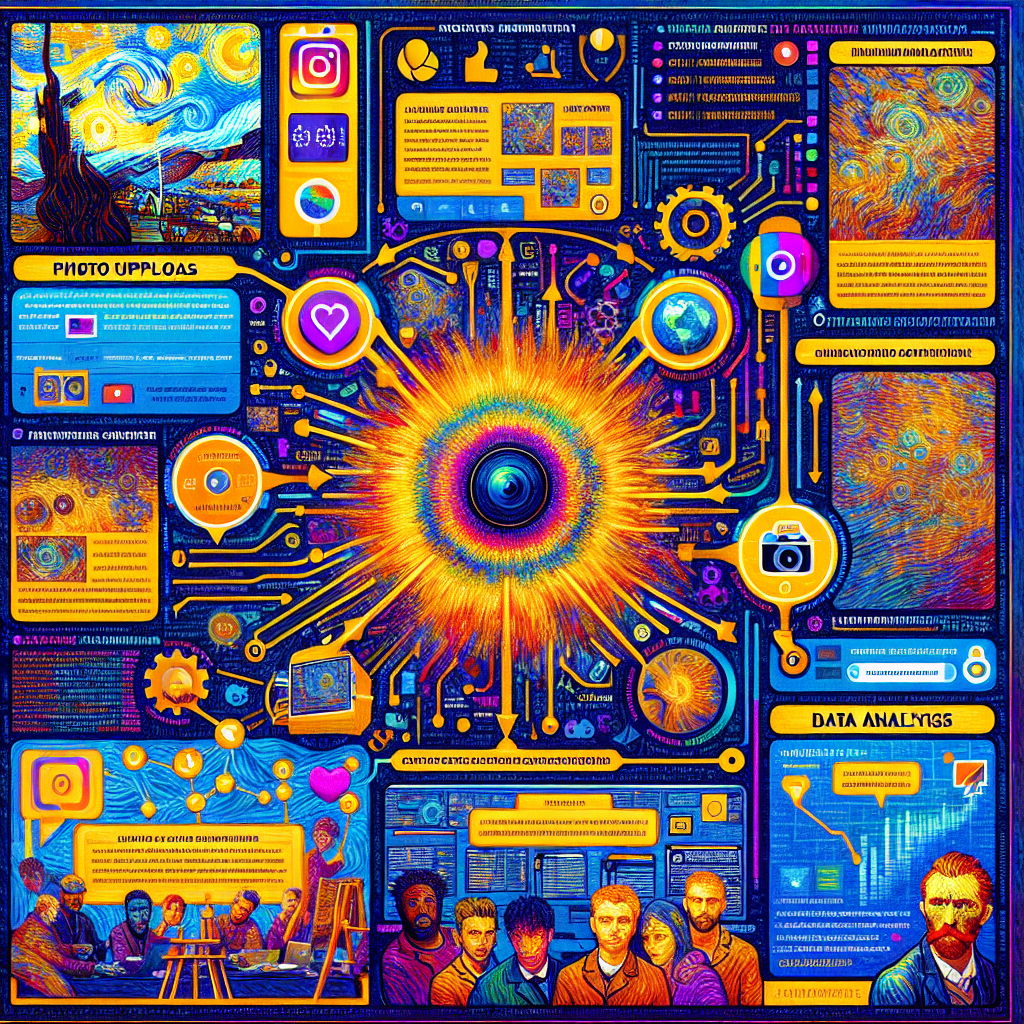
In an age where experiences can be captured and shared with a click, the very essence of our identity is being reshaped. Disposable memory—a phenomenon where moments are fleeting, meant to be consumed and discarded—has altered how we perceive ourselves and our connections to others. We’re told to live in the moment, but at what cost?
Consider legacy storytelling. Once, tales were passed down through generations, rich with detail and emotion, embedding identity within a broader tapestry of shared experience. Today, social media platforms encourage us to create snippets of our lives, but these moments often lack the depth of storytelling. We trade the richness of our legacy for quick, digestible bites of memory, leaving behind a fragmented sense of who we are. Our identities become curated highlights rather than profound narratives, narrowing the scope of connection and community.
Reflect on your own experiences. Each snapshot you capture—each post, each tweet—has the potential to resonate, but does it? Are these fleeting expressions building meaningful connections, or are they merely echoes in the digital void? We are hardwired for storytelling, to connect through shared experiences that foster empathy and understanding. Yet, the quick turnover of disposable memories risks dulling our collective narrative.
This shift carries ethical implications as well. Are we compromising authenticity for the sake of likes and shares? The pressure to conform to a polished online identity can lead to disconnection from our true selves. We are more than our most glamorous moments; we are the trials, the tribulations, the authentic struggles that make us uniquely human. A genuine story captures the heart—inviting others in to engage with our vulnerabilities rather than just our triumphs.
In this world filled with fleeting memories, let’s not forget the value of depth. Seek out opportunities for genuine interactions and share experiences that enrich our collective narrative. These moments forge bonds, reminding us of our shared humanity amidst the noise.
It’s time to reclaim our stories. Treasure the narratives that define who you are and have the courage to share them. Create not just for the present but for your legacy—stories that inspire and connect, stories that resonate beyond fleeting clicks. Engage the heart, the head, and the gut, and let your legacy be more than just another disposable memory.
How Does Disposable Memory Impact Our Identity?
How Does Disposable Memory Impact Our Identity?
- Experience capture and sharing are reshaping our identity.
- Disposable memory leads to fleeting moments, altering perceptions of self and connections.
- Legacy storytelling, rich with detail, is being replaced by superficial social media snippets.
- Identities are becoming curated highlights, lacking depth and community connection.
- Fleeting expressions on social media may not build meaningful relationships.
- Shifting towards polished online identities can compromise authenticity.
- Emphasizing genuine interactions and storytelling can enrich our collective narrative.

How Does Disposable Memory Impact Our Identity?
Is Convenience Worth the Loss Of Deep Memories?
In a world obsessed with convenience, we often trade the richness of experience for the instant gratification of technology. But as we swipe and tap our way through life, we must ask ourselves: what are we leaving behind? Memories are the threads that weave our personal narratives, each moment a stitch in the larger tapestry of our lives. Yet, with the click of a button, we risk unraveling those threads, sacrificing deep memories for fleeting ease.
Consider the thrill of storytelling—sharing a legacy that transcends generations. These stories, filled with laughter, trials, and triumphs, connect us to our past and remind us of who we are. It isn’t just nostalgia; it’s an ethical obligation to remember our roots, to honor those who came before us. The depth of a legacy lies in the nuances often lost in the blur of fast-paced living. When was the last time you cherished a handwritten letter, holding the weight of someone’s emotions instead of a screen filled with impersonal texts?
Rationally, it’s evident that deep memories contribute to our identity. They shape our decisions, influence our relationships, and anchor our moral compass. Emotional appeal comes from recognizing that the most profound moments often take time to cultivate. Adventure doesn’t lie in convenience but in the experiences carved through effort. The laughter shared around a campfire, the quiet reflection at a family gathering—these are moments that wouldn’t exist without the investment of time and attention.
Ethically, we face a choice. Are we content to live in the shallow end, scrolling through curated highlights while our deeper stories fade into oblivion? Authority figures, from psychologists to historians, urge us to nurture our emotional landscapes, understanding that the essence of who we are is often found in the spaces of contemplation and connection.
The narrative is ours to shape. Let’s engage in conversations that matter, fostering connections that live beyond the immediacy of convenience. Every time we choose a richer experience—whether it’s a family dinner without devices, a heartfelt conversation under the stars, or even community storytelling events—we reclaim our legacy. These moments inspire trust between generations, anchoring us in something greater than ourselves.
Ultimately, the question remains: is convenience worth the loss of deep memories? As we navigate this fast-paced world, let’s remember that the most profound stories are often waiting just beyond that next swipe, inviting us back to the heart of what it means to truly live.

Is Convenience Worth the Loss Of Deep Memories?
Is Convenience Worth the Loss Of Deep Memories?
- Convenience often leads to trading rich experiences for instant gratification.
- Memories are essential threads in our personal narratives, connecting us to our past.
- Storytelling preserves legacies and fosters connections across generations.
- Deep memories shape our identity and influence our relationships and decisions.
- Meaningful moments require time and effort, contrasting with convenience-focused living.
- Our choices affect our emotional landscapes; deeper stories may fade without attention.
- Engaging in rich experiences can help reclaim our legacy and inspire trust between generations.

Is Convenience Worth the Loss Of Deep Memories?
Do We Prioritize Fleeting Experiences Over Lasting Ones?
In a world buzzing with instant gratification, it’s easy to chase fleeting experiences—the thrill of a last-minute trip, the rush from caffeine-infused adventures, or the latest trending gadget. Yet, amidst the clamor, we often overlook the profound value of lasting experiences. These aren’t just nice memories; they’re the cornerstone of our legacy, encapsulated in the stories we craft throughout our lives.
Legacy storytelling is an art, weaving together the threads of our shared human experiences. When we invest in meaningful moments, we shape narratives that resonate, echo through time, and connect us with generations to come. Think about it. A fleeting joy, like a one-time concert or a viral moment, quickly fades into oblivion. Compare that to the warmth of a family gathering, where laughter and lessons linger long after the last plate is cleared. Those are the moments you recall on quiet evenings, the stories you tell your children, the wisdom they pass on.
Rationally, the investment in lasting experiences pays dividends. Research shows that experiences—particularly those shared with others—contribute more to long-term happiness than material possessions. Each shared adventure, each bond deepened is a layer added to the foundation of our emotional well-being. We can even trace the trajectory of our lives through these pivotal experiences, and they often shape our values, decisions, and, ultimately, our character.
Ethically, considering the impact of our choices is essential. When we prioritize trivial pursuits, we risk leaving behind a legacy fraught with hollow echoes. Imagine being remembered for superficiality rather than for the love and connection you fostered. The stories we tell and the experiences we create craft the narrative of our lives and those we touch.
Moreover, we all have the potential to turn our fleeting interactions into lasting legacies. Take a moment to engage with your community—volunteering, mentoring, or simply sharing a meal. Each of these experiences holds the power to enrich our lives and the lives of others.
It comes down to a choice. Will we chase quick thrills, or will we embrace the richness of lasting experiences? The stories we create define us, inspiring those around us as we cultivate connections that endure long past the present, leaving a legacy worth sharing.

Do We Prioritize Fleeting Experiences Over Lasting Ones?
Do We Prioritize Fleeting Experiences Over Lasting Ones?
- Instant gratification often overshadows the value of lasting experiences.
- Lasting experiences form the cornerstone of our legacy and the stories we craft throughout our lives.
- Legacy storytelling connects us with generations and resonates through time.
- Research indicates shared experiences contribute more to long-term happiness than material possessions.
- Prioritizing meaningful moments enriches our emotional well-being and shapes our values and decisions.
- Engaging with the community can turn fleeting interactions into lasting legacies.
- Choosing lasting experiences over quick thrills cultivates enduring connections and a valuable legacy.

Do We Prioritize Fleeting Experiences Over Lasting Ones?
How Does Technology Shape Our Understanding Of Memory?
Technology has revolutionized our understanding of memory, shaping not just how we remember but why we remember. It’s as if we’re all part of an ongoing legacy storytelling experience, where every moment is preserved and replayed, transforming our relationship with memory into something more dynamic than mere recollection.
Think about it: most of us carry powerful devices in our pockets that can capture our lives in high definition, enabling us to record, relive, and share our experiences at the touch of a button. We document birthdays, weddings, and sunsets, stitching together the fabric of our lives. Yet, in this digital documentation, we often forget the essence of memory—the emotional depth and nuance that make experiences truly resonate.
Rationally, we know that memories are far more than data points; they inform our decisions, guide our relationships, and shape our identities. However, as we increasingly rely on technology to store our experiences, we risk relegating these memories to a mere archive, losing the raw spontaneity that comes from human connection and forgotten moments. Have we, in our quest to immortalize every selfie, diminished the value of the fleeting seconds that slip through our fingers?
This technological shift invites us to reflect on ethics. Do we hold the responsibility to curate our shared histories thoughtfully, ensuring that our digital footprints genuinely reflect our intentions? We stand at the intersection of innovation and integrity, tasked with honoring our memories while embracing the new ways technology allows us to preserve them.
Narratively, every photograph, every video file, represents a story—some tender, some tragic. These stories connect us with others, inviting empathy and shared understanding. Just as our ancestors gathered around fires to share tales, we now gather around screens, yet the essence remains: storytelling is fundamental to our humanity.
Socially, technology brings us closer to those far away, bridging distances that once separated us. Yet, it can also create barriers, isolating us in a digital world where “likes” can overshadow genuine connection. We must choose to engage authentically, using technology to enhance our memories without losing the heart of what it means to remember.
As we navigate this evolving landscape, let’s commit to nurturing our memory legacy. Let’s not just capture moments but engage with them, ensuring our memories are vibrant, meaningful, and, most importantly, a true reflection of who we are.

How Does Technology Shape Our Understanding Of Memory?
How Does Technology Shape Our Understanding Of Memory?
- Technology shapes our understanding of memory, altering how and why we remember.
- Devices allow us to capture and share experiences, but may overlook the emotional depth of memories.
- Memories are more than data; they influence decisions, relationships, and identities.
- Relying too much on technology risks making memories feel archived and less spontaneous.
- Reflecting on ethics, we have a responsibility to curate our digital histories meaningfully.
- Every photo or video tells a story, emphasizing the importance of storytelling in our lives.
- While technology connects us, it can also create barriers, and we should engage authentically with our memories.

How Does Technology Shape Our Understanding Of Memory?
Can We Reclaim the Significance Of Forgotten Memories?
Can we reclaim the significance of forgotten memories? It’s a question that digs deep into the fabric of who we are. Each memory, whether cherished or buried, contributes to our legacy, a narrative that tells not only our story but reflects the stories of those who came before us. In the whirlwind of modern life, we often let these vital pieces of our past slip through our fingers, but perhaps it’s time to pause, take a breath, and consider the power of legacy storytelling.
Think back to a moment that shaped you—perhaps a cherished family gathering or a quiet afternoon with a mentor. These memories create the framework for our identities, grounding us in a world that often feels chaotic. They remind us of where we come from, guiding our values and decisions today. By sharing these vivid snapshots and allowing them to breathe once more, we enrich our lives and strengthen connections with those around us. When we weave these stories back into our lives, we engage our hearts and heads, igniting a sense of purpose and shared humanity.
But it’s not merely about nostalgia; it’s about understanding the ethical implications of letting these fragments fade into oblivion. Forgotten memories can carry vital life lessons and wisdom, bridging generational gaps. As we navigate our complex world, we have a responsibility to honor the journey of our past and enable others to do the same. Each story we share stands as a testament to resilience, a reminder that even in hardship, there’s a foundation of strength we can build upon. This relational aspect is crucial; when we opt to speak our truths, we invite others to do the same, fostering a community grounded in authenticity and trust.
And let’s not underestimate the authority that memory holds. It can influence decisions, shape opinions, and inspire action. By turning to our shared experiences, particularly those we’ve almost forgotten, we can cultivate a collective drive that resonates beyond ourselves. At our core, we yearn for connection and understanding, and these stories can create pathways for dialogue that transcend differences.
As we reclaim these fragments of ourselves, we find an opportunity for healing, growth, and connection. It demands courage, yes, but the payoff is immeasurable. Let’s breathe life back into forgotten memories and embrace their significance—leaving a legacy not only for ourselves but for those who will come after us, ensuring that the stories we carry with us never truly fade away.

Can We Reclaim the Significance Of Forgotten Memories?
Can We Reclaim the Significance Of Forgotten Memories?
- Reclaiming forgotten memories is essential to understanding our identity and legacy.
- Memories, both cherished and buried, shape our values and decisions.
- Sharing these memories enhances our lives and strengthens connections with others.
- There’s an ethical responsibility to preserve and share significant life lessons from the past.
- Every shared story reflects resilience and can inspire others through hardship.
- Memory influences decisions and can foster community and dialogue across differences.
- Reclaiming memories offers opportunities for healing and growth, leaving a lasting legacy.

Can We Reclaim the Significance Of Forgotten Memories?
Conclusion
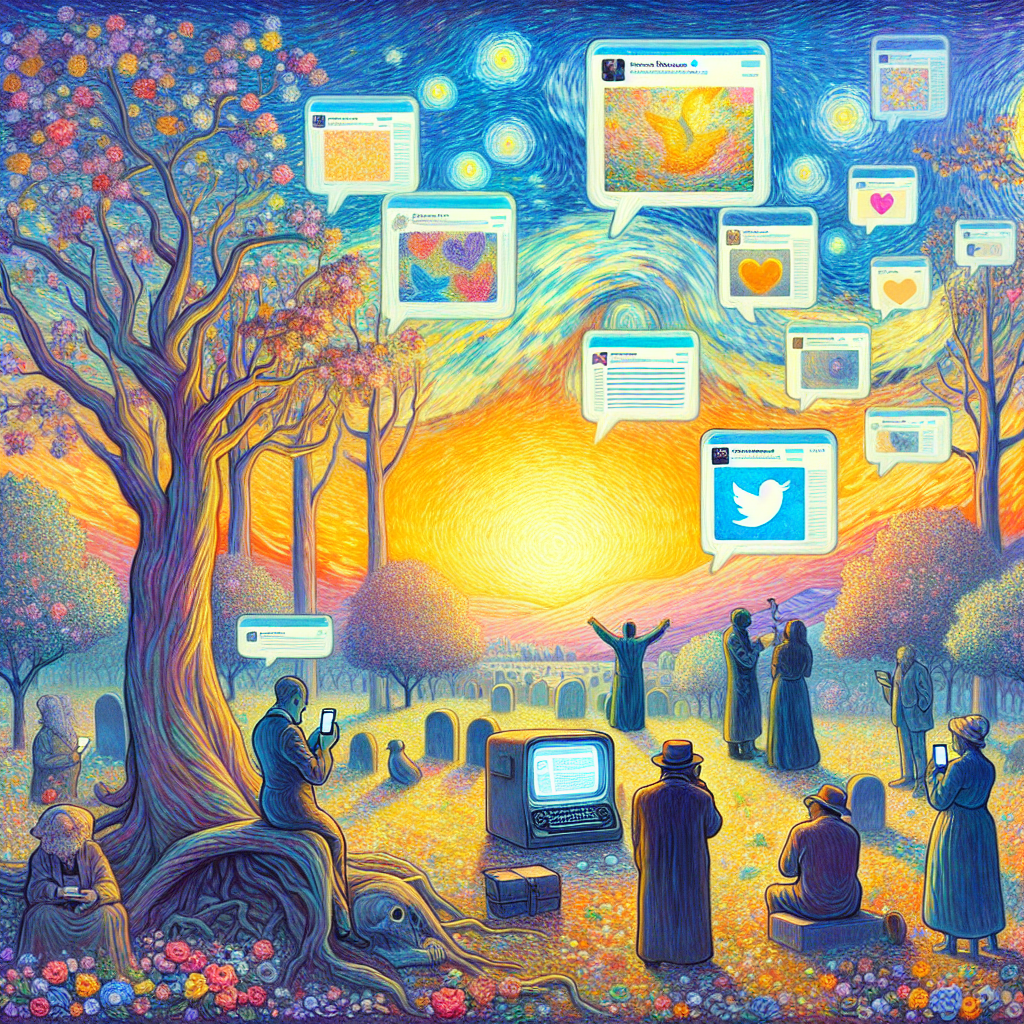
In our rapidly evolving world, a sad reality is unfolding: memory is becoming disposable, a mere collection of fleeting clicks and posts. As we scroll through a dizzying array of experiences, we trade meaningful connections for superficial interactions, losing sight of the narratives that shape our identities. Memories are not just echoes of the past; they’re the threads that weave the fabric of our lives, binding us to our history and one another.
Consider the essence of legacy storytelling, which invites us to reclaim and honor our past. Every shared story encapsulates a heartbeat—a pulse that resonates with the joys and challenges of existence. Through these narratives, we connect to the generations that have shaped us, from the farmer’s toil that honors his ancestors to the untold wisdom of our elders, whose experiences offer us a compass in today’s tumultuous times. When we engage deeply with these stories, we solidify our identities and cultivate a culture of memory that celebrates resilience and authenticity.
Neglecting our memories risks alienation, fracturing the bonds that keep us tethered to one another. Rationally, we understand that our past informs our future—each moment lived contributes to our moral grounding and decision-making. Emotionally, there’s a unique kind of isolation that comes from forgetting. It’s a gut-wrenching loss when laughter shared around family tables becomes a distant memory, stripped of its significance.
Moreover, the ethical implications of our choices weigh heavy. In our quest for convenience, we often overlook the richness that comes with investing time in meaningful experiences. This pursuit of the ephemeral dilutes our legacy, leaving behind a collection of hollow memories rather than a tapestry of enduring narratives that inspire future generations.
As we navigate this technologically driven landscape, we must reclaim the depth of memory from the clutches of disposability. It’s our responsibility to choose authentically, to nurture relationships that echo beyond mere social media likes, fostering genuine connections that truly resonate. Investing in lasting experiences—be it through storytelling, community, or shared laughter—creates a legacy that enriches both our lives and those of others.
Let us step away from the noise and engage with the stories waiting to be told. Embrace the moments that matter, and recognize the irreplaceable value of connecting with our past. By doing so, we not only affirm our identity but also lay a foundation of lasting meaning for generations to come.
Conclusion
Conclusion:
- Memory is becoming disposable, with meaningful connections being replaced by superficial interactions.
- Legacy storytelling invites us to reclaim our past and honor the narratives that shape our identities.
- Every shared story connects us to previous generations and their experiences.
- Neglecting memories risks alienation and undermines our emotional well-being.
- The quest for convenience often overlooks the value of investing time in meaningful experiences.
- We must reclaim the depth of memory and foster genuine connections beyond social media.
- Engaging with our stories affirms our identity and creates lasting meaning for future generations.

Conclusion
Other Resources

Other Resources
Here is a list of other resources you can review online to learn more:
- INELA
- Lexikin
- Legacy Family Tree
- LegalNature
- 23AndMe
- Storyfile
- Digital Legacy Association
- My Wonderful Life
- Storyworth
- How Has Time Changed The Cost Of Capturing Family Legacy Stories
- deviantART
- DocuBank
- Forever Missed
- How To Write Legacy Story Headlines That Appeal To The Heart, Gut and Head
- Funeral Finder
- APH
- FuneralWise
- LifeNaut
- Meminto
- Cake
Use This Prompt To Get More Resources With Your Favorite Online AI Tool: Please provide me with a list of online articles with their URLs in a bulleted list that I can read regarding When Memory Becomes Disposable

Other Resources
Glossary Terms
When Memory Becomes Disposable – Glossary Of Terms
1. Amnesia: A loss of memory, often due to trauma or psychological stress.
2. Cognitive Overload: A state where the demand for cognitive processing exceeds an individual’s capacity, leading to reduced memory retention.
3. Digital Amnesia: The phenomenon where individuals rely on digital devices for information storage, leading to poor memory retention of personal knowledge.
4. Ephemeral: Something lasting for a very short time, often relating to fleeting digital information.
5. Information Fatigue: A state of mental exhaustion resulting from overwhelming amounts of information, impacting memory efficiency.
6. Memory Palace: A mnemonic device that uses visualization of an imagined physical space to enhance memory retention.
7. Neuroplasticity: The brain’s ability to reorganize itself by forming new neural connections, influencing how memories are formed and erased.
8. Obsolescence: The state of becoming outdated or no longer useful, often applied to memory in the context of digital reliance.
9. Permanent Record: Any data or information that is intended to be kept indefinitely, contrasting with disposable memory.
10. Retrieval: The process of accessing and bringing stored memories to consciousness, which can be impaired by digital distractions.
11. Short-Term Memory: A temporary storage system for information, retaining data briefly before it is either forgotten or transferred to long-term memory.
12. Signal-to-Noise Ratio: A measure of the clarity of relevant information compared to irrelevant information, affecting memory recall.
13. Transactive Memory: A shared system of memory that is distributed across individuals, enhancing collective knowledge but diminishing personal recall.
14. Ubiquitous Computing: The integration of technology into everyday life, impacting memory reliance and recall.
15. Virtual Memory: The concept of external digital storage that can replace or supplement human memory.
16. Semantic Memory: System of memory that involves the recollection of facts and concepts, distinct from episodic memory.
17. Contextual Memory: Memory retrieval influenced by the context in which information was originally learned, affected by digital usage.
18. Memory Encoding: The process of transforming information into a form that can be stored for future retrieval.
19. Memory Decay: The gradual loss of memory over time, particularly when not reinforced through use.
20. Narrative Memory: The ability to remember information in the form of stories, which is often challenged by short digital formats.
21. Neurodegeneration: The deterioration of neurons in the brain, leading to significant memory loss and cognitive decline.
22. Over-Reliance: Dependence on external sources for memory, such as technology, reducing individual memory capacity.
23. Phenomenological Memory: Personal, subjective experiences of memory, often impacted by emotional connections.
24. Preservation Bias: The tendency to remember certain events or information while forgetting others, influenced by external contexts.
25. Recall: The ability to retrieve previously learned information from memory without cues.
26. Schema: A cognitive framework or concept that helps organize and interpret information, playing a role in how memories are constructed.
27. Temporal Lobe: The brain region associated with memory processing and auditory perception; damage here can lead to memory issues.
28. Working Memory: A system that temporarily holds and manipulates information necessary for cognitive tasks at hand.
29. Forgetfulness: Difficulty in recalling information, often exacerbated by cognitive or external distractions.
30. Memory Technology: Tools and devices designed to aid in memory storage and retrieval, raising questions about the nature of human memory.

Glossary Of Terms
Other Questions
When Memory Becomes Disposable – Other Questions
If you wish to explore and discover more, consider looking for answers to these questions:
- How can I preserve meaningful memories in the digital age?
- What practical methods exist for creating and maintaining a legacy through storytelling?
- How do I begin collecting family stories and oral histories?
- How can I encourage elders or reluctant relatives to share their memories?
- Which apps, devices, or tools are best for recording and archiving memories?
- How should I curate social media content so it contributes to a lasting legacy rather than disposable moments?
- What ethical considerations arise when sharing someone else’s memories publicly?
- How does disposable memory affect mental health and emotional well-being?
- Can forgetting certain memories ever be beneficial for identity or healing?
- How do I distinguish between superficial, fleeting experiences and deep, formative memories?
- What practices help transform everyday moments into memorable stories?
- How can parents teach children to value and preserve family legacy?
- What role should schools, community centers, or religious groups play in preserving communal memory?
- How can I use technology to enhance memory without losing emotional depth?
- What are the best strategies for backing up and protecting digital photos, videos, and recordings?
- What legal issues should I consider for digital estates, ownership, and access to memories after death?
- How do families handle conflicting or contradictory memories within shared stories?
- How can forgotten or buried memories be reclaimed or recovered safely and respectfully?
- What prompts or questions tend to elicit the richest, most meaningful stories?
- What rituals, ceremonies, or practices strengthen memory and legacy in a family or culture?
- How can intergenerational storytelling events be organized and sustained?
- How do cultural differences influence what societies choose to remember or forget?
- How do historians, archivists, or oral historians preserve personal memories for future research?
- What common barriers prevent people from preserving deep memories, and how can they be overcome?
- How do privacy concerns intersect with the desire to share memories publicly?
- How can sensory experiences (smell, taste, sound) be preserved or documented as part of legacy storytelling?
- How can storytelling avoid nostalgia bias, mythmaking, or romanticizing the past?
- How can communities ensure their legacy narratives are inclusive and represent diverse voices?
- What empirical research supports the long-term benefits of prioritizing lasting experiences over fleeting ones?
- How can individuals measure the impact of legacy storytelling on relationships and community cohesion?
- How are businesses, advertisers, and platforms contributing to disposable memory, and what responsibilities do they hold?
- How can I build a personal habit or practice that helps me remember more deeply and intentionally?

Other Questions
Haiku
When Memory Becomes Disposable – A Haiku
Fleeting echoes fade,
Memories weave our stories—
Roots of who we are.

Haiku
Poem
When Memory Becomes Disposable – A Poem
In a world where moments quickly fade,
Our memories, once treasures, now feel betrayed.
We swipe through lives, the past reduced,
To pixels and posts, our essence seduced.
Memory’s a tapestry, rich and profound,
Yet in the rush, its threads come unwound.
Gather ‘round stories, let their heartbeat flow,
In laughter and sorrow, let connection grow.
A farmer’s tale of toil and land,
Holds the legacy of a calloused hand.
Each shared narrative, a bridge we create,
Connecting our souls, through love, not through fate.
Forgetting the moments that matter most,
Deprives us of legacy, of the roots we can boast.
The echoes of laughter, lessons learned deep,
Anchor us firmly, as we struggle and leap.
Are we losing our grip on the past’s vibrant glow?
With quick clicks and filters, our truths overflow.
Yet every memory holds wisdom and light,
A map for the future, guiding us right.
Technology whispers, “Capture it all,”
But lacks the embrace of the stories we call.
Rational thought tells us to dwell and to share,
To find depth in connection, let presence declare.
Shall we trade meaningful for moments that’re brief?
For the breadth of our hearts, not just fleeting relief?
The legacy we weave, through time shall resound,
In lasting experiences, we’re truly found.
So let’s reclaim the stories, our forgotten gold,
Honor the past, let its wisdom unfold.
In the heart of the present, let memories ignite,
Creating a legacy that sparkles with light.

Poem
Checklist
When Memory Becomes Disposable – A Checklist
Emotional Appeals
✅______ Reflect on a cherished memory and write it down.
✅______ Share a personal story with family or friends.
✅______ Engage in a ritual (like a family gathering) that honors past experiences.
Rational Appeals
✅______ Identify key moments that shaped your identity and analyze their impact on your current life.
✅______ List the benefits of sharing memories (e.g., community building, emotional support).
✅______ Set goals for capturing memories (e.g., journaling monthly, photo collections).
Ethical Appeals
✅______ Consider those whose stories have shaped your life; commit to honoring their narratives.
✅______ Reflect on the responsibility of preserving family or community histories.
✅______ Create a plan to pass down stories to future generations.
Authority Appeals
✅______ Research studies on the psychological benefits of memory sharing and storytelling.
✅______ Seek guidance from historians or psychologists on effective legacy storytelling.
✅______ Attend a workshop or seminar about preserving memories.
Narrative Appeals
✅______ Write a short narrative based on a significant personal experience.
✅______ Create a family tree or timeline that includes key events and their stories.
✅______ Encourage family members to contribute their stories to create a collective family narrative.
Social Appeals
✅______ Organize a storytelling night with friends or family.
✅______ Participate in community events that celebrate shared histories.
✅______ Engage on social media to encourage dialogue about meaningful memories.

Checklist
At LegacyExplorations, we help people plan and explore their legacy by collecting information and news regarding end-of-life planning.
Please share this post with your friends, family, or business associates who may want help to plan or explore their legacy.