

Navigating The Choices Shaping Our Future Together
By Tom Seest
At LegacyExplorations, we help people plan and explore their legacy by collecting information and news regarding end-of-life planning.
Please share this post with your friends, family, or business associates who may want help to plan or explore their legacy.
When Privacy Blocks Posterity
In a world where privacy reigns supreme, we often forget one critical aspect—our legacy. It’s easy to safeguard our personal stories, to shutter the windows of experience and keep the world at bay. But consider for a moment the stories we fail to pass down, the lessons untold, and the lived experiences that fade into obscurity. Legacy storytelling isn’t just a trend; it’s a bridge connecting generations, binding families not only by blood but by shared narratives.
Imagine a grandparent’s tale of resilience during hard times—a story that shows us where we come from and what we can endure. Each anecdote, woven into the fabric of our family history, carries emotional weight that resonates through time. But when privacy blocks the sharing of these tales, we risk raising generations that are less equipped to navigate the complexities of life. They miss out on rich narratives that could inspire courage in the face of adversity.
From a rational standpoint, withholding stories fosters a disconnect. The wisdom accumulated over decades is one of the most valuable gifts we can bestow. What if your great-grandchild could learn a crucial lesson from a struggle you overcame? The cost of keeping silence isn’t measured in dollars and cents; it’s measured in growth, understanding, and the fundamental human need for connection.
Ethically, there’s commitment to our community—a responsibility to share not just the highs, but the lows, too. It’s about fostering vulnerability as a strength, recognizing that our emotional scars can guide others in their darkest hours. The authority of experience cannot be understated; it’s what shapes our character. By sharing, we empower others to own their narratives, to reclaim their legacies in a world that often feels overwhelming.
Think about it: community gatherings often become a repository of untold stories, a tapestry of voices that resonate on a universal level. In sharing, we invite others into our lives; we create a dialogue rather than a monologue. We connect over the shared human experience—the joys, the trials, and the mundane moments that resonate deeply with us all.
So, as we ponder the delicate balance between privacy and posterity, let’s remember that our stories—the core of our legacy—are what truly bind us together. They are not just for us; they are for the future, for those who follow. Share your story, make it a part of the great narrative of humanity, and watch how it transforms not just lives, but entire futures.

When Privacy Blocks Posterity
When Privacy Blocks Posterity
- Legacy storytelling connects generations and binds families through shared narratives.
- Personal stories, such as a grandparent’s tale of resilience, provide context and emotional weight.
- Withholding stories can leave future generations ill-equipped to face life’s complexities.
- The silence surrounding personal experiences hinders growth and understanding.
- Sharing both triumphs and struggles fosters community and recognizes vulnerability as strength.
- Community gatherings serve as platforms for sharing untold stories and building connections.
- Stories contribute to our legacy and future narratives, transforming lives and communities.

When Privacy Blocks Posterity
Table Of Contents
- When Privacy Blocks Posterity
- How Do We Balance Privacy and Progress?
- Are We Sacrificing Values for Data Security?
- What Stories Illustrate the Impact Of Privacy on Legacy?
- How Does Our Desire for Privacy Resonate with Societal Norms?
- Who Benefits Most From Stringent Privacy Measures?
- What Ethical Dilemmas Arise From Our Privacy Choices?
- What Are the Emotional Consequences Of Losing Our Privacy?
- Conclusion
- Other Resources
- Glossary Of Terms
- Other Questions
- Haiku
- Poem
- Checklist
How Do We Balance Privacy and Progress?
Balancing privacy and progress is akin to walking a tightrope stretched across generations, where every step must carefully consider the weight of our legacy. Each technological advance—be it the latest smartphone, an app that tracks our fitness, or algorithms that predict our preferences—comes with an invisible cost. It urges us to weigh the progress it brings against the privacy it demands.
As we move forward, we must embrace legacy storytelling. Our choices today shape the narrative of tomorrow, and it’s crucial to reflect on how our actions resonate through time. The conveniences we enjoy have a story behind them, often steeped in the sacrifices made by those who came before us. Understanding this can ignite a passion for preservation, urging us to protect the very things that define us—our privacy and autonomy.
Think about the data we casually hand over. Every click, every like, every online purchase is a thread in the tapestry of our lives, yet how often do we consider who’s weaving that tapestry? It’s easy to equate progress with innovation, to bask in the glow of the latest gadgets and technologies. However, this rush can blind us to the shadows that lurk beneath, where our private selves can be exposed without consent. This is not merely a statistic on a privacy report—this is our lives, our families, our dreams.
Consider the stories of those who have suffered from breaches of trust—individuals who became headlines instead of heroes, their privacy stripped while others profited. These narratives are not distant; they resonate with anyone who values their identity. They invite us to ask tough questions about our relationship with technology. Are we willing to trade our rights for slight conveniences? Where do we draw the line?
We have the power to redefine what progress looks like. By advocating for more responsible tech use, we create a collective that values privacy as fiercely as innovation. It’s our duty not just to consume but to engage with the implications of our consumption. As we pursue progress, let’s ensure that we do so consciously, fostering environments that safeguard our stories instead of sacrificing them.
In this delicate balance, trust is key. Engaging in discussions about privacy is not only a right; it’s an obligation we owe to ourselves and to future generations, ensuring that we move forward without leaving parts of ourselves behind. As we stand poised at this crossroads, let’s embrace the challenge and choose a path that honors both our privacy and our progress.

How Do We Balance Privacy and Progress?
How Do We Balance Privacy and Progress?
- Balancing privacy and progress requires careful consideration of our legacy.
- Technological advancements come with privacy demands that need to be weighed against their benefits.
- Legacy storytelling is essential; our current choices shape future narratives.
- Data sharing is pervasive, and we must reflect on who holds our personal information.
- Stories of privacy breaches highlight the risks associated with technology and impact our identities.
- We can redefine progress by advocating for responsible technology use that values privacy.
- Engaging in privacy discussions is a responsibility we owe to ourselves and future generations.

How Do We Balance Privacy and Progress?
Are We Sacrificing Values for Data Security?
In today’s world, data security is often painted as the fortress protecting our personal and financial information, yet this fortress comes at a cost. Imagine a grandma telling stories around a crackling fire, sharing memories of a time when trust depended on a handshake, not a password. Those tales aren’t just nostalgia; they’re our legacy, our storytelling rooted in vulnerability and connection, where values and ethics mattered more than the latest encryption algorithms.
We’ve all heard the phrase “better safe than sorry.” But as we wrap ourselves in layers of digital security, it’s essential to ask: what are we sacrificing? A gut feeling warns us that, in our quest for safety, we might be sidelining our very humanity, prioritizing data points over the people behind them.
The reality is, the more we cling to data security, the more we risk losing the essence of trust. Our ethical framework—what we stand for as a society—is being tested. We live in a time when we accept invasive monitoring and constant surveillance almost as trade-offs for the fleeting promise of security. But this isn’t just about algorithms or firewalls; it’s about how we treat one another. Is it ethical to allow our data to be a currency for power, when our narratives, our vulnerabilities, and our stories deserve so much more?
This notion resonates on a broader scale. Every time a company chooses data collection over a personal connection, they sacrifice a part of their legacy. We place trust in those who handle our information, yet do they prioritize our values as fiercely as their business models? The authorities we look up to should embody the principles we hold dear, turning our concerns into actions that protect our values instead of eroding them.
As we navigate this digital age, let’s collectively foster a shift toward a future where security and humanity coexist harmoniously. Let’s engage in discussions that challenge the notion that data security should come at the expense of our integrity. Stand together and advocate for companies and systems that recognize the importance of balancing security with our shared human experience. We have the power to reshape the landscape by demanding more than just data security; let’s insist on trust, respect, and a commitment to preserving the legacy of authentic storytelling. It’s time to reclaim our values, one story at a time.

Are We Sacrificing Values for Data Security?
Are We Sacrificing Values for Data Security?
- Data security is compared to a fortress protecting personal and financial information.
- There is nostalgia for a time when trust relied on personal connections rather than digital security.
- The pursuit of safety may lead to sacrificing our humanity and interpersonal relationships.
- Increased reliance on data security risks diminishing the essence of trust in society.
- Companies that prioritize data collection over personal connections erode their legacy.
- Ethical concerns arise when data becomes a currency for power instead of valuing personal stories.
- There is a call to balance security with humanity and preserve authentic storytelling in the digital age.

Are We Sacrificing Values for Data Security?
What Stories Illustrate the Impact Of Privacy on Legacy?
What Stories Illustrate the Impact of Privacy on Legacy?
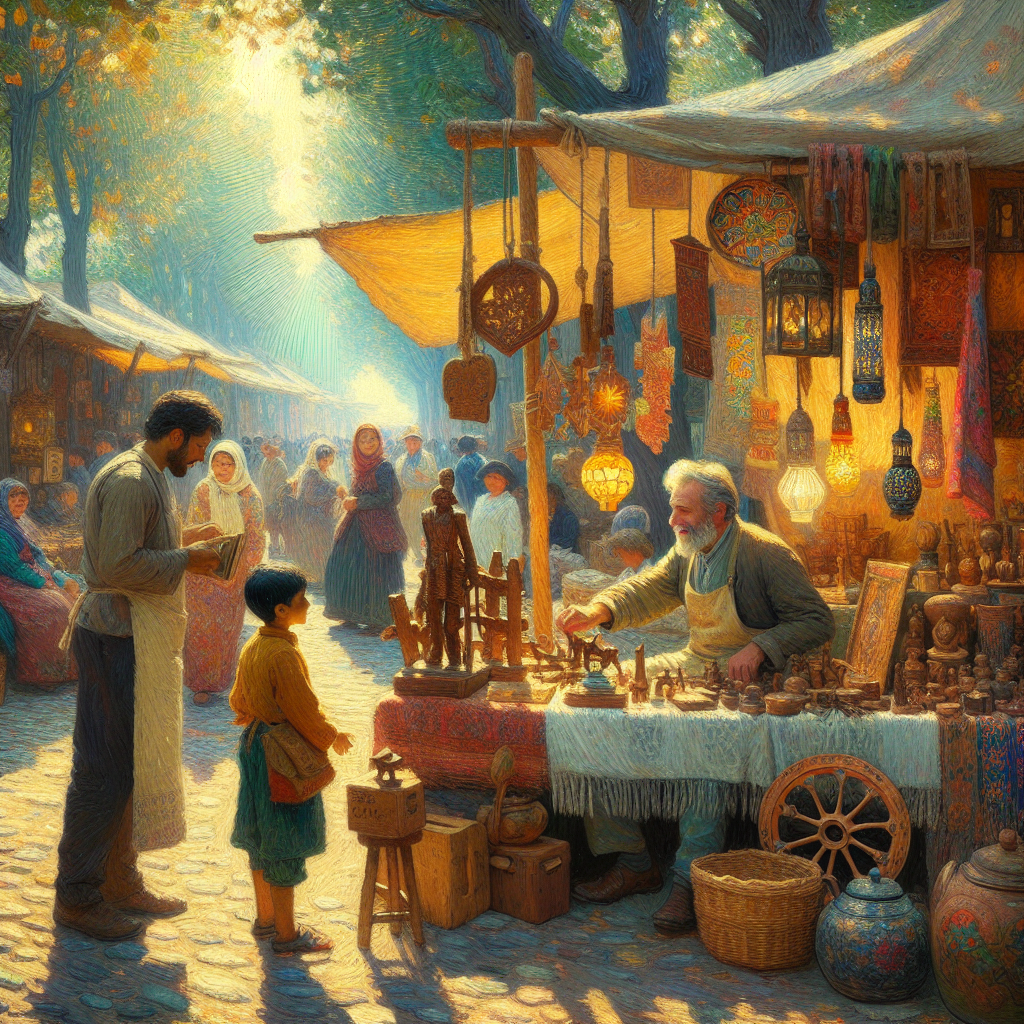
In a world where life is often a stage and every moment can turn into a headline, the balance of privacy and legacy has become a delicate dance. Legacy storytelling is not merely a personal memoir; it’s a mosaic of moments that shape how we’re remembered. Each choice we make about what to share, and what to keep hidden, affects this narrative. Let’s consider the story of a young woman named Sarah. Driven to build her career and share every success on social media, she posted daily updates, celebrating achievements and milestones. But as her online presence expanded, so did the unsolicited scrutiny. With that came doubt and pressure, overshadowing her original intentions.
Her experience resonates because it reflects a common dilemma: in the quest for recognition, we often surrender a piece of our identity. Privacy, in this context, isn’t just about hiding; it’s about preserving the essence of who we are, allowing our true selves to shape our legacy without distortion. The implications are profound. Beyond our individual stories, it’s a collective challenge. Society leans towards transparency, yet each viral post raises questions about authenticity and the lasting imprint of our digital footprints.
Take the story of a grandfather, whose life lessons were overshadowed by the constant scrutiny of his family’s online personas. They often shared snippets of their lives without realizing the weight borne by the patriarch’s legacy. The disconnect between their digital selves and their real-world interactions left him feeling like a mere spectator in his own legacy storytelling, a figure overshadowed by curated highlights that rarely included the messy, beautiful, and often imperfect moments that defined their family.
This tug-of-war between privacy and legacy is a reflection of our values, ethics, and the very foundation of trust within our relationships. The stories we share and the ones we guard influence not just our memories but also how future generations will perceive us. When we invite vulnerability into our narrative, we foster connections rooted in authenticity, inspiring others not just to tell their stories but to engage in thoughtful legacy storytelling that honors the complexity of the human experience.
As individuals, we must ask ourselves: How do we wish to be remembered? It’s about making conscious choices that reflect our true selves, balancing the desire for connection against the need for privacy. Each story exemplifies the powerful interplay between these elements, shaping a legacy that speaks to the heart and resonates through time.

What Stories Illustrate the Impact Of Privacy on Legacy?
What Stories Illustrate the Impact Of Privacy on Legacy?
- The balance between privacy and legacy is a complex challenge in today’s digital age.
- Legacy storytelling encompasses a collection of moments that influence how individuals are remembered.
- Sarah’s story highlights the struggle between sharing successes online and the resulting scrutiny and pressure.
- Privacy is essential for preserving personal identity in the face of public exposure.
- The grandfather’s experience shows how family online personas can overshadow genuine legacy-building moments.
- Authenticity and vulnerability in storytelling foster deeper connections and enrich legacy narratives.
- Individuals must consciously choose how they wish to be remembered, balancing connection with the need for privacy.
What Stories Illustrate the Impact Of Privacy on Legacy?
How Does Our Desire for Privacy Resonate with Societal Norms?
In a world where sharing seems to come second nature, the yearning for privacy stands as a testament to our humanity. It connects deeply to our legacy, echoing a storytelling tradition that’s as old as civilization itself. Every great tale we’ve heard—from the whispers around the campfire to the ink-stained pages of history—has been woven with threads of vulnerability. Those personal stories are not mere fragments of life; they shape our collective identity and remind us of the importance of discretion amidst the noise.
Consider the gut reaction we get when something feels too exposed. It stirs a protectiveness as primal as instinct. Privacy isn’t just about keeping secrets; it’s about safeguarding our right to choose what narratives we share. When others invade that space, it’s a violation, a breach of trust that strikes at the core of our values. Our desire for privacy is a call to action, an assertion of our autonomy in a society that often prioritizes connectivity over individuality.
In today’s digitally driven era, where personal data is bartered like currency and algorithms dictate our experiences, the push for privacy becomes not just appealing but essential. It fosters a rational understanding of self-preservation. The more we expose ourselves, the more we risk losing our essence in a sea of noise. We become mere data points, stripped of our unique stories, and that is where alarm bells ought to ring. The ethical implications of neglecting our desire for privacy challenge our very fabric as a community. The question we face isn’t just about data security but about the inherent dignity we owe each other.
Narratives abound of individuals who have lost their sense of safety and self due to this erosion of privacy. Their stories resonate, igniting a fire within us all. We recognize their struggle; we empathize because it could easily be our own story. As we navigate this complicated landscape, we find strength in solidarity—an understanding that we’re all in this together.
Conversations around privacy should inspire trust and confidence as we advocate for our rights. It’s about reclaiming power and respecting the power of others. Embracing a culture that values privacy is not just a personal mission but a societal endeavor. Let’s hold onto our stories and protect what matters. In doing so, we foster a deeper connection with ourselves and each other, regardless of the shifting norms around us.

How Does Our Desire for Privacy Resonate with Societal Norms?
How Does Our Desire for Privacy Resonate with Societal Norms?
- The yearning for privacy connects to our humanity and storytelling tradition.
- Personal stories reflect our collective identity and the importance of discretion.
- Privacy safeguards our right to choose which narratives to share.
- Invasions of privacy represent a breach of trust and autonomy in a connected society.
- The digital age intensifies the need for privacy amid data exploitation.
- Erosion of privacy risks reducing individuals to mere data points, threatening their dignity.
- Embracing a culture of privacy is essential for fostering trust and societal connection.

How Does Our Desire for Privacy Resonate with Societal Norms?
Who Benefits Most From Stringent Privacy Measures?
In an age inundated with data, the question of who stands to gain from strict privacy measures isn’t just academic—it’s personal. Imagine a person, let’s call her Jane, who navigates the complexities of life while being bombarded by constant surveillance. Her legacy storytelling, shared at family gatherings, should reflect her triumphs, joys, and struggles, not be exploited for profit. Stringent privacy measures empower individuals like Jane to reclaim their narratives, ensuring her story is hers to tell.
When governments and corporations impose power without oversight, they erode trust, creating an avalanche of anxiety that we all feel. We know our information is valuable, but who decides how much and to whom it’s sold? The ethical implications loom large. Privacy measures serve as a vital line of defense, protecting our data from being harvested like ripe fruit in a digital orchard. By advocating for stronger privacy regulations, we are not just passing laws; we are fostering a culture of respect and dignity.
Consider this: a world where your online interactions are cloaked in security, your identity shielded from prying eyes. That peace of mind goes beyond pragmatism; it resonates on a human level. By implementing stringent privacy measures, we cultivate an environment where people can engage openly, be it in political discussions, personal revelations, or sharing sensitive experiences. There’s strength in vulnerability, and with robust privacy protections, individuals can speak their truths without fear of repercussions.
Let’s not underestimate the power of community. We often rally around shared values. Strong privacy measures are not just for the tech-savvy or the wealthy; they benefit everyone. From the single mother seeking employment to the activist fighting for change, each person’s story adds texture to our collective narrative. The safer our individual stories, the richer our societal tapestry becomes. We all thrive when everyone has the assurance that their voice won’t be drowned out by fear of exposure.
Ultimately, implementing stringent privacy protections is a clarion call to action, asking us to champion a future where individual stories are safeguarded and celebrated. Trust in our digital society hinges on how we protect our personal treasures—our legacy. When we value privacy, we not only honor our own experiences but the experiences of others, ensuring that the stories we share are woven together in a tapestry of respect and understanding. Each thread, carefully protected, strengthens the fabric of our shared humanity.

Who Benefits Most From Stringent Privacy Measures?
Who Benefits Most From Stringent Privacy Measures?
- Privacy measures are essential for individuals to reclaim their personal narratives and protect their stories.
- Government and corporate power without oversight erodes trust and increases anxiety about data privacy.
- Strong privacy regulations are critical for safeguarding personal information from exploitation.
- Robust privacy protections foster open engagement in discussions and sharing of sensitive experiences.
- Privacy benefits everyone, not just the wealthy or tech-savvy, enriching the collective narrative.
- Implementing privacy protections is a call to champion individual stories and trust in the digital society.
- Valuing privacy strengthens respect and understanding, enhancing the fabric of shared humanity.

Who Benefits Most From Stringent Privacy Measures?
What Ethical Dilemmas Arise From Our Privacy Choices?
In today’s digitally connected world, our privacy choices often feel like a dizzying tightrope walk between convenience and caution. With every click, we contribute to a legacy—our digital legacy. Yet, each choice we make can pose ethical dilemmas that ripple far beyond our screens.
Let’s face it: we live in a time when sharing has become the norm, and the price of admission is our privacy. We trade personal information for services, scrolling through apps that gather our data like eager collectors. It seems harmless, doesn’t it? But every “like” and “share” slowly builds a narrative—an intricate tapestry of who we are. This legacy storytelling is often unwitting, collecting threads of our identity that can be woven into something we hardly recognize.
But there’s a deeper story lurking in the shadows of our digital footprint. When we choose convenience, we often ignore the implications. Who governs that information? And what happens when those we trust misuse it? The ethical landscape grows murky as data becomes a commodity, leading to questions of ownership and accountability. Are we willing to accept that our information might be wielded like a weapon against us by corporations, or worse, hackers? The gut-check comes here: the trust we once placed in those companies now hangs by a thread.
Ethically, we must consider our role as stewards of our data. It’s not just about what we choose to share but what we inadvertently give away. Should we advocate for stricter regulations to protect our information, or does that hinder innovation? It’s a delicate balance that makes you ponder the age-old question: where does our responsibility end, and where does the authority of corporations begin?
We need to engage in the conversation—not as passive consumers but as active participants. When we start discussing these dilemmas in our communities, we foster connection and understanding. When was the last time you had an honest chat about privacy with a friend? It’s time to create a culture where these discussions are common. By sharing our stories and experiences, we empower each other to make conscious choices.
As we navigate this complicated terrain of privacy, we must remember: every decision we make is not just about us. It’s about the legacy we wish to leave for those who’ll follow in our digital footsteps. Let’s ensure they inherit a landscape that respects their choices, celebrates their privacy, and cherishes their stories.

What Ethical Dilemmas Arise From Our Privacy Choices?
What Ethical Dilemmas Arise From Our Privacy Choices?
- Privacy choices in a digital world create a balance between convenience and caution.
- Sharing personal information has become the norm, leading to the creation of a digital legacy.
- Every interaction builds a narrative about our identity, often without our awareness.
- Choosing convenience raises ethical dilemmas regarding data ownership and accountability.
- Trust in corporations handling our data is increasingly fragile.
- Active engagement and discussions about privacy in communities are essential for empowerment.
- Each decision impacts not just ourselves but the future digital landscape for others.

What Ethical Dilemmas Arise From Our Privacy Choices?
What Are the Emotional Consequences Of Losing Our Privacy?
In a world increasingly devoid of privacy, the emotional landscape shifts dramatically, like an old tree’s roots exposed to harsh winds and heavy rains. We often underestimate the power of what we can’t see—the silent toll of lost privacy on our sense of self, our relationships, and our society. Imagine for a moment that every cherished memory, every personal achievement, and every moment of vulnerability is laid bare for the world to judge. This isn’t merely about data breaches; it’s about a human experience layered in Legacy Storytelling—our precious narratives at risk of being rewritten by external influences.
What does it mean when we surrender our personal space, step by step, permission by permission? The gut clenches at the thought. Our emotional well-being hinges on control—the ability to choose when and how we open up. Every time someone else decides how our story unfolds, we lose a piece of ourselves. This isn’t just armchair philosophy; it’s an ethical dilemma at the core of our humanity. We deserve to protect our narratives, to retain the autonomy that defines us.
Consider the impact on relationships. Trust is the foundation of connections, and nothing erodes that foundation faster than exposure. Friends, family, and colleagues might not see the common threads in our tapestry of life if external forces dictate the colors and patterns. The gut feeling of vulnerability intertwines with a rational fear: if we can’t trust one another to respect boundaries, what happens to the trust that binds us?
Social appeals come into play here. When privacy vanishes, we find ourselves in a world where everyone knows too much, leading to a pervasive sense of isolation. The irony is palpable; in a digitally connected age, we can feel more alone than ever. We might scroll through carefully curated lives yet feel disconnected from our own.
This emotional reckoning demands action. It calls upon us to reclaim our voices, to share our stories on our terms. We can foster a culture that values and protects personal narratives. It’s time to stand up, engage, and redefine the boundaries of our stories. Let’s invite the world to respect our privacy, ensuring that we don’t lose the essence of what makes us human. Together, we can restore trust and preserve our legacy by valuing the rich tapestry of our experiences without the fear of exposure. The heart, the head, and the gut all deserve a say in forging a future where privacy is not just a luxury but a fundamental right.

What Are the Emotional Consequences Of Losing Our Privacy?
What Are the Emotional Consequences Of Losing Our Privacy?
- The loss of privacy significantly impacts our emotional landscape and sense of self.
- Every personal narrative risks being rewritten by external influences when privacy is compromised.
- Control over personal space is crucial for emotional well-being and autonomy.
- Exposure erodes trust, which is essential for healthy relationships.
- The lack of privacy contributes to feelings of isolation in a digitally connected world.
- There is a pressing need to reclaim our voices and protect our personal stories.
- Privacy should be regarded as a fundamental right, not a luxury.

What Are the Emotional Consequences Of Losing Our Privacy?
Conclusion
In a world deeply entwined with technology, the clash between privacy and legacy is becoming increasingly palpable. As we navigate through life, our personal stories—those that shape our identity and echo through generations—are at risk of being lost or distorted. In protecting our individual narratives, we must remember that they’re not just our own; they are the building blocks of our collective history. Engaging in legacy storytelling is not merely about preserving memories; it’s a vital connection to our roots, encompassing the struggles and triumphs that define us.
Consider the emotional weight carried by family stories—like a grandparent relaying experiences of hardship and resilience—these narratives shape the character of future generations. Each story is a thread, weaving a tapestry of lessons learned and wisdom earned. Yet, when privacy barriers keep these tales untold, we deprive emerging generations of crucial insights. The wisdom of our experiences serves as a guide in navigating life’s complexities; silencing these stories risks raising a generation less equipped to face the world.
Rationally, keeping our experiences behind closed doors fosters disconnection. The lack of shared narratives creates a gap between us and those who come after. At its core, our legacy storytelling is not just a familial endeavor; it’s a communal responsibility. We owe it to each other to share not only our victories but also our vulnerabilities, reinforcing the idea that strength comes from acknowledging our shared flaws.
Ethically, every person holds a narrative that deserves respect and protection. In relinquishing the power of our stories to technology and data-driven entities, we confront a haunting thought: Are we trading our rich heritage for fleeting conveniences? This demand for balanced privacy in the face of innovation is not just necessary; it is a fundamental aspect of our humanity. We must assert our right to shape our stories, establishing boundaries that honor both our individuality and our community ties.
Today, as we face this intricate dance between privacy and progress, it’s essential to advocate for shared values that preserve our legacies. Strong privacy measures empower us to own our stories and guard them against exploitation, encouraging a culture of trust and authenticity. By fostering open conversations about privacy, we reclaim control of our narratives and build a future that respects both our personal stories and those of others.
Let’s commit to valuing privacy, recognizing its significance not just for ourselves but for each other. In doing so, we create a society that champions connection through shared stories, forging bonds that uplift our collective human experience. The stories we tell are not mere reflections of our past; they are the foundation upon which we build our future.

Conclusion
Conclusion:
- The clash between privacy and legacy intensifies in a technology-driven world.
- Personal narratives shape identity and contribute to collective history.
- Family stories convey resilience and wisdom, essential for future generations.
- Silencing these stories hinders the development of well-equipped individuals.
- Legacy storytelling is a communal responsibility that fosters connection.
- Maintaining ethical control over our narratives is critical in a data-driven society.
- Advocating for privacy measures helps preserve stories and nurtures trust within communities.

Conclusion
Other Resources

Other Resources
Here is a list of other resources you can review online to learn more:
- MyMoriam
- AmericanAncestors
- Can Telling and Preserving Personal or Family Legacy Stories Be Therapeutic?
- LegacyLearned
- Postumo
- How To Write Legacy Stories That Appeal To The Heart, Gut and Head
- Funeral Finder
- Memorial Matters
- How To Write Legacy Story Headlines That Appeal To The Heart, Gut and Head
- PartingWishes
- Legacy
- EverNote
- How to Avoid Losing Your Family History One Generation at a Time
- FuneralWise
- Geni
- LegacyFamilyTree
- Forever Missed
- YouMattered
- Meminto
- LegalZoom
Use This Prompt To Get More Resources With Your Favorite Online AI Tool: Please provide me with a list of online articles with their URLs in a bulleted list that I can read regarding When Privacy Blocks Posterity

Other Resources
Glossary Terms
When Privacy Blocks Posterity – Glossary Of Terms
1. Privacy: The state of being free from public attention or scrutiny; the right to keep personal information confidential.
2. Posterity: Future generations or descendants; the people who will come after the current population.
3. Anonymity: The quality of being anonymous; a state in which an individual’s identity is unknown or concealed.
4. Surveillance: Monitoring or observation, often by authorities, to gather data about individuals or groups.
5. Confidentiality: Ethical principle or legal requirement that information shared in a trust relationship is to be kept secret.
6. Data Protection: Regulations and measures aimed at safeguarding personal data from misuse, theft, or loss.
7. Informed Consent: Permission granted with full knowledge of the consequences; crucial in data collection and privacy matters.
8. Digital Footprint: The trail of data one leaves while using the internet, including websites visited and interactions online.
9. Right to be Forgotten: The concept that individuals have the right to have certain data deleted so that third parties can no longer trace them.
10. Surrogate Privacy: A situation where someone’s privacy is protected on behalf of another person, often in legal or medical contexts.
11. Censorship: The suppression or prohibition of speech, public communication, or other information considered objectionable.
12. Freedom of Speech: The right to express information, ideas, and opinions without government interference.
13. Ethical Dilemma: A situation in which a choice must be made between conflicting moral principles, particularly regarding privacy.
14. Transparency: The practice of being open and clear about the policies and practices of an organization regarding personal data.
15. Data Breach: An incident where unauthorized access is gained to sensitive or protected data.
16. Identity Theft: The unlawful use of another’s personal information for fraud or deception.
17. Consent Management: Tools and practices that help individuals control their privacy preferences regarding how their personal information is used.
18. Privacy Policy: A legal document that discloses how an organization collects, uses, and protects user data.
19. Decentralization: The distribution of authority and data away from a central location, enhancing privacy and control.
20. Metadata: Data that provides information about other data, often used in digital communications and privacy assessments.
21. Public Interest: The welfare or well-being of the general public, often used to justify breaches of privacy.
22. Social Contract: An implicit agreement among members of society to cooperate for social benefits, which may include privacy considerations.
23. Personal Data: Any information that relates to an identifiable individual, including names, addresses, and biometric data.
24. Impact Assessment: A systematic evaluation of the potential implications of an action, especially related to privacy and data use.
25. Data Minimization: A principle that encourages organizations to limit the collection of personal data to what is necessary for a specific purpose.
26. Crowdsourcing: Obtaining information or services from a large group of people, often through the internet, which can raise privacy concerns.
27. Privacy Engineering: The design and implementation of systems that address privacy risks and promote the protection of personal data.
28. Pseudonymization: The process of replacing private identifiers with fake identifiers or pseudonyms to preserve privacy.
29. Legal Framework: The laws and regulations governing privacy and data protection within a jurisdiction.
30. Intergenerational Ethics: The study of moral relationships between current and future generations, often focusing on the implications of privacy policies.

Glossary Of Terms
Other Questions
When Privacy Blocks Posterity – Other Questions
If you wish to explore and discover more, consider looking for answers to these questions:
- How can I preserve family stories and memories while protecting sensitive personal details?
- What practical tools and platforms exist for secure legacy storytelling?
- How should families decide which stories to share publicly and which to keep private?
- What legal rights do individuals have over their digital legacy after they die?
- How do data-protection laws (e.g., GDPR, CCPA) affect legacy storytelling and access to records?
- What are best practices for obtaining consent from people featured in personal stories?
- How can traumatic or vulnerable experiences be shared ethically without re-exploiting the storyteller?
- Who bears responsibility when companies monetize or misuse personal narratives and data?
- What are the risks of storing family archives on cloud services versus offline methods?
- How can anonymization or redaction preserve a story’s value while protecting identities?
- How do cultural norms influence attitudes toward privacy and posterity across generations?
- What trade-offs between innovation and privacy should policymakers consider?
- How might stringent privacy rules hinder research, journalism, or historical preservation?
- Which populations are most vulnerable to privacy erosion and loss of legacy, and why?
- How can schools and communities teach legacy storytelling responsibly in a digital age?
- What role should tech companies play in facilitating secure, long-term access to personal stories?
- How do we evaluate when transparency serves the public good versus when it harms individuals?
- What processes ensure family members agree on how shared archives are managed and who controls access?
- How can activists and dissidents protect their stories under surveillance or repressive regimes?
- What ethical frameworks can guide decisions about preserving versus suppressing certain historical narratives?
- How do online reputations and curated social media content distort future generations’ understanding of a person?
- What steps can individuals take now to document their values, lessons, and life experiences for posterity?
- How should organizations balance data security with transparency and accountability?
- What are the emotional consequences for survivors when family histories are lost or erased?
- How can public policy protect both individual privacy and collective cultural memory?
Other Questions
Haiku
When Privacy Blocks Posterity – A Haiku
Stories intertwined,
Legacy forged in silence,
Trust lost in the light.

Haiku
Poem
When Privacy Blocks Posterity – A Poem
In a world where stories lie in wait,
The shadows of privacy shape our fate.
Whispers of wisdom, tales untold,
Lessons of courage that we should uphold.
Close the curtains tight, yet at what cost?
For in silence and secrets, our legacies are lost.
A grandparents struggle, a resilient cheer,
Will fade into darkness, drowned by mere fear.
Each click we surrender, each narrative shared,
Threads of connection weave our souls bared.
Yet as we chase progress, our essence we trade,
In lieu of our stories, our identities fade.
Values erode when securitys sought,
In digital fortresses, our humanitys caught.
Trust hangs by a thread, fraying at the seams,
When data defines us, were lost in our dreams.
But hope shines through stories held dear,
In sharing our truths, the bonds reappear.
Let’s gather our voices, let our legacies flow,
For in each heartfelt story, our humanity grows.
Through the fog of privacy, let clarity stand,
To embrace the narratives that connect hand in hand.
Together we forge, a tapestry bright,
Where privacy nurtures the legacy of light.

Poem
Checklist
When Privacy Blocks Posterity – A Checklist
Emotional Appeals
✅______ Reflect on personal stories: What legacy do you want to share with future generations?
✅______ Identify emotional lessons from your experiences: How can they provide courage to others?
✅______ Consider the impact of your narratives: Are you cultivating connections or widening distances?
Rational Appeals
✅______ Assess the trade-offs between privacy and progress: What conveniences are you willing to sacrifice for personal data security?
✅______ Evaluate the value of your memories and lessons: Are they worth sharing, or do they remain safely private?
✅______ Analyze the data you share online: Who has access, and how is it being used?
Ethical Appeals
✅______ Consider the implications of sharing personal information: What ethical responsibilities do you have when telling others’ stories?
✅______ Reflect on how you engage with technology: Are you prioritizing privacy in your digital interactions?
✅______ Advocate for responsible data practices: How can you support ethical standards in your community or workplace?
Authority Appeals
✅______ Seek out trusted voices in privacy advocacy: Who is leading the conversation on protecting personal narratives?
✅______ Consult resources on digital security: What guidelines do experts recommend for safeguarding your information?
✅______ Attend community discussions or forums: How can you learn from others’ experiences and insights?
Narrative Appeals
✅______ Share a pivotal story from your life: What lessons did you learn, and how can they guide others?
✅______ Engage in legacy storytelling with family: Are there untold stories in your family history that deserve to be shared?
✅______ Create a family tradition around storytelling: How can you encourage future generations to keep narratives alive?
Social Appeals
✅______ Connect with others about privacy concerns: Who in your circle is also interested in safeguarding their stories?
✅______ Participate in community storytelling events: How does sharing experiences strengthen social bonds?
✅______ Build supportive networks for narrative sharing: How can you create spaces where vulnerability is valued?

Checklist
At LegacyExplorations, we help people plan and explore their legacy by collecting information and news regarding end-of-life planning.
Please share this post with your friends, family, or business associates who may want help to plan or explore their legacy.