

Unmasking Deception: The Truth Behind Misleading Labels
By Tom Seest
At LegacyExplorations, we help people plan and explore their legacy by collecting information and news regarding end-of-life planning.
Please share this post with your friends, family, or business associates who may want help to plan or explore their legacy.
When Tags Lie
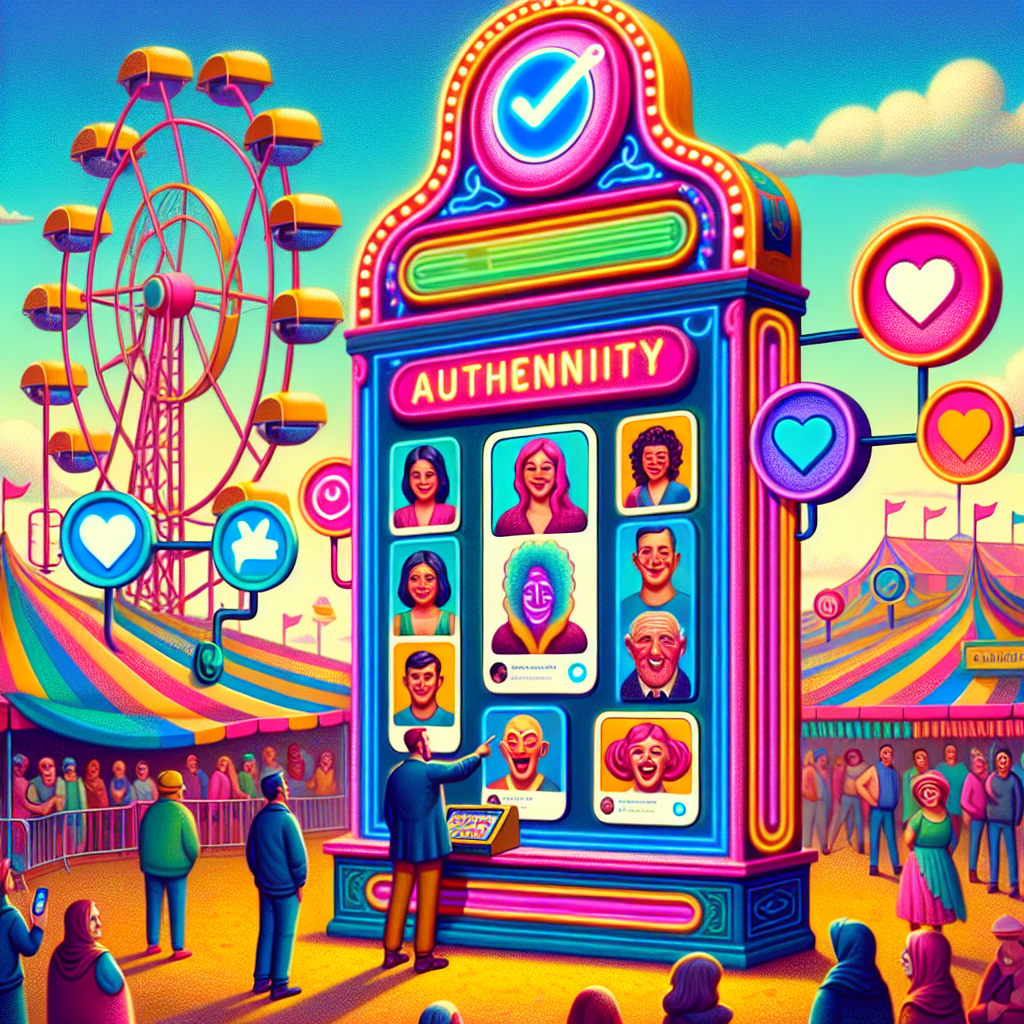
In a world overflowing with information, where tags and labels can paint an alluring picture, it’s crucial to look beneath the shiny surface. We’ve all seen it—a product that boasts “all-natural,” “locally sourced,” or “handmade” splashed across its packaging. It’s easy to drift toward these claims, letting our desires navigate our choices. But do those tags tell the complete story? More often than not, they obscure the real narrative, crafting a legacy that doesn’t align with reality.
Legacy storytelling is powerful. It shapes our perceptions and influences our decisions, often more than we realize. Imagine the farmer who pours their heart into growing organic crops, knowing each seed planted is part of a greater mission—a tale rich with integrity and hard work. Now, contrast that with a factory that slaps a “farm-fresh” tag on its products. The latter may sell more, but it diminishes the true value of hard-earned craftsmanship, cheapening the integrity of that heartfelt legacy.
We’re wired to connect over stories and experiences. Emotional appeals resonate deeply, urging us to choose authenticity over deception. A well-told story, whether it’s about a beloved family recipe or a community-driven project, draws us in, creating bonds that transcend mere transactions. But when tags lie, they fracture that trust. It’s not just about being misled; it’s about the disconnection from those real narratives that enrich our lives and inform our choices.
On a rational level, we must consider the costs of these fabrications. Not only do they mislead consumers, but they also undermine businesses that genuinely invest in quality and sustainability. This ethical dilemma nudges our conscience. Supporting truly authentic products fosters a marketplace where integrity thrives. We want to champion brands that uphold their commitments and understand that valuing truth creates a healthier economy.
As we navigate these choices, we must question the validity of what we consume—whether it feeds our bodies or our beliefs. Ask yourself: what story are you supporting with your dollar? Embrace the narratives that matter, those that are real and rooted in authenticity. By doing so, we cultivate a community built on trust and shared values. Let’s choose to amplify those stories that lift us up, foster connection, and inspire action. The right tags should guide us toward the truths we seek, not lead us astray.

When Tags Lie
When Tags Lie
- In a world of information, it’s important to look beyond appealing product labels.
- Claims like “all-natural” or “handmade” often obscure the true narrative behind products.
- Legacy storytelling influences perceptions and decisions about authenticity and value.
- Genuine craftsmanship is often undermined by misleading marketing tactics.
- Emotional stories create deeper connections, while deceptive tags fracture trust.
- Supporting authentic businesses promotes a marketplace of integrity and sustainability.
- Consumers should question the validity of products and support narratives rooted in authenticity.
When Tags Lie
Table Of Contents
- When Tags Lie
- What Happens When We Trust Tags That Mislead Us?
- How Do We Discern Truth In Tagging?
- Are We Losing Authenticity In Our Online Interactions?
- What Ethical Implications Arise From Deceptive Tags?
- How Can Misleading Tags Distort Our Perceptions?
- What Role Do Tags Play In Shaping Our Decisions?
- Who Benefits From Using False Tags In Marketing?
- Conclusion
- Other Resources
- Glossary Of Terms
- Other Questions
- Haiku
- Poem
- Checklist
What Happens When We Trust Tags That Mislead Us?
In a world rich with information yet thin on truth, we often find ourselves drawn to the shiny labels and catchy tags that promise everything from weight loss to life mastery. But what happens when these enticing claims are built on shaky ground? It’s not just about a momentary lapse in judgment; it’s about the deeper implications for our legacy. Each decision we make, every choice we trust, is a part of a greater narrative that defines who we are and how we relate to each other.
Think about it: how many times have you bought into a brand, a product, or an idea that turned out to be a letdown? At first, it felt like a win—the solution to your problem, the answer to your need. But as reality set in, that joy transformed into frustration and disappointment. These experiences can weigh heavily on us, shaping our worldviews and sowing distrust. We begin to question not just the product, but the very fabric of the promises made to us.
This is where legacy storytelling comes into play. Narrative constructs have power. They touch our hearts, spark our intellects, and resonate with our instincts. When we trust misleading tags, we aren’t just risking our wallets; we risk our relationships with those we hold dear and with our community. We must recognize that every misleading label isn’t merely a lie—it’s a fracture in the trust that binds us together. We feel it in our gut when a friend recommends a product that over promises yet under delivers. That feeling of betrayal isn’t just personal; it reverberates through our social circles.
Ethically, there’s an obligation—both on the part of the creators and the consumers—to foster honesty. For creators, authentic communication isn’t just good business; it builds loyalty and trust, paving the way for enduring relationships. For consumers, demanding transparency transforms us from passive recipients of information into engaged participants in our communities.
It’s about more than just one purchase; it’s about the legacy of trust we extend to the next generation. Our choices matter. When we support brands and messages that prioritize honesty over hype, we leave a legacy of authenticity. So, next time the shiny tag catches your eye, remember: beyond that surface gleam lies a deeper truth, one that can shape your life and those around you. Make choices that inspire confidence, not just in products, but in the narratives that we collectively weave.

What Happens When We Trust Tags That Mislead Us?
What Happens When We Trust Tags That Mislead Us?
- The abundance of information can lead to an absence of truth, making us susceptible to enticing claims.
- Disappointment from overhyped products can shape our worldviews and erode trust in broader societal promises.
- Legacy storytelling is crucial as it influences our relationships and community trust.
- Misleading labels fracture trust, creating feelings of betrayal when recommendations fail to deliver.
- There is an ethical obligation for both creators and consumers to foster transparency and honesty.
- Supporting brands that prioritize authenticity helps establish a legacy of trust for future generations.
- Choices made today impact not only individual lives but also the collective narrative we share.
What Happens When We Trust Tags That Mislead Us?
How Do We Discern Truth In Tagging?
In today’s world, where information flows like a river, discerning truth in tagging has become as crucial as it is complex. Just think about it: every tag is like a breadcrumb, leading us through the vast forest of the internet, with some paths well-trodden while others are rife with pitfalls. We need to recognize that tagging isn’t just a functional algorithm; it’s a legacy storytelling mechanism, a way to frame narratives that shape our understanding of truth.
When we approach the act of tagging, we must do so with intention. It’s not enough to pluck a keyword from the ether; we must consider the implications of our choices. Are we enhancing clarity or muddying the water? Every tag can be a bridge to connection or a wall of confusion. The heart of discerning truth lies in our motivation: are we tagging for visibility, to chase likes, or are we striving to tell a story that respects the topic and informs the audience?
The rational mind also plays a key role. When we tag, we should think critically about the content we’re classifying. Is the tag reflective of the narrative’s essence? A well-chosen tag functions as an ethical compass, guiding readers to information that genuinely resonates with their needs. It challenges us to ask: what does truth mean in this context? By embedding ourselves in that question, we elevate our tags from mere labels to markers of authenticity.
Our ethical duty extends to the communities we serve. When we engage thoughtfully with tagging, we foster a sense of trust. People begin to rely on our insights, perceiving us as authoritative figures in their quest for understanding. They feel more confident in following the paths we create. This social responsibility transforms tagging into a collaborative endeavor. Each interaction becomes part of a larger conversation, a contribution to the legacy storytelling that connects us across various experiences and backgrounds.
We must embrace the narratives that emerge from our tagging choices, understanding that they can either uplift or undermine. It’s about weaving stories that ring true, stories that resonate with the gut instinct of our audience. When we commit to honest tagging, we not only serve our own purpose but also honor the journey of those seeking truth in a world overloaded with noise. The responsibility is profound, and the rewards immeasurable, as we work together to create a tapestry of truth that binds us all.

How Do We Discern Truth In Tagging?
How Do We Discern Truth In Tagging?
- Tagging is essential for discerning truth in a complex information landscape.
- Tags serve as breadcrumbs through the internet, guiding users while also posing risks.
- Intentional tagging enhances clarity and understanding rather than confusion.
- Critical thinking is necessary to ensure tags reflect the essence of the content.
- Tagging responsibly builds trust within communities and establishes authority.
- Every tagging choice contributes to a larger narrative that connects diverse experiences.
- Honest tagging honors the search for truth amid an overwhelming amount of information.

How Do We Discern Truth In Tagging?
Are We Losing Authenticity In Our Online Interactions?
Are we losing authenticity in our online interactions? In a world where communication is often reduced to a series of pixels on a screen, it’s easy to feel disconnected. We scroll through curated lives, carefully crafted posts, and filtered representations of reality, but where does that leave genuine connection? Authenticity, like a well-established legacy, roots itself deeply in storytelling, shaping who we are and how we relate to one another.
Every one of us has a legacy that informs our identity. From the stories our parents tell to the experiences we share with friends, these narratives shape our beliefs and behaviors. Yet, in the cacophony of the digital age, it seems the stories that define us are being overshadowed by superficial interactions. We find it easier to react with emojis than to engage in person. But let’s take a moment to reflect; when did we start to strip away the richness of our individual experiences in favor of quick validations from strangers? The heart longs for more—real conversations, genuine laughter, and authentic expressions of who we really are.
Engagement isn’t merely a click or a like; it’s an invitation to connect on a deeper level. By embracing our own legacy storytelling, we can bridge the growing divide. Consider the last time you shared a personal memory or a heartfelt opinion on social media. Did it resonate? Did it spark a conversation? These moments remind us that authenticity holds power. It can foster trust in a realm often riddled with skepticism. When we choose to share our unvarnished truths, we don’t just reclaim our narrative; we also inspire others to do the same.
Now, let’s think about action. Each post is an opportunity—an opportunity to advocate for authenticity. We can choose to peel back the layers of the superficial to reveal the depth beneath. The ethical choice is to embrace vulnerability and openness, creating a culture that values true connection over the fleeting satisfaction of a like. By standing firm in our narratives and inviting others to share theirs, we contribute to a richer, more relatable online tapestry.
The challenge lies in resisting the urge to blend into the digital wallpaper. As we navigate this landscape, let’s prioritize authenticity; after all, our shared experiences are what make us human. Through legacy storytelling and authentic engagement, we not only enrich our own lives but also cultivate a collective narrative that honors the beauty of genuine connection.

Are We Losing Authenticity In Our Online Interactions?
Are We Losing Authenticity In Our Online Interactions?
- Online interactions risk losing authenticity due to curated and filtered representations of reality.
- Our personal legacies and storytelling shape our identities and connections.
- Shallow digital interactions often overshadow richer, genuine experiences.
- Real engagement transcends clicks or likes; it invites deeper connections.
- Authenticity in sharing personal memories can foster trust and inspire others.
- Each online post presents an opportunity for advocating true authenticity.
- Prioritizing authenticity enriches collective narratives and human connections.

Are We Losing Authenticity In Our Online Interactions?
What Ethical Implications Arise From Deceptive Tags?
In a world saturated with information, the truth should stand out like a lighthouse guiding lost ships home. Yet, when deceptive tags creep into our digital spaces, the very essence of integrity takes a hit, and the consequences ripple outwards. Deceptive tags aren’t just misleading; they jeopardize the tapestry of trust that connects us all. They warp reality and confuse the values that underpin our shared experiences, leaving us in an ethical quagmire reminiscent of a legacy storytelling gone awry.
Consider the small business owner, dedicating countless hours to honing their craft, crafting a narrative that resonates with customers. Now imagine their dismay upon discovering that competitors are using deceptive tags simply to capture their audience. Here, we’re faced with a moral dilemma: Does the end truly justify the means? It’s an uncomfortable thought, yet it provokes an essential conversation about ethics in commerce. Customers are drawn to authenticity, and when businesses choose deceptive practices, they gamble with their reputation for a fleeting advantage. This isn’t just bad business; it’s a betrayal of those who invest their time and trust in your brand.
Emotionally, the impact is profound. When consumers click on a tag promising something exceptional—only to find it’s a mere bait and switch—what happens? Disappointment sets in. Hearts sink, and faith in the marketplace bleeds out. Each deceptive tag isn’t merely a short-term tactic; it’s a fundamental breach of trust that can turn loyal patrons into skeptics. It’s a stark reminder that, in the age of information, transparency isn’t just a choice; it’s a responsibility.
Intellectually, we must grapple with the broader implications. The rise of algorithm-driven content has created a battleground where attention is the currency. However, utilizing deceptive tags undermines the very fabric of an informed society. It’s not just about making money; it’s about fostering an environment where honesty prevails and genuine connections thrive. When we speak truthfully, we empower our communities, encouraging a culture that values integrity over deception.
As we navigate this modern landscape, let’s engage with a narrative that seeks to inspire. Legacy storytelling teaches us the value of honesty, urging us to craft tales that uplift rather than deceive. The power of our words can either build bridges or create chasms. Choose wisely, for the stories we tell—and how we tell them—define not just our businesses but the society we inhabit. Transparency is more than a principle; it’s the foundation of trust worthy of its legacy.

What Ethical Implications Arise From Deceptive Tags?
What Ethical Implications Arise From Deceptive Tags?
- The truth should guide like a lighthouse, but deceptive tags undermine integrity.
- Deceptive tags jeopardize trust and warp shared values, leading to ethical dilemmas.
- Small business owners face unfair competition from those using misleading practices.
- Authenticity is essential; deceptive practices risk damaging reputations long-term.
- Consumer disappointment from bait-and-switch tactics breeds skepticism and distrust.
- Deceptive tags harm the foundation of an informed society and genuine connections.
- Honesty in storytelling is crucial for building a trustworthy and uplifting narrative.

What Ethical Implications Arise From Deceptive Tags?
How Can Misleading Tags Distort Our Perceptions?
In today’s fast-paced digital age, the reality we engage with can often feel like a carefully curated facade, meticulously crafted through misleading tags. These superficial labels can shape our understanding of everything from news to social media, steering us toward conclusions that may not reflect the truth. The danger lies not only in the facts we absorb but in the foundational narrative we accept as reality.
Consider the legacy storytelling that has been passed down through generations. Stories are more than mere entertainment; they shape our values, our beliefs, and our very identity. However, when the tags attached to these stories are misleading, they can distort our perceptions, altering the way we connect with the world. We’ve all encountered headlines that scream for attention—sensation over substance. These tags invite us to click, but they often conceal the truth, turning complex issues into sound bites. The emotional impact of these moments can be profound, leading us to judgment based on incomplete narratives, which in turn, shapes our social discourse.
This distortion is not merely an inconvenience; it’s a perilous endeavor that invites us to embrace assumptions without questioning their validity. When we allow misleading tags to dictate our perceptions, we risk losing our capacity for critical thinking. We become lemmings, following the latest trending story, our rational faculties dulled by the allure of simplicity. A well-placed tag can grant authority to opinions that lack substance, creating echo chambers where misinformation thrives, and genuine discourse is stifled.
Moreover, the ethical implications are staggering. As consumers of content, we possess the responsibility to scrutinize not just what we read but how it’s presented. We must foster a culture of integrity, where transparency and truth take precedence over sensationalism. It’s imperative to recognize that every misleading tag has the potential to influence our decisions, our values, and our relationships.
This is where the call to action lies. We must reclaim our narrative by questioning the tags we encounter daily. Instead of succumbing to the chaos of misleading labels, let’s engage in a legacy storytelling of our own—one grounded in truth, empathy, and a collective pursuit of understanding. By doing so, we can make our perceptions not just broader, but richer, inviting more profound connections and fostering a community built on trust and authenticity.

How Can Misleading Tags Distort Our Perceptions?
How Can Misleading Tags Distort Our Perceptions?
- The digital age fosters a perception of reality shaped by misleading tags.
- Superficial labels can distort our understanding of news and social media.
- Legacy storytelling influences our values, beliefs, and identity.
- Attention-grabbing headlines often conceal deeper truths and complexity.
- Misleading tags can weaken critical thinking and promote misinformation.
- Consumers of content have a responsibility to scrutinize how information is presented.
- We must reclaim our narrative by prioritizing truth and fostering genuine discourse.

How Can Misleading Tags Distort Our Perceptions?
What Role Do Tags Play In Shaping Our Decisions?
In a world bombarded by choices, tags play a pivotal role in shaping our decisions, quietly influencing everything from our shopping habits to our social interactions. Imagine walking through a store, surrounded by countless products, each vying for your attention. What draws you to one item over another? Often, it’s the tag—not just a label but a thread weaving a narrative, a legacy that tells a story beyond the price. This is where legacy storytelling comes into play.
Tags are our guides in a landscape brimming with options. They trigger emotions, evoking memories and experiences that resonate deeply. A brand that carries a tag with a rich backstory doesn’t just sell a product; it invites you into a community, a shared experience. When you choose a product adorned with a powerful tag, you’re not just acquiring an item; you’re participating in something larger—a legacy.
Consider how tags can invoke trust. A certification tag signals quality and ethics, reassuring us that our choices align with our values. Think about the last time you made a significant purchase. Chances are, that decision was influenced by the tag’s authority—the label that promises the highest standard. In a sense, these tags serve as beacons, guiding our gut feelings while simultaneously engaging our rational minds.
Emotionally, tags can resonate on a personal level, allowing us to forge connections with brands and products. A tag that tells a story about craftsmanship and sustainability can ignite a passion for responsible consumerism. When we see a tag that represents more than mere profit—when it symbolizes care for the planet or support for local artisans—we’re inspired to act, to choose differently. It’s this interplay between heart, head, and gut that empowers us as consumers.
Socially, we often make decisions based on tags that align with our peer groups. A tag that your friends trust can wield immense power, shaping our choices in ways we might not even realize. We’re compelled to share these experiences, passing on their stories like precious heirlooms. This word-of-mouth becomes a powerful form of legacy storytelling—it reinforces the idea that our decisions echo beyond ourselves, impacting others in our circles.
Ultimately, tags are more than mere identifiers; they are storytellers that shape our worldview and influence our choices. Whether through emotional connections, rational arguments, or social influence, they help us navigate the myriad paths available to us, making our decisions not just informed, but meaningful.

What Role Do Tags Play In Shaping Our Decisions?
What Role Do Tags Play In Shaping Our Decisions?
- Tags influence decisions by shaping shopping habits and social interactions.
- They serve as narrative threads beyond mere pricing, representing legacy storytelling.
- Tags evoke emotions and memories, creating a sense of community and shared experience.
- A certification tag signifies quality and ethics, aligning purchases with personal values.
- Tags facilitate emotional connections to brands, promoting responsible consumerism.
- Social influences often guide choices, with trusted tags impacting decisions among peer groups.
- Ultimately, tags are storytellers that shape perceptions and enhance meaningful decision-making.

What Role Do Tags Play In Shaping Our Decisions?
Who Benefits From Using False Tags In Marketing?
In the world of marketing, the practice of using false tags can appear to be a double-edged sword, cutting through the noise to grab attention while simultaneously risking integrity and trust. Yet, let’s not forget the power of legacy storytelling—a technique that connects us with our past, our values, and our aspirations. It’s easy to see how a slick campaign might lure us in, but underneath the surface, a more complex web is woven.
Let’s start with those deep-rooted emotional triggers. Consider the small business owner hustling to make their mark. They face the relentless competition of the marketplace, where authenticity and innovation are sometimes overshadowed by broader, more established brands. Here, a well-placed false tag may seem justifiable—a temporary crutch that serves a larger purpose. It could be a tag promising organic sourcing or a vintage craftsmanship story that merges with the brand’s legacy storytelling. They’re not just selling a product; they’re selling hope, a narrative that connects customers with something bigger than themselves.
But let’s not ignore the hard numbers. From a head perspective, false tags can lead to higher engagement rates, increased sales, and a swift entry into new markets. Rationally, organizations understand that in a crowded field, bold claims can elevate their message above the din. A customer, attracted by a flashy false tag, might just discover qualities they love about the product that run deeper than deception. That moment of realization fosters loyalty and sparks conversations, creating a ripple effect.
Yet, the ethical implications loom large. Using false tags raises questions of integrity and transparency, challenging marketers to weigh short-term gains against long-term relationships. While they may initially benefit from buzz, the risk of backlash looms; consumers are smarter and more connected than ever. When the truth comes out, trust is often irreparably damaged. Brands thrive on credibility, and a tarnished reputation is a heavy price to pay.
We’re all part of this intricate social fabric. When companies sidestep honesty, they aren’t just impacting their bottom line; they’re influencing the collective conscience of the marketplace. Stories are shared, relationships are forged, and a brand’s narrative becomes part of our own personal stories. The challenge is clear: elevate your legacy through truth and transparency, forging connections that resonate deeply with your audience. Trust might be an intangible asset, but its value is immeasurable. Engage, inspire, and lift society with authentic storytelling that leaves a lasting impression.

Who Benefits From Using False Tags In Marketing?
Who Benefits From Using False Tags In Marketing?
- False tags in marketing can attract attention but risk integrity and trust.
- Legacy storytelling connects brands with their past and values, creating a deeper narrative.
- Small business owners may use false tags as a temporary strategy against larger brands.
- False tags can lead to increased engagement and sales, fostering customer loyalty.
- The ethical implications of using false tags challenge long-term brand integrity and transparency.
- Consumer backlash can damage trust and tarnish a brand’s reputation.
- Authentic storytelling is essential for building lasting connections and societal impact.

Who Benefits From Using False Tags In Marketing?
Conclusion
In a marketplace cluttered with flashy tags and bold claims, the quest for authenticity becomes paramount. We live in an era where a simple label can sway our choices, shaping our beliefs and defining our interactions with the products we consume. But lurking beneath those enticing words lies a truth often obscured, one that deserves our attention. Misleading tags can distort not just our perception of products but also the very narratives that bind us together as a community.
When we encounter tags that promise the world but fail to deliver, the impact is personal and profound. It’s about trust—trust in the products we choose and the stories that accompany them. Each purchase we make reverberates through our social circles, creating ripples of influence that extend far beyond our individual experiences. When we opt for authenticity over deception, we aren’t just nurturing our wallets but fostering relationships built on integrity and respect.
The ethical implications of misleading tags cannot be understated. They undermine genuine businesses that pour their heart and soul into their craft. By choosing to support brands that prioritize honesty, we champion a culture where true value prevails. This is integral not only to personal satisfaction but also to the collective conscience of our commercial landscape. We must recognize that our choices reflect our values and that each decision is a thread in the legacy we leave behind.
As we navigate this intricate web of consumption, we must become discerning consumers, questioning the validity of the claims presented to us. Behind every tag, there is a story waiting to be uncovered—a narrative rich with dedication, authenticity, and community spirit. It’s time to peel back the layers and engage with those stories that resonate, that inspire genuine connections.
The power of legacy storytelling lies in its ability to connect us to our roots and remind us of what truly matters. Let’s choose to amplify narratives that lead us toward truth rather than empty promises. By valuing the stories that nurture our understanding and enrich our lives, we cultivate a marketplace rooted in trust, where authenticity reigns supreme. So, as we pick up our next product, let’s ask ourselves not just what it claims to be, but what story it truly tells. In doing so, we reclaim our power as consumers, together crafting a future built on integrity and shared values.

Conclusion
Conclusion:
- The quest for authenticity is crucial in a marketplace filled with misleading tags and bold claims.
- Labels can significantly influence consumer choices and shape beliefs about products.
- Misleading tags can distort perceptions and affect community narratives.
- Trust in products and their accompanying stories is essential for meaningful consumer relationships.
- Supporting brands that prioritize honesty fosters a culture of integrity and respect.
- Consumers should question the validity of claims and uncover the stories behind products.
- Valuing genuine narratives cultivates a marketplace centered on trust and collective values.

Conclusion
Other Resources

Other Resources
Here is a list of other resources you can review online to learn more:
- Can Telling and Preserving Personal or Family Legacy Stories Be Therapeutic?
- PartingWishes
- Everplans
- Memorial Matters
- Funeral Finder
- YouMattered
- Obituary Templates
- LifeWeb 360
- FutureMe
- MyWishes
- Xarona
- MyMoriam
- Trust And Will
- DocuBank
- How To Write Legacy Stories That Appeal To The Heart, Gut and Head
- LifeBio
- Ancestry
- NoLo
- StoryCorps
- Forever Missed
Use This Prompt To Get More Resources With Your Favorite Online AI Tool: Please provide me with a list of online articles with their URLs in a bulleted list that I can read regarding When Tags Lie

Other Resources
Glossary Terms
When Tags Lie – Glossary Of Terms
1. Allegation: A claim or assertion made without proof, often in a legal context.
2. Authentication: The process of verifying the legitimacy or truth of information or data.
3. Bias: A tendency to favor one perspective or outcome over others, potentially skewing information.
4. Clickbait: Sensationalized content designed to attract attention and encourage clicks often misleadingly.
5. Data Manipulation: The act of intentionally altering data to present a misleading narrative.
6. Disclosure: The act of releasing or revealing information, often in the context of confidentiality.
7. Disinformation: Deliberately false or misleading information spread with the intention to deceive.
8. Echo Chamber: An environment where a person only encounters information or opinions that reinforce their own.
9. Fact-checking: The process of verifying the accuracy of claims or information against established facts.
10. Fabrication: The act of inventing false information or data, often for malicious purposes.
11. Gaslighting: A form of psychological manipulation where false information is used to make someone doubt their perceptions.
12. Hoax: A maliciously fabricated falsehood, often intended to deceive a large audience.
13. Influencer: An individual who has the power to affect the purchasing decisions of others due to their authority or popularity.
14. Misinformation: Incorrect or misleading information spread without the intent to deceive.
15. Narrative: A spoken or written account of connected events; a framework for understanding information.
16. Outrage Economy: A system where profit is derived from outrage, often amplified by social media.
17. Overgeneralization: Drawing broad conclusions based on insufficient evidence or limited examples.
18. Perception Management: The process of influencing how information is perceived by others.
19. Propaganda: Biased information used to promote a particular agenda or viewpoint.
20. Rhetoric: The art of persuasive speaking or writing, often used to sway opinions.
21. Scare Tactics: Strategies that use fear to influence behavior or beliefs.
22. Sensationalism: The use of shocking or exaggerated information to provoke strong reactions.
23. Skepticism: An attitude of questioning or doubting accepted facts or beliefs.
24. Source Credibility: The trustworthiness and reliability of the origin of information.
25. Subterfuge: Deceptive strategies used to achieve a goal or mislead others.
26. Transparency: Openness in communication that fosters trust by being clear about intentions and truths.
27. Viral Content: Information that rapidly spreads online, often regardless of its accuracy.
28. Whistleblower: An individual who exposes secretive or illegal activities within an organization.
29. Widespread Misunderstanding: A common belief or interpretation that is erroneous.
30. Zooming In/Out: A perspective technique used to focus on specific details before examining the broader context or vice versa.

Glossary Of Terms
Other Questions
When Tags Lie – Other Questions
If you wish to explore and discover more, consider looking for answers to these questions:
- Which specific tags and buzzwords are most commonly misleading (e.g., “natural,” “eco-friendly,” “handmade”)?
- How can I verify whether a tag or label is backed by an independent certification?
- Which certifications are trustworthy and what do they actually guarantee?
- What steps can consumers take to fact-check claims on packaging or online listings?
- Are there apps, databases, or websites that help verify product claims and tags?
- What legal regulations govern labeling and false tags in my country or region?
- What penalties or enforcement actions do companies face for using deceptive tags?
- How widespread is tag-based deception across different industries (food, cosmetics, fashion, supplements, tech)?
- Which industries are most prone to using deceptive tags and why?
- How do deceptive tags distort market competition and pricing?
- How do search algorithms and platform ranking systems amplify misleading tags?
- What responsibilities do marketplaces and social platforms have for policing false tags?
- How can small or authentic businesses protect themselves from competitors using false tags?
- What are notable real-world examples or case studies of brands exposed for deceptive tagging?
- How do misleading tags erode consumer trust over time?
- What psychological factors make consumers susceptible to tag-driven persuasion?
- How can I teach friends and family to spot misleading tags and claims?
- What role do journalists, influencers, and reviewers play in exposing or perpetuating false tags?
- How should honest brands communicate authenticity without resorting to manipulative marketing?
- What ethical principles should guide responsible tagging and labeling?
- How can content creators and taggers avoid accidental mis-tagging or misleading categorization?
- What industry standards or best practices exist for tagging content online and in commerce?
- Could technologies like blockchain or AI be used to verify the authenticity behind tags?
- How can consumers report deceptive tags and which agencies or platforms handle such complaints?
- How do misleading tags contribute to greenwashing and distort sustainability claims?
- What impact do deceptive tags have on local producers and marginalized communities?
- What does “legacy storytelling” mean in practice, and how can it be used ethically?
- How can we balance compelling storytelling and marketing with factual accuracy?
- What steps can a brand take to rebuild trust after being caught using deceptive tags?
- What questions should I ask a seller or manufacturer before trusting a tag or label?

Other Questions
Haiku
When Tags Lie – A Haiku
Labels conceal truth,
Crafting tales of false promise,
Choose the real story.

Haiku
Poem
When Tags Lie – A Poem
In a world where tags gleam and shine,
We wander paths that promise divine.
“All-natural,” they boldly claim,
Yet truths lie hidden, blurred by fame.
We yearn for stories that speak from the heart,
Crafted with care, a true work of art.
But misleading labels fracture our trust,
Turning hope into skepticism, as is just.
The farmers toil, the craftsman’s hand,
Speak of legacies we hold so grand.
Yet, when tags deceive, we lose our way,
Voids of connection where once we’d sway.
With every choice, we shape our fate,
Supporting the honest, fostering weight.
Choice becomes a story we tell,
A tapestry woven, where truths dwell.
We must question, search for the real,
Beyond the allure, let authenticity feel.
For what is a tag if not a bridge,
To connections of meaning, a heartfelt ridge.
Let’s reclaim the narrative, rise to the call,
Embrace the true essence, let honesty enthrall.
In the realm of the tagged, let us stand tall,
And choose to uplift, to inspire us all.

Poem
Checklist
When Tags Lie – A Checklist
Emotional Appeal
✅______ Reflect on your feelings when confronted with product labels that evoke strong emotions (e.g., “all-natural,” “local”).
✅______ Consider personal stories that connect you to brands or products—does their narrative resonate with you?
✅______ Acknowledge the impact of disappointment when a product doesn’t meet its advertised claims.
Rational Appeal
✅______ Analyze the claims of products critically—do the tags align with evidence of quality or authenticity?
✅______ Research the origins of misleading labels—what are the true stories behind these products?
✅______ Assess the comparison between brands using honest vs. deceptive practices.
Ethical Appeal
✅______ Ask yourself about the moral implications of your purchases. Are you supporting integrity and honesty?
✅______ Consider the ethical responsibilities of both consumers and producers in fostering transparent practices.
✅______ Evaluate how your purchasing decisions affect the marketplace and other businesses.
Authority Appeal
✅______ Seek out reliable sources or certifications that reinforce a product’s authenticity.
✅______ Identify brands that demonstrate a commitment to ethical labeling practices.
✅______ Follow thought leaders who advocate for transparency in marketing and labeling.
Narrative Appeal
✅______ Engage with brands that share compelling stories behind their products. Does their narrative inspire trust?
✅______ Reflect on how legacy storytelling shapes your perception of brands and their products.
✅______ Share your own story of how a brand made a positive or negative impact in your life.
Social Appeal
✅______ Connect with your community about experiences with misleading tags—what stories have emerged?
✅______ Foster conversations about authenticity in product labeling on social platforms.
✅______ Influence others by sharing your commitment to supporting brands that uphold transparency and integrity.

Checklist
At LegacyExplorations, we help people plan and explore their legacy by collecting information and news regarding end-of-life planning.
Please share this post with your friends, family, or business associates who may want help to plan or explore their legacy.