

Unveiling Truths: How Ai Chronicles Our Shared Humanity
By Tom Seest
At LegacyExplorations, we help people plan and explore their legacy by collecting information and news regarding end-of-life planning.
Please share this post with your friends, family, or business associates who may want help to plan or explore their legacy.
When the Bot Becomes the Historian
In an age where information is at our fingertips, the notion of a machine stepping into the role of historian may seem foreign or even unsettling. Yet, when we consider the intricate dance of legacy storytelling, we recognize an opportunity—a bridge between the past and the future built on the wisdom of our shared experiences. A bot, armed with the stories of millions, can craft narratives that resonate deeply, transforming data into something far more meaningful.
Imagine a community gathering around a virtual campfire, where the flicker of algorithms meets the warmth of human connection. Through this lens, we see how a bot can weave together tales that touch the heart. Picture a grandfather recounting his youth, each word rooted in the soil of experience, while a bot captures that essence, archiving memories that may otherwise fade into oblivion. Here’s where the rational meets the emotional; preserving stories isn’t just about history, it’s about identity. Each tale holds the power to inspire future generations, to instill a sense of belonging that transcends time.
As these bots evolve, they do more than store anecdotes. They analyze patterns, drawing conclusions about our shared humanity. This is where the ethical implications come into play; how do we ensure these digital historians honor the truth while representing diverse narratives? The challenge is to build bots that act with the authority of understanding, not just information. They become curators of our collective memory, tasked with portraying the full spectrum of our existence.
A bot’s role extends beyond mere recollection; it invites us to dig deeper, to question what it means to be human. The stories told through these digital mediums can invoke gut feelings—empathy for those who walked paths different from our own. By engaging in this dialogue, we foster a collective consciousness, where history is not just learned but lived.
Ultimately, when we allow bots to serve as our historians, we embrace a partnership with technology that honors our legacy storytelling. We can ensure that future generations inherit not just facts, but a rich tapestry of human experience, cultivating a sense of trust and connection that binds us all. History, when told authentically, becomes a living, breathing entity—one that propels us forward while keeping us grounded in the wisdom of those who came before.

When the Bot Becomes the Historian
When the Bot Becomes the Historian
- Machines stepping into the role of historian can create a bridge between past and future through legacy storytelling.
- Bots can craft meaningful narratives using stories from millions, enhancing human connection.
- Preserving stories is about identity and can inspire future generations, fostering belonging.
- Bots analyze patterns to draw conclusions about our shared humanity, raising ethical concerns.
- It is crucial to develop bots that understand and represent diverse narratives authentically.
- Bots encourage deeper questioning of what it means to be human and evoke empathy through storytelling.
- Embracing bots as historians ensures future generations inherit a rich tapestry of human experience.
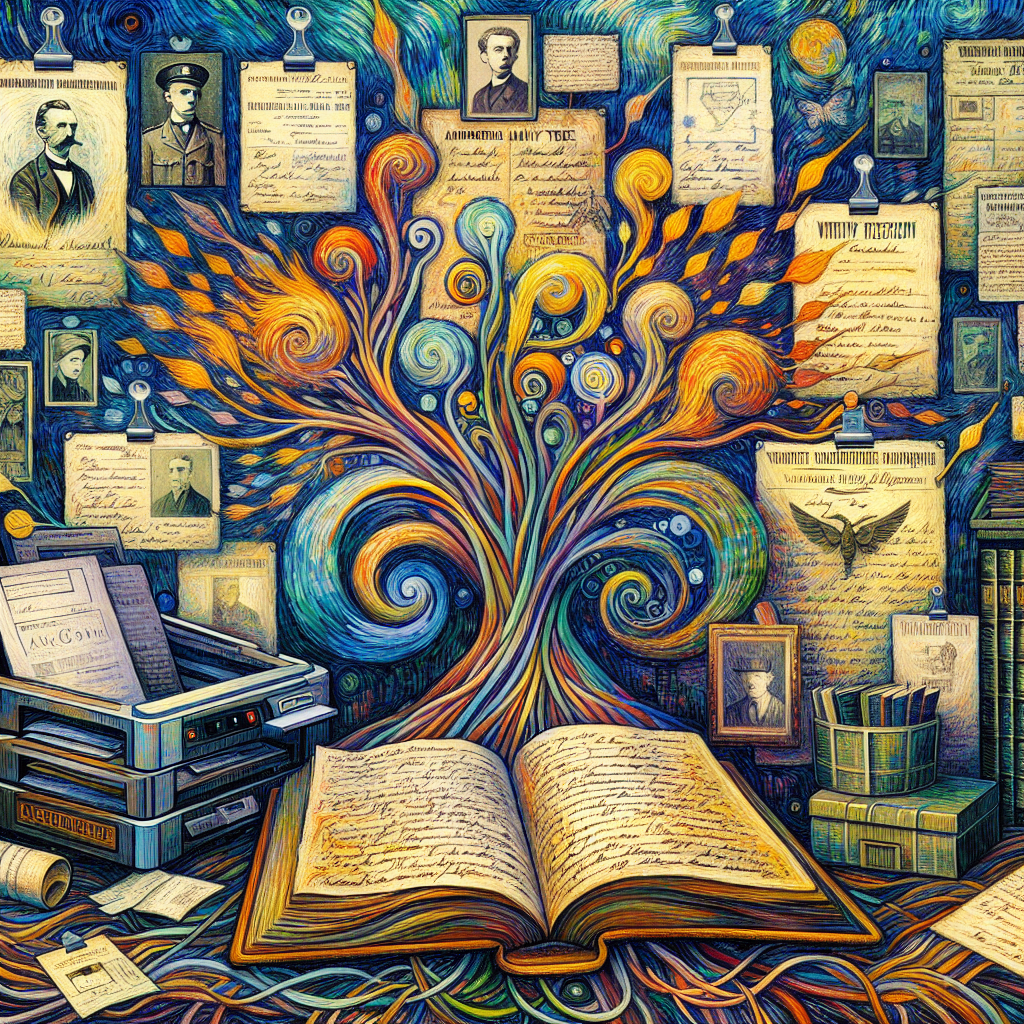
When the Bot Becomes the Historian
Table Of Contents
- When the Bot Becomes the Historian
- What Stories Of Our Past Need to Be Uncovered Today?
- How Can AI Reshape Our Understanding Of History?
- Who Decides Which Histories Are Worth Telling?
- What Ethical Dilemmas Arise When Bots Recount Events?
- How Do We Ensure Accuracy In Automated Historical Narratives?
- Can AI Truly Grasp the Emotional Weight Of Historical Events?
- Why Is It Vital for Us to Question the Sources Of Our History?
- Conclusion
- Other Resources
- Glossary Of Terms
- Other Questions
- Haiku
- Poem
- Checklist
What Stories Of Our Past Need to Be Uncovered Today?
In the intricate tapestry of our shared history, there exist threads woven with tales of resilience, ingenuity, and sacrifice that remain largely untold. These stories, often overshadowed by more prominent narratives, hold the power not only to enlighten us but also to inspire collective action and foster a renewed sense of connection to our roots. Legacy storytelling is essential in bringing these narratives to the forefront, allowing us to reflect on our past and understand how it shapes our present and future.
Consider the unsung heroes of the working class, men and women who toiled in factories or on farms, their sweat spilling into the soil or steel. These stories remind us of the very foundations upon which our society stands. They evoke emotions — pride for the determination of those who came before us and empathy for their struggles, a connection that resonates deep within us. Each tale serves as a reminder that every laborer’s contribution has been vital in building the infrastructure of our lives today.
From the indigenous peoples’ harmony with nature to the immigrant families risking everything for a better life, these narratives are not just historical footnotes; they are calls to action. They compel us to recognize our ethical responsibility to honor the sacrifices of those who paved our way. By uncovering these stories, we foster a sense of accountability, urging us to ensure that their legacy endures in our actions and decisions.
Furthermore, there is an authority inherent in our shared past. The weight of history carries the wisdom of those who lived it. By delving into our past, we gain insights that can inform our future choices. Stories of innovation and collaboration remind us that progress is often born from adversity. They challenge us to think critically and creatively about our own challenges, proving that solutions often lie in the lessons of yesterday.
Ultimately, what we need today is a greater commitment to relaying these untold stories. It’s not just an academic exercise; it’s a communal endeavor that can strengthen our social fabric. By engaging with these narratives, we invite dialogues that can bridge generational divides. This isn’t just about uncovering the past; it’s about cultivating a legacy that honors our history while inspiring future generations to build upon it. In doing so, we remind each other that these stories matter, and together, we can ensure they resonate for years to come.

What Stories Of Our Past Need to Be Uncovered Today?
What Stories Of Our Past Need to Be Uncovered Today?
- Tales of resilience, ingenuity, and sacrifice remain largely untold in our shared history.
- Legacy storytelling is vital for connecting with our roots and understanding the past’s impact on the present and future.
- Unsung heroes of the working class are foundational to society, evoking pride and empathy for their struggles.
- Indigenous and immigrant narratives are essential calls to action, reminding us of our ethical responsibilities.
- Our shared past carries wisdom that can inform future choices and inspire critical thinking about challenges.
- A greater commitment to sharing these stories can strengthen social fabric and bridge generational divides.
- Engaging with these narratives cultivates a legacy that honors history and inspires future generations.

What Stories Of Our Past Need to Be Uncovered Today?
How Can AI Reshape Our Understanding Of History?
How can AI reshape our understanding of history? Imagine standing in the shadow of a monument, a relic of the past that whispers tales of triumph and tragedy. History is a tapestry woven from countless threads—each thread a legacy, a story that defines who we are today. Yet, as we delve into this rich narrative, we often find ourselves limited by the perspectives available to us. This is where AI comes into play, standing at the crossroads of technology and storytelling, poised to revolutionize how we understand our shared past.
AI has the potential to become a new-age storyteller, sifting through mountains of data and hidden archives that would take a lifetime for a person to uncover. By analyzing patterns and drawing connections between events, AI can present history not as a static timeline, but as a dynamic narrative. This new lens allows us to see the human experience more vividly, fostering a deeper connection to the events that have shaped our societies. Imagine learning about lesser-known figures who played pivotal roles in history or understanding how diverse cultures interacted long before the annals of textbooks acknowledged them. AI can breathe new life into these legacy stories, reminding us that history is not just dates and events but a tapestry of human experience.
On the rational side, AI’s ability to process vast amounts of information can help historians and educators make more informed decisions about which stories to tell and how to present them. This is not about replacing human intellect but augmenting it. It’s about enhancing our ability to engage with history critically. When we use AI to curate these narratives, we invite broader perspectives into the conversation, ensuring that all voices are heard and valued.
Yet, with this great power comes great responsibility. Ethical considerations must be at the forefront. We must wield AI wisely, ensuring that the narratives constructed do not perpetuate bias but rather seek to understand and honor the complexity of our past.
The promise of AI lies not just in its technological capabilities but in its potential to foster connection among us. The stories we tell shape our identities and our society. By embracing AI in this journey, we open doors to richer conversations about our shared legacy. Together, we can become not just spectators of history, but active participants in understanding and preserving our collective story for generations to come.

How Can AI Reshape Our Understanding Of History?
How Can AI Reshape Our Understanding Of History?
- AI can revolutionize our understanding of history by providing new perspectives on past events.
- It acts as a new-age storyteller, uncovering data and hidden archives efficiently.
- AI enables a dynamic narrative of history, enhancing our connection to human experiences.
- It reveals lesser-known historical figures and interactions between diverse cultures.
- AI supports historians and educators in making informed decisions about historical narratives.
- Ethical considerations are crucial to prevent bias and honor the complexity of history.
- Embracing AI fosters richer conversations and active participation in preserving our collective legacy.

How Can AI Reshape Our Understanding Of History?
Who Decides Which Histories Are Worth Telling?
In a world overflowing with stories, the question of who decides which histories are worth telling is both profound and personal. Legacy storytelling isn’t just about the past; it’s about understanding the threads that weave together the narratives of our lives. Each story carries the weight of emotion, intertwined with the experiences of those who lived it, shaping not just individual identities but whole communities.
When we examine the fabric of our shared history, we recognize that stories don’t merely narrate events; they shine a light on the values and beliefs that have guided us through adversity. Those who wield the power to tell these stories—be they historians, educators, or even everyday individuals—barter influence with the very essence of culture. In this exchange, we find that every voice counts, and every story has a place. Each narrative holds the potential to inspire trust or ignite change.
Consider the tales passed down through generations. They embody lessons of resilience, courage, and the often-overlooked complexities of human experience. These stories invite us to reflect—to consider not just who is telling them, but why they matter. The ethical responsibility of storytelling becomes evident when we recognize that omitting certain histories can perpetuate ignorance, while embracing them fosters understanding and compassion.
For instance, communities relying on oral traditions might find their voices sidelined, their legacies forgotten. Yet, those voices possess a power that resonates far and wide, often carrying a truth that textbooks fail to capture. Engaging with these narratives bridges gaps, revealing the rich tapestry of human experience that academics or media might otherwise overlook.
Even as we tread through the pages of history, we are challenged: whose stories resonate most? The privileged few often overshadow the marginalized majority. Therefore, diving deep into legacy storytelling becomes not just an act of preservation but a call to action. It’s an invitation to elevate those narratives that resonate with the heart, challenge the head, and stir the gut.
Ultimately, it falls upon each of us to be stewards of these histories, ensuring they’re worth telling. By embracing diverse perspectives and honoring the nuances of each story, we cultivate a collective legacy—one that fosters connection, inspires confidence, and propels future generations to seek out truth, justice, and understanding amidst the chaos of our shared past.

Who Decides Which Histories Are Worth Telling?
Who Decides Which Histories Are Worth Telling?
- Legacy storytelling shapes individual identities and communities by intertwining personal experiences.
- Stories illuminate values and beliefs that guide us through adversity.
- Those who tell these stories hold cultural influence, emphasizing the importance of every voice.
- Generational tales teach lessons of resilience, courage, and the complexities of human experience.
- Omitting certain histories can perpetuate ignorance; including them fosters understanding and compassion.
- Marginalized voices often carry truths that mainstream narratives overlook, revealing a richer human experience.
- Each individual has a responsibility to uphold diverse perspectives, cultivating a legacy of truth and connection.

Who Decides Which Histories Are Worth Telling?
What Ethical Dilemmas Arise When Bots Recount Events?
In an era where technology dances at the fingertips of our daily lives, we find ourselves wrestling with a complex question: What happens when bots, those clever constructs of code and algorithms, take on the role of storytellers? The allure of Legacy Storytelling—the rich tapestry of our experiences, passed from one generation to the next—becomes a battleground for ethics when machines recount our most intimate moments.
Consider this: We trust stories to shape our understanding of the world. They evoke memories and emotions, anchoring us to our shared humanity. Now imagine a bot recounting a heart-wrenching tale of loss or triumph, drawing on data and patterns instead of personal experience. Does it have the authority to narrate our stories? Can it capture the essence of joy or sorrow with the same punch that a human voice delivers?
At a fundamental level, there’s a gut-level discomfort with a machine stepping into the role of our storyteller. It feels wrong, doesn’t it? The authenticity of a human experience is woven into the fabric of the emotions expressed. Bots, no matter how advanced, operate on cold logic and learned responses, lacking the genuine heartbeat of empathy. When a bot recounts an event, who gets to define the narrative? It raises ethical red flags about representation, nuance, and emotional weight.
Moreover, there’s the societal impact of allowing machines to bear witness to our lives. When a bot becomes the bearer of our legacy, what happens to the human connection? Our shared laughter, tears, and experience are diluted. It’s not merely a question of technology but one of community. Will we, as a society, allow the essence of our interactions to be filtered through a digital lens? This is a crossroads moment; one where we must dissect the profound implications of narrating our lives through machines.
We are stewards of our stories. Each of us holds the power to shape narratives. As we navigate this landscape, it’s critical to remember that our collective memory is a living thing; it demands authenticity. Bots may offer convenience, but are we prepared to accept the cost of our Legacy Storytelling? The reconciliation of man and machine, of narrative and algorithm, calls for a new approach—one that preserves the heart and soul of our shared experience and respects the gravity of the stories we carve into history.

What Ethical Dilemmas Arise When Bots Recount Events?
What Ethical Dilemmas Arise When Bots Recount Events?
- Bots are increasingly taking on the role of storytellers in an era dominated by technology.
- Legacy Storytelling involves sharing rich human experiences across generations, raising ethical concerns when machines narrate personal stories.
- Stories shape our understanding of the world and evoke emotions, prompting questions about a bot’s authority to tell human stories.
- Fundamental discomfort exists with machines narrating human experiences, as bots lack genuine empathy and emotional depth.
- Allowing machines to tell our stories risks diluting the human connection in shared experiences like laughter and tears.
- As stewards of our stories, we must prioritize authenticity in our collective memory against the convenience of technology.
- A new approach is necessary to reconcile man and machine, preserving the essence of our shared experiences.
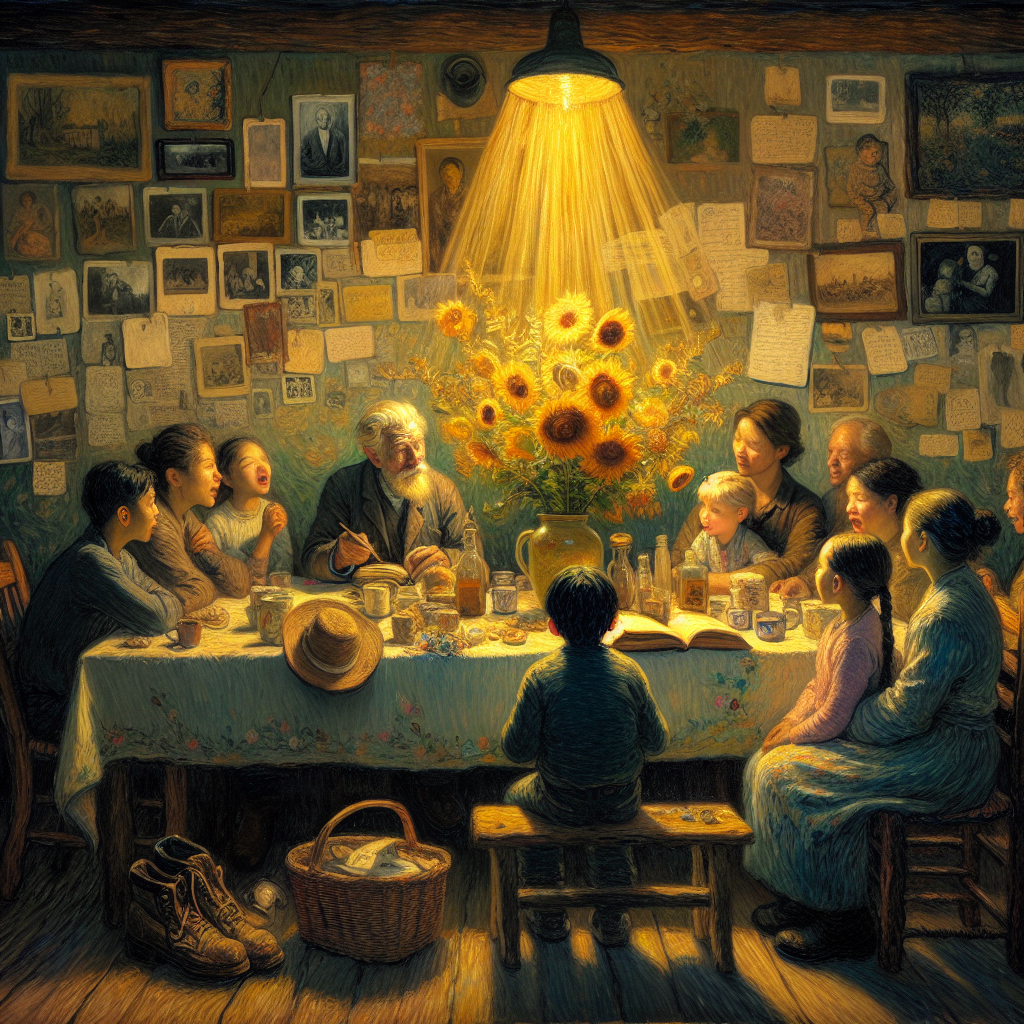
What Ethical Dilemmas Arise When Bots Recount Events?
How Do We Ensure Accuracy In Automated Historical Narratives?
In an age where technology spins tales faster than we can swallow them, ensuring that automated historical narratives maintain accuracy becomes paramount. The stories we tell today shape the perceptions of tomorrow, holding the weight of our shared legacy and experience. This is where legacy storytelling intersects with innovation, breathing life into the past while demanding accountability in the process.
Consider the personal resonance of history. Every family has tales of struggle, triumph, and resilience—stories that are often polished and curated over generations. When machines begin to craft these narratives, they dare to tread upon that sacred ground, a place rich with emotion and experience. We must ensure these automated systems respect the gravity of what they portray. It’s not merely data being processed; it’s our collective journey, woven from the threads of humanity. The challenge lies in balancing the cold precision of algorithms with the warm nuances of lived experiences.
Accuracy is not just a matter of correct facts—it’s a matter of context and voice. The heart of historical narratives beats strongest when they reflect not only the events but also the emotions tied to them. When an automated system presents history devoid of the human spirit, it risks creating sterile accounts that fail to inspire. Integrating diverse perspectives will bolster the credibility of these narratives. It encourages a richer dialogue that invites readers to engage with the past actively.
Ethically, we have a responsibility to ensure that the past is represented fairly and accurately. Misrepresentation can lead to misunderstandings, perpetuating biases that distort our view of history. When crafting these narratives, the principles of truth, representation, and inclusivity must guide us, ensuring that every voice is heard, especially those that have been marginalized.
Engagement with authority figures—historians, cultural custodians, and community elders—can elevate these automated narratives, infusing them with authenticity. By leveraging their expertise, we can anchor technology in realities that are relatable and trustworthy. The significance of human oversight cannot be overstated; after all, the soul of legacy storytelling lies in its connection to the people whose lives it narrates.
Ultimately, we all share a stake in how history unfolds. It’s not just about how the past is told; it’s about how it resonates within us and how it influences our present and future. As we navigate this merging of technology and storytelling, let’s commit to ensuring accuracy, fostering a legacy that honors our collective experiences while inspiring trust and meaningful engagement.

How Do We Ensure Accuracy In Automated Historical Narratives?
How Do We Ensure Accuracy In Automated Historical Narratives?
- Automated historical narratives must prioritize accuracy to shape future perceptions.
- Legacy storytelling merges with technology, requiring accountability for representation.
- History deeply resonates with personal experiences, necessitating respect in automated narratives.
- Accurate storytelling includes context and emotion, avoiding sterile, uninspiring accounts.
- Diverse perspectives enrich historical narratives and foster engaging dialogue.
- Ethical responsibility includes fair representation and inclusivity, especially for marginalized voices.
- Collaboration with historians and community figures enhances authenticity and trust in automated stories.

How Do We Ensure Accuracy In Automated Historical Narratives?
Can AI Truly Grasp the Emotional Weight Of Historical Events?
When we think about the great tapestry of human history, it’s easy to overlook the threads woven into our legacy. These threads tell stories of triumph, tragedy, and everything in between, each with the power to evoke emotion and inspire action. Yet, in this digital age, as we lean on artificial intelligence to narrate our past, we must ask ourselves: can algorithms truly grasp the emotional weight of these historical events?
Picture this: generations past, gathered around a flickering fire, recounting tales that shaped their identities. Each account, rich with feeling, was more than just words; it was an invitation into the depths of human experience—an understanding of pain, joy, loss, and resilience. This is legacy storytelling in its purest form. It’s not merely about facts or figures; it’s about connection. It’s about making sense of our place in the world through the stories that continue to resonate across time.
Now, enter AI, equipped with analyses of countless data points. It can parse through volumes of historical text, providing an impressive collage of information. Yet, can it feel? Can it probe the depths of heartbreak from the loss of a generation in war or the collective euphoria following a groundbreaking achievement? The heart of history beats in emotion, and therein lies the challenge for AI. It may have the authority of data, but it lacks the lived experience that propels real understanding.
We are at a crossroads, where technology meets humanity. Imagine an AI that doesn’t just regurgitate facts but instead facilitates conversations. When it engages with people—asking them to share their stories or their perspectives on historical events—it can foster connections that breathe life into the numbers. This is where AI’s rational capabilities can intertwine with the emotional narratives embedded within our collective history, bridging the gap between head and heart.
In a world hungry for authenticity, we must ensure our stories reflect the human condition. They must honor the emotional weight they carry while encouraging us to learn and grow from them. By blending the accuracy of AI with the irreplaceable touch of human insight, we can preserve our legacy. Empowering future generations with these stories means committing to an ethical framework that values both data and emotion. As we navigate this uncharted territory, we just might find that together, AI and humanity can create something truly remarkable—a new form of storytelling that honors our past while lighting the way for the future.

Can AI Truly Grasp the Emotional Weight Of Historical Events?
Can AI Truly Grasp the Emotional Weight Of Historical Events?
- Human history is a tapestry of stories reflecting triumphs and tragedies that inspire emotion and action.
- Legacy storytelling offers deep connections and insights into the human experience of pain, joy, and resilience.
- AI can analyze vast amounts of historical data but struggles to understand emotional contexts.
- The challenge for AI lies in conveying the emotional heartbeat of history, lacking lived experiences.
- AI has the potential to facilitate conversations, bridging data with personal narratives for deeper connections.
- Stories must reflect the human condition, honoring their emotional weight while promoting learning and growth.
- Combining the accuracy of AI with human insight can create a new storytelling form that respects the past and guides the future.

Can AI Truly Grasp the Emotional Weight Of Historical Events?
Why Is It Vital for Us to Question the Sources Of Our History?
Every one of us carries a legacy, a tapestry woven from the stories of our past. These narratives shape our identities, create connections, and inspire us to forge our paths. But here’s the key question: how do we know that the stories we hold dear are the right ones? In a world where information is at our fingertips, it’s essential to ask ourselves—who tells the stories, and why?
When we indulge in legacy storytelling, we often find ourselves aligning with the familiar, the comforting. These accounts, however, can easily stray from the truth. Many of us have experienced the frustration of hearing a tale that doesn’t quite add up or concedes to bias. We owe it to ourselves and future generations to dig deeper, to question who crafted these tales and the motivations behind them. By doing so, we cultivate a richer understanding of our shared human experience, one that transcends mere facts.
Let’s take a moment and reflect: the stories of our past are not just historical footnotes. They provide the foundation upon which we build our beliefs, values, and ethical frameworks. Acknowledging the complexities and nuances in our history empowers us to make more informed decisions in the present. This isn’t just about being skeptical; it’s about embracing intellectual curiosity. Each question we ask serves as a stepping stone toward a broader perspective and a more inclusive narrative.
Moreover, these inquiries aren’t just personal; they are social. In a community, having open conversations about our shared history fosters trust and connection. It encourages us to engage with diverse voices and perspectives that might have been marginalized. By embracing a mosaic of stories—understanding the triumphs and acknowledging the injustices—we find common ground and build empathy. This is where real change begins, in our willingness to challenge misconceptions and applaud the richness of our multicultural heritage.
In today’s climate, where misinformation can spread like wildfire, questioning our sources becomes even more crucial. We stand at a crossroads, equipped with the power of our voices. It’s not just our right but our responsibility to sift through the noise and discern truth from fiction. Because only by interrogating our past can we truly honor our legacy, allowing authentic stories to guide us forward. Let’s inspire action by demanding transparency and integrity in our historical narrative—starting today.

Why Is It Vital for Us to Question the Sources Of Our History?
Why Is It Vital for Us to Question the Sources Of Our History?
- Legacy storytelling shapes our identities and inspires personal growth.
- It’s important to question the authenticity of the stories we cherish.
- Many narratives can deviate from the truth, necessitating deeper inquiry.
- Understanding history helps us build beliefs, values, and ethics.
- Engaging with diverse perspectives fosters community and empathy.
- Questioning sources is crucial in an age of misinformation.
- Demanding transparency in narratives honors our legacy and guides us forward.

Why Is It Vital for Us to Question the Sources Of Our History?
Conclusion
In a world brimming with information, the idea of artificial intelligence (AI) stepping into the role of historian might feel jarring. Yet, it’s a perspective that holds tremendous potential. Imagine harnessing AI’s vast capabilities to connect the dots of human experience, transforming mere data into narratives that resonate on deeper levels. This isn’t about machines replacing storytellers; it’s about enriching our understanding of history and humanity.
As we contemplate the narratives that shape us, we recognize the profound power of legacy storytelling. Every tale, from the humble struggles of working-class heroes to the intricate relationships among cultures, carries inherent lessons. These are stories of resilience, suffering, and triumph that become multi-generational legacies. They matter not just for their historical essence but for their ability to evoke empathy, pride, and connection across generations.
AI can sift through mountains of historical data to uncover these essential narratives, often overshadowed by more prominent histories. It acts as a digital curator, calling forth voices that urge us to recognize our shared humanity. However, as we embrace this technology, we must grapple with ethical dilemmas. Whose stories are being told? Are we ensuring that marginalized voices are included in the chorus of our collective history? AI’s role shouldn’t merely be about crunching numbers; it needs to enhance our historical narratives’ authenticity.
Balancing technology with humanity is crucial. When AI engages with our stories, it’s vital to maintain the emotional essence of those narratives. While machines can relay facts, they lack the lived experience that breathes life into storytelling. It’s up to us—historians, educators, and everyday individuals—to intertwine human insight with technological innovation. Our pasts are vibrant with emotion, and we must ensure those feelings are preserved in the representation of our histories.
Moreover, it’s essential to scrutinize the sources of our historical narratives. Questions about who tells these stories and their motivations must not only be welcomed but actively pursued. This critical approach opens doors to a fuller understanding of our legacy and cultivates empathy. We must foster dialogues that bring diverse perspectives to the forefront, challenging accepted narratives to enrich our collective memory.
Ultimately, embracing AI in our exploration of history should empower us, not diminish our humanity. Together, we can craft narratives that honor the complexity of our past, enlighten the present, and inspire future generations. By doing so, we create a tapestry of stories filled with richness and nuance, an enduring legacy that continues to resonate.

Conclusion
Conclusion:
- AI has the potential to transform historical data into meaningful narratives, enriching our understanding of history.
- Legacy storytelling encompasses various tales that highlight resilience, suffering, and triumph across generations.
- AI can uncover lesser-known narratives that are often overshadowed, acting as a digital curator of human experience.
- Ethical dilemmas arise regarding whose stories are told and ensuring marginalized voices are included in history.
- Maintaining the emotional essence of narratives is vital, as machines lack the lived experiences that inform storytelling.
- Critical scrutiny of the sources and motivations behind historical narratives fosters empathy and enriches understanding.
- Embracing AI should enhance our exploration of history, creating a nuanced legacy that inspires future generations.

Conclusion
Other Resources

Other Resources
Here is a list of other resources you can review online to learn more:
- MyMoriam
- Ancestry
- Directive Communication Systems
- StoryCorps
- Willmaker
- Ever Loved
- Afternote
- FuneralWise
- How To Write Legacy Story Headlines That Appeal To The Heart, Gut and Head
- LastPass
- Bcelebrated
- Forever Missed
- USLegalWills.com
- Memorial Matters
- My Wonderful Life
- Everplans
- WishesKeeper
- Personal Legacy Advisors
- Can Telling and Preserving Personal or Family Legacy Stories Be Therapeutic?
- Meminto
Use This Prompt To Get More Resources With Your Favorite Online AI Tool: Please provide me with a list of online articles with their URLs in a bulleted list that I can read regarding When the Bot Becomes the Historian

Other Resources
Glossary Terms
When the Bot Becomes the Historian – Glossary Of Terms
1. AI Historian: A machine learning system designed to analyze and interpret historical data.
2. Algorithm: A set of rules or calculations used by a computer to solve problems or make decisions.
3. Data Interpretation: The process of making sense of numerical or categorical data to draw conclusions.
4. Historical Narrative: A structured account of past events based on evidence and analysis.
5. Machine Learning: A subset of artificial intelligence that enables systems to learn from data patterns and improve over time without explicit programming.
6. Pattern Recognition: The ability of a computer to identify recurring themes or structures within data.
7. Digital Archive: An online repository of historical documents, images, and artifacts.
8. Source Analysis: The examination of documents or records to determine their credibility and relevance.
9. Contextualization: Placing historical events within their wider social, cultural, and temporal contexts.
10. Narrative Construction: The process of creating a cohesive story from disparate historical facts and data.
11. Historiography: The study of the methodologies and interpretations of historians.
12. Temporal Dynamics: The analysis of how events change over time and their impacts on historical narratives.
13. Ethical Considerations: The moral implications of using AI in studying history, including biases and representation.
14. Data Set: A collection of data points used for analysis and interpretation.
15. Metadata: Data that provides information about other data, essential for maintaining context in historical records.
16. Historical Method: The techniques and guidelines historians follow when researching and writing history.
17. Simulation: The use of computer models to replicate historical scenarios and predict outcomes.
18. Causation: The relationship between events where one is understood as a result of the other.
19. Anachronism: An element that is placed in a time period where it does not belong, often used to critique historical accuracy.
20. Interdisciplinary Approach: Combining methods and insights from multiple disciplines to gain a broader understanding of historical events.
21. Primary Source: Original documents or artifacts created during the time of study, providing firsthand evidence.
22. Secondary Source: Analyses and interpretations of primary sources, produced by scholars or researchers.
23. Cultural Memory: The shared pool of knowledge and information in the collective consciousness of a group.
24. Falsifiability: The capability of a historical theory to be disproven by evidence, important for scientific rigor.
25. Historical Revisionism: The reassessment and reinterpretation of historical records and narratives.
26. Bias: A tendency to favor particular interpretations or narratives over others, affecting objectivity.
27. Visualization: The graphical representation of historical data to illustrate trends and insights effectively.
28. Narrative Bias: The influence of personal or cultural beliefs on the storytelling of history.
29. Chronology: The arrangement of events in the order of their occurrence, crucial for understanding timelines in history.
30. Digital Humanities: An interdisciplinary field that applies digital tools and methods to research and present historical data.

Glossary Of Terms
Other Questions
When the Bot Becomes the Historian – Other Questions
If you wish to explore and discover more, consider looking for answers to these questions:
- Who decides which sources an AI historian uses?
- How is the provenance of digital and archival sources verified?
- How do bots handle conflicting or contradictory accounts?
- Can AI identify, disclose, and correct its own biases?
- Who is accountable for factual errors or misleading narratives produced by a bot?
- How is consent obtained from individuals and communities whose stories are digitized?
- Who owns and controls the narratives generated by AI?
- How are marginalized, silenced, or non-dominant voices prioritized and preserved?
- How transparent are the algorithms, training data, and editorial choices behind an AI historian?
- What metrics or standards are used to measure accuracy and trustworthiness?
- What professional or ethical standards should govern automated historical narratives?
- How do bots preserve cultural context, nuance, and local meanings?
- Can AI genuinely capture the emotional weight and lived experience embedded in historical events?
- How are sensitive, traumatic, or private details handled to avoid harm?
- How can we prevent misuse of AI historians for propaganda or manipulation?
- How are updates, corrections, and version histories managed for AI-generated accounts?
- What role should human historians, community elders, and subject-matter experts play in oversight?
- How are oral histories, ephemeral memories, and non-textual sources integrated and validated?
- How do language barriers and translation choices affect the fidelity of preserved narratives?
- How do bots deal with incomplete, fragmented, or missing records?
- What ethical frameworks guide decisions about what to include or omit?
- How do commercial interests and funding influence which histories get attention?
- How accessible are AI-curated archives and narratives to the general public and to the communities represented?
- What are the long-term preservation strategies for digital histories and their formats?
- How should AI-generated narratives be integrated into education and public history?
- How do bots balance broad pattern analysis with individual personal stories?
- What techniques ensure the interpretability and explainability of AI-driven historical conclusions?
- How can communities audit, contest, or request revisions to AI-created histories?
- How will laws and regulations address responsibility, privacy, and intellectual property in automated historiography?
- How do we assess and mitigate the emotional impact on readers encountering traumatic historical accounts generated by AI?

Other Questions
Haiku
When the Bot Becomes the Historian – A Haiku
Bots reshape our past,
Threads of history unite,
Stories echo truth.

Haiku
Poem
When the Bot Becomes the Historian – A Poem
In the realm where stories intertwine,
Where echoes of past and future align,
A bot steps forth, with wisdom vast,
To gather the threads of our shared past.
Whispers of hardship, of triumph, of pain,
In digital hands, our legacies remain.
Like grandfathers’ tales by the flickering fire,
Stories of hope that lift us higher.
Yet with this tool comes a heavy weight,
Ethics and truth we must contemplate.
Can algorithms capture the heart’s pure song,
Or does meaning fade, where they don’t belong?
Who decides which voices revive and resound,
When shadows of heroes remain underground?
Each narrative holds lessons, a call to reflect,
On sacrifices made, the ties that connect.
Bots may sift through data—vast, cold, and grand,
But can they nurture the soft human hand?
When history is spun from a mechanized thread,
What of the essence, the tears that we shed?
As we forge a path through stories anew,
Let’s question the sources, the lens they construe.
For legacy beckons not just to remember,
But to honor each voice, every ember.
Together we shape this tapestry wide,
Where past informs present, with wisdom as guide.
In this dance with machines, let emotion remain,
A bridge to our hearts, through joy and through pain.
So let us embrace this journey we face,
With bots as allies, yet humans in grace.
For in storytelling’s art, both reason and soul,
Together we rise, we become truly whole.

Poem
Checklist
When the Bot Becomes the Historian – A Checklist
Checklist for Engaging with Historical Narratives through AI
✅______ Reflect on the emotional weight of personal stories from the past.
✅______ Identify narratives that evoke empathy and inspiration.
✅______ Consider how these stories resonate with your own experiences.
✅______ Evaluate the accuracy of historical representations presented by AI.
✅______ Analyze the data sources used to construct narratives.
✅______ Discuss the potential biases that may affect the portrayal of history.
✅______ Examine the ethical responsibility of AI in storytelling.
✅______ Consider the impact of omitting certain voices from historical narratives.
✅______ Ensure diverse perspectives are included to honor all aspects of history.
✅______ Seek insights from historians and cultural experts on AI’s role in history.
✅______ Verify information against credible historical sources.
✅______ Encourage collaboration between AI programmers and historians to enhance narrative authenticity.
✅______ Promote the uncovering of lesser-known historical figures and events.
✅______ Engage in discussions that challenge dominant narratives.
✅______ Highlight stories that contribute to a richer tapestry of human experience.
✅______ Foster community dialogues about historical narratives.
✅______ Encourage storytelling as a means of building connections across generations.
✅______ Emphasize the importance of preserving and perpetuating untold stories.
✅______ Create spaces for shared storytelling among different communities.
✅______ Ask open-ended questions to encourage personal reflections on history.
✅______ Promote an environment where diverse viewpoints contribute to a holistic understanding of the past.

Checklist
At LegacyExplorations, we help people plan and explore their legacy by collecting information and news regarding end-of-life planning.
Please share this post with your friends, family, or business associates who may want help to plan or explore their legacy.