

Securing Bonds: How Our Laptop Safeguards Family Memories And Dreams
By Tom Seest
At LegacyExplorations, we help people plan and explore their legacy by collecting information and news regarding end-of-life planning.
Please share this post with your friends, family, or business associates who may want help to plan or explore their legacy.
When the Laptop Becomes the Family Safe
In every family’s journey, stories are passed down like heirlooms, cherished and protected. Yet today, instead of a dusty old box hidden in the attic, it’s the laptop that becomes the modern-day family safe. This sleek device, often dismissed as a mere tool for work or entertainment, holds something far more valuable: our legacy storytelling.
Think about it. Every family has its moments—the first steps, the graduation caps soaring into the sky, and all those spontaneous gatherings captured in laughter and warmth. These memories converge in the digital realm, nestled on hard drives, cloud storage, and social media profiles. This digital archive isn’t just about convening facts; it’s about preserving feelings. It’s where the heart speaks louder than the circumstances that surround those fleeting moments.
From a rational standpoint, consider the sheer volume of our digital interactions. We communicate through emails, texts, and videos that chronicle our lives. The simple act of transferring a family photo from a smartphone to a laptop can solidify that moment, transforming it from a fleeting experience into a permanent piece of your family narrative. Each file preserved adds depth to your family’s history, allowing future generations to connect with their roots—not just through tales told at the dinner table, but through tangible proof of where they come from.
Ethically, we have a duty to safeguard these treasures. Just as a grandfather would secure a beloved photo album, so too should we recognize the importance of digital preservation. By taking the time to organize and back up our data, we take responsibility for our family’s stories, ensuring that they endure long after we are gone. In a world where digital erasure can happen in an instant, our commitment to protecting those memories reflects our values.
This responsibility doesn’t just rest on one person’s shoulders. Take the opportunity to involve the entire family, creating a ritual of organizing and sharing memories. Revisit old photos, relive those moments that made you laugh until your sides hurt, and forge new connections through shared experiences. The act of gathering together inspires not just nostalgia but also a sense of belonging—a powerful reminder that despite the challenges life may bring, we are all part of something greater.
Let’s be clear: your laptop can be more than a machine. It can serve as a gateway to your family’s legacy, a digital safe where the essence of who you are, and where you come from, is preserved for those who follow in your footsteps. In recognizing this, we empower ourselves to not only remember the past but to illuminate the path forward with the light of shared stories.

When the Laptop Becomes the Family Safe
When the Laptop Becomes the Family Safe
- Family stories are valuable heirlooms passed down through generations.
- The laptop serves as a modern digital safe for preserving family legacy.
- Memories, such as first steps and graduations, are stored digitally on various platforms.
- Digital archives preserve not just facts, but the emotions tied to family moments.
- Transferring photos from devices solidifies fleeting moments into permanent family narratives.
- There is an ethical responsibility to safeguard digital memories, similar to preserving physical photo albums.
- Involvement of the entire family in organizing memories fosters connections and a sense of belonging.

When the Laptop Becomes the Family Safe
Table Of Contents
- When the Laptop Becomes the Family Safe
- What Memories Will Our Family Cherish Forever?
- How Can We Protect Our Digital Legacy?
- Are Our Family Values Reflected In Our Online Presence?
- What Stories Can Our Photos Tell Future Generations?
- How Do We Ensure Our Children Feel Secure Online?
- What Measures Build Trust In Our Online Interactions?
- How Does Digital Security Affect Our Family Decisions?
- Conclusion
- Other Resources
- Glossary Of Terms
- Other Questions
- Haiku
- Poem
- Checklist
What Memories Will Our Family Cherish Forever?
Family memories are the threads that weave the fabric of our legacy. What we choose to remember, and how we choose to share those experiences, shapes not only our identity but also the values we pass down through generations. Legacy storytelling is a powerful vehicle for this journey, allowing us to reflect on the significant moments that truly define us. It’s easy to overlook the everyday events that seem mundane at the time, but these moments often become the cornerstone of our shared history.
Picture this: a summer evening, laughter ringing out as you gather around a crackling campfire, roasting marshmallows and sharing stories. In this simple act, you create an irreplaceable bond, one that transcends mere nostalgia. You’re not just passing time; you’re investing in the future, planting the seeds of memories your children will treasure. These experiences become part of your family’s narrative, a collection of tales that solidify your lineage and values, imparting lessons about joy, perseverance, and love.
What makes these memories enduring is the emotional connection that accompanies them. When you recount a struggle overcome, whether it’s a tough family hike or a collective effort to achieve a goal, you reinforce resilience—a trait worth cherishing. As we share our stories, we form an unspoken agreement with our loved ones: that we will stand by each other, learn from failures, and celebrate victories together. This side-by-side journey draws us closer, creating a sense of unity and belonging that lasts a lifetime.
Equally important is the ethical responsibility we carry in shaping our family legacy. By intentionally crafting and sharing these memories, we instill a sense of purpose in the next generation. They learn not just from the successes, but from the mistakes—an invaluable education that fosters humility and compassion. The stories we tell are more than just entertainment; they are lessons in character development, inspiring trust in one another and encouraging open dialogue.
So, as you gather with your family, reflect on the stories that have shaped your journey. Embrace the power of legacy storytelling, and invite your loved ones into the conversation. What will be remembered? What moments will stand the test of time? In urging each other to share, you deepen your connections and ensure that the memories you cherish today continue to resonate within your family for years to come. This is the heartbeat of legacy—the stories that bind us together, echoing through time, as we navigate life’s winding paths.

What Memories Will Our Family Cherish Forever?
What Memories Will Our Family Cherish Forever?
- Family memories shape our identity and values passed through generations.
- Legacy storytelling allows reflection on significant moments that define us.
- Everyday events often become the cornerstone of shared family history.
- Creating bonds through shared experiences, like campfires, invests in future memories.
- Emotional connections reinforce resilience and unity within families.
- Intentionally sharing memories fosters purpose, humility, and open dialogue in future generations.
- Encouraging family storytelling deepens connections and preserves cherished memories.

What Memories Will Our Family Cherish Forever?
How Can We Protect Our Digital Legacy?
In a world increasingly woven together by technology, the idea of legacy takes on a new significance. We often think of legacy as something bequeathed in a will—a house, a collection of photographs, perhaps a beloved book. But in our digital age, it’s more complex. Our digital footprint shapes the narrative of who we are, what we care about, and even how we want to be remembered. Protecting our digital legacy is not just a tech-savvy maneuver; it’s a heartfelt endeavor, an act of storytelling that matters deeply, both for us and those we leave behind.
Consider the stories woven into our social media profiles, the photos capturing moments of joy, and the emails that chronicle friendships. These snippets of our existence serve as a digital scrapbook. They tell our story, but they require intention to preserve. Imagine someone combing through your virtual presence years after you’re gone, trying to piece together the threads of your life. What stories do you want them to find? By taking the time to curate our online identities, we acknowledge the importance of our narratives. It’s about saying, “I cared enough to share my journey.”
Rationally speaking, protecting our digital legacy involves practical steps, like updating privacy settings, designating digital heirs, and organizing important files. This isn’t just about control; it’s about stewardship. We have a responsibility to ensure our legacy isn’t lost in the digital ether. By established platforms honoring our wishes, we regain authority over our stories, guiding what will remain for future generations. It’s ethical to think beyond ourselves; we owe it to loved ones to leave a legacy they can access, understand, and cherish.
Emotionally, the prospect of our loved ones finding fond memories and heartfelt messages can strengthen connections. Memories might fade, but digital relics can spark laughter and tears, bridging the gap between years and experiences. They remind our family and friends of shared moments, keeping our spirit alive in conversations, long after we’ve departed this world.
Let’s engage with the digital tools at our disposal, not just for convenience, but to ensure that our legacy is rooted in authentic experiences. By taking control now, we can ensure our digital storytelling remains compelling and true, inviting those we leave behind to celebrate the full spectrum of what we were and the joy we offered in our lives. Protecting our digital legacy means crafting stories that will resonate across time, bridging generations with each shared memory.

How Can We Protect Our Digital Legacy?
How Can We Protect Our Digital Legacy?
- Legacy in the digital age extends beyond tangible assets to include our online presence.
- Our digital footprint influences how we are remembered and the stories told about us.
- Cultivating our online identities requires intention to preserve our narratives.
- Practical steps for safeguarding digital legacy include updating privacy settings and designating digital heirs.
- We have a responsibility as stewards of our digital legacy to ensure it is accessible and meaningful for loved ones.
- Digital relics can evoke memories and strengthen connections between generations.
- Engaging with digital tools can help craft a compelling narrative that resonates over time.

How Can We Protect Our Digital Legacy?
Are Our Family Values Reflected In Our Online Presence?
In a world increasingly tethered to screens, the question of whether our online presence mirrors our family values takes on profound importance. It’s more than just a matter of pixels and posts; it’s about legacy and the stories we choose to tell. As we navigate the vast expanse of the digital landscape, we must ask ourselves: What narrative are we crafting? Our online profiles can often feel like curated highlights, but they should also reflect the substance of our lived experiences.
Consider this: each photo shared, each status update, and every comment reflects not just individual moments but the very ethos of our families. Are we showcasing the values we hold dear—honesty, kindness, resilience? Legacy storytelling transcends mere documentation; it’s about passing down lessons learned and values cherished. When we share our failures alongside our triumphs, we weave a richer tapestry that connects generations. It invites engagement, strengthens bonds, and fosters a sense of community.
By contemplating the ethical implications of our online behaviors, we can become more intentional about what we project. Is our digital footprint littered with fleeting moments of vanity, or does it resonate with the values we aim to instill in our children? The online world is a powerful tool for shaping perceptions and relationships, and wielding it thoughtfully can inspire trust. We have the opportunity to create a narrative that encourages others to reflect on their own values and to connect with the essence of what truly matters.
Social media is a double-edged sword; it can isolate or unite. It acts as a mirror, reflecting our choices back at us. Are we building a legacy of compassion and integrity, or one that promotes division and superficiality? Our online discourse bears witness to our commitment to empathy and understanding, or perhaps reveals a troubling disconnect.
In embracing authenticity, we can inspire confidence within our families and our communities. When we share our truths—our joys, our struggles, and the family values that guide us—we foster connection. This narrative, infused with genuine emotion, resonates deeply. It encourages others to join in, share their stories, and ultimately reflect on the values that define their families. Let’s create a digital legacy that not only captures our family’s essence but also serves as a beacon guiding future generations.

Are Our Family Values Reflected In Our Online Presence?
Are Our Family Values Reflected In Our Online Presence?
- The online presence should reflect family values and legacy.
- Every digital interaction conveys the ethos of our families.
- Legacy storytelling includes sharing both triumphs and failures.
- Authentic online behavior can build trust and community.
- Social media can either unite or isolate based on our choices.
- Embracing authenticity fosters connection and inspires confidence.
- The digital legacy we create should guide future generations.

Are Our Family Values Reflected In Our Online Presence?
What Stories Can Our Photos Tell Future Generations?
Every photo we take captures a fleeting moment—a slice of life that reveals more than just smiles and scenery. These images embed the rich tapestry of our experiences, acting as time capsules that communicate our legacy to generations yet to come. In a world saturated with visual content, the art of Legacy Storytelling has the power to transcend time, creating connections between our past and future.
Consider this: the images hanging on your walls, nestled in your albums, or stored on your devices serve as more than just memories; they’re narratives woven with emotion and significance. Each photo is a chapter in the collective story of who we are—our triumphs, our struggles, the ordinary and the extraordinary. When future generations sift through these visual heirlooms, they’re not merely viewing pictures; they’re encountering our history, our values, and the essence of our humanity.
Take a simple family gathering. A snapshot frozen in time diminishes the years to a moment of joy; however, the laughter echoing in that image speaks volumes. It tells of traditions rooted in love, of lessons learned around the dinner table, and the intimate bonds that give life its richness. Future generations examine that image and perceive their place in a continuum. They understand where they came from, which nurtures their identity in an ever-changing world.
Yet, Legacy Storytelling isn’t merely sentimental. It appeals to the head and gut. Photos evoke reason and emotion in equal measure, serving as reminders of the fragility of existence and the importance of connection. They challenge us to reflect on the impact of our choices and the legacy we wish to create. What we capture today—be it through celebrations, milestones, or simple moments of quiet reflection—shapes the narrative that defines us.
Moreover, there’s an ethical obligation tied to our storytelling. The stories embedded in our photos shape societal values, offering insights into diverse lives and experiences. It fosters understanding and empathy across generations, showcasing the intricate web of human experience.
In this digital age, our photos might seem isolated, but they’re tools of connection and understanding. They’re the bridge linking decades, fostering conversations about our shared humanity. By engaging in this storytelling, we inspire trust and instill confidence in future generations, inviting them to embrace their own narratives while honoring the past. When we look at our photos, we don’t see just images; we see legacies waiting to be shared.

What Stories Can Our Photos Tell Future Generations?
What Stories Can Our Photos Tell Future Generations?
- Every photo captures a fleeting moment that conveys our experiences and legacy.
- Images act as time capsules, creating connections between past and future generations.
- Photos serve as narratives woven with emotion, representing our collective story.
- A snapshot from family gatherings encapsulates traditions, lessons, and bonds.
- Legacy Storytelling appeals to both reason and emotion, prompting reflection on our choices.
- There is an ethical obligation to shape societal values through our photos and stories.
- In the digital age, photos connect generations and foster understanding of shared humanity.

What Stories Can Our Photos Tell Future Generations?
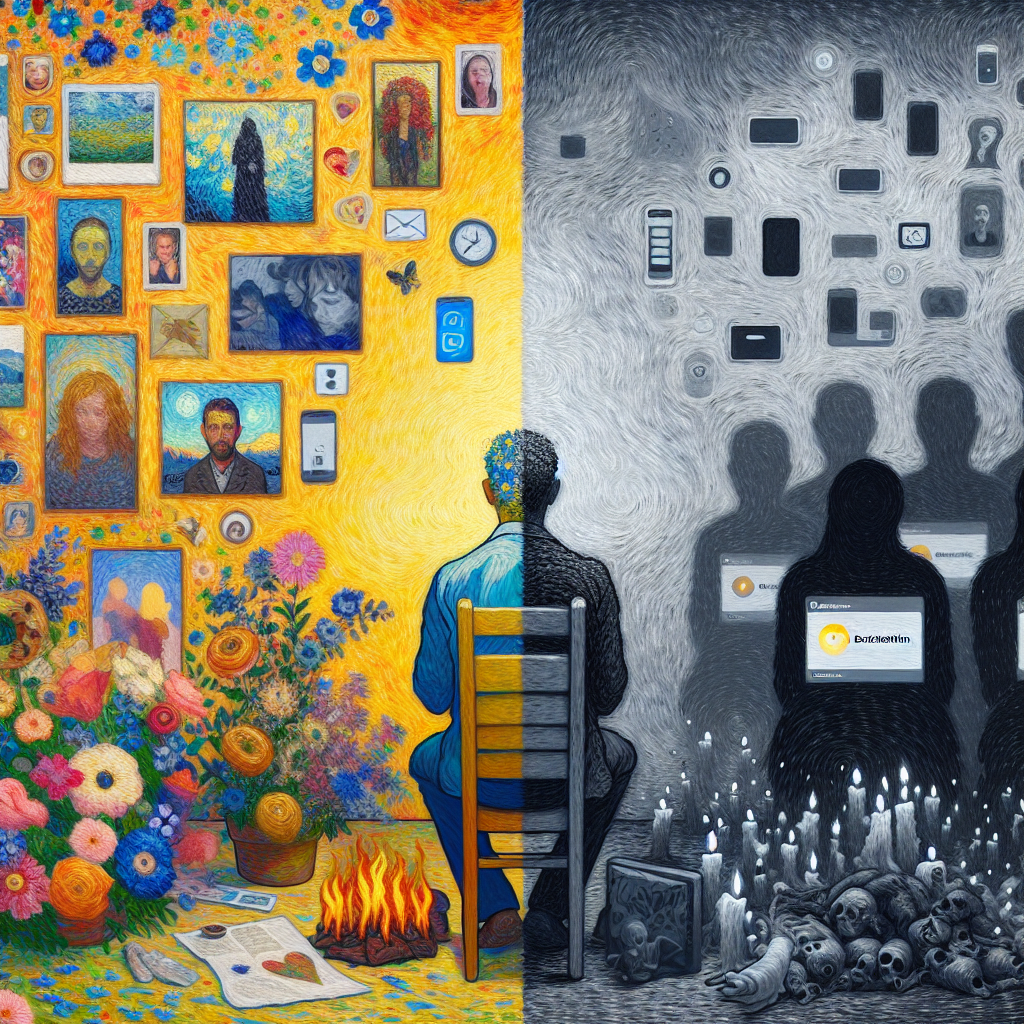
How Do We Ensure Our Children Feel Secure Online?
In a digital landscape teeming with possibilities, ensuring our children feel secure online is a task that demands our commitment. It’s not just about installing the latest app or enabling parental controls; it’s about building a robust framework of trust, understanding, and dialogue that lasts a lifetime.
Let’s face it: our children navigate a world where they can connect instantly with anyone, anywhere. This connectivity can feel like a gift, but it also carries profound risks. Legacy storytelling—our shared tales of growth, struggle, and resilience—can serve as a powerful tool in this journey. When we share stories from our own lives, we offer our children valuable lessons wrapped in love and wisdom. These narratives not only resonate emotionally but also pave the way for deeper conversations about safety. An engaging story about a misstep we took online can illuminate the dangers lurking in the shadows, transforming our experiences into teachable moments.
Educating our children isn’t simply about telling them what to avoid; it’s about empowering them to make informed choices. Present facts about online risks, using age-appropriate explanations. Illustrate concepts like privacy, consent, and ethical behavior with clarity. Encourage them to think critically, nurturing their ability to discern the trustworthy from the dubious. Celebrate their victories, no matter how small, when they take a step toward responsible online behavior, reinforcing a sense of confidence that they can navigate these waters themselves.
But education alone isn’t enough; we must foster an environment that nurtures open communication. Develop a relationship where your child feels comfortable approaching you with their concerns, triumphs, or any uncertainties. When your child knows they can turn to you without fear of judgment, it instills a sense of security that online spaces often lack. This connection becomes the bedrock upon which resilience is built, so that when they encounter challenges online, they trust their instincts, and they know they can lean on you for support and guidance.
As a community, we share the responsibility to protect our future generations. Join forces with other caregivers, educators, and leaders to establish a culture of vigilance and awareness. Host discussions, share resources, and engage in workshops that address online safety collectively. Together, we can foster a sense of responsibility, shaping an environment where children feel secure, respected, and confident to explore the vast online world.
How Do We Ensure Our Children Feel Secure Online?
How Do We Ensure Our Children Feel Secure Online?
- Ensuring children’s online security requires building a framework of trust, understanding, and dialogue.
- Children’s instant connectivity poses both opportunities and risks.
- Legacy storytelling can impart valuable lessons about online safety and risks.
- Education should empower children to make informed choices about online behavior.
- Open communication is essential for children to share concerns and uncertainties.
- Parents should cultivate a safe environment that encourages children to trust their instincts.
- Community collaboration is vital for promoting online safety awareness and resources.

How Do We Ensure Our Children Feel Secure Online?
What Measures Build Trust In Our Online Interactions?
In today’s whirlwind of digital connections, trust emerges not as a mere convenience, but as a critical foundation. Every click, every like, and every comment is a layer—to build or dismantle trust, we must engage in conscious acts of Legacy Storytelling. These narratives don’t just convey information; they establish a bond. Think of the stories that resonate deeply—those that showcase our shared humanity, our struggles, and our triumphs. These tales spark genuine connections that transcend screens.
Our emotions are powerful messengers. When we share our vulnerabilities, we invite others to do the same. This act of reaching out, of saying “I understand” in a world that often feels disconnected, lays the groundwork for trust. It’s not merely about what we share, but how we share it. Authenticity speaks louder than scripted lines; when we demonstrate our real selves, we create spaces where others feel safe to reveal theirs.
Yet, trust isn’t built on feelings alone; we must also engage the mind. Rational appeals, such as transparency and consistency, fortify that emotional foundation. When individuals or organizations provide clear information and follow through on their commitments, they send a powerful message: they value their audience. Maintaining a steady presence online, coupled with a commitment to honesty, builds a reputation that’s not easily shaken. Consistent messaging helps others feel confident that what they see is what they’ll get.
Ethically, we must acknowledge our role in fostering trust. Stand firmly against misinformation and encourage critical thinking. By being gatekeepers of quality information, we not only protect our integrity but also empower our community to make informed decisions. A commitment to ethical standards fosters an environment where trust flourishes, creating a network of accountability that benefits everyone involved.
Societal values often guide our interactions as well. People are drawn to communities where trust reigns, where mutual respect is the norm. Shared experiences build rapport, allowing us to engage in meaningful conversations. It’s essential to recognize that every interaction—no matter how small—contributes to a larger narrative about trust and integrity.
So, as we navigate this expansive digital landscape, let us remember that lasting connections require effort. Through Legacy Storytelling, emotional authenticity, rational transparency, and ethical behavior, we can create trusting relationships that stand the test of time. Trust isn’t just a nice-to-have; it’s a necessity. By fostering these principles, we not only enhance our online experiences but also cultivate a community where everyone belongs.

What Measures Build Trust In Our Online Interactions?
What Measures Build Trust In Our Online Interactions?
- Trust is essential in digital interactions, serving as a critical foundation.
- Legacy Storytelling fosters bonds and showcases shared humanity, struggles, and triumphs.
- Emotional authenticity encourages vulnerability and connection among individuals.
- Rational appeals like transparency and consistency strengthen emotional trust.
- Ethical standards and critical thinking combat misinformation and protect integrity.
- Societal values influence interactions, drawing people to trustworthy communities.
- Lasting connections require effort through storytelling, transparency, and ethical behavior.

What Measures Build Trust In Our Online Interactions?
How Does Digital Security Affect Our Family Decisions?
Digital security is more than just a technical concern; it’s a lifeline that influences how we operate as families in an increasingly connected world. As we navigate the complexities of modern life, the decisions we make are often intertwined with the unseen threads of technology. It starts with a story—a legacy storytelling of sorts—where our family narratives evolve alongside our digital presences. Who we are online can impact not only our children’s perspectives but also their future opportunities.
Consider the simple act of sharing a family moment on social media. What seems like innocent sharing can inadvertently expose our lives to risks we might not fully understand. Each click, every post, can shape our family’s digital footprint in a way that feels personal, yet is very public. This reality taps into our emotional core; we crave connection, but we also want to protect the ones we love. Making informed decisions about our digital security becomes an ethical obligation. Are we safeguarding our children’s identities? Are we considering the long-term effects of our online actions?
From a rational standpoint, the stakes have never been higher. Cyber threats lurk like shadows in the corners of our digital experiences. We read about breaches and scams, and we wonder: how can we shield our families from these growing threats? The answer lies in understanding that digital security isn’t just a technical matter; it’s about empowerment. By prioritizing security measures—strong passwords, privacy settings, and awareness of phishing scams—we proactively take charge of our legacy, ensuring we create a safe online environment for our children.
This is where authority intersects with narrative. Experts may advise us on what to do, but real stories resonate deeper. Every family has faced dilemmas triggered by poor digital choices. Think of a friend’s tale about losing everything due to a lack of awareness—an experience that drives home the urgency of being vigilant. These narratives remind us we’re not alone in our struggles and serve as a wake-up call.
Let’s not underestimate the social aspect of our decisions. When families engage in conversations about online safety, they strengthen their bonds. They teach their kids resilience, fostering a trusted environment where technology becomes a tool for growth rather than a source of fear. By championing digital security, we equip our families to thrive, creating a legacy worth sharing—a story where safety and connection coalesce, leading to informed and secure family decisions.

How Does Digital Security Affect Our Family Decisions?
How Does Digital Security Affect Our Family Decisions?
- Digital security is essential for families in a connected world, influencing family dynamics and decisions.
- Online actions, such as sharing on social media, can expose families to unforeseen risks and shape digital footprints.
- Making informed digital security choices is an ethical responsibility to protect children’s identities and future opportunities.
- Cyber threats are increasingly prevalent, necessitating proactive security measures like strong passwords and privacy settings.
- Personal stories highlight the importance of digital vigilance and the real consequences of poor online choices.
- Engaging in discussions about online safety strengthens family bonds and fosters resilience in children.
- Championing digital security enables families to thrive and create a legacy of safety and informed decision-making.

How Does Digital Security Affect Our Family Decisions?
Conclusion
The modern laptop has evolved into a family safe, holding not just work documents but invaluable memories and cherished moments. In our digital age, the stories we craft become heirlooms that preserve the essence of who we are. Each family interaction, whether it’s the first steps of a child or the laughter of gatherings, finds its place on these devices, turning fleeting moments into lasting legacies.
Reflecting on the emotional weight of our digital archives reveals a responsibility we hold; just as one would care for a physical scrapbook, we must safeguard our digital narrative. Organizing and backing up our family photos isn’t merely a task—it’s an ethical obligation to ensure future generations can connect with their roots and the values we hold dear. This responsibility isn’t individual; it’s communal. Gathering together to share and reminisce strengthens family bonds and cultivates a sense of belonging that transcends time.
Our family memories are the fabric of our legacy, woven together by the experiences we share. The values we impart, through tales of triumph and adversity, shape the character of our lineage. The act of storytelling fosters connection, encouraging our children to embrace both their successes and failures as integral parts of their identity.
As we navigate the digital landscape, it’s crucial to maintain a presence that mirrors our family values. The essence of our online interactions shapes how future generations perceive not only us but also the world around them. When we deliberately reflect our core principles in our digital storytelling, we empower our children to honor the lessons learned and the narratives crafted by those who came before them.
Ensuring our children feel secure in this vast online world carries significant weight. This begins with open dialogues and the sharing of our journeys, teaching them valuable lessons wrapped in love. By equipping them with the knowledge of online safety, we nurture confidence and resilience while fostering an environment of trust.
Ultimately, our decisions regarding digital security impact not just our immediate families but shape our legacy for years to come. Prioritizing safety in our online interactions prepares us to navigate the future confidently. In every click and shared moment, we must cultivate stories that resonate across time, bridging connections and reinforcing the values that bind us. The laptop, therefore, is more than just a machine; it is a testament to our collective narrative, ensuring that our family’s legacy is preserved and cherished for generations ahead.
Conclusion
Conclusion:
- The modern laptop serves as a family archive, preserving not only work documents but also invaluable memories.
- Digital storytelling creates heirlooms that reflect our identity and familial essence.
- Safeguarding digital memories is an ethical obligation to connect future generations with their roots.
- Sharing family memories strengthens bonds and fosters a sense of belonging.
- Storytelling shapes the character of our lineage, integrating both successes and failures as part of identity.
- Reflecting family values in online interactions influences how future generations perceive their heritage.
- Open dialogues about online safety nurture confidence and resilience in children, impacting our legacy.

Conclusion
Other Resources
Other Resources
Here is a list of other resources you can review online to learn more:
- FindMyPast
- Bcelebrated
- Knotify.me
- LegacyFamilyTree
- Storyworth
- Willmaker
- INELA
- APH
- Meminto
- Forever Missed
- Cake
- IronClad Family
- AmericanAncestors
- Personal Legacy Advisors
- Tributes
- How to Save Your Family�s Stories from Being Lost Forever � A Step-by-Step Guide to Creating a Lasting Digital Legacy
- Association of Personal Historians
- Your Digital Afterlife
- Digital Legacy Association
- Postumo
Use This Prompt To Get More Resources With Your Favorite Online AI Tool: Please provide me with a list of online articles with their URLs in a bulleted list that I can read regarding When the Laptop Becomes the Family Safe

Other Resources
Glossary Terms
When the Laptop Becomes the Family Safe – Glossary Of Terms
1. Encryption: A method of converting data into a coded format to prevent unauthorized access.
2. Backup: The process of creating copies of data to protect against loss or corruption.
3. Firewall: A security system that monitors and controls incoming and outgoing network traffic.
4. Antivirus: Software designed to detect and remove malicious software from computers.
5. Password Manager: A tool that securely stores and manages passwords for various accounts.
6. Multi-factor Authentication: A security process that requires two or more verification methods to access an account.
7. Malware: Malicious software intended to harm a computer system or compromise information.
8. Phishing: A fraudulent attempt to obtain sensitive information by disguising as a trustworthy entity.
9. VPN (Virtual Private Network): A service that encrypts internet connections and masks IP addresses for privacy.
10. Secure Socket Layer (SSL): A protocol for encrypting information over the internet for secure communication.
11. Cloud Storage: Online data storage services that allow users to store and manage files remotely.
12. User Permissions: Settings that determine what actions a user can take within a device or software.
13. Device Encryption: The process of encoding data on a device to protect it from unauthorized access.
14. System Update: Upgrading software to improve security, stability, and performance.
15. Spam: Unwanted or unsolicited electronic messages, often containing advertising or harmful content.
16. Data Breach: An incident where unauthorized access to data occurs, compromising sensitive information.
17. Identity Theft: The unauthorized use of someone’s personal information, typically for financial gain.
18. Digital Footprint: The trail of data users leave online, including social media activity and browsing history.
19. User Interfaces: The means by which users interact with computers or software applications.
20. Remote Access: The ability to access a computer or network from a distant location.
21. Temporary Files: Files created to hold information temporarily while a file is being created or modified.
22. Adware: Software that automatically displays or downloads advertisements when a user is online.
23. Trojan Horse: A type of malware that misleads users about its true intent, often disguised as legitimate software.
24. Patch Management: Regularly applying updates and patches to software to fix vulnerabilities.
25. Secure Wi-Fi: A wireless network that is protected with encryption to prevent unauthorized access.
26. Hard Drive: The primary storage device in a computer, where data is stored persistently.
27. Phishing Scams: Deceptive attempts to trick individuals into providing personal information via email or messages.
28. Data Loss Prevention (DLP): Strategies and tools used to prevent sensitive data from being lost or accessed by unauthorized users.
29. Access Control: Mechanisms that restrict access to data or systems based on user permissions.
30. Screen Lock: A security feature that prevents unauthorized access to a device when not in use.

Glossary Of Terms
Other Questions
When the Laptop Becomes the Family Safe – Other Questions
If you wish to explore and discover more, consider looking for answers to these questions:
- What specific files and formats should we prioritize preserving (photos, videos, documents, emails)?
- How should we organize folders and file names so future generations can easily find things?
- Which file formats are most durable and future-proof for long‑term preservation?
- How often should we back up the laptop and what backup schedule is realistic?
- Should we use cloud storage, external drives, or a combination—and why?
- How do we choose a trustworthy cloud provider and evaluate their longevity and policies?
- How do we encrypt sensitive family data while ensuring designated heirs can access it?
- What’s the best way to manage and share passwords, encryption keys, and account access with family?
- How do we preserve metadata (dates, locations, captions) and why does it matter?
- What naming, tagging, or indexing conventions make archives searchable and meaningful?
- How do we appoint a digital executor or digital heir and document their responsibilities?
- How do we legally include digital assets and access instructions in a will or estate plan?
- How do social media platforms handle accounts after death and how do we set legacy options?
- How can we download and archive content from social platforms (e.g., Facebook, Instagram, Twitter)?
- What privacy and copyright issues arise when preserving or sharing photos of other people?
- How and when should we obtain consent from family members before archiving or publishing their images or stories?
- How do we balance privacy concerns with the desire to share family stories publicly?
- How can we protect children’s digital footprints and personal data as they grow up?
- Which parental controls, monitoring tools, or privacy settings are age‑appropriate and effective?
- How do we teach children safe, ethical, and critical online behavior without inducing fear?
- What technical steps prevent data loss from hardware failure, theft, or accidental deletion?
- How can families protect themselves against ransomware, phishing, and other cyber threats?
- How often should we verify backups and perform restoration tests to ensure recoverability?
- How do we digitize and preserve older media (printed photos, slides, VHS, cassette tapes)?
- What equipment, services, or file settings yield the best quality for photo and video preservation?
- How do we manage large video files (storage, compression, formats) while keeping quality and accessibility?
- Should families keep physical prints or hard copies in addition to digital archives?
- How should we handle sensitive, painful, or potentially divisive family stories in an archive?
- How can we create contextual narratives, captions, or indexes so future generations understand each item?
- What metadata fields (who, when, where, why) are most valuable to include with photos and recordings?
- How do we involve extended family members in collecting, curating, and contributing memories?
- What rituals, schedules, or collaborative practices help keep legacy storytelling active over time?
- How much time, effort, and money should a family realistically expect to invest in digital preservation?
- What community resources, templates, or workshops can help families get started with archiving?
- How do we respond if a cloud provider changes terms of service, loses data, or shuts down?
- How do we ensure long‑term readability and migration of file formats as technology evolves?

Other Questions
Haiku
When the Laptop Becomes the Family Safe – A Haiku
Laptop holds our dreams,
Memories protected tight,
Legacy unfolds.

Haiku
Poem
When the Laptop Becomes the Family Safe – A Poem
In the realm of family ties, a laptop stands,
A modern safe, where memory expands.
From first steps taken, to laughters embrace,
It cradles our stories, time cannot erase.
Heirlooms of pixels, moments defined,
In the heart’s archive, every joy intertwined.
With every upload, a legacy grows,
Preserving our essence, as history flows.
Ethical duty calls, to secure our fate,
Like grandfathers albums, our memories await.
Gather the family, engage in this scheme,
Share in the laughter, fulfill the shared dream.
Moments made sacred, in photos they dwell,
Lessons in love, in each tale we tell.
Through struggles and triumphs, resilience is shown,
A narrative rich, where our values are sown.
Our online presence, a mirror so clear,
Reflects what we cherish, the life that we steer.
With trust built on stories, authenticity reigns,
In this digital age, where connection remains.
Guardians of memories, we teach with our art,
Empowering our youth, to navigate smart.
To honor the past, and embrace the unknown,
Creating a legacy, where love has been sown.
So let us connect, in this virtual embrace,
For each shared experience, we carve out our space.
With laptops our safes, in this digital age,
We pen our stories, and turn the page.

Poem
Checklist
When the Laptop Becomes the Family Safe – A Checklist
Emotional Appeals
✅______ Share family stories and cherish memories together.
✅______ Organize family gatherings to reminisce about past experiences.
✅______ Create a dedicated ‘memory folder’ on your laptop to store significant photos and videos.
Rational Appeals
✅______ Regularly back up important files to a cloud service or external hard drive.
✅______ Set privacy settings on social media to protect shared memories.
✅______ Educate family members on the importance of digital security measures.
Ethical Appeals
✅______ Foster discussions about the responsibilities of sharing content online.
✅______ Establish guidelines for safe internet use with children.
✅______ Encourage involvement from all family members in managing digital legacies.
Authority Appeals
✅______ Consult reputable sources for advice on digital preservation and security.
✅______ Delegate roles within the family for organizing and maintaining digital files.
✅______ Attend workshops or webinars on digital best practices offered by experts.
Narrative Appeals
✅______ Capture and share personal stories through photos and videos.
✅______ Document family traditions and milestones to pass down.
✅______ Craft a family timeline that highlights significant events and values.
Social Appeals
✅______ Create a family group chat or shared online album to encourage sharing memories.
✅______ Engage with family members on social media in a way that reflects family values.
✅______ Participate in community events that promote digital literacy and safety awareness.

Checklist
At LegacyExplorations, we help people plan and explore their legacy by collecting information and news regarding end-of-life planning.
Please share this post with your friends, family, or business associates who may want help to plan or explore their legacy.