

Unraveling Truth In A World Of Deceptive Visuals
By Tom Seest
At LegacyExplorations, we help people plan and explore their legacy by collecting information and news regarding end-of-life planning.
Please share this post with your friends, family, or business associates who may want help to plan or explore their legacy.
When You Cant Trust the Video
When considering the media landscape today, particularly video content, trust has become a rare commodity. Every day we consume countless clips and streams, each vying for our attention. But how do we discern what’s real and what’s manufactured? This isn’t just about finding the right source; it’s about understanding an underlying legacy of storytelling that has shaped our perceptions for generations.
Video has the power to evoke emotions—an instant connection with the viewer. However, the same medium can distort reality, twisting narratives into something unrecognizable. We’ve seen it all too often. A carefully edited clip surfaces online, stirring outrage or sympathy. It plays to our gut, igniting a response emotionally before our minds even get a chance to process the entirety of the situation. That’s where we must tread cautiously. The art of legacy storytelling teaches us that a single frame is often just a snapshot in a much larger picture, a story incomplete.
Consider the ethical implications here. When trust is compromised, the authenticity of information fades. We place our faith in creators, hoping they honor the responsibility that comes with their platform. But when videos manipulate emotions for clicks, are we not sacrificing integrity for engagement? It begs a question: how do we ensure our voices, our stories, remain authentic in a sea of sensationalism?
Authority plays a crucial role in this discussion, too. We need voices that serve as beacons of clarity amidst chaos—journalists, educators, thought leaders—those who stand firm on facts rather than spectacle. Yet, it’s not just about credentials. It’s about a shared narrative, connecting individuals through their experiences as well. Each story told adds to our collective memory, reinforcing trust within our communities.
When we engage with video content, we must invite a sense of skepticism balanced with empathy. Let’s lean into the narratives that resonate with our values and provoke thoughtful dialogue. Together, by cultivating a discerning mindset, we can elevate our conversation around what we see. We owe it to ourselves to demand authenticity, to foster deeper connections, and to ensure that our collective legacy of storytelling remains rooted in truth, not deception. In doing so, we not only reclaim the narratives but also inspire confidence in our shared humanity.

When You Cant Trust the Video
When You Cant Trust the Video
- Trust in video content has diminished, complicating discernment between reality and fabrication.
- Video can evoke emotions but also distort narratives, often leading to misinterpretation.
- Carefully edited clips can trigger immediate emotional responses, overshadowing full understanding.
- Ethical implications arise when creators prioritize engagement over integrity and authenticity.
- Authority figures like journalists and educators are essential for providing clarity amidst sensationalism.
- Each shared story contributes to collective memory, reinforcing community trust and connection.
- A discerning mindset is necessary, balancing skepticism and empathy to foster authentic narratives.

When You Cant Trust the Video
Table Of Contents
- When You Cant Trust the Video
- “How Do We Cope with the Uncertainty Of Digital Trust?
- What Are the Ethical Implications Of Video Manipulation?
- How Does Misinformation In Videos Affect Our Society?
- What Emotional Toll Does Digital Deception Take on Individuals?
- How Can We Critically Assess the Credibility Of What We See?
- What Role Does Authority Play In Validating Video Content?
- How Can Storytelling Shape Our Understanding Of Visual Truth?
- Conclusion
- Other Resources
- Glossary Of Terms
- Other Questions
- Haiku
- Poem
- Checklist
“How Do We Cope with the Uncertainty Of Digital Trust?
In an age where the internet connects us all, the very foundation of our interactions—trust—hangs in the balance, often teetering between the safety of our screens and the shadows of doubt that lurk behind them. Uncertainty in digital trust isn’t just a theoretical concern; it’s a reality that affects every one of us, from the casual browser to the savvy tech user. How do we cope with this uncertainty?
It begins with Legacy Storytelling, where we recall the tales of our past, the times we took a leap of faith and the moments our trust was rewarded. Think back to the days when your grandfather shared stories of neighbors helping neighbors, of transactions sealed with a handshake, or the comforting familiarity of a local shopkeeper. Those relationships thrived on trust, built slowly through community interactions. Today, we must leverage that same spirit, but in a digital environment that often feels sterile and impersonal.
To navigate the digital landscape, we need to rely on not just our heads, but also our hearts and guts. Emotion plays a critical role here; it guides our instincts. When we connect with a story—be it a heartfelt testimonial from a stranger or a powerful narrative from a trusted source—we are engaging on a level deeper than mere data points. We are reminded of our shared humanity. These stories remind us that, behind every website, every social media handle, there are real people with real experiences.
Rationally, we must become discerning consumers of information. This means questioning sources, seeking transparency, and insisting on accountability. We must cultivate a keen eye for those who act with integrity, whose actions align with their words. In a world full of misinformation and deception, recognizing authority in the digital realm is essential. We should look for verification—be it in reviews, endorsements, or the ethical stance of businesses we engage with.
Socially, trust flourishes in communities. Building connections, whether through collaborative platforms or shared experiences, allows us to lean on one another when uncertainty looms. We ought to foster environments where honesty prevails and where we feel safe to voice concerns without fear of backlash.
Coping with the uncertainty of digital trust is about taking charge in a world that often feels chaotic. It’s about bridging the gap between the tangible and the virtual, reminding ourselves that trust, like any connection, is a choice. Step into that choice, and take action—for yourself and for those around you. Let’s create a landscape where trust can thrive once more.

“How Do We Cope with the Uncertainty Of Digital Trust?
“How Do We Cope with the Uncertainty Of Digital Trust?
- The foundation of digital interactions—trust—faces challenges in the online environment.
- Legacy storytelling reminds us of past trust-building through personal relationships and community.
- Emotion plays a crucial role in navigating digital trust, connecting us to shared human experiences.
- Becoming discerning consumers involves questioning sources and seeking transparency and accountability.
- Recognizing and verifying authority is essential in combating misinformation and deception online.
- Trust thrives in communities; fostering honest environments encourages open communication.
- Coping with digital trust uncertainty requires proactive choices to bridge the gap between the tangible and virtual.

“How Do We Cope with the Uncertainty Of Digital Trust?
What Are the Ethical Implications Of Video Manipulation?
In an age where a single click can turn reality into fiction, video manipulation has emerged as a two-edged sword. The ability to alter what we see raises profound ethical questions that penetrate our hearts, minds, and instincts, intertwining legacy storytelling and modern technology in ways we must confront.
Imagine sitting around a fire, sharing stories that shaped our communities, stories that speak to our values and truths. This is the essence of legacy storytelling. It connects us, forging bonds through shared experiences and lessons. Now, think about how easily those cherished stories can be twisted or distorted. A carefully edited video can present a precarious reality, leading to misinformation that not only misguides but can also harm our collective understanding.
When we see a manipulated video, we often seek to understand its message. This calls for rational scrutiny—an appealing exercise for the informed. Yet, as we delve deeper, we must ask ourselves: who is behind the manipulation? What authority do they wield? With the erosion of trust in media sources, the stakes are higher than ever. A single image or clip can sway public opinion or alter the course of events with the wetness of paint on a canvas, showing us that not all truth is visible, and not all visibility is true.
The ethical implications extend beyond the individual level, reaching into our society and affecting how we relate to one another and the world at large. Video manipulation can deepen divisions based on false narratives, stoking fear or anger, pushing us away from empathy and understanding. It becomes a societal issue, where the gut reaction to what we see can lead us to act on erroneous beliefs rather than engage with the empathetic truths of our shared human experience.
Yet, this isn’t merely about the technology or the potential for deceit; it’s about our responsibility. Recognizing the power of video manipulation reminds us that each of us is a storyteller in our own right. We must consider the impact of our narratives—whether through the lens of a camera or the voice of a friend. The legacy we create matters, and in this digital landscape, our choices echo far beyond ourselves. If we embrace integrity in storytelling, we can foster a culture of honesty and connection rather than division.
The time to act is now. Engage with ethical storytelling, scrutinize the sources, and collectively reclaim trust in the stories that define us.

What Are the Ethical Implications Of Video Manipulation?
What Are the Ethical Implications Of Video Manipulation?
- Video manipulation raises ethical questions, merging legacy storytelling with modern technology.
- Legacy storytelling connects communities through shared experiences and values.
- Manipulated videos can misguide, leading to misinformation and harm to collective understanding.
- Scrutiny of manipulated content is essential, questioning the sources and their authority.
- Video manipulation can deepen societal divisions and foster erroneous beliefs, hindering empathy.
- Each individual bears responsibility as a storyteller, impacting narratives in the digital age.
- Engaging in ethical storytelling and scrutinizing sources is crucial for reclaiming trust in shared narratives.

What Are the Ethical Implications Of Video Manipulation?
How Does Misinformation In Videos Affect Our Society?
Misinformation in videos has insidiously woven itself into the fabric of our daily lives, leaving a legacy of confusion and distrust that resonates deeply within our society. Each day, countless individuals consume videos that are expertly crafted yet misleading, leading to the shaping of opinions based not on fact, but on emotion. This is not just a minor annoyance; it’s a stark reality defined by the stories we share and the truths we distort.
Imagine a world where a single video could ignite outrage or rally a community; that power is immense and, in the wrong hands, profoundly dangerous. Every time we click “play,” we invite narratives into our lives—narratives that can either unite us or tear us apart. This legacy storytelling can profoundly influence our beliefs, causing shifts in perceptions that affect everything from personal relationships to political landscapes.
The emotional pull of a well-edited video can draw us in, often bypassing our rational faculties. When we encounter misinformation nestled within compelling visuals, it feels real. Our gut reactions often drown out the little voice of skepticism. Witnessing a heart-wrenching story led by falsehoods can incite anger or fear, compelling us to share without a second thought. In this age of rapid information exchange, the ethics of storytelling have been overshadowed by the urgency to go viral.
As we sift through the cacophony of online content, we must cultivate an awareness of our responsibility toward each other. It’s easy to dismiss the impact of misinformation as a remote concern, but the truth is, the stories we believe shape our collective reality. They build walls between communities and can persuade individuals to act against their own interests.
Think about the ripple effect we create when we share a video; it reaches beyond our screens and into the lives of friends, family, and even strangers. Every narrative has the power to foster connection or breed division. It challenges us to engage with others in meaningful ways, asking ourselves what kind of stories we want to be part of. Are we contributing to a legacy of truth—or do we perpetuate a cycle of deceit?
This awareness inspires us to be vigilant consumers of media. It empowers us to seek out factual information and share narratives that reflect integrity, ensuring that the stories we pass on carry the weight of truth. In doing so, we not only safeguard ourselves but also nurture a society capable of discerning reality from fabrication, thereby enriching the very fabric of our communities.

How Does Misinformation In Videos Affect Our Society?
How Does Misinformation In Videos Affect Our Society?
- Misinformation in videos creates confusion and distrust in society.
- Expertly crafted yet misleading videos shape opinions based on emotion rather than fact.
- A single video can ignite outrage or unite communities, making its influence powerful and dangerous.
- The emotional appeal of videos often bypasses rational judgment, leading to gut reactions against skepticism.
- Misinformation affects personal relationships and political perceptions, creating significant shifts in beliefs.
- Sharing videos can have a ripple effect, impacting the lives of friends, family, and strangers alike.
- Vigilance in media consumption encourages sharing narratives that reflect integrity and truth.

How Does Misinformation In Videos Affect Our Society?
What Emotional Toll Does Digital Deception Take on Individuals?
In the vast, uncharted waters of our digital lives, many of us navigate with a compass made of trust, hoping to find connection and truth. Yet, as we cast our nets into the online world, we often pull up a catch that’s tainted by deception. The emotional cost of this digital deception is staggering, weighing heavily on our hearts, minds, and souls.
The legacy of storytelling runs deep within us. It’s how we connect, learn, and grow. When that storytelling is grounded in deception, the narratives we share become tainted. Friends become foes, lovers turn to strangers, and the familiar faces we share our lives with morph into facades. This betrayal robs us of the very essence of our relationships, leaving behind a void filled with doubt and suspicion.
Rationally, consider the psychological effects. Studies reveal that individuals exposed to deceit experience heightened anxiety and lower self-esteem. Trust, once shattered, is not merely a piece of glass; it’s a fragile bond that reflects our social identities. When digital interactions devolve into falsehoods, we not only lose faith in others but also in ourselves. We start to question our judgment, wondering how we missed the signs of disillusionment. The emotional toll manifests physically and mentally—stress can lead to serious health issues, reinforcing the harsh reality that deception is not just a social faux pas; it’s a silent predator lurking in our digital ecosystem.
Ethically, we must reflect on the consequences of our actions. As we engage in digital spaces, we have a responsibility to ourselves and others. Each tiny lie told in the ether creates ripples, impacting not only the deceived but also the surrounding community. Our social networks, once vibrant and connected, begin to unravel, leaving behind disconnected individuals, isolated in their experiences.
Storytelling—the legacies we pass on—teaches us about authenticity and accountability. It reminds us that every interaction carries weight and meaning. It urges us to foster relationships based on trust, encouraging vulnerability in the face of a world too often shrouded in deception.
In embracing honesty, we invite a renaissance of connection. Choosing truth over deceit cultivates an environment ripe for growth and understanding. So, the next time you’re tempted to bend the truth, remember that the emotional toll goes far beyond the immediate. It shapes legacies and narratives that echo through our lives, reminding us that authenticity is the bedrock of meaningful connections.

What Emotional Toll Does Digital Deception Take on Individuals?
What Emotional Toll Does Digital Deception Take on Individuals?
- Digital lives are influenced by trust, but deception often leads to emotional turmoil.
- Deceptive storytelling can damage relationships, transforming friends into foes and familiar faces into facades.
- Exposure to deceit is linked to increased anxiety and lower self-esteem, affecting social identity and self-trust.
- The emotional and physical toll of deception can lead to serious health issues.
- Each lie in digital interactions has wider consequences, impacting communities and isolating individuals.
- Storytelling teaches the importance of authenticity and accountability in fostering trustful relationships.
- Embracing honesty encourages meaningful connections and promotes personal growth.

What Emotional Toll Does Digital Deception Take on Individuals?
How Can We Critically Assess the Credibility Of What We See?
In a world swarming with information, the ability to critically assess what we see is more essential than ever. We’re inundated with images, videos, and headlines, each vying for our attention, but behind each flashy presentation often lies a murky truth. To navigate this ocean of data, we must turn not just to our heads, but to our hearts and guts as well.
Imagine a time when you heard a story that ignited something within you—a legacy storytelling moment that moved you to action. When those tales resonate, they often tug at your emotions, making you feel deeply connected to the speaker and their message. The power of storytelling draws us in, allowing us to examine our own values alongside those of others. Yet, not every story is created equal. Some are crafted diligently, while others are designed to mislead.
As we engage with information, let’s remember to question the authority behind it. Are the sources credible? Do they have a track record that matches their claims? Just like a skilled tradesperson who has honed their craft over years, one must recognize the fingerprints of quality in the narratives presented. Scrutinizing an article or video through this lens fosters not only understanding but also trust. When we invest in dissecting the narrative, we uncover the intentions beneath the surface.
It’s imperative to marry the emotional and rational. Our emotions provide the spark, drawing us in, but our rational brains must sift through the noise. Think of ethics: we owe it to ourselves and our community to discern fact from fiction. When we engage ethically, we stand on firm ground, challenging misinformation while nurturing a culture of honesty and transparency.
Take a moment to reflect: how does the content you consume align with your values? Are you living in a bubble, only drawing from sources that reflect your beliefs? Striving for diverse perspectives and fostering discussions with those who think differently can strengthen our collective understanding. This social engagement empowers us to navigate complexities with a more grounded approach.
Ultimately, the mission is simple: inspire others to trust but verify. By staying curious, questioning narratives, and connecting with our shared human experience, we become vigilant stewards of information. The journey to discernment doesn’t end with a single story—it continues in the conversations we have, the legacies we create, and the truths we uncover together.

How Can We Critically Assess the Credibility Of What We See?
How Can We Critically Assess the Credibility Of What We See?
- The ability to critically assess information is essential in an information-saturated world.
- Storytelling connects us deeply to the speaker and their message, but not all stories are trustworthy.
- Question the credibility of sources and their track records to foster understanding and trust.
- Balancing emotion and rationality is crucial; our feelings spark interest while reason filters information.
- Engaging ethically in information consumption helps challenge misinformation and supports a culture of transparency.
- Seek diverse perspectives and engage in discussions to strengthen collective understanding.
- The journey of discernment involves continuous questioning and dialogue, inspiring others to trust but verify.

How Can We Critically Assess the Credibility Of What We See?
What Role Does Authority Play In Validating Video Content?
In a world overwhelmingly filled with pixels and noise, the quest for genuine, trusted video content often mirrors an age-old dilemma—how do we discern truth from fabrication? Authority plays a pivotal role in this journey, acting as both a lighthouse and a compass amid a tide of misinformation. When we think of authority, we often associate it with credentials, expertise, or the weight of experience. But the true power of authority stems from something more profound—its ability to engage our hearts, minds, and guts.
Consider legacy storytelling. These narratives shape cultures and inform our perspectives. They resonate through generations, imbuing authority with authenticity. When a trusted figure tells a story, it reverberates beyond the words, creating an emotional connection that fosters trust. This is not just about credentials; it’s about the stories that have stood the test of time, the lessons learned, and the wisdom shared. Authority, then, becomes a bridge that connects generations, inviting the audience to engage not just with the content but with the storyteller’s journey.
Now, let’s take a moment to reflect on the rational side. We live in a time when data can be manipulated and context twisted. However, when authoritative voices present well-researched narratives, they not only provide clarity but also instill confidence. This is where passion meets intellect. It’s about recognizing that those who understand their subject deeply can quell doubts and illuminate the truth, inviting us to embrace new perspectives while validating what we already believe to be right.
Ethical considerations also loom large in this digital age. As viewers, we wrestle with questions of integrity—who is behind the camera, and what are their motivations? Authority arises from transparency; the more we know about the creator’s values and intentions, the easier it becomes to engage. This ethical foundation strengthens our connection to the content and reinforces our trust.
Lastly, let’s not forget the social aspect. Authority thrives in communities—people banding together to share insights and experiences that bolster their collective understanding. When we witness collaboration among experts, influencers, and storytellers, it creates a ripple effect, drawing us in. We feel like part of something larger, a tapestry of shared knowledge woven with authenticity.
Authority in video content is not about dominance; it’s about resonance. It invites us to reflect, trust, and take action, fusing the heart, head, and gut into a holistic experience that matters.
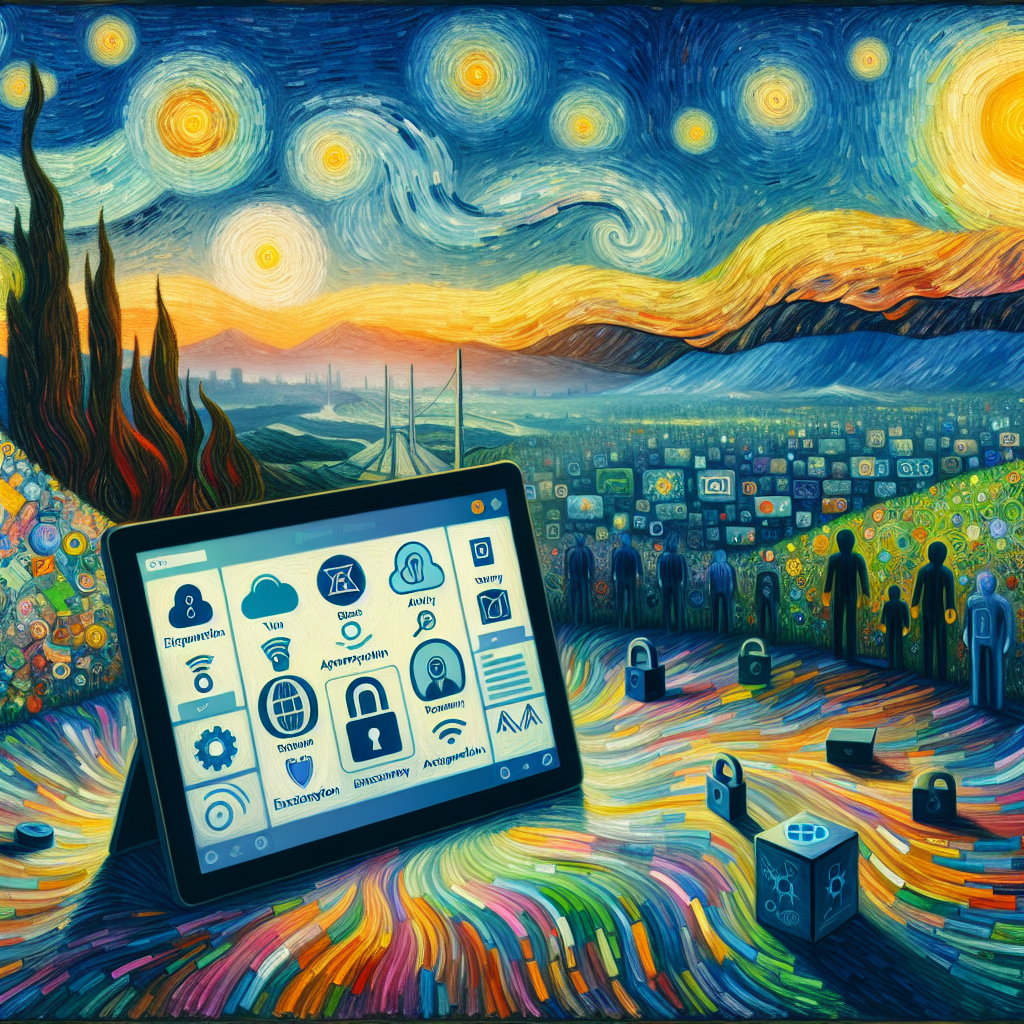
What Role Does Authority Play In Validating Video Content?
What Role Does Authority Play In Validating Video Content?
- The quest for genuine video content involves discerning truth from fabrication amid misinformation.
- Authority serves as a guiding force, connecting with audiences emotionally, intellectually, and instinctively.
- Legacy storytelling shapes cultures and builds authentic authority through timeless narratives.
- Well-researched narratives by authoritative voices provide clarity and instill confidence, merging passion and intellect.
- Ethical considerations are crucial; transparency in creators’ values enhances audience engagement and trust.
- Authority thrives in communities, fostering collaboration among experts and sharing knowledge.
- Authority in video content emphasizes resonance over dominance, creating a holistic experience that encourages reflection and action.

What Role Does Authority Play In Validating Video Content?
How Can Storytelling Shape Our Understanding Of Visual Truth?
Visual truth, in this age of instant information and digital imagery, often feels fleeting. Yet, there exists a powerful force that can ground us—legacy storytelling. It transcends mere images, weaving the fabric of our shared experiences into a narrative that resonates deeply within us. When we hear a story intertwined with visuals, we’re not just perceiving; we’re connecting. It stirs something primal in us, tapping into our emotional core, our head, heart, and gut.
Consider the stories that shaped our past. These aren’t just tales told around a campfire; they’re the blueprints of our collective identity. They remind us of where we come from and who we aspire to be. Through storytelling, we grasp complex truths about humanity, wrapped in the familiar warmth of a well-told account. It’s the difference between seeing a moment frozen in time and understanding the heartbeat that led to that moment.
Legacy storytelling doesn’t just appeal to our emotions; it engages our rational minds too. It demonstrates how every visual representation carries a narrative weight, encouraging us to question the context behind it. Is that image a simple snapshot, or is it laden with histories and perspectives that demand our scrutiny? When we dive deeper, we reveal layers of truth that challenge our perceptions and inspire critical thinking.
Moreover, there’s an ethical dimension. As we bridge storytelling and visual representation, it’s imperative to consider the responsibility that comes with it. Every story told shapes societal viewpoints, influencing how we see ourselves and others. By fostering authentic representations through thoughtful storytelling, we champion diversity and challenge misrepresentations, nurturing a sense of responsibility that transcends individual narratives.
At its core, storytelling also builds trust. It’s a commitment to authenticity, a pledge to uphold the richness of real human experiences. We find ourselves drawn to those narratives that resonate with our own lives, reinforcing our shared struggles and triumphs. Each story adds to a collective memory, urging us to participate in the dialogues that matter.
Ultimately, it’s through legacy storytelling that we redefine visual truth. It becomes more than a display of pixels; it transforms into a language that speaks to our humanity, urging us to act with empathy and understanding. In a world where images can sometimes mislead, let’s anchor ourselves in the stories that enlighten and inspire, guiding us toward a deeper comprehension of the truth.

How Can Storytelling Shape Our Understanding Of Visual Truth?
How Can Storytelling Shape Our Understanding Of Visual Truth?
- Visual truth can feel fleeting in the digital age, but legacy storytelling provides grounding.
- Legacy storytelling weaves shared experiences into narratives that resonate emotionally.
- These stories shape our collective identity, reflecting our origins and aspirations.
- Storytelling encourages deeper understanding by questioning the context of visual representations.
- There is an ethical responsibility in storytelling that influences societal viewpoints and promotes diversity.
- Storytelling builds trust by committing to authenticity and connecting us through shared experiences.
- Legacy storytelling redefines visual truth, urging empathy and understanding in a complex world.

How Can Storytelling Shape Our Understanding Of Visual Truth?
Conclusion
In a world dominated by digital visuals, the trust we once held in authentic storytelling is increasingly jeopardized. Daily, we encounter an avalanche of video content that competes for our attention, often blurring the lines between truth and manipulation. Video is a powerful medium, capable of evoking strong emotions and sparking immediate reactions that can overshadow rational thought. We must navigate this landscape with care, recognizing that a single moment captured can mislead and distort narratives, leaving us to grapple with the emotional fallout.
The ethical implications of consuming and sharing manipulated videos cannot be overstated. Each twist of a narrative erodes our trust, compelling us to question not just the content, but the integrity of the creators behind it. This crisis is not merely a personal battle; it resonates within communities that rely on trust for cohesion. We must seek out credible voices—journalists and educators—who prioritize truth over sensationalism, reinforcing a collective narrative rooted in authenticity.
As we navigate this chaotic media environment, it’s imperative to merge skepticism with empathy. A discerning mindset allows us to engage thoughtfully with stories that resonate with our values, fostering meaningful dialogues. By reclaiming our narratives and demanding authenticity from creators, we inspire a return to honest storytelling—a legacy we pass on to future generations.
Amidst the uncertainty of digital trust, we must anchor ourselves in the power of legacy storytelling. Memories and morals embedded in shared tales guide our actions, reminding us of the trust-building dynamics of old. Whether through heartwarming personal anecdotes or collective experiences, these stories reinforce our humanity and responsibility to one another.
Engaging with video content demands a careful balance; our emotions must inform our rationality, inviting scrutiny of both the authority behind the message and the ethics involved. Together, we can cultivate a culture where trust thrives, anchoring ourselves in a legacy of truth that bridges the digital and the human experience. As we forge ahead, let’s commit to storytelling that inspires rather than divides, allowing our sense of community to flourish through authentic connections. It’s time to take control of our narratives and, in doing so, restore trust in the stories that shape our lives.

Conclusion
Conclusion:
- Authentic storytelling faces challenges in a digital world filled with manipulated video content.
- Video can evoke strong emotions, often leading to emotional reactions that overshadow rational thought.
- Manipulated narratives undermine trust, prompting skepticism towards both content and creators.
- Credible voices, such as journalists and educators, are essential for restoring authenticity in storytelling.
- A discerning mindset combines skepticism and empathy, fostering meaningful dialogues around shared values.
- Legacy storytelling reinforces our humanity and builds trust within communities through shared experiences.
- Engaging thoughtfully with video content can help cultivate a culture of trust and inspire honest connections.

Conclusion
Other Resources

Other Resources
Here is a list of other resources you can review online to learn more:
- LifeBio
- YouMattered
- FindMyPast
- Living Wisely
- Storyworth
- Your Digital Afterlife
- Directive Communication Systems
- APH
- RocketLawyer
- LegacyLearned
- RootsMagic
- FamilySearch
- ForeverMissed
- NoLo
- How To Write Legacy Stories That Appeal To The Heart, Gut and Head
- Meminto
- Willmaker
- LegalZoom
- Funeral Finder
- Obituary Templates
Use This Prompt To Get More Resources With Your Favorite Online AI Tool: Please provide me with a list of online articles with their URLs in a bulleted list that I can read regarding When You Cant Trust the Video

Other Resources
Glossary Terms
When You Cant Trust the Video – Glossary Of Terms
1. Manipulation: The act of altering video content to misrepresent the truth.
2. Deepfake: A synthetic media in which a person in an existing image or video is replaced with someone else’s likeness using artificial intelligence.
3. Misinformation: False or misleading information spread regardless of intent to deceive.
4. Disinformation: Deliberately false information shared to manipulate or deceive others.
5. Source Verification: The process of examining the origins of a video to confirm its authenticity.
6. Authenticity: The quality of being genuine or reliable, often assessed in the context of video content.
7. Context: The surrounding circumstances or information that provide clarity to the video content.
8. Image Forensics: Techniques used to analyze images and videos for signs of manipulation.
9. Algorithm: A set of rules or processes followed in calculations or problem-solving, often used in video editing and categorization.
10. Viral: Refers to content that spreads rapidly online, often regardless of its truthfulness.
11. Context Collapse: The loss of context as content spreads across different platforms, leading to misinterpretation.
12. Viewing Bias: The tendency to interpret video content in a way that confirms pre-existing beliefs.
13. Credibility: The quality of being trusted and believed in, crucial for assessing the reliability of video sources.
14. Fact-Checking: The process of verifying factual information in a video against reliable sources.
15. Quality Control: Measures taken to ensure that video content meets certain standards of quality and truthfulness.
16. Staging: The practice of carefully arranging elements in a video to create a desired impression or narrative.
17. Editing: The process of modifying video content, which can alter its meaning or perception.
18. Soundbite: A short, catchy excerpt taken from a longer video that can be misleading without context.
19. Propaganda: Biased information used to promote a particular political cause or viewpoint, often found in manipulated videos.
20. Verification: The process of establishing the truth or accuracy of a video claim.
21. Bias: The inclination to favor one perspective or outcome over others, affecting how video content is produced or interpreted.
22. Source Attribution: Identifying the origin of a video to assess its reliability and credibility.
23. Digital Footprint: The trail of data left by users online, which can help trace the origins of suspicious videos.
24. Narrative Framing: The presentation of information in a way that influences how viewers perceive the video’s message.
25. Skepticism: An attitude of doubt towards the truth of video content without sufficient evidence.
26. Manipulated Media: Content that has been intentionally altered to mislead viewers.
27. User-Generated Content: Videos created by non-professionals, which may lack editorial control and can be unreliable.
28. Platform Policies: Guidelines set by video hosting services that dictate acceptable practices for content creation and sharing.
29. Echo Chamber: An environment in which a person encounters only information or opinions that reflect and reinforce their own beliefs, often influenced by biased videos.
30. Debunking: The act of disproving false claims made in video content through evidence and facts.

Glossary Of Terms
Other Questions
When You Cant Trust the Video – Other Questions
If you wish to explore and discover more, consider looking for answers to these questions:
- How can I tell if a video has been manipulated or deceptively edited?
- What tools and techniques exist to detect deepfakes and altered footage?
- How reliable are current forensic methods for verifying video authenticity?
- What legal consequences exist for creating or distributing manipulated videos?
- What responsibilities do platforms have to prevent the spread of deceptive videos?
- How can content creators maintain authenticity and ethical storytelling online?
- What practical steps can I take to verify a video’s source and context before sharing it?
- How do algorithms and platform design amplify sensational or misleading videos?
- What role do journalists and fact‑checkers play in combating video misinformation?
- How does video misinformation influence elections, public policy, and civic trust?
- What are the short‑ and long‑term psychological effects of exposure to digital deception?
- How should we balance skepticism with empathy when assessing emotionally charged videos?
- What ethical boundaries should guide the use of editing techniques for storytelling?
- How can communities foster environments that prioritize honest and accountable storytelling?
- What transparency standards should creators disclose about how a video was produced?
- How can metadata, provenance systems, or watermarking help validate visual media?
- What media‑literacy practices should educators teach to improve video discernment?
- How do economic incentives like clicks and ad revenue drive the creation of sensationalized videos?
- What policy or regulatory measures could reduce the harm caused by manipulated video content?
- How do deepfakes and video manipulation disproportionately affect marginalized communities?
- How can I report suspicious or manipulated videos to platforms or relevant authorities?
- What criteria should be used to evaluate the authority and credibility of a video source?
- What notable case studies of video manipulation exist and what lessons do they offer?
- How does legacy storytelling shape public acceptance and interpretation of visual narratives?
- What ethical guidelines should newsrooms adopt when using user‑generated or crowd‑sourced video?
- How might advances in AI change the future landscape of visual truth and deception?
- How can individuals protect their own image and reputation from video‑based deception?
- What community‑level interventions have proven effective against the spread of video misinformation?
- How can we measure the societal cost of widespread mistrust in video content?
- What simple daily practices can make someone a more discerning consumer of video media?
Other Questions
Haiku
When You Cant Trust the Video – A Haiku
Digital landscapes clash,
Trust falters, truth’s shadow looms—
Stories shape our path.

Haiku
Poem
When You Cant Trust the Video – A Poem
In a world where echoes of truth often wane,
Videos twist narratives, molding realities in vain.
Each frame a snapshot, yet stories remain,
Calling us forth to discern joy from pain.
Trust, a fragile bond in the digital tide,
Collapses like glass when integrity hides.
Legacy tales urge us, let truth be our guide,
For behind every pixel, a human heart abides.
Emotion ignites, as we feel the weight,
Of misled connections that foster debate.
In communities woven with stories innate,
We seek the authority that can navigate fate.
Mindfully we sift through visuals and lies,
Embracing the wisdom that underlies,
Questions of motive, revealing disguise,
To nurture the truth before misinformation flies.
Let empathy flourish—our shared narrative thread,
For the tales that we whisper are the words we embed.
In reclaiming our stories, our integrity spread,
We build a sanctuary where trust’s not dead.
So when deception looms in the pixels we see,
Let us be vigilant, striving to be free.
With courage, compassion, let connections agree,
In the legacy of truth, together we’ll be.
Poem
Checklist
When You Cant Trust the Video – A Checklist
Emotional Appeals
✅______ Reflect on reactions: Consider how a video makes you feel. Are your emotions being manipulated? ✅______ Identify shared narratives: Engage with stories that resonate with your values and experiences.
Rational Appeals
✅______ Question sources: Assess the credibility of the source providing the video. What are their credentials? ✅______ Seek verification: Look for corroborating evidence or fact-checking from reliable platforms before sharing content.
Ethical Considerations
✅______ Evaluate integrity: Consider the ethical implications of sharing or creating content. Are you respecting the truth? ✅______ Recognize responsibility: Acknowledge your role in perpetuating narratives; aim for honesty in your engagements.
Authority Insights
✅______ Identify experts: Determine if the storyteller has authority in the subject matter. What experience do they bring? ✅______ Assess transparency: Investigate the motivations behind the video—are they transparent about their intentions?
Narrative Elements
✅______ Connect with legacy: Think about how the video fits into larger discussions or historical narratives. What context is missing? ✅______ Consider diverse perspectives: Explore stories beyond your usual viewpoint to enrich your understanding.
Social Engagement
✅______ Encourage discussion: Share videos that promote healthy dialogue among your community. Foster conversations instead of echo chambers. ✅______ Build trust in communities: Engage with content that uplifts collective narratives and fosters connection over division.
Checklist
At LegacyExplorations, we help people plan and explore their legacy by collecting information and news regarding end-of-life planning.
Please share this post with your friends, family, or business associates who may want help to plan or explore their legacy.