

Discover The Power Of Your Unique Narrative
By Tom Seest
At LegacyExplorations, we help people plan and explore their legacy by collecting information and news regarding end-of-life planning.
Please share this post with your friends, family, or business associates who may want help to plan or explore their legacy.
When You’re Afraid Your Story Won’t Matter
When you’re afraid your story won’t matter, take a moment to reflect on something profound. Every individual life is a tapestry woven from countless threads—experiences, dreams, struggles, and triumphs. Your story is part of a larger narrative, a Legacy Storytelling that deserves to be told, not just for you but for those who walk alongside you in this journey called life.
Imagine standing in a crowded room filled with strangers. Each person there is wrestling with their own fears and insecurities. Some may showcase unwavering confidence, while others fight silently against self-doubt. Deep down, they all crave connection—an understanding that their stories, their struggles, hold value. Yours does too. When you share, you invite others to do the same. You create a ripple effect, forging bonds over shared experiences, reminding everyone that they aren’t alone in their battles.
Consider the stories that shaped your beliefs. Was it a teacher who sparked your curiosity, a friend who stood by you during tough times, or perhaps a family member who showed you resilience in the face of hardship? These narratives become the pillars of our lives, and by sharing yours, you become a beacon of light—a testament that even the most unassuming stories can ignite change. Think critically for a moment: how many times have we witnessed ordinary individuals making extraordinary impacts? They dared to share their stories, stepping into the light of vulnerability.
Ethically, it’s our responsibility to tell these tales. Not only do we owe it to ourselves, but we owe it to those who may find solace or strength in our words. Embracing your stories is an ethical act—a contribution to the collective human experience, where each voice matters and no one is left unheard.
So, let’s take that leap together. Grab your pen, or open that laptop, and pour your heart onto the page. Your experiences could very well provide a lifeline to someone who needs it most. Trust that your story has value. As you navigate through fear, remember: it’s through our stories that we connect, we grow, and we inspire change. Your voice, your experiences, your fears—they all matter. Believe it, and let the world hear what you have to say.

When You’re Afraid Your Story Won’t Matter
When You’re Afraid Your Story Won’t Matter
- Every individual life is a tapestry of experiences, dreams, struggles, and triumphs.
- Your story is part of a larger narrative that is important for you and others.
- In a crowded room, individuals grapple with their fears and seek connection through shared stories.
- Sharing your story creates bonds and reassures others that they are not alone in their battles.
- Personal narratives shape beliefs and can inspire change, showcasing the impact of ordinary individuals.
- Telling our stories is an ethical responsibility and contributes to the collective human experience.
- Trust in the value of your experiences; they can provide support and inspiration to others.

When You’re Afraid Your Story Won’t Matter
Table Of Contents
- When You’re Afraid Your Story Won’t Matter
- What If Your Story Could Inspire Someone Else’s Journey?
- How Does Sharing Your Experiences Create A Connection With Others?
- What Truths Lie Beneath Your Fear Of Being Unheard Or Unseen?
- Can Embracing Vulnerability Help You Find Your Voice?
- How Do Stories Shape Our Understanding Of Ourselves And The World?
- What Lessons Can Your Struggles Offer To Those In Similar Situations?
- How Can You Redefine Success By The Impact Of Your Story?
- Conclusion
- Other Resources
- Glossary Of Terms
- Other Questions
- Haiku
- Poem
- Checklist
What If Your Story Could Inspire Someone Else’s Journey?
What if you could step back and see your life as a tapestry woven with threads of triumph, failure, and everything in between? Each knot and fray tells a story that goes beyond just you. This isn’t just about legacy storytelling; it’s about the ripple effect that your experiences create in the lives of others.
Imagine sitting around a fire, sharing tales of struggle and success. Every story you’ve lived is a lifeline thrown to someone navigating their own stormy waters. When you recount how you overcoming obstacles, you’re lighting a path for others who might think they’re alone in their battles. It’s an act rooted in empathy, as much as it is a declaration of resilience. Each time you share, you lend a piece of your courage, inviting others to muster their own.
Our society clamors for connection, and in this fast-paced world, stories are the bridges that bind us. Think about it: Who among us hasn’t been moved by a tale of grit? When your experiences align with someone else’s struggles, an unbreakable bond is formed. Your journey transforms from a solitary road into a shared path, where others can find solace and strength. Through this, you build trust—not just in your own story but in the notion that vulnerability can be a powerful invitation to hope.
But let’s not dress it up; storytelling comes with responsibilities. The stories we tell shape not just our own lives, but the narratives we hand down to future generations. Are you comfortable with the legacy you’re crafting? When you share authentically, you offer the gift of learning, sparking the desire for introspection in others. Make no mistake; your story has the power to ignite change and inspire action.
So, let that inner storyteller rise. Don’t shy away from sharing the highs and lows. Each time you commit your experiences to words, you uphold the profound truth that we are all part of something larger. Your life, with its twists and turns, can serve as a guidepost—a beacon—reminding others that their journey is just as worthy. Embrace the responsibility, and watch as your story transforms into a catalyst for someone else’s journey.

What If Your Story Could Inspire Someone Else’s Journey?
What If Your Story Could Inspire Someone Else’s Journey?
- View your life as a tapestry woven with threads of triumph, failure, and experiences.
- Your stories create a ripple effect, impacting the lives of others beyond just your own.
- Sharing personal experiences offers hope and guidance to those facing similar struggles.
- Storytelling connects us in a fast-paced world, forming unbreakable bonds through shared experiences.
- Your authentic storytelling shapes your legacy and influences future generations.
- By sharing your highs and lows, you affirm that everyone’s journey is important.
- Embrace the power of your story to inspire change and catalyze others’ journeys.

What If Your Story Could Inspire Someone Else’s Journey?
How Does Sharing Your Experiences Create A Connection With Others?
Sharing your experiences is more than just casual chit-chat at the water cooler; it’s an act of legacy storytelling that has the power to weave us together in ways we often overlook. When we open up about our lives—the triumphs, the stumbles, the moments that pushed us to our limits—we’re doing more than just talking. We’re inviting others to see a piece of our humanity, to find comfort in our struggles, and to discover strength in our truths.
Think about it: we’ve all faced challenges that seem insurmountable. But when one person shares their struggle, it resonates with another. That resonance is the heart of connection. It extends beyond mere sympathy; it taps into empathy. This is where our stories carry weight and significance. By revealing our vulnerabilities and victories, we create a space for others to reflect on their own journeys, fostering a shared sense of understanding.
Rationally, sharing experiences allows for a transfer of wisdom and knowledge. Each story serves as a lesson, an opportunity to teach, or an avenue to learn from one another. This is crucial in a world that can often feel detached and impersonal. By breaking down the barriers of isolation through our narratives, we remind ourselves that we’re not alone in our battles. This reasoning can compel us to step beyond our comfort zones and embrace the rich tapestry of human experience.
Ethically, there’s a responsibility that comes with this sharing. Our stories can uplift or dishearten, unite or divide. It’s imperative to approach storytelling with transparency and integrity, recognizing that what we say and how we say it matters—a lot. In a culture that sometimes seeks to highlight division, our personal narratives can become tools for fostering unity.
Moreover, when we share our stories with authenticity, we establish ourselves as authorities of our lived experiences. This kind of authenticity inspires trust, making it easier for others to approach us with their stories. It’s social proof in action; our openness encourages others to leap into their own narratives, creating a ripple effect that pulls us closer together.
So, the next time you find yourself with an opportunity to share, remember that your story holds power. It can inspire change, build relationships, and instill a sense of belonging. After all, we all have a narrative worth telling, and in the act of sharing, we contribute to the legacy of our collective humanity. It’s a connection waiting to happen—if only we dare to embrace it.

How Does Sharing Your Experiences Create A Connection With Others?
How Does Sharing Your Experiences Create A Connection With Others?
- Sharing experiences is a form of legacy storytelling that connects us deeply.
- Opening up about our lives allows others to empathize with our struggles and victories.
- Sharing personal stories fosters a sense of understanding and reflection among individuals.
- It enables the transfer of wisdom, promoting learning and connection in an impersonal world.
- Ethical storytelling requires transparency and integrity, as our narratives can either unite or divide.
- Authenticity in sharing establishes trust and encourages others to share their own stories.
- Your story has the power to inspire change, build relationships, and enhance a sense of belonging.

How Does Sharing Your Experiences Create A Connection With Others?
What Truths Lie Beneath Your Fear Of Being Unheard Or Unseen?
Deep down, we all crave recognition. We want our voices to echo, our stories to resonate, and our presence to matter. The fear of being unheard or unseen gnaws at us like an unresolved itch—an insistent reminder that we are, after all, just mortal beings longing for connection. This isn’t simply about attention; it’s about legacy storytelling. Our narratives, woven from trials and triumphs, shape who we are and how we are perceived.
Consider this: Every time you share an experience, you’re contributing to the rich tapestry of human existence. Your voice matters because your story offers insights that others might desperately need to hear. Rationally, if we dismiss our experiences as trivial, we risk losing valuable perspectives that could illuminate another’s path. Telling your story, claiming your space, can inspire and motivate those who sit silently, hoping someone like them will take the leap first.
Ethically, we owe it to ourselves and our communities to show up authentically. When we remain silent, we allow others to dictate our narratives, leaving important truths in the shadows. How can we honor our collective struggles—those battles fought in the invisibility of our daily lives—if we do not share them? By voicing our thoughts and feelings, we pave the way for a culture in which every story carries weight and every individual feels valued.
These fears manifest in ways that can choke our courage, leaving us stranded in the belief that our contributions don’t matter. But think about it: The next time you feel the urge to speak up but choose silence out of fear, consider the legacy you’re leaving behind. Those around you—friends, family, even acquaintances—are often just waiting for someone to mirror their struggles. Your bravery in addressing these fears sparks connection. Forget about the accolades or recognition, and shift your focus to the lives you might touch.
Every day we wake up, we have the opportunity to mold our legacy through storytelling. Don’t allow the fear of being unheard or unseen to drown out the essence of who you are. Speak up. Share your experiences. Be seen. By embracing your voice, you not only validate your existence but also encourage others to break their silence. Together, we can create a chorus of authenticity that will resound across generations, ensuring that no story—especially yours—is left untold.

What Truths Lie Beneath Your Fear Of Being Unheard Or Unseen?
What Truths Lie Beneath Your Fear Of Being Unheard Or Unseen?
- Deep down, we all crave recognition and connection.
- Our stories shape our identity and influence how we are perceived.
- Sharing experiences contributes to the collective human narrative.
- Valuable insights can be gained from personal stories that might otherwise be dismissed.
- Authenticity is crucial; silence allows others to dictate our narratives.
- Your voice can inspire those who feel unseen or unheard.
- Storytelling provides an opportunity to enhance our legacy and connect deeply with others.

What Truths Lie Beneath Your Fear Of Being Unheard Or Unseen?
Can Embracing Vulnerability Help You Find Your Voice?
Can embracing vulnerability help you find your voice? The answer may lie in the very act of laying bare your soul, revealing the imperfections that make us human. Life, after all, isn’t scripted. It’s a series of moments, raw and unscripted, that culminate in our legacy.
Think about it: every great legacy is forged from stories of struggle, failure, and redemption. When we dare to be vulnerable, we invite others into our journey. It’s in these moments of honesty that we connect – not just with others, but with ourselves. Sharing your authentic self isn’t an exhibition of weakness; it’s a declaration of strength. Take a look around: the narratives that resonate are often those steeped in truth and emotion, where the storyteller manages to weave their heart into the fabric of their message. Who hasn’t felt a chill down their spine listening to someone recount a personal battle?
Beyond emotions, there’s a rational underpinning to vulnerability. In a world overloaded with curated images and manufactured identities, embracing your true self stands out like a beacon. People are hungry for realness; they’re craving authenticity in a sea of polished facades. By letting go of the mask, you not only liberate yourself, but you also set the stage for others to step forward, creating a ripple effect of honesty. When we speak our truth, we inspire trust.
Ethically, we owe it to ourselves and to one another to foster spaces where vulnerability is seen not as a liability, but as a virtue. On a social level, consider this: when someone finds the courage to share their story, it challenges you to reflect on your own. It opens dialogues about shared experiences and resonates with every individual who has walked a similarly winding path.
In embracing vulnerability, you’re not just finding your voice; you’re giving others the permission to search for theirs. You’re building connections that transcend superficial interactions—connections that are rooted in shared humanity. So, take a deep breath, let your guard down, and begin your own narrative of legacy storytelling. Each tale you unfold adds depth to your character and vitality to your voice. The world is waiting to hear it.

Can Embracing Vulnerability Help You Find Your Voice?
Can Embracing Vulnerability Help You Find Your Voice?
- Embracing vulnerability reveals our imperfections and humanizes our experiences.
- Great legacies stem from stories of struggle, failure, and redemption.
- Being vulnerable allows for deeper connections with ourselves and others.
- Authenticity is a strength, not a weakness; it resonates through honest storytelling.
- In a world of curated identities, genuine vulnerability stands out and attracts others.
- Fostering vulnerability creates spaces for honest dialogues and shared experiences.
- By sharing your story, you encourage others to find their own voice and build meaningful connections.

Can Embracing Vulnerability Help You Find Your Voice?
How Do Stories Shape Our Understanding Of Ourselves And The World?
Stories are the thread that weaves our individual experiences into the broader tapestry of humanity. They cradle our truths, sting our hearts, and ignite our passions. From the bedtime tales of our childhood to the gripping narratives we consume as adults, storytelling shapes our understanding of who we are and how we relate to the world around us. Legacy storytelling, in particular, illuminates the paths we tread and marks the footprints left behind by those who came before us.
Consider the warmth of a family gathering, where laughter and tears intermingle as elders recount their life’s battles and victories. Each story is not just an anecdote; it is a bridge connecting generations. When we share these intimate accounts, we’re not only preserving memories—we’re passing down values, lessons, and insights that can guide future decisions. These narratives become our common heritage and offer a sense of purpose that anchors us in turbulent times. They evoke an incredibly potent blend of emotions, grounding us while simultaneously lifting our spirits.
Yet, at the core of storytelling isn’t just nostalgia; it’s about understanding the world. Through stories, we grapple with complex issues—race, war, love, and loss. They awaken our empathy and forge connections between disparate lives. When we listen to or read the words of another, we step into their shoes, feeling what they feel, experiencing their struggles and triumphs. This act cultivates compassion within us, urging us to act more ethically and considerately in our interactions.
Moreover, stories appeal to our rational side. They present us with scenarios, characters, and conflicts that compel us to think critically about our own narratives. We process our dilemmas and challenges by drawing parallels to what we hear, calculating potential outcomes based on previous experiences. This drive for understanding curates our decision-making processes and influences our growth.
Ultimately, stories are not just a form of entertainment; they are a vital force that drives society forward. They foster connection and inspire action—whether it’s igniting the passion for social change or motivating one person to overcome their own obstacles. So the next time you hear a story, remember: it’s not simply a tale told; it’s a call to reflect, connect, and act. Embrace the legacy storytelling offers, and let it guide your journey.

How Do Stories Shape Our Understanding Of Ourselves And The World?
How Do Stories Shape Our Understanding Of Ourselves And The World?
- Stories weave individual experiences into the larger tapestry of humanity, shaping our understanding of self and the world.
- Legacy storytelling preserves memories and connections, passing down values and lessons from one generation to another.
- They evoke a blend of emotions, providing a sense of purpose and grounding during turbulent times.
- Stories foster empathy by allowing us to experience the struggles and triumphs of others, encouraging compassion.
- They appeal to our rational side, prompting critical thinking and decision-making based on narrative parallels.
- Stories are a vital force in society, inspiring action and connection, whether for social change or personal growth.
- Listening to stories is a call to reflect, connect, and act, guiding our journeys through life.

How Do Stories Shape Our Understanding Of Ourselves And The World?
What Lessons Can Your Struggles Offer To Those In Similar Situations?
When we face struggles, they often feel like insurmountable mountains, looming and daunting. Yet, in these challenges lies a profound opportunity for legacy storytelling—an invitation to explore the lessons we’ve learned and share them with others walking similar paths. Every scar, every moment of doubt, has a purpose. It’s a part of your story, a testament to resilience that can inspire those around you.
Think about it: when you hear a tale of struggle transformed into triumph, it resonates deeply. These narratives cut through the noise of everyday life, touching something primal in our hearts. They remind us we are not alone, that others have faced darkness and emerged stronger. The vulnerability found in sharing your experiences fosters connection. You’re not just offering solutions; you’re sharing a piece of your soul, inviting others to join you on the journey of growth.
From an emotional lens, your story can serve as a beacon of hope. It’s easy to feel isolated in pain, but when you articulate your struggles—the sleepless nights, the moments of self-doubt—you validate the emotions of those in similar circumstances. You empower them to acknowledge their battles, creating a community bound by shared vulnerability. This is the heart of effective storytelling; it transcends individual experiences and sparks a broader conversation about resilience.
Rationally, the lessons learned through hardship are invaluable. They equip us with tools and insights that can streamline the paths of others grappling with the same challenges. Share what worked for you, what didn’t, and why. This is more than problem-solving; it’s passing along wisdom forged in the fires of experience. People trust those who have walked the path, who have climbed their mountains and returned with stories to tell.
Ethically, there’s a responsibility to guide others. If you possess knowledge that can ease another’s burden, it is an act of kindness to share it. Your personal legacy becomes intertwined with collective wisdom, inspiring a ripple effect that can influence lives far beyond your own.
So, as you reflect on your struggles, consider this: your narrative is not just about you; it’s about those waiting to hear your story. It has the power to connect, heal, and inspire action, creating a vibrant tapestry of shared experiences that resonates with countless souls in search of hope.

What Lessons Can Your Struggles Offer To Those In Similar Situations?
What Lessons Can Your Struggles Offer To Those In Similar Situations?
- Struggles can feel overwhelming but offer opportunities for legacy storytelling.
- Sharing lessons learned from challenges can inspire others facing similar hardships.
- Narratives of struggle turned into triumph resonate deeply and foster connection.
- Your story serves as a beacon of hope, validating emotions and creating community.
- Lessons from hardship provide valuable insights that can help others navigate their challenges.
- Sharing knowledge ethically can ease burdens and inspire a ripple effect of collective wisdom.
- Your narrative has the potential to connect, heal, and inspire action beyond your own experience.

What Lessons Can Your Struggles Offer To Those In Similar Situations?
How Can You Redefine Success By The Impact Of Your Story?
Success isn’t merely a destination; it’s a series of pivotal moments that shape who we are and what we leave behind. When we think about our own journeys, we must embrace the art of legacy storytelling. It’s about sharing the highs and lows, the triumphs and failures that reflect our human experience. Your story isn’t just about you. It reverberates through the lives of others, inspiring them, challenging them, or simply reminding them they’re not alone.
Consider the individuals who’ve come before us—those ordinary folks who did extraordinary things not because they sought fame, but because they recognized the value of their experiences. They taught us that a life well-lived is one that contributes to the greater narrative of humanity. When we recount our stories, we have the power to shape new paths and redefine what success looks like. In this era of social media gloss, people crave authenticity. They want to connect with the gritty, raw truth behind the polished veneers. It’s in vulnerability that we find strength.
From the heart, success feels like the connections we build with others. It’s eye-to-eye conversations where empathy lives, a gentle reminder that we’re all fighting our own battles. Emotionally, we bond over shared experiences, igniting that spark of understanding that says, “I get you.” Intellectually, the rationale behind this journey is simple: when we listen to each other’s stories, we learn. We challenge our biases and broaden our perspectives, laying the groundwork for a more compassionate world.
Ethically, we’re tasked with the responsibility to uplift others through our narratives—an opportunity to shine a light on those still in the dark. This isn’t about self-promotion; it’s about forging paths for others to follow. By sharing our struggles and victories, we cultivate an environment where aspiring dreamers feel empowered to pursue their passions.
When we engage in legacy storytelling, we establish ourselves as trustworthy conduits of change. We become the voices that resonate, the experiences that inspire. So, take a moment to reflect on your own journey. What stories will you tell? What legacy will you leave behind? Let your tale inspire others and redefine success—not by wealth or accolades, but through the lasting impact of your human experience.

How Can You Redefine Success By The Impact Of Your Story?
How Can You Redefine Success By The Impact Of Your Story?
- Success is a series of pivotal moments that shape our identity and legacy.
- Legacy storytelling involves sharing both triumphs and failures, reflecting the human experience.
- Our stories resonate with others, inspiring and reminding them of shared struggles.
- Ordinary individuals can achieve extraordinary things by recognizing the value of their experiences.
- In a world craving authenticity, vulnerability fosters connection and strength.
- Telling our stories helps challenge biases, broaden perspectives, and promotes compassion.
- Legacy storytelling empowers others to pursue their passions and redefines success through impact rather than accolades.

How Can You Redefine Success By The Impact Of Your Story?
Conclusion
Every one of us is a storyteller, whether we acknowledge it or not. Our lives are rich tapestries woven from myriad experiences—losses, victories, lessons learned. Yet, the doubt creeps in: What if my story doesn’t matter? Let me assure you, it does. As human beings, we crave connection, and storytelling is the most powerful tool we have for creating it. When we share our journeys, we illuminate the often hidden struggles and fears that bind us together.
Picture a crowded room where everyone is grappling with their own insecurities. Your voice could be the one that resonates, the one that invites someone else to speak up. Each time you open up about your life—your triumphs and failures—you enable others to confront their own truths. This is not just an act of bravery; it’s an ethical responsibility. Storytelling gives voice to the silent, sheds light on the invisible, and weaves a fabric of shared humanity that can spark real change.
Let’s not forget the intellectual charge behind our narratives. They are not just emotional musings; they are repositories of wisdom. Your experiences can provide guidance and insight to someone navigating similar challenges. With each story shared, you impart lessons learned the hard way, filtering them through the lens of your unique life. You become a beacon, a guide for others walking the same path, lighting the way for those who fear the darkness.
Think about the legacy you’re crafting—each story you tell adds a thread to the communal tapestry of human experience. There’s incredible ethical weight to this; our voices can either uplift or tear down. In an era where isolation and division run rampant, sharing your authentic experiences fosters unity.
Ultimately, success isn’t measured by accolades or wealth; it’s found in the connections you cultivate through your story. When you allow your vulnerabilities to shine through, you create a bridge over which others can cross, fostering bonds that go beyond the superficial.
So, as you navigate through the fear of being unheard or unseen, embrace the full spectrum of your narrative. Every moment of joy and sorrow holds the potential to inspire those who come after you. Let your story show others that they are not alone and encourage them to share their own narratives, further enriching the tapestry of humanity. Don’t hold back—your voice is a vital part of this collective journey. Speak up, share your truth, and let your legacy unfold. The world is waiting to hear what you have to say.

Conclusion
Conclusion:
- Everyone is a storyteller, with lives filled with diverse experiences.
- Your story matters; storytelling fosters human connection and understanding.
- Sharing your journey helps others confront their own insecurities and truths.
- Storytelling is an ethical responsibility that gives voice to the silent and promotes change.
- Personal narratives serve as repositories of wisdom, offering guidance based on experience.
- Each story contributes to the collective tapestry of humanity, fostering unity in a divided world.
- Success is found in the connections created through vulnerability and shared experiences.

Conclusion
Other Resources

Other Resources
Here is a list of other resources you can review online to learn more:
- Knotify.me
- UpCounsel
- Ancestry
- YouMattered
- Living Wisely
- Tributize
- Postumo
- Geni
- AmericanAncestors
- Storyworth
- Lexikin
- NoLo
- LifeWeb 360
- International End of Life Doula Association
- Your Digital Afterlife
- Ever Loved
- How To Write Legacy Stories That Appeal To The Heart, Gut and Head
- Remembered.com
- StoryCorps
- Can Telling and Preserving Personal or Family Legacy Stories Be Therapeutic?
Use This Prompt To Get More Resources With Your Favorite Online AI Tool: Please provide me with a list of online articles with their URLs in a bulleted list that I can read regarding When You’re Afraid Your Story Won’t Matter
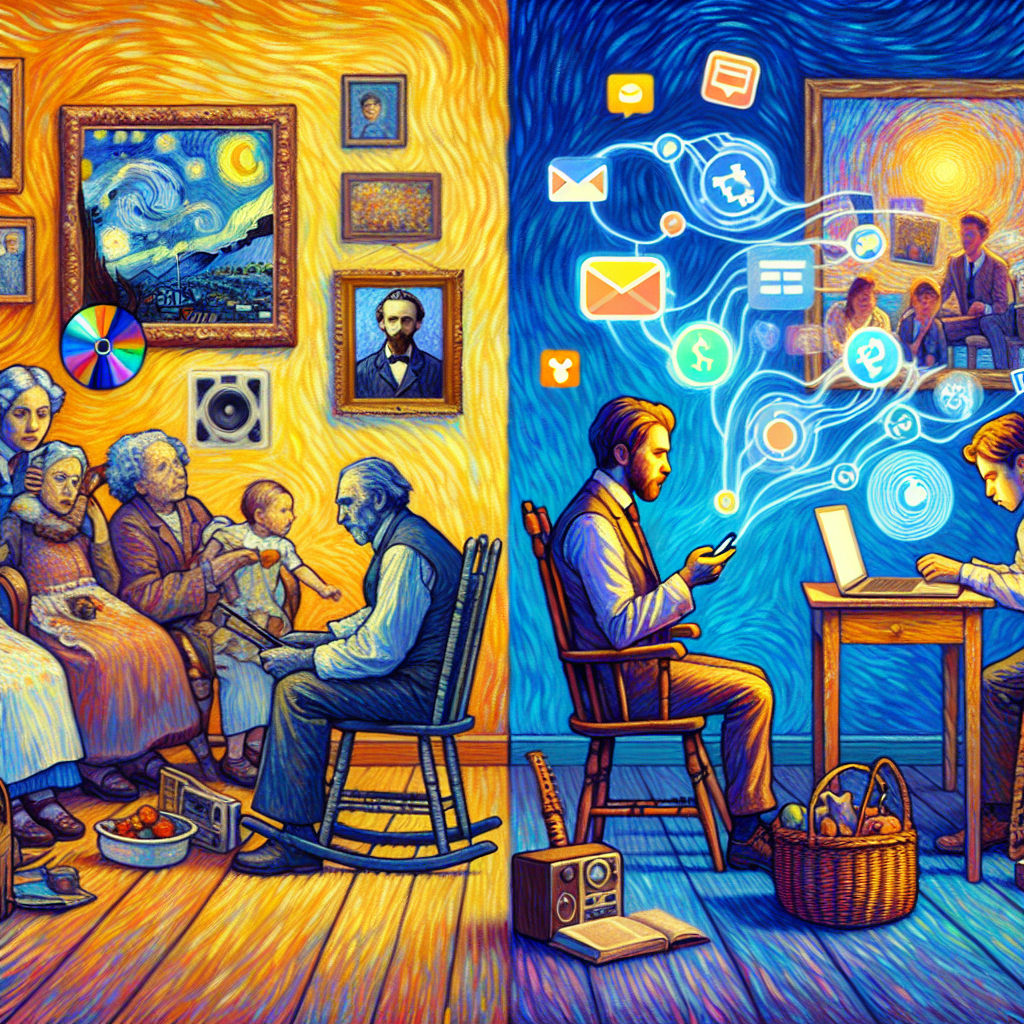
Other Resources
Glossary Terms
When You’re Afraid Your Story Won’t Matter – Glossary Of Terms
1. Authenticity: The quality of being genuine and true to oneself, especially in storytelling.
2. Validation: The process of affirming or confirming the significance of one’s experiences and emotions.
3. Vulnerability: The willingness to express one’s fears, insecurities, and emotions in storytelling.
4. Narrative: The structured format of a story, including the plot, characters, and themes.
5. Resonance: The ability of a story to evoke emotions and connect with the audience’s experiences.
6. Purpose: The reason behind creating a story, often driving the message and emotional impact.
7. Fear of Judgment: Anxiety about how others will perceive and critique one’s story or experiences.
8. Imposter Syndrome: The internal belief that one is a fraud and does not deserve their achievements or the right to tell their story.
9. Catharsis: The emotional release that occurs from expressing feelings through storytelling.
10. Connection: The bond formed between the storyteller and the audience, deepened through shared experiences.
11. Clarity: The quality of being clear and coherent in the message and intention of the story.
12. Empathy: The ability to understand and share the feelings of another, often cultivated through storytelling.
13. Legacy: The lasting impact of one’s stories or experiences on others and future generations.
14. Courage: The bravery to share one’s story despite fears and vulnerabilities.
15. Inclusivity: Ensuring diverse voices and perspectives are represented in storytelling.
16. Conflict: The central struggle or challenge that drives the narrative and engages the audience.
17. Self-Reflection: The process of examining one’s thoughts, feelings, and experiences, often leading to deeper storytelling.
18. Authentic Voice: A unique style or perspective in storytelling that reflects the storyteller’s true self.
19. Overwhelm: The feeling of being emotionally flooded, which can hinder storytelling efforts.
20. Relevance: The significance of a story to contemporary issues or personal experiences.
21. Transformation: The growth or change that occurs within characters or the storyteller throughout the narrative.
22. Feedback: External responses or critiques about a story that can inform future storytelling.
23. Intentionality: The deliberate choice to convey specific messages or themes within a story.
24. Journaling: The practice of writing down thoughts and feelings to clarify experiences and inspire storytelling.
25. Inspiration: The motivation drawn from others’ stories or experiences that encourage one to share their own.
26. Audience: The intended readers or listeners of a story, whose reactions can shape its impact.
27. Theme: The underlying message or central idea conveyed through the narrative.
28. Sharing: The act of communicating one’s story to others, often fostering connection and understanding.
29. Healing: The process of emotional recovery that can result from expressing and sharing one’s story.
30. Empowerment: The feeling of confidence and strength gained through telling one’s story and acknowledging its importance.

Glossary Of Terms
Other Questions
When You’re Afraid Your Story Won’t Matter – Other Questions
If you wish to explore and discover more, consider looking for answers to these questions:
- What are some techniques to overcome the fear of sharing personal stories?
- How can one identify the key experiences in their life to share?
- What are the ethical considerations in storytelling?
- How do different cultures perceive storytelling and its importance?
- What role does vulnerability play in effective communication?
- In what ways can people’s stories help combat stigma and isolation?
- How can storytelling be used as a tool for social change?
- What are some practical tips for individuals looking to start writing their own stories?
- How can listeners or readers best connect with personal narratives?
- What impact can storytelling have on mental health and well-being?
- What are some common barriers people face when trying to share their stories?
- How can sharing stories foster community and connection?
- What are examples of successful storytelling campaigns that inspired change?

Other Questions
Haiku
When You’re Afraid Your Story Won’t Matter – A Haiku
Whispers of the heart,
Every story weaves us close,
Voices rise as one.

Haiku
Poem
When You’re Afraid Your Story Won’t Matter – A Poem
In the tapestry of life, each thread we weave,
Holds a story untold, a truth we believe.
Fear whispers softly, “Does your voice even matter?”
Yet in the depths of our hearts, love makes the patter.
Gather round strangers, in this great sea of souls,
Every struggle and triumph, every heart that consoles.
Behind each confident smile lies a battle unseen,
We’re united in stories, a vast human dream.
Let your scars be the sunlight, your wounds the dawn,
For in sharing our journeys, new connections are drawn.
As teachers of wisdom, our narratives shine,
With tales of resilience, hope intertwines.
Each cry of despair holds the seeds of a song,
In vulnerability lies strength, where we all belong.
We learn through our stories, crossing barriers wide,
In this fragile existence, we embrace and confide.
The weight of our silence can bend us with pain,
But the echoes of truth in sharing our strain,
Build bridges of trust, and ignite sparks of grace,
Creating a chorus, a warm, welcoming space.
Reflect on your legacy, let your truths find their light,
Each whisper of courage can banish the night.
As we gather our voices, a powerful throng,
We redefine success; in the story, we’re strong.
So dare to be seen, let your heart take the stage,
In this vast tapestry, you’re a vital page.
Your narrative matters, it’s a gift to the world,
Through the power of sharing, together, we’re swirled.

Poem
Checklist
When You’re Afraid Your Story Won’t Matter – A Checklist
Checklist: Embracing Your Unique Story
Emotional Appeals:
_____ Reflect on a personal experience that made a significant impact on your life. How did it shape who you are today?
_____ Identify a story from your past that evokes strong emotions—joy, anger, sadness. What lessons can you draw from it?
_____ Consider how sharing your struggles could provide comfort to someone going through a similar experience.
Rational Appeals:
_____ Make a list of skills or insights you’ve gained from your journey. How can these be shared to help others?
_____ Think critically about the experiences you value most. How have they influenced your life choices?
_____ Outline potential ways to present your story effectively to resonate with others.
Ethical Appeals:
_____ Reflect on the responsibility of sharing your narrative: how might your story positively impact others?
_____ Evaluate how staying silent might affect those around you. Do your experiences hold truths that need to be shared?
_____ Commit to authenticity in your storytelling. How can you ensure your narratives contribute positively to the collective human experience?
Authority Appeals:
_____ Identify a figure in your life whose story inspired you. What can you learn from their journey?
_____ Acknowledge the wisdom in your experiences. In what ways are you now an authority on resilience or growth due to your challenges?
_____ Research individuals who have shared their stories and made a difference. What strategies did they use?
Narrative Appeals:
_____ Write down your life’s pivotal moments. How do they connect to form a broader narrative?
_____ Think of a metaphor that encapsulates your journey. How could this shape your storytelling?
_____ Challenge yourself to share your story in a way that weaves in lessons, growth, and vulnerability.
Social Appeals:
_____ Reflect on communities you’re part of. How can your story foster connection within these groups?
_____ Consider the power of shared stories in your social circles. How can you encourage others to be open about their experiences?
_____ Make a plan to host a gathering or discussion focused on sharing personal stories. How can you facilitate a safe space for others?
Use this checklist to guide your exploration of storytelling and to empower yourself and others through the honest sharing of experiences.

Checklist
At LegacyExplorations, we help people plan and explore their legacy by collecting information and news regarding end-of-life planning.
Please share this post with your friends, family, or business associates who may want help to plan or explore their legacy.