

Unveiling Stories Behind Faces: Connect, Reflect, And Engage
By Tom Seest
At LegacyExplorations, we help people plan and explore their legacy by collecting information and news regarding end-of-life planning.
Please share this post with your friends, family, or business associates who may want help to plan or explore their legacy.
Who Is In This Photo?
In this photograph, we see not just faces but a mosaic of stories that weave together a tapestry of lives lived and lessons learned. Each individual stands there, a testament to their own journey, yet collectively, they represent a larger narrative. This is where legacy meets storytelling, where the moments of triumph, heartbreak, and resilience are etched into every wrinkle and smile.
Look closely at the woman on the left; her hands tell a story of toil and tenacity. She is more than a mere image; she embodies a long line of ancestors who worked the fields, their sacrifices allowing her to stand here today. It’s a reminder of the threads of history that bind us together. Her eyes reflect wisdom wrought from experience, inviting us to consider the values passed down through generations. The connection between past and present is palpable, urging us to honor our roots while forging ahead.
Next to her, a young man captures the spirit of the future. He carries dreams and aspirations, but also a burden—the weight of expectations, the desire to make his mark. His presence is a beacon of hope, a reflection of the young minds striving to create a better world. This photograph isn’t just about individuals; it’s about the shared responsibility we carry for one another. It challenges us to think about what legacy we are crafting—not only for ourselves but for those who will come after us.
From an ethical standpoint, we must recognize the inherent interconnectedness of our lives. Our fates are intertwined, and this image serves as a powerful reminder that kindness and empathy are the cornerstone of community. This is what ties us together, fostering a sense of belonging in a world that can feel increasingly isolated.
As you gaze upon this moment captured in time, consider the social contract we have with each other. Each smile, each gesture is an unspoken promise to support and uplift one another in our shared humanity. It’s an invitation to engage, to listen, and to participate in the ongoing dialogue that is life itself.
The question “Who is in this photo?” extends beyond mere identification. It prompts us to reflect on our own roles within these stories, urging us to connect with others deeply, honor our legacies, and encourage future generations to share their narratives too. Embrace the stories that define us; they are our greatest legacy.

Who Is In This Photo?
Who Is In This Photo?
- The photograph represents a mosaic of individual stories that contribute to a larger narrative of shared experiences.
- A woman on the left symbolizes toil and ancestry, reflecting the sacrifices of those before her.
- Her eyes convey wisdom and the importance of honoring historical values while progressing forward.
- A young man next to her embodies the spirit of the future, carrying dreams, aspirations, and societal expectations.
- The image emphasizes collective responsibility for legacy and the impact on future generations.
- It highlights the interconnectedness of lives, advocating for kindness and empathy within communities.
- The question of identity in the photograph encourages deep connections and the sharing of personal narratives.

Who Is In This Photo?
Table Of Contents
- Who Is In This Photo?
- Who Can Help Us Uncover Hidden Stories Behind These Faces?
- What Emotions Do These Expressions Reveal to Us?
- How Can We Connect with the People Depicted In This Image?
- What Historical Context Should We Consider for This Photograph?
- What Narratives Shape Our Understanding Of Identity In This Photo?
- How Do Social Dynamics Influence Our Perceptions Of Strangers?
- What Memories Does This Image Evoke for You Personally?
- Conclusion
- Other Resources
- Glossary Of Terms
- Other Questions
- Haiku
- Poem
- Checklist
Who Can Help Us Uncover Hidden Stories Behind These Faces?
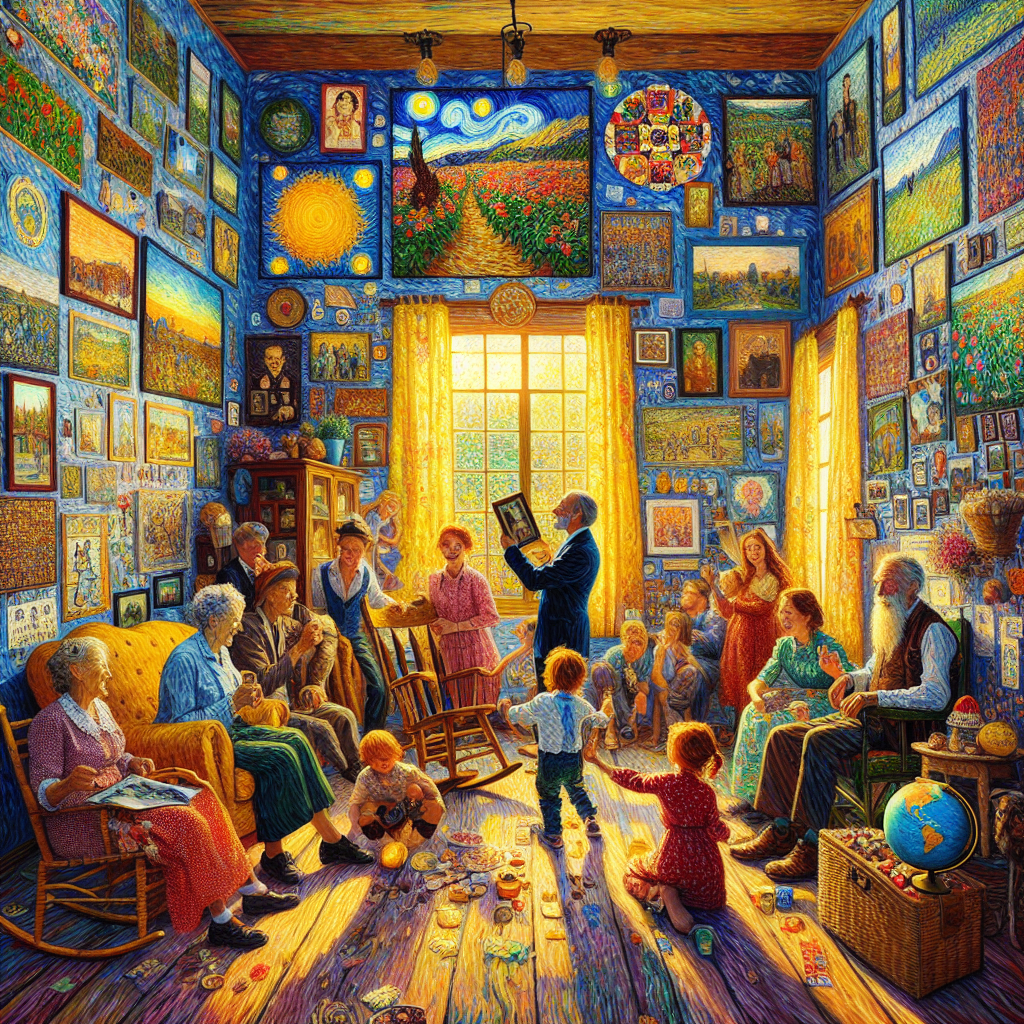
In every community, within the rich tapestry of our lives, there exist countless faces—often overlooked and rarely appreciated. These are not just faces; they are vessels of legacy, the carriers of stories that have the power to inspire and transform us. Yet, the deeper narrative—the triumphs, struggles, and dreams behind these faces—often goes untold. This is where we find our mission: to uncover the hidden stories through the art of legacy storytelling.
Imagine for a moment standing in the shoes of those who lived through history’s storms, whose experiences shaped the very world we inhabit today. Each wrinkle, every spark in the eyes of the elderly, tells a saga of resilience and hope. It is our responsibility to engage with those stories, to listen to the narratives that shaped their lives. This is more than an endeavor; it’s an ethical obligation to honor our past, enriching our understanding of the present and paving the way for future generations.
We have a tremendous resource at our fingertips: our communities. By connecting with local historians, passionate storytellers, and even the individuals themselves, we can begin to piece together these multifaceted narratives. Local schools, libraries, and community centers can serve as sanctuaries for these stories—places where oral histories are celebrated, allowing us to tap into a wealth of knowledge that transcends generations. Social groups and family gatherings can also foster dialogue, breaking down barriers and inviting open discussions about our shared heritage.
It’s not just about collecting stories; it’s about fostering connection. Every tale adds a thread to the fabric of our social identity. When we listen to the narratives of others, we encourage empathy and understanding—a necessary antidote to the divisiveness of modern life. These stories can enlighten us, challenge us, and ultimately inspire us to act, reminding us that we are part of something greater than ourselves.
As we embark on this journey of discovery, let us remember that the act of listening and telling these stories is a profound gift. It reinforces trust among our communities and sparks an earnest desire to ensure that the legacy storytelling continues, creating a legacy of our own. Together, we can unearth these hidden stories, not just to remember, but to celebrate the vibrancy of life that pulses beneath every surface. Let’s invite each other to share, to connect, and to inspire action that honors these legacies for all time.
Who Can Help Us Uncover Hidden Stories Behind These Faces?
Who Can Help Us Uncover Hidden Stories Behind These Faces?
- Communities are rich in stories but many remain untold and unappreciated.
- Legacy storytelling uncovers the triumphs, struggles, and dreams behind individual lives.
- Engaging with these narratives is an ethical obligation to honor the past and enrich understanding.
- Local resources, such as historians and community centers, are vital for collecting and preserving oral histories.
- Fostering connections through storytelling promotes empathy and understanding, countering modern divisiveness.
- The act of listening and sharing stories strengthens community trust and inspires future legacy efforts.
- Collaboration in storytelling helps celebrate life’s vibrancy across generations.

Who Can Help Us Uncover Hidden Stories Behind These Faces?
What Emotions Do These Expressions Reveal to Us?
When we look at the faces of those around us, we don’t merely see features; we witness a legacy of emotions etched into every line and curve. The expressions we encounter tell stories—rich, complex narratives that connect us to the human experience itself. These subtleties of emotion aren’t just for show; they beckon us to delve deeper into understanding what it means to be alive and aware.
Take a moment to examine a genuine smile. It’s not just a flash of teeth; it’s an invitation, radiating warmth and belonging. This expression speaks to our hearts, reminding us that we are part of something larger than ourselves. When someone shares laughter with us, it’s as if they’re handing us a little piece of their legacy storytelling—a way of reinforcing bonds that ground us in our shared humanity. With every grin, they not only express joy; they encourage us to embrace the lighter moments of life, reminding us that happiness exists even amid chaos.
Contrast that with a furrowed brow or a downturned mouth. These expressions reveal struggle and vulnerability, emotions that resonate in our gut, drawing empathy and understanding. They tell us that life’s journey is not always paved with ease, and they remind us of our own trials. This raw honesty can forge deeper connections, as it calls upon our rational selves to respond with compassion and support. In a world where many hide their true feelings, those brave enough to reveal their struggles empower us to be transparent about our own.
Ethically speaking, it’s our duty to respond thoughtfully to these emotional signals. When we acknowledge the significance of expressions, we cultivate a culture of understanding and trust. This not only strengthens interpersonal relationships but also creates a sense of community, where people feel safe to share their struggles and triumphs alike.
Furthermore, the authority of shared emotions can inspire action. Consider how a friend’s somber expression might spur you to lend a listening ear or how joy on a stranger’s face can spark a kind gesture. Each moment becomes a chance to make an impact, fostering connections that reverberate through our lives.
In recognizing the profound emotions tied to each expression, we create a tapestry of life that celebrates both individuality and unity. By embracing these fleeting moments, we not only honor our own stories but also the legacy of those who came before us, guiding us in this ever-evolving narrative we all share.

What Emotions Do These Expressions Reveal to Us?
What Emotions Do These Expressions Reveal to Us?
- Expressions reflect a legacy of emotions and complex narratives connecting us to the human experience.
- A genuine smile conveys warmth and belonging, reinforcing our shared humanity.
- Laughter symbolizes joy and encourages us to cherish lighter moments amidst chaos.
- Expressions of struggle evoke empathy, highlighting our shared vulnerabilities and trials.
- Responding thoughtfully to emotional signals fosters understanding and trust in relationships.
- Shared emotions can inspire actions, creating opportunities for impactful connections.
- Recognizing emotions in expressions contributes to a communal tapestry celebrating individuality and unity.

What Emotions Do These Expressions Reveal to Us?
How Can We Connect with the People Depicted In This Image?
Connecting with the individuals depicted in this image begins with recognizing their humanity. Each face tells a unique story, a legacy etched in experiences, hopes, and dreams. Imagine being in their shoes, enduring trials and triumphs that shape who they are. This is where legacy storytelling comes into play, transforming mere visuals into narratives that resonate at our core.
When we approach these stories, it’s essential to engage the heart and connect emotionally. Consider the joy in their smiles or the weight of their struggles. These emotions are universal. They bridge the gaps between us, reminding us that we all aspire to be understood, valued, and appreciated. By sharing their stories, we not only honor their experiences but also invite others to reflect on their narratives.
Engaging the head is equally vital. These stories offer insights into resilience and community, compelling us to think critically about the world around us. They challenge perceptions and inspire action. Every story is a testament to the human spirit, showcasing how ordinary people overcome extraordinary challenges. This rational connection prompts us to ponder how we can make a difference in their lives and our own communities.
From an ethical perspective, it’s crucial to uphold respect and authenticity. Listening actively to these stories cultivates an environment of trust. Recognizing the authority of these individuals in their own narratives allows us to appreciate their wisdom. They’ve navigated complexities that we might not fully comprehend, and by doing so, they extend their knowledge to us, creating a dialogue built on mutual respect.
We are social beings. Therefore, there’s immense power in shared experiences. Each story becomes a thread in a broader tapestry of human existence. By acknowledging the collective challenges faced by these individuals, we foster a sense of unity. It encourages us to act, to reach out, and to support them in ways that matter, whether through advocacy, community engagement, or simply a word of kindness.
Ultimately, connecting with the people in this image transcends mere observation; it’s an invitation to engage with their stories, to learn from them, and to stand alongside them. These connections inspire confidence, igniting a shared commitment to creating a legacy of understanding, respect, and compassion that echoes far beyond our individual lives.

How Can We Connect with the People Depicted In This Image?
How Can We Connect with the People Depicted In This Image?
- Recognizing humanity is key to connecting with individuals in images.
- Each face tells a unique story, reflecting experiences, hopes, and dreams.
- Legacy storytelling transforms visuals into meaningful narratives.
- Emotional engagement fosters understanding and appreciation of their experiences.
- Stories provide insights into resilience, challenging perceptions and inspiring action.
- Active listening and respect for individuals’ narratives create trust and dialogue.
- Shared experiences promote unity and encourage supportive actions within communities.

How Can We Connect with the People Depicted In This Image?
What Historical Context Should We Consider for This Photograph?
When we look at a photograph, we’re not merely observing a moment captured in time; we’re unlocking a legacy that speaks volumes through its image. To appreciate this photograph fully, we must delve into the legacy storytelling that surrounds it. Each detail, from the expressions on the subjects’ faces to the backdrop that frames their lives, whispers stories of struggle and triumph, resilience and joy.
Consider the era in which this photo was taken. Historical events shape our identities, and each snapshot is steeped in the socio-political climate of its time. Wars, migrations, and revolutions influence not just what we see, but how we interpret it. The hopes and fears of a generation are infused into the very essence of the image. From the clothing to the technology, every element tells a story that resonates with anyone who views it, sparking emotional connections that go beyond mere visual appreciation.
Engaging both heart and head, history allows us to understand the broader narrative. This photograph doesn’t just represent a single event; it represents the lives intertwined within that moment. The laughter captured in a child’s smile or the furrowed brow of a worker reflects not just individual experiences, but the collective human condition. It beckons us to reflect on our shared past and its repercussions on our present, fostering a dialogue between generations.
Moreover, this image serves as a reminder of our ethical obligation to honor those who came before us. Each face tells of a choice made, a path taken, or a sacrifice endured. Recognizing their stories cultivates respect for their struggles, cementing a cultural continuity that enriches our communities. In honoring this legacy, we deepen our understanding of who we are and where we can go next.
We must appreciate the authority that historical context holds over our interpretation. This photograph is not just an isolated image; it is a piece of a larger mosaic of human experiences. Engaging with its story can help us reconnect with our own roots while inspiring action in our current narratives. By understanding the significance behind the lens, we inspire trust and cultivate a desire to continue this legacy of storytelling that binds us all together. Therefore, as you gaze upon this photograph, remember; it is an invitation to explore, reflect, and connect with a past that is forever shaping our future.

What Historical Context Should We Consider for This Photograph?
What Historical Context Should We Consider for This Photograph?
- A photograph is not just a moment but a legacy filled with stories of struggle and triumph.
- Historical context shapes our interpretation and appreciation of the image.
- Every element, from expressions to backgrounds, conveys collective human experiences.
- The photograph fosters dialogue between generations, reflecting shared pasts and its impacts on the present.
- It serves as a reminder to honor and respect the choices and sacrifices of those before us.
- Understanding its historical significance helps reconnect with our roots and inspires action in current narratives.
- Each image invites exploration and reflection on how the past shapes our future.

What Historical Context Should We Consider for This Photograph?
What Narratives Shape Our Understanding Of Identity In This Photo?
In a world saturated with images, each photograph tells a story—one that often transcends the mere bounds of pixels and light. Consider this photo: its stillness belies the rich tapestry of humanity woven into its frame. Each individual captured is not just a subject; they are representatives of various legacies, embodiments of experiences and histories that demand our attention and reflection. Legacy shapes identity, but it is the storytelling behind these lives that gives depth to our understanding.
Think about the emotions stirred within us when we gaze upon this image. Each face displays a unique expression, each glance holds a history—one of triumph, struggle, or resilience. This invites us to connect on a deeper level than what we see on the surface. It’s a reminder that every individual has a narrative worth knowing, echoing our common humanity. We might relate to a child’s innocent smile or an elder’s weathered gaze and wonder about the lives they lead, the choices they made, and the stories left untold.
From a rational standpoint, we realize that identity is not a static concept; it evolves as we traverse through our lives, shaped by the communities we identify with and the experiences we endure. When we explore the narratives surrounding this photo, we engage with a complex web of social relationships and values. What do these relationships teach us about who we are and where we come from? These dynamics are crucial, knit together by unseen threads of culture, belief, and shared experience that help define our place in the world.
Ethically, it’s essential to recognize our responsibility in interpreting these stories. Each life depicted in the photo carries a rich legacy, a narrative deserving of respect and dignity. Our responses, whether emotional or intellectual, can either uplift or diminish these identities, depending on how we choose to engage.
This image reminds us that our identities are not merely personal; they are collectively constructed. We owe it to ourselves to dive deeper, to seek understanding beyond first impressions. By valuing the Legacy Storytelling inherent in such visuals, we can foster connections that transcend barriers. Let’s engage not just with what we see but with the stories behind the faces—stories that resonate in our heads, pull at our hearts, and inspire us to act. The world is full of complexities, and so is identity; let’s embrace both, creating a more connected and understanding society.

What Narratives Shape Our Understanding Of Identity In This Photo?
What Narratives Shape Our Understanding Of Identity In This Photo?
- Photographs convey stories that extend beyond mere images, reflecting the rich tapestry of humanity.
- Each individual captured embodies a legacy, representing diverse experiences and histories.
- Emotions elicited by the image deepen our connection to the individuals portrayed.
- Identity is dynamic, shaped by community and personal experiences throughout life.
- The narratives surrounding the image highlight social relationships and cultural values.
- Ethical engagement with these stories is essential to honor the dignity of those depicted.
- Understanding the complexities of identity fosters a more connected and empathetic society.

What Narratives Shape Our Understanding Of Identity In This Photo?
How Do Social Dynamics Influence Our Perceptions Of Strangers?
Social dynamics shape our perceptions of strangers in ways that are both profound and subtle, filling the spaces in our interactions with unspoken narratives. Every encounter we have, whether brief or lasting, carries an undercurrent of legacy storytelling—collective tales passed down through generations that inform how we view others. Picture this: you walk into a café and catch a glimpse of someone sitting alone. Without speaking a word, you might label them based on a myriad of factors—age, attire, even body language. It’s an age-old pattern, rooted in an innate instinct to categorize, to make sense of our world.
But this categorization often obscures the deeper truths that lie beneath the surface. To peel back those layers requires not just observation but introspection. When we understand the stories that shape our views—our upbringing, cultural background, and social influences—we start to see strangers as complex beings rather than mere caricatures. This understanding resonates in the gut, stirring a call to empathy. What if that person is battling personal demons, just like you?
Moreover, our rational minds can sometimes cloud our emotional instincts. We rely on societal cues, accustomed to trusting authority figures or media portrayals that may influence our judgments. Yet, the real authority is often found in lived experiences. Listening to the stories of others—those who have endured hardships or triumphed against the odds—can lead to a profound shift in perception. It’s a reminder that each stranger could be the hero of their own legacy story.
Engaging with others presents a unique opportunity to foster connection. When we transcend our biases and reach out, we invite the unexpected. That stranger in the café could very well be an artist, a teacher, or a fellow human searching for connection in a disjointed world. It’s a compelling narrative that calls upon our ethical obligation to approach each interaction with openness and curiosity rather than judgment.
Let’s not forget: the lens through which we view strangers can change not only our perception but also their reality. By embracing the diverse tapestry of human experiences, we plant seeds of understanding that can flourish into meaningful relationships. This is how social dynamics, underpinned by legacy storytelling, can inspire trust, foster connection, and compel us to action. When we recognize the stories in each unfamiliar face, we celebrate our shared humanity, transforming strangers into friends, and ultimately enriching our lives in unimaginable ways.

How Do Social Dynamics Influence Our Perceptions Of Strangers?
How Do Social Dynamics Influence Our Perceptions Of Strangers?
- Social dynamics influence our perceptions of strangers through unspoken narratives.
- Interactions are informed by collective storytelling, impacting how we view others.
- Categorizing strangers based on appearance or behavior often obscures deeper truths.
- Understanding personal and cultural stories can lead to empathy and deeper connections.
- Rational judgments may be influenced by societal cues, but personal experiences are crucial.
- Engaging with others allows for unexpected connections and challenges biases.
- Recognizing the diverse experiences of strangers fosters understanding and enriches relationships.

How Do Social Dynamics Influence Our Perceptions Of Strangers?
What Memories Does This Image Evoke for You Personally?
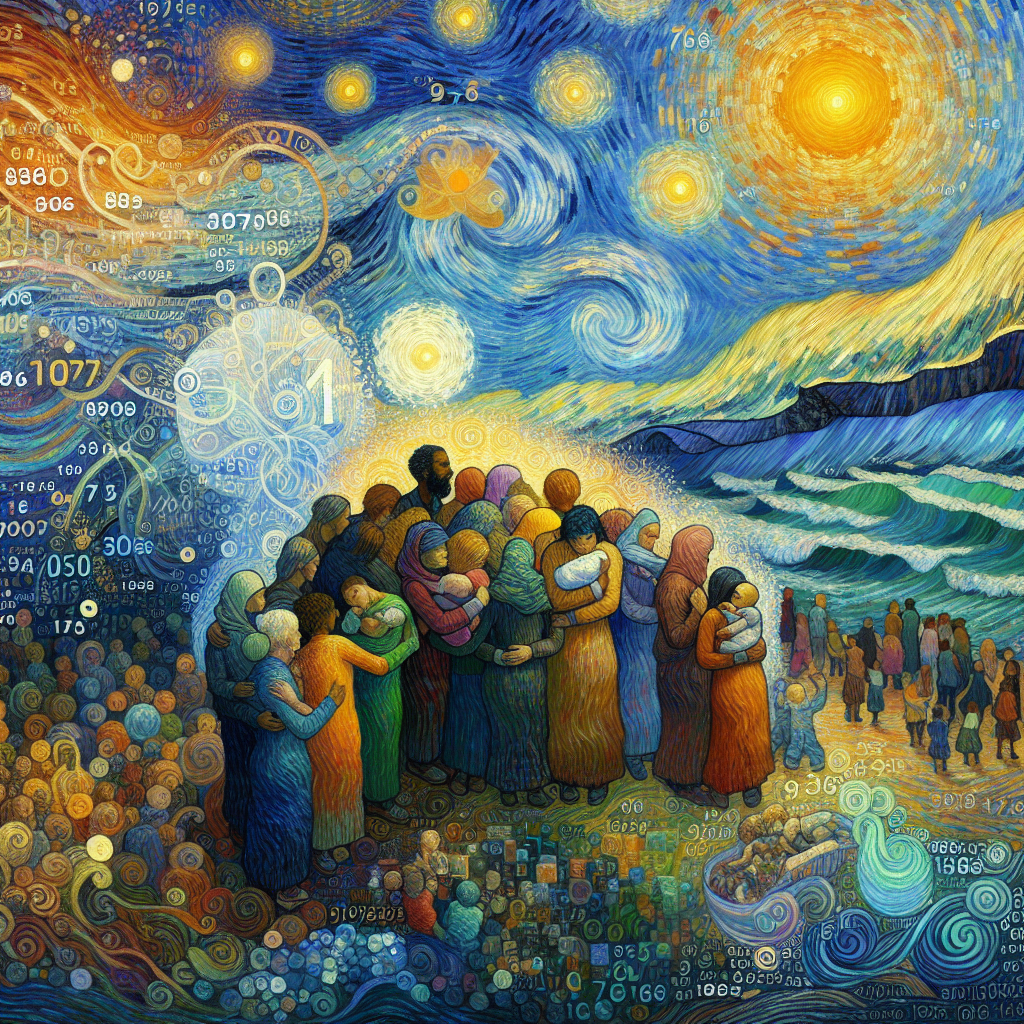
Images have a unique power. They capture moments in time, transforming fleeting experiences into lasting memories—each one woven into the fabric of our lives. When gazing at this particular image, a flood of memories might rush in, each carrying its own weight of emotion, connection, and significance. It’s a reminder of our legacy—how we tell our stories through the moments we cherish.
Consider the nature of storytelling. Each of us holds a narrative that defines who we are, built upon experiences that shape our views, values, and relationships. This image might summon the laughter of shared moments, perhaps a family gathering or a time spent in the company of close friends. It brings back the taste of homemade meals, the warmth of a hug, or the thrill of a spontaneous adventure. These memories resonate in our hearts, connecting us not just to those around us but also to the essence of our own humanity.
As we reflect, let’s be rational. Memories are more than mere recollections; they are the guidance that shapes our decisions and influences our actions. They remind us of lessons learned, challenges overcome, and dreams pursued. When we tap into those memories, we gain insights into what truly matters. This image, then, can serve as a catalyst, prompting us to think about the legacy we want to leave behind—a story not only for ourselves but for generations to come.
Ethically, we have a responsibility to honor these moments. By sharing our narratives, we strengthen our bonds with others, fostering a community built on shared experiences and understanding. Stories can break barriers, challenge perceptions, and inspire change. This image could inspire you to connect with others, to engage in meaningful dialogue, and to narrate your own legacy through shared experiences.
The authority of our memories lies in their authenticity. When we share them, we share a piece of ourselves, inviting others to see the world through our eyes. This invitation fosters connection and builds trust. It encourages those around us to reflect upon their own stories, creating a ripple effect that can inspire action.
This image is more than just a snapshot; it is a portal into our past, a map of our journey, and a reminder of the stories that have shaped us. Embrace those memories. Share them. They hold the power to connect us all.
What Memories Does This Image Evoke for You Personally?
What Memories Does This Image Evoke for You Personally?
- Images capture moments in time, turning fleeting experiences into lasting memories.
- Each image holds emotional weight, reminding us of our personal narratives and connections.
- Memories influence our decisions, shaping our views, values, and relationships.
- Reflecting on memories helps us understand the legacy we wish to leave for future generations.
- Sharing narratives strengthens community bonds and fosters understanding among individuals.
- Authentic memories, when shared, invite connection and inspire others to reflect on their stories.
- Images serve as reminders of our journeys and the stories that have profoundly shaped us.

What Memories Does This Image Evoke for You Personally?
Conclusion
In examining the photograph before us, we encounter more than just faces; we find a vast landscape of intertwined lives, a rich narrative that speaks to our collective experience. Each individual captured in this moment carries an intricate legacy, a testament to resilience, hope, and the unique stories that define them. The woman, her hands weathered yet strong, embodies the sacrifices of those who came before her—an ancestral echo calling us to honor our roots. Next to her, the young man stands as a beacon for future generations, laden with dreams and expectations, urging us to reflect on the legacies we are creating every day.
This image reminds us of our shared responsibility to one another. In an age where individualism often overshadows community, it is crucial to acknowledge our interconnectedness. Every face tells a story that invites us to listen—to engage with the emotions manifested in their expressions. Whether it’s the warmth of a smile that reinforces our ties or the weight of sorrow that inspires compassion, these emotions are universal threads binding us together.
As we engage in this legacy storytelling, we must remember our ethical obligation to honor and amplify these narratives. By reaching out—to local historians, family members, or community groups—we can unearth silenced voices, revel in the richness of diverse experiences, and cultivate a culture of empathy and understanding. This endeavor isn’t just an act of remembrance; it’s a powerful call to action, asking us to connect, reflect, and engage in meaningful dialogue that advances our shared humanity.
This photograph also serves as a reminder that we hold a profound responsibility in interpreting and sharing these stories with integrity. Each face is a gateway to history, urging us to explore the socio-political contexts that shape their narratives and, in turn, our own identities. By embracing the complexities of these legacies, we foster a sense of belonging, inviting others to share their stories, thereby enriching our collective tapestry.
Ultimately, the question “Who is in this photo?” transcends a simple inquiry. It compels us to delve deeper into the stories within our communities, to discover how our journeys intersect, and to strive for a legacy built on understanding and respect. Let’s acknowledge the vibrant narratives that surround us, not only to remember but to celebrate life itself—an unbroken chain of stories that shape who we are and who we will become.

Conclusion
Conclusion:
- The photograph reveals a complex tapestry of intertwined lives and shared experiences.
- Each person depicted carries a unique legacy, filled with resilience, hope, and personal stories.
- The image highlights the importance of honoring ancestral sacrifices and reflecting on future generations‘ dreams.
- It emphasizes our interconnectedness and shared responsibility within a community.
- Engaging with these narratives encourages empathy and understanding among individuals.
- We are called to share and interpret these stories with integrity, exploring their historical contexts.
- This inquiry into “Who is in this photo?” invites deeper connections and a celebration of our collective narrative.

Conclusion
Other Resources

Other Resources
Here is a list of other resources you can review online to learn more:
- LifeWeb 360
- How to Save Your Family�s Stories from Being Lost Forever � A Step-by-Step Guide to Creating a Lasting Digital Legacy
- MyWishes
- Tributize
- LifeNaut
- Funeral Finder
- Forever Missed
- Obituary Templates
- Legacy
- How to Avoid Losing Your Family History One Generation at a Time
- Association of Personal Historians
- EverLoved
- LegacyLearned
- PartingWishes
- LifeBio
- Legacy Family Tree
- RootsMagic
- EverNote
- How To Write Legacy Story Headlines That Appeal To The Heart, Gut and Head
- INELA
Use This Prompt To Get More Resources With Your Favorite Online AI Tool: Please provide me with a list of online articles with their URLs in a bulleted list that I can read regarding Who Is In This Photo?

Other Resources
Glossary Terms
Who Is In This Photo? – Glossary Of Terms
1. Subject: The main focus or person present in the photograph.
2. Context: The situational background or circumstances surrounding the moment captured in the image.
3. Composition: The arrangement of elements within the frame of the photograph.
4. Perspective: The angle or viewpoint from which the photo is taken.
5. Lighting: The natural or artificial illumination that affects the image’s mood and clarity.
6. Foreground: The part of the image that is closest to the viewer.
7. Background: The area behind the subject in the photograph.
8. Emphasis: The prominence given to a particular subject or element in the image.
9. Mood: The emotional tone conveyed by the photograph.
10. Snapshot: A casual photograph captured quickly, often without staging.
11. Portrait: A photograph focused on a person or group, typically highlighting their facial features.
12. Candid: An unposed photographic representation of a subject in a natural state.
13. Capture: The act of taking a photograph.
14. Frame: The boundaries or edges of the photograph.
15. Resolution: The level of detail in the photograph, often measured in pixels.
16. Color Palette: The selection of colors used or present in the photograph.
17. Sharpness: The clarity and detail visible in the photograph.
18. Texture: The visual quality that conveys depth and surface characteristics in the image.
19. Subject Matter: The content or theme being represented in the photo.
20. Interpretation: The viewer’s comprehension and personal understanding of the photograph’s meaning.
21. Backstory: The history or narrative behind the subject or scene depicted in the photo.
22. Framing: The use of elements within the photo to draw attention to the subject.
23. Angle: The specific position from which the photo is taken, impacting perception.
24. Depth of Field: The extent of the scene that remains in focus in the photograph.
25. Style: The distinctive manner or technique employed in capturing the photo.
26. Visual Narrative: The story that the photograph conveys through visual elements.
27. Symbolism: The use of imagery or objects in the photograph that represent larger concepts or ideas.
28. Audience: The viewers or demographic who engage with the photograph.
29. Editing: The process of altering the photograph post-capture, often involving adjustments to color, contrast, or cropping.
30. Documentation: The act of capturing and preserving a moment in time, often for historical purposes.

Glossary Of Terms
Other Questions
Who Is In This Photo? – Other Questions
If you wish to explore and discover more, consider looking for answers to these questions:
- Who exactly are the people in this photograph (names, ages, relationships)?
- When and where was this photo taken?
- Who took the photograph and what was their purpose or perspective?
- What is the broader historical or cultural context surrounding this image?
- What events in these subjects’ lives led to this moment being captured?
- What are the occupations, skills, or daily routines of the people pictured?
- How did the subjects’ communities and environments shape their identities?
- Are there family records, oral histories, or archives that corroborate the stories suggested by the photo?
- Do the subjects or their descendants consent to sharing their stories publicly?
- What ethical considerations should guide the collection and publication of these personal narratives?
- How can one respectfully approach and interview the people or families in the photo?
- What emotions do the subjects say they felt at the moment the photo was taken?
- What do clothing, objects, or background details in the image reveal about the subjects’ social class or culture?
- Are there visual clues that can help date or geographically place the photograph?
- What methods can be used to restore, preserve, or digitize this photograph safely?
- How might bias or preconceived narratives affect our interpretation of the image?
- What untold stories or silenced perspectives might be missing from this photograph?
- How have the lives of the people in the photo changed since it was taken?
- How can this image be used in educational programs or community storytelling projects?
- What legal or copyright issues apply if the photo is reproduced or published?
- Which local historians, archivists, or cultural organizations could help uncover more information?
- What practical steps should one take to verify names, dates, and events related to the photo?
- How can the subjects’ stories be preserved for future generations in ways that honor their voice and agency?
- What funding, grants, or resources exist to support legacy storytelling and oral-history work?
- How can the wider community be engaged to contribute memories, context, or related artifacts?
- Are there similar photographs or documents that form part of a larger narrative or collection?
- What are the most reliable tools or techniques for identifying people in historical photos (face recognition, costume dating, metadata analysis)?
- How should sensitive or traumatic aspects of a subject’s history be handled when sharing their story?
- What impact might sharing these stories have on living relatives or on community memory?

Other Questions
Haiku
Who Is In This Photo? – A Haiku
Faces tell the tales,
Legacies intertwine,
Hearts, hopes, and histories.

Haiku
Poem
Who Is In This Photo? – A Poem
In a world of faces, stories unfold,
A tapestry woven from threads of the old.
Wrinkles and smiles, each line has a tale,
Of triumphs and trials, where hearts seldom pale.
See the woman, her hands tell of strife,
Bearing the legacy, the essence of life.
Eyes showing wisdom, reflections of years,
Her journey invites us to honor our fears.
Beside her, a young man with dreams in his sight,
Hopes for tomorrow, a future so bright.
Yet burdened by wishes, the weight of the past,
A reminder that legacies are built to last.
Through each fleeting smile and furrowed brow,
The essence of humanity beckons us now.
These faces connect us, a social embrace,
In kindness and empathy, we find our true place.
Let’s listen to stories, let voices be heard,
In sharing our truths, we honor each word.
For every moment captures a piece of our heart,
In the gallery of life, we play our own part.
Invite one another, engage in the whole,
Each narrative cherished enriches the soul.
Humanity binds us, through laughter and pain,
In the depths of our stories, there’s much to gain.

Poem
Checklist
Who Is In This Photo? – A Checklist
Checklist for Engaging with Stories Behind Faces
✅______ Reflect on the emotions captured in the photo. What feelings do the faces evoke?
✅______ Consider how the expressions relate to your own experiences and memories.
✅______ Identify moments that resonate with joy, struggle, or community.
Rational Appeals
✅______ Analyze the historical and cultural context of the individuals in the image.
✅______ Think critically about the narratives that shape their identities and experiences.
✅______ Evaluate how these stories can inspire actions or changes in your community.
Ethical Appeals
✅______ Acknowledge the responsibility to honor the stories of those depicted.
✅______ Determine ways to preserve and share these narratives respectfully.
✅______ Reflect on how your engagement can contribute to collective understanding and empathy.
Authority Appeals
✅______ Seek out voices of individuals or local historians who can provide deeper insights into these stories.
✅______ Recognize the significance of lived experiences and the authority that comes from them.
Narrative Appeals
✅______ Construct personal narratives that connect with the emotions or experiences represented.
✅______ Encourage storytelling sessions with friends or family to explore shared histories.
✅______ Identify how your own narrative intersects with those depicted in the image.
Social Appeals
✅______ Engage with your community through discussions about these stories.
✅______ Create opportunities for others to share their experiences, fostering a sense of belonging.
✅______ Participate in local storytelling events to connect with diverse perspectives.
Actionable Steps
✅______ Initiate conversations with individuals whose stories mirror or contrast your own.
✅______ Document personal reflections or collect stories from those around you.
✅______ Develop a plan to share these narratives within your community, ensuring every voice is heard.

Checklist
At LegacyExplorations, we help people plan and explore their legacy by collecting information and news regarding end-of-life planning.
Please share this post with your friends, family, or business associates who may want help to plan or explore their legacy.