

Navigating Grief: The Ethical Keepers Of Our Digital Legacies
By Tom Seest
At LegacyExplorations, we help people plan and explore their legacy by collecting information and news regarding end-of-life planning.
Please share this post with your friends, family, or business associates who may want help to plan or explore their legacy.
Who Manages the Memorialized Profile?
When we think about the digital legacy we leave behind, it’s easy to overlook the complexities involved in managing a memorialized profile. These profiles serve as a cherished digital testament to our loved ones, encapsulating their stories, values, and memories. They aren’t just mere obituaries; they are the Legacy Storytelling of an entire life, a narrative filled with moments of joy, laughter, struggle, and triumph. The question, then, is who steps into the role of managing this sacred space?
A trusted family member or close friend usually assumes the responsibility. This isn’t a job to be taken lightly. The very essence of those we’ve lost lives within these profiles, representing not just a point of connection to the past, but a platform for everyone who loved them to share in their story. The emotions tied to this role run deep, reminding us of the warmth of a shared memory or the wisdom imparted during a quiet moment.
When one takes on this responsibility, a delicate balance is struck between preserving the truth of someone’s character and curating their narrative for others. That means not just adhering to the factual timeline of events, but also honoring the soul of the individual. It’s about ensuring their principles and passions shine through, allowing others to glimpse the heart and humanity that made them unique. This is where ethical considerations come into play. Decisions around posts, comments, or pictures must align with the values of the deceased and the wishes of their family.
However, the task isn’t simply about memory preservation; it’s also about fostering connection. When done right, managing a memorialized profile can inspire others to share their own experiences, strengthening a community formed out of love and shared loss. The stories told can resonate across generations, prompting conversations that might have otherwise remained silenced. This communal engagement reinforces our shared humanity.
Navigating the world of digital memorials invites its share of challenges. It requires not just emotional intelligence but also a willingness to step into a role of authority. Understanding the platform’s guidelines and functionality is essential, ensuring that the profile is a reflection of the departed, both in spirit and in form. Whether it’s choosing which comments to retain, or how to update relevant information, the person in charge holds a vital role, guiding the legacy forward while keeping the essence intact.
Managing a memorialized profile is about honoring a legacy, opening doors to discussions, and maintaining connections that time cannot sever. With every story shared and every memory revisited, we create a tapestry rich with life, love, and meaning. Each thread binds us together, inviting us to remember and to celebrate, ensuring those we’ve lost never truly leave us.
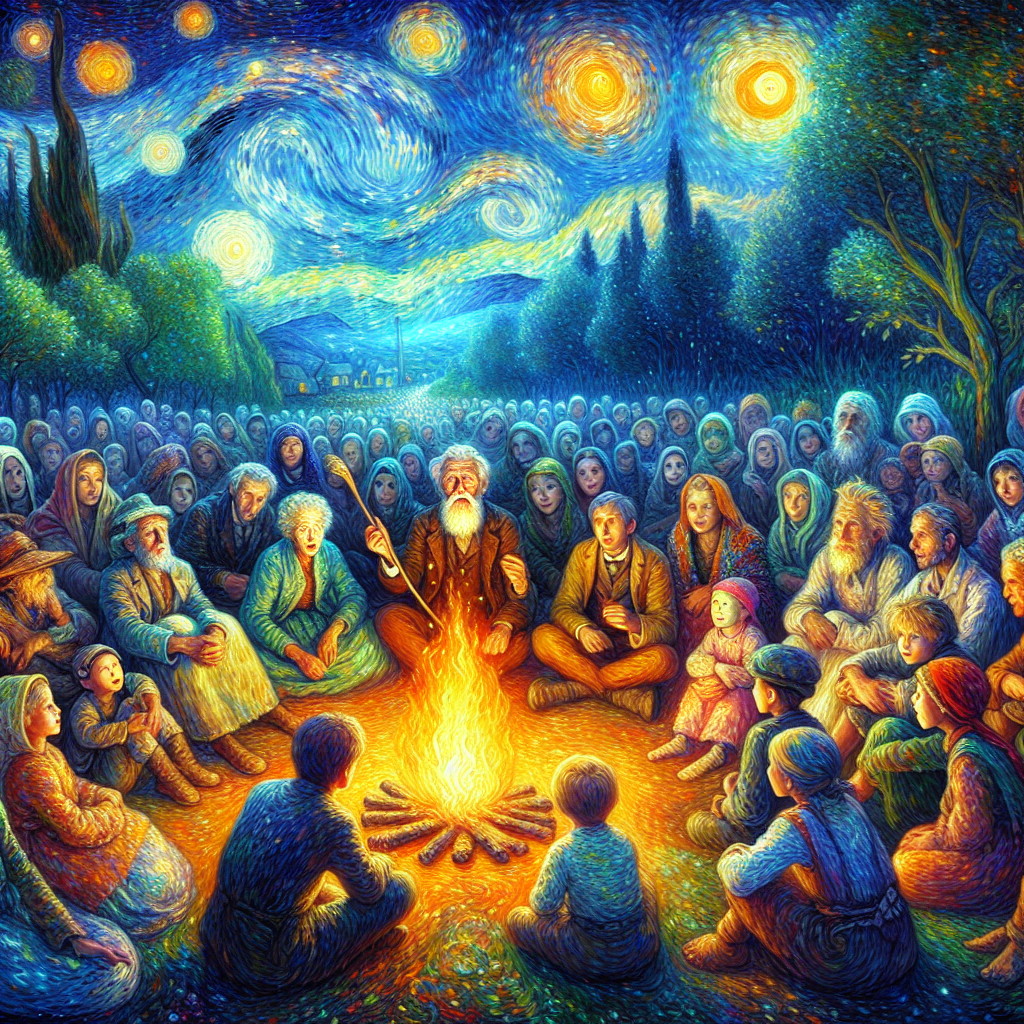
Who Manages the Memorialized Profile?
Who Manages the Memorialized Profile?
- Digital memorialized profiles serve as vital testaments to loved ones, capturing their life stories and values.
- A trusted individual, often a family member or close friend, typically manages these profiles.
- Managing a profile requires balancing factual representation with honoring the individual’s essence.
- Ethical considerations are crucial, ensuring decisions reflect the deceased’s values and family’s wishes.
- The role fosters community connections and encourages shared experiences among those grieving.
- Understanding platform guidelines is essential for accurately reflecting the departed’s spirit and maintaining their legacy.
- Each shared story contributes to a broader tapestry of life, love, and remembrance.

Who Manages the Memorialized Profile?
Table Of Contents
- Who Manages the Memorialized Profile?
- Who Decides How My Memorialized Profile Is Managed?
- What Happens to My Memories Online?
- How Can I Ensure My Wishes Are Honored Posthumously?
- Who Can Edit My Memorialized Profile Information?
- Are There Ethical Considerations for Managing Profiles?
- How Does Social Media Honor Deceased Users?
- What Role Do Family and Friends Play In My Memorial?
- Conclusion
- Other Resources
- Glossary Of Terms
- Other Questions
- Haiku
- Poem
- Checklist
Who Decides How My Memorialized Profile Is Managed?
When you step into the world of online memorials, it’s more than just pixels on a screen; it’s the digital keeping of a legacy. In this modern age, where lives are shared in snapshots and status updates, the question of who decides how your memorialized profile is managed goes beyond the algorithms and tech wizards behind the curtain. It delves deep into the hearts and hands of those you leave behind—those who will curate your Legacy Storytelling with love, care, and a touch of grief.
Imagine a loved one tasked with managing your online presence after you’re gone. The weight of that responsibility isn’t just a technical challenge, but an emotional journey. They are the stewards of your digital legacy, holding the reins to mementos that capture your laughter, your passions, and the stories that shaped you. Their choices resonate. Each click carries the echoes of shared experiences, from family holidays to life-changing adventures, arousing nostalgia and reflection.
The management of your memorialized profile often falls to family members or designated friends—people who knew you best. This makes it personal. They are entrusted not merely with data but with the ethical weight of remembering your life authentically. It’s a practice steeped in emotion and intent, one where they must navigate not just what to share, but how to honor you in the process. This guardianship of memory becomes a powerful narrative, one that interweaves the past with the present, stimulating connections with others who have walked alongside you and those who now wish to know your story.
Yet, who truly has the final say? That depends on the choices made in life. Companies often build policies around memorialization, but the human element—the decisions made by those who loved you—will ultimately define how your legacy is celebrated. As people share, comment, and engage with your memories, it becomes a tapestry of shared experiences, creating a web of connection that can inspire trust and confidence in the way your story is told.
So, when you think about your digital footprint, consider how your memorialized profile might reflect your story. Engage in meaningful conversations with loved ones now. Discuss how you want to be remembered, because in this juncture between technology and humanity, we hold the power to shape a legacy that lives on, echoing the narratives of our lives in a way that resonates deeply, forever.

Who Decides How My Memorialized Profile Is Managed?
Who Decides How My Memorialized Profile Is Managed?
- Online memorials symbolize the digital preservation of a legacy.
- The management of memorialized profiles involves emotional responsibility for loved ones.
- Family and friends serve as stewards, curating memories that reflect the individual’s life.
- Memorial profile management is both a technical and emotional journey.
- The decisions made by those left behind significantly shape the legacy celebration.
- Engagement with memories creates a tapestry of shared experiences and connections.
- Conversations about how one wishes to be remembered are important for shaping a lasting legacy.

Who Decides How My Memorialized Profile Is Managed?
What Happens to My Memories Online?
In a world where memories are often captured through the lens of our smartphones, the question of what happens to those digital snippets after we’re gone weighs heavily on both heart and mind. When we post a snapshot from a family vacation or share a candid moment with friends, we’re not just documenting our lives; we’re weaving a fabric of experiences that narrates our legacy. This is more than mere digital clutter—it’s Legacy Storytelling at its finest, an intricate tapestry of who we are, the moments we’ve cherished, and the relationships we’ve nurtured.
Consider, for a moment, what memories you’ve shared online. Each post is a bookmark in the story of your life, storing laughter, triumphs, and even heartaches. But what happens when the author of this rich narrative is no longer around? The reality is that our digital footprints may linger long after we take our last breath. Social media platforms are relentless, and those moments can continue to exist, maintained by algorithms that prioritize engagement over sentiment.
From a rational perspective, it’s vital to grasp how this digital permanence can serve as a double-edged sword. On one hand, it allows loved ones to revisit fond memories, to see a smile that once lit up a room. On the other, it raises the ethical dilemma of privacy and ownership. Do our loved ones have the right to keep posting on our behalf? Or should our digital personas be silenced in respect for our memories?
The authority we grant to technology cannot be understated. Huge social networks hold the power to preserve or erase our legacies, often without our input. Many remain unaware of the settings available to protect their digital memories, leaving their stories vulnerable. As we navigate this terrain, we must engage not just our minds but our hearts and guts as well.
Imagine your grandchildren someday scrolling through your posts, experiencing the joy, pain, and laughter that defined your existence. Wouldn’t you want them to encounter your life in its raw, unfiltered glory? Collective memories strengthen our connections, enabling us to understand each other on a deeper level. So, take action—be intentional about your online narrative. Consider what legacy you want to leave behind and how you want it to be told. After all, your story deserves to be cherished, remembered, and handed down through generations.

What Happens to My Memories Online?
What Happens to My Memories Online?
- Digital memories are a modern form of legacy storytelling, reflecting our experiences and relationships.
- Social media posts serve as bookmarks in the narrative of our lives, capturing moments of joy and sorrow.
- Our digital footprints may persist after our death, raising ethical concerns about privacy and ownership of online personas.
- Family and friends can revisit fond memories through our online presence, but questions arise about continuing to post on behalf of the deceased.
- Major social networks control the preservation or deletion of our legacies without user consent, often leaving stories vulnerable.
- Intentional online narratives can deepen connections, allowing future generations to experience our lives authentically.
- We should actively consider the legacy we want to leave online and how it should be remembered.

What Happens to My Memories Online?
How Can I Ensure My Wishes Are Honored Posthumously?
When it comes to ensuring that your wishes are honored after you’re gone, it’s not just about legal documents or sterile bureaucratic measures. It’s about crafting a legacy that tells your story, reflects your values, and connects deeply with those you leave behind. Legacy storytelling isn’t just a buzzword; it’s the very fabric of how we remember and celebrate lives.
Start by engaging in honest conversations with your loved ones. Share your hopes, dreams, and ideals openly. Let them in on the things that truly matter to you—whether it’s where you want to be laid to rest, how you’d like your funeral to resonate with your spirit, or even which charitable causes you believe in. By inviting them into your narrative, you not only clarify your wishes but also strengthen the bonds that matter most, allowing them to understand your motivations and values.
It’s essential to put your wishes in writing. Wills, trusts, and advance directives are crucial components, but they must reflect the essence of your legacy storytelling. Specify your desires clearly. Yet, remember that legal jargon can often be cold; infuse your writing with personal anecdotes or reflections that convey your true intention. This human touch turns a simple legal document into a heartfelt narrative that speaks to who you are, allowing those you leave behind to honor you genuinely.
Furthermore, consider designating a trusted individual to advocate on your behalf, someone who knows your story and understands your legacy. This person can navigate the emotional weight of your passing while ensuring your wishes reverberate through the decisions made. This not only alleviates the burden on loved ones during their time of grief but strengthens their resolve to honor your memory.
Connect your wishes to your community values. Many people find purpose in giving back. Use your legacy storytelling as a means to encourage those left behind to continue your work. Whether it’s through supporting local charities or volunteering, inspire them to carry forward your torch and reinforce that their actions are meaningful.
In doing so, you create a cyclical inheritance of values and memories that outlast your physical presence. It’s not merely about leaving behind instructions; it’s about establishing a living narrative that connects hearts and minds. Trust in this approach, as it molds not just a farewell but a continuing journey that aligns with the life you’ve lived and the legacy you desire to leave behind.
How Can I Ensure My Wishes Are Honored Posthumously?
How Can I Ensure My Wishes Are Honored Posthumously?
- Legacy storytelling honors personal narratives, values, and connections with loved ones.
- Engage in open conversations about hopes, ideals, and significant wishes with family.
- Document desires clearly in wills and trusts, incorporating personal stories for emotional resonance.
- Designate a trusted advocate to uphold your legacy and manage decisions post-passing.
- Inspire loved ones to continue your community-focused efforts and charitable contributions.
- Create an enduring narrative that links values and memories beyond physical existence.
- Foster a living legacy that reflects your life’s journey and intentions for future generations.
How Can I Ensure My Wishes Are Honored Posthumously?
Who Can Edit My Memorialized Profile Information?
In the age of digital connections, your online presence doesn’t simply vanish when life concludes. Instead, it transforms. When a profile is memorialized, it becomes a lasting tribute to who you were—your legacy storytelling etched in bytes and pixels. But who has the privilege to edit this digital tombstone?
First and foremost, immediate family members are typically granted the authority to manage these memorialized accounts. Think about it: the very people who loved you most are now tasked with curating your online narrative. They shape not only what others remember but how they remember you. Family stories, cherished memories, and moments of laughter come alive through their edits, weaving a richer tapestry of your life that offers comfort and connection in times of grief.
But there’s more. Depending on the platform, verified close friends may also be able to adjust certain aspects. This isn’t merely a bureaucratic detail; it’s a powerful testament to the lives you’ve touched. Friends who shared in your journey can add anecdotes, photos, and comments, engaging in a form of narrative that honors you while simultaneously bringing together a community of individuals you once cherished.
The importance of these selections is profound. Consider the emotional weight carried by a simple edit—perhaps a heartfelt tribute or a photo that captures the essence of a shared moment. These changes can spark connections among friends and family who may feel lost in the wake of loss. They serve not just as edits, but as an invitation to reminisce, laugh, cry, and support each other through shared memories.
What’s ethically crucial here is transparency. Families must navigate their own relationships with the digital remnants of their loved ones, and trust must be at the forefront. Platforms that memorialize accounts should always make it clear who can access and edit this information. It fosters a sense of security during an already vulnerable time.
The authority to edit—whether given to family or friends—creates a sense of responsibility to honor the truth of your life. It engages a diverse network of those who knew you, reminding them to cherish and reflect upon the legacy you’ve left behind. The act of editing that memorialized profile becomes a heartfelt declaration: you mattered, your story continues, and your legacy storytelling remains vibrant for those who carry your memory forward.

Who Can Edit My Memorialized Profile Information?
Who Can Edit My Memorialized Profile Information?
- Your online presence transforms into a memorialized tribute after death.
- Immediate family members typically manage these accounts, shaping online narratives.
- Close friends may also edit profiles, adding personal anecdotes and memories.
- Edits to memorialized accounts create connections and support among loved ones.
- Transparency is essential for trust regarding who can access and edit information.
- The authority to edit conveys responsibility to honor the deceased’s life and legacy.
- Editing serves as a declaration that the person’s story and memory continue to live on.

Who Can Edit My Memorialized Profile Information?
Are There Ethical Considerations for Managing Profiles?
Managing profiles, especially in today’s digitally connected world, requires a careful balance of ethical considerations that reach far beyond mere data management. Each profile tells a legacy—a unique narrative that embodies a person’s journey, experiences, and aspirations. This is where legacy storytelling comes into play. It’s not just about compiling information; it’s about respecting and reflecting the essence of individuals and communities.
Consider for a moment the power of a story. Each profile serves as a snapshot, a moment in time that deserves careful curation and respect. When we manage these profiles, we hold a significant responsibility. We are entrusted with the personal tales, dreams, and even vulnerabilities of others. This isn’t just data. It’s life. When we think about the impact of our management decisions, we tap into deeper ethical waters. Are we sharing these stories with authenticity? Are we honoring the individuals behind the profiles, ensuring their voices are heard and respected? These are not just questions of obligation; they are calls to our humanity.
There’s also a rational aspect at play. With every action we take in managing profiles, we must consider the implications. Trust is the currency of today’s digital landscape. A misstep in managing profiles can result in lost trust, not just for the entity involved but for the community at large. When people feel that their stories are mishandled or exploited, the backlash can erode relationships built over years. It’s essential to recognize the authority we possess in this space and wield it wisely. We should aspire to be stewards of the information we handle, using our platforms not only to inform but to uplift and empower.
Moreover, engaging in legacy storytelling invites a communal spirit. It’s about connection, about knitting together the diverse threads of our shared experiences. When profiles are managed with empathy and respect, they become more than just a collection of facts; they transform into powerful testimonies that resonate with others, fostering a sense of belonging.
Ethical management of profiles is not merely a guideline; it’s a commitment to integrity and authenticity. When we approach this task with heart and head combined, we cultivate an environment where individuals feel valued, respected, and understood. It’s an invitation to honor the stories tangled within each profile, creating a vibrant tapestry that enriches our society. The way we manage profiles can profoundly influence how we connect and how we grow together.

Are There Ethical Considerations for Managing Profiles?
Are There Ethical Considerations for Managing Profiles?
- Managing profiles requires ethical considerations beyond data management.
- Each profile represents a unique narrative reflecting a person’s journey and aspirations.
- Legacy storytelling involves respecting and reflecting the essence of individuals and communities.
- Trust is crucial; mismanagement can lead to eroded relationships and lost trust.
- Engaging in legacy storytelling fosters connections and a sense of belonging.
- Ethical management is a commitment to integrity and authenticity, valuing individuals.
- The way profiles are managed influences connections and community growth.

Are There Ethical Considerations for Managing Profiles?
How Does Social Media Honor Deceased Users?
In a world where social media has woven itself into the fabric of our daily lives, it serves not just as a platform for connection but as a digital archive of our personal legacies. When someone we love passes away, these platforms transform into sanctuaries for remembrance, a place where friends and family gather, even if only in spirit, to honor those they’ve lost.
The process of honoring deceased users often involves sharing memories and milestones, crafting what could be described as a digital tapestry of Legacy Storytelling. Each post, story, or image becomes a thread, intricately woven together, revealing the cherished essence of the individual. It’s a narrative built upon shared moments—a birthday celebrated, a graduation achieved, or simply stolen glances between friends. These fragments are not just memories; they evoke emotions that resonate deep within us, allowing us to reflect on our own experiences of love, loss, and the human connection.
Consider the power of a well-curated remembrance page, where friends and family come together to pay tribute. Each comment, each shared memory adds weight to the narrative, creating a communal space for grief and celebration. It transforms isolation into unity. The empathy shared through these digital gatherings resonates, offering comfort in a time of need; it anchors us in shared experiences that remind us we are not alone.
Rationally, these platforms provide a way to keep a person’s memory alive, ensuring that their impact on our lives endures. They invite us to reflect on the legacies we want to create for ourselves, pushing us to think about how we want to be remembered. They become more than just profiles; they represent lives lived fully, showcasing triumphs and tribulations alike.
From an ethical standpoint, social media platforms carry a responsibility to respect and honor these legacies. Policies around memorialized accounts help safeguard privacy and ensure that the deceased’s voice continues to echo—albeit softly—in the digital world. These practices inspire trust, urging us to engage with these platforms, knowing that they are designed not just for fun or frustration but for fostering connections that endure beyond death.
In a sense, engaging with a deceased loved one’s social media presence can be cathartic, inviting us to reflect on our relationships and the values we hold dear. It encourages us to share our own stories, creating a rich dialogue that extends far beyond our own limited time. Here, grief morphs into gratitude, transforming the painful void into a celebration of life, love, and legacy.

How Does Social Media Honor Deceased Users?
How Does Social Media Honor Deceased Users?
- Social media acts as a digital archive for personal legacies, serving as a platform for remembrance after a loved one passes away.
- Honoring deceased users involves sharing memories, creating a digital tapestry of Legacy Storytelling that showcases the individual’s essence.
- Curated remembrance pages foster communal spaces for grief, transforming isolation into unity through shared memories and empathy.
- These platforms help keep a person’s memory alive, prompting reflection on the legacies we want to create and how we wish to be remembered.
- Social media companies have a responsibility to honor legacies by safeguarding privacy and ensuring the deceased’s voice is respected.
- Engaging with a deceased loved one’s online presence can be cathartic, encouraging reflection on relationships and core values.
- This process allows grief to transform into gratitude, celebrating life, love, and legacy.

How Does Social Media Honor Deceased Users?
What Role Do Family and Friends Play In My Memorial?
When we think about the end of our journey, a memorial serves not just as a farewell, but as a powerful testament to the lives we touched and the legacy we leave behind. Family and friends are the custodians of our stories, the narrators of our legacy storytelling. Their presence at a memorial unearths memories, laughter, and tears, painting a vivid picture of who we were and the lives we intertwined with.
Family stands as the bedrock of our existence. They carry forward the values, traditions, and lessons we’ve imparted. At a memorial, every tear shed and every smile shared holds the weight of generations. These moments remind us that our legacy is not just about our achievements but about the relationships we’ve nurtured. Friends become the family we choose, and their stories resonate with our own, reflecting the shared experiences that forged enduring bonds. Together, they shape the narrative of our lives, transforming what could be a simple gathering into a rich tapestry of love, laughter, and connection.
From a rational perspective, involving family and friends in the memorial process helps ensure that our wishes are honored, that our values are reflected, and that our essence is captured authentically. When they contribute their memories and insights, it fosters a deeper understanding of who we were, engaging everyone to relate on a personal level. This collaborative storytelling not only honors our memory but also reinforces the community around us—strengthening the social ties that bind our loved ones together.
Ethically, there’s a responsibility to include those who loved us. Their involvement in the memorial process isn’t just beneficial; it’s essential. It honors our life by allowing them to express their grief and celebrate our contributions, creating a space for healing and reflection. This is where authority comes into play; trusted relationships have the power to shape our narratives meaningfully, as our closest circles know us best.
A memorial is less about the wooden box and more about the living, breathing stories that come together, inviting every attendee to contribute their voice. It’s about embracing the full spectrum of emotions, ensuring that those left behind feel connected and empowered. When family and friends gather to pay tribute, it brings a sense of closure, an invitation to reflect on a life well-lived, and an opportunity to celebrate a legacy longer than any single life—a collective story that continues to evolve.

What Role Do Family and Friends Play In My Memorial?
What Role Do Family and Friends Play In My Memorial?
- A memorial serves as a powerful testament to the lives touched and the legacy left behind.
- Family and friends act as custodians of our stories, reflecting on shared memories and relationships.
- The presence of loved ones at a memorial emphasizes the importance of connections over achievements.
- Involving family and friends ensures wishes are honored and values authentically represented.
- The ethical responsibility to include loved ones creates a space for healing and reflection.
- A memorial invites contributions from attendees, allowing a fuller expression of emotions and connections.
- This collective tribute celebrates a legacy that evolves and connects generations beyond a single life.
What Role Do Family and Friends Play In My Memorial?
Conclusion
Managing a memorialized profile shifts our understanding of grief into a shared experience that honors the legacies of those we’ve lost. These profiles are more than just digital memories; they encapsulate the very essence of a life lived. When a family member or close friend takes on this role, they aren’t merely updating a profile; they’re curating a narrative that carries the weight of emotions, memories, and values. Each choice made in shaping this digital tribute is steeped in ethical considerations. The individual responsible must navigate the delicate line between preserving authenticity and crafting an inviting narrative that connects with a broader community.
Navigating the management of these profiles is less about technology and more about human connection. It’s an emotional journey that demands sensitivity and a deep understanding of the deceased’s character and values. This stewardship can ignite shared storytelling, inviting others to engage in a collective remembrance that fosters connection and bolsters communal mourning. In this engagement, we find that grief can spark conversations and reflections that resonate across generations.
Moreover, the discussion isn’t just about who manages these profiles; it’s about who shapes the narrative of a life posthumously. The families and friends tasked with this honor carry the profound responsibility of honoring their loved one’s legacy. They sift through memories, deciding what aspects to share, thus weaving together the threads of a rich tapestry that represents the individual’s journey. This task is vital. The memory preserved transforms from a simple digital sequence into a living testament, illustrating joy, hardship, and the unique traits that defined the person.
As we reflect on our wishes for how we want to be remembered online, engaging in these conversations while we’re still present can empower our loved ones. It gives them the tools needed to navigate this complex emotional territory with confidence. From specifying how our wishes align with our values to encouraging charitable acts in our name, we shape a legacy that continues to inspire.
Ethical considerations also dominate this space, with social media platforms acting as custodians of these digital legacies. Policies for memorialized accounts provide both security for privacy and ensure authentic representation, allowing the deceased’s voice to continue resonating in the digital world. In an increasingly interconnected society, these memorials become more than profiles; they embody the stories, relationships, and adventures that define our existence.
The role of family and friends is paramount in maintaining this narrative, transforming personal loss into a shared journey of remembrance, healing, and growth. Together, they shape a living legacy, one that resonates long after the last breath, preserving not just memories but the very spirit of who we are.

Conclusion
Conclusion:
- Memorialized profiles create a shared experience of grief that honors the legacies of lost loved ones.
- These profiles serve as curated narratives, reflecting emotions, memories, and values of the deceased.
- Management of profiles is focused on human connection rather than just technology.
- Stewardship of these profiles fosters shared storytelling and communal mourning.
- Families and friends hold the responsibility of shaping the deceased’s narrative posthumously.
- Conversations about online remembrance while still alive empower loved ones to navigate emotional complexities.
- Social media platforms play a crucial role in ensuring authentic representation and privacy for memorialized accounts.

Conclusion
Other Resources

Other Resources
Here is a list of other resources you can review online to learn more:
- Legacy Learned
- Forever Missed
- Ever Loved
- INELA
- Storyfile Life
- Geni
- FamilySearch
- Association of Personal Historians
- Your Digital Afterlife
- Funeral Services Guide
- GhostMemo
- RootsMagic
- Remembered.com
- How To Write Legacy Stories That Appeal To The Heart, Gut and Head
- StoryCorps
- Funeral Finder
- USLegalWills.com
- Afternote
- Lexikin
Use This Prompt To Get More Resources With Your Favorite Online AI Tool: Please provide me with a list of online articles with their URLs in a bulleted list that I can read regarding Who Manages the Memorialized Profile?
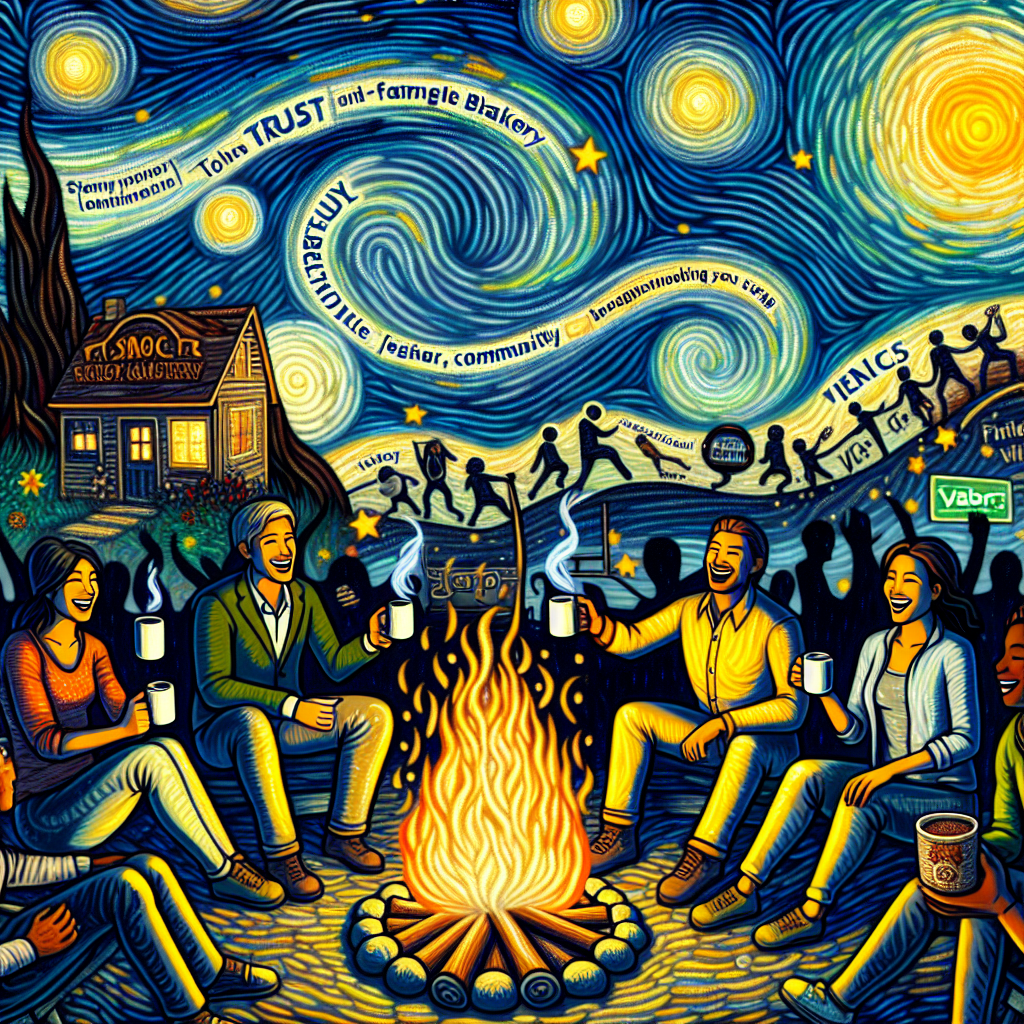
Other Resources
Glossary Terms
Who Manages the Memorialized Profile? – Glossary Of Terms
1. Memorialized Profile: A social media account that has been transformed to commemorate a deceased individual, preserving their legacy.
2. Legacy Contact: An individual designated by the account holder to manage their memorialized profile after their death.
3. Account Manager: Someone who oversees and maintains the memorialized profile’s content and interactions according to the wishes of the deceased.
4. Deactivation: The process of closing down an active profile, often requested by family members or legal representatives.
5. Privacy Settings: Options that determine who can view a memorialized profile and what content is accessible to the public.
6. Commemoration: Actions or features that honor a deceased person’s memory, such as dedicated posts or remembrance events.
7. Tribute Page: A section or feature on a platform dedicated to celebrating the life and achievements of the memorialized individual.
8. User Agreement: The terms and conditions that outline how social media profiles can be managed posthumously.
9. Digital Legacy: The online presence and impact of an individual after they pass away, including social media profiles and content.
10. Content Moderation: The enforcement of guidelines to ensure respectful interactions on a memorialized profile.
11. Profile Verification: A process that authenticates the identity of the legacy contact or authorized person managing the memorialized account.
12. Grief Support: Resources or groups that provide assistance to individuals mourning the loss reflected on a memorialized profile.
13. In Memoriam: A phrase often used to honor someone who has died, commonly seen in memorial posts.
14. Digital Footprint: The information and data left behind by a user’s online activity, important for understanding an individual’s online legacy.
15. Social Media Policy: The guidelines set by social networks regarding the management of accounts after the user’s death.
16. Obituary: A published notice of a person’s death, often shared on memorialized profiles to inform friends and family.
17. Profile Activity: Actions taken on a memorialized profile, like comments or tributes left by friends and family.
18. Community Standards: The principles that govern acceptable behavior and interactions on social media platforms.
19. Remembrance Feature: Tools provided by social media platforms that allow users to share memories and tributes on a memorialized profile.
20. Data Retention: Policies that dictate how long a social media account’s data is kept after the user’s death.
21. Notification Settings: Preferences that define how and when information regarding account activity is communicated to legacy contacts.
22. Anniversary Reminders: Features that alert users to significant dates related to the deceased, like birthdays or death anniversaries.
23. Family Interaction: The ways in which relatives can engage with and contribute to a memorialized profile.
24. Content Posting: The act of sharing memories or stories on a memorialized account, often done by friends and family.
25. Eulogy Post: A written tribute shared on a memorialized profile to honor the deceased’s life and contributions.
26. Securitization: The safeguarding of the memorialized profile from unauthorized access or manipulation.
27. Account Handoff: The transfer of management responsibility from a deceased user to their designated legacy contact.
28. Digital Memorialization: The process of commemorating a person’s life through online platforms and profiles.
29. Emotional Expression: The outlet provided by memorialized profiles for users to express grief and share feelings about the loss.
30. Public Figure Profiles: Memorialized profiles of well-known individuals that may involve managing a larger community of followers and tributes.

Glossary Of Terms
Other Questions
Who Manages the Memorialized Profile? – Other Questions
If you wish to explore and discover more, consider looking for answers to these questions:
- Who can request that a profile be memorialized and what proof of death is required?
- What types of documentation do platforms accept to verify a death?
- How long does the memorialization process typically take?
- Can a memorialized account be restored if the deceased is later found to be alive?
- Who has full control versus limited permissions on a memorialized profile?
- How are disputes between family members or friends over management decisions resolved?
- Can someone request permanent deletion instead of memorialization, and who can make that request?
- What legal rights do heirs have to access, download, or inherit digital content?
- How do memorialization policies differ across major social media platforms?
- What is a legacy contact and what powers can they be granted?
- Can a legacy contact post new content that appears as if from the deceased?
- Are private messages and direct communications accessible to the person managing the memorial?
- How are copyrighted works, creative content, or intellectual property handled after death?
- What happens to subscriptions, recurring payments, and linked financial services tied to the account?
- How is personal data protected on memorialized profiles and who controls privacy settings?
- Can photos, videos, and other media be downloaded or transferred to family members?
- Do memorialized profiles remain discoverable via search engines or public search on the platform?
- Will advertising or algorithmic recommendations still target memorialized accounts?
- Are there fees or charges for requesting memorialization, data export, or account transfer?
- How should someone document social media and digital wishes in a will or estate plan?
- What legal formats or clauses are recommended for specifying digital legacy instructions?
- How do privacy laws like GDPR and CCPA affect access to and handling of memorialized accounts?
- What happens to digital assets such as cryptocurrency, NFTs, domain names, and websites?
- How do platforms handle accounts of minors if the account holder or guardian dies?
- Is it permissible for family or services to generate AI posts in the deceased’s voice and what are the ethics?
- How are abusive, harassing, or spam comments moderated on memorialized profiles?
- Can a memorialized profile be merged with or linked to a dedicated tribute or family page?
- What archival or export options exist to preserve a complete record of posts, comments, and messages?
- How long will platforms retain memorialized accounts before permanent deletion or purging?
- Who is responsible for legacy email accounts, cloud storage, and file repositories?
- What cultural, religious, or community considerations should guide memorial management?
- What etiquette or best practices should contributors follow when posting to a memorial?
- Can memorialized profiles be monetized, used commercially, or exploited by third parties?
- What recourse exists if a platform denies memorialization, refuses deletion, or mismanages an account?
- Are there professional services, lawyers, or digital legacy specialists who can assist with preparation and management?

Other Questions
Haiku
Who Manages the Memorialized Profile? – A Haiku
Memories linger on,
Threads of love weave through our lives,
Visions shared remain.

Haiku
Poem
Who Manages the Memorialized Profile? – A Poem
In the digital world where memories reside,
Lives woven in pixels, emotions collide.
Who tends to the profiles of those weve lost?
A loved ones embrace, but at what cost?
A sacred trust, in griefs heavy hands,
To honor their essence, as time softly spans.
Memories shared, like threads intertwining,
Each story a heartbeat, in love were defining.
Navigating the grief with a delicate grace,
Preserving their truth, in this cherished space.
With wisdom and care, their values sustain,
In legacy storytelling, loves gentle refrain.
Shall we craft our wishes, let them be known?
Through open dialogues, our seeds are sown.
A tapestry bright, with laughter and tears,
Echoes of lives lived, across all our years.
Social media cradles our legacies tight,
Honoring voices that fade into night.
As we weave our narratives, together we grow,
In shared memorys warmth, our connections bestow.
So when the time comes, let stories unfold,
Not pixels alone, but lives rich and bold.
For in every profile, in every shared tear,
Lives the heart of a legacy, loud and clear.

Poem
Checklist
Who Manages the Memorialized Profile? – A Checklist
Checklist for Managing a Memorialized Profile
✅______ Reflect on your loved one’s life stories and key moments.
✅______ Collect treasured memories that encapsulate their essence.
✅______ Encourage family and friends to share personal anecdotes.
Curation and Authenticity
✅______ Ensure that updates and shared memories stay true to the individual’s character.
✅______ Balance factual representation with emotional truth.
✅______ Discuss the scope of information to share with the family.
Ethical Considerations
✅______ Respect the deceased’s and family’s values in all communications.
✅______ Obtain consent for shared photos and stories.
✅______ Maintain privacy and sensitivity in posts.
Engagement and Community Building
✅______ Invite others to share their memories and contributions.
✅______ Foster discussions that encourage community support and connection.
✅______ Regularly engage with comments and memories shared by others.
Navigating Digital Platforms
✅______ Familiarize yourself with memorialization policies and settings of the platform.
✅______ Understand who has authority to edit and manage the profile.
✅______ Keep security settings updated to protect the page’s integrity.
Creating a Lasting Legacy
✅______ Use the profile to inspire and encourage others to share experiences.
✅______ Consider establishing charitable initiatives in memory of the deceased.
✅______ Promote acts of kindness or stories that reflect their values.
Future Considerations
✅______ Discuss how the profile can evolve over time with family input.
✅______ Make plans for ongoing updates as milestones occur (e.g., anniversaries).
✅______ Ensure that the profile continues to be a space for remembrance and celebration.

Checklist
At LegacyExplorations, we help people plan and explore their legacy by collecting information and news regarding end-of-life planning.
Please share this post with your friends, family, or business associates who may want help to plan or explore their legacy.