

An Overview Of Who Took This When Why
By Tom Seest
At LegacyExplorations, we help people plan and explore their legacy by collecting information and news regarding end-of-life planning.
Please share this post with your friends, family, or business associates who may want help to plan or explore their legacy.
Who Took This? When? Why?
Every photograph has a story, a dance of light and shadow capturing a fleeting moment in time. Who took this? The question resonates beyond curiosity; it stirs the soul. The person behind the lens often embodies a legacy, a commitment to documenting the human experience. Whether a seasoned professional or an enthusiastic amateur, each photographer bears a unique perspective, a lens shaped by personal history and emotion.
Consider the time when this image was captured. Was it a chilly morning at dawn, the world still cloaked in a soft veil of sleep? Or perhaps it was a sizzling afternoon, laughter and commotion peppering the air as life unfolded in vivid colors. Time shapes not only the context of an image but also our connection to it. Each tick of the clock wards off apathy and adds depth to the narrative.
Why was this moment immortalized? Every snapshot answers that question in its own way. Maybe it commemorated a significant event — a wedding, a graduation, or the simple yet profound act of sharing a meal with loved ones. These moments resonate deeply within us, serving as a reminder of what matters most. The laughter, the tenderness, the bittersweet memories — all woven into a tapestry that connects our individual stories to a larger human experience. This is legacy storytelling at its best, beckoning us to reflect on our shared humanity.
When you face that photograph, an emotion stirs in your gut. It’s a visceral reaction tied to the shared narratives and values that bind us together. We can feel the heartbeat of the moment, the joy or sorrow captured in an instant. It encourages us to engage with our own lives, reminding us that every memory deserves to be cherished, every story worthy of sharing.
So, who took this? It could be anyone — a friend, a stranger, or even yourself. But the real question is: what will you do with that legacy? Each photograph invites us to reflect, reconnect, and revive the bonds that make us human. In a world that feels increasingly disconnected, these images urge us to pause, to share stories and rekindle connections, reminding us that we are all part of a broader narrative, each moment a brushstroke in the masterpiece of life.

Who Took This? When? Why?
Who Took This? When? Why?
- Every photograph captures a fleeting moment, embodying stories of light and shadow.
- The identity of the photographer often reflects a legacy of documenting the human experience.
- Time influences the context of the image and affects our connection to it.
- Photographs commemorate significant events and resonate with our personal memories.
- Each image evokes emotions tied to shared narratives and values, encouraging engagement with our lives.
- Photographs invite reflection on our connections and the broader human narrative.
- In an increasingly disconnected world, these images prompt us to share stories and revive human bonds.

Who Took This? When? Why?
Table Of Contents
- Who Took This? When? Why?
- Who Took This Photo and What Story Does It Tell?
- What Emotions Does This Image Evoke?
- Why Does the Timing Of This Photo Matter?
- How Does the Context Shape Our Understanding Of This Image?
- What Ethical Considerations Arise From Sharing This Photo?
- Who Benefits From the Dissemination Of This Image?
- How Does This Photograph Connect Us to the Past?
- Conclusion
- Other Resources
- Glossary Of Terms
- Other Questions
- Haiku
- Poem
- Checklist
Who Took This Photo and What Story Does It Tell?
Every photograph holds more than just an image; it encapsulates a moment, a feeling, a legacy. When we gaze upon a powerful photo, we aren’t merely looking at a still frame; we’re peering into a window of history, emotion, and connection. This particular photo captures the essence of a larger narrative—a legacy storytelling that transcends the boundaries of time and space.
Consider the person behind the lens. Who are they? What compelled them to press that shutter button? Each photographer carries their own unique story, their own battles and triumphs, and what they choose to capture reveals their perspective on the world. This isn’t just about skill; it’s about conviction and choice. A moment in time is immortalized not just because of technical prowess but because of an emotional pull and a purpose behind it. Maybe it’s a laugh shared among friends, a tear shed in solitude, or a triumph celebrated against all odds. These images connect us across generations, reminding us of shared experiences and universal truths.
As viewers, we engage not only with the image but with the deeper implications it holds. It invites us to reflect on our own lives, our own stories interwoven with those presented in the frame. This isn’t just a photo; it’s a catalyst for thought and discussion, sparking a dialogue within ourselves about who we are and what we value. By understanding the context behind the image, we can appreciate the ethical dimensions of photography—how it shapes narratives and influences perceptions. We gain insights into the social fabric that binds us together, revealing the threads of humanity that weave through every corner of our existence.
This photo challenges us to consider our own legacy. What story are we telling through our actions? How do we want to be remembered? It’s in this reflection that we find inspiration, a call to action that resonates not only in our minds but also in our hearts and guts. The legacy we create—like the moments caught in that photo—can inspire generations to come. Let this image be a reminder that every choice we make, every relationship we foster, can contribute to a greater story, one worth sharing.

Who Took This Photo and What Story Does It Tell?
Who Took This Photo and What Story Does It Tell?
- Photographs capture moments, feelings, and legacies, serving as windows into history and connection.
- The person behind the lens has a unique story that influences their perspective and choice of subjects.
- Images represent more than technical skill; they embody emotional significance and purpose.
- Photographs connect generations by reminding us of shared experiences and universal truths.
- Viewing a photo encourages personal reflection and dialogues about identity and values.
- Understanding the context of an image provides insights into its ethical implications and societal impact.
- Photos challenge us to reflect on our own legacies and inspire us to create meaningful stories.

Who Took This Photo and What Story Does It Tell?
What Emotions Does This Image Evoke?
When we pause to contemplate a powerful image, we dive deep into a pool of emotions that can stir our hearts, challenge our intellect, and even provoke our very essence. Images hold a unique capacity to encapsulate the human experience—like a snapshot of life’s wild ride. In this space, legacy storytelling comes alive, inviting us to bridge our personal narratives with those of others, and helping us understand that we are part of a larger tapestry.
Consider the quiet strength radiating from an individual in the image. There’s more than just a face; there’s a story. Every wrinkle tells of trials faced and triumphs earned—each line a chapter in a legacy woven through hardship and resilience. This blend of vulnerability and strength resonates universally, drawing on our shared human condition. It challenges us to look within and reflect on our struggles, sparking an emotional connection that transcends time and place.
Rationally, that image beckons us to consider the circumstances surrounding the individual captured within its frame. What decisions led them to this moment? What obstacles did they overcome? It’s a reminder that life is not a straight path—it’s a winding road marked by choices that define our character and shape our destinies. This is where legacy storytelling becomes vital, as we gain insight not just into one life, but how myriad experiences teach us a lesson about perseverance and hope.
Ethically, we must ask ourselves: how does this image inspire us to act? It serves as a call to recognize the untold stories within our communities. Whether standing up for those who can’t advocate for themselves or supporting a neighbor in need, the image dares us to take responsibility for the legacies we create. In doing so, we build a supportive network that emphasizes connection over isolation—fostering a society where every story matters.
Narratively, the image invites us to reflect on our own legacies. What will our stories convey ten, twenty, or fifty years from now? Sharing our personal histories not only enriches our lives but also inspires those around us. When we pass down these narratives, we strengthen our communal bonds and validate our collective human experience.
As we reflect on the emotions this image evokes and the stories it encapsulates, a sense of trust emerges—trust in our shared journeys and the profound impact of heartfelt storytelling. It’s a rallying cry to embrace our legacies, ensuring that our voices echo through time, shaping the future for generations to come.

What Emotions Does This Image Evoke?
What Emotions Does This Image Evoke?
- Powerful images evoke deep emotions, challenge intellect, and provoke thought.
- Images encapsulate the human experience, linking personal narratives to a larger tapestry.
- Every facial detail tells a story of trials and triumphs, reflecting universal vulnerability and strength.
- Images prompt reflection on life choices that define character and shape destinies.
- They inspire action and responsibility for creating legacies within communities.
- Personal histories enrich lives and strengthen communal bonds through shared narratives.
- Embracing our legacies fosters trust and shapes the future for generations to come.
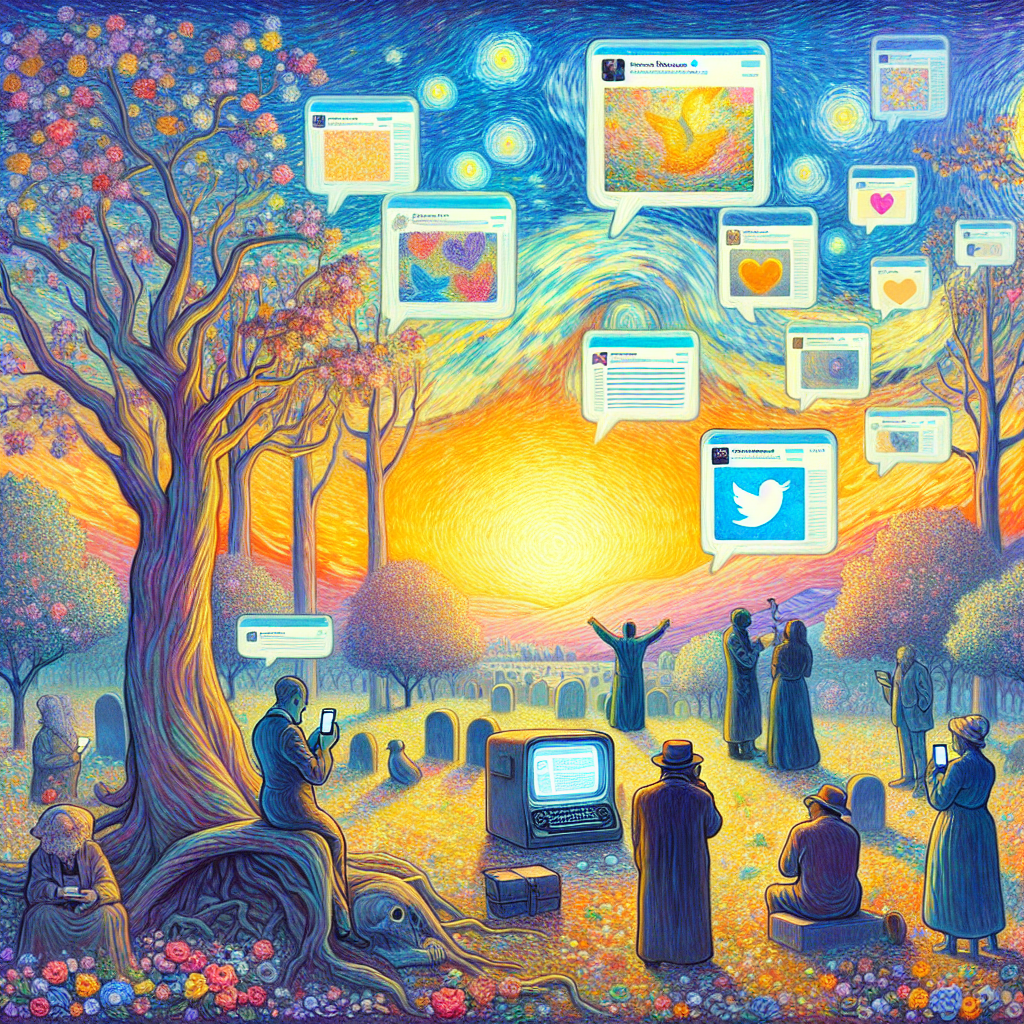
What Emotions Does This Image Evoke?
Why Does the Timing Of This Photo Matter?
In a world saturated with instant images and relentless social media, the significance of a single photograph can often be lost amid the noise. Yet, when you pause and truly consider the timing of this photo, its weight comes crashing in, inviting us to peel back the layers of its meaning. Timing is everything, and here, it’s a window into a legacy—a reminder of who we are and what we value.
This image captures not just a moment, but a narrative woven from the threads of history, emotion, and shared experiences. It tells a legacy story that resonates with our collective consciousness. Every face in the frame reflects a life lived, a story waiting to be shared. These stories connect us, bind us in our shared humanity, and invite us to reflect on our own pathways—what we’ve inherited and what we aspire to leave behind.
Consider the emotions wrapped tightly within this snapshot. It’s not merely a collection of smiles frozen in time but a testament to perseverance, resilience, and unity. Each wrinkle and gleam in the eyes suggests countless tales of challenges faced and victories celebrated. The timing of this photo, perhaps taken during a pivotal moment, adds a layer of urgency and significance, compelling us to confront the realities of our own lives.
On a rational level, the timing accentuates the choices we make. It urges us to reflect on the fleeting nature of our present. Ask yourself: what legacy do you wish to leave? Each moment is an opportunity to create a story worth telling. The ethical weight behind this image pushes us to consider our responsibilities to one another, as stewards of our own legacies and those who come after us.
Moreover, this photo serves as a potent reminder of the authority of experience. Those who’ve lived these moments carry with them wisdom and insight, urging us to listen, to learn, and to act. It challenges us not just to witness but to engage—to ensure that our actions reflect the values that shaped the very moments captured.
In essence, this isn’t just a photograph. It’s a call to action, an invitation to recognize the profound impact of timing and storytelling in our lives. So, the next time you look at an image like this, allow it to provoke thought and inspire change. Embrace the moment, honor the legacy, and remember: every photograph tells not just a story, but a vital chapter in the ongoing tale of humanity.

Why Does the Timing Of This Photo Matter?
Why Does the Timing Of This Photo Matter?
- The significance of a photograph can be overlooked in a world of instant images and social media.
- This photo serves as a reminder of legacy, identity, and values.
- Each individual depicted carries a story that connects us through shared humanity.
- The emotions in the photograph reflect perseverance, resilience, and unity.
- Timing emphasizes the choices we make and the fleeting nature of life.
- This image encourages reflection on our responsibilities and the legacies we leave behind.
- The photograph is a call to action, highlighting the importance of storytelling and engagement.

Why Does the Timing Of This Photo Matter?
How Does the Context Shape Our Understanding Of This Image?
When we see an image, we’re not just gazing at pixels arranged on a screen. We’re peering into a universe sculpted by experiences, emotions, and legacies that beckon us to dig deeper. Legacy in storytelling has a remarkable way of bridging generational gaps. Each narrative folded into our shared humanity calls to the heart, urging us to remember where we came from and who we are today.
Consider for a moment how a seemingly simple photograph can tell a story that resonates across ages. The faces captured may belong to a different era, yet their eyes tell tales of resilience, joy, and struggle. Each crinkle and smile immortalizes victories over adversity. Understanding the context behind such visuals allows us to connect on an emotional level, tapping into our own life experiences. This transforms mere observation into a shared connection.
Rationally, context provides the framework that helps decode the layers of meaning embedded within the image. It’s not just about what our eyes see; it’s about the stories that unfold in the backdrop. In today’s increasingly complex world, critical thinking is essential. When we analyze images within their historical and cultural contexts, we develop a deeper appreciation for their significance. This analytical approach engages the head, inviting us to challenge our perceptions and see the broader picture.
Ethically, examining context compels us to hold space for the voices often marginalized in narratives. These images may represent struggles seen through the lens of power dynamics, illuminating stories of those who contributed but have remained silent. In fostering these conversations, we create an ethical imperative that insists upon responsibility in storytelling.
As we navigate the capillaries of social connection, let the stories of these images inspire action. Consider creating your own narrative—what will you weave into the fabric of your life’s legacy? Each image and story is a thread linking us to one another, reminding us that the act of sharing our experiences can bring about understanding and compassion.
So, the next time an image catches your eye, pause. Reflect on its context. Embrace the legacy it holds and let it guide you through the intertwined stories of humanity, inspiring you to share your own tale. Seek to understand, and above all, let connection be the heartbeat of our collective narrative.

How Does the Context Shape Our Understanding Of This Image?
How Does the Context Shape Our Understanding Of This Image?
- Images are more than pixels; they represent a universe of experiences and emotions.
- Storytelling legacies bridge generational gaps, urging reflection on our origins.
- Photographs can evoke stories of resilience and struggle, connecting us emotionally.
- Understanding context is vital for decoding the deeper significance of images.
- Critical thinking is essential for analyzing historic and cultural aspects of visuals.
- Examining context highlights marginalized voices and emphasizes ethical storytelling.
- Sharing experiences through images fosters understanding and compassion among people.

How Does the Context Shape Our Understanding Of This Image?
What Ethical Considerations Arise From Sharing This Photo?
In sharing a simple photo, we are not merely distributing pixels; we are engaging in legacy storytelling that intertwines personal narratives, community ties, and our shared humanity. Each image has within it the power to move hearts and stir souls, but with that power comes substantial ethical responsibility. When a photo depicts vulnerable moments, whether of joy, struggle, or resilience, the implications of its dissemination ripple far beyond the frame.
Emotionally, every snapshot tells a story. The faces captured within, often smiles or tears, resonate with our collective experiences. Think about it: does the photo reflect genuine connection or exploit emotion for views? This is where integrity meets the gut, as we must confront whether sharing it honors the individuals involved or merely serves our intention for likes and shares. Are we amplifying voices or silencing them under the weight of our social agendas?
From a rational perspective, we ought to consider the context surrounding the image. Is it appropriate to share? What are the potential repercussions for those depicted? Ethical questions arise: does this photo promote understanding and compassion, or does it foster judgment and division? The authority to share doesn’t come from our ability to take a picture but from the responsibility we bear for how that image influences lives, opinions, and community relations.
As we navigate this terrain, let’s reflect on the narratives that emerge from these photos. They create connections, often bridging gaps between disparate lives. When we recognize the shared fabric of human experience, we cultivate a deeper understanding of our role as storytellers. We craft our legacy through these choices—are we remembered for our empathy and respect, or for moments that bred controversy and division?
Socially, a photograph can ignite conversation or reinforce silence. Each click of the camera serves as a catalyst for dialogue, urging us to confront uncomfortable truths or celebrate unity. This responsibility belongs to all of us; we have the power to enhance understanding or perpetuate misunderstanding based on our actions.
The ethical considerations of sharing a photo extend beyond legality and well into moral territory. Let us choose wisely, ensuring that our legacy storytelling reflects the best of what humanity can offer, inspiring trust, connection, and a call to action toward a more compassionate world.

What Ethical Considerations Arise From Sharing This Photo?
What Ethical Considerations Arise From Sharing This Photo?
- Sharing a photo involves legacy storytelling that connects personal narratives and community ties.
- Images have the power to evoke emotion, requiring ethical responsibility in their dissemination.
- Consider whether a photo reflects genuine connection or exploits emotions for views.
- Evaluate the context and potential repercussions for those depicted in the photo.
- Photographs can foster understanding or promote judgment, impacting opinions and community relations.
- Each image serves as a catalyst for dialogue, either igniting conversation or reinforcing silence.
- Ethical considerations in photo sharing go beyond legality, emphasizing moral responsibility and compassion.

What Ethical Considerations Arise From Sharing This Photo?
Who Benefits From the Dissemination Of This Image?
In our fast-paced digital world, the images we share can often wield more power than the words we write. This particular image speaks volumes, weaving a narrative that touches the heart, challenges the mind, and stirs the gut. But who truly benefits from its dissemination?
Consider the ordinary individual, like you and me, who stumbles upon this image. It serves as a reminder of our shared humanity, evoking empathy and connection. We all have our stories; we’ve faced trials that could fill volumes. This image captures a moment—a legacy storytelling that transcends time and invites us to reflect on our own journeys. It’s a subtle nudge, urging us to consider not only our victories but also the struggles that shape our character.
Organizations and nonprofits also stand to gain from this image. For them, every click and share broadens their reach, amplifying vital messages on social issues that require our attention. They rely on the emotional power of visuals to inspire action, sparking a sense of urgency that words alone often cannot convey. By rallying the community around a shared cause, they forge deep connections, echoing the narrative that together, we can effect change.
On an ethical level, the responsible use of this image raises questions about representation and authenticity. The best storytellers know the value of diverse narratives that honor varied experiences. When disseminated thoughtfully, this image encourages a richer understanding of the world around us, fostering an inclusive dialogue that respects every voice.
Experts and voices of authority, too, can leverage this image to enhance their credibility. By aligning with impactful visuals, they provide relatable context that supports their initiatives. The amalgamation of prestige and shared storytelling cultivates trust, making their messages resonate more fiercely with their audience.
Ultimately, it’s about connection. Think about the conversations this image can ignite—between friends, families, and communities. It’s more than just an image; it’s an invitation to share, to reflect, and to unite under a common narrative. As we digest what we see, let’s not just observe; let’s engage. Let’s harness the power of this image to foster understanding and inspire action because, at the end of the day, we all have a role in shaping the legacy we leave behind.

Who Benefits From the Dissemination Of This Image?
Who Benefits From the Dissemination Of This Image?
- Images often hold more power than words in the digital landscape.
- An impactful image evokes empathy and connection, reflecting shared human experiences.
- Organizations can use powerful images to amplify social messages and inspire action.
- Responsible image use raises ethical questions about representation and authenticity.
- Diverse narratives enrich understanding and foster inclusive dialogue.
- Experts enhance their credibility by aligning initiatives with meaningful visuals.
- Images spark conversations and foster connections among individuals and communities.

Who Benefits From the Dissemination Of This Image?
How Does This Photograph Connect Us to the Past?
Every photograph tells a story, a moment frozen in time that transcends generations. When we look at a photograph, we’re not just observing an image; we’re engaging in a profound act of legacy storytelling. It’s a bridge connecting us to our forebears, reminding us of their struggles, triumphs, and the values they held dear. This particular photograph evokes a sense of nostalgia, drawing us into a narrative that speaks to the heart of what it means to be human.
Emotions stir when we see faces filled with laughter, tears, or determination. We can envision the days when those moments were crafted, realizing they aren’t confined to a single frame. They resonate within us. This photograph invites us to reflect upon our own experiences: moments with loved ones, times of hardship, or the simple joys that make life meaningful. It’s not just about the image; it beckons us to consider our place in the continuum of history, in a world where every action contributes to the larger narrative of our families and communities.
From a rational perspective, the power of this photograph lies in its ability to encapsulate history in a way that textbooks cannot. It teaches us and reminds us of lessons learned—both good and bad. Each crease in the face, every backdrop, and activity hold significance, urging us to understand the choices made by those who came before us. These choices shape our values and decisions today. There’s an ethical responsibility in recognizing this connection; we must honor their stories and the sacrifices they made. We draw strength from their legacy as we navigate our lives, motivating us to forge our paths thoughtfully.
However, the photograph does more than elicit emotions or provoke thought; it also fosters social connection. Share it with friends and family, and conversations blossom. You hear stories that bring families together, intertwining personal histories with a shared sense of belonging. Each conversation deepens understanding and enhances our appreciation for the past’s intricate tapestry.
In a world that often feels disconnected, this photograph serves as a poignant reminder of our roots and the values that bind us. It encourages us to take action, whether by preserving our own legacies or simply taking the time to learn about the past. By engaging with this photograph, we forge connections, establish trust, and create communities grounded in shared history and purpose. Legacy storytelling isn’t just about remembrance; it’s about inspiration for our future.
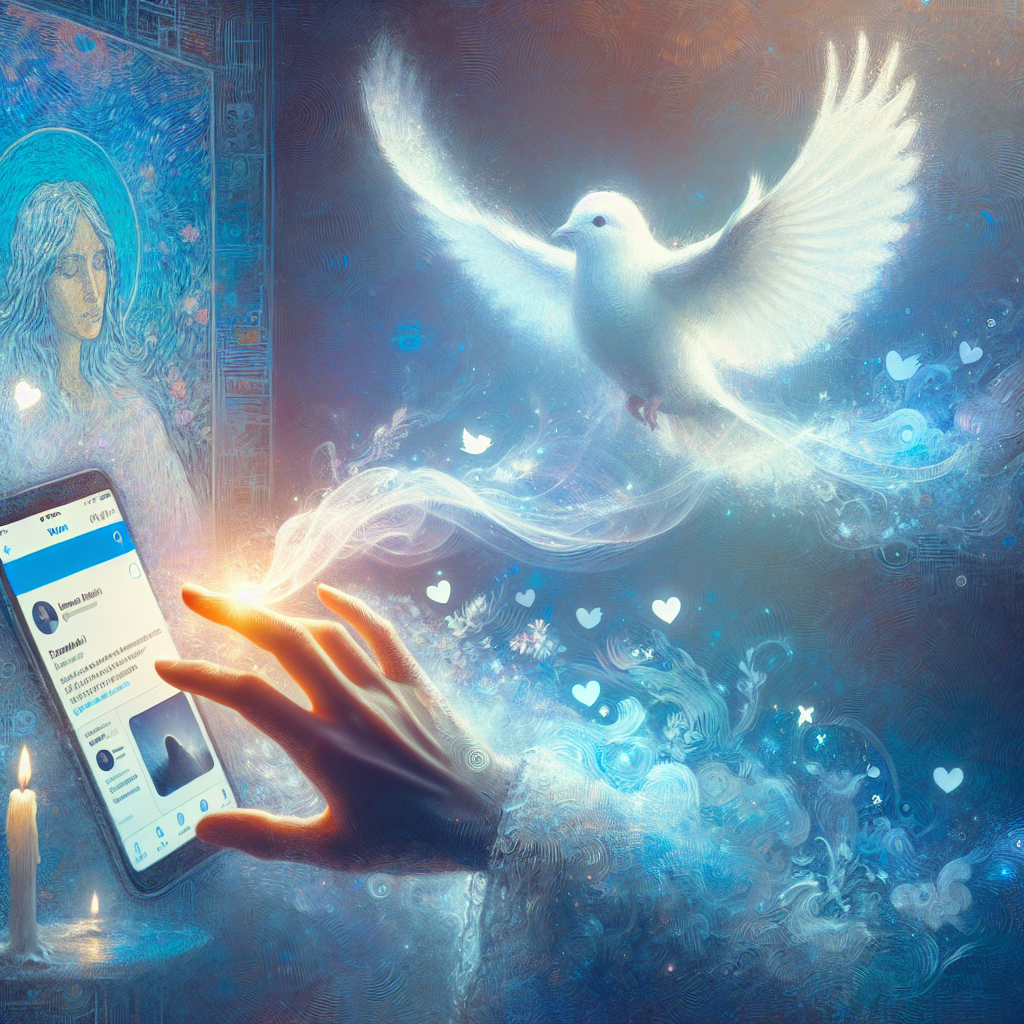
How Does This Photograph Connect Us to the Past?
How Does This Photograph Connect Us to the Past?
- Photographs capture moments frozen in time, serving as a bridge to our ancestors and their stories.
- They evoke nostalgia and stir emotions, reminding us of shared human experiences and values.
- Each photograph invites reflection on our personal histories and connections to the past.
- They encapsulate history and teach valuable lessons that shape our values and decisions.
- The act of sharing photographs fosters social connections and deepens family ties.
- These images remind us of our roots and inspire us to preserve legacies and learn from the past.
- Legacy storytelling encourages community building and serves as motivation for a hopeful future.
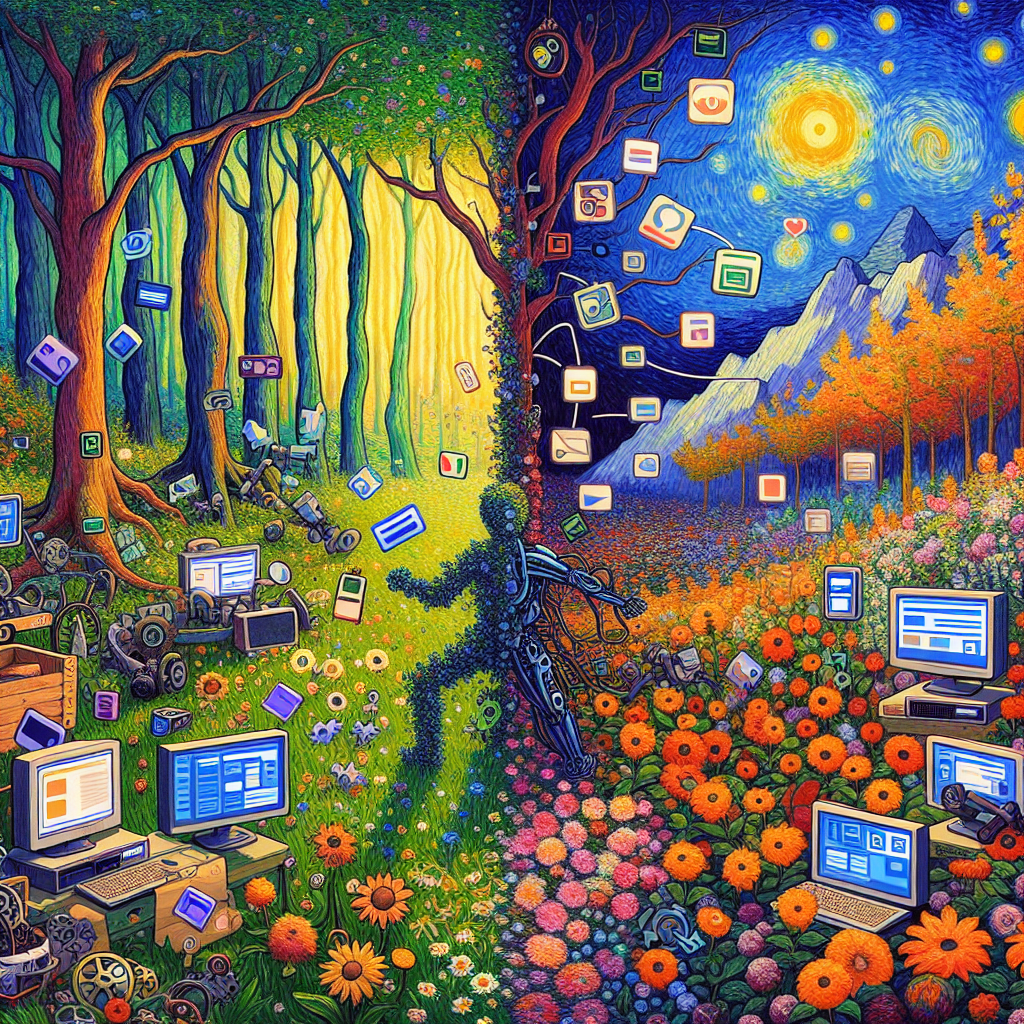
How Does This Photograph Connect Us to the Past?
Conclusion
Every photograph encapsulates a moment, telling a story that resonates with our shared humanity and evokes deep emotional connections. The question “Who took this?” is not merely an inquiry into the photographer’s identity; it’s an invitation to engage with the heart of legacy storytelling. Each image contains layers of meaning shaped by the experiences and perspectives of those behind and in front of the lens.
When we consider the context in which a photograph was captured, we open the door to understanding the narrative it conveys—whether it was a quiet dawn filled with promise or a lively gathering brimming with joy. Each moment immortalized reflects significant events in our lives, from weddings to casual gatherings, reminiscent of what we hold dear. These snapshots weave together our individual stories, reminding us of the values and emotions that bind us as human beings.
Our emotional response to an image stirs something visceral within us. The depicted joy or sorrow invites reflection on our own experiences, making the photograph a catalyst for personal storytelling. Who captured that moment matters less than what that moment means to us, fostering connections that transcend time and space. The images we encounter compel us to cherish our memories and engage meaningfully with our lives.
Moreover, photographs can serve as reminders of our ethical responsibilities. Sharing an image carries weight; we must consider its implications and ensure that it promotes understanding rather than division. This responsibility extends to acknowledging the diverse narratives present in every photograph, creating a tapestry that celebrates our differences and commonalities alike.
As we consider why a photograph was taken, we are led to the crux of legacy: the stories we choose to tell and how they shape our identities. Each image is an opportunity to reflect on what we wish to communicate to future generations. The act of taking a photograph is not merely about capturing an image; it’s about declaring, “This matters.” When we disseminate such images, we amplify their stories, whether they inspire, inform, or invoke compassion.
Ultimately, photographs connect us to our past and highlight the roads we walk in the present. In a fast-paced world where moments slip away, each captured image beckons us to pause, ponder, and engage—to ensure that we contribute positively to the broader narrative of humanity. As we navigate life, these moments serve as a conduit, urging us to share our own stories and foster deeper connections, as every photograph tells a vital chapter in the ongoing tale of our existence.

Conclusion
Conclusion:
- Photographs encapsulate moments and tell stories that evoke emotional connections.
- The inquiry “Who took this?” invites engagement with legacy storytelling.
- Context is key to understanding the narrative conveyed by an image.
- Photographs reflect significant life events and weave together individual stories.
- Emotional responses to images create opportunities for personal storytelling.
- Sharing photographs carries ethical responsibilities, promoting understanding and celebrating diversity.
- Each image serves as a chance to reflect on what we communicate to future generations.

Conclusion
Other Resources

Other Resources
Here is a list of other resources you can review online to learn more:
- EverLoved
- Geni
- Legacy Learned
- How Has Time Changed The Cost Of Capturing Family Legacy Stories
- LastPass
- LifeBio
- IronClad Family
- Lexikin
- Trust And Will
- Legacy
- Ever Loved
- Meminto
- AmericanAncestors
- NoLo
- Forever Missed
- MyHeritage
- LifeWeb 360
- Funeral Finder
- Legacy Family Tree
Use This Prompt To Get More Resources With Your Favorite Online AI Tool: Please provide me with a list of online articles with their URLs in a bulleted list that I can read regarding Who Took This? When? Why?

Other Resources
Glossary Terms
Who Took This? When? Why? – Glossary Of Terms
1. Authorship: The person or group responsible for creating a work or idea.
2. Date: The specific time period or day when an event occurred or a work was created.
3. Context: The background information or circumstances surrounding a particular event or creation.
4. Attribution: The act of crediting the rightful creator of a work or idea.
5. Evidence: Information or proof that supports claims regarding who created a work and when.
6. Intent: The purpose or motivation behind the creation of a work.
7. Source: The origin from which a work or idea is derived.
8. Witness: An individual who has seen or can attest to an event relevant to authorship or creation.
9. Document: A written or printed paper that provides information or serves as evidence.
10. Historical Significance: The importance of a work or event within a specific time in history.
11. Narrative: The story or description of events that explain who, when, and why something occurred.
12. Verification: The process of confirming the authenticity of a work or event.
13. Perspective: The viewpoint from which a person interprets an event or authorship.
14. Motivation: The reasons or drivers influencing the creator’s decision to produce a work.
15. Interpretation: The way in which a work or event is understood or explained.
16. Copyright: Legal protection granted to the creator of an original work.
17. Authenticity: The quality of being genuine or original rather than a copy.
18. Commission: The act of hiring someone to create a work or product.
19. Legacy: The lasting impact or contributions of a creator or specific work.
20. Contextuality: The relevance of a work or event in relation to its environment or backdrop.
21. Impact: The effect or influence a work or event has on society or culture.
22. Causality: The relationship between an event and its cause or reasons.
23. Analysis: The detailed examination of elements within a work or situation to understand deeper meanings.
24. Ethics: The moral considerations involved in the creation or attribution of a work.
25. Research: The systematic investigation into subjects to gather information or evidence regarding authorship.
26. Interpretive Framework: The lens through which a work or event is analyzed and understood.
27. Plagiarism: The act of using someone else’s work or ideas without proper attribution.
28. Scholarly Consensus: The common agreement among experts regarding authorship or the significance of a work.
29. Cultural Context: The social and historical circumstances that shape the understanding of a work or event.
30. Documentary Evidence: Physical records or materials that provide proof of authorship and intent.

Glossary Of Terms
Other Questions
Who Took This? When? Why? – Other Questions
If you wish to explore and discover more, consider looking for answers to these questions:
- Who is the photographer?
- When exactly was the photo taken (date and time)?
- Where was it taken (city, venue, geographic coordinates)?
- What event or occasion does the photo depict?
- Why was this specific moment chosen to be photographed?
- Who are the people in the image and what are their roles or relationships?
- Are the subjects identified publicly or intentionally anonymous?
- Did the subjects give consent for the photo to be taken and shared?
- Was the scene candid or staged/posed?
- What equipment, lens, and camera settings were used?
- Was any post-processing, retouching, or color grading applied?
- Is the image an accurate documentary record or an interpretive/artistic piece?
- What is the photograph’s provenance and ownership history?
- Who holds the copyright and publication rights?
- What permissions or licenses are required to reproduce, publish, or sell the image?
- Can a high-resolution or print-quality file be obtained, and how?
- Where can readers find more work by the same photographer?
- Has the photo been published or exhibited before?
- If so, where and when?
- What historical, cultural, or social context surrounds the image?
- How has the community depicted in the photo reacted to its dissemination?
- Does sharing the photo pose any ethical or privacy concerns?
- Who benefits from sharing this image (subjects, photographer, organizations, audiences)?
- Were ethical guidelines or journalistic standards followed in capturing and publishing it?
- Are there follow-up stories or updates about the people or event shown?
- Is there related multimedia (interviews, audio, video) that provides context?
- What metadata or EXIF information is embedded in the file?
- Has the image ever been altered, manipulated, or deepfaked?
- How should the photo be credited in captions and bibliographies?
- Are there legal restrictions on commercial use, redistribution, or modification?
- What documented interpretations, critiques, or analyses exist for this image?
- What emotions or messages did the photographer intend to convey?
- How does this photograph relate to broader events, movements, or trends?
- Where is the original print or negative archived, and is there an accession number?
- What conservation or preservation measures are recommended for physical prints?
- How can someone contact the photographer, rights holder, or archive?
- Are there alternative captions or translations for different audiences?
- What preparatory research or questions did the photographer pursue before taking the shot?
- What actions or reflections does the image aim to inspire in viewers?
- How might interpretations of the photo differ across cultures, generations, or perspectives?
- Are there other photos in a series that expand on the story in this image?

Other Questions
Haiku
Who Took This? When? Why? – A Haiku
Photographs whisper tales,
Moments wrapped in light and time,
Legacies shared, held.

Haiku
Poem
Who Took This? When? Why? – A Poem
In the whisper of a moment, a photograph speaks,
A dance of light and shadow, where history peeks.
Who took this, and when? A question profound,
Each image a heartbeat, where memories abound.
Captured in time, each face tells a tale,
Of laughter, of struggle, of love without fail.
The joy of a wedding, the ache of goodbye,
These fleeting connections, beneath the vast sky.
A legacy woven in pixels and frames,
Each story a flame, igniting our aims.
What will we carry, what paths will we tread?
In this tapestry of life, we’re forever thread.
The timing a beacon, a nudge to reflect,
Every moment we seize has power to affect.
In a world so divided, these images unite,
Inviting us in, turning darkness to light.
But ponder the purpose, the ethics at play,
Are we sharing with kindness, or merely for sway?
For in every snapshot, there lies a demand,
To uplift the unheard, to offer a hand.
So let each photo remind us, in truth we find grace,
Connecting the past with the present we face.
Embrace every moment, your story intertwine,
In the masterpiece of life, let your legacy shine.

Poem
Checklist
Who Took This? When? Why? – A Checklist
Emotional Appeals
✅______ Reflect on your feelings: What emotions does the photograph evoke in you?
✅______ Share personal memories: How does this image connect to your own life experiences?
Rational Appeals
✅______ Analyze the context: What historical or cultural background informs the image?
✅______ Consider the story: What narrative emerges from the photograph, and how does it resonate with you?
Ethical Appeals
✅______ Evaluate representation: Does the photograph honor the individuals depicted and their stories?
✅______ Reflect on responsibility: What ethical considerations arise before sharing this image?
Authority Appeals
✅______ Identify expertise: Who created the photograph, and what insights can they provide about its meaning?
✅______ Acknowledge credibility: How does this image strengthen or challenge established narratives?
Narrative Appeals
✅______ Explore the storyline: What larger narrative does this image contribute to, and how?
✅______ Connect with others: How can you share this photograph to spark dialogue and storytelling within your community?
Social Appeals
✅______ Promote sharing: Encourage discussions around the photograph’s themes in social circles.
✅______ Build connections: Use the image to foster understanding and empathy among friends and family.

Checklist
At LegacyExplorations, we help people plan and explore their legacy by collecting information and news regarding end-of-life planning.
Please share this post with your friends, family, or business associates who may want help to plan or explore their legacy.