

Uncovering Hidden Costs: The Emotional, Ethical, And Social Price Of Free.
By Tom Seest
At LegacyExplorations, we help people plan and explore their legacy by collecting information and news regarding end-of-life planning.
Please share this post with your friends, family, or business associates who may want help to plan or explore their legacy.
Why Free Services Are Never Free
We’ve all heard the phrase “nothing in life is free.” Yet, we often overlook its truth in today’s digitally-driven world, where countless services promise the allure of zero cost. But as anyone who’s dug a little deeper knows, when you accept something for free, you’re likely handing over more than you bargained for. In this age of information, our data—the very essence of our legacy—is at stake.
Consider the adage of legacy storytelling, a timeless way our ancestors shared wisdom, values, and warnings. Imagine a village where the storyteller captivates his audience with tales of generosity, only to reveal later that those who listened became unwitting participants in a darker narrative. The exchange was never about the story; it was about what they would give in return—a lesson as relevant now as it was centuries ago.
In a similar fashion, free online services do offer convenience, yet their real price is the loss of privacy and autonomy. Every click, every search, every like feeds into a vast machine designed to profile us, shaping our decisions and opinions. It’s easy to brush this aside, arguing that convenience is worth the trade. But if we pause to recognize the ethical implications of this exchange, we might feel a twinge in our gut—shouldn’t our personal stories be ours to tell?
Look at the big players in this realm. They wield authority not just over their platforms, but over our lives. By offering free services, they create dependency, shaping us into consumers tethered to their whims. It’s a savvy business model that inspires confidence among investors while eroding trust in the everyday user. Are we willing to barter our stories for a moment of convenience?
When we share our experiences and connect with one another, we create a tapestry of collective wisdom. That bond, however, becomes frayed when we engage with services that prioritize profit over people. We must reclaim the narrative, understanding what “free” truly demands of us.
Embrace the value of your legacy—think critically about what you choose to accept without payment. Engage with services that respect your story and empower you. By making conscious choices, we take part in a dialogue that honors our individual rights and fortifies our shared humanity. Recognizing that free services are never free is the first step in taking back control of our narratives, fostering genuine connections, and ensuring our stories are shared, not sold.

Why Free Services Are Never Free
Why Free Services Are Never Free
- “Nothing in life is free” holds true in the digital world where many services promise zero cost.
- Accepting free services often means giving up privacy and data, which are crucial to our legacy.
- Legacy storytelling shows how exchanges might involve hidden consequences, not just the surface allure.
- Free online services may offer convenience but come at the cost of our privacy and autonomy.
- Major platforms create dependency, affecting users’ control over their personal narratives.
- We must understand the true cost of “free” and choose wisely to protect our stories.
- Making conscious service choices empowers individuals and promotes genuine connections.

Why Free Services Are Never Free
Table Of Contents
- Why Free Services Are Never Free
- How Do Free Services Impact Your Privacy?
- Do You Feel Valued When Using Free Services?
- What Ethical Dilemmas Arise From Using Free Services?
- Are You Sacrificing Quality for the Lure Of Free?
- How Do Free Services Shape Your Social Interactions?
- Can You Trust a Service That Offers No Monetary Cost?
- What Narratives Are Spun Around the Value Of Free Services?
- Conclusion
- Other Resources
- Glossary Of Terms
- Other Questions
- Haiku
- Poem
- Checklist
How Do Free Services Impact Your Privacy?
In a world brimming with options, the allure of free services often feels like a magic trick. We sign up, click through, and before we know it, our data becomes the currency. It’s essential to pull back the curtain and examine what’s at stake. This isn’t just about a few clicks; it’s about our legacy—the stories we hand down, the memories we safeguard, and the digital footprint we leave behind.
Consider the stories woven into the fabric of our lives. We think we’re merely sharing a quick photo with friends or checking a box to create an account. Yet, these actions ripple through the digital ocean, leaving traces of who we are and what we value. When using a free application, we may inadvertently become part of a larger narrative designed not to enrich our lives, but to capitalize on our information. This isn’t just speculation; it’s a reality many have faced, where private moments evolve into data points harvested for profit.
Rationally, we must question the true cost of “free.” Is access to a service worth the potential exposure of our personal details? The answer lies not just in the fine print but in the ethics of our choices. Every time we trade our privacy for convenience, we chip away at our autonomy. Each password we share echoes in a marketplace where our data becomes a product, not a protected treasure.
Emotionally, this is unsettling. We crave connection, yet the tools designed to foster relationships might be inextricably linked to surveillance. Think of the lullabies sung by those who came before us, echoing through generations. Our legacy storytelling disappears when privacy erodes, replaced by a narrative crafted by algorithms that are indifferent to our human experience.
The authoritative voices in technology remind us that there is power in knowledge. Awareness can transform how we interact with free services. By understanding the implications, we can make informed choices, preserving our dignity and privacy while navigating this digital landscape.
Ultimately, this conversation demands a collective response. Friends and family can create a web of trust, sharing insights about how to protect ourselves while still enjoying the conveniences modern life offers. Let’s be advocates for our privacy, turning our individual stories into a tapestry of shared understanding. Acting together, we can reclaim our narratives and ensure that free doesn’t come at the cost of our values. The stakes are too high, and our stories deserve to be told on our terms.

How Do Free Services Impact Your Privacy?
How Do Free Services Impact Your Privacy?
- The allure of free services often masks the reality of data commodification.
- Actions like sharing photos can leave significant digital footprints and impact personal narratives.
- Using free applications may expose personal information for commercial gain.
- There is a need to critically assess the true cost of “free” services against privacy risks.
- Trading privacy for convenience erodes individual autonomy.
- Awareness and knowledge empower informed choices regarding digital privacy.
- Collective advocacy for privacy can help protect personal stories and values.

How Do Free Services Impact Your Privacy?
Do You Feel Valued When Using Free Services?
In a world that often equates value with price tags, the question of whether we feel valued when using free services is more relevant than ever. We all have a legacy, stories woven into the fabric of our lives that shape us, and how we interact with free services can illuminate that legacy.
When you tap into a free service, consider the unsung heroes behind the screen—the developers, the support teams, the creative minds—all working tirelessly to provide something for nothing. They offer us a glimpse into their own legacy through their choice to share, often out of passion or a belief in community over profit. This speaks to our hearts. We crave connection, and these services can build bridges in our lives, allowing us to communicate, learn, and grow without the constraints of monetary barriers.
Rationally speaking, the allure of free services is undeniable. They serve as a testing ground, a playground of ideas where we’re free to explore without the anxiety of financial commitment. We can analyze and weigh our options, evaluating what truly serves us without feeling tethered to a bill. It’s about empowerment; we hold the reins, choosing what fits our needs best. Each click, each interaction, is a chance to engage on our terms, which only amplifies the sense of control we seek in every aspect of life.
Yet, there’s an ethical dimension at play. With great freedom comes great responsibility. We must ask ourselves: what is the cost of that ‘free’ label? Each time we utilize a service, we engage in a narrative that shapes the future of those offerings. If we value them, we become part of a larger conversation about quality, accessibility, and community support. This connection brings us together, fosters trust, and challenges us to advocate for better standards.
Think about the social implications; when we leverage these services, we’re not operating in a vacuum. Our experiences resonate within our networks, influencing perceptions, choices, and opportunities. We have the power to uplift those services we find worthy while discouraging practices that undermine their integrity.
So next time you find yourself using a service that asks for nothing in return, take a moment. Recognize the legacy storytelling at play. Whether you’re connecting with friends, learning a new skill, or seeking solace in a creative outlet, remember that feeling valued is as much about the stories we share as it is about the services we utilize. Let’s ensure our actions reflect the respect these offerings deserve.

Do You Feel Valued When Using Free Services?
Do You Feel Valued When Using Free Services?
- The value of free services is increasingly pertinent in a price-focused society.
- Free services allow insights into the legacies of the developers and creators behind them.
- They promote connection, communication, and personal growth without financial barriers.
- Free services empower users to explore options freely and make informed choices.
- Using free services also carries ethical considerations regarding their sustainability and support.
- User experiences impact the perception and quality of these services within communities.
- Feeling valued relates to both the stories shared and the respect shown for these services.

Do You Feel Valued When Using Free Services?
What Ethical Dilemmas Arise From Using Free Services?
In a world increasingly dominated by free services, a question lingers like a shadow: at what cost does convenience come? When we sign up for a free app or service, it often feels like a gift. We think, “This is just simple access,” but delve a little deeper, and you find layers of complexity comparable to a legacy storytelling thread woven through generations.
The heart of the matter beats steadily within our collective experiences. We yearn for connection, often trading our personal data for the immediacy of entertainment or communication. But what does it mean to share a piece of ourselves, our stories, our very lives? The gut response, instinctive and visceral, tells us something isn’t quite right. Here’s where the ethical dilemmas spring to life. When we use these services, we step into a field fraught with moral quagmires. Are we unwittingly consenting to exploitation? Are we becoming the product?
The rational side offers a stark contrast. Free doesn’t always equate to a free lunch. Instead, it often implies a hidden agenda. Advertisers and corporations leverage the data we provide to shape realities about us, dictating what we see, what we believe, even how we behave. In a world that prides itself on autonomy, how free are we really if our choices are manipulated by algorithms? Here lies the ethical pursuit; it beckons us to question authority, to seek transparency where it’s been shrouded in secrecy.
Yet, the narratives we share can foster profound social connections. Our collective stories can illuminate paths toward responsible engagement. As we navigate these waters, we must not turn a blind eye to the potential exploitation. Instead, we should be advocates for ourselves and others, demanding ethical standards from those who serve us. The call for accountability isn’t just an abstract notion; it’s a responsibility we owe to those who come after us.
Embracing our role in this legacy of storytelling isn’t just a personal decision; it’s a communal one. By fostering awareness, we inspire trust and action. Every click, every data entry, every engagement reshapes the landscape of how services evolve. Adopting a more conscious approach to the free offerings available is not merely a matter of ethics; it’s a way to honor our story while empowering future generations to craft theirs with integrity.

What Ethical Dilemmas Arise From Using Free Services?
What Ethical Dilemmas Arise From Using Free Services?
- The increasing prevalence of free services raises questions about the true cost of convenience.
- Using free apps often involves trading personal data for entertainment and communication.
- Ethical dilemmas arise regarding exploitation and the idea of becoming a product.
- Free services may have hidden agendas, as companies leverage user data to manipulate perceptions and choices.
- Sharing narratives can promote social connections but also requires vigilance against exploitation.
- Accountability and ethical standards must be demanded from service providers.
- Conscious engagement with free offerings is essential for honoring our stories and empowering future generations.

What Ethical Dilemmas Arise From Using Free Services?
Are You Sacrificing Quality for the Lure Of Free?
In a world saturated with options that often come at no cost, it’s tempting to reach for the freebie, but we must ask ourselves: What are we really sacrificing for that shiny lure? Each choice carries weight—like stones in a backpack—and if we’re not careful, we can end up burdened by the very things we thought would lighten our load. Quality doesn’t just appear; it often comes with a price, and that price can manifest in more ways than one.
Consider the story of a craftsman who spent years honing his skills. He didn’t just pick up the tools; he immersed himself in craftsmanship, understanding that excellence is built on a legacy of learning. His work tells a story—a narrative woven with experience and dedication. When you choose a free option, you might miss that rich storytelling. You might be picking an assembly line over a handcrafted masterpiece, and in doing so, you risk erasing the soul of the art. Are we willing to exchange our connection to quality and authenticity for a temporary gain?
Reflect on the impact of these choices. Think about how often the ‘free’ option sacrifices not just the standard but also the promise of durability. It’s often a quick fix that leads to more trouble down the road. When something breaks or falls apart, that initial savings feels like a cruel joke. Ethically, we owe it to ourselves and to those whose livelihoods depend on quality work not to undermine their efforts with fleeting temptations.
This notion also resonates socially. When we prioritize quality, we’re investing in our communities—supporting local businesses, artisans, and tradespeople who take pride in their craft. Each purchase is a vote for the kind of world we want to live in. By choosing carefully, we can foster a culture that values integrity over instant gratification.
The stakes are high. This isn’t just about saving a few bucks; it’s about the impact on our lives, our environment, and the future we are building. For the next decision you face, ask yourself: Am I drawn in by the allure of free, or am I committed to a legacy of quality? Recognizing the long-term value in quality can inspire confidence in our choices and reshape our relationship with those who dedicate themselves to their craft. Let’s honor that legacy.

Are You Sacrificing Quality for the Lure Of Free?
Are You Sacrificing Quality for the Lure Of Free?
- Free options often come with hidden sacrifices that can burden us.
- True quality and excellence require time, dedication, and skill.
- Choosing free items may mean missing out on meaningful craftsmanship.
- Free options can be a false economy, leading to future costs and frustrations.
- Supporting quality work helps sustain local businesses and craftsmanship.
- Every purchase reflects our values and the world we wish to create.
- Consider the long-term impact of choices between free and quality options.

Are You Sacrificing Quality for the Lure Of Free?
How Do Free Services Shape Your Social Interactions?
In a world increasingly dominated by free services, the manner in which we connect with one another has undergone a remarkable transformation. These platforms, often seen as mere conveniences, run deeper, influencing our relationships in ways we might not fully comprehend. They echo a legacy of storytelling, highlighting humanity’s innate desire for connection and understanding. When we use free services to communicate, we engage with narratives that aren’t just ours but include countless others. Each shared experience weaves together a tapestry of emotions, illustrating how profoundly interconnected we truly are.
Think about it: every post, every comment, every like tells a story. These interactions, seemingly trivial, build a framework of social trust. By sharing our moments—both the mundane and extraordinary—we open doorways to dialogue. We render ourselves relatable. This narrative isn’t just for our followers; it’s a bridge to those who might feel detached in our modern digital landscape. When we recognize this, we tap into an inherent truth: we are not merely consumers of others’ stories; we are the architects of our own social reality.
Rationally, the algorithms supporting these services feed off engagement. They encourage us to stay connected, to share more, thereby expanding our social networks. Yet beneath this rational facade lies an ethical dilemma. What is the cost of these services? They shape not only our interactions but the very essence of our social fabric. We’ve traded personal privacy for engagement, a transaction that deserves scrutiny. As we navigate these waters, it’s crucial to ask: how much are we willing to give up for connection?
The authority of free services in shaping social norms is undeniable. They dictate trends, influence opinions, and create cultures. However, they also cast long shadows over relationships, where genuine interactions risk becoming mere exchanges of likes and shares. Our gut tells us that such transaction-based connections often lack depth, leaving us yearning for more authentic relationships.
Ultimately, free services can either enrich our lives or leave us feeling isolated in a crowd. The legacy we forge on these platforms should be one of meaningful connections, an intentional blend of sharing and storytelling. As we engage, let us harness the very best of what these tools offer, building a community that values sincerity over sensationalism. Only then can we ensure that free services foster rather than fracture our social connections, inviting us to reclaim our power in an increasingly complex digital age.

How Do Free Services Shape Your Social Interactions?
How Do Free Services Shape Your Social Interactions?
- Free services significantly transform how we connect and influence relationships.
- These platforms reflect humanity’s desire for connection and understanding through shared narratives.
- Every online interaction contributes to a framework of social trust and relatability.
- Algorithms motivate engagement, expanding social networks but raise ethical concerns about privacy and authenticity.
- Free services shape social norms, dictate trends, and impact the depth of relationships.
- Connections based on transactions can feel shallow, leading to a desire for more genuine interactions.
- Meaningful engagement on these platforms can foster community and reclaim power in the digital age.

How Do Free Services Shape Your Social Interactions?
Can You Trust a Service That Offers No Monetary Cost?
In a world overflowing with options, the siren song of free services often beckons us, promising solutions without a price tag. But can we really trust a service that offers no monetary cost? The answer lies not just in the fine print, but in what we value: our time, our trust, and our connections.
Consider legacy storytelling—a powerful tool that transcends mere transactions. When a service doesn’t require payment, it can feel as if the human element is stripped away, reducing our interactions to sterile exchanges devoid of meaning. Yet, that’s not the whole picture. The stories we tell about ourselves, our struggles and triumphs, often shape our identity. A service that embraces this narrative offers something invaluable—not just a product, but a relationship grounded in shared experiences.
Think about the last time you engaged with a brand or service that resonated with you. Perhaps it was the way they shared their legacy—a story deeply woven into the fabric of their mission. They didn’t just sell you something; they invited you into their journey. These companies recognize that building trust isn’t about monetary transactions; it’s about the connections forged through authenticity. When a service offers something “free,” it might be a chance to connect at a deeper level, to invite customers into the fold of their legacy storytelling.
Now, let’s summon our rational side. Free services often rely on alternative revenue models like advertising or upselling. This doesn’t automatically disqualify them; it provides insight into their operations. Scrutiny is essential. Research the service’s reputation, read the reviews, and assess whether they prioritize your needs over their profits. Are they committed to ethical practices? A business grounded in integrity will prioritize transparency, fostering a relationship that thrives on trust rather than suspicion.
Additionally, recognize the human aspect. Services built on social engagement invite us to join a community. They offer a platform where your voice matters, where your participation fuels their purpose. This synergy builds shared trust, creating a sense of belonging that echoes beyond simple transactions.
It’s not just about whether a service is free; it’s about understanding its implications. It’s about feeling connected to something bigger than ourselves, drawn in by the stories shared and the values upheld. Trust is earned, not given lightly, and when a service engages with us authentically, we’re drawn towards action—whether that action is spreading the word or simply embracing a new path in our lives.

Can You Trust a Service That Offers No Monetary Cost?
Can You Trust a Service That Offers No Monetary Cost?
- Free services often attract attention but may raise questions about trust and value.
- Legacy storytelling enhances the human element in service interactions, fostering deeper connections.
- Authentic brands share their stories, inviting customers into their journey beyond mere transactions.
- Alternative revenue models, such as advertising, provide insight into the operations of free services.
- Scrutiny of a service’s reputation and practices is crucial to ensure ethical business standards.
- Community engagement through services builds shared trust and a sense of belonging.
- Understanding the implications of free offerings is essential to forging meaningful connections.

Can You Trust a Service That Offers No Monetary Cost?
What Narratives Are Spun Around the Value Of Free Services?
In a world where everything seems to have a price tag, the notion of free services can feel like a breath of fresh air—or a bitter pill to swallow. We’ve grown up with a legacy of storytelling that highlights the worth of hard work and the value attached to what we earn. Yet, in this digital age, free services are often spun as the golden tickets to connection and opportunity. They beckon us in, promising not just convenience, but a deeper engagement with the world.
Imagine this: a small-town mechanic who fixes your car without charging a dime, just out of sheer kindness. He isn’t expecting anything in return, but his act weaves a community narrative that resonates on both emotional and moral levels. This is the power of free services; they build bridges where transactions may have otherwise created walls. We start to think, “Isn’t there something beautiful about generosity?” This emotional appeal reminds us that kindness sparks connection, turning acquaintances into loyal patrons and strangers into friends.
But let’s not overlook the rational side. Many free services thrive on the idea of reciprocity and community building. Businesses that offer something for free often find themselves in a position of authority within their fields, cultivating trust that translates into loyalty and patronage down the road. A free trial of a software tool allows users to dive in without a leap of faith, enabling them to assess its value on their terms—no strings attached. This pragmatic perspective highlights a shrewd business strategy, rooted in the belief that quality will shine through.
Yet, the ethics of free services can’t be ignored. Who ultimately pays the price? Where do the boundaries lie between genuine generosity and exploiting user data? These questions swirl around like leaves in an autumn breeze, challenging our perceptions. It emphasizes the need for transparency, assuring users that their engagement is valued and respected.
Let’s face it; we all love a good story. The narratives surrounding free services connect all of us in a dance of give and take, pitting skepticism against the allure of a deal too good to be true. As we navigate this landscape, we’re invited to look closely at what’s offered and decide what matters most.
Choosing to engage with free services isn’t just about taking advantage; it’s about participating in a much larger narrative. It’s about embracing the collective journey, one that acknowledges our individual stories while fostering a sense of belonging. These are not just transactions; they’re a testament to our shared humanity. Did you ever think about that?

What Narratives Are Spun Around the Value Of Free Services?
What Narratives Are Spun Around the Value Of Free Services?
- Free services can be seen as either refreshing or disconcerting in a monetized world.
- Acts of kindness, like a mechanic fixing a car for free, create emotional and moral community narratives.
- Free services foster connections, transforming strangers into friends and acquaintances into loyal patrons.
- Businesses using free offerings build authority and trust, enhancing future patronage.
- Promotions like free trials allow users to evaluate products without commitment, showcasing quality.
- Ethical concerns arise around transparency and the potential exploitation of user data.
- Engaging with free services contributes to a broader narrative of shared humanity and community participation.

What Narratives Are Spun Around the Value Of Free Services?
Conclusion
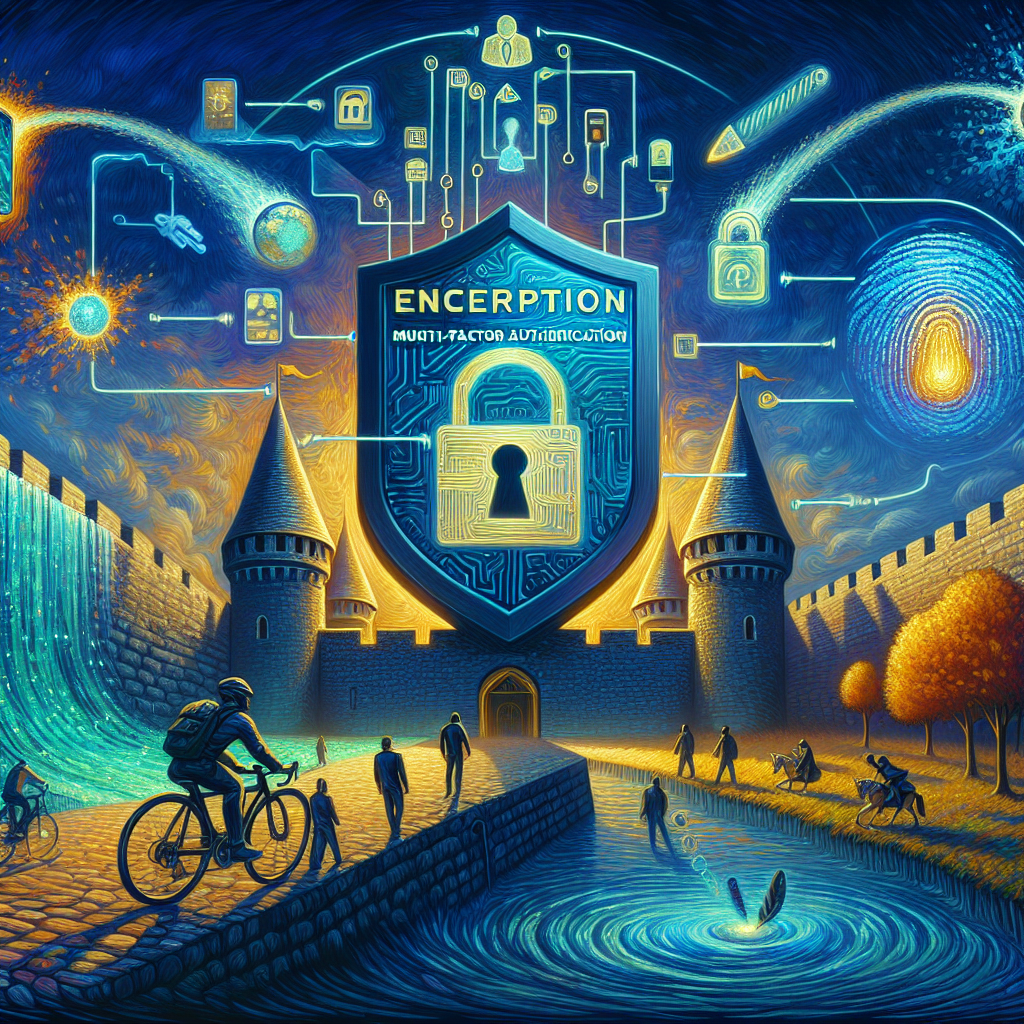
In a world increasingly drawn to the allure of free services, the age-old axiom that nothing comes without a cost has never been more relevant. The promise of zero payment entices us with convenience, but beneath the surface lies a complex web of hidden costs that we might not fully comprehend. When we opt for these “free” offerings, we often exchange our privacy, our autonomy, and sometimes our very identity for that fleeting sense of ease or connection.
Let’s consider the narrative we’re participating in. When a service claims to be free, what stories are untold? Each click and like feeds into an intricate system that commodifies our personal data, transforming our online presence into currency for profit-driven entities. This dynamic can leave us feeling like mere products in someone else’s narrative, our lives shaped by algorithms that prioritize profit over our individual stories. It’s a trade-off that warrants scrutiny—not only for our sake but for future generations who will inherit the digital landscape we’re shaping today.
Think about the emotional connections we seek; they’re often intertwined with the stories we share. Free services can foster connections, but they can also dilute the authenticity of our interactions. The relationships we build may become transactional, reliant upon metrics of engagement rather than genuine human connection. To combat this, it’s essential that we reclaim our narratives, being mindful of the services we engage with and the ethical implications behind our choices.
Rationally, we must assess whether the convenience offered is truly worth the potential costs. Are we comfortable knowing our data feeds into a vast machine? While the convenience of free offerings can feel liberating, it’s crucial to recognize the ethical responsibilities that accompany those choices. Every time we navigate this digital playground, we have the chance to advocate for better practices that prioritize community and integrity over profit.
As we reflect on our engagement with free services, let’s prioritize quality, ethics, and the legacies we wish to cultivate. It’s not solely about saving a few bucks; it’s about honoring the stories and crafts behind the services we utilize. We should actively participate in shaping a future where our individual narratives are valued, our privacy respected, and our connections genuine. The stakes are high—our stories deserve to be told on our terms, and the legacy we leave behind should reflect that truth. By casting a critical eye on the allure of free, we empower ourselves and others to navigate this digital world with intention and authenticity.
Conclusion
Conclusion:
- Free services often come at hidden costs, affecting our privacy, autonomy, and identity.
- Using “free” offerings means our personal data is commodified for profit, shaping our online presence.
- Our emotional connections may become transactional, relying on engagement metrics instead of genuine interaction.
- We must be mindful of the ethical implications of our choices and reclaim our narratives.
- Assess whether the convenience of free services outweighs the potential costs and ethical responsibilities.
- Prioritize quality and ethics in our engagement with digital services to honor our stories.
- By critically evaluating the allure of free, we empower ourselves to navigate the digital world authentically.

Conclusion
Other Resources

Other Resources
Here is a list of other resources you can review online to learn more:
- Your Digital Afterlife
- LegalNature
- Directive Communication Systems
- How To Write Legacy Story Headlines That Appeal To The Heart, Gut and Head
- EverNote
- LegacyLearned
- MyMoriam
- How To Write Legacy Stories That Appeal To The Heart, Gut and Head
- Legacy Learned
- USLegalWills.com
- LivingDNA
- Geni
- deviantART
- Afternote
- How to Save Your Family�s Stories from Being Lost Forever � A Step-by-Step Guide to Creating a Lasting Digital Legacy
- LifeBio
- Legacy Family Tree
- StoryCorps
- PartingWishes
Use This Prompt To Get More Resources With Your Favorite Online AI Tool: Please provide me with a list of online articles with their URLs in a bulleted list that I can read regarding Why Free Services Are Never Free

Other Resources
Glossary Terms
Why Free Services Are Never Free – Glossary Of Terms
1. Freebie: A product or service offered at no charge, often to attract customers or promote a brand.
2. Hidden Costs: Expenses that are not immediately apparent, often associated with free services, such as data logging or subscription fees.
3. Monetization: The process of converting a product or service into a source of revenue, frequently applied to free services through ads or user data.
4. Ad-supported: A model where services are provided for free in exchange for advertisements being displayed to users.
5. Data Mining: The practice of analyzing large sets of data to uncover patterns or insights, often used by companies providing free services to generate profit.
6. Freemium: A business model that offers basic services for free while charging for premium features or enhancements.
7. Consumer Privacy: The right of individuals to control how their personal information is collected and used, often compromised when using free services.
8. Upselling: A sales strategy where users are encouraged to purchase more expensive items or upgrades after initially opting for a free service.
9. Subscriptions: Regular payments made periodically for continued access to a service, often the end goal of free service offerings.
10. Cross-subsidization: A pricing strategy where the income generated from premium users subsidizes the free services offered to others.
11. Traction: The initial acceptance and growth of a service among users, crucial for free services to demonstrate potential value.
12. Scalability: The ability of a service to grow in capacity or volume while maintaining efficiency, often a concern for free service platforms.
13. User Acquisition: The process of gaining new customers, often emphasized in free service models to build a user base.
14. Customer Retention: Strategies used to keep existing customers engaged and loyal, often challenging for free services.
15. Brand Loyalty: The tendency of consumers to continue buying from a brand, which can be influenced by free service offerings.
16. Value Proposition: The promise of value that a service provides to customers, essential for attracting users to free services.
17. Churn Rate: The percentage of customers who stop using a service over a given period, a critical metric for free services.
18. Cost of Acquisition: The total cost associated with acquiring a new customer, often lower for free services due to lack of upfront payments.
19. Market Penetration: The extent to which a product or service is available to consumers, often boosted by free offerings.
20. Lead Generation: The process of attracting potential customers, frequently facilitated through free services to convert them later into paying users.
21. Social Proof: The psychological phenomenon where individuals look to others for cues on what actions to take, often leveraged by free services.
22. Algorithm: A set of rules or calculations used by free services for personalization and targeting of advertisements.
23. Engagement Metrics: Measurements used to assess user interaction with a service, vital for free services to attract advertisers.
24. In-app Purchases: Additional features or items available for purchase within a free-to-use application, commonly utilized in gaming.
25. Content Monetization: The process of generating revenue from content provided for free, often through ads or sponsorships.
26. Barrier to Exit: Factors that discourage customers from leaving a service, prevalent in free services through complex subscription models.
27. Referral Programs: Incentives for users to bring new customers, often integrated in free service models to enhance user acquisition.
28. Freeloading: The act of benefiting from a service without contributing financially, a common concern for providers of free services.
29. Consumer Behavior: The study of how individuals make decisions regarding the use and purchase of services, critical for free service providers.
30. Market Share: The percentage of an industry’s sales that a particular company or service controls, often impacted by the effectiveness of free service offerings.

Glossary Of Terms
Other Questions
Why Free Services Are Never Free – Other Questions
If you wish to explore and discover more, consider looking for answers to these questions:
- What specific types of personal data do free services collect about me?
- How exactly do companies monetize the data gathered from free services?
- Who legally owns the data and content I post on free platforms?
- Can I use a free service without consenting to invasive data collection?
- How transparent are companies about what they collect, how long they keep it, and why?
- How often do free services sell or share my data with third parties and advertisers?
- What are the practical steps I can take to protect my privacy while using free services?
- Are paid alternatives always safer or higher quality than free options?
- How do targeted ads and personalization algorithms influence my opinions and decisions?
- What legal protections and regulations exist to limit misuse of user data?
- How do free services handle data breaches and notify affected users?
- What ethical standards should companies offering free services be held to?
- How can users hold companies accountable when their data or trust is exploited?
- What hidden costs or future monetization tactics (e.g., upsells, paywalls) should I watch for?
- How do free services impact creators, small businesses, and workers who rely on them?
- How do free platforms shape social norms, discourse, and political outcomes?
- What are the mental-health effects of engaging primarily through free, engagement-driven services?
- How do algorithms amplify bias, misinformation, or polarizing content on free platforms?
- What role should governments and regulators play in overseeing free digital services?
- Are there trustworthy tools or audits that evaluate a free service’s privacy and ethics?
- How do cultural and regional differences affect expectations around “free” and privacy?
- What long-term societal consequences could arise if data-driven free services continue to grow unchecked?
- How do free services contribute to or mitigate economic inequality and access to information?
- What environmental or infrastructural costs are associated with maintaining large free platforms?
- How does the “free” model affect competition, innovation, and market concentration?
- What is legacy storytelling, and how does it relate to how our data and stories are used online?
- How do free services influence interpersonal trust and the quality of social interactions?
- What red flags should alert me that a free service may be exploiting my data or attention?

Other Questions
Haiku
Why Free Services Are Never Free – A Haiku
Free comes with a cost,
Privacy and trust exchanged,
Stories sold, hearts lost.

Haiku
Poem
Why Free Services Are Never Free – A Poem
In a world adorned with temptations of free,
Promises linger, yet shadows take their spree.
“We offer no cost,” they sing with delight,
But beneath glossy surfaces lie hidden blights.
Stories once shared, now data points sold,
Privacy traded, our narratives controlled.
A click of convenience, at what moral cost?
Our autonomy wanes; our essence is lost.
In the hands of the few, power tightly entwined,
Crafters of destiny, our values maligned.
Dependency breeds in this digital maze,
True connection fades into algorithms gaze.
Craftsmanship valued, yet often erased,
The lure of the free leaves character displaced.
We’re builders of trust; let our choices unite,
For every small service, let quality ignite.
Legacy stories of kindness can thrive,
When we engage mindfully, our spirits alive.
Reclaiming our narratives, we rise to the fight,
To ensure our connections are genuine and bright.
So pause before leaping for temptations that gleam,
Consider the price; tread softly, it seems.
In a world full of “free,” let discernment be key,
Guard your own story, and set your soul free.
Poem
Checklist
Why Free Services Are Never Free – A Checklist
Understanding the True Cost of Free Services
✅______ Reflect on personal stories: How does engaging with free services impact your legacy?
✅______ Assess your emotional connection: Do these services foster genuine connections or superficial interactions?
Rational Appeals
✅______ Evaluate the hidden costs: What personal data are you potentially sacrificing?
✅______ Analyze long-term value: Is the convenience worth the possible loss of quality and privacy?
Ethical Appeals
✅______ Question the ethics: Are you comfortable with the way your data is handled?
✅______ Advocate for integrity: Support services that prioritize ethical standards and transparency.
Authority Appeals
✅______ Research the service’s background: Who are the creators, and do they have a reputable history?
✅______ Consider their business model: How do they generate revenue without charging users?
Narrative Appeals
✅______ Look for storytelling: Does the service share its journey and mission?
✅______ Engage with community narratives: How do your interactions influence the collective experience?
Social Appeals
✅______ Assess community impact: How do your choices affect the broader community?
✅______ Build trust: Share experiences with friends and family about ethical service usage.

Checklist
At LegacyExplorations, we help people plan and explore their legacy by collecting information and news regarding end-of-life planning.
Please share this post with your friends, family, or business associates who may want help to plan or explore their legacy.