

Preserve Memories, Don’t Burden Tomorrow: A Call To Action
By Tom Seest
At LegacyExplorations, we help people plan and explore their legacy by collecting information and news regarding end-of-life planning.
Please share this post with your friends, family, or business associates who may want help to plan or explore their legacy.
Why Future Generations Will Dread Your Photo Library
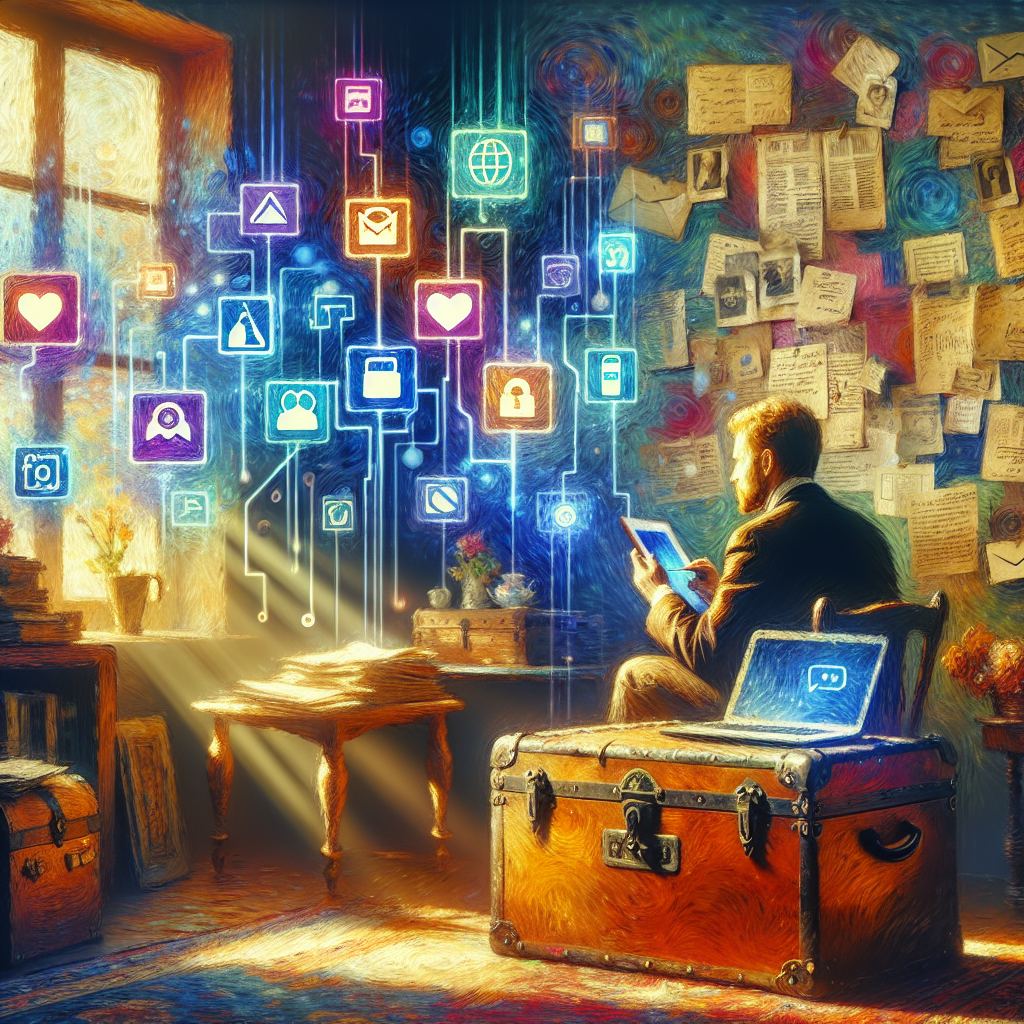
We live in an age where every moment feels worthy of capture, every meal Instagram-able, and every sunset an opportunity for social media bragging rights. Yet, as we scroll through endless galleries of curated memories, we must pause and contemplate what we’re actually creating for those who come after us. Your photo library isn’t just a collection of pictures; it’s a legacy. But what kind of story are you leaving behind?
When future generations sift through your digital trove, they might find more noise than narrative. The art of legacy storytelling seems lost amid the sheer volume of images. A snapshot of junior’s first birthday might sit next to an indifferent shot of a random meal. What ethical responsibility do we have to ensure that our archives reflect not just the highlights but the essence of our lives? The gut instinct tells us that this clutter, this noise, may well overwhelm the few gems that truly capture our shared experiences and values.
Imagine your great-grandchild scrolling through thousands of pictures, trying to piece together the family story from a jumbled mess of selfies and selfies. Do you think they’ll feel a sense of connection to their roots or merely dread the task of sifting through the digital chaos? Not every photo needs to be a Pulitzer Prize-winning capture. The mundane can be meaningful, but the key is context. Stories deserve structure. A narrative arc that highlights triumphs, struggles, laughter, and tears connects us across generations.
We’re not just sharing images; we’re sharing life lessons, moments that shaped who we are, and foundations for who they might become. Future generations seek authenticity—real stories that echo their experiences and illuminate their paths. They need the stories of their heritage, told not through the lens of a smartphone but through the lens of care and consideration.
This is a call to action. Before you hit “save” on that next batch of photos, think about the legacy you want to leave. Do you want your loved ones to feel proud and connected, or overwhelmed and detached? Invest time in thoughtful curation. Sort and categorize, add context, and, most importantly, weave the moments together into a story that resonates. The heart of legacy storytelling lies not in quantity but in the quality of the moments you choose to preserve. Craft a narrative that future generations will cherish, not dread. Let your photo library be a treasure, not a chore.

Why Future Generations Will Dread Your Photo Library
Why Future Generations Will Dread Your Photo Library
- Every moment in life feels worthy of capture and sharing on social media.
- Photo libraries represent legacies, raising questions about the stories we leave behind.
- Future generations may encounter more digital noise than meaningful narratives.
- Context and structure are essential for photos to convey significant life stories.
- True legacy storytelling reflects not just highlights but the essence of our experiences.
- Thoughtful curation can transform a chaotic collection into a cherished family narrative.
- Quality of preserved moments matters more than quantity in impactful legacy building.
Why Future Generations Will Dread Your Photo Library
Table Of Contents
- Why Future Generations Will Dread Your Photo Library
- Why Will Your Children Feel Overwhelmed By Your Photo Collection?
- How Can the Clutter Of Images Affect Family Connections?
- Are You Preserving Memories Or Drowning In Digital Chaos?
- How Does Your Photo Library Reflect Your Values and Priorities?
- Can a Curated Photo Collection Strengthen Family Bonds?
- What Questions Do Future Generations Ask About Your Life Experiences?
- Will Your Photos Be a Gift Or a Burden to Those You Leave Behind?
- Conclusion
- Other Resources
- Glossary Of Terms
- Other Questions
- Haiku
- Poem
- Checklist
Why Will Your Children Feel Overwhelmed By Your Photo Collection?
Every family has a collection of photographs, a trove of frozen moments that tell our unique legacy storytelling. Yet, for many children, sifting through these snapshots can evoke feelings of overwhelm rather than nostalgia. It’s a phenomenon often overlooked, yet profoundly significant.
Imagine a child’s first encounter with a pile of mismatched images: a smiling baby, a graduation ceremony, a long-lost family pet, and a memorable vacation. To us, these photos represent cherished memories, the fabric of our lives. But for them? It’s like being handed a jigsaw puzzle missing half its pieces. They see faces they don’t recognize, moments that feel alien, and a timeline that doesn’t quite connect. Picture this: the chaos of fragmented memories colliding with the desire to make sense of their own identity—there’s emotional weight in that struggle.
Rationally, we know that photographs serve as anchors to our past, helping children understand where they fit in this intricate tapestry of family history. Yet, that very storytelling can sometimes feel like a burden. Our kids absorb our histories, but without context or connection, those stories can become overwhelming. They wrestle with expectations, trying to honor a past they don’t fully grasp. This disconnect is not merely emotional—it can undermine their confidence and sense of belonging as they navigate the lineage we’ve laid before them.
Ethically, it’s crucial for us, as custodians of these memories, to foster connections rather than create barriers. Are we allowing our children to engage with these images, to ask questions, to form their narrative? This is where the authority of parental guidance comes into play. Sharing our thoughts and feelings behind each picture transforms a mere collection into a pathway of communication. It invites our children into the conversation, encouraging them to claim their place in the family legacy.
Let’s not forget the social aspect. In a world where digital memories are fleeting, the tactile nature of physical photos can be a rare bond. We have the power to turn this overwhelming pile of images into a shared journey. By revisiting these memories together, we’re not just preserving history; we’re crafting a living narrative—one that binds us through laughter, tears, and those moments that truly matter.
Ultimately, recognizing the weight that our photo collection carries is a step towards ensuring that our legacy storytelling resonates with our children, allowing them to embrace and celebrate their own journey within our family’s rich tapestry.

Why Will Your Children Feel Overwhelmed By Your Photo Collection?
Why Will Your Children Feel Overwhelmed By Your Photo Collection?
- Families possess collections of photographs that represent their unique storytelling and legacy.
- Children may feel overwhelmed by sifting through these photos, which can evoke confusion rather than nostalgia.
- Fragmented memories can hinder children’s understanding of their identity and family history.
- Lack of context in family photos can create emotional burdens and undermine children’s confidence.
- It’s essential for parents to foster connections and encourage children to engage with family narratives.
- Revisiting physical photos together can strengthen bonds and transform the experience into a shared journey.
- Recognizing the emotional weight of photo collections helps children embrace their place in the family legacy.

Why Will Your Children Feel Overwhelmed By Your Photo Collection?
How Can the Clutter Of Images Affect Family Connections?
The clutter of images in our lives can often drown out the very connections we cherish most—those with our family members. In the era of smartphones and social media, we accumulate a dizzying array of photos, leaving behind a trail of memories that blur together rather than stand out. Each image holds a moment, yet when viewed as a flood, they can overwhelm rather than enrich our familial bonds.
Think about it: how often do we scroll through our screens, minds racing from one memory to another, instead of pausing and reflecting on a single cherished moment? These myriad snapshots can turn into a cacophony, drowning the voices of our loved ones. We spend hours capturing the perfect photograph but often forget the deeper, richer narratives that breathe life into our shared experiences. Legacy storytelling requires us to sift through that clutter and untangle the threads of our lives. It’s not just about preserving images; it’s about preserving the stories that these images represent.
Each photo tells a tale, an emotional anchor that can connect generations. When we curate our collections thoughtfully, we allow ourselves and our families the opportunity to engage with these stories, fostering deeper connections. Imagine gathering the family around the fire and sharing tales sparked by a single photograph—a trip to Grandma’s house, summer evenings on the porch, or holiday feasts that were more than just meals. These moments, illustrated through pictures, become touchstones in our legacy, drawing us closer together.
Moreover, the power of images extends beyond nostalgia. In an age where distractions abound, taking time to engage with our family members through shared memories can significantly enhance our emotional intelligence and social bonds. It reminds us of our heritage, the values we hold dear, and the journey we’ve taken as a family. Every image has the potential to inspire trust, confidence, and action within our clan, inviting candid conversations about our collective identity.
As we navigate through life’s clutter, let us not forget the heart of legacy storytelling. Choosing to focus on a handful of powerful images allows us to honor our past while actively shaping our family’s future. By fostering these connections and sharing our stories, we invest in relationships that weave a rich tapestry of love and understanding, creating a legacy that endures through generations.

How Can the Clutter Of Images Affect Family Connections?
How Can the Clutter Of Images Affect Family Connections?
- Excessive photos can obscure valuable family connections, drowning out cherished moments.
- Smartphones and social media contribute to a flood of memories that blur together.
- Scrolling through countless images prevents reflection on meaningful experiences.
- Legacy storytelling involves curating photos to highlight important narratives.
- Each photograph serves as an emotional anchor, connecting generations and fostering engagement.
- Sharing stories through images enhances emotional intelligence and strengthens family bonds.
- Focusing on selected powerful images honors the past and shapes the family’s future.

How Can the Clutter Of Images Affect Family Connections?
Are You Preserving Memories Or Drowning In Digital Chaos?
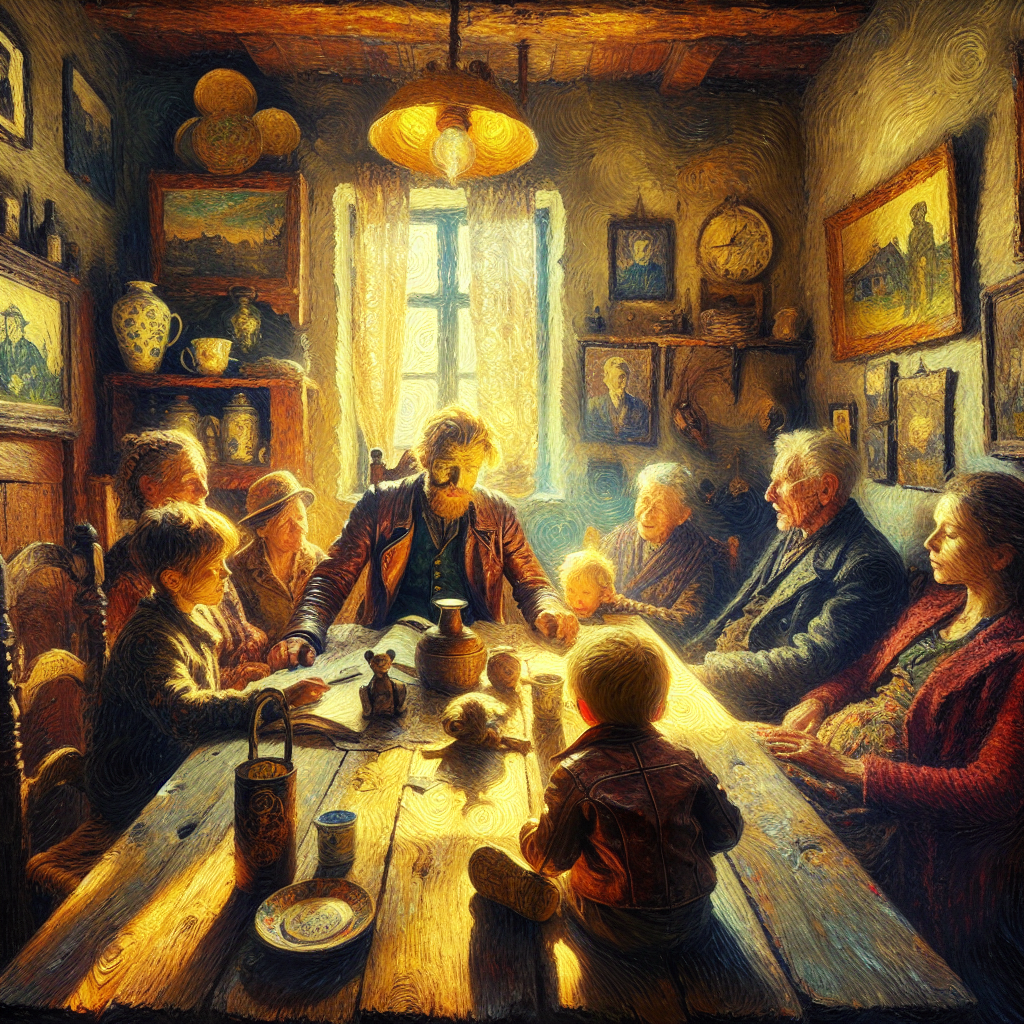
We live in a world where the act of capturing memories has transformed from a heartfelt process to a frenetic race against time and technology. The screen is alive with images and sounds, yet the weight of true experiences often gets lost in the digital shuffle. It’s tempting to believe that scrolling through a camera roll filled with snapshots constitutes preserving our legacy. But let’s take a step back. Are we actually crafting a narrative worth sharing, or are we merely drowning in a sea of disorganized chaos?
Legacy storytelling isn’t just a buzzword; it’s an essential practice that connects us to our past and guides future generations. It demands more than just clicks and scrolling. It requires intention, reflection, and authenticity. When we share our stories—the lessons learned, the joy and the heartache—we create a tapestry of experiences that enriches our lives and those of our loved ones.
Imagine the stories your grandparents shared, the history embedded in each recollection. They didn’t simply document events; they imbued their narratives with feelings and morals, offering insights that shaped your identity. We can do the same, but today’s technology often leads us astray, tempting us to overshare and under-communicate. A selfie might capture a moment, but does it convey the emotions felt or the journey taken to get there? This leads to a disconnect that can leave us feeling unfulfilled.
In nurturing our memories, we also build our credibility. When we document moments thoughtfully, we become curators of our lives rather than passive participants. We wield the power to shape our legacy. By documenting our stories with intention, we cultivate a sense of belonging, grounding ourselves in a shared humanity that transcends time. It’s about more than personal expression; it’s about building bridges across generations.
As we wrestle with the overwhelming tide of digital clutter, it’s crucial to take action. Set aside time to reflect on what truly matters. Tell your story. Share it with your family and friends—those who will carry your legacy forward. This conversation is about more than remembering; it’s an invitation to connect, to relate, and ultimately, to inspire. The art of storytelling is not just a technique; it’s a lifeline that ties us together in a world that often feels too chaotic to navigate. Embrace it, and in doing so, find clarity amidst the noise.

Are You Preserving Memories Or Drowning In Digital Chaos?
Are You Preserving Memories Or Drowning In Digital Chaos?
- The transformation of memory capturing has shifted from heartfelt to frenetic.
- True experiences often get lost in digital clutter, questioning the authenticity of preserving legacies.
- Legacy storytelling is vital for connecting past and future generations through intentionality and authenticity.
- Sharing stories enriches lives and creates a tapestry of experiences beyond mere documentation.
- Today’s technology can lead to oversharing without meaningful communication, resulting in disconnection.
- Thoughtful documentation empowers individuals to curate their lives and shape their legacies.
- Taking time to reflect and share stories fosters connection and inspiration amid digital chaos.
Are You Preserving Memories Or Drowning In Digital Chaos?
How Does Your Photo Library Reflect Your Values and Priorities?
Your photo library is a living testament to your legacy, a curated gallery that reveals more than just faces and places; it tells your story. Each image encapsulates moments steeped in emotion, decisions shaped by values, and experiences that highlight your priorities. Think about it: every time you scroll through those images, you’re not just viewing snapshots; you’re reliving memories that reflect who you are and what you stand for.
Legacy is all about continuity and connection, a lineage of values passed down through generations. The photos you choose to keep serve as a visual narrative, a way of storytelling that captures pivotal milestones—graduations, weddings, or the simple, candid laughter shared among friends. These moments create a framework for understanding what is truly important to you. They signal not only personal triumphs but also the people and ideals that matter most.
Consider the nuances in your collection. Do you have images of family gatherings that exude warmth? Pictures of adventures that embody your adventurous spirit? Or perhaps snapshots of quiet, reflective moments that speak to your values of mindfulness and authenticity? Such choices reveal your priorities. They tell us whether you lean towards kinship, creativity, or exploration, offering insight into your ethical perspective on life.
This library goes beyond individual moments; it resonates with authenticity, inspiring others to connect with similar experiences. In a world increasingly dominated by curated online personas, your raw, unadulterated images foster genuine human connection. They remind us that behind every photo is a story, one that invites others to find parallels in their lives, building a community founded on shared values.
Your photo library isn’t just a collection; it’s a call to action—a reminder that every moment counts. It beckons you to examine what you prioritize. Are you capturing the moments that align with your core beliefs? Are you making choices that reflect the legacy you wish to leave behind? By engaging with your memories, you’re not merely preserving a timeline but actively shaping the story you want to tell. This is the heart of your narrative, one that can inspire trust, confidence, and an unwavering commitment to live authentically. It’s about ensuring that when you look back, the legacy you see aligns with the values you hold dear.
How Does Your Photo Library Reflect Your Values and Priorities?
How Does Your Photo Library Reflect Your Values and Priorities?
- Your photo library is a curated gallery that tells your personal story.
- Each image conveys emotions, decisions, and experiences that reflect your priorities.
- Photos serve as a visual narrative, highlighting key life milestones and values.
- Choices in images reveal personal priorities, such as kinship, creativity, or exploration.
- Authentic photos inspire genuine human connections and shared experiences.
- Your library acts as a call to action, urging reflection on what moments you prioritize.
- The legacy captured in your photos should align with your core values and beliefs.

How Does Your Photo Library Reflect Your Values and Priorities?
Can a Curated Photo Collection Strengthen Family Bonds?
In our fast-paced world, where the days rush by like a blurred slideshow, capturing moments that define our legacy is more important than ever. A curated photo collection doesn’t just fill dusty albums; it weaves the narrative of who we are, connecting generations and imprinting a legacy storytelling that echoes long after the moment has passed.
Consider this: the simple act of gathering photos – a candid shot of Aunt Mary splashing in the waves, or Dad’s goofy grin at his graduation – transcends mere nostalgia. It’s an invitation to relive the laughter, struggles, and triumphs that shape our family fabric. These images serve as anchors, grounding us in our shared history, making each person feel seen and valued. When we draw together to sift through these snapshots, we engage in storytelling that strengthens our ties. Each picture is a chapter, each frame rich with the voices and emotions of our past, offering an opportunity to understand who we are today.
The rational mind can appreciate the benefits of such a collection. Science supports what our hearts already know – families that communicate openly and practice storytelling deepen their bonds. When we share the stories behind each photograph, we not only pass on our legacy but also inspire the next generation to cherish their roots. This is more than just memory-making; it’s about teaching our children the value of connection, gratitude, and belonging.
Ethically, promoting a curated collection fosters a culture of empathy and understanding. In a society often focused on individualism, sharing our family stories reminds us that we are part of something bigger. We create a safe space for emotions to flow, allowing younger members to ask questions and express feelings they may not have known existed. As they engage with the stories, they gain insights into the struggles and victories that have shaped their family’s identity.
From a social perspective, a curated photo collection acts as a bridge between generations. It invites conversation, ignites laughter, and all too often, brings tears. Whether it’s siblings reminiscing about a summer spent at Grandma’s or cousins discovering shared history, these interactions can transform how we view our relationships. Imagine a child, flipping through the pages of a photo book, suddenly gravitating to a picture of a family member they never met, then asking, “Who is this?” That simple question can lead to rich narratives, fostering trust and belonging.
Creating a curated photo collection isn’t just about preserving memories; it’s about crafting a lasting legacy. It’s an invitation to connect more deeply, to celebrate our shared humanity and the unique stories that unite us. These images are more than pixels; they’re the threads that weave together the tapestry of our family history, strengthening bonds for generations to come.

Can a Curated Photo Collection Strengthen Family Bonds?
Can a Curated Photo Collection Strengthen Family Bonds?
- Curated photo collections create a narrative that connects generations and preserves legacies.
- Gathering family photos transcends nostalgia, allowing reliving of shared moments and experiences.
- Photos serve as anchors, grounding individuals in their family’s shared history and identity.
- Open communication and storytelling within families strengthen relationships and build trust.
- Sharing family stories fosters a culture of empathy, allowing younger members to express emotions and ask questions.
- A curated photo collection bridges generational gaps, promoting meaningful conversations and memories.
- Creating these collections is about lasting connections, celebrating humanity, and uniting family narratives.

Can a Curated Photo Collection Strengthen Family Bonds?
What Questions Do Future Generations Ask About Your Life Experiences?
As we navigate this unpredictable journey called life, we often overlook the profound impact our experiences hold for future generations. They’ll want to know: What shaped you? What challenges did you face? What triumphs did you celebrate? These aren’t just idle curiosities; they are the roots of legacy storytelling, the threads that connect our past with their future.
When you share your journey, you offer a glimpse into a world they will never see but can learn from. Picture their wide eyes absorbing your stories of grit and perseverance. They’ll ask about the tough decisions you made, the risks you took, and the values you held dear. By recounting these experiences, you provide them with a map—a guiding star they can use to navigate their own uncertainties.
The emotional power of storytelling cannot be underestimated. When you narrate not just the victories but the failures too, you invite empathy into the conversation. Your struggles resonate on a human level; they reveal vulnerabilities that make you relatable. This connection fosters trust, allowing future generations to see that they are not alone in their battles. They’ll ask how you coped, what kept you going, and the moments that felt insurmountable. In answering these questions, you become a source of strength, a testament to resilience.
Rationally, they’ll seek to understand the choices you made, the lessons learned from success and heartbreak alike. They’ll explore the ethical dimensions that guided your decisions. In a world rife with complexity, they’ll look for an anchor to help them discern right from wrong. Your stories serve as a moral compass, illuminating the pathways to integrity.
On a social level, consider the community and relationships that framed your experiences. They’ll ask about the mentors who inspired you, the friends who supported you, and the challenges posed by those who didn’t. By sharing these connections, you remind them that while individual journeys may diverge, we’re all part of a larger narrative.
Ultimately, your legacy is the soundtrack they will carry with them. It’s not merely about preserving history; it’s about planting seeds of confidence. Your life experiences will inspire them to forge their own paths, equipped with the wisdom you’ve shared. So, when they turn to your story, will they find lessons that inspire action, courage, and hope? What will your legacy storytelling reveal to them?

What Questions Do Future Generations Ask About Your Life Experiences?
What Questions Do Future Generations Ask About Your Life Experiences?
- Experiences hold profound impacts for future generations, shaping their understanding of legacy.
- Sharing personal journeys provides insights that can guide younger generations through their challenges.
- Storytelling invites empathy by revealing struggles and vulnerabilities, fostering connection and trust.
- Lessons from successes and failures illuminate ethical choices and help discern right from wrong.
- Connections with mentors and peers reflect the importance of community in shaping individual experiences.
- Your legacy serves as a source of inspiration and wisdom for future generations to forge their paths.
- Legacy storytelling can reveal lessons that inspire action, courage, and hope.

What Questions Do Future Generations Ask About Your Life Experiences?
Will Your Photos Be a Gift Or a Burden to Those You Leave Behind?
When we capture a moment in time through photos, we engage in a form of legacy storytelling that can produce emotions as varied as the colors on a sunset. These images, a collection of experiences and emotions, transcend mere pixels to become a fabric of our shared history. They can evoke smiles, nostalgia, or even tears. So, we must ask ourselves: Will your photos be a gift or a burden to those you leave behind?
Consider the implications of your legacy. Photos can tell the story of a life well-lived, showcasing moments of joy, challenge, and triumph. When thoughtfully curated, they become a treasure trove of memories, a visual narrative that speaks to future generations. These images can inspire conversations at family gatherings, fostering connections and preserving traditions. They can remind loved ones of who you were, what you valued, and the lessons you learned along the way.
However, an unorganized collection of photos can also become a burden. Imagine your family sifting through thousands of images—each one a potential heartstring tug, but also a source of confusion and overwhelm. They may struggle to discern which moments truly matter, losing sight of your story amidst the clutter. It’s essential to sift through those photos, to make choices that reflect your essence and values, to curate a gallery of memories that bring clarity and connection.
This isn’t merely an exercise in aesthetics; it’s about ethical stewardship of your memories. You possess the authority to guide how your story unfolds after you’re gone. Choose to leave behind a legacy of storytelling that honors your journey and honors those who loved you. A well-thought-out collection of images can become a comforting presence, a reminder of shared laughter, love, and resilience when it’s needed most.
Engage with those photos. Share the stories behind them—why that day was significant, what it taught you, how it shaped your understanding of life. This creates a multi-dimensional legacy that inspires trust and confidence, inviting your loved ones to carry your story forward.
Ultimately, when the dust settles and your days have passed, the photos will be more than just snapshots. They will be a gift, a tangible reminder of your life, inviting future generations to explore, connect, and reflect. With intention and care, you can ensure that your legacy is a rich tapestry of storytelling, radiating warmth and love instead of becoming an emotional burden.

Will Your Photos Be a Gift Or a Burden to Those You Leave Behind?
Will Your Photos Be a Gift Or a Burden to Those You Leave Behind?
- Photos capture moments and emotions, creating a legacy storytelling experience.
- Curated images can evoke joy, nostalgia, and inspire connections among loved ones.
- Unorganized photo collections can overwhelm families, obscuring meaningful memories.
- Sifting through photos allows for choices that reflect personal essence and values.
- Photos serve as ethical stewardship of memories, guiding one’s story posthumously.
- Engaging with photos and sharing their significance builds a trusting legacy.
- A thoughtful photo collection can be a comforting reminder of love and resilience.

Will Your Photos Be a Gift Or a Burden to Those You Leave Behind?
Conclusion
In the digital age, our photo libraries stand as a testament to our lives, yet they can easily morph into a tangled mess of meaningless images. Each snapshot seems innocent enough, capturing fleeting moments, but when accumulated in disarray, they threaten to drown future generations in a sea of confusion. Imagine your descendants flipping through thousands of images—endless selfies juxtaposed with mundane meals and blurry vacation snaps—struggling to extract the essence of their family story from the noise. This isn’t just an issue of organization; it’s about the emotional weight that an overwhelming archive creates.
Legacy storytelling is more than preserving memories; it’s about intentionality. Our kids crave context, authenticity, and a narrative that connects them to their roots. They don’t need a digital library filled with every mundane detail; they need meaningful stories that speak to their identity and heritage. By thoughtfully curating our collections, we offer them a roadmap to understand who they are and where they come from.
The photos we choose to keep should encapsulate our values, priorities, and the moments that truly matter. A well-crafted collection invites conversations, fosters connection, and enriches family bonds. It’s here—over the flicker of a familiar photograph—that stories come alive, teaching our children about resilience, love, and the lessons of our shared journey.
As custodians of our memories, we bear the ethical obligation to ensure that our archives inspire rather than overwhelm. Each image should serve a purpose, evoking emotion and connection rather than adding to the clutter. This isn’t an act of mere preservation; it’s a powerful declaration of what we hold dear.
Imagine your loved ones gathered, laughter echoing as they reminisce over well-curated memories that illuminate their understanding of family. They’ll have the chance to ask questions, connect with their lineage, and forge a sense of belonging—all because you chose to prioritize quality over quantity.
Ultimately, the choice is yours: Will your photos serve as a cherished gift that enhances their lives? Or will they become a burden, a chaotic collection stripped of meaning? Approach your legacy storytelling with intention and heart, and shape a narrative that resounds across generations, echoing love, understanding, and the true spirit of your family.

Conclusion
Conclusion:
- Photo libraries can become overwhelming and chaotic in the digital age.
- Legacy storytelling is about intentional curation and emotional significance.
- Children seek context, authenticity, and narratives that connect them to their heritage.
- Curated collections foster conversations and enrich family bonds.
- Each photo should evoke emotion and contribute to the family narrative.
- Well-chosen memories create opportunities for connection and belonging.
- Approach legacy storytelling with intention to enhance, not burden, future generations.

Conclusion
Other Resources

Other Resources
Here is a list of other resources you can review online to learn more:
- LifeBio
- IronClad Family
- LegalNature
- Directive Communication Systems
- Obituary Templates
- How to Save Your Family�s Stories from Being Lost Forever � A Step-by-Step Guide to Creating a Lasting Digital Legacy
- Is There A Need To Pay For Copyrighting Services For Personal Or Family Legacy Stories?
- How to Avoid Losing Your Family History One Generation at a Time
- Funeral Finder
- FamilySearch
- DocuBank
- PartingWishes
- Meminto
- Xarona
- Tributes
- APH
- Geni
- Memorial Matters
- LastPass
- Legacy
Use This Prompt To Get More Resources With Your Favorite Online AI Tool: Please provide me with a list of online articles with their URLs in a bulleted list that I can read regarding Why Future Generations Will Dread Your Photo Library

Other Resources
Glossary Terms
Why Future Generations Will Dread Your Photo Library – Glossary Of Terms
1. Archiving: The process of storing and preserving digital files, including photos, for long-term access.
2. Backups: Copies of photo libraries saved in separate locations to prevent data loss.
3. Cloud Storage: Online services that provide remote storage for files, including photos, accessible through the internet.
4. Compression: The reduction of file size for photos, which may affect quality but saves storage space.
5. Digital Legacy: The collection of digital assets, including photos, that will be passed on to future generations.
6. Metadata: Data that provides information about other data, such as details about a photo, including date, location, and camera settings.
7. Obsolescence: The state of being outdated, especially in terms of technology used to store and view photos.
8. Privacy: The right to keep personal photos secure and private from unauthorized access by others.
9. Quality Degradation: The loss of image clarity and detail as photos are copied or compressed over time.
10. Storage Devices: Physical media such as hard drives, flash drives, or CDs used for holding digital photo libraries.
11. User Experience: The overall interaction and satisfaction a person has when accessing a digital photo library.
12. Organizing: The method of categorizing and structuring a photo library for easy navigation and retrieval.
13. Ownership Rights: The legal rights associated with the digital content in a photo library, including usage and distribution.
14. Digital Footprint: The trail of data created by a person’s online activity, including the photos they upload and share.
15. Desaturation: The reduction of color intensity in photos, sometimes done for artistic effects or to enhance certain features.
16. Editing Software: Programs used to modify and enhance photos, such as Adobe Photoshop or Lightroom.
17. Fading: The gradual loss of color and detail in printed photos over time due to light exposure and environmental factors.
18. File Formats: Different types of digital files for photos, such as JPEG, PNG, TIFF, each with unique characteristics.
19. Resolution: The amount of detail an image holds, measured in pixels, affecting the clarity of photos.
20. Networking: Connecting devices or sharing photos through online platforms or local networks.
21. Personal Archive: A curated collection of significant photos and memories stored for future reference.
22. Screen Clutter: The overwhelming number of digital files and photos that can lead to confusion and difficulty in locating specific images.
23. Curating: The process of selecting and organizing images for specific purposes, often involving thematic or aesthetic considerations.
24. Scanning: The act of converting physical photos into digital format to preserve and store memories.
25. Tagging: Assigning keywords or labels to photos to facilitate easier searching and sorting.
26. Time Capsule: A collection of photos and documents designed to encapsulate a moment in time for future generations to discover.
27. User Access: The permissions set for individuals to view, edit, or share the contents of a photo library.
28. Erosion of Memories: The gradual fading or distortion of personal memories attached to photos due to neglect or loss.
29. Social Sharing: The act of distributing photos via social media platforms or online galleries.
30. Format Compatibility: The capability of different devices or software to recognize and open various photo file formats.

Glossary Of Terms
Other Questions
Why Future Generations Will Dread Your Photo Library – Other Questions
If you wish to explore and discover more, consider looking for answers to these questions:
- How do I decide which photos to keep and which to delete?
- What criteria make a photo meaningful for future generations?
- How many photos is too many for a personal archive?
- What practical steps can I take today to curate my photo library?
- Which tools or apps are best for organizing and tagging photos?
- How do I add context and stories to individual photos effectively?
- Should I store captions and stories with the image files or in a separate document?
- How can I preserve chronological order and narrative flow in a digital archive?
- What metadata (EXIF, IPTC) should I preserve or add?
- How do I handle duplicate images and near-duplicates?
- What file formats are best for long-term preservation?
- How often should I migrate files to new formats or storage media?
- What backup strategy will protect my photos from loss (e.g., 3-2-1 rule)?
- Should I use cloud storage, local drives, or both?
- How do I ensure my photos remain accessible if a service shuts down?
- How do I organize photos across multiple devices and accounts?
- How can I make my archive searchable and easy for descendants to navigate?
- What role can AI and facial recognition play—and what are the privacy risks?
- How do I secure sensitive images (encryption, access controls)?
- Who should have access to my photo archive after I’m gone?
- How do I include access instructions and passwords in my estate plan?
- What legal or copyright issues should I consider when sharing or bequeathing photos?
- How do I handle photos of people who don’t want to be included?
- How should I treat photos of painful or traumatic events in the family archive?
- How can I involve family members in curating and preserving our photos?
- What’s the best way to incorporate oral histories or written memories with images?
- How can I turn a large photo collection into a coherent family narrative or book?
- How do I balance preserving mundane everyday shots with preserving milestone events?
- What are affordable options for digitizing old prints, slides, and negatives?
- Should I keep physical prints and albums as well as digital copies?
- How do I tag people, places, and events consistently across decades of photos?
- What timeline or routine should I adopt for ongoing photo curation?
- How much time will meaningful curation take and how do I fit it into a busy life?
- How can curated photos be used to teach values and family history to children?
- How do I present photos so they’re engaging for different generations?
- How do I prioritize which stories to highlight when creating a curated collection?
- What ethical responsibilities do I have when curating photos that involve others?
- How do I document provenance, dates, and locations when that information is missing?
- How will future technologies affect how photos are viewed and interpreted?
- How do I ensure accessibility (for example, for visually impaired descendants)?
- What are the costs involved in long-term photo preservation and curation?
Other Questions
Haiku
Why Future Generations Will Dread Your Photo Library – A Haiku
Digital memories flood,
A legacy awaits care—
Choose stories, not clutter.

Haiku
Poem
Why Future Generations Will Dread Your Photo Library – A Poem
In the age of constant clicks, our lives we frame,
Moments captured, yet nothing stays the same.
Digital treasures, a library vast,
But do they tell our story, or merely contrast?
Futures eyes scan through memories, intertwined,
Amidst the noise, will the essence be blind?
Will they seek connection or dread the scroll,
Lost in a chaos that swallows the soul?
Each snapshot a flicker, reflecting our core,
Yet a jumbled collection leaves hearts wanting more.
What we curate speaks volumes of love,
A tapestry woven with threads from above.
Moments of triumph, of laughter and tears,
Crafting a legacy that transcends the years.
The mundane holds meaning, when context we weave,
For its not just a picture, but a tale we conceive.
Gather your family, let stories unfold,
In each photograph, let the narratives be told.
A curated collection, a bond richly sewn,
A gift for the future, a legacy grown.
So when you capture a moment, reflect on the path,
Is it merely a snapshot, or a glimpse of your heart’s math?
Invest in the stories, let memories ignite,
For in sharing our journeys, we shine through the night.

Poem
Checklist
Why Future Generations Will Dread Your Photo Library – A Checklist
Checklist for Curating Your Photo Library
✅______ Reflect on emotional resonance. Choose photos that evoke meaningful memories and emotions.
✅______ Share stories. Write down the narratives associated with key images.
✅______ Include family values. Select photos that embody family traditions and values.
Head Appeals
✅______ Organize thoughtfully. Sort images into categories (e.g., events, family milestones, everyday moments).
✅______ Add context. Include descriptions or explanations that enhance understanding of each photo.
✅______ Visual quality. Ensure images are clear and tell a coherent story when viewed together.
Gut Appeals
✅______ Consider legacy impact. Ask yourself what message this collection sends to future generations.
✅______ Encourage connection. Leave behind prompts for future generations to engage with the memories.
✅______ Balance quantity with quality. Focus on preserving a select number of impactful images rather than overwhelming volumes.
Ethical Appeals
✅______ Document ethically. Be mindful of whose stories are represented in your library and ensure all voices are honored.
✅______ Invite participation. Encourage family members to contribute their perspectives and memories.
Authority Appeals
✅______ Lead by example. Set a standard for thoughtful documentation by curating your library intentionally.
✅______ Provide guidance. Offer insights into your decision-making process and what you hope to convey.
Narrative Appeals
✅______ Craft a story arc. Edit your library to create a narrative flow that captures the family journey.
✅______ Highlight key themes. Identify recurring themes that can help future generations understand family dynamics.
Social Appeals
✅______ Create opportunities for sharing. Plan family gatherings where stories can be shared and discussed alongside the photo collection.
✅______ Build community. Engage with family members in the creation and enjoyment of the photo library to foster closeness.

Checklist
At LegacyExplorations, we help people plan and explore their legacy by collecting information and news regarding end-of-life planning.
Please share this post with your friends, family, or business associates who may want help to plan or explore their legacy.