

Unlocking The Truth: How Your Legacy Shapes Tomorrow’s Voices
By Tom Seest
At LegacyExplorations, we help people plan and explore their legacy by collecting information and news regarding end-of-life planning.
Please share this post with your friends, family, or business associates who may want help to plan or explore their legacy.
Why Future Generations Will Misinterpret You
When you think about your life, what echoes in the halls of memory? It’s not just your achievements or the mundane day-to-day grind but the stories you’ve woven, the legacy of who you are. Legacy storytelling isn’t merely about the milestones; it’s about the heart and soul behind them. Future generations will sift through the remnants of our existence, attempting to piece together the puzzles we left behind. But here’s the rub: they might misinterpret the very essence of what we intended to communicate.
Consider this: the world changes at a breakneck pace. Technologies evolve, societal norms shift, and values are redefined. The context that shapes our decisions today won’t necessarily resonate with those several decades down the line. A text message, for instance, may seem trivial to us now, yet in the hands of our grandchildren, it might be an artifact of a lost era. They could misread our casual banter as indifference or our social media highlights as the sum of our lived experiences. They’ll see the surface but may never grasp the weight of our struggles or the depth of our intentions.
To connect with future generations, we must grasp the importance of clarity in our stories. This isn’t just about being heard; it’s about ensuring that our voices transcend the noise of time. How do we craft our narrative so that it resonates with those who come after us? By embedding meaningful values into our storytelling. The stories shared around the dinner table carry moral lessons that define our families, while the struggles we faced and overcame provide wisdom that can shape ethical frameworks beyond our years.
Moreover, consider the authority of experience. Each of us has a unique perspective forged through trials and triumphs. We have an obligation to be authentic in our storytelling, sharing not just the polished outcomes but the messy paths taken to achieve them. This honesty fosters connection, inviting future listeners to relate to our humanity.
Ultimately, we may not be able to control how our stories are understood in the future. However, by embracing the richness of our experiences and the lessons learned, we empower those who follow us, giving them the tools to decipher the legacy we leave behind. In that way, future generations won’t just see a fragmented tale; they’ll find a pathway to understanding, to empathy, and to connection—a true testament to our lives lived.

Why Future Generations Will Misinterpret You
Why Future Generations Will Misinterpret You
- Legacy storytelling encompasses not only achievements but also the essence of who we are.
- Future generations may misinterpret our intended messages, missing the depth of our experiences.
- Rapid societal changes may alter the context in which our stories are understood.
- Clear storytelling is vital to ensure our voices resonate across time.
- Embedding meaningful values and moral lessons in our narratives enriches family and ethical frameworks.
- Authenticity in storytelling involves sharing both successes and the challenges faced along the way.
- Embracing our experiences empowers future generations to connect with our legacy meaningfully.

Why Future Generations Will Misinterpret You
Table Of Contents
- Why Future Generations Will Misinterpret You
- Why Do We Fear Being Misunderstood By Future Generations?
- What Legacy Do We Truly Want to Leave Behind?
- How Can Our Current Actions Shape Perceptions Of Our Values?
- In What Ways Might Future Contexts Alter Our Intentions?
- Are We Prepared for How Technology Might Distort Our Messages?
- How Can We Ensure Our Narratives Are Accurately Represented?
- Are We Prioritizing Authenticity Over Societal Approval?
- Conclusion
- Other Resources
- Glossary Of Terms
- Other Questions
- Haiku
- Poem
- Checklist
Why Do We Fear Being Misunderstood By Future Generations?
The fear of being misunderstood by future generations is a weighty concern that plagues many of us. It’s a deep-rooted anxiety tied to how we communicate our values, beliefs, and experiences. In this vast expanse of history, each of us is but a fleeting presence, yet we endlessly strive to leave a legacy that resonates. Legacy storytelling is essential; it’s how we pass the torch, illuminating the paths we’ve walked for those coming after us.
Imagine sharing tales of struggle and triumph, stitched together with threads of authenticity and vulnerability. These stories can bridge generations, creating a tapestry of connection. Yet, what if future generations misinterpret our intentions? What if the nuances of our lives get lost in translation, reduced to mere footnotes in the annals of time?
This concern isn’t just hypothetical; it strikes at the core of who we are. We pour ourselves into our narratives, hoping they will echo beyond our lifetimes. The emotional toll is palpable. We long for empathy, for our sacrifices and joys to be understood. It’s a natural instinct to want our experiences to resonate, to inspire reflection, or even change in those who come after us. Our hopes cling to the belief that by sharing our truths, we can foster understanding and perhaps even guide others in their journeys.
Rationally speaking, the fears are compounded by the rapid pace of societal change. The values and norms that shape our daily lives today may seem foreign tomorrow. As the world transforms, will our stories hold meaning? This isn’t merely an intellectual exercise; it poses an ethical dilemma. Shouldn’t we strive to articulate our truths clearly, ensuring they stand the test of time?
Authority figures—be they historians, educators, or everyday caretakers of culture—bear the responsibility to preserve these legacies with fidelity. They can guide future generations in grasping the essence of our experiences.
Ultimately, it’s about connection. The stories we tell become vessels for understanding and empathy. They invite discussions that span the divide of time. Each shared experience, carefully woven into the narrative of legacy storytelling, empowers the next generation to build upon our foundation. When we embrace this responsibility, we dissolve the fear that our truths will fade into obscurity, allowing our legacies to live vibrantly long after we are gone.

Why Do We Fear Being Misunderstood By Future Generations?
Why Do We Fear Being Misunderstood By Future Generations?
- The fear of being misunderstood by future generations is a significant concern for many.
- Legacy storytelling is crucial for passing on values, beliefs, and experiences.
- Authenticity and vulnerability in storytelling can bridge generational divides.
- There is a fear that future generations may misinterpret our intentions and experiences.
- The rapid pace of societal change complicates the relevance of our stories over time.
- Authority figures have a responsibility to accurately preserve and convey our legacies.
- Ultimately, storytelling fosters connection, understanding, and empathy across generations.

Why Do We Fear Being Misunderstood By Future Generations?
What Legacy Do We Truly Want to Leave Behind?
We all leave behind something. Life is a series of choices, and each decision contributes to our legacy. What story do we want our time on this earth to tell? It’s not about the accolades or the wealth amassed, but the impact we have on those around us. Legacy is less about material possessions and more about connections—a tapestry woven from the threads of our experiences, insights, and interactions.
Consider the power of storytelling. Our lives are inherently narratives, filled with moments of triumph, struggle, joy, and sorrow. What if we approached our legacy with intention, crafting a story that reflects the values we hold dear? Every encounter provides a chance to shape our narrative. When we engage in acts of service, we’re not just helping others; we’re anchoring our legacy in compassion, reminding ourselves and those we touch what truly matters.
When thinking about legacy, ethical considerations play a pivotal role. How do we treat others? What principles do we stand for when no one’s watching? It’s in our everyday actions—those seemingly mundane moments—that we reveal our true selves. Authenticity breeds trust, and trust builds relationships. Our legacy isn’t just the sum of our actions but the ripple effects they create.
There’s an undeniable reality in realizing that we’re part of a larger community, a shared journey. Each of us has a role to play, and the stories we share contribute to this collective legacy. By fostering connections through our narratives, we invite others to engage, reflect, and ultimately reconsider their own paths. We create a space where individuals feel free to share their stories. This openness cultivates understanding and empathy, core elements of a meaningful legacy.
As we ponder the legacy we want to leave behind, it becomes imperative to take action. It’s not enough to simply wish for change; we must become the change we seek. This is where the heart meets the gut. Feeling compelled to improve the world around us is one thing—taking those feelings and transforming them into tangible efforts is where true legacy lies.
We wield the power to shape how we will be remembered. Let’s not underestimate the profound influence of our everyday choices. Let’s aim to leave behind not just memories but a movement of kindness and authenticity that echoes through the generations. Embrace your legacy; it’s more than a story—it’s a call to action for a future yet to unfold.
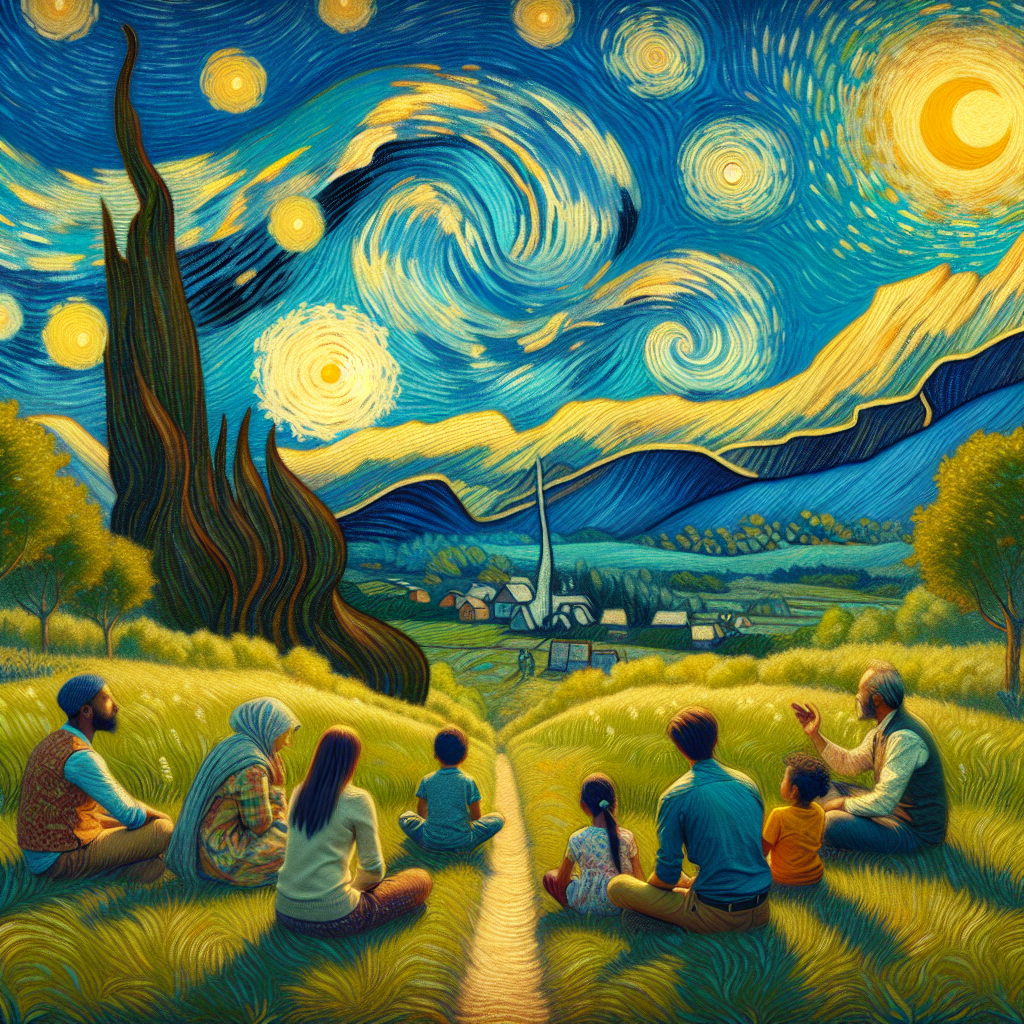
What Legacy Do We Truly Want to Leave Behind?
What Legacy Do We Truly Want to Leave Behind?
- Legacy is shaped by the choices we make and the impact we have on others.
- It emphasizes connections and experiences over material possessions.
- Storytelling is a powerful tool to reflect our values and intentions.
- Acts of service anchor our legacy in compassion and meaning.
- Authenticity in everyday actions fosters trust and strong relationships.
- We are part of a larger community, and sharing narratives encourages empathy and reflection.
- True legacy requires action, turning intentions into tangible efforts for change.

What Legacy Do We Truly Want to Leave Behind?
How Can Our Current Actions Shape Perceptions Of Our Values?
Actions are the bedrock of our values, weaving a narrative that resonates across generations. When we reflect on our legacy, it’s not just the big moments that define us but the daily choices we make. Each decision serves not only as a reflection of who we are but also as a chapter in the ongoing story of our lives. This “legacy storytelling,” the art of shaping our narrative through action, beckons us to consider how we are perceived by those around us.
Think about the messages we send through our actions. They speak volumes—often louder than our words. A community leader who volunteers tirelessly communicates commitment and empathy, while a manager who prioritizes profit over people may signal a starkly different value system. In our personal lives, simple gestures like helping a neighbor or supporting a local charity build trust, forging connections that amplify our shared values. These everyday moments become echoes that resonate beyond their immediate context, rallying others to reflect on what truly matters.
Our values are not stagnant; they evolve as we navigate life. When we actively align our actions with our ethical beliefs, we inspire those around us to do the same. This alignment fosters an environment of accountability and integrity, building confidence in our shared purpose. We become shining examples of what it means to live a life reflective of our deepest principles. In a world often distracted by noise, it’s this clarity of purpose that invites people to trust us, to connect with us on a deeper level.
Narratively, we are all storytellers, casting ourselves in roles shaped by the choices we make. Every action contributes to our larger story. Fear and hesitation can hold us back from living out our values, but when we take bold steps, even the smallest acts can flow into a larger movement. With each choice, we contribute to a narrative that transcends ourselves—a story that can inspire others to join in, challenging them to rethink their own values and actions.
Our actions define us far more than our intentions ever could. If we strive to leave a legacy of compassion, courage, and connection, our values will shine through the most ordinary moments. Let’s take the opportunity to shape our story intentionally, embracing the power of each choice to illuminate who we are and what we stand for.

How Can Our Current Actions Shape Perceptions Of Our Values?
How Can Our Current Actions Shape Perceptions Of Our Values?
- Actions are foundational to our values and shape our legacy.
- Daily choices, not just significant moments, define who we are.
- “Legacy storytelling” reflects how we are perceived by others.
- Our actions communicate messages that often surpass our words.
- Alignment of actions with values fosters accountability and integrity.
- Every action contributes to our larger narrative and inspires others.
- Striving for compassion and connection in daily moments shapes our legacy.

How Can Our Current Actions Shape Perceptions Of Our Values?
In What Ways Might Future Contexts Alter Our Intentions?
In the evolving landscape of tomorrow, our intentions are likely to shift dramatically in response to new contexts. As we traverse through the remnants of our past, we find ourselves surrounded by a tapestry of Legacy Storytelling, where the narratives we weave shape not only our identities but the futures we envision. Imagine the power we hold when we draw upon the experiences of those who came before us, using their stories as a foundation for intentions that resonate with both our communities and ourselves.
When we speak about intention, we don’t just refer to our individual desires; we tap into something larger—our shared human experience. Our choices are influenced by the social contexts we inhabit. In times of uncertainty, there’s a profound urge to connect and collaborate. Consider how we might adapt our collective intentions when faced with unprecedented challenges—whether they be environmental crises, societal upheavals, or technological revolutions. An ethical framework becomes crucial, guiding us to make decisions that honor both our values and our responsibilities to future generations.
As we navigate these shifting circumstances, it’s essential to recognize that intention is not a static concept. It’s fluid, responding to the stories we tell ourselves and the realities we encounter. Each decision we make contributes to a larger narrative—a story that echoes in the hearts of those who come after us. We hold the responsibility of being not just storytellers of the past but architects of the future. In sharing our Legacy Storytelling, we foster deeper connections that transcend mere words; we breathe life into ideas that inspire trust and spur action.
There’s a balance to be struck between the emotional call to our shared humanity and the rational evaluation of our circumstances. When we’re faced with a challenge, instinct often drives us to dig deep into our emotional reserves. We’re reminded that our intentions can spark change, that our community efforts can flourish if we channel our energies into collective action.
Engagement serves as a catalyst, prompting us to examine the world through a lens of empathy and responsibility. As we shape our intentions for the future, let us commit to creating connections that encourage growth and transformation. By embracing the legacies that have shaped us, we can craft intentions that not only reflect our goals but also honor the shared journey of humanity, leading us toward a future that is united, resilient, and hopeful.

In What Ways Might Future Contexts Alter Our Intentions?
In What Ways Might Future Contexts Alter Our Intentions?
- Intentions will evolve significantly in response to new contexts.
- Legacy Storytelling influences our identities and future visions.
- Collective intentions are shaped by shared human experiences and social contexts.
- An ethical framework is essential for decisions impacting future generations.
- Intention is dynamic, influenced by narratives and realities we encounter.
- Engagement fosters connections that drive change and collective action.
- Embracing legacies allows for intentions that honor humanity’s shared journey.

In What Ways Might Future Contexts Alter Our Intentions?
Are We Prepared for How Technology Might Distort Our Messages?
In today’s fast-paced digital age, we often find ourselves lost in a whirlwind of messages, images, and updates that bombard our lives. The way we communicate has transformed dramatically, shifting from traditional forms of Legacy Storytelling to a landscape dominated by short clips and fleeting posts. This rapid-fire exchange can distort the messages we convey, leaving room for misunderstanding and misinterpretation.
Imagine gathering around a cozy fire, sharing stories that captivate and connect. Each tale serves as a bridge, fostering relationships and building trust. That’s the essence of communicating with intention, and it’s increasingly endangered by technology’s pace. When our messages are reduced to bite-sized snippets, they lose depth. The emotional resonance of a well-told story gets replaced by surface-level sound bites that often miss the mark. This isn’t just about convenience; it’s about the very foundation of human connection and understanding.
Think critically about the ethics of these rapid exchanges. When misinformation spreads, the implications can be dire, affecting reputations and sowing discord. It’s essential to acknowledge that each post, tweet, or story carries weight. We bear a responsibility to ensure our messages uphold integrity and authenticity. In a world where anyone can be a source, discernment becomes our ally. Reason urges us to filter out the noise, to seek clarity in what we share.
The narratives we choose to amplify shape our world. An inspiring story can unite communities, galvanizing action against challenges we face collectively. Conversely, a distorted message can fracture trust, leading to division and despair. As a society, we possess the power to curate what we see and share. This is a call to embrace our role not just as consumers of information but as storytellers who uphold the values of empathy and respect.
As technology continues to evolve, we must remain vigilant. The tools we wield can either enrich our connections or obscure truths. Together, we can reclaim the essence of communication that resonates with our hearts, minds, and guts. Let’s commit to cultivating a space where meaningful dialogue thrives and legacy storytelling finds its place in this modern tapestry. By doing so, we not only safeguard our messages but also nurture the trust and connections that define our shared humanity.

Are We Prepared for How Technology Might Distort Our Messages?
Are We Prepared for How Technology Might Distort Our Messages?
- Rapid digital communication has replaced traditional storytelling, leading to misunderstandings.
- Short messages lack the depth and emotional resonance of well-told stories.
- Misinformation can have serious consequences, impacting reputations and relationships.
- Every message carries responsibility for integrity and authenticity.
- Inspiring narratives can unite communities, while distorted messages can create division.
- Society should engage as active storytellers, promoting empathy and respect in communication.
- Vigilance is necessary to ensure technology enhances rather than obscures meaningful dialogue.

Are We Prepared for How Technology Might Distort Our Messages?
How Can We Ensure Our Narratives Are Accurately Represented?
In a world where every story matters, how we tell ours impacts not just how we are perceived, but how we perceive ourselves. Legacy storytelling shapes our identities, weaving together the threads of our past into narratives that resonate today. Crafting these narratives with care is essential to ensure that they are not only heard but also understood.
True storytelling begins with honesty—a raw reflection of our experiences. This authenticity builds trust. When we share the triumphs and struggles that have framed our journey, we create space for connection. People want to hear your truth, the messy bits included. It’s in those imperfections that real emotions reside, where others can find echoes of their own lives. This is not just about sharing what’s polished; it’s about revealing the grit and the grace that define us.
From a rational standpoint, accurate narratives help bridge gaps. When we present our stories thoughtfully, we invite audience engagement. They become more than passive listeners; they become part of the conversation. This is crucial in fostering understanding across diverse backgrounds. Misrepresentation can lead to stereotypes and fractures, while a well-told story can dissolve fear and replace it with empathy. It becomes a bridge rather than a wall.
Ethically, the responsibility of legacy storytelling rests on our shoulders. We owe it to ourselves and to future generations to share narratives that reflect truths—not just our own but those of the communities intertwined with us. Every voice contributes to a larger tapestry, reminding us that we are part of something greater. A collective effort in preserving these stories enhances our social fabric, enriching our cultural landscape.
Moreover, let’s not forget the power of authority in storytelling. Seek out and amplify voices from those who have lived the experiences you wish to share. This respect for authenticity and expertise not only bolsters your narrative but also empowers others. By sharing the spotlight, you reinforce the importance of a manifold representation of human experience.
Ensure your legacies are built on integrity. This journey is more than a mere recounting of events; it’s about establishing an emotional connection that fosters a sense of belonging, encouraging others to share their truths. Stand firm in your narrative, for in doing so, you not only honor your legacy but inspire others to claim their own stories, creating a shared journey of understanding and trust.

How Can We Ensure Our Narratives Are Accurately Represented?
How Can We Ensure Our Narratives Are Accurately Represented?
- Legacy storytelling shapes identities and weaves past experiences into meaningful narratives.
- Honesty in storytelling fosters trust and invites connection through shared triumphs and struggles.
- Accurate narratives engage audiences, transforming them from passive listeners to participants in the conversation.
- Well-told stories can bridge gaps, dissolve fear, and enhance empathy across diverse backgrounds.
- Sharing narratives ethically acknowledges the interwoven truths of communities, contributing to a richer cultural tapestry.
- Amplifying diverse voices respects authenticity and empowers others within the storytelling process.
- Building legacies on integrity creates emotional connections and inspires others to share their own narratives.

How Can We Ensure Our Narratives Are Accurately Represented?
Are We Prioritizing Authenticity Over Societal Approval?
Are we truly prioritizing authenticity over societal approval? This question resonates deeply in a world where the noise of social media and public opinion often drowns out our inner voice. Each of us carries a legacy, shaped by our experiences and choices, yet that legacy is at risk of being overshadowed by the relentless pursuit of approval from others.
Consider what it means to engage in legacy storytelling. It’s about weaving the threads of our lives into narratives that are honest and reflective of who we truly are, rather than who we think we should be. In a culture obsessed with likes and followers, it’s easy to fall into the trap of tailoring our stories for the audience’s approval instead of cultivating authenticity. When we prioritize societal validation, we not only dilute our message but also risk losing the essence of what makes us unique.
Think about the moments in your life that genuinely defined you. Those experiences, whether triumphs or failures, are the heart of your story. They are the moments that shaped your character, taught you empathy, and connected you to others who have walked similar paths. When we share these raw, unfiltered truths, we invite others to connect with us on a deeper level. The gut reaction is often one of recognition and understanding, fostering a bond that transcends superficial interactions.
Yet, let’s not ignore the rational side of this conversation. Studies show that authenticity is increasingly valued in leadership and personal relationships. People gravitate toward those who present themselves honestly, often finding them more trustworthy and relatable. The ethical implications are profound; by embracing our true selves, we encourage others to do the same, creating a ripple effect that can transform our communities.
In our quest for authenticity, we must also acknowledge the authority of lived experience. The stories we tell carry weight because they’re grounded in reality—not curated screenshots of life. This is where we can reclaim our narratives, standing firm in the truth of who we are, no matter how messy that might look.
It comes down to choice. Will we allow societal approval to dictate our path, or will we forge ahead, prioritizing authenticity? When we choose the latter, we not only honor our own legacy but also contribute to a more genuine, connected world where every story counts.

Are We Prioritizing Authenticity Over Societal Approval?
Are We Prioritizing Authenticity Over Societal Approval?
- The struggle between prioritizing authenticity and societal approval is highlighted amidst social media noise.
- Legacy storytelling involves sharing honest narratives that reflect our true selves rather than curated versions for approval.
- Choosing authenticity over societal validation maintains the uniqueness of individual stories.
- Significant life experiences, whether successes or failures, form the core of personal narratives and create deeper connections.
- Authenticity is increasingly valued in leadership and relationships, fostering trust and relatability.
- Embracing our true selves encourages others to do the same, promoting community transformation.
- Ultimately, prioritizing authenticity honors personal legacies and fosters a more connected world.

Are We Prioritizing Authenticity Over Societal Approval?
Conclusion
Legacy is more than the sum of our achievements; it encompasses the rich, complex narratives we’ve crafted throughout our lives. The essence of our stories can be lost to future generations, potentially misinterpreted amid the rapid evolution of societal norms and technology. As we move through life, our experiences, both struggles and triumphs, are woven into a tapestry meant to guide those who come after us. Yet there’s a lingering fear that our true intentions may slip through the cracks of time, replaced by misunderstandings and superficial interpretations. In a world dominated by instant communication, the depth of our narratives risks being overshadowed by fleeting impressions.
To leave a meaningful legacy, clarity in storytelling matters. We must share our truth authentically, revealing both polished successes and the messy realities of our journeys. Ethically, we carry the responsibility to ensure our messages bear the weight of our experiences—to convey not just our triumphs but the lessons learned along the way. This commitment not only fosters connection but also cultivates empathy, bridging generational divides with shared understanding.
Reflecting on legacy prompts us to consider the values we wish to impart. It’s not about accolades but about the impact of our actions—the kindness extended, the courage shown, and the authenticity upheld. Each choice, no matter how small, crafts our collective narrative, inviting others to engage and reflect on their own stories. In doing so, we dismantle the fear of being misunderstood, paving a pathway for future generations to interpret our lives with empathy and insight.
Our current actions shape perceptions of our values, urging us to act with intention. With the backdrop of a constantly shifting societal landscape, the integrity of our stories grows increasingly vital. As potential misunderstandings lurk, we must prioritize authenticity over societal approval, focusing on the heart of our experiences. Only then can we inspire others to embrace their truths, creating a legacy built on real connection rather than curated façades.
In summary, let’s embrace our legacies with intention, crafting narratives that resonate not just in our time but for generations to come. By sharing the full spectrum of our lives, we give future voices the tools to navigate their own paths and foster a world characterized by understanding and compassion. Ultimately, our legacies should leave behind not just memories, but a movement toward authentic human connection—a testament to our lives well-lived.

Conclusion
Conclusion:
- Legacy encompasses the complex narratives crafted throughout our lives, beyond mere achievements.
- Future generations may misinterpret our true intentions due to societal changes and technological evolution.
- Sharing authentic stories, including both successes and struggles, is crucial for meaningful legacy.
- We have an ethical responsibility to communicate our experiences and lessons learned effectively.
- Actions define our values and impact, focusing on kindness, courage, and authenticity.
- Prioritizing authenticity over societal approval fosters real connections and understanding.
- Embracing and sharing the full spectrum of our lives creates a movement toward compassion and connection.

Conclusion
Other Resources
Other Resources
Here is a list of other resources you can review online to learn more:
- Lexikin
- Storyfile Life
- Geni
- Remembered.com
- LivingDNA
- IronClad Family
- How to Avoid Losing Your Family History One Generation at a Time
- LifeWeb 360
- EverNote
- Tributes
- Your Digital Afterlife
- Geneanet
- Funeral Services Guide
- Digital Legacy Association
- FuneralWise
- FamilySearch
- MyWishes
- Funeral Finder
- RootsMagic
- Meminto
Use This Prompt To Get More Resources With Your Favorite Online AI Tool: Please provide me with a list of online articles with their URLs in a bulleted list that I can read regarding Why Future Generations Will Misinterpret You

Other Resources
Glossary Terms
Why Future Generations Will Misinterpret You – Glossary Of Terms
1. Context: The circumstances or background that surround an event or idea, influencing its interpretation.
2. Legacy: The lasting impact or memory left by individuals or groups that can be misunderstood by later generations.
3. Cultural Shift: A significant change in societal norms or values that can lead to misinterpretation of past actions or beliefs.
4. Anachronism: A reference or detail that is out of its proper historical time, leading to confusion in understanding.
5. Nuance: Subtle distinctions in meaning or expression that may be overlooked by future interpreters.
6. Interpretation: The act of explaining or understanding the meaning of something, which can vary across generations.
7. Bias: Prejudice in favor or against a particular perspective that can color the understanding of historical actions.
8. Communication: The process of sharing information, which can evolve over time, affecting how messages are received and understood.
9. Perspective: A particular attitude or viewpoint that can change over time, influencing interpretations of the past.
10. Misconception: A view or opinion that is incorrect, often arising from incomplete or outdated information.
11. Symbolism: The use of symbols to represent ideas or qualities, which can be misinterpreted as meanings shift.
12. Historical Revisionism: The reinterpretation of historical events, sometimes leading to distorted understandings by future generations.
13. Generational Gap: The differences in attitudes and behaviors between generations, impacting how past actions are viewed.
14. Sociopolitical Context: The social and political environment surrounding an event, influencing its interpretation over time.
15. Artifact: An object from the past that can be misinterpreted due to lack of context or understanding of its original use.
16. Memory: The retention of past experiences, which may be altered or romanticized by future generations.
17. Narrative: The way in which a story is told, shaping perceptions and interpretations of historical events.
18. Tradition: Customs and practices passed down through generations that can lead to misinterpretations if not understood.
19. Language Evolution: Changes in language over time that can create barriers to understanding original meanings.
20. Empathy: The ability to understand and share the feelings of others, essential for accurate interpretation of past actions.
21. Subjectivity: The influence of personal feelings or opinions on interpretation, which can vary widely across generations.
22. Reductionism: Oversimplifying complex ideas or events, leading to incomplete understandings.
23. Framing: The way information is presented can affect interpretation, potentially causing misinterpretations.
24. Extrapolation: The process of extending conclusions beyond the given data, which can misinform about past events.
25. Identity: The characteristics, beliefs, and experiences that define a person or culture, affecting future views of the past.
26. Contextualization: Placing events or ideas in their broader context to avoid misinterpretation by future generations.
27. Comparison: Analyzing similarities and differences that can illuminate or obscure the meanings of past actions.
28. Mythologizing: The process of creating myths around events or figures that can lead to distorted perceptions.
29. Immediacy: The closeness in time which can bias current interpretations compared to future viewpoints.
30. Narrative Bias: The tendency to favor certain stories over others, potentially distorting future understanding of events.

Glossary Of Terms
Other Questions
Why Future Generations Will Misinterpret You – Other Questions
If you wish to explore and discover more, consider looking for answers to these questions:
- What concrete steps can I take today to make my stories clearer for future readers?
- Which formats (video, text, audio, artifacts) best preserve nuance for future generations?
- How should I document context and background so my intentions aren’t lost?
- What tools or platforms are most reliable for long-term preservation of personal narratives?
- How can families create shared archives that respect privacy and accuracy?
- What are common ways technology distorts messages over time?
- How can I guard against my social media posts being misread as my whole life?
- How do cultural changes alter the meaning of my words or actions in the future?
- What ethical considerations arise when curating someone else’s legacy?
- How can historians or educators help future readers interpret contemporary materials?
- When should I update or revise my legacy materials as my views change?
- How do I balance authenticity with societal sensitivity or potential backlash?
- Which specific storytelling techniques make complex motives easier to understand later?
- How can I record the “messy” parts of my life without harming others involved?
- What legal steps (wills, directives) ensure my stories are preserved or released appropriately?
- How will AI and algorithms influence how future people find and interpret my content?
- How can institutions prevent misrepresentation when they curate public legacies?
- What are examples of historical misinterpretations that offer lessons for today?
- How can I measure whether my legacy storytelling is actually influencing the next generation?
- What role should schools play in teaching people to read legacy materials critically?
- How can marginalized voices ensure their stories aren’t simplified or erased over time?
- What metadata or annotations should accompany digital materials to preserve intent?
- How do I explain my values in ways that are likely to remain meaningful across cultural shifts?
- What responsibilities do heirs or executors have in representing a deceased person’s narrative?
- How do short-form communications (texts, tweets) get contextualized so they aren’t misused?

Other Questions
Haiku
Why Future Generations Will Misinterpret You – A Haiku
Whispers of our past,
Stories woven with intent,
Truths lost in the waves.

Haiku
Poem
Why Future Generations Will Misinterpret You – A Poem
In the echoes of time, our stories unfold,
A tapestry woven with threads of the bold.
Each moment, a whisper from hearts long ago,
Yet fear lingers close, will they truly know?
What essence survives when the context is changed?
When social norms falter, and meanings get rearranged?
A text message sent, laid bare to the eye,
Could be misread as indifference, a mere passing by.
Craft with intention, let clarity guide,
Authentic connections, where deep truths abide.
Our struggles, our triumphs, in words we bestow,
Illuminate paths for the generations that grow.
Legacy lives not in wealth or acclaim,
But in kindness and courage, in every name.
Our actions are seeds that sprout in the light,
Rippling outwards, igniting the night.
Yet technology races, distorting our voice,
In snippets and sound bites, we lose the true choice.
Amidst all the clamor, let honesty sing,
For a message of love is the legacy we bring.
So cherish your stories, let the raw edges show,
In the heart of your truth, let the vibrant seeds grow.
For when future ears listen, may they find their way home,
Through the warmth of connection where true legacies roam.

Poem
Checklist
Why Future Generations Will Misinterpret You – A Checklist
Emotional Connection
✅______ Reflect on your defining moments: What experiences have shaped your values?
✅______ Share personal anecdotes that highlight struggles and triumphs.
✅______ Use vivid imagery to evoke feelings and engage the heart.
Rational Clarity
✅______ Clearly outline your core values: What principles guide your decisions?
✅______ Ensure your narratives are structured logically to enhance understanding.
✅______ Provide context for your actions and decisions for future readers.
Ethical Considerations
✅______ Consider how your storytelling impacts others: Are you representing diverse perspectives?
✅______ Commit to honesty: Are you sharing both your successes and failures?
✅______ Ensure your legacy promotes values like compassion and respect.
Authority in Storytelling
✅______ Highlight your unique experiences: What insights can you offer?
✅______ Cite credible sources or mentors that have influenced your journey.
✅______ Encourage other voices to be heard: Who else should share their truth?
Narrative Engagement
✅______ Craft compelling stories that resonate with the audience: Are your tales relatable?
✅______ Use storytelling techniques: What metaphors or analogies can enhance your message?
✅______ Invite dialogue: Can you create space for questions and reflections from others?
Social Impact
✅______ Reflect on the connections you’ve built: How have you fostered community?
✅______ Consider the legacy of service: What actions have you taken to help others?
✅______ Share your vision for future generations: What world do you hope to inspire?
Authenticity Over Approval
✅______ Prioritize genuine self-representation: Are you sharing your true self or a polished version?
✅______ Resist the urge to conform to societal expectations: What does your unique voice sound like?
✅______ Embrace vulnerability: Are you willing to show the messy parts of your journey?
Forward-Looking Perspective
✅______ Anticipate how your legacy might be interpreted in the future: How will changing contexts affect your story?
✅______ Encourage adaptability: How can you ensure your message remains relevant over time?
✅______ Empower the next generation with lessons learned: What guidance can you provide them?

Checklist
At LegacyExplorations, we help people plan and explore their legacy by collecting information and news regarding end-of-life planning.
Please share this post with your friends, family, or business associates who may want help to plan or explore their legacy.