

Preserving Your Legacy: Creating Lasting Memories For Children
By Tom Seest
At LegacyExplorations, we help people plan and explore their legacy by collecting information and news regarding end-of-life planning.
Please share this post with your friends, family, or business associates who may want help to plan or explore their legacy.
Why Is Documenting Your Memories The Greatest Gift for Kids?
Have you ever thought about the heavy weight of legacy storytelling? It’s not just about preserving moments; it’s about weaving a rich tapestry of experiences that can inspire generations to come. Think of it this way: every laugh, every celebration, every hard-earned lesson learned is like a thread in that tapestry. When you gather these threads and share them with your kids, you’re handing them tools for understanding their roots, their history, and even their place in the world.
Imagine your child sitting down one evening, flipping through a worn-out scrapbook. Each page brings a smile, a sigh, perhaps even a tear, as they connect with stories that shaped their lives before they even existed. That’s not just nostalgia; that’s a powerful groundwork for identity. These documented memories offer a lifeline, a way for them to navigate their own lives enriched by the paths you’ve walked.
But let’s be clear. This isn’t just for the big milestones—the graduations, the weddings, the first days of school. It’s about the everyday moments too. Remember the kitchen disaster when the cookies turned into charcoal? Or that camping trip when it poured rain, but you all ended up making shadow puppets with flashlights in the tent? These little vignettes are hilarious treasures that hold the essence of family. They provide comfort in times of struggle, laughter during hard days, and most importantly, they create a sense of belonging.
Now, you might be thinking, “I’m not a writer; I don’t know how to document all this.” But here’s where you need to shatter that misconception. You don’t need to win a Pulitzer Prize to share your story! Grab a pen, use your phone, or sit down with your family and start talking. Document the memories, whether through photos, journals, or even video clips. These stories stay alive when we take the time to tell them, and your kids will come to realize the invaluable gift you’ve given them—an unbreakable connection to their past.
So, roll up those sleeves and dive into the impactful world of memory-making. By sharing your stories, you’re not just documenting your life; you’re crafting a legacy that will empower your kids for years to come.

Why Is Documenting Your Memories The Greatest Gift for Kids?
Why Is Documenting Your Memories The Greatest Gift for Kids?
- Legacy storytelling weaves a rich tapestry of experiences that can inspire future generations.
- Sharing personal stories helps children understand their roots, history, and place in the world.
- Documented memories, like scrapbooks, provide a powerful groundwork for identity and connection.
- Everyday moments, not just milestones, contribute valuable family memories and a sense of belonging.
- Small anecdotes, such as kitchen mishaps or family camping trips, hold significant emotional value.
- You don’t have to be a professional writer to document your stories; simply start sharing them in any format.
- By sharing memories, you create a legacy that empowers and enriches your children’s lives for years to come.

Why Is Documenting Your Memories The Greatest Gift for Kids?
Table Of Contents
- Why Is Documenting Your Memories The Greatest Gift for Kids?
- Why Is Documenting Memories Important For My Children?
- How Can I Start Documenting My Memories Effectively?
- What Types Of Memories Should I Focus On Sharing?
- How Will My Kids Benefit From Reading My Memories?
- What Formats Can I Use To Document My Memories?
- How Often Should I Update My Memory Documentation?
- Can Digital Tools Help In Documenting Memories?
- Conclusion
- Other Resources
- Glossary Of Terms
- Other Questions
- Haiku
- Poem
- Checklist
Why Is Documenting Memories Important For My Children?
In a world that often moves faster than we can keep up, pausing to capture memories can feel both sentimental and essential. But why is this act of preserving our experiences so vital for our children? Let’s delve into the art of legacy storytelling—a practice that’s not just about scribbling down anecdotes but rather about handing your children a treasure trove of their cultural heritage, emotional bonds, and personal narratives.
You see, memories are more than simple snapshots in time. They’re the stitches in the tapestry of your family’s story, the thread that weaves generations together. When you document these moments, you’re doing more than just cataloging events; you’re giving your kids a sense of belonging. It’s like handing them a map, guiding them through the intricate landscape of who they are and where they come from.
Think about the stories that you hold dear. Maybe it’s your grandmother’s famous Christmas cookie recipe, steeped in laughter and flour dust. Perhaps it’s a childhood adventure that, in hindsight, seems ludicrous but was deeply formative. Each account carries with it lessons learned and values imparted. By sharing these experiences, you’re teaching your children resilience, love, humor, and the beauty of imperfection.
Documenting memories is also about fostering connections, not just within your family but with the wider world. Your stories can bridge generational gaps, evoke laughter and empathy, and even offer solace in tough times. You never know which family tale will resonate with your child as they navigate through life’s ups and downs. Will it be the time you took a leap of faith and it didn’t pan out—or the moment when everything fell perfectly into place? Each story contributes to a reservoir of wisdom and strength for them to draw upon in their own journey.
To take action is simple. Start today. Grab a journal, open a document on your computer, or even record a video—the medium doesn’t matter as much as the message. In a few years, those little scribbles or video clips will become cherished artifacts, solidifying your family’s legacy through the eyes of the next generation. So, roll up your sleeves and get weaving. The gift of memory is a legacy that will enrich your children’s lives in more ways than you can imagine.

Why Is Documenting Memories Important For My Children?
Why Is Documenting Memories Important For My Children?
- Preserving memories through legacy storytelling is vital for children’s cultural heritage and personal narratives.
- Memories create a sense of belonging, connecting children to their family’s history.
- Sharing stories teaches children important values, such as resilience, love, and humor.
- Documenting memories fosters connections within families and bridges generational gaps.
- Family stories can provide comfort and wisdom during life’s challenges.
- Starting the process of documenting memories can be done through various mediums like journals, documents, or videos.
- The act of capturing memories enriches children’s lives and solidifies family legacy.

Why Is Documenting Memories Important For My Children?
How Can I Start Documenting My Memories Effectively?
When it comes to documenting your memories, it’s important to remember that you’re not just recording facts; you’re weaving together the fabric of your life, one thread at a time. Think of it as stitching together your own tapestry, where each square represents a moment worth remembering. Each laughter shared, every tear shed, and all those little in-betweens create your unique narrative—your own legacy storytelling. So, where do you begin?
First off, embrace the idea that your memories, no matter how ordinary they may seem, hold immense value. Start small. Find a journal or a digital note-taking tool that feels comfortable to you—like an old friend ready to listen without judgment. Don’t freeze up; the key is to stay genuine and unfiltered. Sometimes, just the act of putting pen to paper can unlock a floodgate of cherished moments and haphazard thoughts that form the essence of who you are.
Consider using prompts to get those brain gears turning. Ask yourself questions like, “What was my proudest moment?” or “What’s a lesson I learned the hard way?” These are not just questions; they’re invitations to dig deeper into your experiences and empathy. Each memory you document serves both as a personal reminder and a conversation starter for future generations. You’ll soon find that these recollections are not just for you; they’re gifts waiting to be shared.
Don’t forget to incorporate photos, letters, or mementos if they’re available. These tangible items can enhance your storytelling. They act as a bridge connecting your past to the present, making your memories even more relatable and vivid. Each snapshot isn’t just a picture; it’s a part of your journey, from the mundane to the extraordinary.
Now, if the thought of writing fills you with uncertainty, relax. There’s no perfect way to document your life; it’s about capturing the essence of you. Make it a point to set aside time each week. Maybe it’s Sunday afternoon with a cup of coffee or a quiet evening after the hustle of the day. Consistency builds confidence, and soon you’ll find yourself looking forward to these moments of reflection.
At the end of the day, the goal here isn’t just to document; it’s to honor the rich tapestry of your life. So, grab that notebook or device, and embark on the beautiful journey of legacy storytelling. You might be surprised at just how much joy—and wisdom—awaits you on the pages.

How Can I Start Documenting My Memories Effectively?
How Can I Start Documenting My Memories Effectively?
- Documenting memories is akin to weaving a tapestry of your life, with each moment representing a unique thread.
- Your memories, even if they seem ordinary, hold great value—start small in capturing them.
- Use a journal or digital tool for writing that feels comfortable and inviting.
- Consider using prompts to inspire deeper reflection, such as reflecting on proud moments or hard lessons learned.
- Incorporate photos, letters, or mementos to enhance storytelling and connect the past with the present.
- There is no perfect way to document your life; consistency in writing builds confidence and anticipation.
- The goal is to honor and reflect on your life’s journey while enjoying the process of creating your legacy.

How Can I Start Documenting My Memories Effectively?
What Types Of Memories Should I Focus On Sharing?
When you think about the memories worth sharing, consider this: each moment has the potential to shape not just a conversation, but the very fabric of how we connect with others. This is what Legacy Storytelling is all about. It’s about weaving those threads into a tapestry that reflects who we are and where we’ve been.
So, what kinds of memories should make the cut? Let’s break it down.
The Humble Beginnings: Everyone loves an underdog story. Share your early days—those times when things were a little rickety, maybe even messy. Dive into the lessons learned, the perseverance shown, and how those experiences shaped your character. These anecdotes not only show vulnerability but can resonate deeply with others who might be navigating their own challenges.
The Triumphs: Don’t shy away from sharing victories, big or small. Whether it was landing a dream job, completing a challenging project, or simply overcoming an obstacle, these triumphs serve as inspiration. They remind us that success is often built on a pile of failures. Your tales of hard-won success can spark motivation in those who hear them, creating a ripple effect of positivity.
The Lessons Learned: Life is a series of lessons, some learned the hard way. Reflect on moments that provided invaluable lessons—whether they pertained to relationships, work, or simply navigating your own emotions. Sharing these experiences demonstrates growth and can guide others through similar struggles.
The Reasons Behind Your Passion: What fuels your passion? What stories drove you to pursue your calling? Dive into those moments that ignited a fire in your belly. The stories behind your passions not only provide context but foster connection. Others want to understand the “why” behind your pursuits; it humanizes you and invites them into your world.
The Relationships That Matter: Don’t forget about the people! Share stories about the unforgettable relationships that shaped you—friends, mentors, family—those moments of laughter, wisdom, or sometimes difficult conversations. These are the ties that bind us together, and they can leave a lasting impact on those you share them with.
Incorporating these memory types into your sharing can foster connection and inspire trust. It can transform simple conversations into transformative exchanges. So, let’s get to reminiscing and storytelling, shall we? After all, your legacy is woven through every story you tell.

What Types Of Memories Should I Focus On Sharing?
What Types Of Memories Should I Focus On Sharing?
- Legacies are built through shared memories that shape connections with others.
- Humble beginnings make compelling stories; they showcase resilience and vulnerability.
- Sharing triumphs, both big and small, can inspire and motivate others.
- Life lessons, particularly from challenges, demonstrate growth and provide guidance.
- Stories behind passions can foster deeper connections by sharing the “why” behind pursuits.
- Valuable relationships and unforgettable moments with others are essential to storytelling.
- Incorporating these memory types can transform conversations into meaningful exchanges.

What Types Of Memories Should I Focus On Sharing?
How Will My Kids Benefit From Reading My Memories?
Every one of us has a story, a tapestry woven from the threads of our experiences, triumphs, and even our failures. When we share these memories, we’re not just talking; we’re embarking on a journey of legacy storytelling that can profoundly impact our children. Think about it: how often have you sat down with a family member and felt the warmth of connection as they recounted their stories? Those moments are a bridge across generations, and by sharing your own narrative, you are handing your kids a map to navigate their world.
Children don’t just want to know facts; they want to understand the who, what, and why of their lineage. When they read your memories, they’re not merely skimming through pages—they’re diving deep into the heart of who you are. Your life experiences offer invaluable lessons and insights that no textbook can provide. Whether it’s your first big break or the tough choices you made, those stories each carry a nugget of wisdom. Your trials become their teachable moments.
Moreover, sharing your memories fosters a sense of belonging. In a world that’s increasingly fast-paced and disconnected, giving your kids the chance to step into your shoes helps build an anchor in who they are. They see the resilience, the laughter, and those sometimes messy nuances of life that made you, well, you. This connection not only enriches their understanding of family history, but it also cultivates empathy and appreciation for the struggles and joys that shape us all.
And let’s not forget the grace of clarity. Life gets complicated—it’s a chaotic whirlwind of choices and changes. When you articulate your memories, you’re giving your kids a clearer perspective on the values and beliefs that guided you. It helps them frame their own decisions with a sense of purpose. They learn to see the bigger picture, understanding that every decision is a part of a larger legacy storytelling that spans their family.
So, grab that pen or gather around the family table, and start reminiscing. Your memories are a precious gift, a treasure chest full of guidance and connection. When your kids read those memories, they won’t just learn about you—they’ll learn about themselves and the rich heritage they carry forward. Legacy storytelling isn’t just about you; it’s a legacy of love, wisdom, and unwavering connection across the ages.

How Will My Kids Benefit From Reading My Memories?
How Will My Kids Benefit From Reading My Memories?
- Everyone has a unique story shaped by their experiences, triumphs, and failures.
- Sharing memories fosters legacy storytelling that connects generations.
- Children seek to understand their lineage through the stories and experiences of their parents.
- Your life experiences provide lessons that textbooks cannot offer, making trials teachable moments.
- Sharing memories cultivates a sense of belonging and helps children anchor their identity.
- Articulating memories offers clarity, helping children understand values and beliefs for their future decisions.
- Legacy storytelling is a gift that enriches children’s understanding of their heritage and fosters connection.

How Will My Kids Benefit From Reading My Memories?
What Formats Can I Use To Document My Memories?
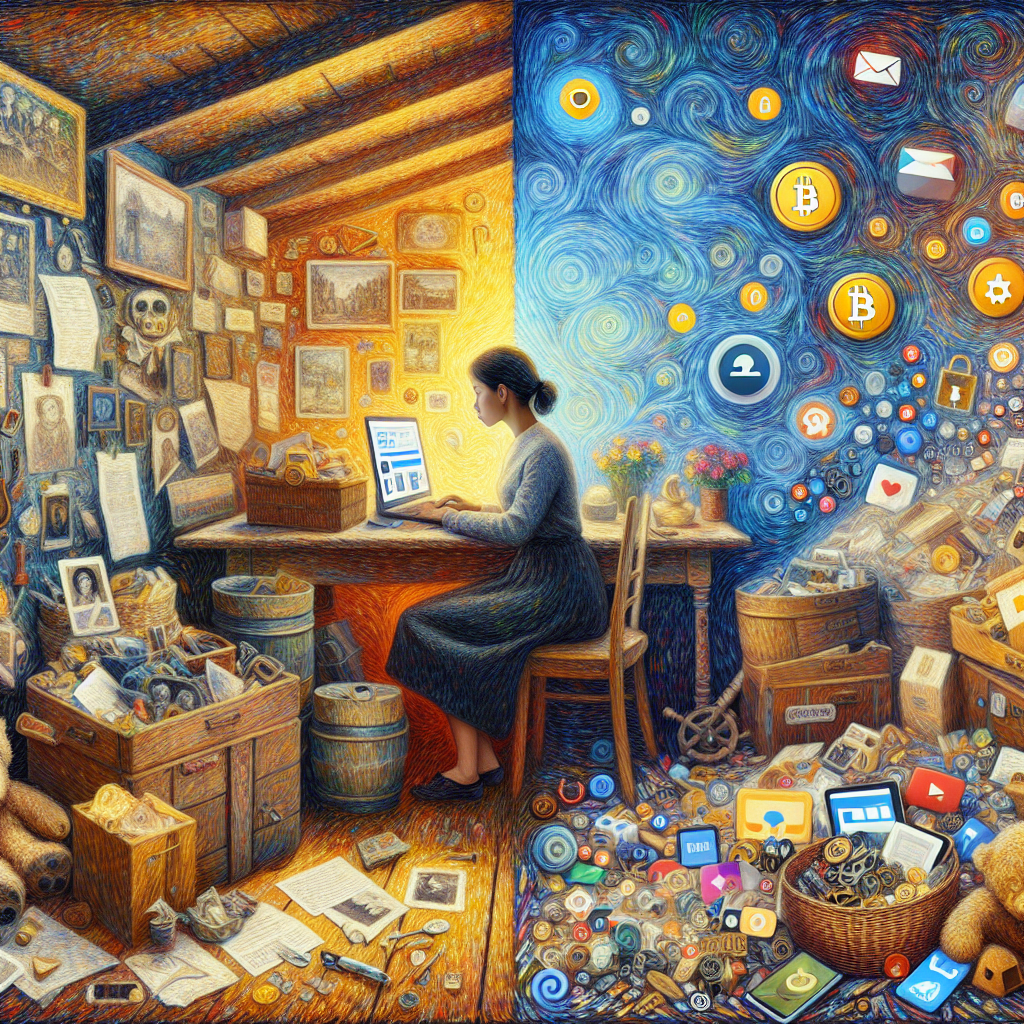
When it comes to preserving our memories, we often find ourselves at a crossroads, staring into the vast expanse of endless possibilities. With so many formats available, it’s easy to feel a bit overwhelmed. But fear not! Each option offers a unique way to capture the whir of life, and no matter which you choose, you’re embarking on a journey of Legacy Storytelling that will echo through generations.
Let’s start with the tried-and-true option: the written word. Journaling is a powerful practice that allows you to spill your thoughts onto the page. Whether you jot down daily experiences or weave intricate narratives about pivotal moments in your life, your words become a reflection of your personal landscape. Think of it as laying bricks for the foundation of your legacy, one entry at a time.
Now, let’s talk about photographs. Remember that feeling you get when you stumble upon a dusty old album? Those snapshots serve as windows into the past, rich with emotion and stories waiting to be told. You can organize them into themed scrapbook pages or create digital slideshows that highlight certain life chapters. If you’re feeling extra adventurous, why not mix in some video clips? Short snippets of birthdays, family gatherings, or spontaneous adventures breathe life into your memories, giving them texture and authenticity.
For those of you who crave modernity, podcasts and digital storytelling platforms offer a fun space to document memories. Recording yourself sharing tales—whether profound or downright silly—has an intimacy that invites listeners into your world. It’s like a campfire gathering, but with a broader audience. These recordings can be passed down, creating a chorus of voices that tell your story.
Let’s not forget the magic of oral storytelling. Gather family and friends for a reminiscence night. Swap tales over a hearty meal, recording the laughter and camaraderie that thrives in those moments. Trust me, there’s something cathartic about sharing stories aloud. It reinforces bonds and breathes new life into the very memories you wish to preserve.
The key isn’t about choosing the “right” format; it’s about what resonates with you. You have the power to craft your legacy, to share your truth, and to ensure that your story lives on. So, roll up your sleeves, tap into your creativity, and start documenting those memories today. You never know which format might reveal the magic hidden in your past!
What Formats Can I Use To Document My Memories?
What Formats Can I Use To Document My Memories?
- Preserving memories offers numerous formats, each providing a unique storytelling experience.
- Journaling empowers you to capture your thoughts and experiences, laying the groundwork for your legacy.
- Photographs serve as emotional windows to the past; they can be organized into scrapbooks or digital slideshows.
- Mixing in video clips can enhance memories, adding texture to significant life moments.
- Modern digital storytelling platforms, like podcasts, create new avenues for sharing stories with wider audiences.
- Oral storytelling fosters connection; gathering with loved ones to share tales reinforces bonds and revitalizes memories.
- Ultimately, the choice of format should resonate with you, allowing your unique story to shine through.

What Formats Can I Use To Document My Memories?
How Often Should I Update My Memory Documentation?
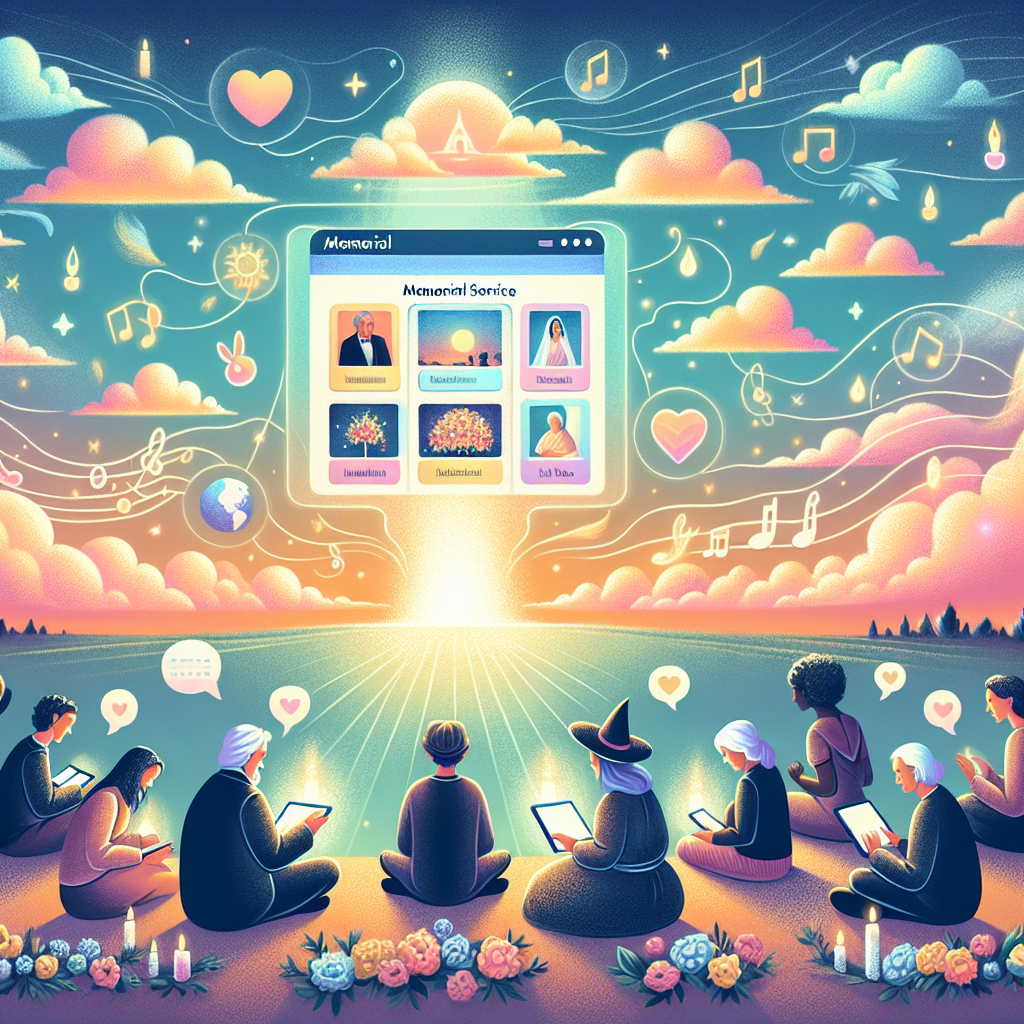
Imagine this for a moment: all those cherished moments captured in your memory documentation, like snapshots in a time capsule, just waiting to be uncovered and cherished again. But what happens when those memories start collecting dust? That’s where the idea of regular updates comes in. Think of it like maintaining a garden; without a little pruning and care, what once flourished can quickly become overgrown and unrecognizable.
Let’s talk about Legacy Storytelling, that beautiful tradition of passing down our experiences, wisdom, and identity through generations. Whether it’s our family history, personal anecdotes, or even those laughable mishaps that make for great dinner table conversations, these stories shape who we are. However, with life zipping forward at breakneck speed, it’s easy to let these accounts languish in forgotten folders or dusty cloud storage. So, how often should you dive back in and refresh your memory documentation?
The answer isn’t one-size-fits-all, but think about setting aside time every few months—or whenever significant life events occur—to capture new narratives. The birth of a child, a new job, a family reunion; these all deserve a spot in your evolving story. By making it a habit to revisit and refine your documentation regularly, you keep those untold adventure trails alive and ensure your narrative doesn’t just stand still but grows alongside you.
Picture this: you’re sitting around the fire with friends or family, and you share a newly added story from that summer vacation just a few months back. Suddenly, everyone’s eyes light up, laughter fills the air, and even the most mundane detail takes on a life of its own because you made the effort to document it. By updating your memory documentation, you’re not just preserving the past; you’re enriching your present—and, ultimately, your legacy.
Updating your memories doesn’t have to be a chore. Make it an event. Gather your family, share a meal, and brainstorm around the moments that matter. A well-kept legacy nourishes the roots of who we are and fosters a connection—across generations, across experiences. So, roll up your sleeves, dust off those files, and give your stories the attention they deserve. After all, life is too short for our memories to fade away unnoticed!
How Often Should I Update My Memory Documentation?
How Often Should I Update My Memory Documentation?
- Memory documentation serves as cherished snapshots of our lives, requiring regular updates to prevent neglect.
- Legacy Storytelling passes down experiences, wisdom, and identity, shaping who we are across generations.
- Life’s fast pace often leads to stories being forgotten in digital storage, making updates necessary.
- Consider updating your memory documentation every few months or during significant life events.
- Capturing new narratives, such as births or reunions, keeps personal histories vibrant and dynamic.
- Sharing updated stories with family and friends enriches both the present moment and your legacy.
- Transform memory updating into a fun event; involve family, share meals, and strengthen connections.

How Often Should I Update My Memory Documentation?
Can Digital Tools Help In Documenting Memories?
In our fast-paced world, where days blend into nights and moments slip through our fingers like sand, the idea of preserving memories can often feel like a daunting task. Yet, in the age of technology, we have tools at our fingertips that make it easier than ever to capture those fleeting memories. Enter digital tools—your new best friend in the world of Legacy Storytelling.
Picture this: You’re sitting down with a loved one, surrounded by family heirlooms and the comforting scents of home. As stories unfold, you realize they’re not just tales—they’re pieces of a rich tapestry that represents your collective history. But how do you hold onto these precious stories for future generations? This is where the magic of digital tools comes into play.
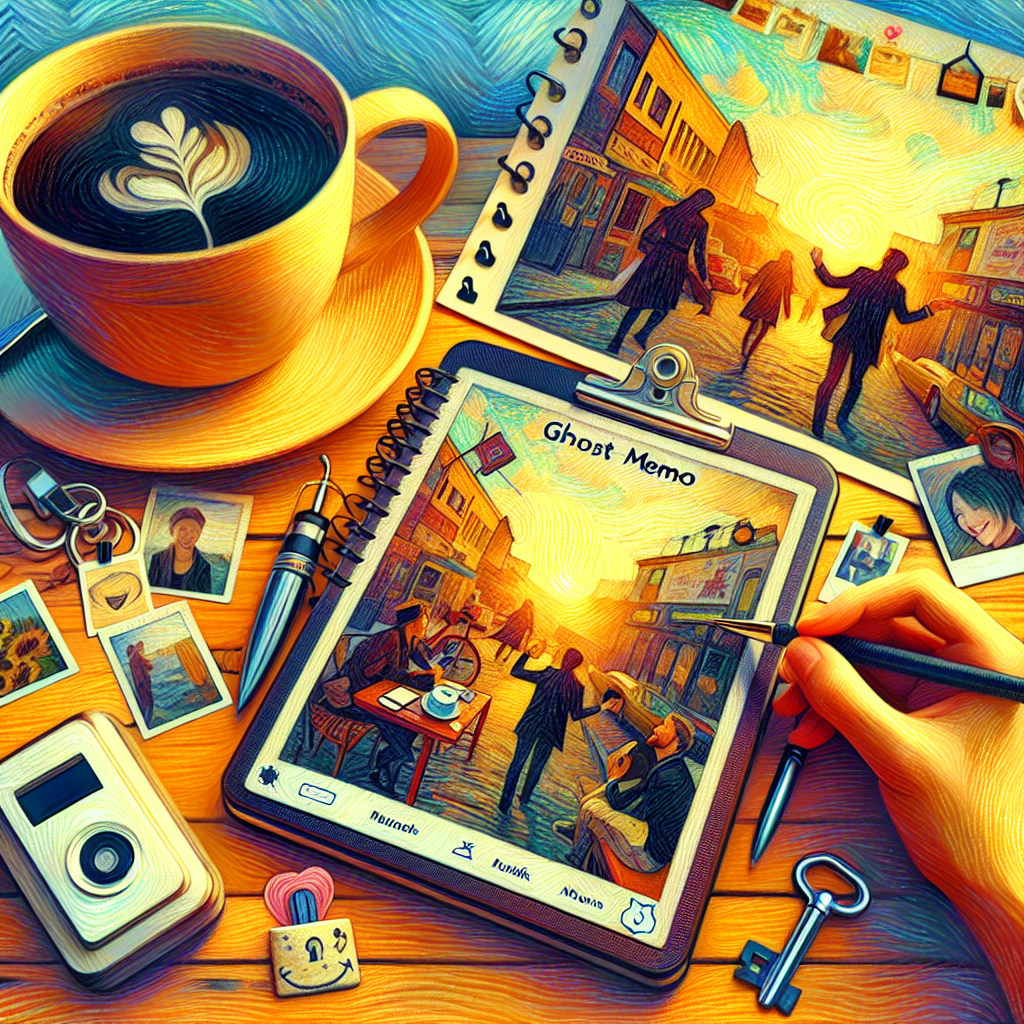
From simple voice recorders to sophisticated video editing software, digital tools allow us to document the essence of our lives in ways that never existed before. Imagine recording Grandma’s laughter as she recounts tales from her youth, or capturing that twinkle in your father’s eye when he talks about his first car. These memories, once lost to time, can now be saved, polished, and passed down like a priceless heirloom.
But here’s the thing: digital tools aren’t just about technology; they’re about connection. They bridge the gap between generations, allowing us to share our stories and experiences in a format that younger family members will cherish. Think of it as a gift—a way to invite your kids or grandkids into the rich legacy of storytelling that has been passed down through the ages.
And it’s not just about recording memories; it’s about creating them. Use apps to design dynamic family scrapbooks that are easy to update and share. Start a shared family vlog where each member can contribute their unique perspective, sparking laughter, reflection, or even a healthy debate. These interactions become ongoing narratives that foster deeper connections.
So, take that leap. Embrace the technology at hand, and let it guide you in your journey of Legacy Storytelling. Capture the moments that matter, and watch as they transform into lasting stories that build bridges, foster understanding, and inspire future generations to continue the conversation. Remember, your memories are worth documenting—they’re the threads that weave your family’s story, one captured moment at a time.
Can Digital Tools Help In Documenting Memories?
Can Digital Tools Help In Documenting Memories?
- In today’s fast-paced world, preserving memories can feel daunting, but technology offers solutions.
- Digital tools enhance Legacy Storytelling by capturing personal histories and family tales.
- Examples of digital tools include voice recorders and video editing software, enabling effective documentation.
- These tools help preserve vivid memories, like recorded laughter or sentimental stories.
- Digital mediums foster connections across generations, allowing shared experiences to be cherished by younger family members.
- Creating dynamic family scrapbooks or shared vlogs can enhance family interactions and strengthen bonds.
- Embracing technology for documenting memories transforms them into lasting stories, enriching family legacies.

Can Digital Tools Help In Documenting Memories?
Conclusion
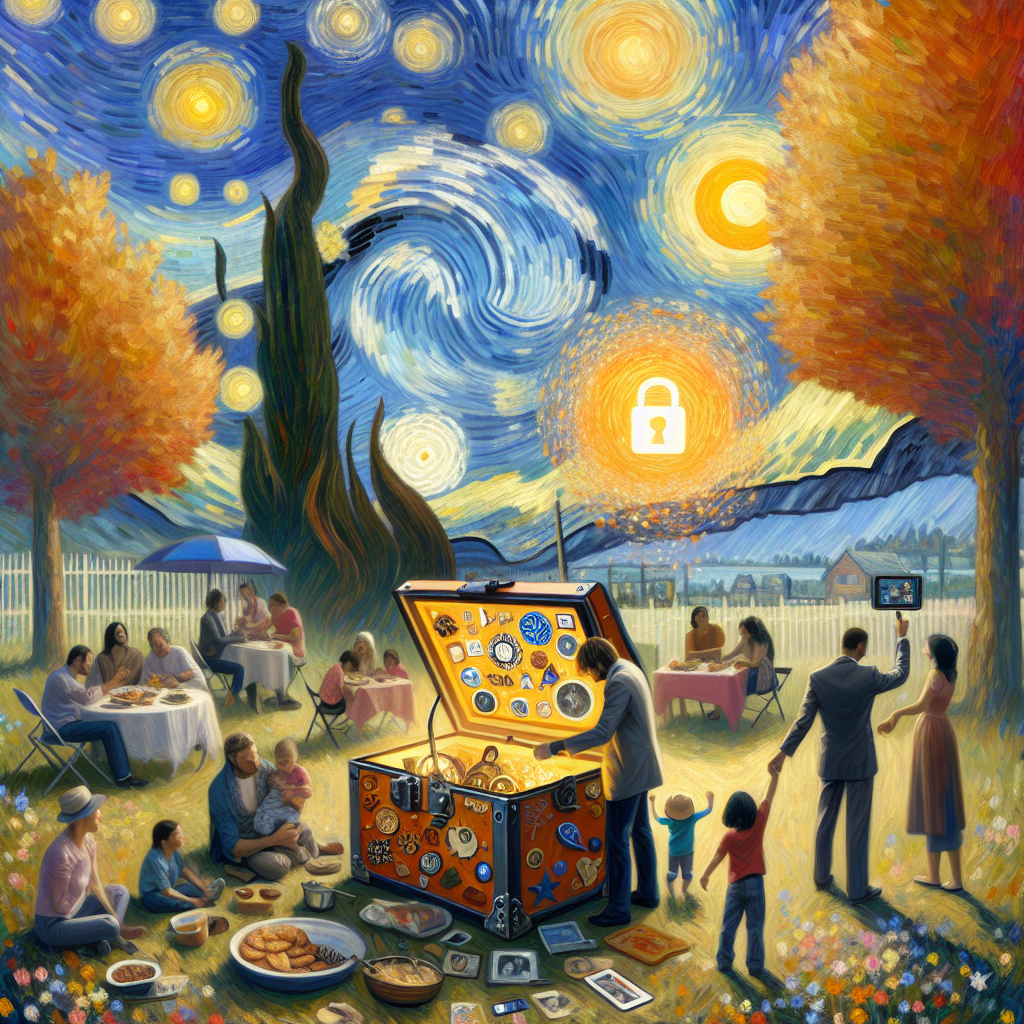
As we wrap up this exploration of the profound impact of documenting memories, I can’t help but reflect on the importance of storytelling—a thread that weaves us all together across generations. You see, preserving our memories isn’t just an act of nostalgia; it’s akin to crafting a living legacy for our children. Imagine your kids gathering around to flip through a family scrapbook, their laughter mingling with the echoes of past stories, each turn of the page revealing a piece of their heritage. This isn’t merely sharing history; it’s providing them with a robust framework for understanding who they are and where they come from.
Memories—those snapshots of joy, sorrow, chaos, and triumph—carry power. Think of them as life lessons neatly wrapped in tales of struggle and success, the very fabric that can guide your children through life’s tumultuous waters. Whether it’s the time you attempted to bake cookies that ended up more charcoal than chocolate or the epic family camping trip that turned into an unexpected adventure, these anecdotes aren’t just for when everything goes right; they are the spice in the stew of life.
Now, I know what you might be thinking: “I’m not a writer; I can’t document this!” Well, let me assure you, my friends, you don’t need to be Hemingway to share your stories. The beauty of this journey lies in authenticity—grab whatever medium feels right. Journal, record a video, or gather around the dinner table and reminisce. These interactions serve not merely to entertain but to endure.
Furthermore, let’s talk about the richness technology adds to our memory documentation game today. From voice memos that capture a loved one’s laughter to photo apps that hold the essence of your family’s milestones, we are armed with tools that can immortalize our experiences for those who come after us. Remember, it’s not just about preserving moments; it’s about creating connections that transcend time.
So, roll up those sleeves and dive into this impactful world of memory-making. By sharing your stories, you’re not only documenting your life; you’re crafting an unbreakable bond that embodies resilience, love, and humor—a legacy that will empower your children as they navigate their unique paths. In the end, that’s the greatest gift of all.
Conclusion
Conclusion:
- Storytelling connects generations and preserves memories, creating a living legacy for future generations.
- Family scrapbooks provide a robust framework for children to understand their heritage.
- Memories, both joyful and sorrowful, serve as life lessons guiding children through challenges.
- Anecdotes from life experiences, both good and bad, enrich the narrative of family history.
- You don’t need to be a skilled writer to document stories; authenticity is key.
- Technology enhances memory documentation through tools like voice memos and photo apps, allowing for lasting connections.
- Sharing stories builds an unbreakable bond that empowers children with resilience, love, and humor.

Conclusion
Other Resources

Other Resources
Here is a list of other resources you can review online to learn more:
Use This Prompt To Get More Resources With Your Favorite Online AI Tool: Please provide me with a list of online articles with their URLs in a bulleted list that I can read regarding Why Is Documenting Your Memories The Greatest Gift for Kids?
Other Resources
Glossary Terms
Why Is Documenting Your Memories The Greatest Gift for Kids? – Glossary Of Terms
1. Documentation: The act of recording memories, experiences, and significant events to preserve them for the future.
2. Legacy: Something handed down from one generation to the next, often encompassing family stories, values, and traditions.
3. Ancestry: The lineage and family history that can be discovered through documented memories, creating a sense of identity.
4. Nostalgia: A sentimental longing for the past, which can be triggered by documented memories.
5. Storytelling: The art of conveying narratives that capture experiences, emotions, and lessons learned through life.
6. Heritage: The cultural background, traditions, and values that are passed down and honored through documented memories.
7. Memory Book: A collection of photographs, notes, and stories that captures and preserves important memories and milestones.
8. Family History: A chronological record of events and experiences that shape a family’s identity, conveyed through documentation.
9. Preservation: The process of maintaining and protecting memories from being forgotten or lost over time.
10. Reflection: The act of contemplating past experiences which can aid in personal growth and learning.
11. Timelines: Visual representations of significant events or milestones in a person’s life, helping to contextualize memories.
12. Values: Principles or standards of behavior that shape a person’s beliefs, often conveyed through memories and stories.
13. Connection: The bond formed between generations when sharing and documenting personal histories and experiences.
14. Emotional Growth: The development of emotional intelligence that can occur when reflecting on documented memories.
15. Tradition: Customs or practices that are passed down through generations, often documented to ensure continuity.
16. Intergenerational Sharing: The exchange of knowledge, stories, and experiences between different age groups within a family.
17. Photographs: Visual representations that capture moments and emotions, serving as tangible memories to reflect upon.
18. Journaling: The practice of writing down thoughts, feelings, and experiences, promoting self-reflection and memory preservation.
19. Family Reunion: A gathering that celebrates family ties and shared memories, often accompanied by storytelling and reminiscing.
20. Cultural Identity: The sense of belonging to a particular cultural group, often expressed and reinforced through documented memories.
21. Time Capsule: A sealed container of items from the present to be opened in the future, symbolizing memory preservation.
22. Milestone: Significant moments in life, such as birthdays or graduations, that are often documented for remembrance.
23. Legacy Letters: Written letters intended to convey values, advice, and reflections from one generation to another.
24. Life Lessons: Insights gained from experiences that can be shared through documented memories to guide future generations.
25. Sound Recordings: Audio documentation of voices, stories, or songs, preserving the essence of personal memories.
26. Mind Mapping: A visual tool to organize and represent ideas related to memories and experiences, aiding in documentation.
27. Visual Storytelling: The use of images and graphics to convey narratives and emotions related to personal memories.
28. Emotional Resilience: Strength developed through understanding one’s past, often enhanced through the documentation of memories.
29. Subconscious Memory: Memories that are not actively recalled but can influence thoughts and behaviors, often unlocked through documentation.
30. Digital Archives: Online collections of documents, photos, and stories that preserve memories and make them accessible for future generations.

Glossary Of Terms
Other Questions
Why Is Documenting Your Memories The Greatest Gift for Kids? – Other Questions
If you wish to explore and discover more, consider looking for answers to these questions:
- What are some specific techniques for effective memory documentation?
- How do I choose which memories are most important to document?
- What are the emotional benefits of sharing memories with my children?
- How can I encourage my kids to engage with our family stories?
- What are the most popular tools and apps for documenting memories?
- Can I use social media to share memories with my family?
- What is the best way to organize photos and documents for memory preservation?
- Are there any risks involved in sharing personal family stories?
- How can I incorporate storytelling into family gatherings?
- What should I do if I feel overwhelmed by the thought of documenting my memories?

Other Questions
Haiku
Why Is Documenting Your Memories The Greatest Gift for Kids? – A Haiku
Stories we weave deep,
Threads of laughter, lessons shared,
Gifts for future hearts.

Haiku
Poem
Why Is Documenting Your Memories The Greatest Gift for Kids? – A Poem
In the fabric of life, memories entwine,
Like threads of a tapestry, rich and divine.
Each laugh and lesson, a stitch through the years,
Preserving our stories, our joys, and our tears.
From small kitchen battles where charcoal cookies burned,
To camping in rain where we danced and we learned,
These moments are treasures, not just for today,
But maps for our children, showing them the way.
No need for perfection, just pick up a pen,
With photos and stories, let memory begin.
Capture the humble, the trials, the wins,
Share tales of your heart, let connection begin.
With every shared story, a legacy grows,
A bridge to the past, where wisdom still flows.
Through underdog battles and triumphs we tell,
Each heartwarming tale casts a powerful spell.
So gather your family, share meals, reminisce,
In the gathering storm of life, find moments of bliss.
Let digital tools aid in the quest to recall,
For memories cherished build connections for all.
The gift that you give, it’s a bond that won’t sever,
A legacy woven, uniting forever.
So roll up those sleeves, dive into this art,
For documenting memories we craft from the heart.
Poem
Checklist
Why Is Documenting Your Memories The Greatest Gift for Kids? – A Checklist
Before You Start
_____ Reflect on the importance of legacy storytelling and its impact on connecting generations.
_____ Define your goal: What stories do you want to preserve and share?
Setting Up Your Documentation Process
_____ Choose a comfortable medium for documentation (journal, digital notes, apps, etc. ).
_____ Set aside dedicated time each week for memory documentation.
Memory Types to Focus On
_____ Humble Beginnings: Document early life stories and challenges.
_____ Triumphs: Share victories and successes, big or small.
_____ Lessons Learned: Reflect on valuable lessons from your experiences.
_____ Passion Stories: Write about the moments that fueled your passions and interests.
_____ Relationship Stories: Share memories about family, friends, mentors, and their impact on your life.
Effective Ways to Document
_____ Utilize photos to enhance storytelling (scanned images, printed photos, etc. ).
_____ Consider creating video clips of key moments or conversations.
_____ Use journaling prompts to unlock deeper reflections (e. g. , “What was my proudest moment?”).
_____ Explore digital storytelling tools (podcasts, blogs, or family vlogs).
Updating Your Documentation
_____ Set a schedule for regular updates (every few months or after significant events).
_____ Create special moments to reminisce and document together as a family.
Embracing Digital Tools
_____ Explore apps for creating digital scrapbooks or memory albums.
_____ Use voice recorders or video editing software to capture and share stories.
_____ Update stories easily through collaborative family platforms (e. g. , shared vlogs, blogs).
Sharing Your Memories
_____ Plan family gatherings to share your documented stories and experiences.
_____ Encourage open discussions about memories to foster connection and understanding.
Final Thoughts
_____ Remember that there is no “right” way to document—focus on authenticity and connection.
_____ Celebrate the act of preserving memories as a gift to your children, providing them with tools to navigate their own lives.
By following this checklist, you’ll be well on your way to creating a meaningful legacy of documented memories for your children!

Checklist
At LegacyExplorations, we help people plan and explore their legacy by collecting information and news regarding end-of-life planning.
Please share this post with your friends, family, or business associates who may want help to plan or explore their legacy.