

Preserving Wisdom: The Power Of Legacy Storytelling
By Tom Seest
At LegacyExplorations, we help people plan and explore their legacy by collecting information and news regarding end-of-life planning.
Please share this post with your friends, family, or business associates who may want help to plan or explore their legacy.
Why Is Legacy Storytelling a Critical Practice for Aging Wisdom?
In a world that seems to measure success by hashtags or flashy digital profiles, there’s an ancient art that often gets overlooked: Legacy Storytelling. You see, as we tread through life, every wrinkle and gray hair tells a tale worth sharing. Yet, too often, these stories are left unspoken, trapped within the confines of memory and fading moments. Legacy Storytelling isn’t just a nostalgic pastime; it’s a bridge connecting generations, a vessel carrying the weight of experience and wisdom.
Imagine sitting around the fire, listening to the elders recount their journeys, trials, and triumphs. Each story serves a purpose, imparting lessons learned the hard way. In this fast-paced digital age, where emotions are often conveyed through emojis, the depth of real human experience can get lost in the noise. Legacy Storytelling restores that depth, allowing aging wisdom to flow freely. It’s about understanding one’s roots, acknowledging where we came from, and recognizing how those tales shape our future.
But let’s get real: Legacy Storytelling isn’t just beneficial for the listeners. For the storytellers, sharing their legacies is a potent reminder of their identity and significance. It gives aging individuals a platform to reflect, reevaluate, and articulate the important milestones of their lives. Conversations about love, loss, victory, and defeat become not just personal histories but universal truths that resonate with all of us.
Embracing Legacy Storytelling can also foster resilience and emotional connectivity. When elders recount their hardships, they build bridges of understanding with younger generations, validating feelings and experiences. This dialogue can shatter generational divides, creating a tapestry of connected narratives that pave the way for empathy and shared wisdom.
Moreover, in passing on stories, we preserve the richness of culture and tradition. It’s about more than just facts and figures; it’s the spirit behind them that makes us human. Every anecdote shared enhances our collective consciousness and ensures that timeless teachings don’t fade into obscurity.
So, as we navigate the complexities of modern life, let’s not forget the power of Legacy Storytelling. It’s not just a relic of the past; it’s a critical practice that cultivates understanding, resilience, and, ultimately, a wiser society. In striking that balance between honoring our past and shaping our future, we may just redefine what it means to age gracefully.

Why Is Legacy Storytelling a Critical Practice for Aging Wisdom?
Why Is Legacy Storytelling a Critical Practice for Aging Wisdom?
- Legacy Storytelling bridges generations and conveys the weight of experience and wisdom.
- Each story shared imparts valuable life lessons, connecting personal histories to universal truths.
- Storytelling helps aging individuals reflect on their lives and reinforces their identity and significance.
- Such narratives promote emotional connectivity and resilience between generations.
- Sharing hardships builds understanding and empathy, dissolving generational divides.
- Legacy Storytelling preserves culture and tradition, enhancing collective consciousness.
- This practice cultivates a wiser society by fostering understanding and honoring the past.

Why Is Legacy Storytelling a Critical Practice for Aging Wisdom?
Table Of Contents
- Why Is Legacy Storytelling a Critical Practice for Aging Wisdom?
- Why Is Legacy Storytelling Important For Preserving Wisdom?
- How Can Storytelling Connect Generations Effectively?
- What Are The Key Elements Of Impactful Legacy Stories?
- How Does Legacy Storytelling Benefit The Aging Population?
- What Role Does Cultural Heritage Play In Legacy Storytelling?
- How Can One Begin Sharing Their Own Legacy Stories?
- What Are Common Themes In Legacy Storytelling Across Cultures?
- Conclusion
- Other Resources
- Glossary Of Terms
- Other Questions
- Haiku
- Poem
- Checklist
Why Is Legacy Storytelling Important For Preserving Wisdom?
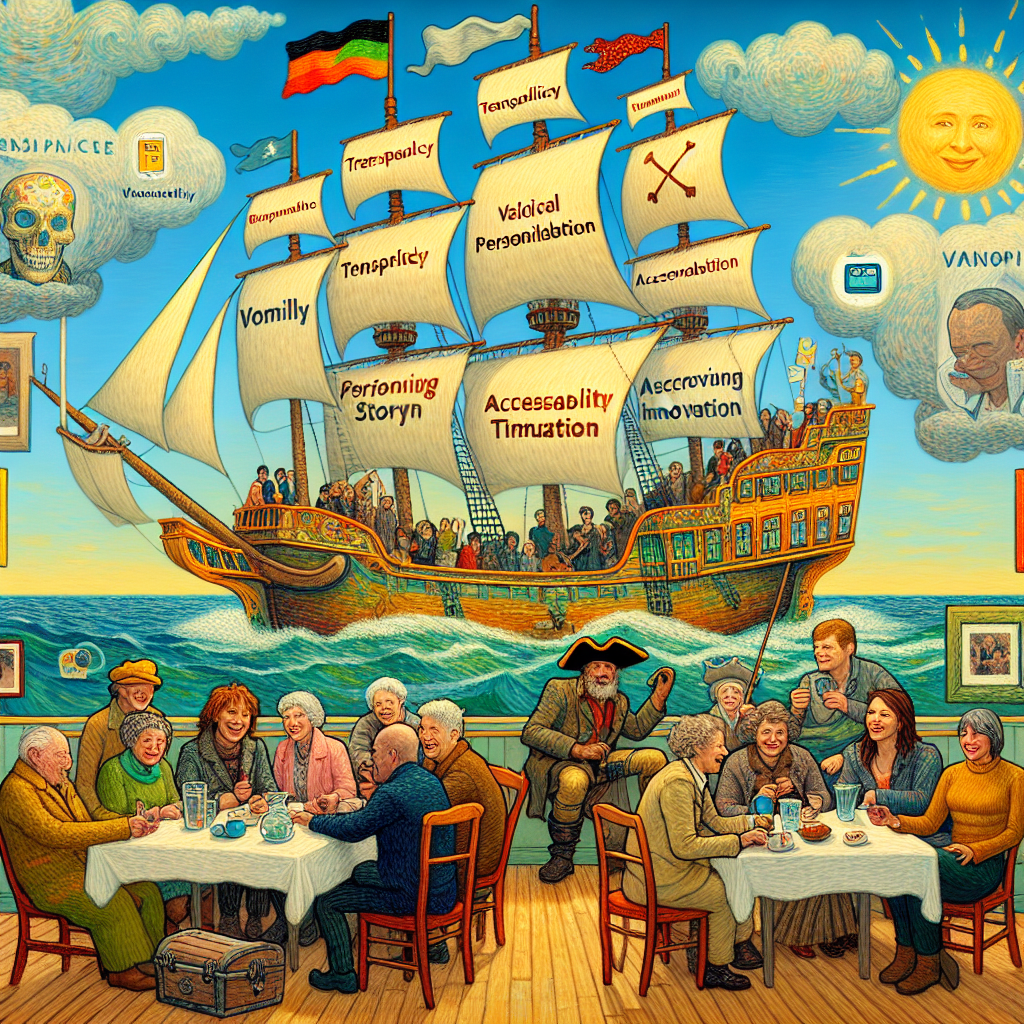
When you think about the tales that have shaped your family, your community, and even your culture, it’s hard not to appreciate the role of legacy storytelling. It acts as a bridge connecting past generations to the present, weaving the rich fabric of human experience together through shared narratives. But why exactly is this form of storytelling so crucial for preserving wisdom?
First, let’s consider that legacy storytelling isn’t just about recounting events; it’s about imparting lessons. Grandparents share stories of hardship and triumph—not merely for entertainment, but to teach grandchildren about resilience, empathy, and the consequences of our choices. These narratives carry the weight of experience, turning abstract wisdom into relatable life lessons. The stories encapsulate values and morals that might otherwise be lost in an age inundated with fleeting information and captions.
Moreover, legacy storytelling fosters a sense of belonging. When we gather around the dinner table or sit by the fire, sharing these tales, we reinforce our identity. It reminds us who we are, where we come from, and the virtues we cherish. Each story is a thread that weaves the tapestry of our collective identity, ensuring that the values, struggles, and craft of past generations endure in the hearts of the young. As we relive these adventures—whether they take place on the frontlines of history or the backyards of our childhood—we reinforce the connections with those who walked paths before us.
Then there’s the emotional component. Stories evoke feelings, and those feelings create memories, locking wisdom away in our subconscious. When we hear how a loved one overcame adversity, it resonates with our own challenges. We experience empathy, understanding, and perhaps even a little inspiration. This emotional link is what turns knowledge into understanding, forming lessons that stick around long after the details fade.
In a rapidly changing world, where technology often replaces face-to-face interaction, legacy storytelling reminds us of our humanity. It encourages us to slow down, engage, and reflect on what truly matters. The ancient art of storytelling helps us delve deeply into our roots, ensuring that the wisdom of our predecessors isn’t just faded ink on a page but a living legacy we carry forward. Ultimately, it’s about keeping the flame of knowledge alive, one story at a time, warding off the darkness of forgetfulness that looms in the shadows of modernity.
Why Is Legacy Storytelling Important For Preserving Wisdom?
Why Is Legacy Storytelling Important For Preserving Wisdom?
- Legacy storytelling connects past generations to the present, creating a rich fabric of human experience through shared narratives.
- It imparts important life lessons such as resilience, empathy, and the consequences of choices, transforming wisdom into relatable experiences.
- Legacy storytelling fosters a sense of belonging, reinforcing our identity and reminding us of our shared values and origins.
- Each story serves as a thread in the tapestry of collective identity, ensuring the struggles and values of past generations endure.
- Emotional connections formed through storytelling create memorable experiences that help impart lessons that remain long after the details fade.
- In a fast-changing world dominated by technology, legacy storytelling emphasizes our humanity and encourages reflection on what truly matters.
- Ultimately, it preserves and carries forward the wisdom of predecessors, keeping the flame of knowledge alive against the backdrop of modernity.

Why Is Legacy Storytelling Important For Preserving Wisdom?
How Can Storytelling Connect Generations Effectively?
In a world that constantly churns through technology, trends, and temptations, the timeless art of storytelling serves as a bridge between generations, fostering connections that might otherwise go unrecognized. Legacy storytelling, the practice of passing down experiences, values, and lessons, is not merely a way to entertain; it’s an essential tool for understanding where we come from and where we’re headed.
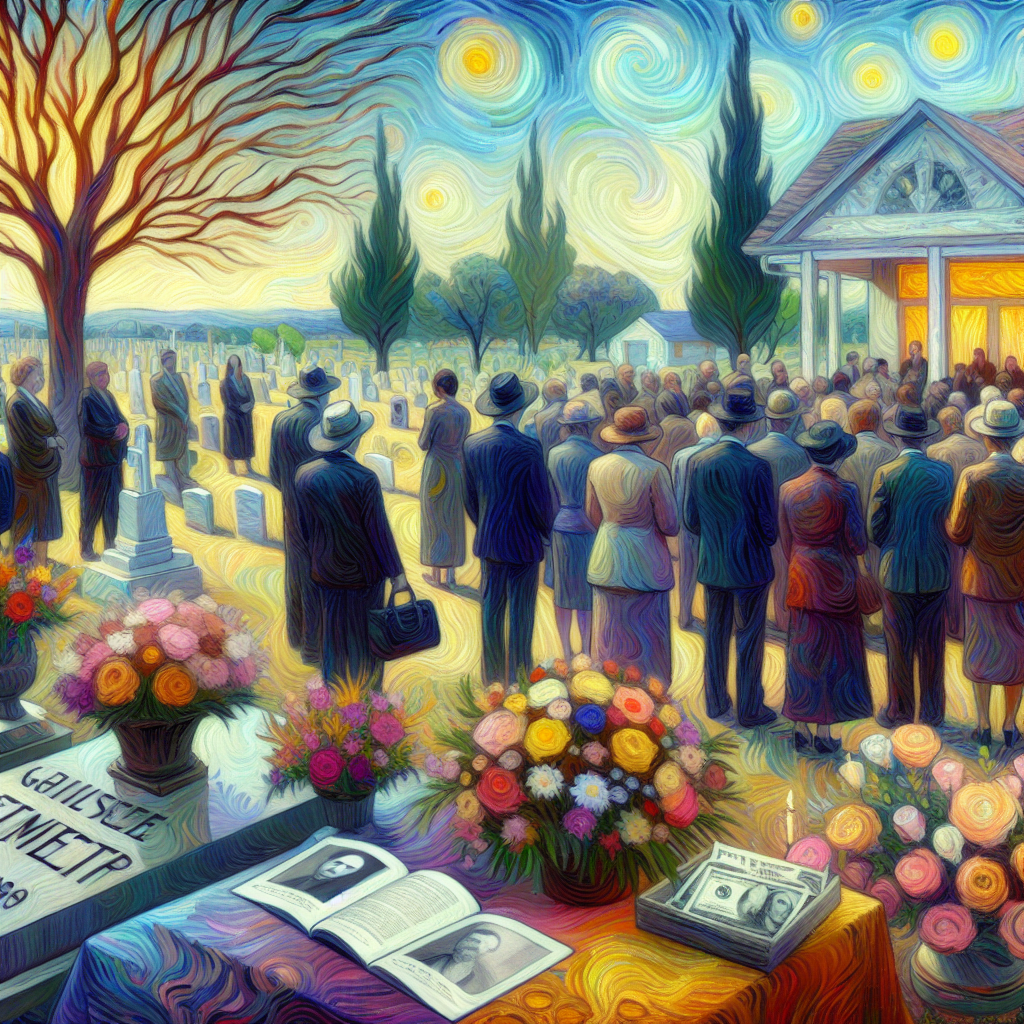
Picture this: a grandparent pulling out a weathered photo album on a Sunday afternoon. As the pages turn, stories bubble forth—some hilarious, others heartfelt. Each anecdote carries the weight of history and the warmth of shared laughter. This isn’t just nostalgia; it’s legacy storytelling in action. It’s a profound exchange where the older generation shares their lives, melding with the younger generation’s curiosity. This interaction isn’t just beneficial for the young folks—the elders thrive in the knowledge that their experiences are valued, creating a two-way street of communication.
Through these stories, the younger generation can place their lives within a broader narrative. They can learn that the challenges they face—be it school, work, or relationships—are not new. They can garner insights from decades past, often finding that wisdom remains relevant despite changing times and technology. In this sense, storytelling becomes a time capsule, encapsulating lessons about resilience, love, and perseverance that transcend the ages.
Moreover, legacy storytelling encourages empathy and understanding. When a young listener grapples with the tales of their elders’ struggles, it fosters a sense of identity and belonging. The stories reflect common human experiences and often highlight values that resonate across ages—integrity, humility, hard work. By hearing these tales, younger generations can better appreciate the sacrifices made for them, igniting a sense of gratitude that is critical in a world that often feels disconnected.
What’s more, storytelling isn’t confined to family gatherings. Communities can come together through shared narratives, local legends, and folk tales, reinforcing a collective identity. Whether it’s in a park, during a reunion, or around a campfire, the essence of legacy storytelling fosters a bond that encourages intergenerational dialogue and respect.
It’s clear that storytelling—especially when rooted in the rich soil of legacy—has the power to bridge gaps, cultivate empathy, and preserve the invaluable connections that bind us all. By sharing stories, we not only honor our past but also empower the future.
How Can Storytelling Connect Generations Effectively?
How Can Storytelling Connect Generations Effectively?
- Legacy storytelling connects generations, fostering relationships that may otherwise be overlooked.
- It involves passing down experiences, values, and lessons, serving as a tool for understanding history and direction.
- The practice allows older generations to share their lives with younger members, creating a mutually beneficial exchange.
- Younger generations can relate their experiences to a broader narrative, finding timeless wisdom applicable to contemporary challenges.
- Storytelling promotes empathy, identity, and belonging by reflecting shared human experiences and values.
- Community storytelling reinforces collective identity through shared narratives, local legends, and folk tales.
- Overall, storytelling honors the past while empowering future generations and nurturing essential connections.

How Can Storytelling Connect Generations Effectively?
What Are The Key Elements Of Impactful Legacy Stories?
When you sit down to craft a Legacy Story, you’re not just putting pen to paper or fingers to keyboard; you’re embarking on a mission to capture the essence of what really matters. Legacy Storytelling is about more than just recounting events—it’s about crafting narratives that resonate with people, igniting passions, and inspiring future generations. To ensure your legacy stands out, there are a few key elements you must embrace.
First off, authenticity reigns supreme. If your story feels scripted or rehearsed, chances are it’ll flop harder than a flimsy fishing hook. Real stories come from real experiences—those moments that shaped you, challenged you, and ultimately defined you. Share the grit, the grime, and the grace that has colored your journey. This authenticity builds a bridge of connection, inviting others to walk alongside you in your recollections.
Next up is detail. Don’t skimp on it! Vivid imagery transforms mundane storytelling into riveting experiences. Instead of saying you had a tough job, take us to that construction site where the sun was beating down and you were sweating bullets—describe the smell of fresh-cut timber and the sound of hammers striking nails. This sensory information immerses your audience, helping them not just hear your story but feel it in their bones.
Then, there’s the importance of purpose. What exactly do you want your audience to take away? Every impactful Legacy Story has a guiding message or lesson woven into its fabric. Whether it’s about resilience, love, or unwavering dedication, pinpoint that core message and align your anecdotes accordingly. Leaving your audience with a clear takeaway is like handing them a key to the treasure chest of your life’s experiences.
Another element to consider is vulnerability. Showing your scars, your struggles, and your missteps makes your story relatable. Remember, nobody’s perfect, and the strongest connections often arise from shared shortcomings. When you’re open about your journey, it humanizes you and offers a sense of solidarity with others facing their own battles.
Finally, wrap it all together with a thread of reflection. Take a moment to consider how these experiences have shaped your values and beliefs. What insights did you gain along the way? Ending your Legacy Story with thoughtful reflection not only honors your past but also inspires those who will carry your legacy forward.
Combining these elements creates a Legacy Story that isn’t just a recounting of events but a vibrant tapestry woven from life, enriched by the lessons learned and connections forged. So, get out there and start telling your story—it just might change a life or two.

What Are The Key Elements Of Impactful Legacy Stories?
What Are The Key Elements Of Impactful Legacy Stories?
- Authenticity: Genuine stories come from real experiences, building connections through shared journeys.
- Detail: Use vivid imagery and sensory information to make storytelling immersive and compelling.
- Purpose: Define a guiding message or lesson to leave the audience with a clear takeaway.
- Vulnerability: Share struggles and imperfections to create relatability and foster deeper connections.
- Reflection: Consider how experiences shaped your values and insights, enhancing the narrative’s impact.
- Overall Impact: A well-crafted Legacy Story combines elements to inspire and inspire future generations.
- Call to Action: Start sharing your story, as it has the potential to change lives.

What Are The Key Elements Of Impactful Legacy Stories?
How Does Legacy Storytelling Benefit The Aging Population?
Legacy storytelling is more than just a nostalgic trip down memory lane; it’s a lifeline for our aging population. As we gather around with family and friends, we often hear those stories—the ones that have been passed down through generations, filled with laughter, wisdom, and a few eye-rolling moments. But for our elders, these tales hold much more than mere entertainment; they represent a means of connection and affirmation of a life well-lived.
Now, think about it. For many seniors, life may have slowed down, but their minds are still brimming with a wealth of experiences. Legacy storytelling allows them to articulate those experiences, turning abstract memories into narratives that resonate. It’s a profound way for them to assert their identity, reminding not just themselves but also their loved ones of their significance in the family narrative. When they share their tales, they build a bridge across generations, allowing younger folks to understand their roots and heritage better.
But it’s not just about the storytelling; it’s the act of listening that fosters emotional bonds. Engaging with these stories helps younger family members to cultivate empathy and understanding. They learn about struggles, triumphs, and the fabric of resilience that has shaped their family history. This exchange creates environments where vulnerability and strength coexist, enriching relationships on both sides.
Moreover, legacy storytelling serves an essential role in cognitive health. For seniors, recounting memories is a form of mental exercise. It stimulates brain function, enhances memory retention, and contributes to overall well-being. When they reflect on past experiences, they not only keep those memories alive but also reinforce their sense of purpose and belonging. In a world bereft of time, these stories remind them that their lives have meaning, that their experiences matter, and that they’ve contributed to the tapestry of life.
Let’s not overlook the emotional benefits, either. Sharing stories can be incredibly therapeutic. It allows aging individuals to process their feelings related to loss, love, and legacy while instilling a sense of pride in their life’s journey. There’s something incredibly powerful about sharing those pivotal life moments—the triumphs, the failures, and everything in between.
Legacy storytelling enriches not only the lives of our aging population but also the families and communities that surround them. It’s an exchange that fosters understanding, compassion, and continuity, linking the past with the present. And in a world constantly pushing forward, sometimes, it’s essential to step back, listen, and appreciate the value of a well-told story.

How Does Legacy Storytelling Benefit The Aging Population?
How Does Legacy Storytelling Benefit The Aging Population?
- Legacy storytelling provides a vital connection for the aging population, affirming their lives and experiences.
- It allows seniors to articulate their rich memories, creating narratives that resonate with younger generations.
- This practice helps bridge generational gaps, enhancing understanding of roots and heritage.
- Listening to these stories fosters emotional bonds, empathy, and understanding among family members.
- Recounting memories serves as mental exercise for seniors, aiding cognitive health and memory retention.
- Sharing stories can be therapeutic, helping seniors process feelings related to their life experiences.
- Legacy storytelling enriches families and communities, fostering compassion and continuity between past and present.
How Does Legacy Storytelling Benefit The Aging Population?
What Role Does Cultural Heritage Play In Legacy Storytelling?
Cultural heritage is the bedrock of Legacy Storytelling, acting as the thread that weaves together the past and present, connecting generations through shared experiences and values. When we delve into the art of storytelling, we are not just recounting events; we are encapsulating the essence of who we are and where we come from. Every tale, passed down through family gatherings or solemn ceremonies, carries the weight of tradition, allowing us to grasp the full spectrum of our ancestors’ lives.
Think about it for a moment. Each story reflects the unique customs, beliefs, and practices of a culture. They embody lessons that have withstood the test of time, offering insights into our identities and our communities. In a world that often feels disconnected, exploring cultural heritage through Legacy Storytelling can create a powerful sense of belonging. It’s a bridge that enables us to learn about the struggles and triumphs of those who walked before us, reminding us of our roots in a rapidly changing landscape.
The richness of these narratives arises not just from the events themselves, but from the context in which they were created. Take folklore for instance—the fables of old speak not only to moral lessons but also reflect the values of the culture at the time. They carry the nuances of language, the cadence of dialects, and the vibrancy of different traditions.
Moreover, in preserving and telling these stories, we keep alive the very essence of our heritage. Every storyteller becomes a custodian, tasked with maintaining the integrity of these tales so that future generations can draw on them during celebrations, times of reflection, or moments of crisis. This role isn’t just about keeping history alive; it’s about infusing contemporary life with the richness and wisdom inherited from our forebears.
But let’s be real—this is not just a sentimental endeavor. It serves a practical purpose too. In a globalized world, where cultures can often feel homogenized, Legacy Storytelling fosters pride and understanding. It cultivates a deeper appreciation for diversity and offers a framework for dialogue among varying perspectives.
In essence, the role of cultural heritage in Legacy Storytelling is indispensable. It emboldens us to embrace our narratives, fostering a deeper connection to ourselves, each other, and the world at large. When we tell our stories, we honor our past while crafting a legacy for those who will come after us.

What Role Does Cultural Heritage Play In Legacy Storytelling?
What Role Does Cultural Heritage Play In Legacy Storytelling?
- Cultural heritage is fundamental to Legacy Storytelling, linking past and present across generations.
- Storytelling encapsulates identity, preserving the essence of who we are and where we come from.
- Each tale reflects cultural customs, beliefs, and practices, offering timeless lessons and insights.
- Exploring cultural heritage through storytelling fosters a sense of belonging in a disconnected world.
- The richness of narratives comes from their context, reflecting cultural values and nuances of language.
- Storytellers act as custodians of heritage, ensuring stories remain integral for future generations.
- Legacy Storytelling promotes pride and understanding, enhancing appreciation for diversity in a globalized world.

What Role Does Cultural Heritage Play In Legacy Storytelling?
How Can One Begin Sharing Their Own Legacy Stories?
In a world buzzing with rapidly changing trends and fleeting moments, the importance of Legacy Storytelling cannot be overstated. It’s about weaving threads of experiences, lessons, and beliefs into something meaningful that resonates beyond our own lives. But how does one even begin to unwrap their own tales?
First, start by jotting down the moments that defined you. This doesn’t mean meticulously chronicling every event from birth to now; instead, focus on the highlights—those moments that shaped your values, beliefs, and the very person you are today. Sit with a pen and paper, or maybe even type it out on your computer. Reflect on the pivotal points: the triumphs, the failures, the lessons learned, and those bittersweet experiences that almost brought you to your knees. Each of these stories serves as a stepping stone to developing your legacy.
Next, embrace authenticity. Don’t be afraid to share the messy and imperfect parts of your life. The real beauty of Legacy Storytelling lies in vulnerability. Readers and listeners connect with honest, unvarnished narratives; they appreciate the struggles and the growth that come with them. It’s this emotional resonance that creates a lasting impact, offering insights to others who might find themselves walking a similar path.
Once you’ve gathered your material, think about how you want to share these stories. Will you write them down in a journal, craft a blog, or perhaps consider recording yourself speaking your thoughts? Each medium has its own unique power to communicate your experiences. Writing provides depth; speaking adds emotion and intonation; video introduces a whole new layer of visual storytelling.
Involving family and friends can also enrich your narratives. Their perspectives can illuminate facets of your life that you might have overlooked. Consider inviting them to share their stories too; after all, every life we touch is part of our legacy.
Finally, remember that sharing your legacy isn’t a one-time event. It can be an ongoing journey. Encourage others to share their own stories, creating a cycle of storytelling that passes down wisdom across generations. By stepping into this tradition of Legacy Storytelling, you not only honor your own journey but also inspire others to explore and share theirs. So grab your pen, find your voice, and let the tales of your life become a legacy worth sharing.

How Can One Begin Sharing Their Own Legacy Stories?
How Can One Begin Sharing Their Own Legacy Stories?
- The significance of Legacy Storytelling stems from its ability to resonate beyond individual lives by weaving experiences and lessons into meaningful narratives.
- Begin by documenting pivotal moments that defined you, focusing on highlights that shaped your values and beliefs, rather than chronicling every single event.
- Embrace authenticity by sharing the messy and imperfect aspects of your life; vulnerability fosters connection and emotional resonance with readers and listeners.
- Consider various mediums for sharing your stories, such as journaling, blogging, or video recordings, each offering unique ways to communicate your experiences.
- Involve family and friends to enrich your narratives, allowing their perspectives to illuminate overlooked facets of your life; encourage them to share their own stories.
- Recognize that sharing your legacy is an ongoing journey, and invite others to partake in storytelling to pass down wisdom through generations.
- By embracing Legacy Storytelling, you honor your journey and inspire others to explore and share their own stories.

How Can One Begin Sharing Their Own Legacy Stories?
What Are Common Themes In Legacy Storytelling Across Cultures?
Legacy storytelling is like that trusty old toolbox passed down through generations, filled not just with tools but with life lessons, cultural values, and a sense of who we are. Across various cultures, these tales serve as a bridge connecting the past to the present and guiding future generations. So, what are the common threads that weave these narratives together?
First off, many of these stories emphasize the importance of family and community. Whether it’s an Indigenous tale told by a fire, or a fable shared at a family gathering, the core theme remains the same: families are the bedrock upon which societies are built. These stories often highlight relationships—both the joys and the struggles—underscoring the idea that the bonds we forge are as significant as the legacies we leave behind.
Another prominent theme is the journey of transformation. Almost every culture has tales encapsulating the growth of individuals or entire communities. These stories often feature a hero’s journey, symbolizing life’s ups and downs, and showcasing resilience in the face of adversity. Whether it’s an ancient epic or a modern-day parable, the message resonates: every challenge faced is a step toward becoming a better version of oneself.
Let’s not forget the role of morality in legacy storytelling. Many cultures use these narratives to impart fundamental truths about right and wrong, instilling values that guide behavior. Think of Aesop’s fables or the countless myths teaching lessons on kindness, honesty, or humility. These moral underpinnings are crucial for preserving the cultural fabric and ensuring that wisdom is passed down, avoiding the pitfalls of past generations.
Additionally, there’s often a connection to nature and the environment. Traditional stories frequently reflect a deep respect for the land—a reminder of our place in the world and the responsibilities we carry. Whether it’s a creation myth or a cautionary tale about environmental stewardship, these stories often urge us to live in harmony with nature.
Lastly, there’s an intrinsic acknowledgment of the passage of time in legacy storytelling. They remind us that while our lives may be fleeting, our stories echo through the ages. By recounting these tales, we honor those who came before us and lay the groundwork for those who will follow. Legacy storytelling isn’t just about preserving history; it’s about shaping the future.

What Are Common Themes In Legacy Storytelling Across Cultures?
What Are Common Themes In Legacy Storytelling Across Cultures?
- Legacy storytelling serves as a cultural toolbox filled with life lessons and values.
- These narratives connect the past to the present and guide future generations.
- Family and community are central themes, emphasizing their importance in society.
- The journey of transformation is a common motif, reflecting resilience and growth.
- Morality plays a key role, guiding behavior through lessons on right and wrong.
- Many stories highlight a connection to nature, fostering respect for the environment.
- Legacy storytelling acknowledges the passage of time, shaping the future while honoring the past.

What Are Common Themes In Legacy Storytelling Across Cultures?
Conclusion
As we close the book on our exploration of Legacy Storytelling, let’s take a moment to appreciate just how critical this age-old practice is for passing down wisdom—especially as we navigate the winding road of aging. In a world that often prioritizes the latest trends over timeless truths, it’s easy to forget the value of stories that shape our identities. Each wrinkle on an elder’s face isn’t just a sign of aging; it’s a narrative waiting to be unveiled, filled with trials, tribulations, and triumphs. Legacy Storytelling is more than nostalgia; it’s a lifeline that connects generations, sharing lessons that are often lost amidst the clamor of modern life.
Think of it this way: every story that spills forth from a grandparent’s lips isn’t merely background noise—it’s a carefully woven tapestry of experiences that offers insights and wisdom. These narratives serve as bridges over the sometimes turbulent waters of generational gaps, cultivating understanding and compassion between young and old. In a time where communication often falls flat, reduced to emojis and soundbites, the depth of human experience restored through storytelling is invaluable.
Let’s not forget, though, that this practice enriches both the storyteller and the listener. For aging individuals, sharing stories acts as a form of therapeutic reflection—a rediscovery of identity and significance that reinforces their place in the family and community narrative. And for younger generations, these stories offer crucial lessons about resilience and empathy, demonstrating that the challenges they face are hardly new. Suddenly, their lives are set against a broader historical backdrop, guiding them through their own journeys with insights from those who walked the path before them.
Moreover, Legacy Storytelling preserves our cultural heritage, embedding lessons and morals into the very fabric of society. In passing down these tales, we don’t just keep memories alive; we spark a sense of belonging and pride that sustains communities. So, let’s embrace this timeless art. Whether you’re an elder with a treasure trove of experiences or a curious soul eager to learn, let’s gather ‘round the metaphorical fire and start sharing. By doing so, we illuminate the path for future generations, ensuring that wisdom doesn’t simply fade into obscurity but continues to shape our shared human experience. In celebrating our stories, we can redefine what it means to age gracefully and meaningfully.

Conclusion
Conclusion:
- Legacy Storytelling is crucial for passing down wisdom, especially during the aging process.
- The practice of storytelling helps maintain identity and underscores the value of timeless truths amidst modern trends.
- Each elder’s wrinkles represent narratives filled with experiences, trials, and triumphs waiting to be shared.
- Storytelling bridges generational gaps, fostering understanding and compassion between young and old.
- Both storytellers and listeners benefit; sharing stories helps aging individuals rediscover their identity and significance.
- Younger generations learn lessons about resilience and empathy through the experiences shared by elders.
- Legacy Storytelling preserves cultural heritage and fosters a sense of belonging within communities.

Conclusion
Other Resources

Other Resources
Here is a list of other resources you can review online to learn more:
- UpCounsel
- ForeverMissed
- Directive Communication Systems
- Storyfile
- INELA
- LegacyFamilyTree
- Memorial Matters
- Legacy Family Tree
- RocketLawyer
Use This Prompt To Get More Resources With Your Favorite Online AI Tool: Please provide me with a list of online articles with their URLs in a bulleted list that I can read regarding Why Is Legacy Storytelling a Critical Practice for Aging Wisdom?

Other Resources
Glossary Terms
Why Is Legacy Storytelling a Critical Practice for Aging Wisdom? – Glossary Of Terms
1. Aging Wisdom: Insight and knowledge gained through life experiences, often treasured by older adults.
2. Legacy: Something handed down from one generation to another, including values, memories, and stories.
3. Storytelling: The art of conveying events, experiences, or narratives through oral or written means.
4. Tradition: Customs, beliefs, and practices passed down through generations, often encapsulated in stories.
5. Narrative: A spoken or written account of connected events; a way of structuring stories.
6. Intergenerational Communication: The exchange of information and ideas between different age groups, especially between the elderly and younger generations.
7. Cultural Heritage: The traditions, customs, and historical narratives that define a particular group’s identity.
8. Memory: The faculty by which the mind stores and remembers information; crucial in passing down stories.
9. Identity: The qualities, beliefs, and expressions that define an individual or group, often shaped through storytelling.
10. Connection: The emotional or intellectual bond formed through shared stories and experiences.
11. Empathy: The ability to understand and share the feelings of others, often enhanced through storytelling.
12. Reflection: The process of thinking deeply about past experiences; essential in the practice of legacy storytelling.
13. Mentorship: A beneficial relationship in which an experienced individual guides and advises another, often through shared stories.
14. Healing: The process of overcoming trauma or loss, which can be facilitated by storytelling.
15. Documenting: Recording stories or experiences, ensuring they are preserved for future generations.
16. Personal Narrative: An individual’s unique account of their life story, reflecting their experiences and lessons learned.
17. Symbolism: The use of symbols to represent ideas or qualities in stories, enriching their meaning.
18. Dialogue: The conversation between characters in a story or between generations, crucial for conveying wisdom.
19. Community: A group of individuals sharing common experiences or heritage, enhancing collective memory through storytelling.
20. Legacy Project: An initiative aimed at preserving and sharing stories, often involving documentation or creative expression.
21. Values: Principles or standards of behavior that are significant to individuals and shaped by their stories.
22. Life Review: A process in which individuals reflect on their lives and experiences, often to share them through storytelling.
23. Cognitive Engagement: The mental involvement in processing and understanding stories, beneficial for both storyteller and listener.
24. Resilience: The ability to recover from setbacks or hardship, often illustrated through personal stories of overcoming challenges.
25. Purpose: The reason for one’s existence or actions, often explored through narratives shared by older adults.
26. Wisdom Transfer: The process of passing down knowledge, insights, and life lessons from older to younger generations through storytelling.
27. Collaborative Storytelling: A shared storytelling experience that involves multiple individuals contributing their perspectives.
28. Active Listening: Fully focusing on the speaker during storytelling, fostering connection and understanding.
29. Legacy Reflection: The act of contemplating one’s life and the stories that define it, often leading to deep insights.
30. Anecdote: A short, amusing, or interesting story about a real incident or person, often used to illustrate a point in storytelling.

Glossary Of Terms
Other Questions
Why Is Legacy Storytelling a Critical Practice for Aging Wisdom? – Other Questions
If you wish to explore and discover more, consider looking for answers to these questions:
- What techniques can be used to effectively tell legacy stories?
- How can one gather stories from elders and family members?
- In what ways can technology enhance legacy storytelling?
- Are there specific cultural practices for legacy storytelling?
- How can legacy storytelling improve mental health for both elders and younger generations?
- What are some examples of successful legacy storytelling initiatives or projects?
- How can schools incorporate legacy storytelling into their curricula?
- What are the psychological benefits of sharing legacy stories for the aging population?
- How do different cultures approach legacy storytelling differently?
- Can legacy storytelling be adapted for modern audiences?
- If so, how?

Other Questions
Haiku
Why Is Legacy Storytelling a Critical Practice for Aging Wisdom? – A Haiku
Wisdom shared through tales,
Elders bridge the vast ages,
Stories weave our paths.

Haiku
Poem
Why Is Legacy Storytelling a Critical Practice for Aging Wisdom? – A Poem
In the quiet glow of twilight’s embrace,
Where wisdom unfurls in a sacred space,
We gather close, hearts open wide,
To share our stories, to let them glide.
Each wrinkle a whisper, each gray hair a tale,
Of trials endured, of winds that assail.
Legacy storytelling, not mere pastime,
A bridge through which echoes of ages chime.
Around the fire, elders speak true,
Of love and loss, of what they’ve been through.
Their journeys unfold, a tapestry spun,
Lessons of resilience, for everyone.
In the haste of life, where emojis abound,
The depth of connection can scarcely be found.
Yet in shared narratives, we find our root,
An identity woven—a life’s resolute fruit.
Through laughter and tears, we weave our fate,
Empathy blossoms, as we resonate.
For in every story, both bitter and sweet,
We forge bonds of understanding, our hearts’ steady beat.
Cultural heritage wrapped in every line,
The heartbeat of history, resilient and fine.
As we pass on the wisdom, the tales of our kin,
We light the flame of knowledge within.
So let us not falter, nor let silence reign,
Embrace the old stories, their joy and their pain.
For in the act of sharing, we fuel the flame,
Crafting a legacy that honors each name.
One life’s journey, yet countless to share,
A chorus of voices, souls laid bare.
As we find our place in this timeless dance,
Through legacy storytelling, we take our chance.
A path to the future, while holding the past,
In the fabric of family, our truths are steadfast.
Let’s gather together, let our voices soar,
For every shared story opens a door.

Poem
Checklist
Why Is Legacy Storytelling a Critical Practice for Aging Wisdom? – A Checklist
1. Reflect on Key Moments:
_____ Identify significant events in your life that shaped who you are.
_____ Write down the lessons learned from these experiences.
2. Embrace Authenticity:
_____ Share both the triumphs and the challenges.
_____ Be honest about your feelings and vulnerabilities.
3. Choose Your Medium:
_____ Decide how you want to convey your stories (journal, blog, audio recording, video).
_____ Consider what method feels most comfortable for you.
4. Involve Family and Friends:
_____ Invite loved ones to share their own stories.
_____ Gather different perspectives to enrich your narratives.
5. Focus on Detail:
_____ Use vivid imagery and sensory details to make your stories engaging.
_____ Describe settings, emotions, and sensations to bring your tales to life.
6. Identify Core Messages:
_____ Determine the lessons you want to impart through your stories.
_____ Ensure your narratives align with these values.
7. Engage in Dialogue:
_____ Share your stories in gatherings to encourage discussion.
_____ Ask for feedback to deepen connections and refine your storytelling.
8. Encourage the Cycle of Storytelling:
_____ Foster an environment where others feel comfortable sharing their own legacies.
_____ Create a supportive space for intergenerational dialogue.
9. Reflect on the Impact:
_____ Consider how sharing your story affects you and your listeners.
_____ Reflect on the connections made through storytelling.
10. Revisit and Revise:
_____ Periodically revisit your stories to add new experiences or insights.
_____ Allow your narratives to evolve as you gain more perspective over time.
This checklist is designed to guide you in beginning your legacy storytelling journey, allowing you to preserve and share the wisdom of your experiences for future generations.

Checklist
At LegacyExplorations, we help people plan and explore their legacy by collecting information and news regarding end-of-life planning.
Please share this post with your friends, family, or business associates who may want help to plan or explore their legacy.