

Preserving Your Narrative: The Power Of Legacy Storytelling
By Tom Seest
At LegacyExplorations, we help people plan and explore their legacy by collecting information and news regarding end-of-life planning.
Please share this post with your friends, family, or business associates who may want help to plan or explore their legacy.
Why Is Legacy Storytelling Essential for Navigating Later Life Changes?
When you think about it, life is a series of chapters, each one contributing to the grand narrative of who we are. As we reach our later years, those changes—retirement, health shifts, loss of loved ones—can feel like seismic events shaking the very foundation of our existence. Enter Legacy Storytelling, a powerful tool that can help us navigate these transformations with purpose and clarity.
Picture this: You’ve spent decades carving out a life, gathering experiences, and collecting wisdom. Your stories are the threads that weave your legacy, ripe for the sharing. Legacy Storytelling isn’t merely about relaying tales of yesteryear; it’s an essential practice for people facing the uncertainties of later life. By articulating your personal history, you give weight to your journey, creating a roadmap that can guide others and yourself through the labyrinthine passages of aging.
What makes this form of storytelling especially crucial is the cathartic nature it holds. Reflecting on your life through the lens of storytelling allows you to find meaning in seemingly chaotic changes. It gives you a chance to process your emotions, confront your fears, and celebrate your victories. Whether you’re talking about thrilling achievements or quiet moments of reflection, each story is a mental anchor, reminding you of who you are and what you stand for.
Moreover, sharing your legacy through storytelling fosters connections with family and friends. Those who gather around to listen to your tales don’t just hear; they internalize your experiences, learning valuable lessons along the way. This intergenerational transfer of wisdom builds strong bonds and fosters understanding, creating a tapestry of memories that can guide the next generation through their own trials and tribulations.
Furthermore, Legacy Storytelling can also empower you. When you take the time to articulate your journey, it reaffirms your identity. It says, “I matter. My story matters.” Ultimately, the act of storytelling becomes an act of preservation—not just of moments lived, but of lessons learned and love shared. It equips you with the strength to face life’s changes head-on, ensuring that even when the winds of time shift, your legacy remains a steadfast lighthouse guiding the way. So grab a cup of tea and settle in; it’s time to share your story.

Why Is Legacy Storytelling Essential for Navigating Later Life Changes?
Why Is Legacy Storytelling Essential for Navigating Later Life Changes?
- Life consists of chapters that shape our identity, especially in later years filled with transitions like retirement and loss.
- Legacy Storytelling helps navigate these changes with purpose and clarity, preserving personal history.
- This practice involves sharing experiences and wisdom, creating a roadmap for oneself and others during aging.
- Storytelling offers catharsis, allowing individuals to process emotions, confront fears, and celebrate achievements.
- Sharing stories fosters connection with family and friends, promoting understanding and intergenerational wisdom.
- The act of storytelling reaffirms identity and highlights the importance of one’s journey and lessons learned.
- Ultimately, Legacy Storytelling acts as a guiding light, empowering individuals to face life’s changes with strength.

Why Is Legacy Storytelling Essential for Navigating Later Life Changes?
Table Of Contents
- Why Is Legacy Storytelling Essential for Navigating Later Life Changes?
- What Is Legacy Storytelling And Why Is It Important?
- How Does Legacy Storytelling Support Emotional Well-Being?
- In What Ways Can Legacy Storytelling Foster Connections With Family?
- What Are Practical Steps To Begin Legacy Storytelling?
- What Role Does Legacy Storytelling Play In Personal Identity?
- How Can Technology Enhance The Legacy Storytelling Process?
- What Challenges Do People Face When Sharing Their Legacy Stories?
- Conclusion
- Other Resources
- Glossary Of Terms
- Other Questions
- Haiku
- Poem
- Checklist
What Is Legacy Storytelling And Why Is It Important?
In an age ruled by fast-paced tweets and quick snapshots, the concept of Legacy Storytelling brings us back down to earth. Legacy storytelling is more than just recounting events; it’s about weaving the intricate tapestry of experiences, values, and lessons passed down through generations. It’s a method that not only preserves history but also establishes connections across time. This isn’t about perfect grammar or polished prose—it’s about authenticity and heartfelt truth.
Now, think about it. Each of us has a story to tell, rich with details that reflect the essence of who we are and where we come from. Legacy storytelling encourages us to pause and take a step back. It invites us to appreciate the experiences of our ancestors, the triumphs and tribulations that shaped their lives, and ultimately, ours. It can be as simple as gathering around a kitchen table, sharing anecdotes that might spark laughter or shed light on profound struggles. When we share these stories, we acknowledge our roots, and in doing so, we forge a stronger sense of identity.
But why is this important? Well, consider that legacy can serve as a guiding star for future generations. The narratives we share today could become the moral compass for our children or grandchildren tomorrow. Legacy storytelling unveils the wisdom accumulated over years, transforming mundane family histories into powerful lessons about resilience, compassion, and perseverance. It helps us understand our place in the broader human experience, creating a sense of belonging that can sometimes feel lost in modern society.
Moreover, this form of storytelling fosters empathy. When we listen to stories from other people’s lives, we learn to see the world through their eyes. It engages our emotions, prompting us to recognize the shared struggles and joys that connect us all—insights that are crucial in a world often divided by differences.
In essence, legacy storytelling is about keeping the fire of history alive. It cultivates connection, strengthens family bonds, and nurtures the next generation with insights worth carrying forward. So, let’s embrace it. Grab a cup of coffee, gather the family, and start telling those tales worth remembering. Because in the end, the stories we choose to share are the ones that will outlive us, creating a legacy that resonates long after we’re gone.

What Is Legacy Storytelling And Why Is It Important?
What Is Legacy Storytelling And Why Is It Important?
- Legacy storytelling is a method of sharing experiences, values, and lessons across generations.
- It emphasizes authenticity and heartfelt truth rather than perfect grammar or polished prose.
- This storytelling invites reflection on our ancestors’ lives and the experiences that shape our identities.
- It can foster a sense of belonging by acknowledging our roots and personal histories.
- Legacy stories serve as a moral compass for future generations, imparting lessons on resilience and compassion.
- Listening to others’ stories fosters empathy and helps us understand diverse perspectives.
- Embracing legacy storytelling strengthens family bonds and ensures our stories resonate beyond our lifetimes.

What Is Legacy Storytelling And Why Is It Important?
How Does Legacy Storytelling Support Emotional Well-Being?
Legacy storytelling is more than just a nostalgic trip down memory lane; it’s a powerful tool that fosters emotional well-being across generations. When we take the time to share our stories, we’re not just recounting events; we’re weaving a rich tapestry of experiences that connect us, teach us, and remind us of who we are. Imagine sitting around a fire, the glow illuminating faces as tales of struggle and triumph unfold. These stories become a vital part of our heritage—a living memory that dances through the ages, binding family and friends together.
At its core, legacy storytelling taps into the shared human experience, highlighting the universal themes of joy, sorrow, love, and resilience. Each story carries the weight of emotion, often acting as a vessel of wisdom gained through hard-earned lessons. By hearing stories of those who came before us, we gain insight into how challenges were conquered and how dreams were pursued despite obstacles. As we listen, our own lives are enriched; we find common ground in those narratives that echo our own experiences. This connection fosters empathy and understanding, which are crucial elements of emotional well-being.
Moreover, engaging in legacy storytelling can significantly boost mental health. It helps to create a sense of belonging and validation. When people share their stories, they’re not only affirming their existence but also reinforcing their place within a community. This feeling of acceptance can alleviate feelings of isolation, combating issues like anxiety and depression. When individuals, especially the elderly, recount their past, they preserve their identity and contribute to the family narrative, which can enhance their self-worth and satisfaction in life.
Additionally, legacy storytelling encourages reflection. Everyone has a story to tell, and taking the time to narrate one’s journey allows for personal exploration and introspection. It’s a chance to reconsider past decisions, celebrate milestones, and even seek forgiveness. This process not only helps in processing emotions but also aids in the closure of unresolved issues, promoting peace of mind.
In a world that often feels fleeting and disconnected, legacy storytelling serves as a reminder of the enduring bonds that shape who we are. It enriches our lives, supports mental health, and builds an emotional landscape where individuals can thrive. So, the next time you gather with family or friends, don’t shy away from sharing those unforgettable moments—they might just be the lifeline we all need.

How Does Legacy Storytelling Support Emotional Well-Being?
How Does Legacy Storytelling Support Emotional Well-Being?
- Legacy storytelling fosters emotional well-being across generations by connecting and teaching us about our shared experiences.
- It highlights universal themes of joy, sorrow, love, and resilience, enriching our lives with wisdom from past struggles and triumphs.
- The practice helps create a sense of belonging and community, alleviating feelings of isolation and combating mental health issues like anxiety and depression.
- Storytelling boosts self-worth and satisfaction, especially among the elderly, by preserving identity and contributing to the family narrative.
- Engaging in legacy storytelling encourages personal reflection and introspection, allowing for the processing of emotions and closure of unresolved issues.
- It serves as a reminder of the enduring bonds that shape our identities amidst a transient and disconnected world.
- Sharing stories during gatherings can provide vital connections and support, functioning as a lifeline for emotional health.

How Does Legacy Storytelling Support Emotional Well-Being?
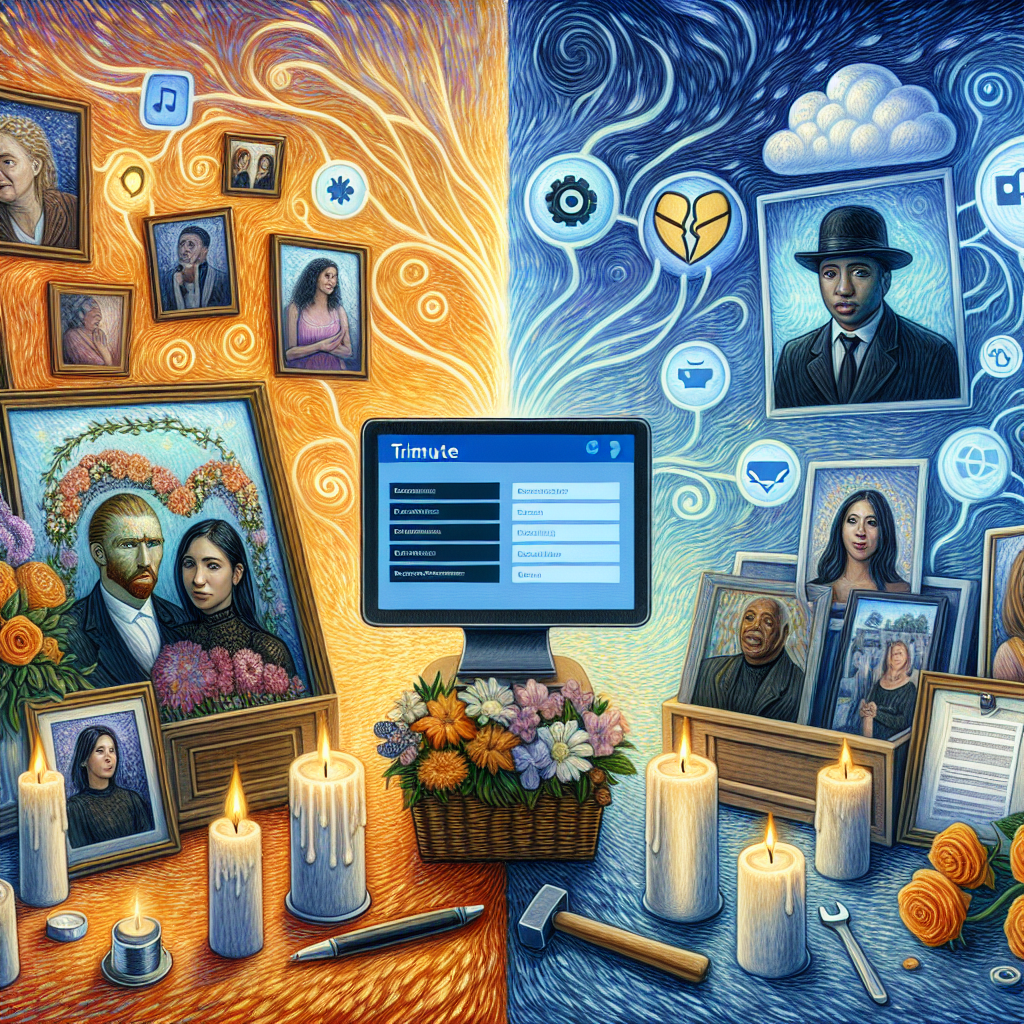
In What Ways Can Legacy Storytelling Foster Connections With Family?
In a world that thrives on speed and distraction, it’s easy to overlook the power of words passed down through generations. Enter Legacy Storytelling—a beautiful, age-old practice that not only preserves memories but also fosters an unbreakable bond between family members. This isn’t just about recounting tales from yesteryear. It’s about carving out a treasure trove of shared experiences that can offer insights, wisdom, and a stronger sense of identity.
Picture this: gathering around a fire or sitting at the kitchen table, with laughter bubbling up as family members share tales of triumphs and travails. These stories—whether about a grandparent’s hard-won victories or a sibling’s hilarious blunders—create a tapestry that ties the present to the past. They help us understand where we come from, grounding us in our family history. This connection is vital; in today’s world, a shared narrative can be the glue that holds families together amidst the chaos of modern life.
But Legacy Storytelling is not just about nostalgia. It serves as a powerful tool for emotional connection. When a family member shares a vulnerable moment—one filled with failures, fears, and fragility—it opens doors to empathy and strengthens trust. Listening to stories about struggles and resilience can inspire family members to confront their own challenges, knowing they’re not alone. They realize that their relatives faced similar hurdles and emerged stronger on the other side. In this way, stories create a lineage of support, resilience, and hope.
Moreover, these narratives can spark engaging conversations that transcend generations. Younger family members, often caught up in their own worlds, may find a deeper appreciation for their roots when they hear about their ancestors’ passions, dreams, and everyday lives. Each tale can ignite curiosity, prompting questions that lead to richer interactions. Those long-forgotten anecdotes can turn into invaluable lessons for the younger crowd, reinforcing morals and traditions that might otherwise fade into obscurity.
And let’s not forget the element of fun! Legacy Storytelling can be a delightful experience, laden with humor and unexpected twists. It brings families together in laughter, allowing them to bond over shared chuckles and eye-rolls at past antics, reinforcing the idea that it’s okay to be imperfect.
In short, embracing Legacy Storytelling offers more than just a trip down memory lane; it’s a pathway to deeper connections, understanding, and joy within the family.
In What Ways Can Legacy Storytelling Foster Connections With Family?
In What Ways Can Legacy Storytelling Foster Connections With Family?
- Legacy Storytelling preserves memories and fosters strong family bonds across generations.
- Sharing stories around a fire or kitchen table connects the present with the past.
- These narratives help families understand their history and strengthen identity.
- Storytelling serves as a tool for emotional connection, empathy, and trust.
- It inspires resilience by showcasing shared struggles and victories within the family.
- Younger members gain appreciation for their roots through tales of ancestors’ lives.
- Legacy Storytelling creates fun experiences that promote laughter and acceptance of imperfection.

In What Ways Can Legacy Storytelling Foster Connections With Family?
What Are Practical Steps To Begin Legacy Storytelling?
Legacy storytelling isn’t just a fancy term; it’s a lifeline, a way to preserve the essence of who we are and where we came from. It’s the art of passing down stories that shape family histories, community values, and personal experiences. So, let’s roll up our sleeves and dig into some practical steps to get started on your own legacy storytelling journey.
First, define your motivation. Why do you want to tell your story or preserve that of your family? It could be to honor ancestors, share life lessons, or simply to create a treasure trove of memories for future generations. Having a clear purpose can help steer your efforts and make the process more meaningful.
Next up, choose your medium. Are you more of a writer? Then a journal or blog might be your best bet. If you enjoy talking, consider recording audio or video reflections. Maybe you’re a visual storyteller; if so, scrapbooking or creating a family photo album could be your canvas. Whatever your preference, pick an avenue that resonates with you. You’ll find it much easier to pour out your heart when you’re comfortable with the medium.
Now, let’s talk about collecting raw material. Think of this as your research phase. Dig into family archives, old letters, photographs, or even recipes that have been passed down through generations. Talk to relatives; they often hold valuable nuggets of wisdom and anecdotal gold. Ask them about their own experiences and memories. You’ll be surprised at the stories that emerge when you create a safe space for sharing.
Once you have your material, it’s time to craft your narrative. Start by organizing your stories. Maybe you want to follow a chronological timeline, or perhaps thematically grouped tales are more your style. Weave in the details that give life to the narrative—settings, emotions, and lessons learned along the way. Be authentic; this is a reflection of you, your experiences, and your legacy.
Finally, don’t forget to share your story! Whether through family gatherings, community events, or digital platforms, sharing brings your stories to life and creates connections. You never know whose life you might touch or inspire, and that’s what legacy storytelling is all about: leaving a mark that transcends time and space. So get started today; your legacy is waiting to be told!

What Are Practical Steps To Begin Legacy Storytelling?
What Are Practical Steps To Begin Legacy Storytelling?
- Legacy storytelling preserves the essence of identity, family histories, and community values.
- Define your motivation for storytelling, whether to honor ancestors or create lasting memories.
- Choose a storytelling medium that resonates with you, such as writing, audio/video, or visual art like scrapbooking.
- Collect raw materials by researching family archives, old letters, and engaging relatives for their stories.
- Organize and craft your narrative authentically, focusing on details that bring your stories to life.
- Share your story through family gatherings, community events, or digital platforms to inspire others.
- Your legacy is waiting to be told—start your storytelling journey today!

What Are Practical Steps To Begin Legacy Storytelling?
What Role Does Legacy Storytelling Play In Personal Identity?
In a world increasingly dominated by fleeting moments and viral snippets, the concept of Legacy Storytelling stands as a stark reminder of our roots. It’s about grounding ourselves in the rich narratives of our past—those tales passed down through generations that mold us into who we are today. Legacy storytelling is not just an art; it’s a lifeline to our heritage and a cornerstone of personal identity.
When you hear stories about your grandparents or your great-aunts, you aren’t just hearing names; you’re unlocking a treasure chest of experiences, struggles, and triumphs. These narratives serve as the very fabric of our being, threading together lessons learned and values instilled. Legacy storytelling creates a bridge that connects the past to the present, allowing us to navigate our own lives with a greater sense of purpose.
Think about it: those stories often reflect the challenges faced by our ancestors. They endured hardships that shape our perspectives today. By sharing these tales, we cultivate a collective wisdom, reminding ourselves that we are part of something larger than just our individual journeys. It’s a powerful reminder of sacrifice, resilience, and the unwavering human spirit.
Moreover, legacy storytelling fosters a sense of belonging. We look for connections in our stories, a common thread that ties us to our communities, our families, and our histories. These narratives give us context, enriching our understanding of how we fit into the grand tapestry of life. Have you ever sat around a campfire, listening intently as a family member recounts a story of their youth? That shared moment transcends time, as you momentarily step into their shoes.
But here’s the kicker: legacy storytelling isn’t just about the past. It serves as a guidepost for our future. The values and lessons embedded in these stories can inform our decisions and shape our identities. They inspire us to carry forward the wisdom of those who came before, imploring us to live boldly and authentically.
In essence, legacy storytelling is an essential part of personal identity, encapsulating who we are, where we come from, and where we might be headed. It invites us to honor our roots while encouraging us to craft our own narratives—stories that will one day be shared with the next generation, thus keeping the cycle alive. As we tell and retell these tales, we embrace the richness of our heritage, ensuring that the tapestry of our identities continues to grow, evolve, and inspire.

What Role Does Legacy Storytelling Play In Personal Identity?
What Role Does Legacy Storytelling Play In Personal Identity?
- Legacy storytelling connects us to our roots and rich narratives from the past.
- Hearing stories about ancestors unlocks a treasure trove of experiences and values.
- These narratives help create a sense of purpose and understanding in our own lives.
- Shared stories reflect the challenges of ancestors, fostering collective wisdom and resilience.
- Legacy storytelling fosters belonging and connection to our communities and families.
- It serves as a guidepost for future decisions, embedding values that inform our identities.
- This practice ensures the continuity of personal narratives and the richness of our heritage.

What Role Does Legacy Storytelling Play In Personal Identity?
How Can Technology Enhance The Legacy Storytelling Process?
When it comes to Legacy Storytelling, the art of weaving together personal narratives and family histories, technology is like the Swiss Army knife of the modern storyteller. You see, storytelling has always been a critical connecting point for communities, families, and individuals, but marrying it with technology can enhance that process in ways we’re just beginning to explore.
To start, consider the sheer accessibility that technology provides. Gone are the days when you had to muster up the courage to sit with a tape recorder, hoping to catch your grandmother’s tales before time caught up with her. With smartphones, tablets, and user-friendly apps, anyone can document a family story in minutes. This democratization of Legacy Storytelling means that even the most tech-averse among us can capture precious moments and insights. It’s as simple as hitting record and letting the stories unfold.
Let’s not overlook the visual dimension. In the past, telling a story was often just about words—texts scrawled in a spiral notebook or narratives shared around a campfire. Today, digital tools allow us to incorporate photos, videos, and even animations. A story about a family picnic can now come alive with a slideshow of images, perhaps woven together with a voiceover of deliciously detailed anecdotes. The ability to create a multimedia experience makes the stories more engaging and immersive, allowing the audience to step right into those cherished memories.
Moreover, technology fosters collaboration. With platforms designed for sharing content, families can contribute from anywhere in the world. You can invite siblings, cousins, or even distant relatives to contribute their own stories and insights, enriching the overall narrative with diverse perspectives. Legacy Storytelling, once a solitary endeavor, is now a communal project that can bind families together, bridging generations and distances alike.
Let’s not forget about the preservation aspect. Digitally documenting these stories allows them to be stored and safeguarded against the ravages of time. Whether you choose to back everything up in the cloud or create a digital family archive, the beautiful tales of your ancestors won’t be lost to dusty attic boxes or fading photographs.
In essence, the marriage between technology and Legacy Storytelling is a match made in narrative heaven. By embracing the innovations at our fingertips, we not only preserve the past but also enhance the way we appreciate the stories that make us who we are. So grab that device, start sharing, and let the legacy live on!

How Can Technology Enhance The Legacy Storytelling Process?
How Can Technology Enhance The Legacy Storytelling Process?
- Legacy Storytelling combines personal narratives and family histories with modern technology.
- Technology increases accessibility, allowing anyone to document family stories easily.
- Digital tools enable the integration of multimedia elements like photos, videos, and animations into storytelling.
- Collaboration is fostered through online platforms, inviting contributions from family members worldwide.
- Digital documentation helps preserve stories against the passage of time.
- The combination of technology and Legacy Storytelling enhances our appreciation of personal and family narratives.
- Embracing these innovations allows us to share and sustain our legacies for future generations.

How Can Technology Enhance The Legacy Storytelling Process?
What Challenges Do People Face When Sharing Their Legacy Stories?
Ah, legacy storytelling—sounds like a noble pursuit, doesn’t it? But before you grab your pen or open that Word document, let’s dig into the muddy reality of what it means to share the threads of your life. It’s not just a stroll down memory lane; it’s often a bumpy ride with plenty of obstacles along the way.
First off, let’s talk about emotional hurdles. Diving into the past isn’t always a pleasant experience. Many individuals have rich, vibrant memories mixed with a healthy dose of pain, loss, and regret. Flipping through the pages of life can uncover all sorts of skeletons hiding in closets and emotional warts just waiting to be aired. For some, that’s a real challenge—they might question whether anyone even wants to hear about it. That hesitation can act like an anchor, weighing down the words that could otherwise flourish on the page.
Then there’s the craft of storytelling itself. Many folks feel they’re not natural storytellers, fearing their tales won’t capture the audience’s attention or wonder if their experiences even matter. The struggle to find the appropriate tone, the right words, and a cohesive narrative can be daunting. Crafting a compelling legacy story is akin to piecing together a jigsaw puzzle without the picture on the box: you have fragments, but assembling them into something coherent and meaningful takes time and effort.
Let’s not forget about family dynamics. When it comes to legacy storytelling, you might be surprised to find family members circling around like vultures. What one person sees as a cherished memory, another might view as a painful moment or an embarrassing anecdote. The fear of stirring up old conflicts or igniting new ones can make even the steeliest heart quail. Balancing honesty with diplomacy may necessitate some creative footwork, and let’s be real—everything is amplified when family is in the mix.
Lastly, we can’t ignore practical considerations—time, commitment, and logistics. Crafting your legacy isn’t just about the heart; it also requires a plan. Carving out time from busy schedules, gathering necessary materials, and possibly even learning new skills can seem overwhelming.
So, while the idea of legacy storytelling may glitter like gold, the process can feel more like mining in the mud. It’s messy, it’s complicated, and it’s absolutely worth it—if you’re willing to roll up your sleeves and dig in.

What Challenges Do People Face When Sharing Their Legacy Stories?
What Challenges Do People Face When Sharing Their Legacy Stories?
- Legacy storytelling is a noble yet challenging pursuit, involving emotional hurdles and complex memories.
- Diving into the past may reveal painful experiences, making some hesitant to share their stories.
- Many feel unqualified as storytellers, fearing their tales won’t engage audiences or matter.
- Crafting a legacy story requires effort, akin to assembling a jigsaw puzzle without a guiding image.
- Family dynamics can complicate storytelling, with differing perspectives on shared memories.
- Practical considerations, such as time and logistics, play a significant role in the storytelling process.
- Despite its challenges, legacy storytelling can be a rewarding endeavor when approached with commitment.

What Challenges Do People Face When Sharing Their Legacy Stories?
Conclusion
Well, folks, as we wrap up our journey through the importance of Legacy Storytelling, let’s take a moment to reflect on why this practice stands as a vital beacon in navigating the unpredictable waters of later life. Imagine life as a library, filled with chapters—good, bad, and everything in between. Each tale you tell serves not just to document your existence but to foster connections and provide a sense of purpose in the twilight years.
Legacy Storytelling is like a GPS for your soul, helping you chart a course through life’s turbulence, whether that be retirement, loss, or health challenges. By sharing your stories, you’re not simply reminiscing; you’re affirming your worth and the impact of your experiences. It’s a cathartic process that allows you to unravel the tangled knots of emotion and wrest meaning from the chaos that aging can sometimes bring. The sheer act of articulating your journey can remind you—not just you, but those who listen—of your resilience, triumphs, and the wisdom gleaned from both sunny days and stormy weather.
Now, let’s get to the heart of it: storytelling isn’t merely a solo endeavor. It’s a communal experience that strengthens bonds among family and friends. When you open up about your life, you gift others an opportunity to learn and grow. Those gatherings around a campfire or a cozy kitchen table become a tapestry woven with laughter, empathy, and shared struggles. The stories you tell ripple through generations, shaping moral compasses for your children and grandchildren.
Importantly, don’t underestimate technology in this mix. Gone are the days of scribbling in dusty journals or fumbling with clunky recorders. Today’s devices allow for dynamic storytelling, blending visuals and sounds into a rich narrative experience. You can preserve those golden memories in ways that will outlive you, creating a digital archive that keeps your legacy alive.
But let’s be real—it’s not all smooth sailing. The emotional tide can rise unexpectedly, dredging up painful memories or revealing old family rifts. It takes guts to put pen to paper or speak your truth, especially when the past can be a weighty burden. Yet, confronting these challenges is part of the beauty of Legacy Storytelling. It empowers you, reinforces your identity, and ensures that the fabric of your experiences continues to enrich lives—both yours and those of future generations.
So, grab that warm mug of tea—or maybe a strong cup of coffee—and take some time to reflect, share, and preserve your story. Because, at the end of it all, your legacy is a lighthouse, guiding you and others through the inevitable changes that life throws your way. Let’s keep the storytelling tradition alive; it’s a journey worth taking.

Conclusion
Conclusion:
- Legacy Storytelling serves as a vital tool for navigating later life challenges, offering a sense of purpose and connection.
- It helps individuals articulate their experiences, affirming their worth and resilience during retirement, loss, and health struggles.
- Storytelling is a communal experience that strengthens relationships among family and friends.
- Sharing stories creates opportunities for learning and bonding during gatherings, shaping the moral compass of future generations.
- Modern technology enhances storytelling by allowing dynamic and rich narrative experiences to preserve memories.
- Confronting painful past experiences through storytelling fosters personal empowerment and identity reinforcement.
- Your legacy can guide both you and others through life’s changes, making the storytelling tradition a worthy journey.

Conclusion
Other Resources

Other Resources
Here is a list of other resources you can review online to learn more:
- LifeSite
- MyHeritage
- Your Digital Afterlife
- Cake
- FindMyPast
- Memorial Matters
- LivingDNA
- StoryCorps
- 23AndMe
- Xarona
Use This Prompt To Get More Resources With Your Favorite Online AI Tool: Please provide me with a list of online articles with their URLs in a bulleted list that I can read regarding Why Is Legacy Storytelling Essential for Navigating Later Life Changes?

Other Resources
Glossary Terms
Why Is Legacy Storytelling Essential for Navigating Later Life Changes? – Glossary Of Terms
1. Legacy: The impact and memories a person leaves behind, often comprising values, stories, and life lessons passed on to future generations.
2. Storytelling: The art of sharing stories, which can convey personal experiences, ideals, and lessons learned throughout one’s life.
3. Reflection: The process of thinking deeply about one’s past, helping individuals understand their experiences and emotions related to changes in later life.
4. Identity: The sense of self that can be shaped by personal stories and experiences, significantly influencing how one navigates life transitions.
5. Meaning: The significance or purpose that individuals attribute to their life experiences, crucial for understanding personal narratives and coping with change.
6. Connection: The emotional bonds formed with others through shared stories, reinforcing relationships and community in later life.
7. Narrative: A structured account of events or experiences, forming the backbone of legacy storytelling and providing coherence to one’s life journey.
8. Resilience: The ability to recover from challenges and adapt to change, often strengthened through the process of storytelling and reflection.
9. Coping: Strategies and processes individuals use to manage stress and emotional turmoil associated with life transitions, often aided by sharing stories.
10. Empathy: The capacity to understand and share the feelings of others, cultivated through listening to and sharing stories from different perspectives.
11. Intergenerational: Relating to or involving multiple generations, highlighting the importance of storytelling in bridging the gap between ages.
12. Tradition: Established customs or practices passed down through generations, often embedded within personal and cultural narratives.
13. Wisdom: Insights and knowledge gained from life experiences, often shared through storytelling as a form of legacy.
14. Therapeutic: Relating to healing, storytelling can serve as a therapeutic tool that promotes mental well-being during significant life changes.
15. Grief: The deep sorrow associated with loss, where storytelling can help individuals process emotions and find solace.
16. Closure: The psychological sense of resolution at the end of a life chapter, which can be fostered through reflective storytelling.
17. Motivation: The driving force behind actions, often explored and understood through personal storytelling and shared experiences.
18. Authenticity: The quality of being genuine and true to oneself, significant in legacy storytelling where vulnerability enhances connection.
19. Purpose: The overarching reason or intention behind one’s life choices and actions, often clarified through reflective narratives.
20. Cultural Heritage: The shared beliefs, practices, and stories of a community, contributing to individual identity and legacy.
21. Life Review: A reflective practice where individuals revisit and evaluate their life experiences, often leading to insights and storytelling.
22. Holistic: An approach that considers the individual as a whole, integrating emotional, mental, and social aspects in understanding life changes.
23. Vulnerability: The openness to share one’s struggles and emotions, crucial for authentic storytelling and building deeper connections.
24. Narrative Therapy: A therapeutic approach that uses storytelling as a means to help individuals reframe experiences and find meaning.
25. Continuity: The sense of connection with the past, which is often reinforced through legacy storytelling and shared family histories.
26. Legacy Project: A planned effort to document and share personal stories and experiences, ensuring that one’s legacy is preserved for future generations.
27. Resourcing: The process of identifying and utilizing internal and external supports, including stories, during times of transition.
28. Aging: The process of growing older, encompassing physical, emotional, and social changes that can be navigated through storytelling.
29. Communal Narrative: The shared stories of a community that help shape identity and collective memory, strengthening bonds among members.
30. Interpersonal Skills: Skills that facilitate effective communication and relationships, fostered through engaging in storytelling with others.
These terms reflect the complexity and importance of legacy storytelling in coping with and navigating the various changes that occur later in life.

Glossary Of Terms
Other Questions
Why Is Legacy Storytelling Essential for Navigating Later Life Changes? – Other Questions
If you wish to explore and discover more, consider looking for answers to these questions:
- What are the key benefits of engaging in Legacy Storytelling?
- How can Legacy Storytelling help with grief and loss?
- What specific techniques can be used for effective Legacy Storytelling?
- Are there cultural variations in how Legacy Storytelling is practiced?
- What role does listening play in the process of Legacy Storytelling?
- How can individuals successfully create a family history book?
- What resources are available for those interested in starting Legacy Storytelling?
- How can Legacy Storytelling improve intergenerational relationships?
- What impact does Legacy Storytelling have on communities?
- How do modern technology tools specifically enhance storytelling?

Other Questions
Haiku
Why Is Legacy Storytelling Essential for Navigating Later Life Changes? – A Haiku
Threads of our stories,
Weaving wisdom through the years,
Legacy’s embrace.

Haiku
Poem
Why Is Legacy Storytelling Essential for Navigating Later Life Changes? – A Poem
In the quiet embrace of twilight years,
Life’s chapters unfold, laced with joys and fears.
Changes loom—retirement, loss,
Seismic shifts that challenge the soul’s gloss.
Yet within us all lies a powerful thread,
Stories woven softly, memories spread.
Legacy storytelling, a guiding light,
A balm for the heart in the dark of night.
We gather ’round tables, or firesides glow,
Sharing tales of triumph, of sorrow, and woe.
Each narrative anchoring our sense of worth,
Reminding us gently of our place on this Earth.
From wisdom of ancestors to laughter of kin,
These stories unite us, a tapestry spun thin.
Connected we stand, through struggles and grace,
For legacy shapes how we navigate space.
Authentic and bold, we honor the past,
With every word spoken, with every tale cast.
In this act of sharing, we find common ground,
Empathy blooms, and connection is found.
Technology bridges the gaps of our stories,
Capturing moments, immortalizing glories.
Yet, challenges linger—emotions run deep,
As we sift through memories, both joyous and steep.
With courage, we face the ghosts that arise,
Crafting our narratives, echoes of skies.
For in every tale, there lies strength untold;
A legacy formed, a treasure to hold.
So let us embrace the stories we weave,
For they are our lifeline, our roots to believe.
As we sip our tea or gather in grace,
In sharing our tales, we find our true place.

Poem
Checklist
Why Is Legacy Storytelling Essential for Navigating Later Life Changes? – A Checklist
Define Your Purpose
_____ Identify why you want to tell your stories (e. g. , to honor ancestors, share lessons, create a family archive).
Choose Your Medium
_____ Decide how you want to share your stories (e. g. , journaling, blogging, video recording, scrapbooking).
Gather Raw Material
_____ Collect family documents, photographs, letters, recipes, and other memorabilia.
_____ Schedule interviews with relatives to gather their stories and perspectives.
Organize Your Stories
_____ Determine the structure of your narrative (chronological order or thematic grouping).
_____ Identify key details to include (settings, emotions, significant lessons).
Craft Your Narrative
_____ Write down your stories authentically while ensuring they reflect your voice and experiences.
_____ Revise and edit your narratives to improve clarity and engagement.
Share Your Story
_____ Organize family gatherings or community events to narrate your stories.
_____ Utilize digital platforms to share with a wider audience (social media, blogs, family websites).
Foster Connections
_____ Encourage family members to share their stories in response.
_____ Create a tradition of storytelling within your family, perhaps during family reunions or holidays.
Embrace Technology
_____ Use recording apps to easily document stories when they come to mind.
_____ Explore multimedia options (photos, videos) to enhance your narratives and make them more engaging.
Reflect and Promote Emotional Well-Being
_____ Acknowledge and work through any emotional challenges stemming from storytelling.
_____ Focus on the positive outcomes of sharing stories such as personal healing and stronger family bonds.
Continually Update Your Legacy
_____ Revisit and revise your stories over time to add new perspectives or lessons learned.
_____ Stay open to new stories emerging from family gatherings or informal conversations.
Address Challenges Head-On
_____ Prepare for emotional hurdles by acknowledging painful memories and seeking support.
_____ Approach family dynamics tactfully to minimize conflict during storytelling.
By following this checklist, you can embark on a meaningful journey of legacy storytelling that not only preserves your narrative but strengthens emotional connections with your loved ones. Happy storytelling!

Checklist
At LegacyExplorations, we help people plan and explore their legacy by collecting information and news regarding end-of-life planning.
Please share this post with your friends, family, or business associates who may want help to plan or explore their legacy.