

Unraveling The Challenge Of Preserving Family Narratives
By Tom Seest
At LegacyExplorations, we help people plan and explore their legacy by collecting information and news regarding end-of-life planning.
Please share this post with your friends, family, or business associates who may want help to plan or explore their legacy.
Why Is Preserving a Personal Story So Formidable for Parents?
When it comes to parenting, many challenges spring to life. From sleepless nights to navigating school applications, the trek can feel as dizzying as it is rewarding. Yet, there’s an aspect of parenting that often gets sidelined amidst the chaos—legacy storytelling. Now, you might be asking: what does telling stories have to do with the tangled web of parenting? The answer lies in the deeper connection that these stories create.
Think about your own experiences growing up. Remember the tales your parents or grandparents shared around the dinner table? Those anecdotes, often colorful and exaggerated, serve as more than mere entertainment; they shape our identities. As parents, we hold an immense responsibility to cultivate this rich narrative thread for our children. But preserving a personal story is no easy task. Why? Because it requires us to sift through the chaos of our lives, confront our vulnerabilities, and package our experiences into something meaningful.
When you take the time to reflect on your own journey and articulate it for your children, you’re not just recounting events; you’re crafting an heirloom. You’re giving your kids a map to navigate their own lives—a compass that points them toward resilience in the face of adversity. Imagine the power they’ll harness from your tales of overcoming failures or myriads of life’s curveballs. A simple story about how you tackled a rough patch can engrave lessons that are infinitely more valuable than any section of a textbook.
Yet, as parents, we often feel bogged down by the day-to-day hustle. Finding the time or courage to dive into those deeper waters can seem formidable. But here’s the secret sauce: storytelling doesn’t require perfection. It doesn’t hinge on grand gestures. Instead, it thrives in the small, genuine moments that connect us all—the laughter, the struggles, and even the awkward silences.
So, as you reflect on your own life, consider dusting off those personal stories that have shaped you. Whether you share them by gathering around the dinner table or scribbling them down for future generations, know that you are not only preserving a legacy but also fostering a sense of belonging for your children. In a world that often feels fragmented, your stories can be the glue that holds their understanding of family—and identity—together. And that, my friends, is worth every effort.

Why Is Preserving a Personal Story So Formidable for Parents?
Why Is Preserving a Personal Story So Formidable for Parents?
- Parenting presents various challenges, from sleepless nights to school applications.
- Legacy storytelling is often overlooked but creates deeper connections between parents and children.
- Personal stories shared can shape children’s identities and provide valuable life lessons.
- Preserving personal stories requires reflection and confronting vulnerabilities.
- Sharing experiences helps children navigate their own lives and build resilience.
- Storytelling thrives in genuine moments, rather than requiring grand actions or perfection.
- Your stories can provide a sense of belonging and understanding of family identity for your children.

Why Is Preserving a Personal Story So Formidable for Parents?
Table Of Contents
- Why Is Preserving a Personal Story So Formidable for Parents?
- Why Is Capturing Family History Important For Parents?
- What Challenges Do Parents Face In Storytelling?
- How Can Parents Overcome Their Fear Of Sharing Personal Stories?
- How Do Personal Stories Strengthen Family Bonds?
- What Tools Can Help Parents Document Their Stories Effectively?
- How Can Parents Encourage Children To Share Their Own Stories?
- What Are The Long-Term Benefits Of Preserving Personal Narratives?
- Conclusion
- Other Resources
- Glossary Of Terms
- Other Questions
- Haiku
- Poem
- Checklist
Why Is Capturing Family History Important For Parents?
Let’s face it: life moves at breakneck speed. One moment you’re changing diapers and the next your little ones are off to college. In the hustle and bustle of daily life, it’s easy to overlook a treasure trove right in your own backyard—your family history. Think of it as Legacy Storytelling: an art form that, when practiced, enriches your family’s narrative and deepens connections across generations.
Imagine gathering around the dinner table and sharing stories that have been passed down, piecing together a quilt of experiences, laughs, and even a few tears. Every aunt and uncle, every grandparent and distant cousin adds a stitch to this quilt, hiding bits of wisdom within narratives that can teach, inspire, and anchor future generations. It’s more than just nostalgia; it’s anchoring your children to a legacy that stretches back through time.
Why does this matter? Well, the stories that shape us often carry the weight of life lessons and moral grounding. When kids understand where they come from—stories of resilience, humor, love, and hardship—they gain a stronger sense of self. They learn that they are part of something bigger than themselves—an intricate web of experiences that span years, cultures, and choices. It becomes a form of life education that parents can’t get from textbooks alone.
But capturing family history isn’t just something for the history buffs or scrapbook enthusiasts. It’s an accessible practice that anyone can embrace. A simple gathering can magically transform into a storytelling session, where everyone takes turns sharing their favorite memories. Why not grab your phone, start a video, or jot down some notes? You don’t need a fancy setup. It’s the authenticity of these moments that will resonate; the shaky camera, the laughter, and even those awkward pauses will make it real.
So take the plunge! Start today. Encourage your kids to ask questions, dig deeper, and share their own tales. You’ll be amazed at what unfolds. By fostering this practice of Legacy Storytelling, you’re not just capturing memories—you’re laying the groundwork for a sturdy bridge that will connect your family, today and far into the future. Don’t let the whirlwind of life pass your family’s incredible journey by; embrace it, celebrate it, and watch as it strengthens your family’s roots.

Why Is Capturing Family History Important For Parents?
Why Is Capturing Family History Important For Parents?
- Life moves quickly, making it easy to overlook family history.
- Legacy Storytelling enriches family narratives and deepens generational connections.
- Sharing stories around the dinner table creates a quilt of experiences that teach and inspire.
- Understanding family origins instills a stronger sense of self and moral grounding in children.
- Anyone can capture family history through simple gatherings and storytelling sessions.
- Authenticity in storytelling—like shaky cameras and laughter—makes moments memorable.
- Encouraging kids to ask questions fosters connections and strengthens family roots for the future.

Why Is Capturing Family History Important For Parents?
What Challenges Do Parents Face In Storytelling?
Let’s be real for a moment—storytelling as a parent can sometimes feel like climbing a mountain in flip-flops. You’ve got a hell of a view ahead, but the path is steep, littered with unexpected bumps and, let’s not forget, those little “detour” signs that pop up out of nowhere, which we lovingly refer to as toddler tantrums.
First off, there’s the challenge of engaging your audience. Kids are notoriously fickle. One minute, they’re hanging on your every word, and the next, they’re off contemplating the existential significance of their shoelaces. As parents, we crave that connection. We want to share our legacy through storytelling—tales of bravery, morality, and family traditions that shape who we are. But how do you keep a story riveting when, let’s face it, “Once upon a time” isn’t always cutting it anymore?
Then, there’s the issue of content. What do you share? There’s a fine line between captivating stories and those that might make them roll their eyes or worse, lose interest. Should you recount your grandparent’s whimsical mishaps or those less-than-perfect moments from your own childhood? Remember, kids don’t have the same attachment to your past, no matter how colorful or rich. The challenge here is to draw parallels between your story and their world, to introduce themes that resonate with their lived experiences, while also allowing your personal history to weave into that narrative fabric.
Let’s also talk about emotions. Storytelling can strike a chord that resonates beyond mere entertainment. Picking the right moment to dive into deeper themes, like loss or kindness, can be tricky. You want your children to grasp these ideals, but you also don’t want to send them off with nightmares of dragons and lost opportunities. Emotional storytelling requires a steady hand and an authentic heart—trust your instincts as a parent to navigate these waters with care.
Ultimately, storytelling is a rite of passage, a legacy you pass on. It’s about connecting, inspiring, and instilling values that last long after the lights go out. Embrace your imperfections, lean into your stories, and remember that every missed punchline or botched punch makes your storytelling even more relatable. You’re in this together, and that bond—that’s the true heart of the story. So gear up, parents; adventure awaits!

What Challenges Do Parents Face In Storytelling?
What Challenges Do Parents Face In Storytelling?
- Storytelling as a parent can be challenging and unpredictable, akin to climbing a mountain in flip-flops.
- Engaging children in stories is difficult as their attention can quickly waver.
- Parents want to share meaningful stories of bravery, morality, and family traditions but struggle to keep them interesting.
- Finding the right content is tricky; stories must resonate with children’s experiences to maintain interest.
- Emotional storytelling requires balance; deep themes should be approached carefully to avoid fear or anxiety.
- Storytelling is a legacy that connects, inspires, and instills values, enhancing the parent-child bond.
- Embrace imperfections in storytelling—relatability strengthens the connection between parents and children.

What Challenges Do Parents Face In Storytelling?
How Can Parents Overcome Their Fear Of Sharing Personal Stories?
How Can Parents Overcome Their Fear of Sharing Personal Stories?
Let’s face it: sharing personal stories can feel like standing in front of a room full of people in your underwear. It’s vulnerable, exposing, and just plain scary. But here’s the thing—those stories, no matter how mundane or embarrassing they may seem, hold the power to create connections that span generations. We call this “Legacy Storytelling,” and it’s time we learned to embrace it.
First, let’s unpack that fear. As parents, we often feel the weight of expectations—not just from our kids, but from ourselves. We want to present an image of authority, competence, and control. But let’s be real: no one has it all figured out. By sharing your personal experiences, whether triumphs or missteps, you send a powerful message to your children: “It’s okay to be human.” You become relatable. More importantly, you’re giving them an invaluable glimpse into your life, fostering understanding and strengthening your bond.
So how do you start? The next time you’re huddled around the dinner table, try recalling a story from your childhood—maybe the time you did something silly at school, or the lesson you learned from a summer job gone wrong. The details don’t need to be polished; the imperfections add character. This is where the magic happens. Your kids will light up, eager to hear more. They’ll ask questions, share laughs, and suddenly, you’re not just their parent; you’re a person they admire and want to learn from.
After all, storytelling isn’t merely about recounting events; it’s about forming connections and creating a sense of belonging. You’re weaving a narrative that includes them, and that’s a gift they’ll carry with them long after you’re gone. It becomes their legacy too—a tapestry of shared experiences, values, and life lessons.
Lastly, remember: storytelling is a skill you can develop over time. Start small. Share a snippet of a story, discuss the lessons learned, or talk about the emotions you felt. The more you practice, the more comfortable you’ll become. Before you know it, those fears will begin to fade, replaced by the joy of connection that comes from being open and authentic.
So rise to the occasion. Embrace your own narrative and watch as it inspires your children to share theirs. After all, we each have a story to tell—it’s time we invite our families into the chapters of our lives.

How Can Parents Overcome Their Fear Of Sharing Personal Stories?
How Can Parents Overcome Their Fear Of Sharing Personal Stories?
- Sharing personal stories can be daunting, similar to being exposed in front of an audience.
- Legacy storytelling fosters connections across generations and is key to deeper family bonds.
- Parents often feel pressured to appear competent, but vulnerability can enhance relatability.
- Sharing stories, both successes and failures, teaches children that it’s okay to be human.
- Starting with everyday moments, like childhood anecdotes, can make storytelling engaging.
- Storytelling not only recounts events but creates belonging and shared values within families.
- Practicing storytelling gradually helps parents become comfortable and inspires children.

How Can Parents Overcome Their Fear Of Sharing Personal Stories?
How Do Personal Stories Strengthen Family Bonds?
There’s something undeniably powerful about sharing personal stories within families. It’s not simply a matter of recounting things that happened; it’s about weaving a tapestry of shared experiences that brings us closer together. It’s what I like to call “legacy storytelling.” The moments we choose to share or, better yet, the moments we’re encouraged to share often become the foundation upon which we build our family narratives.
Picture this: you’re sitting around a dinner table, plates piled high with food, laughter echoing off the walls. Someone cracks open a memory from years past—a family vacation gone hilariously wrong, or the tales of an ancestor who took a risk that changed the course of their lives. Suddenly, the room shifts. Faces lean in, eyes widen, and for a brief moment, the world outside fades away. In those storytelling moments, family history transcends mere facts. It becomes alive, tangible, and reachable.
Legacy storytelling allows us to connect by bridging generations. Those awkward family reunions where the cousin nobody knows shows up? They suddenly transform when someone starts sharing those legendary tales from days gone by. When we share our stories, we’re not just passing the time; we’re handing down values, traditions, and even life lessons. You’d be surprised at how a simple story can illuminate what it means to be part of a family—showing us not just who we are, but who we could become.
Imagine the children in your family; as they listen, they’re not just hearing about the “good old days.” They’re receiving their inheritance of wisdom, resilience, and humor. You’re giving them a piece of their heritage, a roadmap through the chaos of life. It’s those humorous misfires and heartfelt moments that resonate long after the stories are told. They’ll carry that sense of belonging with them, anchoring them in a world that can sometimes feel uncertain.
So, next time you gather with family, don’t be afraid to dig into those stories. Whether they’re filled with joy, sorrow, laughter, or lessons learned, embrace those moments. Each shared story strengthens the ties that bind us, reminding us that we are not just a group of individuals; we are a legacy of shared experiences, and together, we’re crafting a narrative that will ripple through generations to come.

How Do Personal Stories Strengthen Family Bonds?
How Do Personal Stories Strengthen Family Bonds?
- Sharing personal stories within families fosters closeness and connection.
- This practice is termed “legacy storytelling,” intertwining shared experiences to build family narratives.
- Storytelling transforms moments at gatherings, making family history more alive and tangible.
- It bridges generations, turning family reunions into transformative experiences through shared tales.
- Stories hand down values, traditions, and life lessons, helping define family identity and aspirations.
- Children receive an inheritance of wisdom and humor, anchoring them amidst life’s uncertainties.
- Embracing shared stories during family gatherings strengthens bonds and contributes to an ongoing legacy.

How Do Personal Stories Strengthen Family Bonds?
What Tools Can Help Parents Document Their Stories Effectively?
In the hustle and bustle of parenthood, you might find it tough to carve out those precious moments to document your family’s journey. But let me tell you, the art of storytelling isn’t just for the great writers or filmmakers; it’s a universal experience, one that every parent lives out daily. Your family’s legacy is a tapestry woven from your unique stories, and there are plenty of tools ready to help you capture it. No need to feel intimidated; think of these tools as trusty sidekicks in your quest for legacy storytelling.
First up, let’s talk about good old-fashioned notebooks or journals. You might think, “But pen and paper? Isn’t that a bit old school?” Well, let me tell you, there’s something magical about putting pen to paper. It slows down time, allowing you to reflect. Whether you’re jotting down a heartfelt memory from your child’s first day of school or recording silly quotes that leave the whole family in stitches, a journal can become a cherished keepsake.
If you’re more inclined toward the digital world, don’t fret! There are countless apps designed for memory keeping. Applications like Day One transform the everyday into the extraordinary by allowing you to capture moments with ease. You can snap photos, audio record your thoughts, or even add geolocation tags to remind you where that beautiful memory bloomed. Integrating technology into your legacy storytelling doesn’t mean you lose the soul of your tales—instead, it enhances it!
For the tech-savvy among us, consider delving into video storytelling. Platforms like YouTube or private family channels can serve as your personal video diaries. A simple smartphone is a powerful tool here. Just imagine the joy of revisiting those clips in the years to come: family vacations, birthdays, or simply the kids laughing together in the living room. Those visual memories have a way of keeping your family bond strong, even as the years go by.
Lastly, don’t underestimate the power of storytelling circles. Gather your loved ones to share tales around the dinner table. It doesn’t have to be formal; just a heartwarming exchange of stories can turn into a treasure trove of memories. These conversations can then be recorded and transformed into a legacy that connects generations.
So, whether you’re a notebook enthusiast, a digital wizard, a home videographer, or a conversational storyteller, each method has its merits. Embrace your preferred way—and begin constructing your family’s legacy, one story at a time.

What Tools Can Help Parents Document Their Stories Effectively?
What Tools Can Help Parents Document Their Stories Effectively?
- Parenthood can make it difficult to document family moments.
- Storytelling is a universal experience that every parent engages in.
- Notebooks and journals are powerful tools for capturing memories.
- Digital apps like Day One can help transform everyday moments into cherished memories.
- Video storytelling through platforms like YouTube is a great way to preserve visual memories.
- Storytelling circles with loved ones provide an opportunity to share and record family tales.
- Embrace your preferred storytelling method to build your family’s legacy.

What Tools Can Help Parents Document Their Stories Effectively?
How Can Parents Encourage Children To Share Their Own Stories?
Gather around, folks, because today we’re diving into something that’s as old as time itself—storytelling. It’s not just the stuff of fairy tales or legendary sagas; it’s a way for children to connect with their world, and as parents, you have a front-row seat to the spectacle. Legacy storytelling is not just about the grand tales from generations past; it’s about the unique stand-alone stories your kids are crafting in their own lives, right here and now.
First, let’s talk about the power of listening. When your child bursts through the door, bubbling with excitement (or frustration), the last thing you want to do is dismiss their feelings. Turn off those distractions—put down your phone, close the laptop—and open your ears. Encourage your child to share what’s on their mind; you might be surprised at the nugget of creativity they hand over. Trust me, when kids feel heard, they’re much more inclined to recount their experiences.
Next up, create a storytelling environment that feels safe and inviting. Think of it as building a nest—or heck, like a cozy campfire under the stars. Maybe it’s a weekly family story night or simply snuggling up with a book. You want your child to feel that it’s okay to share their own stories, no matter how big or small. Encourage this space by sharing your own tales too. Let them see that everyone has a history, complete with both triumphs and challenges. You’ll be surprised at how sharing your stories can inspire them to open up about theirs.
Don’t forget the art of prompting. Sometimes, kids just need a gentle nudge. Ask open-ended questions like, “What was the best part of your day?” or “Can you tell me about your favorite game?” These questions give them room to breathe and think creatively. It’s like igniting the spark that lights the fire of legacy storytelling.
And finally, celebrate their stories. Whether it’s a drawing, a recount of their day, or an imaginative tale, spotlight their creativity. Display their artwork, read their stories aloud, or engage in playful discussions about their narrative twists. When children realize their stories are valued, it builds trust and confidence in sharing even more.
So, parents, roll up your sleeves and get involved. Your enthusiasm can turn simple moments into powerful experiences. It’s not just about the stories; it’s about fostering a connection that can flourish for generations to come.

How Can Parents Encourage Children To Share Their Own Stories?
How Can Parents Encourage Children To Share Their Own Stories?
- Storytelling is a timeless way for children to connect with their world.
- Listening to your child’s feelings fosters creativity and encourages them to share their experiences.
- Create a safe and inviting storytelling environment, like a cozy family story night.
- Encourage children to share their stories by sharing your own experiences and challenges.
- Use open-ended questions to prompt storytelling and ignite creativity.
- Celebrate their stories through artwork, readings, and discussions to build trust and confidence.
- Fostering storytelling connections can create lasting bonds for generations.

How Can Parents Encourage Children To Share Their Own Stories?
What Are The Long-Term Benefits Of Preserving Personal Narratives?
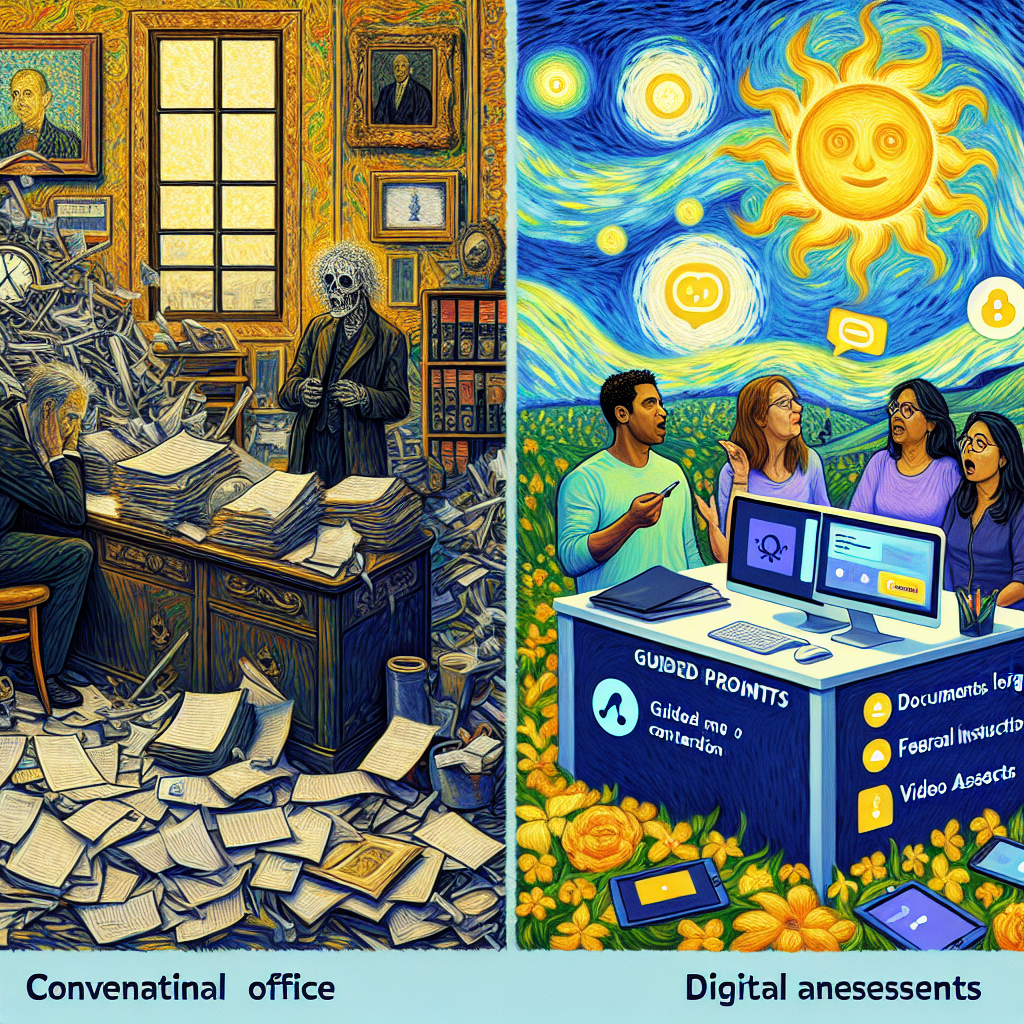
There’s something profoundly human about storytelling. It’s how we connect, how we relate to one another, and how we make sense of the world around us. When it comes to preserving personal narratives, we’re engaging in what I like to call “Legacy Storytelling.” It’s more than just recounting what happened; it’s about capturing the essence of who we are and where we came from. By documenting our personal stories, we ensure that the values, lessons, and quirks that make us unique survive long after we’re gone.
Imagine sitting around a table with family, sharing tales from decades past. Those shared laughs, the gasps at unexpected twists, the moments of silence at the painful ones—all of it weaves a rich tapestry of experience that connects generations. These narratives aren’t merely entertainment; they’re a bridge. They link the younger generations to their roots, helping them understand who they are in a world that often feels disconnected.
Preserving personal narratives also fosters a sense of resilience. In difficult times, a story can serve as a beacon of hope. It can remind us that we’re not alone; others have walked similar paths and emerged, often stronger. Stories of struggle and triumph illuminate the way forward, infusing a renewed sense of purpose and tenacity.
Moreover, let’s not forget the impact on mental health. Engaging in Legacy Storytelling can be cathartic. It allows for reflection and processing, helping us to make sense of our experiences. In sharing our narratives, we validate our emotions and experiences, promoting healing. The simple act of writing or speaking about our lives can reduce anxiety and foster a sense of belonging—ingredients vital for a fulfilled life.
By prioritizing the preservation of our personal stories, we actively recognize the important legacy we leave behind. It’s not just about preserving memories; it’s about laying down a foundation for future generations. Our stories can teach lessons, evoke empathy, and encourage dialogue across the ages. They serve as a call to action—the call to remember, to cherish our experiences, and to share them.
So pick up that pen, record that voice, or gather family around for that long-awaited storytelling night. The benefits, both for you and those who come after, will be immeasurable. Your narrative is valuable, and it deserves to be told.
What Are The Long-Term Benefits Of Preserving Personal Narratives?
What Are The Long-Term Benefits Of Preserving Personal Narratives?
- Storytelling is a fundamental human activity that fosters connection and understanding.
- “Legacy Storytelling” captures personal narratives, preserving the essence of who we are.
- Shared stories across generations help link younger individuals to their roots and identities.
- Personal narratives can promote resilience by reminding us that we are not alone in our struggles.
- Legacy Storytelling has mental health benefits, allowing for reflection and emotional validation.
- Preserving personal stories lays a foundation for future generations and facilitates empathy and dialogue.
- Encouraging storytelling through writing or sharing can have immeasurable benefits for individuals and their descendants.

What Are The Long-Term Benefits Of Preserving Personal Narratives?
Conclusion
As we wrap up our journey through the rich and messy world of parenting and storytelling, it’s clear that preserving personal stories is not just an optional endeavor; it’s an essential part of family life. Mike Rowe here to tell you, this isn’t just some feel-good fluff; it’s about legacy storytelling—a powerful tool that binds families together across generations.
Think about it. From the moment you bring a tiny human into this world, you’re holding the baton in a relay that’s been passed down through generations. But here’s the twist: life is busy. We’re often neck-deep in day-to-day chaos, juggling school pick-ups, soccer practices, and everything in between. Amidst the whirlwind, we can easily overlook the treasure trove of family stories just waiting to be shared. Yet, these narratives are the lifeblood of identity. They provide context, shape character, and foster a sense of belonging.
Sharing tales doesn’t require grandiosity, just authenticity. Remember that time you bombed the family barbecue or the lessons you learned the hard way? Those awkward, imperfect stories do more than entertain; they cultivate connection and resilience in your kids. They show them that disappointment is a part of life and that laughter can often stem from the most chaotic moments.
Now, let’s talk about challenges. Sure, engaging a child in a riveting story may seem as daunting as taming a wild stallion. One minute they’re all ears, and the next, they’re distracted by something shiny. But fear not; you’ve got the upper hand. By listening and showing genuine interest in their own adventures, you create an inviting space where meaningful storytelling can flourish. It’s about building a culture of sharing—where everyone feels free to voice their own experiences.
Remember, every anecdote is like a piece of a vast puzzle, and by putting those pieces together, you’re crafting a family narrative that enriches your lineage. So, grab that old notebook, fire up a video camera, or simply sit down for a heart-to-heart at dinner. Document these stories. After all, at the end of the day, it’s these shared experiences—filled with laughter, tears, and lessons learned—that become the foundation of your family’s legacy. Embrace the chaos, relish the imperfections, and weave those narratives into the fabric of your family. Because in this big, wild adventure called parenting, your stories might just be the most valuable inheritance you can leave behind.

Conclusion
Conclusion:
- Preserving personal stories is essential for family life and legacy storytelling.
- From the start of parenting, you inherit the responsibility of passing down stories.
- Amidst daily chaos, family stories often go unnoticed but are vital for identity and belonging.
- Authenticity in sharing tales, even awkward moments, fosters connection and resilience in children.
- Engaging children in storytelling can be challenging, but genuine interest in their stories helps.
- Each anecdote contributes to a rich family narrative, solidifying your lineage.
- Document family stories to create a legacy filled with shared experiences and valuable lessons.

Conclusion
Other Resources

Other Resources
Here is a list of other resources you can review online to learn more:
Use This Prompt To Get More Resources With Your Favorite Online AI Tool: Please provide me with a list of online articles with their URLs in a bulleted list that I can read regarding Why Is Preserving a Personal Story So Formidable for Parents?

Other Resources
Glossary Terms
Why Is Preserving a Personal Story So Formidable for Parents? – Glossary Of Terms
1. Autobiography: A narrative of a person’s life written by that person, often capturing personal experiences and emotions.
2. Legacy: Something handed down from one generation to another, which can include values, stories, and memories.
3. Nostalgia: A sentimental longing for the past, often triggered by personal stories and memories associated with upbringing.
4. Identity: The qualities, beliefs, and experiences that make a person who they are; often shaped by personal stories.
5. Cultural Heritage: Traditions, customs, and stories passed down through generations that contribute to a family or community’s identity.
6. Connection: The emotional bond formed between individuals, particularly between parents and children through shared stories.
7. Resilience: The capacity to recover quickly from difficulties; personal stories can illustrate this quality in family histories.
8. Memory: The faculty by which the mind stores and remembers information; personal stories often center around significant memories.
9. Reflection: The process of thinking deeply about one’s life experiences; essential in crafting and preserving personal narratives.
10. Narrative: A spoken or written account of connected events; personal stories are often conveyed through narratives.
11. Family Dynamics: The patterns of interactions and relationships among family members; personal stories can reveal these interactions.
12. Empathy: The ability to understand and share the feelings of another; storytelling fosters empathy between parents and children.
13. Wisdom: Knowledge gained through experience; personal stories often carry lessons and insights that contribute to family wisdom.
14. Vulnerability: The state of being open to emotional danger; sharing personal stories requires a level of vulnerability from parents.
15. Tradition: Customs or beliefs passed down through generations; personal stories often serve to uphold family traditions.
16. Documentation: The act of preserving stories in written or recorded form to ensure they are remembered and shared.
17. Therapeutic: Having a healing effect; the process of sharing personal stories can be therapeutic for parents.
18. Intergenerational: Relating to or affecting multiple generations; personal stories often bridge generational gaps within families.
19. Storytelling: The art of conveying stories to a group; a powerful tool for parents to share values and traditions.
20. Catharsis: The release of emotional tension through storytelling; parents may experience catharsis when sharing personal narratives.
21. Engagement: The act of being involved or participating; preserving personal stories encourages family engagement and bonding.
22. Preservation: The act of maintaining or protecting something; parents strive to preserve their stories for future generations.
23. Authenticity: The quality of being genuine; personal stories are often valued for their authentic representation of life experiences.
24. Bonding: The process of developing close relationships; storytelling can strengthen the bond between parents and children.
25. Curation: The act of selecting, organizing, and presenting stories meaningfully; important for preserving family narratives.
26. Reflective Practice: The ongoing process of self-examination and learning from experiences; vital for parents in sharing their journey.
27. Interpersonal Skills: Abilities used to interact with others effectively; sharing personal stories fosters these skills within families.
28. Perspective: A particular attitude or way of considering something; personal stories provide different perspectives on life.
29. Impact: The effect that one narrative can have on others; parents’ stories can significantly shape children’s values and beliefs.
30. Connection to Roots: Understanding and appreciating one’s origins; personal stories help families connect to their historical roots.

Glossary Of Terms
Other Questions
Why Is Preserving a Personal Story So Formidable for Parents? – Other Questions
If you wish to explore and discover more, consider looking for answers to these questions:
- What are some practical ways to start preserving family stories?
- How can parents identify which stories to share with their children?
- What are the emotional benefits of storytelling for both parents and children?
- How can parents overcome storytelling challenges when faced with distractions?
- What role does family culture play in legacy storytelling?
- How can storytelling impact a child’s development and self-esteem?
- What are some common mistakes parents make when trying to share their stories?
- How can technology be effectively used in legacy storytelling?
- What are some engaging storytelling formats for children, such as games or interactive methods?
- How can storytelling foster stronger family connections during difficult times?
- What resources are available for parents looking to improve their storytelling skills?
- How can storytelling be incorporated into daily family routines?

Other Questions
Haiku
Why Is Preserving a Personal Story So Formidable for Parents? – A Haiku
Legacy stories told,
Binding hearts through laughter shared,
Roots of love endure.

Haiku
Poem
Why Is Preserving a Personal Story So Formidable for Parents? – A Poem
A Legacy in Stories
In the whirlwind of nights without sleep,
Through school applications and promises to keep,
Parents grapple with tales of old,
A legacy in stories, waiting to be told.
Around the dinner table, where laughter takes flight,
Live threads of resilience woven in the night.
Adventures of youth, missteps and grace,
Packaged with love to illuminate space.
Yet, in the chaos, the tales take a backseat,
Vulnerabilities hidden; how daunting, how sweet!
Sifting through moments, the mundane, the dire,
Each anecdote cherished, a spark of desire.
For it’s in these stories our children find peace,
Maps of our journeys, where struggles decrease.
Lessons unlabeled, beyond textbooks’ span,
Teaching them courage, to rise and to stand.
But sharing is tough, a steep climb indeed,
With the din of distractions, it’s hard to proceed.
Fickle young minds, wandering thoughts in the air,
Yet every shared laugh strengthens the care.
With journals and apps, and cameras in hand,
Capturing essence, slow time to withstand.
A quilt stitched from recollections both bright and grim,
Creating a safety net, where connections don’t dim.
So rise up, dear parents, let your voices be heard,
In those fleeting moments, show love without words.
Encourage storytelling; let their tales also bloom,
For in every shared memory, family finds room.
A tapestry vibrant, with threads of our kin,
Through laughter and tears, it’s how we begin.
For a legacy rooted in stories we weave,
Is a gift to our children, a treasure to cleave.

Poem
Checklist
Why Is Preserving a Personal Story So Formidable for Parents? – A Checklist
Checklist for Preserving Family Narratives: A Guide for Parents
1. Reflect on Your Own Story
_____ Consider key moments in your life that shaped who you are today.
_____ Write down memories that resonate with you emotionally.
2. Create a Storytelling Environment
_____ Schedule regular family storytelling nights.
_____ Choose a cozy and distraction-free setting for sharing stories.
3. Utilize Simple Tools for Documentation
_____ Keep a journal or diary for jotting down memories and anecdotes.
_____ Explore apps like Day One for digital storytelling.
4. Gather Family Members Together
_____ Invite extended family or friends for storytelling sessions.
_____ Encourage sharing of both joyful and challenging experiences.
5. Encourage Open Communication
_____ Practice active listening when your child talks about their day.
_____ Ask open-ended questions to prompt storytelling (e. g. , “What was the best part of your day?”).
6. Share Your Own Stories
_____ Model storytelling by sharing your personal tales and experiences.
_____ Include uplifting or humorous stories to engage your children.
7. Create a Legacy Project
_____ Consider starting a family scrapbook or digital album.
_____ Encourage each family member to contribute their own stories or perspectives.
8. Celebrate and Validate Stories
_____ Acknowledge and praise your children’s stories, whether verbal, written, or artistic.
_____ Display drawings or share their narratives during family gatherings.
9. Document Stories Visually
_____ Use video or photography to capture special family moments.
_____ Consider creating family video diaries to relive cherished memories.
10. Embrace Imperfection
_____ Remember that storytelling doesn’t require perfection; the authenticity of the experience is what matters.
_____ Encourage laughter and acceptance of imperfections within stories.
11. Engage in Legacy Storytelling
_____ Remind your family that every story holds value and contributes to their legacy.
_____ Foster connections between older and younger generations through shared narratives.
12. Reflect on Long-Term Benefits
_____ Discuss the importance of storytelling in fostering resilience and a sense of belonging.
_____ Recognize how personal narratives can positively affect mental health and family bonds.
Feel free to share this checklist alongside the article to encourage parents to actively preserve their family stories and create lasting connections within their families!

Checklist
At LegacyExplorations, we help people plan and explore their legacy by collecting information and news regarding end-of-life planning.
Please share this post with your friends, family, or business associates who may want help to plan or explore their legacy.