

Empower Your Children With Your Personal Legacy
By Tom Seest
At LegacyExplorations, we help people plan and explore their legacy by collecting information and news regarding end-of-life planning.
Please share this post with your friends, family, or business associates who may want help to plan or explore their legacy.
Why Is Your Personal Legacy The Ultimate Parental Gift?
When you think about gifts, you might picture a shiny new toy, a piece of jewelry, or maybe even that perfect, once-in-a-lifetime vacation. But let’s take a step back and consider a gift that’s far more valuable, one that transcends time and can profoundly impact generations to come. That gift is your personal legacy.
Now, what exactly do we mean by “legacy”? It’s more than just a collection of photos or a handful of stories shared over family dinners. Your legacy is the sum of your experiences, beliefs, and values, all woven together to create a narrative that will shape those who come after you. This is where Legacy Storytelling comes into play. It’s about capturing your journey—the ups, the downs, the lessons learned, and the wisdom gained—and passing it on in a way that will resonate with your children and their children in years to come.
Imagine your child finding a journal you kept throughout your life. As they sift through your reflections, they discover not just who you were, but the struggles you faced, the mistakes you made, and how you persevered. They learn about resilience, determination, and the importance of staying true to oneself. Suddenly, these aren’t just abstract concepts—they’re the realities of someone they admire, someone they love. This intimate glimpse into your life can inspire them to navigate their own challenges, armed with the knowledge that they’re not alone in their struggles.
In the digital age, it’s easy to get lost in screenshots, selfies, and social media updates. But the magic lies in genuine storytelling—the kind that sparks connection and fosters trust. When you share your fears, your failures, and your triumphs, you give your children a robust framework to build their own identities. You provide them with a map for navigating life, rich with the lessons only you can impart.
Investing in your personal legacy isn’t just about leaving behind something tangible; it’s about nurturing a sense of belonging, fostering strength, and planting seeds of wisdom that will grow long after you’re gone. So, take the time to reflect, write, and share your story. In doing so, you’re giving your kids the ultimate parental gift—a treasure trove of insights that will guide them through life’s unpredictable journey.

Why Is Your Personal Legacy The Ultimate Parental Gift?
Why Is Your Personal Legacy The Ultimate Parental Gift?
- Gifts often bring to mind toys, jewelry, or vacations, but a more valuable gift is your personal legacy.
- Your legacy embodies your experiences, beliefs, and values, forming a narrative that influences future generations.
- Legacy Storytelling captures your life’s journey, including struggles and lessons learned, to share with your descendants.
- A personal journal can reveal intimate insights about resilience and determination, inspiring future generations.
- In a digital era filled with surface-level content, genuine storytelling fosters deep connections and trust.
- Investing in your legacy nurtures belonging and plants seeds of wisdom that can thrive long after you’re gone.
- Reflecting, writing, and sharing your story is the ultimate parental gift, providing guidance for your children’s lives.

Why Is Your Personal Legacy The Ultimate Parental Gift?
Table Of Contents
- Why Is Your Personal Legacy The Ultimate Parental Gift?
- What Defines A Personal Legacy For Parents?
- How Can A Legacy Impact Children?
- Why Is Storytelling Important In Building A Legacy?
- What Lessons Can Parents Impart Through Their Legacy?
- How Can Parents Document Their Values And Beliefs?
- What Role Does Family History Play In A Personal Legacy?
- How Can A Legacy Influence Future Generations?
- Conclusion
- Other Resources
- Glossary Of Terms
- Other Questions
- Haiku
- Poem
- Checklist
What Defines A Personal Legacy For Parents?
When you think about legacy, what comes to mind? Perhaps it’s the heirloom desk you inherited from your grandfather or the tales of triumph that echo through family gatherings. But for parents, the idea of legacy morphs into something much more profound: it becomes a living, breathing narrative woven into the very fabric of their children’s lives. It’s not just about leaving behind material possessions; it’s about shaping values, instilling resilience, and crafting a legacy story that resonates through generations.
At its core, a personal legacy is about the impact you have on the lives around you. Imagine the bedtime stories you tell, not just as a way to get your kids to sleep, but as a vehicle for imparting wisdom. It’s in these moments of storytelling that you hand down life lessons—those nuggets of truth that will guide them long after you’ve tucked them in. Legacy storytelling isn’t reserved for epic sagas; it’s found in the everyday moments, the lessons learned from failure, the laughter shared over dinner, and the quiet support offered during challenging times.
But let’s be honest—crafting that legacy can feel daunting. Parents often wrestle with the magnitude of their role. The demands of work, cleaning up after little ones, and managing life can blur the clarity of what kind of legacy you want to leave. Here’s the good news: a meaningful legacy doesn’t require grand gestures or heroic achievements. It’s built in the mundane, the routine, and the unremarkable moments that, when strung together, become a beautiful tapestry of who you are.
In nurturing an intentional legacy, remember that authenticity is key. Share your struggles and triumphs alike. Your willingness to be vulnerable may spark hope in your children, giving them the confidence to chase their dreams. Establish traditions, engage in conversations that matter, and encourage your kids to share their own legacy stories. By actively participating in this process, you cultivate an environment where legacy is alive, thriving, and evolving.
Ultimately, the legacy you leave will echo far beyond your years. It’s an invitation for your children to build upon the foundation you laid, ensuring that your values, your joys, and your lessons continue to be celebrated. So, embrace your role as a storyteller, and remember: you’re not just crafting a legacy; you’re igniting a spark that can light the way for generations to come.

What Defines A Personal Legacy For Parents?
What Defines A Personal Legacy For Parents?
- Legacy is about more than material possessions; it shapes children’s values and resilience.
- Personal legacy involves the impact parents have through storytelling and shared experiences.
- Everyday moments and lessons learned contribute to crafting a meaningful legacy.
- Parents often feel overwhelmed by the challenge of creating a legacy amidst daily life demands.
- A meaningful legacy can emerge from simple, routine moments rather than grand gestures.
- Authenticity and vulnerability in sharing experiences help foster hope and confidence in children.
- The legacy created inspires children to build upon foundational values and lessons for future generations.

What Defines A Personal Legacy For Parents?
How Can A Legacy Impact Children?
When we talk about legacy, it’s easy to get caught up in the grand gestures—monuments, trusts, or even business empires. But let’s peel back the layers and consider the deeper, more personal impact of legacy. At its heart, a legacy is not just what we leave behind; it’s the stories we tell and the values we impart. This is where the magic of legacy storytelling comes into play.
Think about the power of a story. It’s how we connect, how we bond, and how we understand the world around us. For children, these narratives are like a warm blanket on a cold night; they provide comfort, context, and connection to their roots. When children hear stories of their ancestors, the challenges they faced, and the values they upheld, they begin to understand that they are part of something larger than themselves. That’s a big deal! It gives them a sense of belonging—a crucial component in building their confidence and self-worth.
Legacy storytelling is not confined to the big moments, either. It thrives in the ordinary. Consider the tales of family dinners, the quirky habits of a beloved grandparent, or the small victories that stood out in the hustle and bustle of everyday life. These relatable anecdotes can echo through generations, teaching resilience, kindness, and determination without the need for a grand stage. Children internalize these lessons, often without realizing it, shaping their character in ways that become apparent only years later.
Moreover, these stories serve as a compass. In a world that can sometimes feel chaotic and disjointed, having a guiding narrative—rooted in family history—can empower children to navigate challenges with a sense of purpose. It helps them to face their own struggles with grit, because they carry the spirit of their forebears within them. They can draw upon their heritage to find strength in adversity, identifying with those who came before them.
So, let’s put pen to paper, gather around the dinner table, or even sit by the fire, and share those tales. You might find that the act of storytelling solidifies your own legacy while simultaneously nurturing the next generation. It’s about connection, understanding, and ultimately, crafting a story that continues to inspire for years to come. Legacy is not just what you leave behind; it’s what you pass down—the stories that will resonate through time and shape the lives of children in ways we might not yet fully grasp. Let’s give them a narrative worth telling.

How Can A Legacy Impact Children?
How Can A Legacy Impact Children?
- Legacy is more than monuments or empires; it embodies the stories and values we impart.
- Storytelling connects individuals and helps children understand their roots and history.
- Hearing ancestral stories provides children with a sense of belonging, boosting confidence and self-worth.
- Legacy storytelling includes everyday moments, teaching resilience and kindness through relatable anecdotes.
- These narratives serve as a compass, guiding children through life’s challenges with a sense of purpose.
- Sharing stories nurtures connections and helps solidify one’s own legacy for future generations.
- Crafting and sharing impactful narratives can shape children’s lives and resonate through time.

How Can A Legacy Impact Children?
Why Is Storytelling Important In Building A Legacy?
Let’s take a moment to think about legacy. It’s not just about what you leave behind—money, property, or even titles. It’s more profound than that. Legacy is about the stories we weave into the fabric of our lives, the tales we share with those who come after us. Legacy storytelling is a powerful way to communicate values, lessons, and experiences that shape who we are and who we want to be remembered as.
Think about your own life for a moment. What stories stand out? Was it a lesson from a grandparent who faced hardship but never lost their spirit? Or perhaps it was that inspiring moment when a mentor helped you overcome a significant obstacle. Each of these stories carries weight, teaching us resilience, compassion, and the courage to face adversity. These encounters, these memories—they form the bedrock of legacy storytelling.
When we share our stories, we connect with others on a human level. It’s as if we’re handing down a piece of ourselves through our experiences, allowing future generations to grasp not just the facts of our lives, but the feelings, struggles, and triumphs that shaped us. This connection fosters trust, and trust builds a bridge between generations. It whispers to our children and grandchildren, allowing them a glimpse into our lives and the values we held dear.
Moreover, legacy storytelling serves as a roadmap for the others who will follow in our footsteps. It’s a way to say, “Here’s what I learned. Here’s what worked and what didn’t.” It invites them to learn from our successes and mistakes, giving them the tools to navigate their own journeys with confidence. In a world where external messages constantly bombard us, the lessons of our own lives can be an anchor—a guiding light steering the next generation toward purpose and understanding.
So as you think about your own legacy, consider the stories you have to tell. What do they reveal about your values, your dreams, and your journey? Share them. Embrace the messiness and beauty of life. In doing so, you’re not just leaving behind a legacy; you’re fostering a connection that will resonate through time, inspiring others to share their stories, too. And isn’t that what life is all about?

Why Is Storytelling Important In Building A Legacy?
Why Is Storytelling Important In Building A Legacy?
- Legacy is about more than possessions; it’s about the stories we share.
- Legacy storytelling conveys values, lessons, and experiences that define us.
- Personal stories, like lessons from grandparents or mentors, teach resilience and compassion.
- Sharing stories fosters deep connections and trust between generations.
- Legacy storytelling provides a roadmap for future generations to learn from our experiences.
- Today’s lessons can guide others through challenges, offering purpose and understanding.
- Embracing and sharing our life stories creates a lasting impact and inspires others.

Why Is Storytelling Important In Building A Legacy?
What Lessons Can Parents Impart Through Their Legacy?
When we think about the lessons parents pass down, it’s easy to imagine the typical advice: “Always do your best,” or “Treat others with kindness.” But have you ever considered the impact of *Legacy Storytelling* as a vehicle for imparting deeply-rooted wisdom? The stories we tell shape not just who we are, but who our children become.
Every family has its tapestry of tales. These accounts—rife with trials and triumphs—serve as invaluable teaching tools. They illustrate the unfiltered truths of life: the hard-earned lessons, the moments of failure, and the glimmers of hope. When we gather around the dinner table and share stories from our pasts, we’re handing down more than just anecdotes; we’re offering our children a lens through which to view the world.
Think about your own childhood. Do you remember the stories your parents shared? Those moments when you sat, wide-eyed, grasping at the threads of their experiences? Perhaps it was a tale of resourcefulness in tough times, or a reminder of the value of integrity in the face of adversity. Each narrative offers a lesson wrapped in a relatable context, making complex ideas digestible and, quite frankly, much more memorable.
As parents, we can intentionally create and share these narratives. Encourage your children to ask questions about your past. Share your missteps and your victories, the lessons that shaped you. In doing so, you not only foster an environment of open communication but also reinforce the idea that mistakes are not the end but rather stepping stones toward growth.
Moreover, consider initiating *Legacy Storytelling* as a tradition within your family. Perhaps it’s a weekly gathering where each member shares a story, or even a scrapbook project that combines stories and photographs. These practices can strengthen family bonds and foster a greater sense of belonging. Children who feel connected to their family’s history are more resilient and secure.
So, when a child asks, “Why did you do it that way?” or “What did you learn from that experience?” don’t shy away. Seize the moment. It’s more than just storytelling; it’s an opportunity to send a message that resonates through generations. Your stories are gifts that teach, inspire, and ultimately create a legacy that they can carry with them into the world—and trust me, that’s a gift worth giving.

What Lessons Can Parents Impart Through Their Legacy?
What Lessons Can Parents Impart Through Their Legacy?
- Legacy Storytelling imparts deeply-rooted wisdom through family narratives.
- Family stories illustrate the realities of life, including lessons from failures and triumphs.
- Sharing personal experiences offers children relatable contexts for complex ideas.
- Encouraging children to ask about the past fosters open communication and growth.
- Initiating family storytelling traditions strengthens bonds and promotes belonging.
- A child’s curiosity about experiences is an opportunity for meaningful communication.
- Stories create a lasting legacy that children can carry into their own lives.

What Lessons Can Parents Impart Through Their Legacy?
How Can Parents Document Their Values And Beliefs?
How Can Parents Document Their Values and Beliefs?
Let’s face it: parenting is as much an art as it is a science, and more often than not, it makes for a wild ride. Somewhere between the teddy bear tea parties and the unraveling spaghetti dinners, you might find yourself wondering how to capture those lessons that really matter—the values and beliefs that shape who you are and how you want your children to navigate the world. Enter the concept of legacy storytelling—a powerful way to weave these threads into a narrative that stands the test of time.
Think about it: your values are the quiet backbone of your family! They anchor your decisions and provide guidance when the waters get choppy. So how do you translate these deeply held beliefs into something tangible? Start by grabbing that dusty journal or, if you’re feeling particularly tech-savvy, your laptop. This isn’t just for you; it’s for future generations.
Begin with the big picture. What core beliefs do you hold dear? Is it the importance of honesty, the value of hard work, or the magic of kindness? Write about them! Share personal stories and anecdotes that illustrate these values in action. Perhaps you remember a time when you faced a tough decision and had to stand by what you believed in—share it! Your kids will absorb not just the outcome but the emotions and rationale behind your choices. Remember, your lived experience is a teaching tool.
As you delve deeper, consider involving your children in the process. Engagement will spark conversations that reveal their own values, providing an opportunity for family bonding and even uncovering similarities or differences in what you cherish. Ask them about their experiences: “What does kindness look like to you? Can you think of a time when truth mattered?” This reflection nurtures their understanding and paves the way for a rich dialog about the kinds of people you hope to be.
Finally, don’t forget to revisit your legacy storytelling. Life evolves, and so do your values. Ensure your narrative stays relevant. In years to come, your family will look back on these documented stories and glean the wisdom you hope to pass—making you not just a parent, but a storyteller, a guide, and a beacon of inspiration in their lives. Quite the legacy, wouldn’t you say? So grab that pen, or keyboard, and start crafting the story you want to leave behind. Your future selves will thank you!

How Can Parents Document Their Values And Beliefs?
How Can Parents Document Their Values And Beliefs?
- Parenting combines art and science, often requiring reflection on core values and beliefs.
- Legacy storytelling serves as a method to document and transmit important family values across generations.
- Values act as a guiding force in decision-making and navigating life’s challenges.
- Encourage personal storytelling by sharing significant experiences that illustrate your values.
- Involve your children in conversations about values to foster family bonding and understanding.
- Regularly update your legacy narrative to ensure it remains relevant as life and values evolve.
- Documenting your values promotes wisdom and serves as a lasting legacy for future generations.

How Can Parents Document Their Values And Beliefs?
What Role Does Family History Play In A Personal Legacy?
Let’s take a moment to consider the rich tapestry of our family histories. Each thread—each anecdote or cherished heirloom—adds character to the narrative we call our lives. When we think about personal legacies, it’s easy to focus on monumental achievements, like that big promotion or the shiny new car parked in the driveway. But what if I told you that the heart of your legacy actually breathes life into the tales your grandparents told around the dinner table? That’s where legacy storytelling comes in.
Family history isn’t just a series of names and dates rattled off at a family reunion; it’s a treasure trove of lessons learned and paths forged. It’s the backbone of what shapes us—the quirky habits, the stubborn resilience, the uncanny knack we have for telling a joke just at the right moment. When we weave these stories into our own lives, we’re not merely recounting the past; we’re giving those narratives a second chance to breathe and resonate.
Now, let’s be honest. Not everyone comes from a sunny storybook background. Some of us carry the weight of complicated relationships or choices that made our ancestors less than proud. But here’s the kicker: even the trials and tribulations can offer invaluable insights. Your great-uncle’s missteps or your grandmother’s tireless sacrifices come together to form not just a history, but a guidebook for navigating life. How we choose to interpret these narratives becomes our legacy—a legacy that can reshape the future for those who follow.
The powerful act of legacy storytelling is also an invitation—an open call to reach out to family members, gather those stories, and relish the laughter or tears they bring. The more we share, the more threads we add to the communal fabric of who we are. It’s an empowering act that fosters a sense of belonging.
So, here’s the challenge: dig deeper. Spend some time with those family history accounts, ask questions, and pick apart the layers. When you embrace both the glittering moments and the difficult times, you’re not just preserving a legacy; you’re enriching your own life and the lives of those who come after you. It’s not about being perfect—it’s about being real, and that, my friends, is a legacy worth leaving.

What Role Does Family History Play In A Personal Legacy?
What Role Does Family History Play In A Personal Legacy?
- Family histories create a rich narrative filled with personal anecdotes and heirlooms.
- Legacy storytelling captures the essence of lessons learned from our ancestors, beyond just achievements.
- Family history shapes individual identities through inherited traits and shared experiences.
- Not all family stories are positive, but even struggles can provide valuable life lessons.
- Interpreting these narratives shapes our own legacy and influences future generations.
- Legacy storytelling encourages family bonding by sharing stories, fostering a sense of belonging.
- Embracing both joyful and challenging family moments enriches both personal lives and collective legacies.

What Role Does Family History Play In A Personal Legacy?
How Can A Legacy Influence Future Generations?
When we think about the impact of our lives, one compelling aspect that often rises to the surface is how our legacy shapes future generations. Now, I’m not just talking about leaving behind a sizable inheritance or a well-polished trophy collection. I’m talking about the deeper, more meaningful aspects we can offer—the lessons learned, the stories told, and the values instilled.
Let’s begin with the concept of legacy storytelling. Every one of us carries a narrative that is uniquely ours. These stories are the threads that weave through our experiences, joys, and struggles. They provide a rich tapestry for others to admire, learn from, and draw inspiration. When we share these stories, we gift our loved ones with insights that they can carry forward. Imagine a child hearing their grandparent recount tales of perseverance in the face of adversity. Those moments not only entertain, but they also teach resilience—the kind of resilience that can propel them through their own challenges.
Moreover, our legacies aren’t just for the next generation; they extend beyond our immediate reach. Your story might inspire a neighbor, a stranger, or even someone halfway across the globe. By sharing your experiences—both the triumphs and the trials—you extend a hand, creating a ripple effect. It’s about building connections, fostering understanding, and planting seeds of hope wherever you go.
But how do we cultivate this legacy? Start small. Maybe it’s a family dinner where stories flow as freely as laughter. Perhaps it’s documenting life lessons in a journal, or even engaging with your community through service. What matters is that your narratives find an audience, allowing your values and insights to echo into the future.
And don’t underestimate the power of authenticity. Your legacy isn’t meant to be perfect; it’s meant to be real. Share your missteps alongside your achievements. There’s beauty in the imperfections, and lessons in the failures. Let your vulnerability shine through, for it’s in these moments that we often feel the most connected to one another.
So, what will your legacy look like? Will it be a polished legend or a collection of heartfelt anecdotes? Either way, remember: the stories you share today can light the way for generations to come. Take that first step and start telling your story—you never know who might be listening.

How Can A Legacy Influence Future Generations?
How Can A Legacy Influence Future Generations?
- The impact of our lives often reflects how our legacy shapes future generations beyond material inheritances.
- Legacy storytelling is crucial; personal narratives offer lessons, inspiration, and values to others.
- Sharing stories of resilience teaches future generations how to face their own challenges.
- Legacies extend beyond family, influencing friends, neighbors, and even strangers globally.
- Cultivating your legacy can begin with simple acts like sharing stories during family gatherings or journaling.
- Authenticity is key; sharing both successes and failures creates deeper connections with others.
- Your legacy could be a collection of heartfelt experiences that guide others for generations to come.
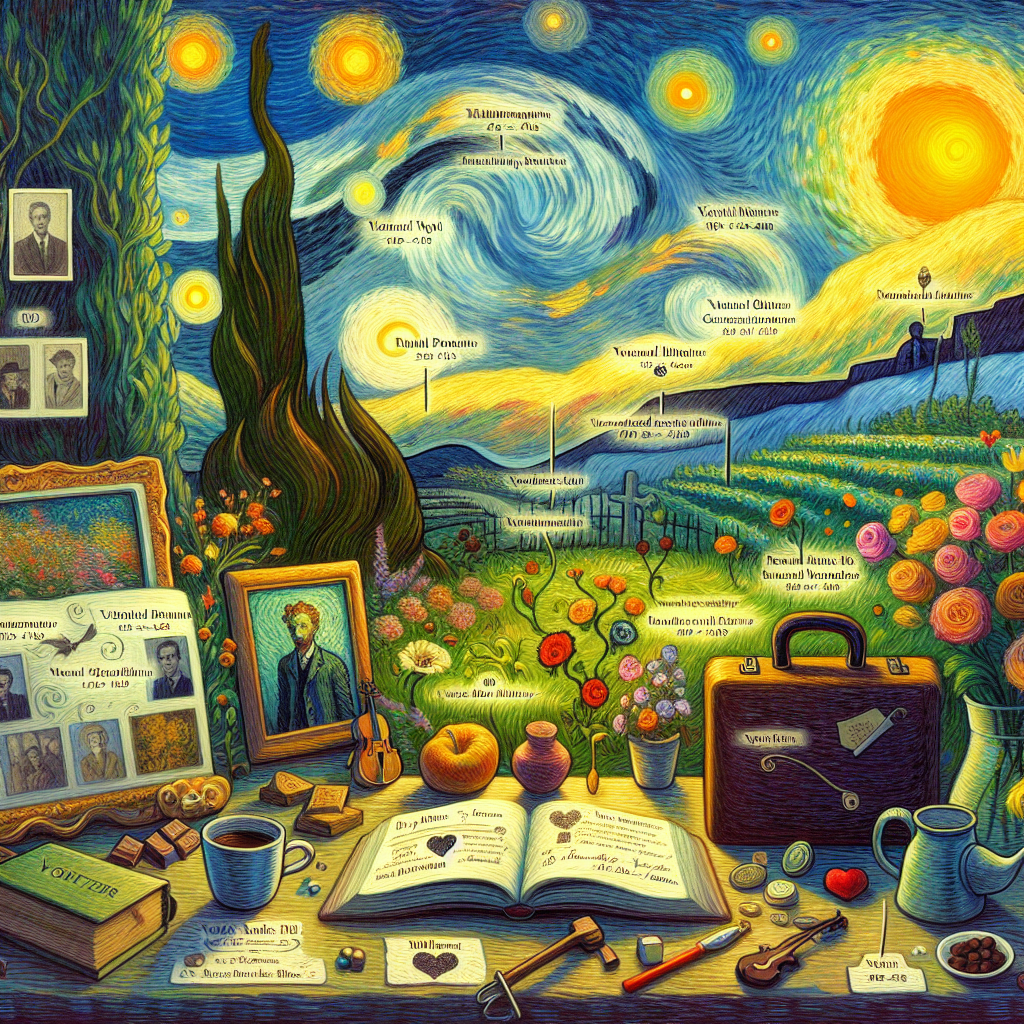
How Can A Legacy Influence Future Generations?
Conclusion
As we navigate the often chaotic journey of parenthood, it’s essential to recognize that the most valuable gift we can pass down to our children is not a shiny toy or a hefty bank account—it’s our personal legacy. Think about it. Legacy isn’t just a collection of possessions or accolades; it’s the narrative of our lives, woven with experiences, beliefs, and lessons learned. From laughter-filled dinners to stories shared under the stars, we impart wisdom with every word.
Legacy storytelling captures this essence. Imagine your child opening a treasure chest of memories in the form of a journal filled with your highs and lows. Each entry serves as a roadmap through life’s unpredictable journey, instilling resilience and determination in those who read them. In a world saturated with highlights and filtered selfies, real storytelling emerges as a powerful tool for connection, allowing our children to see not just who we were, but how our struggles shaped us.
This idea of passing down legacy extends beyond mere anecdotes; it includes the values we hold dear. By engaging in open conversations about our experiences—be it triumph or tribulation—we invite our children into a world that nurtures understanding and belonging. They internalize these lessons, often unconsciously, shaping their character with every shared tale.
Crafting a personal legacy may initially seem overwhelming, but remember, it doesn’t require grand gestures. It’s found in the daily routine—the bedtime stories, the family traditions, even the laughter and tears shared in adversity. These moments, simple yet profound, become the threads that create a tapestry of who we are.
As parents, we have the incredible opportunity to shape the lives of our children through legacy storytelling. Embrace this chance by documenting your values, sharing your experiences, and creating an environment that encourages open dialogue. This process not only fortifies family bonds but also empowers your children to build upon the foundation you lay, ensuring your wisdom echoes through generations.
So, as you ponder your own legacy, consider the stories you’ll share, the lessons you’ll impart, and the love you’ll leave behind. In doing so, you’re not merely crafting a legacy for the future; you’re igniting a flame that will illuminate the path for those who follow. Remember, your story matters, and it’s a gift that keeps giving—one that can guide and inspire your children long after you’re gone. Now, go on, grab that pen or keyboard and start telling your story; you have a legacy to create!

Conclusion
Conclusion:
- The most valuable gift to pass down to children is our personal legacy, not material possessions.
- Legacy encompasses life experiences, beliefs, and lessons learned, creating a rich narrative.
- Legacy storytelling involves sharing memories that teach resilience and determination.
- Engaging in open conversations allows children to understand values and internalize important lessons.
- A personal legacy can be crafted through simple daily moments, including stories and traditions.
- Documenting values and experiences reinforces family bonds and empowers children for the future.
- Your story is a powerful gift that can guide and inspire future generations.

Conclusion
Other Resources

Other Resources
Here is a list of other resources you can review online to learn more:
- Postumo
- Everplans
- LifeSite
- LegacyFamilyTree
- Living Wisely
- Tributize
- LifeNaut
- INELA
- RocketLawyer
- Obituary Templates
Use This Prompt To Get More Resources With Your Favorite Online AI Tool: Please provide me with a list of online articles with their URLs in a bulleted list that I can read regarding Why Is Your Personal Legacy The Ultimate Parental Gift?

Other Resources
Glossary Terms
Why Is Your Personal Legacy The Ultimate Parental Gift? – Glossary Of Terms
1. Legacy: A lasting impact or contribution that one leaves behind, often in the form of values, beliefs, and memories.
2. Inheritance: Assets, properties, or qualities passed down from one generation to another, usually associated with tangible wealth.
3. Values: Core principles or standards that guide behavior and decision-making, often instilled in children through parenting.
4. Wisdom: Deep understanding and practical knowledge gained through experience; a valuable aspect of a personal legacy.
5. Family Traditions: Established customs and practices that are passed down within a family, helping to strengthen bonds and create shared memories.
6. Storytelling: The act of sharing personal experiences and narratives, used to convey morals, lessons, and cultural heritage.
7. Mentorship: The guidance and support provided by an experienced individual to someone less experienced, fostering growth and development.
8. Character: The combination of traits and qualities that define an individual’s moral and ethical qualities, heavily influenced by upbringing.
9. Resilience: The ability to recover from difficulties or challenges, an important trait often nurtured through parental guidance.
10. Purpose: A sense of meaning and direction in life, which can be significantly shaped by the legacies parents leave behind.
11. Role Modeling: The practice of demonstrating behaviors and attitudes that children are likely to emulate, shaping their future actions.
12. Emotional Intelligence: The ability to understand and manage one’s emotions, as well as those of others, a key component of effective parenting.
13. Cultural Heritage: The traditions, values, and artifacts that are passed down through generations, contributing to a family’s identity.
14. Ethics: The moral principles that govern a person’s behavior, often an essential aspect of a personal legacy taught by parents.
15. Community Engagement: Active participation in community service and outreach, fostering a sense of belonging and responsibility in children.
16. Philanthropy: The act of giving back to society through charitable donations and volunteer work, often a part of a family’s legacy.
17. Connection: The emotional bonds and relationships built within a family, vital for creating a supportive legacy.
18. Gratitude: An attitude of thankfulness that can be taught and modeled, enriching a child’s perspective on life.
19. Conflict Resolution: The ability to effectively address and resolve disagreements or disputes, a critical life skill imparted by parents.
20. Vision: A clear idea of what one wants to achieve or contribute in life, providing direction and motivation for future generations.
21. Authenticity: The quality of being genuine and true to oneself, an important trait that can inspire children to embrace their own identities.
22. Empathy: The capacity to understand and share the feelings of others, a vital emotional skill that parents can instill in their children.
23. Mindfulness: The practice of being present and fully engaged in the moment, which can positively influence family dynamics and personal legacy.
24. Life Skills: Practical competencies that enable individuals to navigate everyday life effectively, often taught through parenting.
25. Visionary Leadership: The ability to inspire and guide others toward a shared goal or purpose, a characteristic that can be passed down through generational examples.
26. Self-Reflection: The process of introspection and evaluation of one’s thoughts, feelings, and actions, promoting personal growth and legacy building.
27. Generational Wealth: Financial assets that are passed down through generations, but broader than mere finances, encompassing wisdom and values.
28. Creativity: The ability to think outside the box and innovate, which can be encouraged in children to leave a legacy of originality.
29. Interpersonal Skills: Essential skills for effective communication and relationship building, which parents play a significant role in developing.
30. Mindset: The established set of attitudes held by an individual, which can be shaped positively by parental influence and legacy.

Glossary Of Terms
Other Questions
Why Is Your Personal Legacy The Ultimate Parental Gift? – Other Questions
If you wish to explore and discover more, consider looking for answers to these questions:
- What are practical ways to start documenting my personal legacy?
- How can I ensure my children understand the values I want to pass on?
- What types of stories are most impactful in legacy storytelling?
- How can parents balance sharing both triumphs and struggles in their narratives?
- What role does family culture play in shaping a personal legacy?
- How can legacy storytelling be incorporated into family traditions?
- What tools or methods can help in capturing family histories?
- How can I encourage my children to share their own stories?
- What are some common challenges parents face when reflecting on their legacy?
- How can I create an environment where legacy storytelling feels comfortable and safe?
- What is the difference between personal legacy and family legacy?
- How can documenting my legacy positively impact my children’s self-esteem and identity?
- In what ways can a personal legacy influence a child’s decision-making in adulthood?

Other Questions
Haiku
Why Is Your Personal Legacy The Ultimate Parental Gift? – A Haiku
Legacy weaves through time,
Stories shape the hearts of kin,
Wisdom passed, lives bloom.

Haiku
Poem
Why Is Your Personal Legacy The Ultimate Parental Gift? – A Poem
A Legacy to Cherish
In every gift we choose to give,
Beyond the toys, where dreams may live,
Awaits a treasure, vast and deep,
A legacy, our souls to keep.
Not just in riches or grand displays,
But tales of life, in myriad ways—
The struggles faced, the lessons learned,
In every heart, a flame is burned.
A journal filled with words sincere,
Reflecting love, both far and near;
Through laughter shared, and tears we share,
We weave our stories with tender care.
Picture children, wide-eyed, they hear,
The stories of us, both far and near;
From trials tough to moments bright,
These woven threads provide their light.
In simple meals or cozy nights,
In whispered truths, and guiding sights,
Our values pass from hand to hand,
A legacy, a living strand.
So let us tell, let stories soar,
Of hopeful times, and what’s in store;
For every tale you dare to weave,
A spark ignites, as they believe.
As generations rise and fall,
Our voices echo, binding all—
A gentle map for them to tread,
Through life’s wild journey, hopes widespread.
Cherish this gift, it’s ours to sow,
A legacy of love to show,
So take a moment, pen your truth,
For every story, ignites the youth.
In lives well-lived, in hearts that yearn,
A legacy is ours to learn;
With every word, let wisdom flow,
A gift to cherish, to inspire, to grow.

Poem
Checklist
Why Is Your Personal Legacy The Ultimate Parental Gift? – A Checklist
Why Is Your Personal Legacy The Ultimate Parental Gift?
Checklist for Crafting Your Legacy Story
Reflecting on Your Legacy
1. Identify Core Values:
_____ What values are most important to you?
_____ Write down examples that illustrate these values in action.
2. Capture Life Experiences:
_____ Reflect on significant life events—both triumphs and challenges.
_____ What lessons did you learn from these experiences?
3. Engage in Self-Reflection:
_____ Spend time journaling about your beliefs and how they were shaped by your experiences.
_____ What stories stand out most in your memory?
Storytelling Techniques
4. Share Your Stories:
_____ Choose a family gathering to share a personal story with your children.
_____ Highlight the lessons learned and emotions involved in those moments.
5. Encourage Family Participation:
_____ Ask your children about their values and what they’ve learned from your journey.
_____ Create opportunities for them to share their stories too.
6. Establish Storytelling Traditions:
_____ Plan regular family meetings or dinners dedicated to storytelling.
_____ Consider starting a family scrapbook combining stories and photographs.
Documenting Your Legacy
7. Create a Legacy Document:
_____ Start a journal or digital document where you record your life stories, values, and lessons.
_____ Use prompts like “What does kindness mean to me?” or “What did I learn from my biggest mistakes?”
8. Involve Future Generations:
_____ Engage your children in the process of documenting your family history.
_____ Ask them to interview grandparents or relatives to gather stories.
Embracing Vulnerability
9. Share Struggles Alongside Successes:
_____ Be open about failures and hardships you faced and how you overcame them.
_____ Discuss what those experiences taught you and how they shaped you.
10. Encourage Open Discussion:
_____ Foster an environment where sharing feelings and reflections is encouraged.
_____ Remind your children that mistakes are opportunities for growth.
Strengthening Family Bonds
11. Make Time for Conversations:
_____ Schedule regular, casual times for family discussions, encouraging everyone to contribute.
_____ Use these moments to strengthen connections.
12. Celebrate Family Heritage:
_____ Explore family traditions and histories together.
_____ Learn about the stories of your ancestors and what lessons can be passed down.
Continuous Legacy Building
13. Reassess and Update Your Legacy:
_____ Periodically revisit your legacy documentation as your beliefs and experiences evolve.
_____ Ensure the lessons you pass on remain relevant to your growing family.
14. Foster Connections Outside the Family:
_____ Share your stories in community settings or through social media to inspire others.
_____ Use your experiences to connect with wider audiences.
Final Thoughts
15. Start Today:
_____ Take the first step—write down one significant story or lesson today!
_____ Remember, your legacy is about authenticity and connection, so let your true self shine.
By following this checklist, you can begin the rewarding journey of crafting a personal legacy that empowers your children and resonates through generations.

Checklist
At LegacyExplorations, we help people plan and explore their legacy by collecting information and news regarding end-of-life planning.
Please share this post with your friends, family, or business associates who may want help to plan or explore their legacy.