

Unleash Your Story: The Power Of Sharing Your Life Online
By Tom Seest
At LegacyExplorations, we help people plan and explore their legacy by collecting information and news regarding end-of-life planning.
Please share this post with your friends, family, or business associates who may want help to plan or explore their legacy.
Why It’s Time to Start a Blog About Your Life
Blogging about your life isn’t just a creative outlet; it’s a chance to carve out your own legacy. We all have stories bubbling beneath the surface—tales of triumph, struggle, joy, and heartache. When you put pen to paper, or fingers to keyboard, you’re not merely chronicling events; you’re engaging in a form of storytelling that connects with others on a deeply emotional level.
Think about it: each post is a thread woven into the fabric of your existence. Your life is filled with experiences that others can relate to, learn from, or find comfort in. As we navigate our individual journeys, the lessons we learn and the challenges we face become powerful tools for connection. Sharing these lessons through a blog invites readers to reflect on their own lives, fostering empathy and community. The world needs more authentic voices and less curated perfection.
From a rational standpoint, think of the opportunities your blog can create. You may not see it now, but your words hold weight. Whether you aim to inspire others, share practical advice, or document life’s twists and turns, you’re building authority with every post that resonates with your audience. People are hungry for genuine content; they’re searching for real stories, not hollow inspirations. By sharing your experiences, you’re not just writing about your life—you’re opening doors for connection and discussion.
Ethically, consider the inherent value of sharing your truth. In a society where authenticity is often sacrificed for likes and shares, you’re offering a fresh perspective that’s all too rare. It’s a reminder that we’re all in this together, grappling with the same universal themes of love, loss, and resilience.
Finally, the potential social impact of blogging about your life can be profound. It might just inspire someone else to pick up their own pen or start their journey toward healing, self-discovery, or creativity. Your voice, your story, matters—not just to you, but to countless others out there who might resonate with your experiences.
So why wait? It’s time to honor your journey. Start sharing your legacy today; your story deserves to be told. The world is waiting to hear it.

Why It’s Time to Start a Blog About Your Life
Why It’s Time to Start a Blog About Your Life
- Blogging about your life allows you to carve out your own legacy and share your unique experiences.
- Every post serves as a connection point for readers, weaving stories of triumph, struggle, joy, and heartache.
- Your experiences offer relatable lessons and foster empathy and community among readers.
- Authentic voices are needed in a world filled with curated perfection; your truth can provide a fresh perspective.
- Blogging can create new opportunities and build your authority as you inspire and connect with others.
- Sharing your story encourages others to engage in their own journeys of healing, self-discovery, and creativity.
- Don’t wait to start sharing your legacy; your story matters and the world is eager to hear it.

Why It’s Time to Start a Blog About Your Life
Table Of Contents
- Why It’s Time to Start a Blog About Your Life
- What Stories From Your Life Deserve to Be Shared with Others?
- How Can Blogging Help You Process Your Experiences and Emotions?
- Are You Ready to Inspire Others with Your Unique Journey and Insights?
- What Lessons Have You Learned That Could Help Someone Else Struggling?
- How Can You Create a Supportive Community Through Your Personal Blog?
- What Would It Feel Like to Share Your Authentic Self with the World?
- How Can Reflecting on Your Life Experiences Lead to Personal Growth?
- Conclusion
- Other Resources
- Glossary Of Terms
- Other Questions
- Haiku
- Poem
- Checklist
What Stories From Your Life Deserve to Be Shared with Others?
Every experience we accumulate has the potential to shape the world around us, and therein lies the essence of Legacy Storytelling. We all have stories—some humorous, others heartbreaking—that deserve to be told. These narratives, formed within the fabric of our lives, can unlock lessons that resonate far beyond our immediate circles.
Think about the time you faced a challenge that seemed insurmountable. Maybe it was standing up for what you believed in, despite the consequences. That moment didn’t just test your character; it defined it. By sharing that story, you not only honor your struggle, but you also provide a blueprint for others navigating similar waters. Each story has the power to connect, serving as a lighthouse guiding those lost in their own fog of uncertainty.
Consider how relatable these moments are. We all stumble through difficult times, often feeling alone in our struggles. But when you share your experience—your mistakes, your triumphs, and everything in between—you invite others to see themselves in your journey. They’ll recognize parts of their own lives mirrored in your words. This is where connection takes root, and community begins to flourish.
Legacy is a responsibility we all carry. It’s not merely about recounting events but about weaving a narrative that shapes how others approach their own lives. You become an authority in your experience, a beacon of hope through the authenticity of your story. The gut reaction when one hears a genuine tale of perseverance is undeniable; it stirs emotions and ignites the desire to take action. The listener may very well find the courage to share their own story or take that leap of faith they’ve been pondering.
We owe it to ourselves—and to those who walk alongside us—to share our histories. The act of storytelling has the potential to foster understanding, empathy, and growth. Each voice amplifies a collective truth, confronting the silence that too often surrounds our struggles. So, take a moment to reflect: What story from your life needs to be told? Ask yourself how sharing that experience could impact another. We all have stories within us that can inspire, heal, and connect. It’s time to open the floodgates of our shared humanity.

What Stories From Your Life Deserve to Be Shared with Others?
What Stories From Your Life Deserve to Be Shared with Others?
- Legacy Storytelling shapes the world by sharing personal experiences.
- Everyone has stories—humorous or heartbreaking—that are worth telling.
- Sharing challenges and triumphs can honor personal struggles and guide others.
- Relatable moments in stories foster connection and community.
- Legacy storytelling is a responsibility that shapes how others approach their lives.
- Genuine stories stir emotions and inspire action, encouraging others to share their own.
- Storytelling promotes understanding, empathy, and growth, urging us to share our histories.

What Stories From Your Life Deserve to Be Shared with Others?
How Can Blogging Help You Process Your Experiences and Emotions?
Blogging can be a powerful tool for processing experiences and emotions. Picture this: you’ve just emerged from a storm—an upheaval in your life that left you drenched and disoriented. That’s where the pen or keyboard becomes your life raft. By writing, you transform chaos into coherence, turning tangled threads of thought into a narrative that’s both relatable and insightful. This is where legacy storytelling comes into play. Every word you type becomes a piece of your story, a chapter in the larger narrative of your life, illuminating not just your journey but also touching the hearts of those who stumble upon your words.
When you put your experiences down on paper, you’re not just recording events; you’re dissecting and understanding them. It’s a way to hold your emotions up to the light, examining them from all angles, untangling fear and hope, rage and resilience. Engage your head in this process; it’s a rational act that invites you to explore deeper truths about yourself. As you reflect, you create a space where clarity can flourish. You’re making sense of the nonsense, and that alone can spark confidence. You’ll find a sense of authority in your own narrative, and trust in your ability to navigate your feelings.
On a more instinctual level, think about the gut reaction to reading someone else’s story. It resonates—not just as words on a page but as shared experience. When you blog, you’re not alone; you’re weaving a social fabric that connects you with others navigating similar storms. This shared understanding fosters empathy and builds community. Your vulnerability becomes a bridge, inviting others to step forward and share their own tales.
But there’s an ethical dimension to consider. When you share your truth, you offer permission to others to do the same. You become a beacon, lighting the way for those who feel lost in their own darkness. Anxiety, grief, joy—these emotions are universal, and when you give voice to them, you validate the experiences of countless others who feel the weight of silence.
So grab that pen or keyboard and unleash your voice. Let’s turn those emotional scars into wisdom, and in doing so, create a legacy that not only honors your journey but enriches the lives of others. Because at the end of the day, we’re all just trying to make sense of our own stories—and maybe, just maybe, find a little hope along the way.

How Can Blogging Help You Process Your Experiences and Emotions?
How Can Blogging Help You Process Your Experiences and Emotions?
- Blogging serves as a powerful tool for processing experiences and emotions.
- Writing transforms chaos into coherence, creating relatable and insightful narratives.
- Documenting experiences helps to dissect and understand emotions such as fear, hope, and resilience.
- Reflective writing fosters clarity and confidence in navigating one’s own feelings.
- Sharing personal stories creates connections with others, fostering empathy and community.
- By sharing truths, bloggers encourage others to voice their own experiences, providing validation.
- Writing can transform emotional scars into wisdom, creating a legacy that enriches others’ lives.

How Can Blogging Help You Process Your Experiences and Emotions?
Are You Ready to Inspire Others with Your Unique Journey and Insights?
Are you ready to inspire others with your unique journey and insights? Imagine standing in front of a crowd, sharing the story that runs like a thread through the fabric of your life. It’s not just your experiences that shape your narrative; it’s the lessons learned, the hardships faced, and the victories claimed that resonate with those listening. This, my friend, is the essence of legacy storytelling.
Your journey is more than a mere collection of moments; each chapter has the power to uplift, educate, and transform. Think of those who’ve walked a similar path. They may be looking for a glimmer of hope, a spark of motivation, or the courage to take the next step. By sharing your story, you create a bridge of understanding. You become a beacon of light in someone else’s tumultuous storm, showing them that they’re not alone.
Rationally speaking, sharing your insights fosters a community that thrives on honesty and real experience. People are hungry for authenticity in a world often punctuated by facades. When you lay bare the lessons of your journey, you establish credibility. Others will see that you’ve not only faced your trials head-on but have emerged stronger, wiser, and more resilient. This invites listeners to find solace in their narratives, too. Your wisdom can shift perspectives and open doors to possibilities they hadn’t considered.
Ethically, sharing your journey isn’t just a personal indulgence; it’s a responsibility. Every story holds the potential to guide others toward their own paths of discovery. When you step up to illuminate your experiences, you inspire trust. You’re saying, “I’m just like you. I have felt the weight of struggles and relished the sweetness of success.”
But let’s get to the gut of it. People crave connection. Your story has the power to create a visceral response—a rallying cry for those seeking transformation. It’s not just words; it’s the pulse of humanity.
Engaging in legacy storytelling puts you in a position of authority, but it’s not about superiority. It’s about being compassionate, relatable, and real. This is where the magic happens—where hearts resonate, minds ignite, and communities bond. So gather your stories, unleash your insights, and let your voice echo through the lives of others. Your journey matters, and it just might be the very spark someone needs to light their way forward.

Are You Ready to Inspire Others with Your Unique Journey and Insights?
Are You Ready to Inspire Others with Your Unique Journey and Insights?
- Inspire others by sharing your unique journey and insights.
- Your narrative is shaped by experiences, lessons learned, hardships faced, and victories claimed.
- Sharing your story creates understanding and connection, offering hope and motivation to those in similar situations.
- Authenticity in storytelling fosters a community built on honesty and real experience.
- Sharing your journey establishes credibility and invites others to find solace in their own narratives.
- Legacy storytelling is a responsibility that helps guide others toward their own paths of discovery.
- Your story can create a visceral response, fostering connection and transformation within communities.

Are You Ready to Inspire Others with Your Unique Journey and Insights?
What Lessons Have You Learned That Could Help Someone Else Struggling?
What lessons have you learned that could help someone else struggling? Well, if you’ve been around the block more than once or twice, chances are you have a collection of wisdom packed away, ready to be shared. It’s like a rich legacy storytelling tradition we often overlook. Every scratch and bruise tells a story—a lesson learned that could be the lifeline someone else desperately needs.
We all face challenges that test our mettle, but the key is how we respond to those challenges. One lesson I’ve learned is that adversity isn’t merely an obstacle; it’s an opportunity. It’s in those moments of strife that we forge our strongest selves. Consider this: when you’re up against a wall, just getting up every day and moving forward can be a monumental act of courage. That simple act resonates; it connects us. It tells others that they’re not alone in the struggle, that there’s a path through the darkness.
Rationally speaking, it’s important to remember that failure is a crucial part of growth. No one enjoys the sting of defeat, yet it’s often through our failures that we glean the most important insights. If you can share your experience—how you stumbled, how you got back up—it not only validates your own journey but also provides a roadmap for someone else navigating similar terrain. You become an authority in their lives, a trusted guide in what is often a turbulent sea.
Then there’s the ethical component. Being open about our vulnerabilities fosters a sense of community. When you reach out and lend an ear, you’re not just telling your story; you’re building trust. You’re creating a safe space where others can share their burdens.
Finally, we are all part of a larger narrative. Your story, however unique, often mirrors the struggles of others. When you dare to weave your experiences into the fabric of communal understanding, you encourage others to do the same. You illuminate the path forward, arming them with the knowledge that they, too, can overcome.
So, if you’re looking to help someone who’s struggling, remember: your lessons are not just your own. They belong to all of us. Share them. Tell your story. Encourage resilience. In doing so, you’re not just helping someone else; you’re enriching your own legacy. And isn’t that what it’s all about?

What Lessons Have You Learned That Could Help Someone Else Struggling?
What Lessons Have You Learned That Could Help Someone Else Struggling?
- Life experiences provide wisdom that can be shared to help others.
- Adversity presents opportunities for personal growth and resilience.
- Sharing failures can validate personal journeys and guide others facing similar challenges.
- Openly discussing vulnerabilities fosters community and builds trust.
- Everyone’s story contributes to a larger narrative, reflecting shared struggles.
- Encouraging others through personal lessons helps them find their path forward.
- Sharing stories enriches both the giver’s legacy and the recipient’s journey.

What Lessons Have You Learned That Could Help Someone Else Struggling?
How Can You Create a Supportive Community Through Your Personal Blog?
Creating a supportive community through your personal blog isn’t just an exercise in creativity; it’s a chance to forge connections that can be as impactful as the original ideas that inspired you to write. Think of your blog as a virtual campfire—an inviting space where folks gather, share stories, and illuminate each other’s paths. That’s where legacy storytelling comes into play. When you share your experiences, the highs, and lows, you invite others into your world. This vulnerability becomes a bridge; it allows readers to see themselves in your narrative and fosters a sense of belonging.
By weaving in your experiences, even the messy parts, you give your audience permission to express their own struggles and triumphs. This exchange of narratives builds empathy and trust. It transforms passive readers into active participants, encouraging them to contribute their own stories and insights. Those shared stories can ignite conversations that resonate deeply, where the concerns of one might mirror the fears of another, creating a powerful web of solidarity.
On a rational level, the idea of a supportive community is rooted in the simple truth that human beings are social creatures, driven by a need for connection and understanding. As you tap into the universal themes of hardship, joy, and growth, you make it clear that you’re not just another voice in the noise, but a trusted companion on their journey. This creates a sense of authority; readers will come to you not just for advice but for understanding, knowing that you speak from a place of genuine experience.
Ethically, you have a responsibility to guide discussions that promote compassion and support. Encourage readers to treat each other with respect and kindness, fostering an environment where everyone feels safe to share. This approach isn’t just about growing your audience; it’s about nurturing a community that reflects the values you hold dear.
And let’s not forget the role of shared interests—whether it’s a love for travel, books, or overcoming personal challenges, these commonalities create bonds and inspire action. When readers engage with your blog, they’re not just witnessing your story; they’re becoming a part of something larger than themselves. They’re writing their own chapters in this evolving narrative, and that’s how a supportive community is born—through connection, authenticity, and the courage to share your truth.

How Can You Create a Supportive Community Through Your Personal Blog?
How Can You Create a Supportive Community Through Your Personal Blog?
- Creating a personal blog fosters connections that transcend creativity and impact readers’ lives.
- Your blog acts as a virtual campfire, inviting people to share their stories and illuminate each other’s paths.
- Sharing personal experiences, including struggles and triumphs, encourages readers to open up and fosters belonging.
- Exchanging narratives builds empathy and trust, transforming readers into active participants in the community.
- Human beings have a natural need for connection and understanding, making the supportive community essential.
- As a blog creator, you hold the responsibility to guide discussions towards compassion and respect among readers.
- Shared interests among readers create bonds, enabling them to partake in a larger narrative and build a supportive community.

How Can You Create a Supportive Community Through Your Personal Blog?
What Would It Feel Like to Share Your Authentic Self with the World?
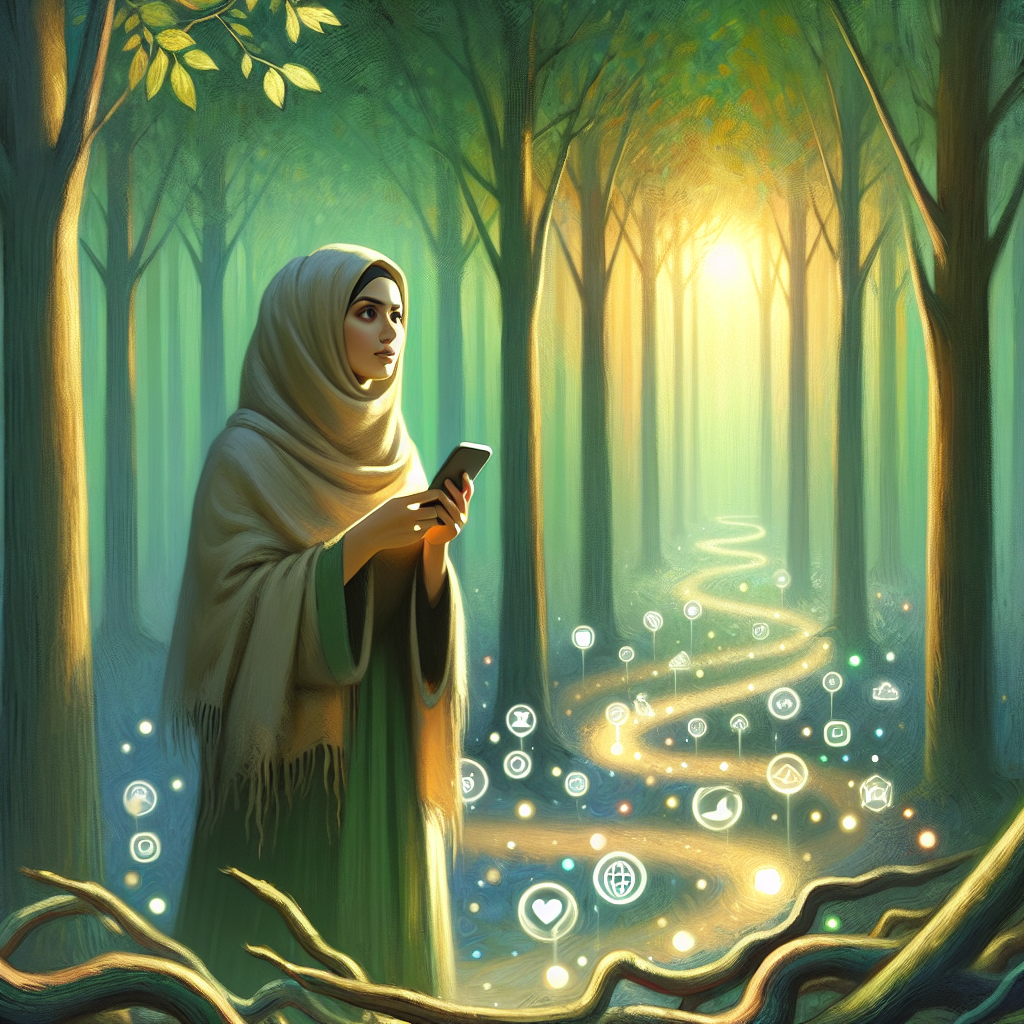
Imagine standing on a stage, bathed in light, and looking out at a sea of faces. Each person holds a piece of their own story, but in this moment, they are here to hear yours. Sharing your authentic self with the world is not just a performance; it’s a daring act of legacy storytelling that draws on the deep well of human experience we all share. It’s a moment where vulnerability meets bravery, where your truths can resonate in the hearts of others.
At its core, this experience taps into something primal. Think about it: from our earliest days, we’ve gathered around fires, recounting our tales—the struggles, the triumphs, the laughter, and the tears. When you stand tall and reveal your true self, you’re not just sharing facts; you’re forging connections. Your story can spark that flicker of recognition in someone else. “You too?” they might think. In that instant, barriers dissolve, and empathy flows.
Yet, the head knows that it’s not always easy. The rational part might tell you to play it safe, to follow the crowd, to say what’s expected. But consider the weight of that choice. In a world laden with curated lives, your authenticity is a rare, shining commodity. It commands attention without boasting—inviting others to reflect on their own truths, posing the genuine question, “If they can take that leap, why can’t I?”
Ethically, we owe it to ourselves and each other to show up as we are. The stories we withhold aren’t just fragments of our lives; they’re pieces of a shared humanity waiting to connect. It’s astonishing how much people long for honesty over perfection. When you put your authentic self out there, you not only honor your journey but invite others to honor theirs.
This is why our legacies are not written in accomplishments alone but in the authenticity we choose to share. Think of the lives we can touch, the conversations that might blossom, and the solutions we can co-create when we speak our truth. Authenticity is your best calling card, and it’ll resonate long after you’ve shared your story. So take that leap—be the connection that sparks change in someone else’s narrative, and watch how it transforms not only them but you as well.
What Would It Feel Like to Share Your Authentic Self with the World?
What Would It Feel Like to Share Your Authentic Self with the World?
- Standing on stage while sharing personal stories creates a collective experience among listeners.
- Sharing authentic self is an act of legacy storytelling, grounding in shared human experiences.
- Vulnerability and bravery allow truths to resonate with others, fostering connections.
- Human history has revolved around storytelling, promoting empathy and recognition among individuals.
- Authenticity is a rare and valuable quality in a world of curated lives, encouraging self-reflection in others.
- Honesty in storytelling honors personal journeys and invites others to share theirs.
- Legacies are defined not by accomplishments but by the authenticity shared, fostering transformation and connection.

What Would It Feel Like to Share Your Authentic Self with the World?
How Can Reflecting on Your Life Experiences Lead to Personal Growth?
Life is a rough-and-tumble journey peppered with moments that challenge our resolve and shape our character. When we take a step back and reflect on those experiences, we engage in a crucial aspect of personal growth: the art of legacy storytelling. This process isn’t about crafting a grand narrative for the world; it’s about understanding the chapters of our own lives and realizing how they interconnect to define us.
Imagine sitting around a fire with friends, sharing your life’s story. Each anecdote, every hard-earned lesson, feels like a piece of a puzzle, coming together to reveal a bigger picture. That moment of connection is not just for entertainment; it’s a powerful reminder that our struggles and triumphs resonate with others, fostering a sense of belonging. When you put your experiences into words, they transform into touchpoints that bridge gaps between you and those you care about, creating bonds that are often stronger than blood ties.
Digging deeper into our past also taps into the rational side of who we are. Each experience carries a lesson, a unique insight into how to navigate the future. When we reflect, we cast light on blind spots, reconsider decisions, and reassess values. Which moments taught us resilience? Which shaped our principles? By examining these, we can approach future challenges with a clearer head and a grounded perspective.
However, this reflective practice isn’t merely self-indulgent; it ties into the ethical realm of growth. We owe it to ourselves and those who come after us to not only understand our past but to learn from it. Acknowledging mistakes and celebrating victories isn’t just self-care; it’s a responsibility. By consciously crafting our legacy, we lay the groundwork for future generations to inherit wisdom rather than mere stories.
As you pen down your legacy, think about the narratives that need sharing and those that require revisiting. Each story adds to the canvas of who you are—a reminder that personal evolution is an ongoing process. It encourages you to act, to embrace the lessons life has thrown your way, and to inspire those around you.
Reflecting on your life experiences isn’t just a path to personal growth; it’s a journey worth taking. It’s about turning every scar into a badge of honor and every joy into a reason to keep pushing forward. So, gather your tales, learn from them, and share them. The world isn’t just waiting to listen; it desperately needs to hear your story.

How Can Reflecting on Your Life Experiences Lead to Personal Growth?
How Can Reflecting on Your Life Experiences Lead to Personal Growth?
- Life is a journey filled with challenges that shape our character.
- Legacy storytelling helps in understanding and connecting the chapters of our own lives.
- Sharing personal stories fosters connections and resonates with others, creating strong bonds.
- Reflecting on our past allows us to gain insights and reassess our decisions and values.
- This reflective practice is a responsibility to learn from our past for ourselves and future generations.
- Crafting our legacy involves sharing important narratives and embracing personal evolution.
- Reflecting and sharing our experiences can turn scars into honors and inspire others.

How Can Reflecting on Your Life Experiences Lead to Personal Growth?
Conclusion
Capturing your life in a blog is more than just a creative venture; it’s a bold invitation to share the essence of who you are. Each post you write is not merely ink on paper; it’s a thread in the tapestry of our shared humanity—a glimpse into your joys, struggles, and triumphs that resonates with others. Within these narratives lies the power to foster understanding and empathy, offering comfort to those navigating their own storms. We live in a world that craves authenticity—a space where curated perfection dominates the landscape. By choosing to share your unvarnished truth, you fill a critical void, bridging distances between human experiences and offering a sense of belonging to those who feel isolated in their struggles.
Think of your blog as a lighthouse. Your stories illuminate the paths for others searching for hope. The lessons learned from each challenge, each victory, come together to craft a narrative that isn’t just personal; it’s a communal experience. Every hardship you recount and every joy you reveal invites others to see their own reflections, giving them the courage to voice their truths. This doesn’t just create a sense of authority; it builds a community rooted in shared experience and understanding.
Ethically speaking, the act of sharing your journey carries immense responsibility. It’s not merely about self-expression; it’s about extending a lifeline to others. In doing so, you acknowledge the heavy weight of silence that stifles so many, offering them permission to break free from their shadows. These connections are what make us human. They ignite conversations that can alter perspectives, inspiring someone else to step into their narrative.
Take a moment to ponder: what stories linger within you, waiting to be released? Each one has the potential to inspire change or spark a revelation. Reflect on your lessons; does your tale offer insights that could help another person navigate their own tumultuous seas? When you capture the essence of your experiences, you create a rich, impactful legacy that transcends your individual journey.
So stand up, share your voice, and unleash the narrative that only you can tell. Whether you’re faced with uncertainty or basking in success, let your story be a source of light and fragmentation. The world is ready. Your story deserves to be delivered, your truths waiting to resonate with hearts and minds alike. It’s time to share not just for yourself, but for everyone out there who might find their spark in your journey.

Conclusion
Conclusion:
- Blogging is a creative opportunity to share your authentic self and experiences.
- Each post contributes to a collective narrative, fostering empathy and understanding among readers.
- Your blog can serve as a lighthouse, offering hope and guidance to others on their journeys.
- Sharing personal stories builds community and invites others to voice their own truths.
- There is a significant ethical responsibility in sharing your journey, as it can uplift those who feel alone.
- Reflect on your personal stories; they may inspire change and provide insights for others navigating difficulties.
- It’s time to share your narrative, as it has the power to resonate and spark connections with others.

Conclusion
Other Resources

Other Resources
Here is a list of other resources you can review online to learn more:
- Ever Loved
- RocketLawyer
- Storyworth
- USLegalWills.com
- Storyfile Life
- Tributes
- Knotify.me
- APH
- How to Avoid Losing Your Family History One Generation at a Time
- Association of Personal Historians
- LifeBio
- Ancestry
- LifeSite
- RootsMagic
- Remembered.com
- Postumo
- LivingDNA
- Is There A Need To Pay For Copyrighting Services For Personal Or Family Legacy Stories?
- StoryCorps
- FindMyPast
Use This Prompt To Get More Resources With Your Favorite Online AI Tool: Please provide me with a list of online articles with their URLs in a bulleted list that I can read regarding Why It’s Time to Start a Blog About Your Life

Other Resources
Glossary Terms
Why It’s Time to Start a Blog About Your Life – Glossary Of Terms
1. Blog: An online platform where individuals publish content, often in a conversational style, about various topics including personal experiences.
2. Life Journey: The unique experiences and events that shape an individual’s life, providing rich material for storytelling in a blog.
3. Authenticity: The quality of being genuine or true to oneself, crucial for connecting with readers through personal narratives.
4. Niche: A specialized segment of the market for a particular kind of content; identifying a niche helps target specific audiences.
5. Content: The information or material published on a blog, which can include text, images, videos, or other media forms.
6. Engagement: The interaction between the blogger and readers, fostering community through comments, shares, and discussions.
7. Voice: The unique writing style and personality conveyed through blog posts, which helps establish the blogger’s identity.
8. Audience: The group of readers who consume the content; understanding the audience is vital for tailoring posts to their interests.
9. SEO (Search Engine Optimization): Techniques used to improve a blog’s visibility on search engines, making it more discoverable by potential readers.
10. Monetization: The process of earning income from a blog through various methods such as ads, sponsorships, or affiliate marketing.
11. Branding: The process of creating a distinctive identity and image for a blog, encompassing its name, design, and messaging.
12. Community: A group of readers who share interests and engage with the blog, fostering networking and support.
13. Storytelling: The art of conveying personal experiences or messages through narrative, a powerful tool for connecting with readers.
14. Purpose: The underlying motivation for starting a blog, which can drive content direction and resonate with readers.
15. Visuals: Images, graphics, or videos included in blog posts to enhance storytelling and engagement.
16. Consistency: The regularity of posting content, which helps build readership and maintain audience interest.
17. Feedback: Responses from readers about the blog, providing insights into what works well and what can be improved.
18. Platform: The hosting service used to create and publish a blog, such as WordPress, Blogger, or Medium.
19. Analytics: Tools used to track blog performance metrics, such as page views, user demographics, and engagement rates.
20. Post: An individual entry on a blog, typically consisting of text, images, and sometimes multimedia elements.
21. Comments: Input or responses from readers regarding blog posts, fostering interaction and dialogue.
22. Subscription: An option for readers to receive updates about new posts, often through email notifications.
23. Promotion: The activities used to increase a blog’s visibility and attract new readers, such as social media sharing and email marketing.
24. Inspiration: Ideas or experiences that motivate a blogger to write; it can stem from personal events, interests, or observations.
25. Goals: The specific objectives a blogger aims to achieve, which can include building a readership, sharing experiences, or inspiring others.
26. Editing: The process of reviewing and refining blog content for clarity, grammar, and overall quality before publication.
27. Backlinks: Links from other websites that direct traffic to a blog, improving its authority and SEO ranking.
28. Call to Action (CTA): A prompt encouraging readers to engage further, such as leaving a comment, sharing a post, or subscribing.
29. Cross-Promotion: Collaborating with other bloggers or platforms to mutually benefit and increase audience reach.
30. Legacy: The lasting impact or contribution a blogger aims to leave through their writing, often tied to personal growth and shared wisdom.

Glossary Of Terms
Other Questions
Why It’s Time to Start a Blog About Your Life – Other Questions
If you wish to explore and discover more, consider looking for answers to these questions:
- What are the first steps to create a personal blog?
- How can I find my unique voice in blogging?
- What are the common mistakes to avoid when starting a blog?
- How can I promote my blog to reach a wider audience?
- What topics are most engaging for readers in personal blogs?
- How can I maintain consistency in my blogging schedule?
- What ethical considerations should I keep in mind while sharing personal stories?
- How can I handle negative feedback or criticism from readers?
- What tools or platforms are recommended for blogging?
- How do I measure the success of my blog?
- What role does social media play in promoting my blog?
- How can I monetize my blog while staying authentic?
- What are some examples of successful personal blogs to learn from?
Other Questions
Haiku
Why It’s Time to Start a Blog About Your Life – A Haiku
Share your true journey,
Words weave bonds of strength and hope—
Stories spark the light.

Haiku
Poem
Why It’s Time to Start a Blog About Your Life – A Poem
In the quiet corners of our lives,
Where stories pulse and heartbeats thrive,
Each moment, a thread in the vast tapestry,
A chance to share our humanity.
We’ve danced through joy, we’ve stumbled in pain,
In the depth of our struggles, there’s wisdom to gain.
Each lesson we learn, each truth we unfold,
Can light up the dark, turn silence to gold.
Authenticity calls, a voice brave and clear,
Daring us to show our true selves here.
For in every tale of love and despair,
Lies the magic of connection, the beauty we share.
When the storm clouds gather, and shadows loom long,
Your story can cradle the weary in song.
A virtual campfire, where hearts gather round,
Building a community, where hope can abound.
Reflect on your journey, let past sorrows blend,
Transforming the chaos, where beginnings can mend.
You’re not alone in the battles you fought,
Your scars hold the wisdom that can’t be bought.
So grab that pen, let your heart take flight,
Speak for the lost souls, be their guiding light.
For in sharing our truths, we weave a grand net,
A legacy of stories, with no need to forget.
In this intricate dance of life and its strife,
Your voice is a beacon, infusing warmth into life.
Stand up, share your journey, let the world see,
In the heart of your story lies a legacy—free.

Poem
Checklist
Why It’s Time to Start a Blog About Your Life – A Checklist
Blogging About Your Life: A Legacy Storytelling Checklist
Heart Appeals:
_____ Reflect on personal experiences that stirred deep emotions; what moments shaped your heart?
_____ Identify stories that demonstrate vulnerability and strength; how could sharing these inspire empathy in others?
_____ Consider the joys and challenges you’ve faced; what lessons of resilience can you relay to connect with readers on an emotional level?
Head Appeals:
_____ List the rational benefits of blogging; how can sharing your insights build credibility and authority in your niche?
_____ Examine past challenges; what key lessons did they impart that could resonate with those facing similar situations?
_____ Analyze how documenting your journey fosters clarity and understanding; what tools or techniques can you incorporate to articulate your thoughts effectively?
Gut Appeals:
_____ Tune into your instincts; which stories feel right to share—those that evoke a visceral reaction?
_____ Explore the impact of authenticity; how does being genuine transform your blogging experience and connect you with readers?
_____ Assess the communal aspect of storytelling; how can your narrative create a sense of belonging and inspire action among your audience?
Ethical Appeals:
_____ Acknowledge the responsibility of sharing your truth; how can you ensure your story fosters a safe space for others?
_____ Consider the ethical implications of honesty in narrative; what message does your authenticity convey about the struggles we all face?
_____ Encourage readers to reflect on their stories; how can sharing foster a more connected and compassionate society?
Authority Appeals:
_____ Identify your unique experiences that position you as a credible voice in your blogging space; what personal insights enhance your authority?
_____ Reflect on how your journey may guide others; what wisdom have you gathered that can serve as a beacon for those seeking support?
_____ Consider ways to engage with your audience; how can you invite them into a dialogue that shares knowledge and encourages growth?
Narrative Appeals:
_____ What narrative threads connect your experiences? Identify overarching themes that can weave through multiple posts for cohesion.
_____ Craft your story like a journey; how can you structure your blog entries to draw readers in and keep them engaged?
_____ Reflect on how your story mirrors collective human experiences; how can you invite readers to see themselves in your narrative and cultivate community?
Social Appeals:
_____ Explore how blogging can create a supportive network; what steps will you take to engage with readers and invite their stories?
_____ Consider the power of shared experiences; how can your blog become a virtual gathering space for conversation and connection?
_____ Reflect on your audience’s needs; how can you tailor your posts to address collective concerns, fostering a sense of camaraderie among readers?

Checklist
At LegacyExplorations, we help people plan and explore their legacy by collecting information and news regarding end-of-life planning.
Please share this post with your friends, family, or business associates who may want help to plan or explore their legacy.