

Uncovering Your Legacy: The Therapeutic Power Of Reflecting On Your Past
By Tom Seest
At LegacyExplorations, we help people plan and explore their legacy by collecting information and news regarding end-of-life planning.
Please share this post with your friends, family, or business associates who may want help to plan or explore their legacy.
Why Legacy Work Feels Like Therapy
When you dive into the deep waters of legacy work, it often feels a lot like therapy. Picture yourself sitting across from a wise guide, the type who listens more than they speak, helping you untangle the intricate threads of your life. That’s the essence of legacy storytelling—it’s an opportunity to string together the moments that have shaped who you are, and it reminds you of the multitude of lives you’ve touched along the way.
At its core, this process engages the heart. Think of the emotional weight tied to family stories, the joy of shared laughter, or the tears spilled over memories. Legacy work challenges you to confront your own narrative, forcing you to acknowledge both your triumphs and the struggles that left their mark. In doing so, you realize that you’re not aiming for perfection—you’re aiming for authenticity. It’s this raw honesty that resonates with others, creating connections that are both timeless and precious.
Rationally speaking, legacy storytelling also demands a keen eye on the future. It’s not just about remembering the past; it’s about charting a path forward. When we articulate our values, our hopes, and our dreams, we’re planting seeds for generations to come. It compels us to think critically: what wisdom do I want to pass down? What lessons have been learned that could save someone else from repeating mistakes? This isn’t just an afterthought; it’s an ethical duty to protect the essence of who we are and what we stand for.
There’s an empowering authority in legacy work, too. Each person’s story is a testament to their resilience, and as you step forward to share it, you wield a power that can inspire others. You become a beacon of hope and a source of strength for your community, paving the way for them to examine their own experiences. When we share our tales, we foster a collective memory, leading to a shared sense of identity that is vital in today’s fast-paced world.
Ultimately, engaging in legacy storytelling invites you to reflect on your own life in a deeply meaningful way. It nurtures connections with those around you and seeks to build bridges between generations. So, take heart! Embrace this journey, knowing that in sharing your story, you’re not just enriching your legacy—you’re lighting the way for others.

Why Legacy Work Feels Like Therapy
Why Legacy Work Feels Like Therapy
- Legacy work resembles therapy, helping individuals untangle their life experiences through storytelling.
- It engages the heart, highlighting the emotional weight of family stories and moments of joy and sorrow.
- Legacy storytelling encourages authenticity over perfection, fostering connections that are timeless.
- The process also focuses on the future, emphasizing the importance of articulating values and lessons for future generations.
- It empowers individuals by showcasing resilience and inspiring communities through shared experiences.
- The act of sharing stories fosters a collective memory and a strong sense of identity.
- Engaging in legacy storytelling nurtures meaningful connections and bridges between generations, enriching one’s legacy.

Why Legacy Work Feels Like Therapy
Table Of Contents
- Why Legacy Work Feels Like Therapy
- What Personal Stories Do You Want Your Legacy To Convey?
- How Does Reflecting On Your Life Choices Impact Your Future?
- Can Considering Your Legacy Enhance Your Sense Of Purpose?
- What Emotions Arise When You Think About What You’Ll Leave Behind?
- How Does Exploring Your Past Shape Your Understanding Of The Present?
- In What Ways Can Sharing Your Legacy Foster Connection With Others?
- How Do Societal Expectations Influence Your View Of Your Legacy?
- Conclusion
- Other Resources
- Glossary Of Terms
- Other Questions
- Haiku
- Poem
- Checklist
What Personal Stories Do You Want Your Legacy To Convey?
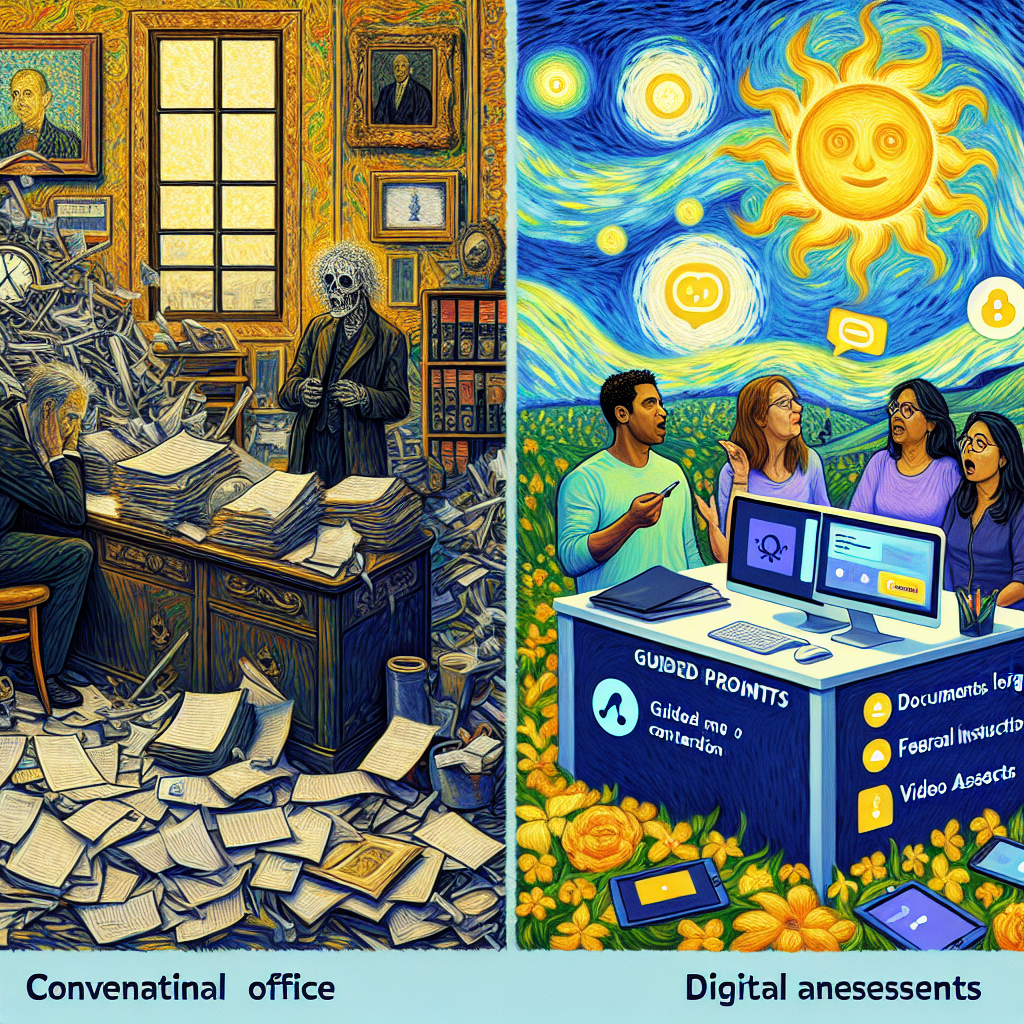
What does it mean to leave a legacy? It’s not about the money or the accolades; it’s the personal stories that shape our lives and the lives of others. Think about it for a moment: when your name is mentioned years from now, what do you truly hope people remember? Legacy storytelling is an art, a heartfelt exchange of experiences that echo through time.
Let’s look at your own life as a tapestry woven from countless threads—moments of triumph, struggles that test your mettle, and simple kindnesses that uplift. Perhaps it’s the story of a time you stood up for someone who needed it, or an ordinary day when a small act created a ripple effect. These narratives carry weight; they resonate not just in your heart but in the hearts of those who hear them. They have the power to inspire courage, foster resilience, and illuminate the path forward for others.
Now, let’s engage your head. Legacy storytelling isn’t just about emotional impact; it’s about leaving behind lessons that can be learned and applied. Think critically about your experiences: what decisions did you make that shaped your values? What insights emerged from your failures? Share those truths, not as directives, but as invitations for others to reflect on their own journeys. People crave authenticity; they don’t just want to hear about how things often go right, they want to know about the times they went wrong and what was learned along the way.
Ethically, our stories can bridge gaps and foster connections. Every person you encounter has their own narrative, filled with struggles and hopes. When you open up about your story, you invite others to share theirs, creating a tapestry of collective wisdom. This is where we build community and trust.
With each legacy filled with personal stories, you become a beacon—an authority of experience. Others naturally gravitate toward those who share openly, who’ve walked the walk and are willing to share their missteps, victories, and lessons learned. It’s in these shared experiences that we find common ground.
So, what personal stories do you want your legacy to convey? Take a moment to reflect. What do you want people to pass down about you? Use your voice, your narrative, to connect, inspire, and empower. After all, the story you write today will influence the lives that follow long after you’re gone.

What Personal Stories Do You Want Your Legacy To Convey?
What Personal Stories Do You Want Your Legacy To Convey?
- Leaving a legacy is about personal stories, not money or accolades.
- Legacy storytelling involves heartfelt exchanges that resonate through time.
- Life can be seen as a tapestry woven from moments of triumph and kindness.
- Stories inspire courage, resilience, and illuminate paths for others.
- Legacy storytelling involves sharing lessons and insights from one’s experiences.
- Authenticity in storytelling helps bridge gaps and foster connections within communities.
- Your personal narrative can empower others and influence future generations.
What Personal Stories Do You Want Your Legacy To Convey?
How Does Reflecting On Your Life Choices Impact Your Future?
Reflecting on your life choices is like holding a mirror to your soul, revealing not just the person you are but the legacy you are crafting. Each decision we make, whether it’s a grand leap or a subtle nudge, contributes to our unique storytelling. The stories of our lives intertwine with the stories of others, shaping communities and generations yet to come. Pause for a moment and ask yourself: What kind of narrative are you writing?
When we take time to reflect, we engage both our hearts and our heads. Emotionally, it can be a reckoning, examining moments of both pride and regret. Rationally, reflection encourages critical thinking about past decisions. It’s about asking tough questions: Were those choices aligned with my values? Did they inspire growth or create barriers? Each thought becomes a stepping stone toward greater understanding, allowing us to pave a clearer path forward.
Consider this: every person you meet carries a piece of your story. You might not realize it, but your choices echo in the hearts of friends, family, and even strangers. Ethically, we owe it to ourselves and those around us to reflect sincerely. The weight of our decisions can either uplift or burden those we leave behind. Letting that sink in brings a newfound urgency to the act of reflection—it’s not just about you anymore. It’s about the world you impact.
Imagine the collective knowledge we gain through storytelling. When we share our reflections, we foster connection, creating a tapestry of experiences that others can relate to. The lesson here is clear: you are not alone in your choices. Look around; there’s a whole community navigating similar crossroad moments. Sharing vulnerabilities fosters an environment of trust, where we all gain strength from each other’s journeys.
So make it a habit to revisit your life choices, not just as a solitary exercise, but as a shared experience. Gather friends, discuss your narratives, and reflect together. Invite others to contribute to this collective storytelling. Let your journey inform theirs, and through that, build a legacy that goes beyond individual triumphs or failures. Cultivating awareness of our past leads not just to personal growth, but to a brighter, more intentional future for all. Reflect, share, and live a story worth telling.

How Does Reflecting On Your Life Choices Impact Your Future?
How Does Reflecting On Your Life Choices Impact Your Future?
- Reflecting on life choices reveals personal identity and the legacy being crafted.
- Decisions contribute to unique storytelling, intertwining individual stories with those of others.
- Reflection engages both emotional and rational thinking, fostering understanding of past choices.
- Critical reflection considers alignment with values and whether choices inspire growth.
- Every individual’s choices impact others, emphasizing the ethical responsibility of reflection.
- Sharing reflections creates connections and a supportive community navigating similar experiences.
- Regularly revisit life choices with others to cultivate awareness and pave a brighter future.

How Does Reflecting On Your Life Choices Impact Your Future?
Can Considering Your Legacy Enhance Your Sense Of Purpose?
When we think about our lives, what we leave behind often feels like a distant concern—something for the future. But what if we turned that notion on its head? Embracing the idea of our legacy, right now, can profoundly shape our sense of purpose.
Consider legacy storytelling. This isn’t just about what we achieve or material wealth; it’s about the stories we craft and the impact we have on others. Each of us is penning a narrative, a tale woven through moments of joy, struggle, and perseverance. What if you were to consciously shape that tale? The thought can amplify your resolve.
Think for a moment about the people who have shaped your own life. Maybe it was a mentor who believed in you when no one else did, or a family member whose integrity inspired you to strive for more. They didn’t just pass through your life; they left fingerprints on your soul. That’s the power of a legacy—it resonates through the choices we make and the lives we touch.
Rationally speaking, focusing on our legacy can provide clarity. When you view life through the lens of what you want to be remembered for, your daily choices become deliberate, driving you towards a purpose that feels authentic. Imagine waking up every day with a clear mission: to make a difference, to inspire, to uplift. It doesn’t have to be grand; sometimes, the smallest act can create ripples of change.
Ethically, we can ask ourselves: what values do we want to uphold? By reflecting on the legacy we wish to leave, we align our actions with our core beliefs. This alignment fosters integrity—a crucial element in cultivating trust within ourselves and with others. In a world rife with distractions and surface-level engagements, taking the time to reflect on our legacy nurtures deeper connections.
Finally, share your story. We all have tales and experiences that can inspire others. In doing so, we not only enrich our legacy but also weave a communal fabric of encouragement and shared humanity. It’s here, in the act of connection, that purpose truly flourishes. When you consider your legacy, you invite a sense of belonging—not just for yourself, but for everyone who crosses your path. Embrace this journey. The world needs your story.

Can Considering Your Legacy Enhance Your Sense Of Purpose?
Can Considering Your Legacy Enhance Your Sense Of Purpose?
- Legacy is often viewed as a future concern, but embracing it now can enhance our sense of purpose.
- Legacy storytelling involves reflecting on the stories we create and the impact they have on others.
- We are all crafting narratives through our experiences, which can be consciously shaped to amplify our resolve.
- The influence of mentors and role models demonstrates the lasting power of legacy in our lives.
- Focusing on legacy provides clarity, helping us make deliberate choices aligned with our authentic purpose.
- Reflecting on the legacy we wish to leave helps align our actions with our core values, fostering integrity and trust.
- Sharing our stories enriches our legacy and creates connections, cultivating a sense of belonging for ourselves and others.

Can Considering Your Legacy Enhance Your Sense Of Purpose?
What Emotions Arise When You Think About What You’Ll Leave Behind?
When we contemplate what we’ll leave behind, a cocktail of emotions fills the air—each sip tinged with nostalgia, hope, and a touch of dread. You may feel a tug at your heart, urging you to think about the stories that define your existence. These are not just memories; they are legacy storytelling, the tales we weave and pass on like precious heirlooms. What will your legacy say about you? Will it echo kindness, integrity, or something unspoken?
For many, the thought of leaving a legacy can be overwhelming. The mind wrestles with questions that cut to the core of who we are. We wonder if our lives mattered, if our efforts counted, if anyone will remember not just our names but the essence of our being. It’s a weighty concern that lodges itself deep in your gut. Yet, beneath the anxiety lies a golden opportunity. The stories we tell and the lives we touch can create ripples of change, lasting far beyond our years.
Imagine, for a moment, what your legacy could mean to those who come after you. These stories contribute to a narrative larger than our individual lives, connecting us to a lineage that spans across generations. Yes, life is fleeting, but the impact we have is enduring. Consider the wisdom passed down from parent to child, the lessons engraved in the hearts of friends, and the laughter shared around dinner tables—these are the threads that bind us together.
Ethically speaking, what we leave behind matters not just to us but to the fabric of society. Are we crafting a legacy that inspires action or one that breeds apathy? Every choice we make can point others toward a better path, encouraging them to rise and do better. Think about those who influenced you—people who stood tall, made the hard choices, and dared to leave a mark. Their influence lives on through you and the choices you now make.
So, when faced with the weight of what we will leave behind, remember that your story is still being written. It’s an invitation to live fully, to connect deeply, and to engage authentically. Each moment you embrace is a chance to mold your legacy into something extraordinary. Be bold in your choices and steadfast in your values. You have the power to spin a tale not just for yourself but for the world, transforming the fears of what you’ll leave behind into a lush landscape of possibility.

What Emotions Arise When You Think About What You’Ll Leave Behind?
What Emotions Arise When You Think About What You’Ll Leave Behind?
- Contemplating our legacy evokes a mix of nostalgia, hope, and dread.
- Legacy storytelling connects us to the narratives that define our existence and can reflect our values.
- The thought of leaving a legacy brings anxiety about our life’s impact and how we will be remembered.
- Our stories and actions have the potential to create lasting change beyond our lifetime.
- Legacy connects us to past generations, emphasizing the enduring impact of shared wisdom and experiences.
- Every choice we make contributes to the legacy we leave, potentially inspiring others to take action.
- Our story is still being written, providing opportunities to shape an extraordinary legacy through our choices.

What Emotions Arise When You Think About What You’Ll Leave Behind?
How Does Exploring Your Past Shape Your Understanding Of The Present?
Exploring your past is like digging up the roots of an old tree. You might find some gnarled bark and a few twisted branches, but deep down, that’s where the heartbeats of life are buried. Your legacy is intertwined with those roots, a rich tapestry of experiences, values, and challenges that shaped who you are today. It’s easy to look at your everyday life and feel disconnected from what came before you. But take a moment to breathe and reflect. The stories of your ancestors—those brave souls who weathered storms and celebrated victories—are not just tales; they are the foundation upon which your present stands tall.
When you engage in storytelling about your history, you’re not merely recounting events; you’re inviting others into your journey. You reveal the triumphs and setbacks that molded you. Connecting your story to the larger narrative of humanity allows others to see themselves in your journey. We all have something in our past that resonates with grief, joy, love, or loss. By sharing these experiences, you’re not only drawing a parallel to your own life but also building an authentic bond that cuts across generations, crossing the cold chasm of time.
Now, let’s get rational for a moment. Studying the past gives you insight into your current choices and behaviors. It fosters a deeper understanding of how social norms and values shape the way you navigate life today. The wisdom gained from the struggles of those before you can guide your own decisions, enabling you to craft a future that honors their legacy while paving the way for your own impact.
Ethically, digging into your personal history encourages acknowledgment of your roots, prompting a sense of responsibility—not just to yourself, but to those who’ve come before you. This is about more than just self-discovery; it’s about continuing a story, a lineage, a legacy that’s larger than you.
So don’t shy away from your past. Embrace it. Explore the stories that have shaped your life, and let those narratives inform the actions you take today. Encourage others to share their experiences, building a community rooted in understanding and connection. Through this exploration, we weave the fabric of shared humanity, enriching not just our own lives but those of everyone around us. Step forward confidently, for your past is the compass guiding your journey into the future.
How Does Exploring Your Past Shape Your Understanding Of The Present?
How Does Exploring Your Past Shape Your Understanding Of The Present?
- Exploring your past reveals the roots of your identity, filled with the essence of life experiences.
- Your legacy is a tapestry of experiences, values, and challenges that have shaped who you are.
- Reflecting on your history connects you to your ancestors’ stories of triumph and adversity.
- Sharing personal stories invites others to relate, fostering connections across generations.
- Understanding the past provides insight into current choices and influences on everyday life.
- Diving into personal history fosters a sense of responsibility to honor those who came before you.
- Embracing your past helps build a community rooted in shared experiences and understanding.

How Does Exploring Your Past Shape Your Understanding Of The Present?
In What Ways Can Sharing Your Legacy Foster Connection With Others?
In a world that often feels disconnected, sharing your legacy through storytelling can weave a fabric of connection that binds us all. Imagine sitting around a table, a family gathering, where laughter intertwines with moments of reflection. Each story revealed is a thread that ties generations together, highlighting the struggles and triumphs that define us. This act isn’t merely about recounting the past; it’s about breathing life into lessons learned and values cherished.
Consider the emotional weight every story carries. When someone opens up about their journey, they invite others into their personal triumphs and defeats, the highs and lows that shape who we are. This vulnerability fosters empathy, igniting compassion in others. You find yourself nodding or smiling, perhaps even shedding a tear—this is connection at its purest form. We recognize parts of ourselves in their tales, and suddenly, we’re no longer strangers sharing fleeting moments but comrades navigating this wild ride together.
From a rational standpoint, there’s something profoundly unifying about legacy storytelling. It provides a platform for shared experiences, allowing younger generations to glean wisdom from the past. Knowledge is passed down through narratives, making it practical—no textbook required. This exchange of ideas fosters not just learning, but a sense of belonging. When we share our legacies, we’re effectively handing the torch to those who come after us, lighting their path forward with the flickers of our experiences.
Ethically, there’s an imperative—the responsibility to preserve our heritage for future generations. Every story told is a piece of history secured; it shapes the values that inform who we become. This act of storytelling creates a bridge between past and future, allowing the interconnectedness of our human experience to flourish.
A narrative shared can resonate beyond individual lives. It nurtures communities, as people gather to listen and reflect, their shared humanity echoing through time. Each tale fosters social bonds, igniting conversations that might not otherwise occur. By connecting through our legacies, we reinforce a sense of purpose, community, and trust.
So, why not start the conversation? Dedicate some time to sharing your legacy. Tell a story, listen to a few—see what connections emerge. In doing so, you may just find that sharing your legacy builds not only a family tree but a vibrant network of hearts and minds intertwined.

In What Ways Can Sharing Your Legacy Foster Connection With Others?
In What Ways Can Sharing Your Legacy Foster Connection With Others?
- Storytelling serves as a binding thread that connects generations and fosters relationships.
- Sharing personal stories evokes empathy and creates a sense of connection among individuals.
- Legacy storytelling is a practical way to impart wisdom and knowledge to younger generations.
- It emphasizes the importance of preserving heritage and values for future generations.
- Shared narratives can strengthen communities and create social bonds through shared experiences.
- Engaging in storytelling can ignite meaningful conversations and reinforce a sense of purpose.
- Encouraging legacy sharing can lead to the formation of a supportive and interconnected network.

In What Ways Can Sharing Your Legacy Foster Connection With Others?
How Do Societal Expectations Influence Your View Of Your Legacy?
When we talk about legacy, we often drift into the terrain of grand monuments and breathtaking achievements, but the truth is, your legacy isn’t just about what you leave behind; it’s about the stories woven into the fabric of your life. These are your legacy stories—moments that echo through time, shaping the way others perceive you and the impact you’ve had on their lives.
Societal expectations pump the proverbial brakes on authenticity. They shadow our day-to-day choices, whispering loudly about how success should look, how relationships should unfold, and what “making a mark” really means. If we let these expectations dictate our behavior, we risk crafting a legacy built on the brittle scaffolding of conformity rather than the rich soil of personal truth. Think about it: how many times have you altered your path to fit the mold, only to find that it didn’t reflect who you are? That dissonance can resonate loudly, leaving a hollow echo of what might have been.
At the heart of your legacy is a simple question: How do you want to be remembered? This isn’t about crafting an image for Instagram; it’s about what you do when no one is watching. The stories you tell, whether it’s helping a neighbor or standing up for what’s right, create a ripple effect that transcends time. Each action, each choice, writes a new chapter in your narrative, and this narrative is where the real weight of your legacy lies.
Consider the difference between a legacy shaped by external approval and one steeped in internal conviction. The former may dazzle for a moment—the awards, the accolades—but the latter resonates deeply, impacting hearts and minds long after you’re gone. Your ethical responsibility is to nurture your genuine self and, by doing so, craft a legacy enriched by your values and passions.
Embrace the discomfort of defying societal norms. Share your authentic story with those around you, and watch as it encourages them to reflect on their own path. Each conversation, each shared experience fosters connection and creates landscapes where real legacies can bloom. When you live authentically, your legacy doesn’t merely survive; it thrives, encouraging others to do the same, creating a tapestry of shared human experience that enriches us all.

How Do Societal Expectations Influence Your View Of Your Legacy?
How Do Societal Expectations Influence Your View Of Your Legacy?
- Legacy encompasses more than achievements; it includes personal stories that influence how others perceive us.
- Societal expectations can hinder authenticity and lead to a legacy based on conformity rather than personal truth.
- The core question of legacy is: How do you want to be remembered?
- True legacy is about actions taken when no one is watching, creating lasting ripples through our choices.
- A legacy rooted in internal conviction resonates deeply compared to one built on external approval.
- Embracing discomfort in defying societal norms allows for genuine storytelling and connection.
- Living authentically fosters a thriving legacy that encourages others to reflect and engage with their own paths.

How Do Societal Expectations Influence Your View Of Your Legacy?
Conclusion
Legacy work isn’t just soul-searching; it’s akin to therapy for your heart and mind, a reflective journey that compels you to confront your life’s narrative. When you peel back the layers of your past, you’re not merely cataloging achievements or regrets; you’re engaging in a powerful dialogue with yourself and others. Every story you recount weaves a tapestry of shared human experience, connecting you with those around you. Each detail carries emotional weight—laughter, tears, triumphs, and struggles—that encapsulates your essence. You’re not just sharing anecdotes; you’re fostering authenticity. The connections born of vulnerability are priceless, and they ripple out, touching lives in ways you may never fully grasp.
Through this storytelling, you discover the future is built upon the past. It’s a rational reflection that prompts you to ask, “What wisdom can I pass on?” Your experiences, both good and bad, offer invaluable lessons that could guide someone else away from similar pitfalls. Ethically, this act of sharing becomes a responsibility—not just to yourself but to future generations. You’re crafting a legacy that transcends your individual story, nourishing the roots of community and collective memory.
Telling your tale makes you an authority of lived experience, and those around you will naturally gravitate toward your narrative. Every shared life story strengthens the fabric of your community, illuminating shared challenges and empathizing with one another’s journeys. Amid the chaos of modern life, your voice can serve as a landmark, guiding others back to their own roots while fostering connections that enrich your collective existence.
Exploring your own legacy not only nourishes personal growth; it instills a sense of purpose that can amplify your resolve. You wake up with intent, focusing on the impact you wish to have, which leads to intentional daily actions, no matter how small. Moreover, societal expectations may whisper about how success should manifest, but when you connect with your truth, you solidify a lasting legacy that resonates deeply beyond accolades.
In this vibrant, interconnected tapestry of lives, your story holds the potential to inspire courage and foster resilience. So, embrace this work with open hearts and minds. Share your legacy. Tell your story and invite others to do the same. Each narrative contributes to a shared journey, illuminating paths for those who follow, ensuring that when your name is whispered in the future, it’s with gratitude and reverence for the legacy you’ve left behind. The time has come to light the way for others, remembering that in your journey of self-discovery, every step forward can lead to profound connections with those around you. Embrace it.

Conclusion
Conclusion:
- Legacy work serves as a therapeutic journey, prompting reflection on one’s life narrative.
- Sharing personal stories creates connections and fosters authenticity through shared human experiences.
- Your experiences carry emotional weight, encapsulating laughter, tears, triumphs, and struggles.
- Storytelling promotes reflection on the past, raising questions about wisdom to pass on to future generations.
- Telling your story builds a legacy that enriches community roots and memories while guiding others.
- Your narrative strengthens community ties, providing empathy and guidance amid modern chaos.
- Embracing your legacy inspires courage and resilience, leaving a lasting impact on those who follow.

Conclusion
Other Resources

Other Resources
Here is a list of other resources you can review online to learn more:
- Willmaker
- International End of Life Doula Association
- Personal Legacy Advisors
- EverLoved
- FamilySearch
- FuneralWise
- Meminto
- Forever Missed
- RootsMagic
- Directive Communication Systems
- Tributes
- Geneanet
- Tributize
- Association of Personal Historians
- Xarona
- Geni
- LegacyFamilyTree
- Knotify.me
- YouMattered
- MyWishes
Use This Prompt To Get More Resources With Your Favorite Online AI Tool: Please provide me with a list of online articles with their URLs in a bulleted list that I can read regarding Why Legacy Work Feels Like Therapy

Other Resources
Glossary Terms
Why Legacy Work Feels Like Therapy – Glossary Of Terms
1. Legacy Work: The process of reflecting on and documenting one’s life experiences, values, and beliefs to leave a meaningful impact for future generations.
2. Therapeutic: Relating to methods or practices that relieve emotional or psychological distress.
3. Reflection: The act of thinking deeply about personal experiences and their significance, often leading to insights and growth.
4. Healing: The process of recovering from emotional pain or trauma through self-discovery and acceptance.
5. Nostalgia: A sentimental longing for the past, which can evoke bittersweet feelings and enrich legacy work.
6. Introspection: Examination of one’s own thoughts and feelings, crucial for understanding oneself and shaping one’s legacy.
7. Narrative: The storytelling aspect of legacy work, which helps individuals communicate their life experiences effectively.
8. Ancestry: One’s family lineage and history, often explored in legacy work to understand personal and cultural identity.
9. Values: Core beliefs and principles that guide an individual’s decisions and behavior, critical to defining one’s legacy.
10. Heritage: The cultural, historical, and familial backgrounds that shape a person’s identity and legacy.
11. Generativity: The desire to create and nurture things that will outlast oneself, often driving legacy work.
12. Emotional Resilience: The ability to adapt and recover from challenging life experiences, often strengthened through legacy work.
13. Identity: The qualities, beliefs, and personality traits that define an individual, which are explored in legacy work.
14. Closure: A sense of completion or resolution concerning past events and experiences, often achieved through legacy reflection.
15. Memorialization: The act of preserving memories and experiences for future generations, integral to legacy work.
16. Purpose: A sense of meaning or direction in life, which legacy work helps individuals clarify and articulate.
17. Storytelling: The practice of sharing personal narratives and lessons learned, creating connections with others through legacy.
18. Connection: The bonds formed with others, which can be deepened through sharing one’s legacy and experiences.
19. Transcendence: The idea of going beyond the ordinary limits, often sought through legacy work to leave an enduring impact.
20. Mindfulness: The practice of being fully present and aware, enhancing the reflective aspects of legacy work.
21. Self-Discovery: The journey of gaining insight into one’s identity, values, and purpose, central to legacy creation.
22. Empathy: The ability to understand and share the feelings of others, fostering deeper connections during legacy discussions.
23. Legacy Narrative: A cohesive account of an individual’s life and values, crafted as part of the legacy work process.
24. Guidance: Advice or direction provided to others based on personal experiences and lessons learned, a key aspect of legacy work.
25. Spirituality: The search for meaning beyond the material world, often explored in legacy narratives.
26. Life Review: The introspective process of evaluating one’s life experiences to glean lessons and insights.
27. Generational Influence: The impact one’s beliefs and actions may have on future generations, a significant consideration in legacy work.
28. Cherished Memories: Significant past events that evoke strong emotions, often included in legacy reflections.
29. Life Philosophy: The underlying beliefs and principles that shape an individual’s approach to life, critical for legacy work.
30. Emotional Landscape: The range of emotions experienced throughout life, which plays a vital role in both therapy and legacy work.

Glossary Of Terms
Other Questions
Why Legacy Work Feels Like Therapy – Other Questions
If you wish to explore and discover more, consider looking for answers to these questions:
- What specific steps can I take to begin my legacy storytelling journey?
- How can I identify the key moments in my life that I want to share?
- What role does family history play in shaping a legacy?
- How can I encourage others to share their legacies with me?
- What are some common challenges people face when reflecting on their past?
- How can I ensure my legacy remains relevant for future generations?
- What are some effective ways to document my legacy?
- How do I cope with negative emotions that arise during legacy reflection?
- What can I learn from the legacies of others?
- How can legacy storytelling impact interpersonal relationships?
- How does cultural background influence one’s views on legacy?
- Are there any tools or resources to help with legacy storytelling?
- How can I balance personal storytelling with the need to respect others’ narratives?
- What impact does legacy storytelling have on mental health?
- How can I share my legacy with a wider audience?

Other Questions
Haiku
Why Legacy Work Feels Like Therapy – A Haiku
Lives intertwined, told,
Lessons echo through the past,
Legacy ignites.

Haiku
Poem
Why Legacy Work Feels Like Therapy – A Poem
In the tapestry of tales we weave,
Lies a legacy of heart and belief.
Each thread a story, rich and profound,
Moments of laughter, where love can be found.
Through deep reflections, the past spills its grace,
Crafting our present, defining our place.
With wisdom from wounds, triumphs we claim,
Authenticity lights the path we now name.
We chart our future, not just for today,
But for generations, guiding their way.
In sharing our truths, we foster connection,
Echoes of kindness, the roots of affection.
What stories will linger when we’ve said our goodbye?
Will they whisper of courage, or teach others to fly?
Our ethical duty to pass down the lessons,
In the mirror of legacy, find shared confessions.
So gather your stories, let reflections flow,
In this collective journey, we learn, love, and grow.
For the weight of our lives, when laid bare and free,
Unites us in purpose—our shared humanity.
Every decision, a ripple, every choice a decree,
In the legacy we build, we shape what will be.
Embrace your narrative, let your heart take its flight,
For your story’s a beacon, igniting the night.

Poem
Checklist
Why Legacy Work Feels Like Therapy – A Checklist
Legacy Storytelling Checklist: Engaging Your Heart, Head, and Gut
Emotional Appeals:
_____ Reflect on the personal stories that matter most to you and the emotions tied to them.
_____ Identify moments of triumph and struggle that have shaped your identity.
_____ Consider how sharing your narratives with others can foster deeper connections.
_____ Acknowledge the emotions that arise when you think about your legacy—what feelings motivate you to write your story?
Rational Appeals:
_____ Assess the lessons learned from your experiences—what wisdom do you want to pass on?
_____ Think critically about past decisions—do they align with your values, and how can they guide future choices?
_____ Explore how reflecting on your legacy can clarify your purpose and goals.
_____ Evaluate how sharing stories can provide practical knowledge for others.
Ethical Appeals:
_____ Contemplate the ethical duty of preserving your heritage for future generations.
_____ Reflect on how your legacy affects the community and the responsibility you hold in shaping it.
_____ Consider the values you want to uphold—what ethical principles guide your storytelling?
_____ Invite open conversations about your journeys, fostering a culture of trust and inclusion.
Authority Appeals:
_____ Recognize that your unique experiences make you an authority on your own life’s narrative.
_____ Acknowledge that sharing your story empowers others and encourages them to own their experiences.
_____ Identify how your journey can inspire resilience in those around you and provide strength to your community.
Narrative Appeals:
_____ Craft your personal narrative—what story do you want to tell about your life?
_____ Weave your story into the larger collective narrative that resonates with shared human experiences.
_____ Use storytelling as a vehicle for connection, allowing others to see themselves in your journey.
Social Appeals:
_____ Engage with family and friends to share stories—schedule gatherings or discussions focused on legacy storytelling.
_____ Create spaces for storytelling that encourage participation and connection among different generations.
_____ Celebrate small acts of kindness and courage in your narrative—how can these inspire communal bonds?
_____ Foster a community of storytellers who encourage each other to reflect and share their journeys.

Checklist
At LegacyExplorations, we help people plan and explore their legacy by collecting information and news regarding end-of-life planning.
Please share this post with your friends, family, or business associates who may want help to plan or explore their legacy.