

Unearthing Lost Memories: The Dangers Of Discarding The Unfamiliar
By Tom Seest
At LegacyExplorations, we help people plan and explore their legacy by collecting information and news regarding end-of-life planning.
Please share this post with your friends, family, or business associates who may want help to plan or explore their legacy.
Why Miscellaneous Is the Graveyard Of Memory
In the vast landscape of our lives, the term ‘miscellaneous’ often takes on a haunting significance. It’s where memories go to die—lost among the clutter of untouched boxes, forgotten trinkets, and half-formed ideas. This ambiguous catchall represents a deeper truth about our existence: how easily we dismiss the fragments that shape our legacy. Each item, each story, isn’t just a remnant; it’s a legacy waiting to be told.
We might think of ‘miscellaneous’ as innocuous, but it conceals the rich tapestry of our experiences. Consider the family heirloom tucked away, gathering dust, bearing witness to countless stories. It could have been a bridge to connect generations, yet here it lies, calling out for recognition. It’s more than just a collection of objects—they are the visual anchors of our past, each one holding a narrative moment that shapes who we are. Without legacy storytelling, these tales fade into obscurity, leaving nothing but silence in their wake.
Rationally, this neglect is a loss we can’t afford. Every moment unturned is a lesson unlearned. When we ignore the ‘miscellaneous’ aspects of our lives, we forfeit the chance to understand our journey. This isn’t merely about nostalgia; it’s about connecting dots that define our identity. Embracing these fragments can lead us to deeper understanding, empathy, and connection with one another. In doing so, we nurture a collective memory that holds value for everyone.
Ethically, we owe it to ourselves and those who come after us to give voice to these stories. When we prioritize forgetting, we disregard the experiences that contributed to our growth. Instead of allowing the miscellaneous to overwhelm us, we can curate our narratives, turning clutter into clarity. Each hidden gem has the power to inspire; it’s our responsibility to unearth them, not only for our benefits but for the enrichment of our communities.
There’s an undeniable social aspect to this too. Our shared experiences can forge bonds and understanding that transcend generations. By bringing the miscellaneous back into focus, we cultivate dialogue and connection. Together, we can reclaim our stories, transforming the graveyard of memory into a vibrant gallery of life lived fully. It’s time to confront the clutter, to sift through the chaos and uncover the legacy waiting to be told, reminding us that every story, no matter how seemingly trivial, deserves a place in the light.
Why Miscellaneous Is the Graveyard Of Memory
Why Miscellaneous Is the Graveyard Of Memory
- The term “miscellaneous” symbolizes lost memories among clutter and forgotten items.
- Every item represents a story and a legacy waiting to be acknowledged.
- Neglecting these fragments leads to loss of identity and lessons unlearned.
- Embracing the miscellaneous fosters understanding, empathy, and connection.
- Ethical responsibility exists to give voice to untold stories for future generations.
- Shared experiences can create bonds that connect people across generations.
- Confronting clutter transforms forgotten tales into a vibrant narrative of life.

Why Miscellaneous Is the Graveyard Of Memory
Table Of Contents
- Why Miscellaneous Is the Graveyard Of Memory
- How Can Organizing Miscellaneous Items Enhance Our Mental Clarity?
- What Stories Are Hidden Within Our Forgotten Miscellaneous Memories?
- How Does Clutter Affect Our Emotional Well-Being and Memory Retention?
- How Can We Use Authority Figures’ Insights on Memory to Declutter?
- What Social Pressures Drive Us to Accumulate Miscellaneous Items?
- How Does the Narrative Of Our Lives Change When We Remember More?
- How Can Our Miscellaneous Items Reflect Our Unique Life Experiences?
- Conclusion
- Other Resources
- Glossary Of Terms
- Other Questions
- Haiku
- Poem
- Checklist
How Can Organizing Miscellaneous Items Enhance Our Mental Clarity?
Organizing miscellaneous items is more than just a chore; it’s a pathway to mental clarity that resonates deeply with our innate desire for order and purpose. Consider your space—a stack of books here, a collection of old tools there. Each object holds a piece of your legacy, a fragment of your story. How many times have you rummaged through a cluttered drawer only to stumble upon a forgotten memory, a relic that sparks a rush of nostalgia? That’s the beauty of our belongings; they tell a narrative of who we are and where we’ve been.
Yet, the chaos surrounding those memories can drown them out, clouding our thoughts and emotions. When we take the time to organize, we’re not merely cleaning; we’re engaging in a form of storytelling. Each item, when purposefully placed, serves as a chapter in the tale of our lives. Imagine walking into a room where everything has its designated place, where every object contributes to a coherent narrative. This isn’t just aesthetics; it’s a rational approach to improving our mental clarity. A tidy space promotes focus and creativity, liberating the mind to soar beyond the distractions of clutter.
From an ethical standpoint, organizing fosters responsibility. When we respect our possessions by giving them a thoughtful home, we cultivate a mindset of gratitude. We begin to evaluate what truly deserves a spot in our lives, recognizing that our surroundings should reflect our values and aspirations. This process invites us to question whether each item truly serves us or simply lingers as a ghost of past decisions.
On a social level, an organized environment can enhance our relationships. Inviting friends or family into a clutter-free home fosters connection. It communicates care, not just for our belongings, but for the people we share them with. Showcasing a clear, organized space can inspire others, creating a ripple effect of positivity and motivation.
At its core, organizing miscellaneous items is a call to action—a challenge to reclaim our spaces and, metaphorically, our minds. It’s an invitation to tell our legacy through every carefully chosen item. By taking that step to organize, we aren’t just decluttering; we are crafting a clearer vision of ourselves, enabling us to move forward with confidence and purpose. Each organized space becomes a testament to our commitment to clarity, inviting others to join in on this journey of transformation.

How Can Organizing Miscellaneous Items Enhance Our Mental Clarity?
How Can Organizing Miscellaneous Items Enhance Our Mental Clarity?
- Organizing items enhances mental clarity and reflects our desire for order and purpose.
- Each object in our space represents a part of our legacy and personal story.
- Clutter can obscure memories and emotions, but organization allows us to engage in storytelling through our belongings.
- A tidy environment fosters focus and creativity, reducing distractions.
- Organizing cultivates responsibility and gratitude towards our possessions.
- A clutter-free space improves social connections and demonstrates care for others.
- Cleaning and organizing are empowering actions that help clarify our identity and aspirations.

How Can Organizing Miscellaneous Items Enhance Our Mental Clarity?
What Stories Are Hidden Within Our Forgotten Miscellaneous Memories?
In the quiet corners of our minds lie stories that have gathered dust, waiting for a voice to rekindle their flame. These forgotten memories, seemingly trivial or miscellaneous, often hold profound lessons that shape our identities. They weave a complicated tapestry of experiences that together form our legacy—a legacy that deserves to be told.
Consider the simple act of sharing a meal, whether it’s a Sunday dinner or a late-night snack. Those moments are more than just sustenance; they are a canvas for legacy storytelling. Each dish carries a history, passed down through generations, reflecting beliefs, traditions, and values. The laughter that erupts or the silent tears shed during these gatherings reveal the heart of family dynamics. This is where we connect with our past, our heritage, and even with ourselves.
Yet, in our fast-paced lives, how often do we overlook these seemingly mundane recollections? We dismiss them as miscellaneous, out-of-date footnotes in our personal narratives. However, every moment, from the first bike ride to the last goodbye, serves as a chapter in our story—a chapter that shapes the moral framework we pass down to those who come after us. Our forgotten memories can serve as powerful tools in teaching resilience, empathy, and love.
When we dive into these memories, we not only unearth personal treasures but also build bridges to others. Sharing these stories creates a sense of community, reminding us that we are not alone in our struggles or joys. The power of narrative lies in its ability to evoke empathy; when we hear someone else’s story, we connect at a molecular level. We resonate with the laughter, the heartbreak, and the triumphs, making our experiences feel less isolated and more universal.
In a world that often prioritizes the loudest voices, we must reclaim our quiet stories—the ones that dwell in our miscellaneous memories. By honoring these tales, we foster trust and confidence, both in ourselves and in the communities we inhabit. Let’s inspire action by committing to legacy storytelling, ensuring that even the smallest of memories find their place in the greater narrative. Embrace those hidden gems; they are worth cherishing. They remind us that every moment counts, and every experience shapes who we are. It’s time to bring those stories back to life.

What Stories Are Hidden Within Our Forgotten Miscellaneous Memories?
What Stories Are Hidden Within Our Forgotten Miscellaneous Memories?
- Stories in our minds, often forgotten, hold profound lessons that shape our identities.
- Sharing meals reflects beliefs, traditions, and values, serving as a canvas for legacy storytelling.
- Family gatherings reveal connections to our past, heritage, and ourselves.
- Every moment counts, shaping the moral framework we pass down to future generations.
- Unearthing personal memories builds bridges to others, creating a sense of community.
- Honoring quiet stories fosters trust and confidence within ourselves and our communities.
- Legacy storytelling inspires action and reminds us that every experience shapes who we are.

What Stories Are Hidden Within Our Forgotten Miscellaneous Memories?
How Does Clutter Affect Our Emotional Well-Being and Memory Retention?
Clutter is more than just a jumble of items piled up in a corner; it has a profound impact on our emotional well-being and memory retention. It’s a silent saboteur that encroaches upon our mental landscape, forming an invisible barrier between us and clarity. When we talk about clutter, we touch upon a story that resonates with all of us, a legacy of our lives shaped by the things we hold onto.
Think of the last time you stepped into a cluttered space. The chaos can be overwhelming, almost suffocating. Our brains are wired to seek order and simplicity, and when we’re surrounded by disorder, it can leave us feeling anxious and unfocused. This clutter doesn’t just occupy physical space; it occupies mental real estate too—diverting our attention and diminishing our capacity for effective memory retention.
By reducing clutter, we’re not merely decluttering our surroundings; we are engaging in a form of legacy storytelling, a chance to retell our personal narrative. Each item we choose to keep or discard tells a part of our story. It’s about making choices that reflect who we are and who we want to be, promoting a sense of purpose and connection to our environment.
Emotionally, a decluttered space invites tranquility. When our surroundings are orderly, they nurture the mind and spirit, creating an atmosphere where creativity can thrive and peace can be found. Rationally, studies have shown a direct correlation between cluttered environments and cognitive overload. When our minds are bogged down by distractions, our ability to retain information dwindles, stifling our potential. It’s not just about tidiness; it’s about fostering a mental clarity that allows us to engage fully with life and knowledge.
Ethically, we owe it to ourselves to cultivate spaces that nourish rather than deplete us. Our environments reflect our values and priorities, influencing how we interact with the world around us. In reclaiming our spaces, we also reclaim our narratives, refreshing our sense of identity.
As we traverse this landscape of clutter, let’s remember: it’s not merely about throwing things away; it’s about honoring our past while making room for the future. When we declutter, we create not just a clean room but a clean slate, free from the weight of memories that no longer serve us. The journey begins not with a simple task but with an invitation—an invitation to connect with ourselves and our stories, to foster trust in an organized environment that supports both our emotional well-being and cognitive function.
How Does Clutter Affect Our Emotional Well-Being and Memory Retention?
How Does Clutter Affect Our Emotional Well-Being and Memory Retention?
- Clutter impacts emotional well-being and memory retention, acting as a barrier to clarity.
- Overwhelming chaos in cluttered spaces can induce anxiety and hinder focus.
- Reducing clutter allows for legacy storytelling, reflecting personal choices and identity.
- Orderly environments nurture creativity and promote tranquility.
- Cognitive overload from clutter can impede information retention and hinder potential.
- Our spaces reflect our values, influencing interactions with the world.
- Decluttering is a process of honoring the past while making room for the future.

How Does Clutter Affect Our Emotional Well-Being and Memory Retention?
How Can We Use Authority Figures’ Insights on Memory to Declutter?
In a world overflowing with information and distractions, the journey to declutter our minds and spaces can often feel overwhelming. Yet, insights from authority figures on memory give us a way forward that resonates on multiple levels. Take a moment to reflect on the power of *legacy storytelling*. This isn’t just about preserving memories; it’s about shaping the narrative of our lives. When we intentionally curate our belongings and thoughts, we create a legacy that speaks to our values and experiences.
Think about the authority figures who have come before us—the educators, psychologists, and even historians—who emphasize how memory shapes our identity. They remind us that every item in our lives has a story, a purpose. These are not merely objects; they are threads woven into the fabric of our existence. When we declutter, we’re not just clearing out physical space; we’re making room for the stories that truly matter. The photographs that capture milestones, the heirlooms passed down through generations, these are the things worth holding onto. Each piece contributes to our shared narrative, giving us a sense of belonging and continuity.
Now, let’s engage your gut. Picture the chaos of a cluttered space—the items piled high represent not just physical clutter but mental and emotional baggage. It can weigh us down, cloud our judgment, and stifle our creativity. Simplifying our surroundings allows mental clarity to emerge. Imagine waking up to a clean slate, a space that invites inspiration and peace. This transformation doesn’t just come from tossing out the old; it’s about making conscious decisions to keep only what enriches our lives.
Rationally, the process of decluttering can also enhance cognitive function. Studies show that reducing distractions positively influences our ability to focus and remember. By thoughtfully selecting what to keep, we act ethically, honoring the emotional investments we’ve made in our belongings and acknowledging their role in our personal history.
As we implement these insights, we find ourselves part of a broader conversation—one that values mindful living and emphasizes connection over consumption. There’s strength in community; when we share our decluttering journeys, we inspire others to reflect on their own legacies. This collective narrative fosters a culture of intention, empowering us all to be stewards of our memories and lives. Engage with these insights, and take that first step toward building a future that honors your past.
How Can We Use Authority Figures’ Insights on Memory to Declutter?
How Can We Use Authority Figures’ Insights on Memory to Declutter?
- The journey to declutter minds and spaces amidst overwhelming information is vital.
- Legacy storytelling shapes our lives through intentional curation of belongings and thoughts.
- Authority figures emphasize that every item possesses a story and purpose, contributing to our identity.
- Decluttering creates space for significant narratives, such as milestones and heirlooms.
- Physical clutter symbolizes mental and emotional baggage, impacting creativity and judgment.
- Reducing distractions through decluttering enhances focus and cognitive function.
- Sharing decluttering journeys fosters community and inspires mindful living rooted in intentionality.

How Can We Use Authority Figures’ Insights on Memory to Declutter?
What Social Pressures Drive Us to Accumulate Miscellaneous Items?
In a world saturated with things—trinkets from travels, gadgets promising to solve life’s little annoyances, and gifts that seemed ideal at the moment—it’s worth considering the forces driving us to accumulate this plethora of miscellaneous items. This isn’t just clutter; for many, it represents a legacy, a storytelling of who we are and how we fit into the tapestry of society.
When we think about accumulation, it’s easy to get lost in the chaos of consumerism. Yet at the heart of this behavior lies a deep-seated desire for connection and belonging. Each item piled in our corners holds a story, a fragment of life that we project onto those around us. It’s not just about the face value of possessions but about what they represent: memories of childhood, friendships, achievements. Each piece whispers tales of our journey, as if to say, “Here’s who I am. Here’s my narrative.”
The emotional pull is significant. We craft our environments to not only please ourselves but to also impress others, to elicit envy or admiration. This desire is rooted in our social nature. Social pressures loom large; they shape perceptions of success and happiness. When we see our peers adorned with the latest gadgets or collections, we’re tempted to follow suit, to signal that we’re part of the same club. This is reinforced by modern media—a relentless stream of influencers showcasing lives filled with must-have items. Yet, amidst the showcasing and storytelling, a tension brews: what happens when the joy of accumulating turns into the burden of excess?
Rationally, it’s also worth analyzing the ethical dimensions of our consumption. Are we chasing possessions with a sense of purpose, or are we simply yielding to societal expectations? Legacy storytelling is not confined to grand gestures; it manifests in the everyday choices we make in our homes, where each item may reflect values we hold dear—whether it’s sustainability, craftsmanship, or practicality.
Ultimately, our relationship with objects is a mirror reflecting our insecurities and aspirations. As we accumulate, it’s vital to ask ourselves: what narrative are we crafting? Are our possessions truly representative of who we are, or are they mere echoes of what we think we ought to be? In striving for authenticity, we might find that the most meaningful legacies are built not from the things we own, but from the connections fostered and stories shared around us. Embrace the dialogue with your belongings; let them tell a story that aligns with your true self.

What Social Pressures Drive Us to Accumulate Miscellaneous Items?
What Social Pressures Drive Us to Accumulate Miscellaneous Items?
- Accumulation of items reflects personal legacy and societal fit.
- Desire for connection and belonging drives consumer behavior.
- Possessions carry memories and narratives about identity.
- Social pressures influence perceptions of success and happiness.
- Modern media and influencers reinforce the need for accumulating items.
- Consumption should be analyzed for purpose versus societal expectation.
- Authenticity in possessions aligns with meaningful connections and stories.

What Social Pressures Drive Us to Accumulate Miscellaneous Items?
How Does the Narrative Of Our Lives Change When We Remember More?
Memory shapes the legacy we leave behind, acting as the thread weaving our stories together. As we sift through the tapestry of our lives, we realize that the recollections we hold resonate well beyond mere nostalgia; they form the foundation of our personal storytelling. Each memory isn’t just a fragment of time but a vital chapter in our legacy.
When we take a moment to reflect on those pivotal moments—the triumphs and failures, the laughter and tears—we unearth layers of meaning that often go unnoticed in the rush of daily life. Remembering challenges surmounted reminds us of our resilience, illustrating the human spirit’s capacity to rise and adapt. It’s in those elements of struggle that we find the authentic essence of who we are.
Engaging in legacy storytelling not only connects us to our past but also serves as a bridge to our future. Sharing these narratives fosters empathy and understanding among generations. When we recount our experiences, we leave behind not just stories but lessons that inspire others to overcome their obstacles. It’s a powerful reminder that our journeys are not navigated in isolation; we all share common threads of hardship, joy, and hope.
Consider how often we gravitate towards stories that evoke this connection; whether it’s through tales of our ancestors overcoming adversity or a friend’s journey through grief. They resonate on a deep level, inviting us to reflect on our lives, challenging us to grow and to view our experiences through a different lens. These stories remind us that we are part of something larger—of a shared human experience that binds us together, and encourages us to contribute positively to the fabric of our communities.
Moreover, as we cultivate a practice of remembering, we embody an ethical responsibility towards both ourselves and those around us. By sharing our legacy, we acknowledge the power of our narratives, affirming that each story—good or bad—has worth. This not only enhances our personal growth but fosters a culture that values open dialogue and connection.
Ultimately, memory is transformative. It deepens our understanding of ourselves and empowers us to inspire others. The more we remember, the richer our narratives become, encouraging us to craft a legacy that speaks to those who came before us and those who will follow. So, let’s embrace our stories, share them boldly, and invite others to do the same.
How Does the Narrative Of Our Lives Change When We Remember More?
How Does the Narrative Of Our Lives Change When We Remember More?
- Memory weaves our stories, forming the foundation of personal storytelling.
- Pivotal moments reveal layers of meaning in our lives, illustrating resilience.
- Engaging in legacy storytelling connects us to our past and bridges to the future.
- Sharing narratives fosters empathy and imparts lessons to inspire others.
- Stories highlight shared human experiences, encouraging positive community contributions.
- Cultivating memory involves ethical responsibility, affirming the worth of every story.
- Memory transforms our understanding, enriching our narratives and legacies shared with others.

How Does the Narrative Of Our Lives Change When We Remember More?
How Can Our Miscellaneous Items Reflect Our Unique Life Experiences?
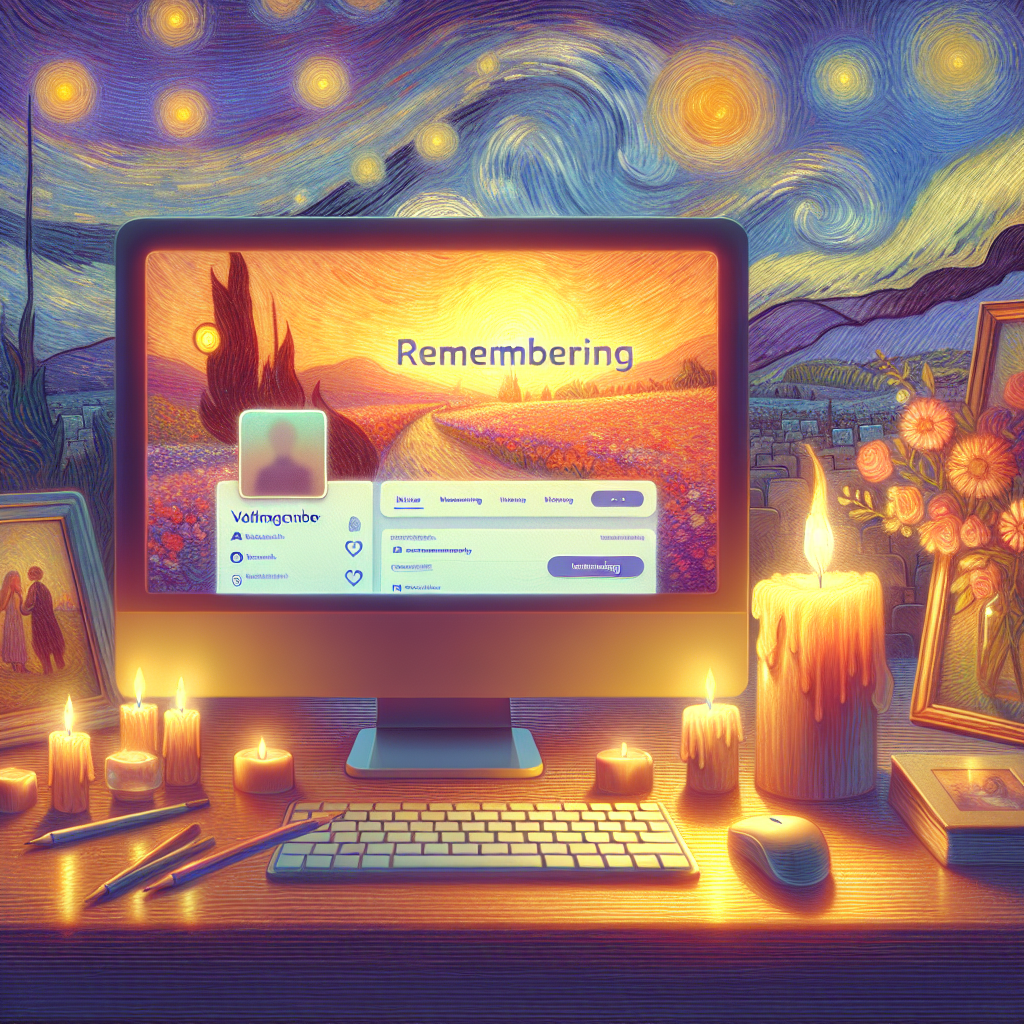
Every item we possess holds a thread of our narrative, woven from moments both ordinary and extraordinary. They may appear as mere trinkets—a weathered baseball, an old photograph, a dusty book—but these things carry the weight of our legacy. Each tells a story, singing the songs of our past with notes that echo through time. When we take a moment to look around, we begin to realize that every miscellaneous piece is a portal to the experiences that shaped us.
Consider a simple coffee cup, chipped on the rim. To an outsider, it seems insignificant, yet to us, it’s a token of countless mornings spent plotting dreams or sharing laughter with friends. This is the essence of legacy storytelling—exposing the profound connections between our items and our journeys in life. Each piece serves as a snapshot of who we were and who we’ve become. This narrative isn’t just self-indulgent reminiscing; it’s a vital part of our identity that influences how we interact with the world today.
From an emotional standpoint, these identifiers foster connection with others. They resonate not just with our own life stories but with the lives of those around us, reflecting shared experiences and universal themes. They evoke familiarity, igniting conversations rooted in empathy. When we open up about our miscellaneous items, we invite others to share their tales, creating a tapestry of human experience that binds us in our shared humanity.
Rationally, having these elements of our past helps ground us. In a world characterized by constant change and uncertainty, these objects remind us from where we came. They serve as tangible proof of resilience, adaptability, and growth. They reassure us that every challenge faced and overcome adds to the richness of our journeys.
Ethically, we have a responsibility to honor the stories held within these objects. By cherishing them, we acknowledge the lives intertwined with our own and ensure that their memories continue to inform and inspire us. Finally, in our social interactions, we can use these mementos to build rapport, spark curiosity, and strengthen bonds with others. Each conversation inspired by our collections becomes a collective tribute to the beautiful twists and turns of life, reminding us that while we may be unique, we are never alone in our experiences.
In embracing our miscellaneous items, we don’t just preserve memories; we celebrate the intricate web of life that connects us all, inspiring not just reflection but action—a call to forge deeper connections through our shared stories.
How Can Our Miscellaneous Items Reflect Our Unique Life Experiences?
How Can Our Miscellaneous Items Reflect Our Unique Life Experiences?
- Every item we possess reflects a part of our narrative, encompassing both ordinary and extraordinary moments.
- Objects serve as tokens of experiences, revealing profound connections to our life journeys.
- Legacy storytelling emphasizes the importance of these items in shaping our identity and interactions with the world.
- Miscellaneous items foster emotional connections, inviting shared stories and creating a sense of shared humanity.
- Such objects ground us in a rapidly changing world, affirming resilience, adaptability, and growth.
- Honoring the stories within our items acknowledges interconnected lives and their influence on our present.
- Embracing our items inspires deeper connections and collective reflection on the tapestry of human experience.

How Can Our Miscellaneous Items Reflect Our Unique Life Experiences?
Conclusion
In the tangled web of our lives, the term “miscellaneous” often assumes a darker role—a graveyard of memories where stories lay dormant, lost amid clutter. This collection of odds and ends can symbolize our tendency to overlook the pieces that truly define us. Each forgotten item, whether it’s an heirloom or a simple trinket, represents a fragment of our journey, holding the power to bridge connections across generations. Ignoring these relics is not just a minor oversight; it’s a disservice to our identity, for they serve as visual anchors to our past, each carrying with it a significant narrative moment.
The emotional weight these items carry is substantial. They offer lessons unlearned and reflections of our shared human experience, urging us to embrace the stories that shaped our legacies. For many, these forgotten memories transform into hidden treasures, capable of fostering empathy and connection when unveiled. This journey into the depths of our miscellaneous items is profoundly ethical; it’s our responsibility to remember and value the past—not only for ourselves but for future generations.
As we engage with our surroundings, the act of organizing reveals the intimate tapestry our belongings weave. An orderly space invites clarity—both mentally and emotionally—allowing creativity and focus to flourish. The clutter that hampers our progress becomes an invitation to sift through chaos and discover what truly matters. When we curate our environment, we embody a philosophy of gratitude, demonstrating respect for the items that enrich our lives.
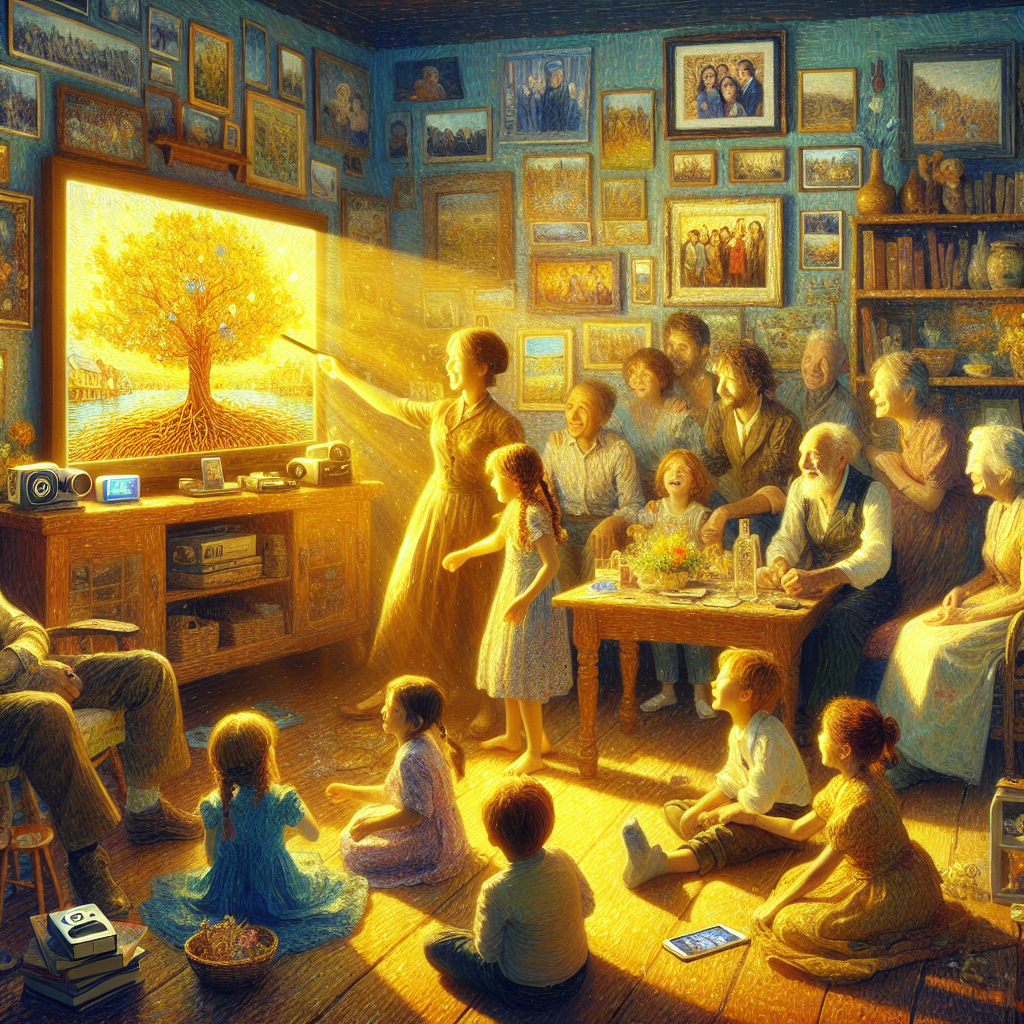
This process is not just personal; the stories unlocked within these forgotten memories contribute to the broader social fabric. Shared experiences forge bonds, connecting us through themes of resilience and compassion. Each narrative reinforces the idea that we are all part of the same human experience, encouraging dialogue that transcends time and fosters understanding.
Ultimately, reclaiming our miscellaneous memories and the narratives they contain transforms a collective graveyard into a vibrant gallery of life lived fully. It’s an urgent call to confront the clutter, rediscover the overlooked, and give life to the quiet stories waiting to be told. As we embrace these moments—no matter how trivial they may seem—we honor not only our past but also the shared legacy that threads us all together, reminding us that every story deserves its rightful place in the light.

Conclusion
Conclusion:
- The term “miscellaneous” often symbolizes the overlooked fragments of our identity.
- Forgotten items serve as visual anchors to our past, each with a significant narrative moment.
- These items carry emotional weight, urging us to embrace the stories that shape our legacies.
- Organizing belongings reveals the intimate tapestry of our lives, inviting clarity and creativity.
- Curating our environment reflects gratitude and respect for the items enriching our lives.
- The narratives within forgotten memories contribute to a broader social fabric, fostering empathy.
- Reclaiming these memories transforms a graveyard of stories into a vibrant gallery of life lived fully.
Conclusion
Other Resources
Other Resources
Here is a list of other resources you can review online to learn more:
- MyMoriam
- Funeral Services Guide
- Association of Personal Historians
- Tributize
- Is There A Need To Pay For Copyrighting Services For Personal Or Family Legacy Stories?
- LifeBio
- LegacyFamilyTree
- Personal Legacy Advisors
- LastPass
- INELA
- My Wonderful Life
- RocketLawyer
- Geni
- Storyfile
- FuneralWise
- Legacy
- LegalZoom
- Legacy Learned
- Storyworth
Use This Prompt To Get More Resources With Your Favorite Online AI Tool: Please provide me with a list of online articles with their URLs in a bulleted list that I can read regarding Why Miscellaneous Is the Graveyard Of Memory

Other Resources
Glossary Terms
Why Miscellaneous Is the Graveyard Of Memory – Glossary Of Terms
1. Miscellaneous: A collection of various items or elements that do not fit into a specific category, often leading to confusion and forgetfulness.
2. Graveyard: A metaphorical space where forgotten memories or neglected information reside, suggesting loss or abandonment.
3. Memory: The faculty by which the mind stores and remembers information, experiences, and skills.
4. Cognition: The mental processes involved in acquiring knowledge and understanding through experience, senses, and thought.
5. Amnesia: A deficit in memory caused by brain injury, disease, or psychological trauma, resulting in the inability to recall information.
6. Organization: The arrangement or categorization of information that aids in memory retention and retrieval.
7. Retention: The ability to keep information in memory over time, crucial for learning and recall.
8. Recall: The process of retrieving stored information from memory, often influenced by the way it was organized or categorized.
9. Disarray: A state of disorder that can hinder memory and make it difficult to access information effectively.
10. Clutter: Overabundance of mixed information that complicates memory retrieval and can lead to mental fatigue.
11. Context: The surrounding information or environment in which memories are formed, providing cues for recall.
12. Association: The link or relationship between different pieces of information in memory, facilitating recall.
13. Schema: A cognitive framework that helps organize and interpret information, influencing how memories are formed and accessed.
14. Neural Pathways: The connections in the brain that facilitate communication between neurons, critical for memory formation and recall.
15. Cognitive Load: The total amount of mental effort being used in working memory, which can affect the ability to recall information.
16. Interference: The phenomenon where new information disrupts the retrieval of previously stored memories.
17. Encoding: The initial process of transforming information into a format that can be stored in memory.
18. Retrieval Cue: A stimulus that helps access stored memories, often lacking in miscellaneous categories.
19. Obscurity: A state of being difficult to understand or remember, often due to lack of organization.
20. Fragmentation: The breaking down of information into disjointed parts, leading to disrupted memory.
21. Contextualization: The process of placing information within a relevant context to enhance understanding and recall.
22. Mental Map: A cognitive representation of physical or conceptual information, aiding in navigation and memory.
23. Recall Failure: The inability to retrieve information from memory, often exacerbated by disorganization.
24. Extraneous: Information that is irrelevant or unnecessary, which can detract from effective memory storage.
25. Syndrome of Misplacement: The tendency for memories to become misplaced or forgotten in a collection of miscellaneous information.
26. Dissonance: A state of mental discomfort arising from conflicting information, which can impede recall.
27. Forgotten: Information that is no longer accessible in memory, often due to lack of use or disorganization.
28. Associationism: A theory suggesting that memories are connected through associations, which can be obscured in miscellaneous contexts.
29. Implicature: The implicit meanings or suggestions in memory that can influence how information is remembered or forgotten.
30. Cognitive Bias: A systematic pattern of deviation from norm or rationality in judgment, affecting memory and perception in miscellaneous contexts.

Glossary Of Terms
Other Questions
Why Miscellaneous Is the Graveyard Of Memory – Other Questions
If you wish to explore and discover more, consider looking for answers to these questions:
- How do I begin sorting a lifetime of miscellaneous items without feeling overwhelmed?
- What practical steps turn cluttered boxes into an organized legacy?
- Which objects are worth keeping for historical or emotional value and which can be let go?
- How can I document the stories behind items before discarding them?
- What are simple prompts or questions to elicit memories tied to specific objects?
- How can I involve family members in preserving shared memories and heirlooms?
- What digital tools or apps are best for cataloguing and preserving memories?
- How do I digitize fragile items like letters, photos, or tapes safely?
- What are effective labeling and storage methods for long-term preservation?
- When is it appropriate to donate, sell, or recycle sentimental items?
- How do privacy and consent factor into sharing family stories or photos publicly?
- What ethical considerations arise when deciding who inherits heirlooms?
- How do cultural differences influence what we consider worth preserving?
- What does research say about the link between clutter and cognitive function?
- How can organizing physical spaces improve mental health and productivity?
- What strategies help people who struggle with hoarding or strong attachment to objects?
- How can legacy storytelling be integrated into estate planning or end-of-life decisions?
- What role can community projects or local archives play in preserving everyday histories?
- How do you balance a minimalist lifestyle with the desire to preserve meaningful artifacts?
- What are low-cost preservation techniques for people on a budget?
- How can oral histories be recorded and preserved for future generations?
- What prompts or formats make personal narratives more engaging for readers or listeners?
- How can schools and youth programs encourage legacy storytelling across generations?
- What professional services exist for archival preservation and when should they be used?
- How long should certain types of items (documents, textiles, electronics) be kept?
- How can someone measure the emotional or cognitive benefits of decluttering?
- What environmental and ethical options exist for disposing of unwanted items?
- How can one create a portable, shareable “legacy kit” for family members?

Other Questions
Haiku
Why Miscellaneous Is the Graveyard Of Memory – A Haiku
Lost memories linger,
Fragments weave our stories deep,
Clutter hides our truths.

Haiku
Poem
Why Miscellaneous Is the Graveyard Of Memory – A Poem
In the shadows of our lives, memories lay,
Miscellaneous, where stories drift away.
A box of trinkets, a faded photograph,
Fragments of life, each holding a path.
Dust gathers gently on heirlooms so sweet,
Echoes of laughter, where past and present meet.
A family meal, a simple tie,
Tales of resilience, love that won’t die.
Chaos surrounds, yet order restores,
A cluttered heart yearns, as memory soars.
Sift through the mess, unveil what we’ve lost,
Each item a lesson, worth every cost.
We owe it to ages both present and gone,
To capture these stories, let them live on.
In the face of our pasts, we find our way home,
Through legacy’s lens, we’re never alone.
With each piece we cherish, the narrative grows,
A web connecting hearts, more than mere shows.
So dig through the clutter, let clarity bloom,
In the graveyard of memory, life finds its room.

Poem
Checklist
Why Miscellaneous Is the Graveyard Of Memory – A Checklist
Emotional Appeals
✅______ Reflect on a memory tied to each item in your miscellaneous collection.
✅______ Identify sentimental items that evoke strong feelings and consider their stories.
✅______ Share a memory associated with a forgotten object in your space with a friend or loved one.
Rational Appeals
✅______ List benefits of decluttering for mental clarity and focus.
✅______ Identify 5 items to keep that represent significant milestones or lessons learned.
✅______ Research the impact of organized spaces on cognitive function and productivity.
Ethical Appeals
✅______ Consider the responsibility of preserving family heirlooms and their legacies.
✅______ Identify items that no longer serve your values and make a plan to let them go.
✅______ Reflect on how your choices in organization can positively influence your community.
Authority Appeals
✅______ Read insights from experts on the link between memory and organizing.
✅______ Collect quotes or findings from psychologists about the importance of remembering our past.
✅______ Attend a workshop or seminar on legacy storytelling and its benefits.
Narrative Appeals
✅______ Write a short story for each item you choose to keep that describes its significance.
✅______ Create a family narrative by gathering stories from relatives about shared memories.
✅______ Develop a timeline of key life events tied to your miscellaneous items.
Social Appeals
✅______ Invite friends over to share stories about your collectively forgotten items.
✅______ Organize a community event focused on storytelling through objects.
✅______ Start a conversation in a group about how memories shape our identities.

Checklist
At LegacyExplorations, we help people plan and explore their legacy by collecting information and news regarding end-of-life planning.
Please share this post with your friends, family, or business associates who may want help to plan or explore their legacy.