

Stirring Emotions, Building Trust: The Power Of Nostalgia In Business
By Tom Seest
At LegacyExplorations, we help people plan and explore their legacy by collecting information and news regarding end-of-life planning.
Please share this post with your friends, family, or business associates who may want help to plan or explore their legacy.
Why Nostalgia Is the Secret Sauce for Your Business Legacy
Nostalgia is a powerful force. It’s that twinge in your chest when a familiar tune plays, transporting you back to simpler times. It taps into something primal within us, a connection to who we are and where we came from. And, when it comes to building a business legacy, nostalgia becomes an invaluable tool for storytelling that resonates deeply with people’s hearts.
Your business isn’t just about products or profits; it’s about creating an emotional tapestry that people want to be a part of. Think about it: every successful legacy has a story, and every story thrives on the rich fabric of its past. Leverage that past by connecting your brand to experiences that people cherish. When your customers reminisce about the old days, your brand can become a part of that memory, bringing warmth to their daily lives.
But it’s not only emotions that nostalgia appeals to; it’s also the rational side of our decision-making. People are conditioned to trust familiarity. When they associate your brand with happy memories, their confidence grows. This bond establishes a sense of loyalty that no discount or advertisement can replicate. Your legacy storytelling should showcase not just what your business offers, but how it aligns with the cherished memories of your audience’s shared experiences.
Now, let’s consider ethics. There’s honor in connecting your business values to those nostalgic moments. When you reflect on simpler times, make sure your message is authentic. This ethical stance fosters transparency. Customers today crave authenticity; they want to know that their choices matter, and aligning your brand with socially responsible practices can turn that nostalgia into action.
And remember the narrative. Situate your business within a story that’s larger than itself. Share anecdotes that highlight the hardships, triumphs, and growth you’ve experienced as a business. These tales create a bond, establishing your authority while allowing your audience to see themselves woven into your legacy.
Lastly, think about social appeal. Create spaces—both online and offline—where your community can engage with your brand through shared memories. Encourage your audience to reminisce and contribute their own stories. By fostering these connections, you’re making your business not just a service, but a crucial part of their collective nostalgia.
Harnessing nostalgia isn’t just about evoking fond memories. It’s about building a legacy that resonates through storytelling, establishes trust, and inspires action, ensuring your business isn’t just remembered but cherished for generations to come.

Why Nostalgia Is the Secret Sauce for Your Business Legacy
Why Nostalgia Is the Secret Sauce for Your Business Legacy
- Nostalgia connects us to our past and can enhance storytelling in business.
- A successful business legacy involves creating an emotional connection with customers.
- Your brand can become part of cherished memories, enhancing customer warmth and loyalty.
- Nostalgia appeals to both emotions and rational decision-making, building trust through familiarity.
- Ethical considerations are important; authenticity fosters transparency and social responsibility.
- Sharing your business’s story, including challenges and triumphs, creates a meaningful narrative.
- Encourage community engagement by creating spaces for shared memories and contributions.

Why Nostalgia Is the Secret Sauce for Your Business Legacy
Table Of Contents
- Why Nostalgia Is the Secret Sauce for Your Business Legacy
- What Memories From Your Past Define Your Business Journey?
- How Has Nostalgia Influenced the Decisions Of Successful Brands?
- What Narratives From Your Childhood Can Shape Your Business Identity?
- How Does Your Brand Evoke Feelings Of Nostalgia In Your Audience?
- What Role Does Shared History Play In Customer Loyalty?
- Can You Recall a Moment When Nostalgia Drove Your Purchase Decisions?
- How Can Your Legacy Inspire Future Generations In Business?
- Conclusion
- Other Resources
- Glossary Of Terms
- Other Questions
- Haiku
- Poem
- Checklist
What Memories From Your Past Define Your Business Journey?
We all carry stories tucked away in the corners of our minds—fragments of laughter, setbacks, and lessons learned. These memories don’t just shape who we are; they shape how we do business. Think back to your first job. Maybe it was flipping burgers, or perhaps it was delivering newspapers before dawn. That treasured experience, however modest, laid the groundwork for your ethos as a businessperson. Each early morning, each moment of effort, planted a seed of resilience that grows deeper with every challenge faced.
Legacy storytelling is powerful; it weaves our past into the fabric of our present. Consider the values instilled in you as a child. Watching your parents work tirelessly, juggling responsibilities without complaint, teaches you about grit and determination. You learned that success doesn’t come easy, and perhaps that’s why you’ve developed a relentless work ethic. We can all relate to the stories of sacrifice that underpin our aspirations, forging connections that are both emotional and rational.
Your business journey is a tapestry woven with personal anecdotes and hard-won wisdom. When you reflect on those early memories, can you see how they inform your decision-making today? Those formative experiences create a foundation of trust and authority—integral qualities that your clients and customers seek. They don’t just want a service; they want to believe in the story behind it, the authenticity of the person providing it.
As you carve your path in the world of business, remember that you are not just an operator—you’re a storyteller. You are crafting a legacy, one that resonates with others who have walked similar paths. Each obstacle you overcome becomes another chapter in your narrative. Embrace the humbling moments, the stumbles and the missteps. They are as vital to your journey as your triumphs.
Let’s face it: we’re all in this together. Every entrepreneur has a story; every business has a narrative. By sharing your memories, you foster community and invite others to join you on this journey. You also instill confidence in those around you. When you open up about your past, it not only gives context to your business but also inspires others to reflect on their own stories. Trust builds in these exchanges, connecting us on deeper, more human levels. Your past does not define you—it shapes you, molds you into the business leader you aspire to become.

What Memories From Your Past Define Your Business Journey?
What Memories From Your Past Define Your Business Journey?
- Everyone carries personal stories that influence their identity and business approach.
- Early job experiences, regardless of their nature, contribute to resilience and work ethic.
- Legacy storytelling connects the past to the present, embodying values like grit and determination.
- Personal anecdotes and lessons learned build trust and authority essential for client relationships.
- Entrepreneurs are storytellers, framing their business journey through challenges and triumphs.
- Sharing personal narratives fosters community, inspires confidence, and encourages reflection in others.
- Your past shapes you into the business leader you aspire to become, enhancing connections with others.

What Memories From Your Past Define Your Business Journey?
How Has Nostalgia Influenced the Decisions Of Successful Brands?
Nostalgia isn’t just a longing for the past; it’s a powerful tool that successful brands have learned to wield with precision. When we think back to simpler times—those golden days of youth when life felt uncomplicated—our hearts flutter with warmth. This emotional connection is what brands tap into through legacy storytelling. It’s the art of weaving tales that resonate with our shared experiences, planting familiar feelings that remind us why we loved a product in the first place.
Think about your favorite childhood cereal. You can almost hear the crinkle of the box and taste that first bite of sugary bliss. Brands like Kellogg’s and General Mills don’t just sell breakfast; they sell memories. They understand that every crunch carries a story—a story that can tug at the heartstrings of parents looking to recreate those cherished moments for their own children. They capitalize on our sentimental side, subtly reminding us that their product is not just food; it’s a bridge to the past.
From a rational perspective, brands harness nostalgia to create loyalty. When consumers associate a brand with cherished memories, they become more inclined to choose their products over new, shiny alternatives. A well-executed nostalgic campaign isn’t a mere flash in the pan; it builds trust and confidence. It’s an ethical reminder that some things don’t change: the comfort of a favorite snack or the joy of sharing a moment over a familiar tune evokes a sense of belonging.
But there’s more than just emotion and reason at play. Nostalgia fosters a collective identity. When a brand cites its history, it builds an inclusive narrative that invites everyone to participate. Remembering where you came from isn’t just sentimental—it’s a call to action. It nudges consumers to join in on the story, to share their own memories, creating a rich tapestry of connection and community.
Take, for example, the resurgence of vinyl records. Brands have tapped into a retro wave not simply to sell products but to revive an entire culture. The act of listening to a record is more than just enjoying music; it’s a ritual that connects generations.
Successful brands master this blend of heart, head, and gut. They don’t just sell us products; they offer us memories, creating trust and sparking action—proving that sometimes, the road to the future is paved with the echoes of our past.

How Has Nostalgia Influenced the Decisions Of Successful Brands?
How Has Nostalgia Influenced the Decisions Of Successful Brands?
- Nostalgia serves as a powerful marketing tool for brands, invoking emotional connections tied to the past.
- Brands utilize legacy storytelling to resonate with shared experiences and rekindle fond memories.
- Examples like Kellogg’s and General Mills illustrate how brands sell not just products, but cherished memories associated with them.
- Nostalgia fosters consumer loyalty, encouraging customers to prefer familiar brands over newer alternatives.
- It promotes a sense of belonging and trust through emotional and ethical ties to favorite products.
- Nostalgia also builds a collective identity, inviting consumers to share their memories and engage with the brand narrative.
- Successful brands blend emotions, reason, and cultural elements, proving that connections to the past can guide the future.

How Has Nostalgia Influenced the Decisions Of Successful Brands?
What Narratives From Your Childhood Can Shape Your Business Identity?
Every once in a while, you stumble upon a moment from your childhood that resonates deeper than you initially realize. You might remember sitting on the porch, wide-eyed, as a grandparent shared tales of their struggles and triumphs. These narratives aren’t just stories; they’re threads weaving together our sense of purpose, providing a framework for who we are and who we become in the world of business.
Consider the values your parents instilled in you, perhaps a commitment to hard work or the importance of integrity. These lessons are more than idle advice; they form the backbone of your business identity. When you infuse your brand with these principles, you create an authenticity that resonates with customers. It’s like an unspoken contract, built on trust and shared understanding. People are drawn to those who stand for something, and by embracing your legacy storytelling, you can transform that childhood experience into a powerful narrative that captivates others.
Now, let’s get practical. Think of the mistakes you observed, the challenges that seemed insurmountable, and the victories that ignited a spark in your heart. Each moment is a lesson, an opportunity to leverage your personal history in a way that engages your audience’s emotions. As you share these stories, you invite customers into your journey, fostering a connection that goes beyond mere transactions. They won’t just see you as a brand; they’ll relate to your perseverance, your failures, and your ultimate triumphs.
Engaging in legacy storytelling isn’t just an emotional exercise; it’s a smart business strategy. In a market overrun with sameness, your unique experiences set you apart. Now, imagine the impact of wielding these narratives to build not just a brand but a community. You create affinity, loyalty, and a sense of belonging—all critical components for sustaining success.
Finally, lean into your own beginnings and question: what stories did you carry with you? What lessons did you learn that shaped your identity as an entrepreneur? By celebrating these narratives, you not only honor your past but also forge a future steeped in authenticity. This journey isn’t just yours—it belongs to everyone who has walked beside you, and they will walk alongside your business too. By sharing these truths, you inspire trust in your audience, inviting them to join you in crafting a legacy worth telling.

What Narratives From Your Childhood Can Shape Your Business Identity?
What Narratives From Your Childhood Can Shape Your Business Identity?
- Childhood moments hold deeper meaning, shaping our sense of purpose.
- Values instilled by parents, such as hard work and integrity, form the backbone of business identity.
- Infusing brand principles with personal values creates authenticity that resonates with customers.
- Legacy storytelling transforms childhood experiences into powerful narratives that engage audiences.
- Sharing personal history fosters emotional connections beyond mere transactions.
- Engaging in legacy storytelling is a smart strategy that sets brands apart in a saturated market.
- Celebrating personal narratives inspires trust and invites customers to craft a shared legacy.

What Narratives From Your Childhood Can Shape Your Business Identity?
How Does Your Brand Evoke Feelings Of Nostalgia In Your Audience?
When it comes to evoking nostalgia in your audience, it’s not just about slapping a retro filter on your marketing campaign and calling it a day. It’s about weaving a rich tapestry of memories and emotions that resonate deeply within your audience. Think of it as legacy storytelling—where every product, every brand interaction, carries a piece of your audience’s past.
Start by digging into the emotional core of your brand. What are the stories that shaped your identity? Use imagery and language that transports people back to simpler times, dragging those warm, fuzzy feelings from the corners of memory. Flannel shirts, summer nights, or the smell of fresh-baked cookies—tap into sensory details that make people close their eyes and remember a moment, a feeling, a simpler time. When you create that emotional engagement, you stir something primal in your audience, awakening nostalgia that serves as a bridge to your brand.
Rational appeal plays a crucial role too. Your audience needs to see the value in the memories you’re evoking. This means sharing the lineage or origins of what makes your brand special. Highlight how your products or services are designed with the same care and craftsmanship as they were decades ago—connecting your legacy to your audience’s own heritage. This not only fosters trust but also reinforces your authority in the space. After all, a brand that understands its roots is one that can be counted on to deliver authenticity.
Then, there’s the ethical dimension—take ownership of the stories you tell. Authenticity matters. Your audience will spot disingenuous attempts at nostalgia from a mile away. Instead, uphold a narrative that respects the past while honoring the future. Encourage your audience to share their own stories, creating a two-way street of nostalgia where they feel included and valued.
Finally, leverage social appeal. Encourage conversations around your brand—create spaces, whether online or in person, where people can gather and reminisce. Make it easy for them to share their experiences related to your brand, allowing that nostalgia to flourish in a communal setting. When you foster connections like this, you’re not just selling a product; you’re selling a piece of shared history, expertly mixing the heart, head, and gut to inspire action and loyalty.

How Does Your Brand Evoke Feelings Of Nostalgia In Your Audience?
How Does Your Brand Evoke Feelings Of Nostalgia In Your Audience?
- Nostalgia in marketing goes beyond superficial retro aesthetics, focusing on deep emotional resonance.
- Utilize legacy storytelling to connect brand interactions with the audience’s past experiences.
- Engage sensory details and imagery to evoke warm memories, like the smell of fresh-baked cookies.
- Rational appeal is essential; highlight the craftsmanship and heritage behind your brand’s products.
- Ensure authenticity in storytelling to avoid disingenuous nostalgia; respect past narratives while honoring the future.
- Create spaces for community interaction around your brand to encourage sharing and fostering of nostalgia.
- Mix emotional and rational appeals to build genuine loyalty and action among your audience.

How Does Your Brand Evoke Feelings Of Nostalgia In Your Audience?
What Role Does Shared History Play In Customer Loyalty?
What role does shared history play in customer loyalty? Picture this: two old friends sitting around a campfire, swapping stories that tell of laughter, struggles, and unforgettable experiences. This same warmth and familiarity can be at the heart of a strong customer-brand relationship. By embracing legacy storytelling, brands can weave a narrative that resonates deeply with their audience, creating a bond that transcends mere transactions.
Shared history creates a solid foundation of trust, and trust is an essential ingredient in customer loyalty. When customers feel a connection to a brand’s journey—its challenges, triumphs, and evolution—they aren’t just buying a product; they’re buying into a legacy. This emotional connection fosters loyalty, as people are often drawn to brands that reflect their own values and history. Whether it’s a family-owned bakery or a tech giant that started in a garage, those stories become a shared heritage that customers want to be part of.
But it’s not just about feelings; there’s a rational aspect to it as well. When customers recall past experiences with a brand, they engage in mental calculations. “Was I treated well?” “Did I find value?” If the answers lean positive, their loyalty is solidified. After all, customers appreciate consistency and reliability. They are more likely to return to a brand that has proven its worth over time, navigating good days and bad together.
Ethically, brands that honor their history are also more likely to foster social responsibility. By sharing their journey, they can highlight milestones that demonstrate their commitment to community and sustainability, which resonate with today’s socially conscious consumers. This ties directly to modern customer expectations, creating an ethical bond that secures loyalty based not just on good practices, but shared values.
Every interaction becomes part of an ongoing story—a narrative where each customer can see themselves as a character, contributing to the plot. The social aspect can’t be overlooked, as word-of-mouth recommendations from loyal customers act as a powerful cue to others. This rapport creates a community bound by shared experiences, where loyalty thrives.
The beauty of shared history in customer loyalty is its potential to inspire action. When you make customers part of your journey, they feel more invested in your brand. So go ahead—share your legacy. Invite your customers to be part of your story, and watch them turn that connection into unwavering loyalty.
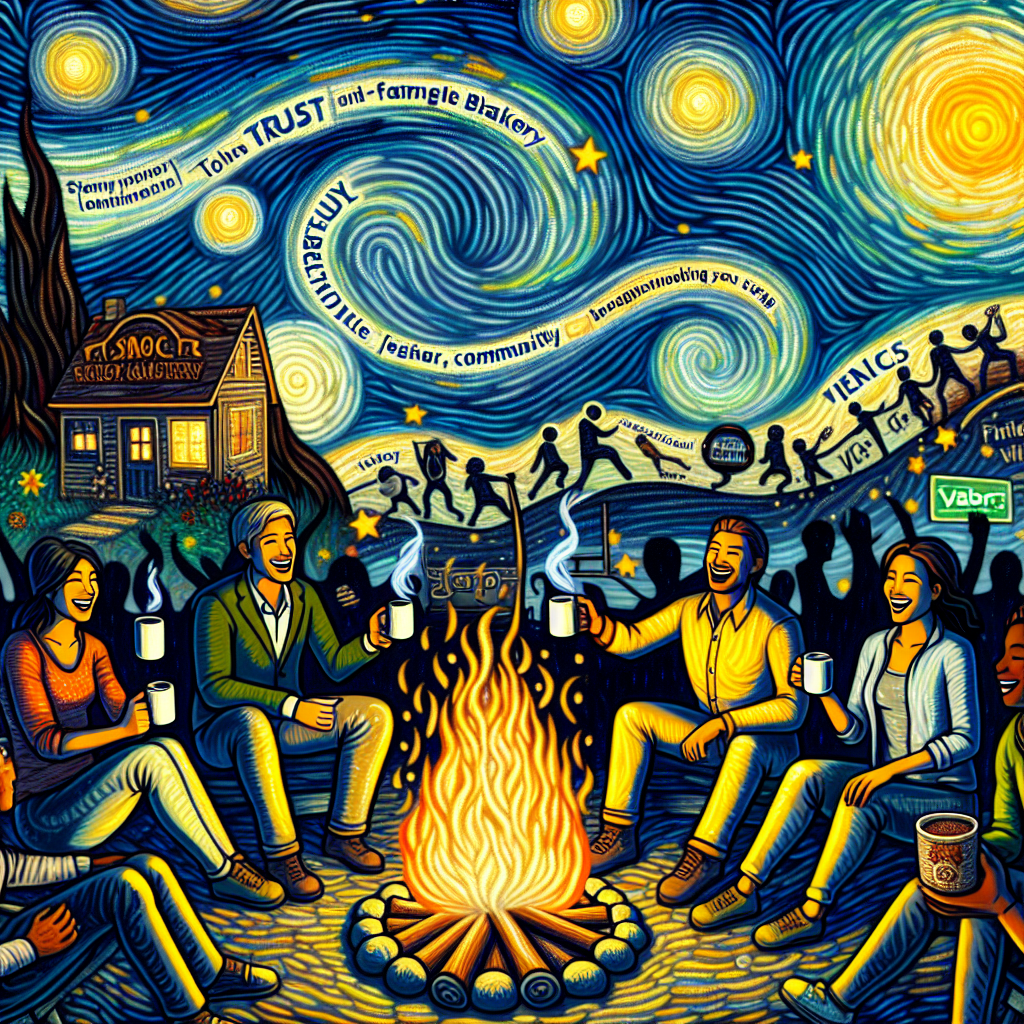
What Role Does Shared History Play In Customer Loyalty?
What Role Does Shared History Play In Customer Loyalty?
- Shared history fosters a strong emotional bond between customers and brands, akin to old friends reminiscing around a campfire.
- This connection creates a foundation of trust, essential for customer loyalty.
- Customers resonate with a brand’s journey, leading them to buy into a legacy rather than just a product.
- Positive past experiences with a brand enhance customer loyalty through mental evaluations of treatment and value.
- Brands that honor their history demonstrate social responsibility, addressing modern consumer expectations and reinforcing loyalty.
- Interactions contribute to a narrative where customers see themselves as part of the brand’s story, enhancing community and loyalty.
- Inviting customers into the brand’s legacy inspires investment and can turn connections into unwavering loyalty.
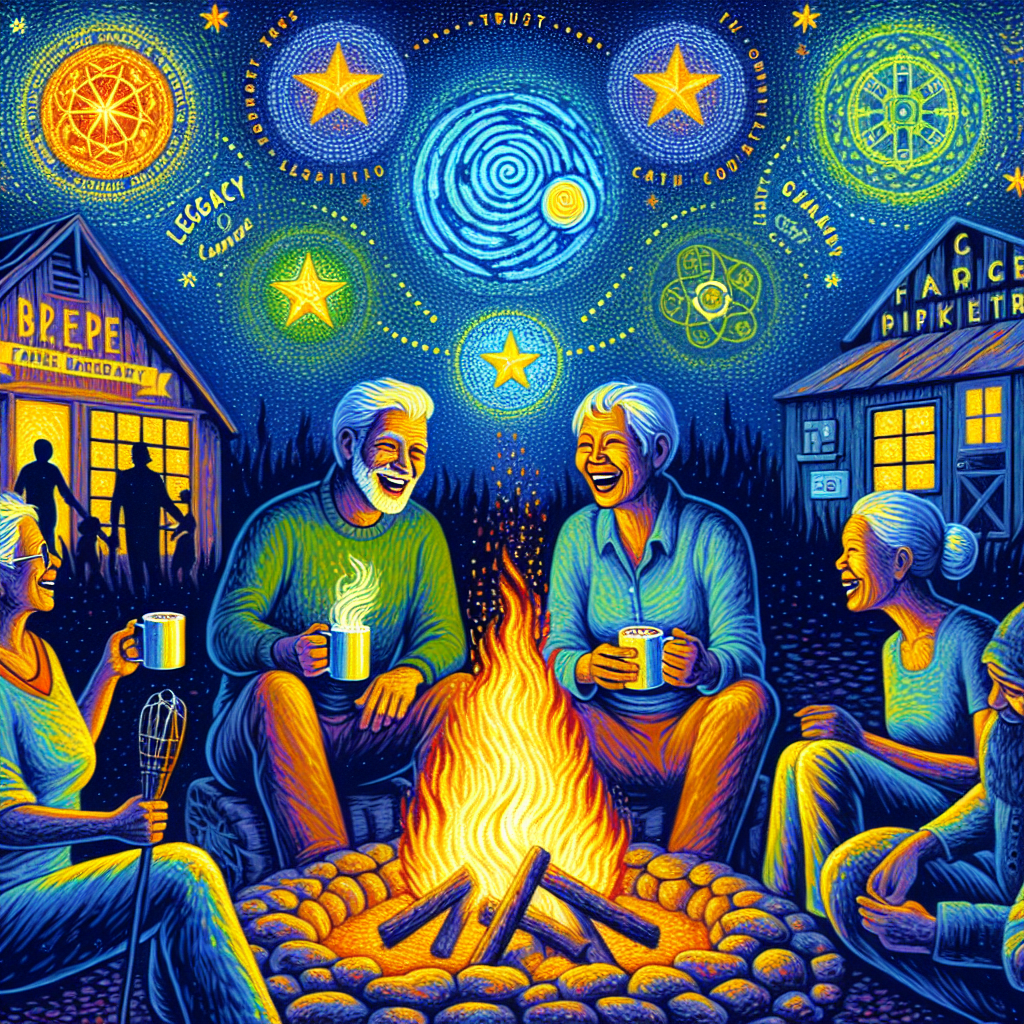
What Role Does Shared History Play In Customer Loyalty?
Can You Recall a Moment When Nostalgia Drove Your Purchase Decisions?
Picture this: it’s a rainy afternoon, and you’re cleaning out that old dusty box tucked away in the attic. As you sift through forgotten trinkets, a worn-out teddy bear catches your eye. Instantly, you’re transported to a time when the world felt simpler, warmer—a moment is awakened. Nostalgia, that powerful force, pulls us back into the embrace of cherished memories, wrapping around us like a favorite old blanket.
We live in a world saturated with shiny new things and relentless advertisements, yet it’s those visceral connections from our past that often nudge us toward a purchase. Think about it—how many times have you bought an item simply because it reminded you of something you once loved? Perhaps it was a vintage video game, a classic record, or even a familiar scent. Each of these items carries a legacy, a story that transcends mere consumerism and speaks directly to our hearts.
In our fast-paced lives, this impulse isn’t just about nostalgia—it’s a way of belonging. It’s a reminder of who we were, who we’ve lost, and how those elements shape our identities. When we make those purchases, we’re not simply acquiring goods; we’re investing in memories. And that’s something worth paying attention to, isn’t it?
Rationally, we understand the emotional pull. Studies have shown that nostalgic memories can create a heightened sense of connection, leading to feelings of contentment and even community. Brands tap into this, crafting marketing strategies drenched in legacy storytelling, inviting us to relive experiences that resonate deeply within us.
Ethically, it raises questions: How does a brand engage our emotions authentically without exploiting them? This balance is essential. The brands that succeed in fostering connection, that craft authentic narratives rather than hollow gimmicks, earn our trust.
Now, think about the next time you’re presented with a product that resonates with your past. Allow that feeling of nostalgia to guide you, but don’t forget to weigh it against your values. Is this purchase serving your heart and your wallet? It’s a delicate dance—balancing emotion with reason, story with action. Ultimately, when nostalgia drives your choices, you embrace a piece of your legacy, that intimate thread binding your past to your present. And maybe, just maybe, that’s the most meaningful choice you can make.

Can You Recall a Moment When Nostalgia Drove Your Purchase Decisions?
Can You Recall a Moment When Nostalgia Drove Your Purchase Decisions?
- A dusty teddy bear can evoke nostalgia, transporting us to simpler times.
- Nostalgia connects us to cherished memories and can influence purchasing decisions.
- Items like vintage games and classic records carry stories beyond their material value.
- Nostalgia serves as a reminder of our identities and the connections we’ve lost.
- Brands utilize nostalgia in marketing, creating emotional connections and community feelings.
- There are ethical considerations in how brands engage with our emotions without exploiting them.
- When making nostalgic purchases, it’s important to balance emotion with personal values.

Can You Recall a Moment When Nostalgia Drove Your Purchase Decisions?
How Can Your Legacy Inspire Future Generations In Business?
Your legacy isn’t just a string of accomplishments or accolades; it’s a living, breathing story that shapes the future of those who come after you. Every entrepreneur, every leader, every innovator leaves a mark on the fabric of business. This is where legacy storytelling comes in—a powerful tool to inspire future generations.
Consider this: the young folks today aren’t just interested in what you achieved; they want to know the journey that got you there. They want to hear about the late nights, the failed ventures, and the moments of sheer uncertainty that led to success. When you share your experiences, it creates a bridge of understanding between generations. Your struggles become their lessons; your triumphs can inspire their pursuits. They witness not just results but the grit behind them.
Now, let’s engage the head and the heart. Businesses are often driven by numbers and analytics, but don’t forget the emotional pulse of why we do what we do. Your story, imbued with vulnerability and authenticity, resonates on a human level. It cultivates trust. When the younger generation understands the principles that guided your decisions, they become more likely to emulate your ethical stance and entrepreneurial tenacity in their own endeavors.
But it’s not just the individual that benefits; the whole community thrives when people carry forward the values you championed. Picture a table shared among the aspirants—each person eager to build on your foundation, but also ready to add their own flavor. Through your legacy, you instill a sense of belonging and responsibility. They become the stewards of your principles.
Let’s appeal to the gut, too, because nothing stirs action like a story that evokes a visceral reaction. Share your failures candidly; explain the “why” behind your choices and the lessons learned. When aspiring business leaders hear that others faced adversity—and overcame it—they gain the confidence to tackle their own challenges head-on. You empower them to take risks, to innovate, and to forge paths where none existed before.
In a world frantic with change, your legacy is a steady, guiding light. Each story you tell is a thread in the larger tapestry of business, woven with care, authenticity, and purpose. As your narrative reverberates through time, it becomes a source of motivation and aspiration—a beacon for future generations ready to make their mark.

How Can Your Legacy Inspire Future Generations In Business?
How Can Your Legacy Inspire Future Generations In Business?
- Your legacy is a living story that influences future generations, going beyond mere accomplishments.
- Legacy storytelling serves as a powerful tool to inspire young entrepreneurs and leaders by sharing journeys, struggles, and successes.
- Emotional authenticity fosters trust and can guide the younger generation in their own ethical and entrepreneurial pursuits.
- The community benefits when shared values are carried forward, creating a sense of belonging and responsibility among aspiring individuals.
- Candidly sharing failures and lessons empowers future business leaders to tackle challenges and take risks.
- Your legacy acts as a steady guiding light amidst rapid change, weaving a tapestry of purpose and authenticity.
- As your narrative resonates through time, it becomes a source of motivation and aspiration for those ready to make their mark.

How Can Your Legacy Inspire Future Generations In Business?
Conclusion
Nostalgia isn’t just a sentimental yearning for the past; it’s a robust bridge that connects businesses to their customers in profound ways. It’s a powerful emotional trigger that goes beyond mere transactions by transforming a brand into a trusted companion woven into the tapestry of our lives. Successful businesses understand that their narratives are part of an intricate web of shared memories and experiences, enriching the bond between brand and customer.
When nostalgia enters the equation, customers are not just reminded of where they’ve been; they’re invited to feel a warm familiarity that engenders trust. The emotional pull of nostalgia nurtures loyalty, as customers are drawn to brands that echo their own cherished memories. This deeply rooted trust is stronger than any promotional campaign; it’s forged in a shared history that resonates with values and experiences.
However, nostalgia is also anchored in ethics. Today’s consumers crave authenticity and transparency. They want to know that the stories behind their favorite brands are genuine reflections of their values rather than mere marketing ploys. A sincere approach to legacy storytelling is essential, allowing brands to align themselves with socially responsible practices, thus inviting consumers to engage not just with a product, but with a movement grounded in integrity.
From a rational standpoint, nostalgia serves as a persuasive force in decision-making. It’s not just about evoking feelings; it’s about establishing a framework for trust, where familiarity breeds preference and loyalty. When customers see their own experiences mirrored in a brand’s story, it solidifies a connection that goes beyond the latest trend or clever advertisement.
Brands capitalize on this nostalgia by creating spaces—both physical and digital—where communities can gather, share stories, and foster a belonging that resonates on a deeper level. This not only fortifies brand loyalty but ignites a collective identity among consumers. By crafting memorable experiences and inviting customers to partake in this journey, businesses become not just vendors of goods, but custodians of shared memories.
Legacy storytelling, steeped in nostalgia, does more than reminisce about the past; it charges forward, inspiring future generations to carry the torch, learn from experiences, and innovate based on foundational lessons. In the end, a business that harnesses the full emotional weight of nostalgia is one that doesn’t just survive; it thrives, becoming a cherished part of its customers’ lives and histories for generations to come. Embrace this powerful tool, and watch your business evolve into a community, a legacy, and a story worth telling.

Conclusion
Conclusion:
- Nostalgia bridges businesses and customers, serving as a powerful emotional trigger beyond mere transactions.
- Successful brands integrate their narratives into customers’ shared memories, enhancing their connection.
- Nostalgia fosters trust through familiarity, nurturing customer loyalty that surpasses promotional efforts.
- Consumers seek authenticity; brands must reflect genuine values rather than just market products.
- Nostalgia influences decision-making, establishing trust and loyalty through relatable brand stories.
- Brands create spaces for community engagement, strengthening brand loyalty and a collective identity.
- Legacy storytelling inspires future generations, making nostalgia a vital tool for businesses to thrive and evolve.

Conclusion
Other Resources

Other Resources
Here is a list of other resources you can review online to learn more:
- Forever Missed
- LivingDNA
- Obituary Templates
- Storyfile
- Directive Communication Systems
- RocketLawyer
- INELA
- APH
- NoLo
- Storyworth
- How to Avoid Losing Your Family History One Generation at a Time
- Cake
- Willmaker
- Meminto
- LifeSite
- Personal Legacy Advisors
- Knotify.me
- How to Save Your Family�s Stories from Being Lost Forever � A Step-by-Step Guide to Creating a Lasting Digital Legacy
- Can Telling and Preserving Personal or Family Legacy Stories Be Therapeutic?
- LifeBio
Use This Prompt To Get More Resources With Your Favorite Online AI Tool: Please provide me with a list of online articles with their URLs in a bulleted list that I can read regarding Why Nostalgia Is the Secret Sauce for Your Business Legacy

Other Resources
Glossary Terms
Why Nostalgia Is the Secret Sauce for Your Business Legacy – Glossary Of Terms
1. Nostalgia: A sentimental longing for the past, often evoking fond memories and emotions.
2. Legacy: The lasting impact or influence that a business leaves behind, shaping its identity and reputation.
3. Branding: The process of creating a distinct identity for a company through visual elements, messaging, and values.
4. Emotional Connection: A bond formed with customers based on shared experiences or feelings that enhance loyalty.
5. Consumer Behavior: The study of how individuals make decisions to spend their resources, influenced by emotions and memories.
6. Storytelling: The art of conveying messages through engaging narratives that resonate with audiences.
7. Sentimentality: A quality that evokes tender emotions, often related to cherished memories or experiences.
8. Heritage Marketing: A strategy that emphasizes a brand’s history and traditions to attract consumers.
9. Cultural Resonance: The alignment of a brand’s message with the cultural beliefs and values of its target audience.
10. Memorable Experiences: Unique and significant interactions that leave a lasting impression on customers.
11. Market Positioning: The strategic process of establishing a brand’s unique place in the marketplace relative to competitors.
12. Customer Loyalty: The tendency of consumers to continue buying from a brand due to emotional attachment and satisfaction.
13. Product Relevance: The alignment of a product’s attributes with the values and memories of its target audience.
14. Emotive Advertising: Marketing that focuses on stirring emotions to connect with consumers more deeply.
15. Nostalgic Marketing: Using nostalgia as a tactic to evoke positive feelings and create connections with customers.
16. Target Audience: The specific group of consumers that a brand aims to reach and engage with.
17. Visual Storytelling: The use of images and visual content to narrate a brand’s story and evoke emotions.
18. Brand Authenticity: The degree to which a brand is perceived as true to its values and mission, fostering trust.
19. Cognitive Dissonance: The discomfort experienced when a person’s beliefs or memories are contradicted, affecting purchasing decisions.
20. Emotional Branding: A strategy that aims to create a strong emotional connection between the consumer and the brand.
21. Intergenerational Marketing: Targeting multiple generations by appealing to shared memories and values across age groups.
22. Collective Memory: The shared pool of knowledge and information held by a group, influencing cultural identity.
23. Flashbacks: Sudden and vivid memories of past experiences that can influence consumer feelings toward a brand.
24. FOMO (Fear of Missing Out): Anxiety stemming from the perception that others are having rewarding experiences without you, driving consumer behavior.
25. Cross-Generational Appeal: A brand’s ability to resonate with various age groups by leveraging nostalgia.
26. Brand Narrative: The overarching story that a brand tells to convey its values, mission, and history.
27. Experience Economy: A marketplace where consumers value and seek out experiences as products.
28. Emotional Triggers: Specific stimuli that evoke emotional responses, often used in marketing to connect with consumers.
29. Brand Evolution: The process of a brand adapting and transforming over time while preserving its core values.
30. Strategic Planning: The process of defining a business’s objectives and developing strategies to achieve them, often incorporating legacy and nostalgia.

Glossary Of Terms
Other Questions
Why Nostalgia Is the Secret Sauce for Your Business Legacy – Other Questions
If you wish to explore and discover more, consider looking for answers to these questions:
- What are effective ways to incorporate nostalgia into marketing strategies?
- How can businesses ensure their nostalgic messaging is authentic?
- What are some examples of brands that successfully use nostalgia?
- How does nostalgia influence consumer behavior and purchasing decisions?
- What are the potential risks of using nostalgia in branding?
- How can businesses measure the impact of nostalgia on customer loyalty?
- What role does storytelling play in enhancing brand nostalgia?
- How can small businesses leverage nostalgia in a competitive market?
- What ethical considerations should brands keep in mind when invoking nostalgia?
- How can nostalgia foster a sense of community among customers?
- In what ways can personal narratives enhance a business’s connection with its audience?
- How can future business leaders learn from established brands that use nostalgia?
- What are some key elements of effective legacy storytelling?
- How can nostalgia influence online community engagement?

Other Questions
Haiku
Why Nostalgia Is the Secret Sauce for Your Business Legacy – A Haiku
Echoes of the past,
Weaving trust through stories told—
Legacy ignites.

Haiku
Poem
Why Nostalgia Is the Secret Sauce for Your Business Legacy – A Poem
In the soft glow of yesteryears, where memories reside,
Lies a secret sauce for legacies, where nostalgia abides.
A twinge in the heart, a flicker of trust so deep,
Brands become vessels for stories that we keep.
Amidst products and profits, a narrative unfolds,
Weaving threads of past moments, both cherished and bold.
From childhood echoes to lessons learned late,
Each tale intertwines, shaping our fate.
Listen, oh entrepreneurs, to the wisdom of time,
For every setback and triumph is a reason to climb.
When your brand hugs the familiar, draws from the well,
You build bridges of loyalty where memories dwell.
Yet, let ethics guide you; let authenticity reign,
For customers seek meaning, not just fleeting gain.
Share laughter and struggles in a space safe and sound,
Invite voices to join in, where true connections are found.
Picture the warmth of a campfire’s glow,
As two souls trade stories of days long ago.
Nostalgia kindles community, igniting the flame,
In a market of choices, it shapes your brand’s name.
So embrace yielded narratives, let your legacy shine,
A tapestry woven with purpose, story, and time.
For in each shared experience, hearts, heads, and guts meet,
Inspiring generations with memories bittersweet.

Poem
Checklist
Why Nostalgia Is the Secret Sauce for Your Business Legacy – A Checklist
Nostalgia and Business Legacy Checklist
Heart
_____ Reflect on Emotional Connections: Identify key memories that shape your business identity. Consider how these tales can evoke feelings of warmth and familiarity for your audience.
_____ Share Personal Narratives: Craft stories that showcase your journey, highlighting challenges and triumphs. Ensure these stories resonate with customers on an emotional level.
_____ Foster Community Engagement: Create spaces for your audience to share their own nostalgic stories related to your brand, encouraging a sense of belonging.
Head
_____ Analyze Consumer Trust: Understand how familiarity with your brand can drive loyalty. Reflect on how sharing legacy stories can cultivate trust over time.
_____ Craft Authentic Messaging: Ensure your brand communications align with the values embedded in your nostalgic narratives. Authenticity is key in building a rational appeal.
_____ Highlight Heritage and Craftsmanship: Clearly communicate the lineage and quality behind your products or services. Reinforce why these values matter to your customers.
Gut
_____ Embrace Vulnerability: Share both successes and failures candidly. Relate personal struggles to inspire resilience and confidence in your audience.
_____ Encourage Actionable Legacy: Highlight how your experiences can guide the next generation of entrepreneurs, motivating them to take calculated risks.
_____ Create Ethical Standards: Ensure that your nostalgia-driven messaging is respectful and does not exploit emotional ties. Uphold transparency in your storytelling.
Emotional Appeal
_____ Leverage Sensory Details: Use imagery and sensory words that evoke memorable experiences related to your brand. Make your audience feel those moments again.
Rational Appeal
_____ Encourage Reflection on Past Purchases: Prompt customers to consider how nostalgic feelings influence their buying decisions. This insight helps align your offerings with their values.
Ethical Appeal
_____ Commit to Social Responsibility: Ensure your legacy storytelling highlights ethical practices and community impact, building stronger bonds with socially conscious consumers.
Authority Appeal
_____ Position Yourself as a Storyteller: Emphasize your unique experiences and insights as integral to your brand’s authority. This fosters trust and respect in your industry.
Narrative Appeal
_____ Create a Compelling Brand Story: Weave your past into your business narrative while inviting customers to be part of this ongoing journey. Share how every interaction contributes to a collective legacy.
Social Appeal
_____ Initiate Conversations: Encourage discussions around your brand’s history, creating a multi-generational dialogue that strengthens community ties and nurtures loyalty.

Checklist
At LegacyExplorations, we help people plan and explore their legacy by collecting information and news regarding end-of-life planning.
Please share this post with your friends, family, or business associates who may want help to plan or explore their legacy.