

Empower Your Legacy: The Case For Personal Storytelling
By Tom Seest
At LegacyExplorations, we help people plan and explore their legacy by collecting information and news regarding end-of-life planning.
Please share this post with your friends, family, or business associates who may want help to plan or explore their legacy.
Why Ordinary People Should Still Document Their Lives
Every single one of us carries a story worth telling, a unique legacy woven into the fabric of our everyday existence. You might think, “Who would care about my life? I’m just an ordinary person.” But therein lies the magic. It’s the ordinary moments—the quiet cups of coffee on a Sunday morning, the laughter shared over a backyard barbecue, or the trials faced in the daily grind—that shape the extraordinary tapestry of human experience. Legacy storytelling isn’t reserved for celebrities or historical figures; it’s rooted in the heart of every one of us.
Documenting our lives isn’t just about preserving memories; it’s an act of reflection and connection. When we put pen to paper or click away on a keyboard, we engage in a dialogue with ourselves. We sift through the chaos of daily life to uncover the profound lessons learned amid the mundane. What might seem trivial today could hold immense wisdom tomorrow. Imagine your children or grandchildren discovering your words in a box decades from now—your hope, your struggles, your victories all etched into the pages of existence. Suddenly, your ordinary life becomes a valuable roadmap for those who come after you, a tangible way to guide them.
From a rational standpoint, consider the benefits of clarity and mindfulness that arise from this practice. Pausing to document your experiences forces you to reflect on your choices and encourages gratitude for what you have. This isn’t merely a personal endeavor; it contributes to a larger community narrative, enriching the tapestry of human experience. Sharing your story, even in its simplest form, allows others to find solace in your struggles and joy in your triumphs.
Ethically, each documented moment empowers us to look beyond ourselves, recognizing that we are part of a collective identity. By sharing our stories, we magnify our voices, adding layers to the discourse surrounding our values, beliefs, and experiences. We are, after all, social beings, craving connection and understanding.
So, don’t overlook the power of your ordinary life. Embrace the task of documenting it, and watch as something simple transforms into a legacy that connects, inspires, and educates. It’s time to put your story out into the world. Your words matter—they could spark a transformation in someone else’s life.

Why Ordinary People Should Still Document Their Lives
Why Ordinary People Should Still Document Their Lives
- Everyone has a unique story worth telling, regardless of their perceived ordinariness.
- Ordinary moments shape the extraordinary tapestry of human experience.
- Legacy storytelling is accessible to all, not just celebrities or historical figures.
- Documenting our lives fosters reflection, connection, and uncovers profound lessons.
- Your written words can guide future generations, turning ordinary life into a valuable roadmap.
- Sharing your story can enrich community narratives and provide solace to others through shared experiences.
- Embracing the task of documenting your life can transform it into a legacy that inspires and educates.

Why Ordinary People Should Still Document Their Lives
Table Of Contents
- Why Ordinary People Should Still Document Their Lives
- How Can Documenting Our Lives Help Us Connect With Our Emotions?
- What Stories From Your Life Deserve To Be Remembered And Shared?
- How Does Preserving Memories Shape Our Identity Over Time?
- What Insights Can We Gain By Reflecting On Our Everyday Experiences?
- Do You Believe Sharing Your Journey Can Inspire Others To Find Hope?
- What Are The Ethical Implications Of Selectively Sharing Our Stories?
- Can The Act Of Writing Help Us Process Our Thoughts And Feelings?
- Conclusion
- Other Resources
- Glossary Of Terms
- Other Questions
- Haiku
- Poem
- Checklist
How Can Documenting Our Lives Help Us Connect With Our Emotions?
Imagine standing at the crossroads of your past and present. You look back at all those moments—some joyous, some heart-wrenching—and think about how they’ve shaped you. That’s not just nostalgia; it’s emotional excavation, and the best tool for this job is documenting your life. Whether through journaling, photography, or video, capturing your experiences fosters a connection to your emotions that’s hard to replicate otherwise.
Think of legacy storytelling as a bridge. It connects the dots between who you were, who you are, and who you aspire to be. Each entry you make, each story you tell, holds a different thread of your emotional tapestry. When you play back these memories, you often discover feelings you thought were long buried. It’s in these revelations that emotional understanding flourishes. By articulating your experiences, you give weight to your feelings—something that doesn’t come as easily when they stay bottled up.
Let’s talk strategy. Quite simply, writing or creating records of your life isn’t just a hobby; it’s a strategy for emotional clarity. When you put pen to paper or click that shutter button, you are engaging in cognitive processing. You start to identify patterns in your emotional landscape. What made you happy? What made you angry? What have you learned? This kind of reflection doesn’t just lift the fog of confusion—it provides clarity and insight that can steer future decisions.
Ethically, think of the impact your narratives can have. Sharing your journey can inspire others to confront their own emotions. When you put down those real, raw experiences, you’re offering a beacon to someone navigating similar waters. That connection can create communities grounded in empathy and understanding, making the world just a little more bearable.
You’re not alone in this endeavor. Many people find solace and affirmation in the act of documenting. Socially, when we share our stories—be it through blogs, social media, or simple conversations—we initiate dialogues that can resonate on deeper levels. It’s a call to action; when one person bears their soul, others often feel empowered to do the same.
So grab your pen, your camera, or whatever tool speaks to you, and start documenting. It’s not merely a record; it’s the beginning of a conversation—with yourself, and with the wide world waiting to hear your story.

How Can Documenting Our Lives Help Us Connect With Our Emotions?
How Can Documenting Our Lives Help Us Connect With Our Emotions?
- Reflect on the significance of past experiences in shaping your identity through emotional excavation.
- Legacy storytelling serves as a bridge, connecting your past, present, and future selves.
- Documenting experiences helps uncover buried feelings and fosters emotional understanding.
- Writing and creating records are strategies for achieving emotional clarity and identifying patterns.
- Sharing your narrative can inspire others to confront their own emotions and build empathetic communities.
- Documenting can create a dialogue that resonates and empowers others to share their stories.
- Use tools like pens and cameras to start your journey of documenting, initiating conversations with yourself and the world.
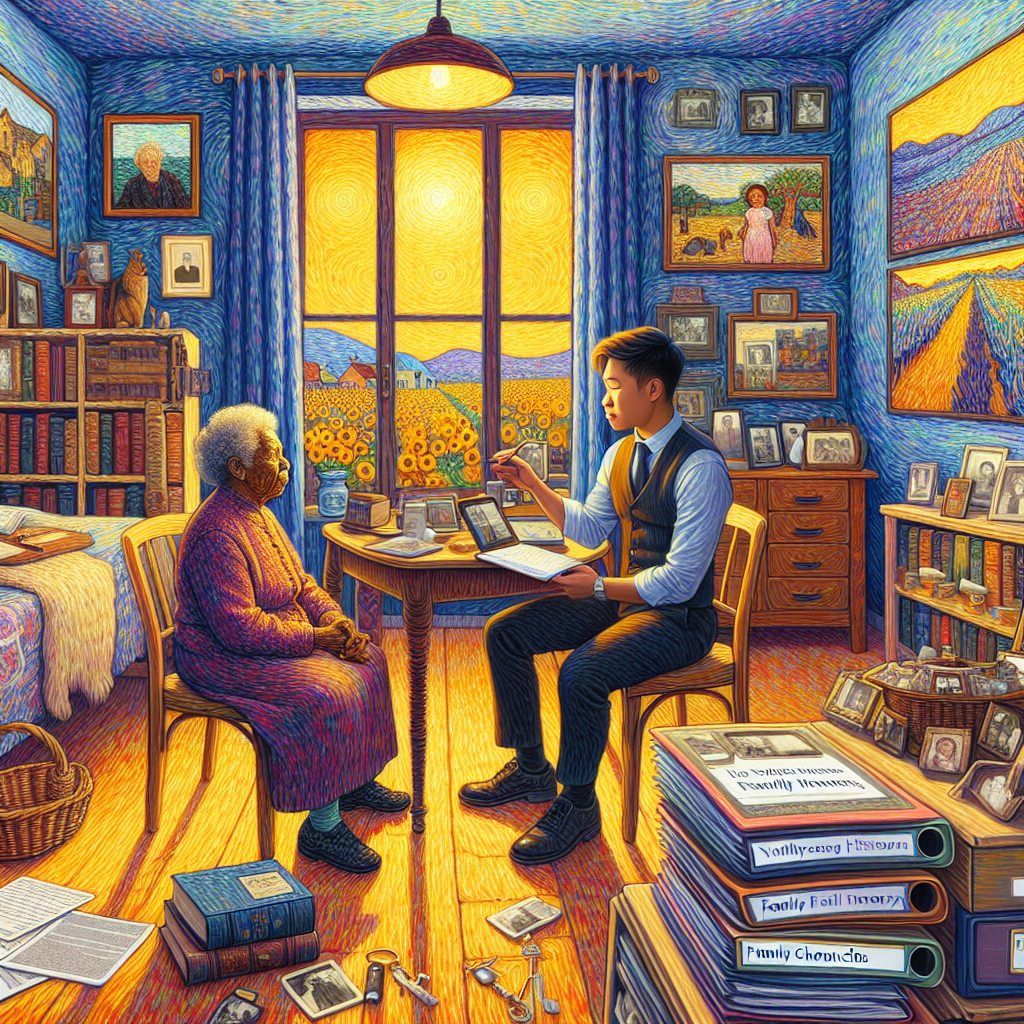
How Can Documenting Our Lives Help Us Connect With Our Emotions?
What Stories From Your Life Deserve To Be Remembered And Shared?
Every individual has a collection of moments that weave together to form the tapestry of a life lived. But when it comes to the stories that truly matter—the ones that deserve to be remembered and shared—what exactly makes the cut? Legacy storytelling is not merely a chance to reminisce; it’s an opportunity to connect, resonate, and build bridges across generations. The stories we choose to tell can inspire, teach, or evoke empathy, grounding others in the universal experience of being human.
Consider for a moment the times you stumbled and fell, only to rise again. Perhaps it was a misstep in a job, a lost friendship, or a moment of deep vulnerability that opened your eyes. These narratives—while often painful—carry an authenticity that shines brighter than polished tales of success. They are powerful because they invite others to relate, to laugh at your folly, or to wipe their tears quietly, remembering their own fumbles. Your journey is not solitary; it is a shared human experience, and when you open up about these moments, you invite others to do the same.
Now think about stories that resonate from a place of deep ethics and values. Remember the times when you stood up for what was right, even when it was inconvenient? Those stories form the backbone of your character and the essence of your legacy. They reveal not just who you are, but what you stand for. Sharing these tales offers others the inspiration to find their voice and values, and may even spark a movement of integrity and honor.
Moreover, consider the power of simple moments, tales woven around family gatherings, quiet conversations with a friend, or a chance encounter that sparked a lifelong commitment. These snippets of life, often overlooked, can carry immense weight. They remind us that we all share the same human condition—a longing for connection, understanding, and belonging.
Life is a rich book, filled with chapters that deserve to be written and read. So, as you sift through your experiences, ask yourself: which stories will construct the bridge between your legacy and those who follow? Gather your moments of triumph and trials, share your laughter and grief, and in doing so, create a narrative that not only honors your past but also invites others into the fold of your extraordinary ordinary life. Your stories matter; let them be heard.

What Stories From Your Life Deserve To Be Remembered And Shared?
What Stories From Your Life Deserve To Be Remembered And Shared?
- Individuals possess a tapestry of moments that shape their lives.
- Legacy storytelling connects generations and provides opportunities for empathy and inspiration.
- Authentic narratives about personal struggles resonate more than polished tales of success.
- Stories rooted in ethics and values embody your character and legacy, inspiring others to find their voice.
- Simple moments, such as family gatherings or quiet conversations, have significant weight in our shared human experience.
- Reflect on your life experiences to identify stories that bridge your legacy with future generations.
- Share your journey to create a narrative that honors your past and invites others to connect with their stories.

What Stories From Your Life Deserve To Be Remembered And Shared?
How Does Preserving Memories Shape Our Identity Over Time?
Preserving memories isn’t just an act; it’s a living, breathing connection to who we are and where we come from. Every photograph, journal entry, or spoken story serves as a thread in the tapestry of our existence—a tapestry woven with the colors of laughter, heartache, triumph, and failure. When we engage in the delicate art of story-telling, we embrace the past and allow it to shape our future.
Think back to your childhood. The simple act of sharing a story around the dinner table or the warmth of a grandparent’s hug as they recounted their own youthful adventures ignited imaginations and created bonds. Those moments do more than entertain; they teach resilience, foster empathy, and instill values that anchor us in times of uncertainty. They impart a wisdom that transcends generations, reminding us of the lessons learned from mistakes and the joy that springs from victories—big or small.
From a rational standpoint, our memories are the data points that inform our decisions. When we reflect on past experiences, we refine our judgment and improve our choices. By preserving memories, we build a legacy of knowledge that not only empowers ourselves but serves as a guidepost for those who follow. This legacy of storytelling becomes a beacon in a chaotic world, shedding light on paths previously traveled and illuminating the best route forward.
Ethically, preserving memories is an act of responsibility—not just to ourselves but to the community at large. Our stories hold the power to form connections and foster understanding among diverse groups. By sharing our unique narratives, we validate experiences and create a sense of belonging that resonates with others. This act of remembrance becomes a collective experience, uniting us under the banner of humanity.
Every time we reach out to share a story or hold onto a cherished memory, we are not merely reminiscing; we are asserting our identity in the world. It’s a profound reminder that our lives are part of something greater than ourselves, a shared human story continuing through time. So, dig out those old albums, write that memoir, or share those anecdotes. Embrace the act of preserving what matters, for in doing so, we not only celebrate our past but pave the way for a brighter, more connected future. Let’s not just live our stories—let’s pass them on.

How Does Preserving Memories Shape Our Identity Over Time?
How Does Preserving Memories Shape Our Identity Over Time?
- Preserving memories connects us to our identity and history.
- Storytelling weaves a tapestry of experiences, including laughter and heartache.
- Sharing stories teaches resilience, fosters empathy, and instills values.
- Our memories inform decisions and refine our judgment.
- Preserving memories creates a legacy that guides future generations.
- Sharing narratives fosters connections and understanding within communities.
- Preserving stories celebrates our past and paves the way for a connected future.

How Does Preserving Memories Shape Our Identity Over Time?
What Insights Can We Gain By Reflecting On Our Everyday Experiences?
Everyday experiences are where the magic happens—those mundane moments often take root in our memories, shaping who we are. They are the raw material of our legacy, the stories we tell ourselves and others. Take a moment to think about your daily life. Each interaction, whether it’s a greeted neighbor or a spilled coffee, holds a lesson waiting to unveil itself. It’s easy to overlook these fleeting moments, but reflection transforms them into rich narratives that resonate at our very core.
When we peel back the layers of our routines, we begin to understand how they intersect with our values, desires, and fears. Our gut tells us which experiences linger and why. That heartwarming smile from a stranger on a tough day reminds us of our shared humanity, while an unexpected setback teaches resilience. These moments, when woven into our personal legacy, provide reassurance in a world often filled with chaos. What better way to connect with others than sharing these tales that are as relatable as they are personal?
Imagine being at a community gathering, where stories are traded like currency. There’s an undeniable authority in a well-told story—the kind that moves our heads to nod in agreement and our hearts to thump with recognition. This is where the power of storytelling lives; it’s how we bond, inspire, and find our place amid the larger tapestry of life. Your legacy doesn’t just belong to you—it echoes through the lives you’ve touched, creating ripples that spread far beyond your immediate circle.
And we’re more inclined to take action when we’re reminded that every experience is an opportunity for growth and connection. By reflecting on our daily moments, we don’t just build a narrative for ourselves; we pave the way for deeper relationships and shared understanding with others. Each story becomes a bridge, fostering trust and camaraderie, reinforcing that we’re not alone in our struggles or triumphs.
So, lean into those everyday experiences. Invite them to speak. Listen closely, and they may just reveal insights that bolster your spirit and embolden your spirit. The lessons learned and stories shared are what stand the test of time, echoing through generations. Embrace them, and cultivate a legacy that speaks volumes about who you are and what you stand for.

What Insights Can We Gain By Reflecting On Our Everyday Experiences?
What Insights Can We Gain By Reflecting On Our Everyday Experiences?
- Everyday experiences shape our identities and become the raw material for our legacy.
- Each daily interaction, from greeted neighbors to spilled coffee, carries lessons to uncover.
- Reflection on mundane moments transforms them into relatable and rich narratives.
- Understanding our routines reveals connections to our values, desires, and fears.
- Storytelling at community gatherings fosters connection, inspiration, and shared humanity.
- Every experience serves as an opportunity for growth and deepening relationships.
- Embracing daily moments cultivates a legacy reflecting who we are and what we value.

What Insights Can We Gain By Reflecting On Our Everyday Experiences?
Do You Believe Sharing Your Journey Can Inspire Others To Find Hope?
There’s an undeniable power in sharing your journey. Think about it: we often find strength in the stories of others, stories that echo our own struggles. When we open up about our experiences—be it overcoming adversity, grappling with loss, or navigating the tricky waters of personal growth—something remarkable happens. It creates a ripple effect, inviting others to step forward with their own tales.
Legacy storytelling isn’t just about recounting events; it’s about weaving a tapestry of resilience, vulnerability, and hope. Every thread in your narrative connects you to someone else who might be quietly battling their own demons. When you share your authenticity, you extend a lifeline to those who feel isolated in their struggles, creating an unwritten bond that says, “You’re not alone in this.”
From a rational standpoint, consider the impact of honesty and vulnerability. When you lay bare your challenges, you dismantle the walls of perfection that often keep us from genuine connection. People relate to imperfections, mistakes, and missteps—these are the breadcrumbs that guide us all through our imperfect lives. It’s in those moments of shared reality that we find common ground, igniting hope where there once was doubt.
Ethically, we have a responsibility to foster a culture of openness. By sharing your story, you’re not just showcasing your experience; you’re encouraging others to speak up, to share their truths as well. This simple act of courage can uplift entire communities, creating an atmosphere where everyone feels valued and heard.
And let’s be real—there’s a reason we gravitate toward compelling narratives. They inspire. They prompt action. When you share your journey, you establish authority, not just through your story but also the lessons you’ve learned along the way. Others may see the path you forged and feel emboldened to carve their own.
Ultimately, your journey can serve as a roadmap, guiding others on their quest for hope. The stories we tell aren’t just our own; they become part of a collective narrative, a shared experience that binds us all together. So, don’t hold back. Your journey matters. It could very well be the spark that ignites someone else’s flame. Let’s embrace the art of storytelling, for in doing so, we nourish the roots of hope that can grow into something beautiful.

Do You Believe Sharing Your Journey Can Inspire Others To Find Hope?
Do You Believe Sharing Your Journey Can Inspire Others To Find Hope?
- Sharing personal journeys helps others find strength in relatable stories.
- Legacy storytelling weaves together resilience, vulnerability, and hope.
- Authentic sharing creates bonds and reassures others they are not alone.
- Honesty and vulnerability dismantle perfectionism, fostering genuine connections.
- Sharing stories encourages a culture of openness, motivating others to speak up.
- Compelling narratives inspire action and establish authority through shared lessons.
- Your journey serves as a roadmap for others, contributing to a collective narrative of hope.

Do You Believe Sharing Your Journey Can Inspire Others To Find Hope?
What Are The Ethical Implications Of Selectively Sharing Our Stories?
In a world overflowing with voices, each of us has the power to shape narratives that both connect and divide. When it comes to Legacy Storytelling, the act of selectively sharing our tales becomes a double-edged sword. We hold the reins, but with that power comes profound responsibility.
At the heart of this responsibility lies the understanding that every story we choose to share carries weight. It can inspire, mentor, or uplift, but it can just as easily mislead or manipulate. Think for a moment about the stories of triumph we often highlight—those narratives of victory celebrate a triumph over adversity. While they can inspire others to press on against their own struggles, we must ask: whose stories are we leaving untold? What valuable lessons are buried in the tales of failure or struggle that we shy away from?
Here’s where the ethical implications get intriguing. Consider who gets to tell their story and how that choice affects the broader narrative. It’s not just about shining a light on the heartwarming hero; it’s about giving a voice to the unseen warriors quietly fighting their own battles. This can be empowering, creating a fabric of shared human experience where everyone feels acknowledged and valued. Conversely, what happens when we airbrush our histories? Are we diluting the honesty that lies at the core of our shared humanity?
Let’s bring it down to our guts. How many times have we felt alone in our experiences because someone decided a particular narrative was “better” or “more acceptable” than another? This is where the deepest scars lie—at the intersection of silence and longing for connection. When we selectively share, we challenge the very authenticity that brings us together.
As we navigate our personal narratives, we must remember the power of authenticity over aesthetics. Every story, even the messy ones, carries the potential to foster empathy and encourage vulnerability. By sharing more than just our polished victories, we invite others to engage in a deeper dialogue—one that builds communities and strengthens legacies.
So, as we consciously choose the stories we share, let’s think about more than just the applause; let’s consider the impact we have on each other and the connective tissues of society. Your legacy is not only in the triumphs you showcase but also in the shadows of struggles that resonate with the collective experience of humanity. Let’s make that legacy one built on honesty, courage, and connection.

What Are The Ethical Implications Of Selectively Sharing Our Stories?
What Are The Ethical Implications Of Selectively Sharing Our Stories?
- Legacy Storytelling involves the selective sharing of narratives that can both connect and divide.
- With the power to shape narratives comes the responsibility to consider the impact of our stories.
- Every story shared carries weight, with the potential to both inspire and mislead.
- Highlighting stories of triumph can inspire, but it raises questions about the untold stories of failure or struggle.
- The ethical implications of storytelling include who gets to tell their story and its effect on the broader narrative.
- Authenticity in sharing personal narratives fosters connection, while selective sharing can lead to feelings of isolation.
- Building a legacy involves being honest about both struggles and successes to strengthen community and shared humanity.

What Are The Ethical Implications Of Selectively Sharing Our Stories?
Can The Act Of Writing Help Us Process Our Thoughts And Feelings?
There’s something undeniably powerful about the act of putting pen to paper or fingers to keyboard. It’s a ritual as old as humanity itself, a form of legacy storytelling that weaves our innermost thoughts and feelings into a tangible thread that connects us to ourselves and to others. In our frenetic, digitally driven world, where distractions abound, writing emerges as a sanctuary—an oasis for our tangled emotions and swirling thoughts.
Imagine sitting quietly, the world around you fading into a gentle hum, and allowing your mind to spill out onto the page. It’s as if the clutter in your head finds order, each word forming a bridge to understanding. Writing doesn’t just help us process; it gives meaning to our experiences, molding the intangible into something we can scrutinize, refine, and ultimately embrace. By capturing our stories, we create a mirror that reflects our true selves, inviting us to explore the depths of who we are and what we feel.
Consider the heart—the emotional core of our being. When we confront our feelings through writing, we honor them. This is no small feat. Vulnerability often feels like standing naked in a blizzard, yet in that exposure lies our strength. Writing allows us to navigate the storm, transforming chaos into clarity. Those raw, unfiltered moments bleed onto the paper, offering us healing with each stroke of the pen.
Equally, let’s engage the head. Writing sharpens our cognitive abilities. It encourages us to evaluate, analyze, and think critically about our lives. The clarity we gain in this pursuit can be magnificent; intricate thoughts become coherent narratives that illuminate our beliefs and values. Over time, a pattern emerges, a tapestry woven from not just experiences but lessons learned.
Ethically, we begin to understand our roles in the broader social narrative. When we craft our stories, we initiate a dialogue with others, fostering empathy and connection. Suddenly, our isolated struggles are shared experiences. Isolation transforms into community, and our individual legacies intertwine with the fabric of humanity. It’s an empowering realization to know that our stories can resonate, uplift, and inspire others to take action or simply feel less alone.
So, pick up that pen or open up that document. Whether you’re chronicling a joy, a grief, or something in between, you may be surprised at the depths you’ll explore. Trust the process; your story matters.

Can The Act Of Writing Help Us Process Our Thoughts And Feelings?
Can The Act Of Writing Help Us Process Our Thoughts And Feelings?
- Writing is a powerful ritual that connects us to our thoughts and others.
- In a distracting digital world, writing serves as a sanctuary for emotions and thoughts.
- The act of writing helps bring order to chaos and adds meaning to our experiences.
- Confronting feelings through writing fosters vulnerability and strength.
- Writing sharpens cognitive abilities by encouraging critical thinking and analysis.
- Crafting our stories fosters empathy and creates connections with others.
- Your story matters, and engaging in writing allows for deep personal exploration.

Can The Act Of Writing Help Us Process Our Thoughts And Feelings?
Conclusion
Every one of us carries within us the threads of a unique narrative, a tapestry woven from the ordinary moments and extraordinary lessons encountered during life’s journey. Too often, we dismiss our own stories, believing they lack the grandeur that compels attention. But in this underestimation lies an opportunity—a chance to engage in legacy storytelling that transcends the boundaries of celebrity and stardom. It’s about capturing the essence of our lives—the quiet coffee mornings, the laughter in our backyards, the struggles that shape us—and transforming them into something that resonates across generations.
When we document our lives, we are not just preserving memories; we are embracing an act of reflection that fosters deeper connections. Engaging in this storytelling process allows us to sift through the chaos of daily life, uncovering profound insights that might otherwise be lost. Your experiences—no matter how mundane—contain lessons that can serve as roadmaps for younger generations. Imagine your future descendants discovering those words decades later, finding hope and wisdom in your struggles and triumphs. This is not merely sentimental; it’s a rational investment in clarity and mindfulness that encourages gratitude and contemplation.
Ethically, documenting and sharing our stories contributes to the broader narrative of our community. Each shared tale enriches our collective identity, reminding us that we’re not alone in our experiences. Your vulnerabilities can inspire others, create connections, and ignite dialogues that resonate deeply. The act of empowering others to voice their own struggles fosters a cultural environment of empathy and understanding, bringing us closer together amidst an ever-cacophonous world.
Think of the power in simple moments—family gatherings, heartfelt conversations, and small victories. Those are the stories that carry weight and encourage validation. In sharing them, we bridge gaps across generations, crafting a legacy grounded in authenticity.
Finally, consider the transformative process of reflecting on our everyday experiences. When we embrace those moments—big or small—we lay the foundation for deeper relationships and understanding. We’re not just living our lives; we’re building stories that affirm our shared humanity. So grab that pen, open your camera, or simply start speaking your truth. Each story matters, and each word has the power to touch not only your life but also countless others. Embrace your ordinary life, begin documenting, and watch how your legacy can bloom into something extraordinary, offering guidance, hope, and inspiration to those who follow. Your voice matters—let it be heard.

Conclusion
Conclusion:
- Every person has a unique narrative formed by ordinary moments and extraordinary lessons throughout life.
- Many dismiss their own stories, underestimating their importance, yet this creates an opportunity for legacy storytelling.
- Documenting life experiences fosters reflection, deeper connections, and uncovers insights from daily chaos.
- Your mundane experiences contain valuable lessons that can serve as roadmaps for future generations.
- Sharing stories contributes to community identity, fostering empathy and understanding while reducing isolation.
- Simple moments, such as family gatherings, carry significant weight and validate shared experiences across generations.
- Reflecting on everyday experiences transforms both personal relationships and the way we affirm our shared humanity.

Conclusion
Other Resources

Other Resources
Here is a list of other resources you can review online to learn more:
- Cake
- RocketLawyer
- EverNote
- Lexikin
- Memorial Matters
- FindMyPast
- Storyfile Life
- UpCounsel
- Is There A Need To Pay For Copyrighting Services For Personal Or Family Legacy Stories?
- Digital Legacy Association
- International End of Life Doula Association
- My Wonderful Life
- Directive Communication Systems
- Xarona
- How Has Time Changed The Cost Of Capturing Family Legacy Stories
- LifeBio
- Meminto
- LegalZoom
- USLegalWills.com
- StoryCorps
Use This Prompt To Get More Resources With Your Favorite Online AI Tool: Please provide me with a list of online articles with their URLs in a bulleted list that I can read regarding Why Ordinary People Should Still Document Their Lives

Other Resources
Glossary Terms
Why Ordinary People Should Still Document Their Lives – Glossary Of Terms
1. Documentation: The act of recording events, experiences, or thoughts to preserve them for the future.
2. Legacy: The tangible and intangible contributions left behind by an individual, influencing future generations.
3. Self-Reflection: The process of examining one’s thoughts, feelings, and actions to gain deeper understanding and insight.
4. Tradition: Established customs and practices that are passed down through generations, often recorded for continuity.
5. Storytelling: The art of conveying experiences and messages through narrative, fostering connection and understanding.
6. Memory Preservation: The methods used to maintain and protect personal or familial memories for future reference.
7. Personal History: A detailed account of an individual’s life experiences, relationships, and significant events.
8. Identity: The characteristics, values, and beliefs that define an individual and are shaped by their experiences.
9. Creativity: The ability to produce original ideas or things, often expressed through various forms of documentation.
10. Therapeutic Writing: The practice of writing to explore emotions and experiences, often aiding mental well-being.
11. Digital Archive: A collection of digital files that document personal or historical information, easily accessible and preserved.
12. Journaling: The practice of regularly writing down thoughts, experiences, and emotions to document personal growth.
13. Family Histories: Compilations of genealogical data and personal anecdotes that trace familial lines and traditions.
14. Context: The circumstances or background surrounding an event or experience that enhance understanding of its significance.
15. Nostalgia: A sentimental longing for the past, often triggered by documented memories.
16. Cultural Heritage: The legacy of physical artifacts and intangible attributes passed down through generations.
17. Life Events: Significant occurrences that impact an individual’s life, often worth recording for reflection and sharing.
18. Perspective: A particular attitude or way of considering things, shaped by personal experiences and histories.
19. Visual Documentation: The use of photographs, videos, or art to capture and convey memories and experiences.
20. Memory Mapping: A technique for visually representing memories and experiences to highlight connections and significance.
21. Voice: The unique expression of an individual’s thoughts and feelings, often captured through writing or storytelling.
22. Historical Context: The social, political, and economic environment during which an event or experience occurs, influencing its meaning.
23. Connection: The relationship established through shared experiences and documented memories, often deepening bonds.
24. Authenticity: The quality of being genuine or true to oneself, often reflected in personal documentation.
25. Inspiration: Motivation derived from personal experiences and shared stories that empower and uplift others.
26. Reflection: The process of contemplating past experiences to learn, grow, and understand life’s lessons.
27. Generational Stories: Narratives passed down from one generation to another that shape family identity and heritage.
28. Digital Footprint: The trail of data left behind by an individual’s online activity, contributing to their personal history.
29. Capturing Moments: The act of documenting fleeting experiences to ensure they are remembered and shared.
30. Emotional Legacy: The lasting emotional impact an individual leaves behind, often conveyed through shared stories and documented experiences.

Glossary Of Terms
Other Questions
Why Ordinary People Should Still Document Their Lives – Other Questions
If you wish to explore and discover more, consider looking for answers to these questions:
- What methods can people use to document their lives effectively?
- How can storytelling change the way we view our own lives?
- What are some common obstacles people face when trying to document their lives?
- How can someone begin their storytelling journey if they feel overwhelmed?
- Why is it important to share struggles and failures along with successes?
- In what ways can documenting our lives benefit our mental health?
- How can storytelling help in building empathy within communities?
- What are the potential risks of sharing personal stories online?
- How do different cultures approach legacy storytelling?
- What are some examples of ordinary people’s stories that have inspired change?
- How can we ensure our stories are memorable and impactful?
- What role does vulnerability play in effective storytelling?
- How can preserving memories influence future generations?
- What are the best practices for maintaining a personal journal?
- How does documenting experiences influence personal growth over time?

Other Questions
Haiku
Why Ordinary People Should Still Document Their Lives – A Haiku
Ordinary moments,
Whispers of lives intertwined,
Legacies endure.

Haiku
Poem
Why Ordinary People Should Still Document Their Lives – A Poem
Every life a thread, a story to tell,
In ordinary moments, where emotions dwell.
From coffee cups to backyard laughter,
In the weave of the mundane, lies our ever-after.
Don’t shy away, though the weight seems light,
For your journey’s essence shines fiercely bright.
In the trials and triumphs, your truth unfolds,
A testament to legacies, both brave and bold.
With each penned word, you reflect and grow,
Transforming chaos into wisdom’s glow.
In sharing your heart, you lighten the load,
Fostering connection on this shared road.
Listen to whispers of past’s embrace,
Capture the lessons time cannot erase.
Your tales of resilience forge bridges anew,
To those who find solace in stories like you.
A tapestry rich, woven with care,
Values and struggles, intertwined everywhere.
A call to empower, to nurture the weak,
Your voice can uplift, give courage to speak.
Beyond the facade of perfection’s face,
Authenticity breathes, finding its place.
In moments of failure, or times of despair,
Lies the strength of a story—the beauty laid bare.
So grab your pen, let your soul take flight,
In the act of sharing, ignite hope’s light.
For every heart touched, a ripple will swell,
In the world of your stories, all humans dwell.

Poem
Checklist
Why Ordinary People Should Still Document Their Lives – A Checklist
Empower Your Legacy: Personal Storytelling Checklist
Heart Appeals
_____ Embrace Your Story: Reflect on moments—big or small—that have shaped your life. What emotions do they evoke?
_____ Connect with Others: Share your stories with friends and family. Create opportunities for meaningful conversations.
_____ Celebrate Vulnerability: Allow yourself to express authentic feelings. Write about struggles and triumphs openly.
Head Appeals
_____ Reflect and Analyze: Set aside regular time for journaling. Examine patterns in your emotions and decision-making.
_____ Clarify Your Values: Identify core beliefs and experiences that define who you are. Write about the lessons learned from them.
_____ Engage with Legacy: Consider how your stories contribute to a larger narrative—what wisdom can you pass on?
Gut Appeals
_____ Trust Your Instincts: Notice which memories linger. What stories call to you to be shared?
_____ Be Authentic: Avoid curating a perfect narrative. Embrace the messy, unfiltered realities of life.
_____ Recognize Your Impact: Contemplate how your authentic storytelling can uplift and inspire others. What message do you want to convey?
Ethical Considerations
_____ Be Mindful of Impact: Reflect on the stories you choose to share. How do they affect others and the broader community narrative?
_____ Incorporate Untold Stories: Consider including narratives of struggle and failure alongside successes.
_____ Acknowledge Responsibility: Understand the weight of your words and remain aware of how they contribute to collective empathy.
Authority in Storytelling
_____ Establish Your Voice: Write regularly to develop a distinctive style that conveys your unique perspective.
_____ Seek Feedback: Share your work with trusted individuals to gain insights and strengthen your narrative.
_____ Educate Others: Use your experiences to mentor or guide those who might benefit from your wisdom.
Narrative Building
_____ Craft a Compelling Arc: Organize your stories to have a clear beginning, middle, and end. What resolution or insight does your story provide?
_____ Weave Connections: Relate your personal experiences to broader themes of humanity. How does your story resonate with others?
_____ Create Ongoing Dialogues: Encourage conversations around your stories in community settings, fostering deeper understanding and connections.
Social Engagement
_____ Share Authentically: Use social media or community platforms to tell your stories. Invite others to share theirs in return.
_____ Build Community: Join local or online groups focused on storytelling to exchange narratives and insights.
_____ Encourage Inclusivity: Amplify voices that are often unheard. Share stories that highlight diverse experiences and promote understanding.
Use this checklist as a guide to dive into your personal storytelling journey and discover the profound impact your narrative can have on yourself and others. Your story is a gateway to connection, understanding, and hope.

Checklist
At LegacyExplorations, we help people plan and explore their legacy by collecting information and news regarding end-of-life planning.
Please share this post with your friends, family, or business associates who may want help to plan or explore their legacy.