

Navigating The Legacy Of Misunderstanding After Death
By Tom Seest
At LegacyExplorations, we help people plan and explore their legacy by collecting information and news regarding end-of-life planning.
Please share this post with your friends, family, or business associates who may want help to plan or explore their legacy.
Why People Fear Being Misunderstood After Death
The fear of being misunderstood after death runs deep, permeating the very fabric of our lives. It’s a potent mix of anxiety and yearning; a gut-wrenching concern that echoes in the stillness of our hearts. We invest so much of ourselves into our relationships, our passions, our legacies, and the thought that, when we’re gone, our story might not be told correctly, or worse, might be forgotten altogether, can be gut-pulling.
Think about it. Each one of us carries a unique narrative, a personal legacy woven from countless experiences—the joys, sorrows, victories, and defeats that shape who we are. Yet, the cruel irony is that our stories often rely on others for their survival. The people who knew us best may gather around to share tales of our lives, but those narratives can be clouded by memory, bias, or even disinterest. Suddenly, the complexity of our existence could be boiled down to a single anecdote that doesn’t encapsulate the essence of who we truly were.
This fear isn’t just personal; it taps into something deeply communal. As societal beings, we thrive on connection, and the stories we tell, both in life and death, create a tapestry that binds us together. When we’re misrepresented, it fractures that bond. It invites doubt and skepticism, creating a ripple effect that can shake the very foundations of our relationships. Imagine how disheartening it is to think that the way we lived, the values we championed, and the love we extended could be trivialized or distorted.
From a rational perspective, we invest in legacy storytelling precisely to counteract this fear. By sharing our stories while we can—through conversations, journals, or creative expressions—we take back the narrative, allowing others to see the layers of our character. It’s not just an act of preservation; it’s an ethical responsibility we owe ourselves and those we leave behind. The more we articulate our truths, the less chance there is for misunderstanding.
So let’s confront this fear head-on. Engage in the storytelling that celebrates not just the highlights but also the struggles that define us. Invite others to join in creating a richer narrative tapestry. Not only do we ensure our stories are accurately told, but we also encourage a culture of understanding that thrives on connection. It’s about crafting a legacy that not only survives our absence but flourishes through the hearts and minds of those we leave behind.

Why People Fear Being Misunderstood After Death
Why People Fear Being Misunderstood After Death
- The fear of being misunderstood after death is deeply rooted in our lives, combining anxiety and yearning.
- Each individual has a unique narrative formed by various experiences, but these stories often depend on others for their expression.
- The potential for misrepresentation or oversimplification of one’s life can be distressing and diminish the complexity of individual existence.
- This concern extends beyond the personal, affecting communal bonds and relationships as stories create connections within society.
- Legacy storytelling serves as a tool to counteract the fear of misrepresentation by sharing one’s narrative before it’s too late.
- Engaging in storytelling is both an act of preservation and an ethical responsibility to ensure our truths are articulated.
- By embracing and sharing our stories, we can foster understanding and craft a lasting legacy that enriches those we leave behind.

Why People Fear Being Misunderstood After Death
Table Of Contents
- Why People Fear Being Misunderstood After Death
- How Can I Ensure My True Intentions Are Understood After Death?
- What Legacy Do I Want To Create To Prevent My Misinterpretation?
- Will My Relationships Be Misrepresented Once I Am No Longer Here?
- How Can I Honor My Beliefs Even After I Pass Away?
- Do I Fear Being Judged For Choices I Made During My Lifetime?
- Is My Fear Of Being Misunderstood A Reflection Of My Current Life?
- How Do I Want To Be Remembered In Conversations After My Death?
- Conclusion
- Other Resources
- Glossary Of Terms
- Other Questions
- Haiku
- Poem
- Checklist
How Can I Ensure My True Intentions Are Understood After Death?
When we contemplate our mortality, it’s only natural to think about the legacy we leave behind. The connections we forge and the stories we tell become the tapestry of our lives, woven with threads of laughter, tears, and moments of sheer grit. To ensure your true intentions are understood after you’re gone, consider embracing the power of legacy storytelling.
Let’s face it: life is a series of narratives — each one with its own cast of characters, conflicts, and resolutions. Imagine your loved ones gathered around, sharing stories about you, reliving the moments that made you who you were. This is not just sentimental fluff; it’s a powerful way to convey your values, beliefs, and wishes. By documenting your story, you empower those who remain to carry your message forward. The emotional weight of your life lessons can resonate deeply, lasting far beyond your final breath.
Start with the head. Consider practical steps: drafting letters, recording messages, or compiling memoirs. Be clear about your wishes regarding your possessions or your beliefs about life and death. It’s essential that these details are communicated effectively, so your loved ones are not left in a fog of confusion. Rational clarity gives them direction in what can be a tumultuous time.
But don’t forget the gut — this isn’t just about logistics. It’s about the emotional resonance tied to your story. Write down your struggles and triumphs. Share your dreams for the future, for your family, for the world. Be candid about your regrets, your joys, and your hopes. This authenticity will not only bring comfort but also inspire others to live wholeheartedly, knowing you’ve left a part of yourself behind.
Ethically speaking, make your voice heard in critical matters. If you have strong beliefs regarding healthcare, charity, or even family dynamics, articulate these before it’s too late. Your authority on these fronts can guide your loved ones when they need it most.
Finally, think of the social connections. When others share your story, they keep your spirit alive. Encourage discussions and gatherings where memories and lessons are exchanged. These communal remembrances create bonds and help your family and friends celebrate life rather than dwell on loss.
Harness these tools, and you’ll enhance the understanding of your true intentions long after you’ve taken your final bow. Your legacy can become a guiding light, illuminating the path for those you leave behind.

How Can I Ensure My True Intentions Are Understood After Death?
How Can I Ensure My True Intentions Are Understood After Death?
- Reflect on mortality and the legacy left behind through connections and stories.
- Life is a series of narratives that convey personal values, beliefs, and wishes.
- Document your story to empower loved ones and ensure your message is carried forward.
- Communicate practical wishes regarding possessions and beliefs to avoid confusion.
- Share emotional experiences, struggles, and hopes to inspire and comfort others.
- Articulate strong beliefs on critical matters to guide loved ones in difficult times.
- Encourage discussions and gatherings to celebrate life and keep your spirit alive.

How Can I Ensure My True Intentions Are Understood After Death?
What Legacy Do I Want To Create To Prevent My Misinterpretation?
When you pause to consider the legacy you want to create, you’re engaging in an act of legacy storytelling. It’s about more than just the tangible memories left behind; it’s the essence of who you are and how you touched the lives of those around you. Every action we take contributes to our narrative—who we were and how we impacted our community. The goal, then, is to ensure that this narrative is as clear and meaningful as possible.
Start by envisioning what you want people to remember when they think of you. Is it the way you made them feel? The values you lived by? Maybe you want to be the person who inspires others to embrace their own journeys, despite life’s uncertainties. You see, our legacies are crafted through daily choices, through the small moments that accumulate and shape our stories. They can be as simple as lending a hand to a neighbor or as significant as championing a cause close to your heart. Each choice has a ripple effect, transforming not just you but also everyone within your orbit.
Now, let’s engage our heads for a moment. Think about the ideals you uphold and the ethics that drive your actions. Ask yourself: What principles inform your decisions? These are not just philosophical questions; they hold power. In a noisy world, your clarity of purpose stands as a beacon—a guidepost for others. By articulating your values and living them daily, you not only define your legacy but help others find theirs.
Consider the gut reaction as well. Life is filled with moments that evoke emotions—joy, heartbreak, triumph, and defeat. Your legacy should encapsulate this human experience, welcoming others to feel the depth of life’s journey. Those stories, raw and unfiltered, will resonate with others, reminding them they’re not alone in their struggles and successes. Let your legacy be one that invites others into the richness of reality, encouraging them to share their narratives as well.
Ultimately, the legacy you create isn’t just about you; it’s a community tapestry woven from countless threads, each telling a part of the whole. Make a conscious effort to connect, uplift, and inspire, ensuring that your story—your legacy—is one that prevents misinterpretation and fosters true understanding. Now, what story do you want to leave behind?

What Legacy Do I Want To Create To Prevent My Misinterpretation?
What Legacy Do I Want To Create To Prevent My Misinterpretation?
- Engaging in legacy storytelling involves considering the essence of who you are and your impact on others.
- Envision the memories you want to leave behind, focusing on feelings, values, and inspiration.
- Your legacy is shaped by daily choices, from small acts of kindness to significant advocacy.
- Clarify your ideals and guiding principles, as they serve as a beacon for others in a noisy world.
- Your legacy should reflect the depth of human experience, evoking a range of emotions.
- Encourage sharing of narratives, highlighting that no one is alone in their struggles and successes.
- Ultimately, your legacy is a communal tapestry, aiming to connect, uplift, and inspire understanding.

What Legacy Do I Want To Create To Prevent My Misinterpretation?
Will My Relationships Be Misrepresented Once I Am No Longer Here?
When we think about the legacy we leave behind, it’s easy to become consumed by thoughts of fame or material wealth. But what if the most profound impact you make is found in the relationships you’ve built? It’s a sobering thought—will those you leave behind carry forth an accurate representation of your life and the connections that mattered most? This is where legacy storytelling comes into play.
Imagine a future where, after you’re gone, people gather to celebrate your life. They share stories that encapsulate your laughter, your compassion, and those quiet moments that defined you. If they can recount your essence, then perhaps you’ve succeeded in communicating what truly mattered: the love you showed, the wisdom you imparted, and the resilience you demonstrated against life’s storms. Authentic storytelling can turn fleeting memories into lasting narratives, anchoring your relationships in truth rather than assumption.
But let’s talk facts for a moment. In a world dominated by social media highlights and polished images, the genuine stories of everyday life often go unnoticed. We live in a culture that marvels at grand gestures yet forgets the power of small acts of kindness. To ensure your relationships are accurately represented, you must embrace vulnerability and share your real self—flaws and all. It’s the raw, unfiltered moments that resonate most deeply, creating connections that are both relatable and enduring.
Ethically, it’s our responsibility to remain honest and transparent, especially when sharing these narratives. With every story we tell, we shape a legacy that influences how others perceive both us and our relationships. This is not just about you; it’s about a shared human experience that offers lessons and inspiration to those who come after.
The beauty of legacy storytelling lies not only within the confines of your own life but also in the lives of those around you. When you engage in storytelling with others, you create a communal tapestry of experiences that celebrates the intricacies of human connection. By fostering these conversations now, you ensure that when the time comes, those left behind can recount the stories that truly matter—the laughter, shared struggles, and moments of grace that define who you are.
This isn’t merely an invitation to reflect; it’s a call to action. Start the conversations now, live honestly, and embrace every relationship. That way, when the final chapters are written, the legacy left behind will shine with clarity and warmth, capturing the essence of a life well-lived.

Will My Relationships Be Misrepresented Once I Am No Longer Here?
Will My Relationships Be Misrepresented Once I Am No Longer Here?
- Legacy is often associated with fame or wealth, but meaningful impact lies in relationships.
- Legacy storytelling allows loved ones to share authentic stories, embodying your essence and values.
- True stories highlight laughter, compassion, and resilience, creating lasting narratives from fleeting memories.
- In a society focused on grand gestures, small acts of kindness are often overlooked but hold great significance.
- Vulnerability and honesty in sharing stories are crucial for an accurate representation of relationships.
- Legacy storytelling fosters shared human experiences, offering lessons and inspiration for future generations.
- Engage in conversations now to ensure your legacy reflects the true essence of your life and relationships.

Will My Relationships Be Misrepresented Once I Am No Longer Here?
How Can I Honor My Beliefs Even After I Pass Away?
When it comes to leaving a mark on the world, passion and purpose should ignite the fire within you. Reflect for a moment: what do you stand for? What stories do you want to tell and retell, the ones that echo long after you’re gone? This idea may seem daunting, but honoring your beliefs can be approached with simplicity and intention.
First, consider the power of legacy storytelling. Think about the tales that shaped your values. The conversations shared over family dinners, the lessons learned from triumphs and failures—these are the narratives that define who you are. By harnessing these stories, you not only honor your own journey but also inspire others to navigate theirs. Write them down, share them openly; tell your children and your community the truths you hold dear. This isn’t just about you; it’s about creating a tapestry of connection that honors collective experiences and shared humanity.
Rationally speaking, if you want your beliefs to resonate beyond your lifetime, establish mechanisms that carry them forward. Charitable trusts, foundations, or even mentorship programs can serve as vessels to perpetuate your ideals. The world desperately needs more empathy, honesty, and hope. By investing in projects that reflect your core principles, you cultivate a living legacy that nurtures change in others.
Ethically, the commitment to live according to your beliefs creates a framework for those who follow you. You’re not just advocating for ideas, you’re embodying them—reminding others that integrity is not only about what you do while alive but also how you guide future generations. Your actions today can set the standard for the moral compass of tomorrow.
Integrating your values into your professional life can elevate your mission. Be that beacon of trust and confidence, showing others how they too can merge work with their beliefs. Whether you’re crafting a business that prioritizes sustainability or engaging in community service, those gestures will resonate far beyond a corporate profit margin.
Ultimately, the essence of honoring your beliefs after you pass is about fostering connection. Invite others into your narrative, encouraging them to reflect on their beliefs and values. Cultivating open dialogue about life’s big questions invites trust in a world often shrouded in uncertainty. Remember, your legacy lives on in the stories you tell, the lives you touch, and the impressions you leave behind. Embrace the power of storytelling—both your own and others’—and watch as your beliefs grow wings, inspiring action in ways you could have only dreamed.

How Can I Honor My Beliefs Even After I Pass Away?
How Can I Honor My Beliefs Even After I Pass Away?
- Passion and purpose ignite the desire to leave a meaningful mark on the world.
- Reflect on your values and the legacy stories you wish to share that resonate beyond your lifetime.
- Legacy storytelling encompasses personal tales that shape your values, fostering connection and inspiration.
- Establish mechanisms, such as trusts or mentorship programs, to carry your beliefs forward.
- Your commitment to living by your beliefs creates a framework for future generations’ moral compass.
- Integrating values into your professional life enhances your mission and inspires others to merge work with beliefs.
- Fostering open dialogue about beliefs invites trust and encourages reflection among others.

How Can I Honor My Beliefs Even After I Pass Away?
Do I Fear Being Judged For Choices I Made During My Lifetime?
When we look back over our lives, the choices we’ve made shape the very essence of who we are. Yet, it’s impossible to shake the fear of judgment that clings to those decisions like a shadow. The truth is, we’re all storytellers in some way—each experience contributing to our legacy storytelling. But how often do we let the fear of what others might think dictate our narrative?
Consider this: every choice you’ve made—good, bad, or indifferent—has equipped you with lessons that define your character. You ventured into the unknown, faced challenges, and perhaps stumbled. But stumbling isn’t the mark of failure; it’s proof of your courage to try. That’s a story worth telling. The wisdom born from experience doesn’t come from a polished narrative; it’s found in the bumps and bruises we accumulate.
Think about the people you admire. They have chosen paths that diverged from conventional wisdom. They’ve faced the scrutiny of societal expectations and emerged with richer, more vibrant stories. When they dared to live authentically, they inspired others to do the same. Would you judge them harshly, or would you celebrate their bravery? More often than not, we find camaraderie in shared struggles, not condemnation.
The gut-wrenching fear of disapproval ties us to the past and stifles our future potential. It turns our victories into mere footnotes and our scars into sources of shame. Instead, what if we embraced our life choices as opportunities for connection? We all have a common thread woven into the fabric of our lives—struggles, ambitions, regrets. By opening up about our narratives, we invite others to join us in our journey, fostering a sense of belonging in a world that often feels isolating.
We each have our battles, and our stories are vital—a reflection of our humanity. Instead of fearing judgment, let’s create spaces where narratives can be shared freely. By doing so, we not only reclaim our power but also build a community that thrives on honesty and authenticity. So take a moment to reflect on your legacy. Own your choices. Let them breathe. After all, it’s through our stories that we connect, inspire, and heal. Embrace your truth and step into the light.

Do I Fear Being Judged For Choices I Made During My Lifetime?
Do I Fear Being Judged For Choices I Made During My Lifetime?
- Life choices shape our identities, but fear of judgment often shadows these decisions.
- Each experience contributes to our personal story, with every choice imparting valuable lessons.
- Stumbling in life indicates courage, not failure, highlighting the importance of our experiences.
- Admired individuals often pursue unconventional paths, inspiring others with their authentic stories.
- Fear of disapproval can suppress our potential and turn personal victories into overlooked achievements.
- Embracing life choices can foster connection, revealing shared struggles and aspirations among individuals.
- By sharing our narratives openly, we reclaim our power and build a supportive community based on honesty.

Do I Fear Being Judged For Choices I Made During My Lifetime?
Is My Fear Of Being Misunderstood A Reflection Of My Current Life?
When we pause to consider our fear of being misunderstood, it’s not just a simple anxiety; it’s the echo of our deeper struggles, the legacy we’re crafting with each word spoken, and every story we tell. If you’ve ever felt that pit in your stomach when expressing your thoughts to others, you’re not alone. Our desire to connect—to be truly seen and heard—stems from something profoundly human. We’re hardwired for understanding, and when that perception falls short, it can cut deep.
Imagine standing in front of a crowd, your words swirling like autumn leaves in a brisk wind, and all you can think about is whether they’re seeing the real you. That feeling isn’t just fleeting; it’s a narrative woven into the fabric of who we are. Each moment we share is a brushstroke on the canvas of our legacy, crafting the tale of our lives, ambitions, and connections. If we feel misunderstood, it’s as though someone has taken a step back, erasing parts of that canvas.
On a rational level, recognizing this fear as a reflection of our present circumstances is vital. Are we navigating uncharted waters in our careers? Facing changes in our personal lives? These challenges often amplify our insecurities, making us question whether we can effectively communicate our values, intentions, or emotions. It’s easy to tie our self-worth to the notion that clarity equals significance; naturally, when clarity is muddied, our confidence wavers.
But here’s where the heart steps in. Vulnerability is a bridge to connection. When we share our fears, we often find that others are grappling with similar issues. It’s a reminder that we’re not alone on this journey. Each time we speak out—despite the risk of being misunderstood—we foster a shared dialogue that encourages authenticity. This openness can create a ripple effect, sparking courage in others to share their own stories.
Ethically, we owe it to ourselves and those around us to engage wholeheartedly. Embracing the fear rather than shying away means wielding the power to forge connections that transcend mere words. We must recognize that in these exchanges, we’re not just expressing ourselves; we’re liberating others from their own apprehensions. The next time you find yourself hesitating to voice your thoughts, remember: your story matters, and your legacy is shaped by the courage to speak it. So take a breath, step forward, and let your voice resonate.

Is My Fear Of Being Misunderstood A Reflection Of My Current Life?
Is My Fear Of Being Misunderstood A Reflection Of My Current Life?
- Fear of being misunderstood reflects deeper struggles and the legacy we create with our words.
- Many experience anxiety when expressing thoughts, stemming from a human desire for connection.
- Feeling misunderstood can feel like erasing parts of our personal legacy.
- Recognizing this fear helps us understand our circumstances and navigate personal challenges.
- Vulnerability fosters connection and shared dialogue, reminding us we are not alone.
- Engaging wholeheartedly despite fears empowers us and liberates others from their apprehensions.
- Every voice matters; embracing courage shapes our legacy and allows our stories to resonate.

Is My Fear Of Being Misunderstood A Reflection Of My Current Life?
How Do I Want To Be Remembered In Conversations After My Death?
When we consider how we want to be remembered, it’s important to remember that our legacies aren’t built in grand, sweeping gestures. They take root in the stories we share and, more importantly, in the conversations we have while we’re alive. Think about it—what if your legacy could be shaped not by the number of accolades you collect, but by the way you connect with others in everyday moments?
Legacy is about how you leave footprints on the hearts of those around you. It’s about the laughter shared over a cup of coffee, the advice given while sitting on a porch, or the lessons imparted through our own missteps. Each story we tell becomes a thread in the tapestry of who we are, binding us to our friends, family, and even strangers we’ve touched. It’s this storytelling that breathes life into our memories and adds color to the narratives that will be shared long after we’re gone.
Think of the power of storytelling—what comes to mind when you recall someone who’s passed? It’s not always the accolades that linger but the tales of their quirks, their kindness, their resilience in the face of adversity. Conversations that spark joy, laughter, or even reflection are the ones we cherish. They weave confidence into our identities and inspire others to carry on that flame long after we’ve taken our leave.
Conversing genuinely is ethical, too. The stories we choose to share have the power to uplift, educate, and connect us in profound ways. They foster understanding and create a shared space where our experiences resonate. This is especially true in a world rife with divisiveness; a simple story can bridge gaps and foster friendships that stand the test of time.
Now, let’s flip the script. Imagine your loved ones gathered after you’re gone. What stories have they chosen to share? What laughter echoes in the air? Are your conversations remembered as sparks of joy or moments of wisdom? This vision should inspire action—not just for you, but for all who share their lives with you.
Let’s not wait. Start today. Be the storyteller who inspires trust and connection, the one who is remembered not just for what you did but for how you made others feel. That’s the narrative that will linger—your legacy etched in the hearts of those you’ve touched.

How Do I Want To Be Remembered In Conversations After My Death?
How Do I Want To Be Remembered In Conversations After My Death?
- Legacies are shaped by everyday moments rather than grand gestures.
- Connecting deeply with others leaves lasting impressions on their hearts.
- Storytelling is vital in creating memories that bind us to others.
- It’s the personal stories and shared experiences that are remembered, not just accolades.
- Genuine conversations can uplift and connect people, fostering understanding.
- Reflect on how you want to be remembered through the stories you leave behind.
- Start today by being a storyteller who inspires trust and connection in others.

How Do I Want To Be Remembered In Conversations After My Death?
Conclusion
Fear of being misunderstood after death isn’t just an individual concern; it’s a universal human dilemma that reverberates through the connections we forge and the stories we leave behind. Each one of us is a complex narrative, a canvas painted with the vibrancy of our experiences—our laughter, tears, triumphs, and failings. As we live and interact with others, we yearn for our true selves to be acknowledged and remembered. The haunting thought that our essence could be reduced to a few misinterpreted anecdotes raises anxiety; it strikes at the core of our longing for genuine connection.
The reality is that our legacies don’t vanish when we breathe our last. They linger in the hearts and minds of those we leave behind, shaped by the stories they choose to recount. That’s why legacy storytelling is vital. By articulating our truths—our values, aspirations, and the struggles we’ve faced—we give permission for our complex selves to shine through when others remember us. This isn’t simply an emotional exercise; it’s an ethical responsibility. Ensuring clarity in our narratives prevents misrepresentation and fosters a culture where understanding thrives.
Let’s take a moment to confront this fear head-on. Engaging others in discussions about our lives, reflecting on our growth, and even sharing our vulnerabilities can shape a richer tapestry of memory. By embracing authenticity—our raw, unpolished selves—we invite others into our narrative. We challenge the prevailing notion that only grand gestures matter, emphasizing instead the impact of everyday moments and genuine interactions.
Moreover, consider the role of community in this journey. By sharing our stories with friends and family while we can, we create a web of shared experiences that enrich not just our legacies but those of everyone involved. It’s a ripple effect that can extend far beyond our immediate circles, planting seeds of empathy, understanding, and resilience in those we touch.
So, what legacy do you want to create? What story do you want etched in the hearts of your loved ones? Engage in your own legacy storytelling now, facilitate meaningful conversations, and live with the intention of leaving a narrative that truly reflects your essence. In the end, the measure of your life won’t just be the milestones you achieve, but the connections you cultivate and the stories that echo long after you’re gone. When we embrace this mission, we not only honor ourselves; we also gift future generations a legacy that celebrates the richness of human experience. What stories will your life inspire? Let’s craft a legacy worth telling.

Conclusion
Conclusion:
- Fear of being misunderstood after death is a universal human concern, impacting the connections we create and the stories we leave behind.
- Each person represents a complex narrative filled with vibrant experiences, including laughter, tears, triumphs, and failings.
- We desire our true selves to be recognized and remembered, as misinterpretation of our essence can evoke anxiety about our legacy.
- Legacies persist beyond death, influenced by the stories shared by those we leave behind, making legacy storytelling crucial.
- Articulating our truths—values, aspirations, and struggles—allows for a clearer representation of ourselves and fosters understanding.
- Engaging in discussions about our lives and sharing vulnerabilities enriches the memories we create and emphasizes the impact of genuine interactions.
- Creating a web of shared experiences through storytelling enhances not just individual legacies but also cultivates empathy and resilience in the community.

Conclusion
Other Resources

Other Resources
Here is a list of other resources you can review online to learn more:
- LifeWeb 360
- INELA
- Ancestry
- Knotify.me
- How Has Time Changed The Cost Of Capturing Family Legacy Stories
- Remembered.com
- deviantART
- Cake
- How to Save Your Family�s Stories from Being Lost Forever � A Step-by-Step Guide to Creating a Lasting Digital Legacy
- LegalZoom
- LifeBio
- How To Write Legacy Stories That Appeal To The Heart, Gut and Head
- ForeverMissed
- Can Telling and Preserving Personal or Family Legacy Stories Be Therapeutic?
- FindMyPast
- Storyfile
- RootsMagic
- Association of Personal Historians
- FamilySearch
Use This Prompt To Get More Resources With Your Favorite Online AI Tool: Please provide me with a list of online articles with their URLs in a bulleted list that I can read regarding Why People Fear Being Misunderstood After Death

Other Resources
Glossary Terms
Why People Fear Being Misunderstood After Death – Glossary Of Terms
1. Afterlife: The concept of existence following death, often linked to various religious or spiritual beliefs.
2. Anguish: Extreme distress or suffering, particularly concerning the emotions surrounding loss and misunderstanding.
3. Legacy: Something handed down from the past, often relating to what a person leaves behind after their death.
4. Closure: The feeling of resolution or finality that often accompanies the understanding or acceptance of loss.
5. Grief: The emotional response to loss, particularly the death of a loved one.
6. Misinterpretation: The act of understanding something incorrectly, which can lead to fear of one’s true intentions or values being distorted after death.
7. Mortality: The state of being subject to death; the awareness of one’s own limit in life.
8. Nostalgia: A sentimental longing for the past, especially for people or experiences that are now gone.
9. Oblivion: The state of being unaware or unconscious of what is happening, often relating to being forgotten after death.
10. Remembrance: The act of recalling or honoring those who have died, often associated with commemorations.
11. Reputation: The beliefs or opinions that are generally held about someone, which can affect how they are remembered after death.
12. Ritual: A prescribed ceremony or practice, often associated with mourning and honoring the deceased.
13. Sadness: A state of emotional pain or sorrow, often arising from loss or misunderstanding.
14. Spirituality: The quality of being concerned with the human spirit or soul as opposed to material or physical things.
15. Symbolism: The use of symbols to represent ideas or qualities, often significant in memorial settings.
16. Transcendence: The state of going beyond ordinary limits, often relating to how individuals seek to impact future generations.
17. Truth: The quality of being in accordance with fact or reality, significant in how one wants to be remembered after death.
18. Uncertainty: The state of being unsure or having doubts, often related to fears of being misunderstood after death.
19. Validation: Recognition or affirmation that a person’s feelings or experiences are understood and acknowledged.
20. Vulnerability: The state of being exposed to the possibility of being attacked or harmed, emotionally or psychologically.
21. Communication: The process of conveying thoughts, ideas, or feelings, crucial for ensuring understanding, especially posthumously.
22. Consciousness: The state of being aware of and able to think about one’s own existence, thoughts, and the world.
23. Interpretation: The act of explaining or understanding meaning, which can differ widely and lead to fear of misunderstanding.
24. Eulogy: A speech or tribute that praises someone who has died, highlighting their life and contributions.
25. Identity: The qualities, beliefs, personality, looks, and expressions that make a person who they are, and how this might be misconstrued after death.
26. Memorialization: The act of preserving the memory of someone who has passed away, often through rituals or commemorations.
27. Fear: An emotional response to perceived threats or danger, including the fear of being misunderstood after death.
28. Empathy: The ability to understand and share the feelings of another, significant in the mourning process and legacy.
29. Suffering: The state of undergoing pain or distress, which can be amplified by worries about being misunderstood post-death.
30. Existential: Relating to existence, particularly the stress and emotions surrounding the meaning of life and death.

Glossary Of Terms
Other Questions
Why People Fear Being Misunderstood After Death – Other Questions
If you wish to explore and discover more, consider looking for answers to these questions:
- What practical steps can I take to begin legacy storytelling?
- How can I communicate my values effectively to my loved ones?
- What are some common misconceptions about legacy after death?
- How can I ensure my relationships are celebrated and accurately represented?
- What techniques can I use to document my life story and beliefs?
- How can I address potential biases in how my story might be told by others?
- What role does culture play in how legacies are understood after death?
- How can I encourage open conversations about death and legacy with my loved ones?
- What are some examples of how others have successfully communicated their legacies?
- How does fear of being misunderstood manifest in our daily lives?

Other Questions
Haiku
Why People Fear Being Misunderstood After Death – A Haiku
Life’s story unfolds,
Echoes of love and struggle,
Tapestry of truth.

Haiku
Poem
Why People Fear Being Misunderstood After Death – A Poem
In shadows deep, where silence reigns,
We fear the tale that time disdains,
A story bound in love and strife,
The echo of a hidden life.
Our hearts, they yearn for true reflection,
Yet dread the scorn of misconnection,
For every laugh, and tear-stained joy,
Can fade to whispers, lost, destroyed.
We craft our legacies, thread by thread,
With every word, our hopes are spread.
“Remember me!” our souls implore,
Yet phantom doubts knock at life’s door.
In circles vast, we share our pain,
The bonds we weave, joy and disdain,
With every choice, we build a bridge,
To span the chasm, to guard the edge.
Let stories flow like rivers wide,
Invite the world to sit beside.
For when we speak of flaws and dreams,
We find the truth in fractured seams.
So, cast aside the weight of fear,
Share tales of love—both loud and clear.
In voice and ink, our spirits soar,
Unraveling legacies at the core.
For in the end, we’re not just flesh,
But woven threads in life’s grand mesh.
Live boldly now, let your truth ignite,
And pen your legacy—ever bright.
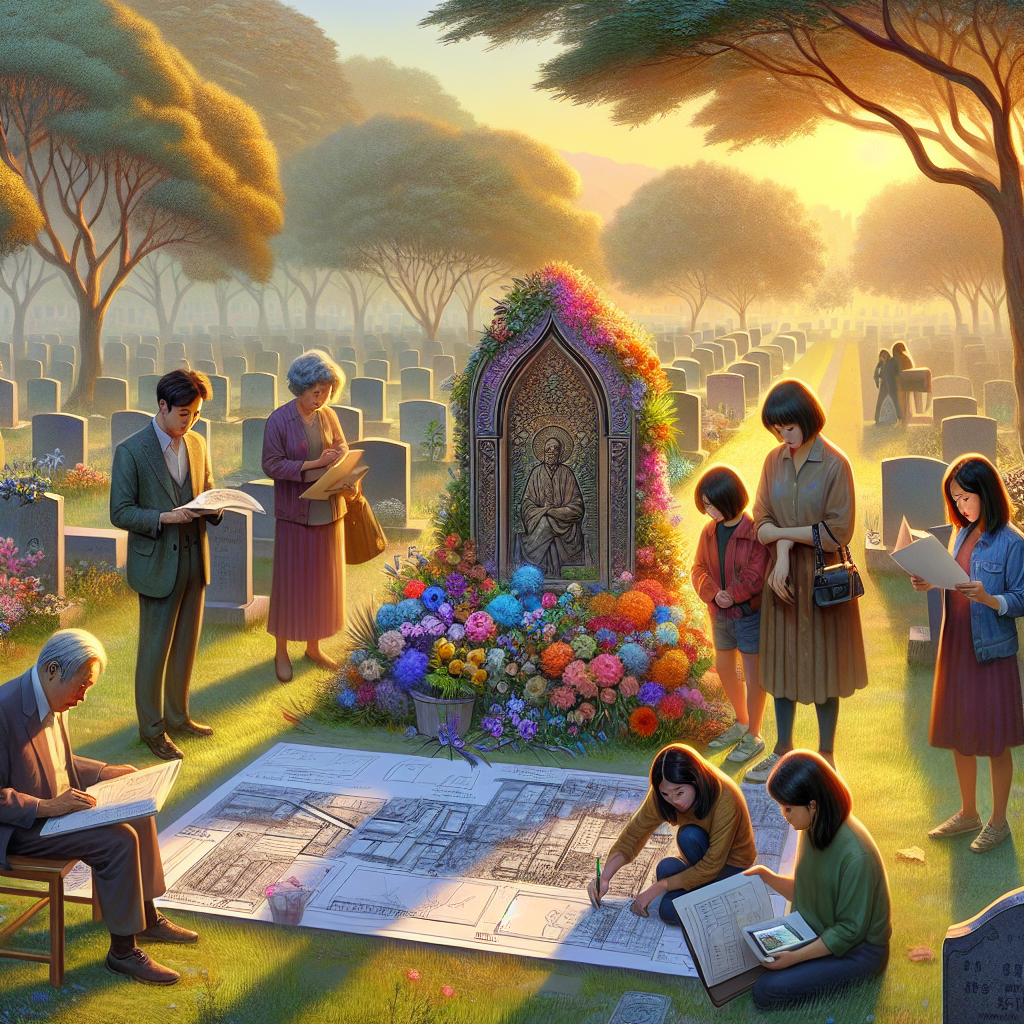
Poem
Checklist
Why People Fear Being Misunderstood After Death – A Checklist
Legacy Storytelling Checklist
Emotional Appeals:
_____ Reflect on Memories: List three meaningful stories you want to be remembered by that showcase your values and experiences.
_____ Share Vulnerability: Identify moments of struggle in your life that can inspire others; consider sharing these openly with loved ones.
Rational Appeals:
_____ Document Your Intentions: Write a letter or create a recording that outlines your wishes for your legacy and any practical matters for your loved ones.
_____ Clarify Values: Determine the core values you want to communicate. Make a clear statement about these to enhance understanding after your passing.
Ethical Appeals:
_____ Engage in Open Dialogue: Initiate conversations with family and friends about your beliefs and values, ensuring they understand your perspective.
_____ Set Future Guidelines: Consider setting up a charitable trust or encouraging community projects that reflect your values to carry your legacy forward.
Authority Appeals:
_____ Establish a Guide: Create a guide or framework for your loved ones that outlines important principles you want them to remember in your absence.
_____ Pass on Wisdom: Articulate life lessons and insights gained from your experiences that can serve as a roadmap for future generations.
Narrative Appeals:
_____ Craft Your Story: Begin writing your memoir or compiling notes for a storytelling project with loved ones to preserve your narrative authentically.
_____ Create Shared Rituals: Develop traditions or gathering practices that invite storytelling and remembrance among your friends and family.
Social Appeals:
_____ Foster Connection: Encourage discussions around your life experiences; invite others to share their own stories to build a communal narrative.
_____ Connect Generations: Share your stories with younger generations to create bonds and inspire them with your journey.
Gut Appeals:
_____ Embrace Authenticity: Reflect on your choices without fear of judgment; write down what makes you proud and what you wish had been different.
_____ Cultivate Hope: Identify and express your hopes for the future of your loved ones, encouraging them to carry forward your dreams and aspirations.
Call to Action:
_____ Start Today: Take one step towards storytelling—whether it’s a conversation, written note, or gathering. Your legacy starts now.

Checklist
At LegacyExplorations, we help people plan and explore their legacy by collecting information and news regarding end-of-life planning.
Please share this post with your friends, family, or business associates who may want help to plan or explore their legacy.