
Safeguarding Memories: Protecting Our Personal Legacies Together
By Tom Seest
At LegacyExplorations, we help people plan and explore their legacy by collecting information and news regarding end-of-life planning.
Please share this post with your friends, family, or business associates who may want help to plan or explore their legacy.
Why Personal Archives Need Governance
Personal archives are more than just collections of old photographs or dusty papers; they are the bedrock of our legacy storytelling. Each item tells a tale, weaving the fabric of who we are and where we’ve come from. However, without proper governance, these stories risk being lost in the shuffle of our busy lives. Governance gives structure to our memories; it’s a guiding hand that ensures the essence of our legacy is preserved for future generations.
Think of your personal archive as a treasure chest. Inside are invaluable assets—memories, milestones, and anecdotes that shape your identity and inform your family’s narrative. But what happens when that chest is overflowing, disorganized, or worse, neglected? Chaos ensues. Important stories that shaped your family’s journey can be forgotten or misinterpreted, leaving future generations with a fragmented legacy. Governance ensures that each piece remains a vibrant part of the whole, maintaining context and connection.
Rationally, managing your personal archives is an investment in the future. It doesn’t just safeguard memories; it organizes and prioritizes them in a way that makes sense. By implementing governance, you can assess what to keep, what to share, and what to let go. This clarity fosters confidence, knowing that your descendants will understand the story behind each photo or letter. They won’t have to piece together fragmented histories; they’ll have a cohesive narrative guiding their understanding of their roots.
Ethically, there’s a responsibility that comes with archiving our lives. It’s about respecting the stories of those who came before, honoring their challenges and achievements. When we Archive with intent, we’re ensuring that the sacrifices and triumphs of our ancestors aren’t lost but celebrated. It’s a communal act, a legacy that connects families and communities, forging a sense of belonging.
In an age inundated with digital noise, personal archives offer a genuine respite. They call us to pause and reflect, anchoring our identities in a world of constant change. With thoughtful governance, we can curate our collections, making them accessible and relevant. This creates trust, not just with ourselves but also with those who will inherit our stories. By taking action today to organize our legacies, we engage in a profound act of stewardship, turning fleeting moments into lasting connections that transcend time.

Why Personal Archives Need Governance
Why Personal Archives Need Governance
- Personal archives are essential for legacy storytelling, reflecting who we are and our history.
- Improper governance risks losing important stories and creating chaos in personal archives.
- Governance provides structure and context, ensuring memories are preserved for future generations.
- Managing personal archives is an investment that organizes and prioritizes memories effectively.
- There is an ethical responsibility to honor the stories and sacrifices of ancestors through archiving.
- Personal archives provide a reflective space amidst digital noise, fostering connection and trust.
- Organizing legacies today allows for lasting connections that transcend time for future generations.

Why Personal Archives Need Governance
Table Of Contents
- Why Personal Archives Need Governance
- Why Should We Care About Personal Archive Management?
- How Can We Ensure Our Memories Are Preserved?
- What Ethical Considerations Arise In Managing Personal Archives?
- Who Benefits Most From Well-Governed Personal Archives?
- How Do Personal Archives Reflect Our Identity and Values?
- What Systems Can Help Us Organize Our Personal Histories?
- How Can Technology Aid In Managing Personal Archives Effectively?
- Conclusion
- Other Resources
- Glossary Of Terms
- Other Questions
- Haiku
- Poem
- Checklist
Why Should We Care About Personal Archive Management?
In an age where the transient nature of digital information often feels overwhelming, personal archive management emerges as an essential practice. Consider this: every photograph, letter, and digital file represents a moment in time, a thread in the intricate tapestry of our lives. These items might seem insignificant, but they contain the essence of our legacy. We are not just custodians of our memories; we are storytellers, passing on our experiences and values to future generations. Legacy storytelling becomes more than just recounting events; it’s about forming a narrative that connects us to our past and shapes our identity.
Imagine you’re sifting through a box of keepsakes. Each trinket sparks a memory, a story worth telling. Yet, without proper organization and care, these treasures risk being lost, obscured in a sea of digital clutter or forgotten in a dusty attic. Personal archives allow us to reclaim our narratives, to elevate our stories from the mundane to the meaningful, connecting the dots that make up our individual and collective experiences. When we take the time to curate our archives, we not only safeguard our past but also empower ourselves and others to make sense of our present.
Rationally speaking, the importance of personal archive management is clear. As technology evolves, we face the risk of obsolescence. Digital files can become inaccessible, memories fade, and the stories linked to them can disappear. By systematically organizing our archives, we create a reliable way to access and share our experiences. This practice fosters connections—not just with our past, but with those we care about, as we invite them to engage with our stories in meaningful ways.
Ethically, we have a responsibility to our legacy. The narratives we leave behind influence those who come after us, shaping their understanding of who we are and what we valued. By preserving our stories, we affirm our identities and the lessons learned along the way, ensuring that future generations inherit not just materials but wisdom.
At a societal level, the act of archiving is imbued with purpose. When we take pride in our personal stories, we contribute to a vibrant mosaic of human experience. Together, we create a shared culture that honors the diverse threads of existence, making our collective history richer and more profound.
Embrace personal archive management as an invitation—not just to remember but to celebrate your journey. Take action today to begin crafting the legacy that echoes through time, ensuring that your story, imbued with lessons and love, will resonate long after you’re gone.

Why Should We Care About Personal Archive Management?
Why Should We Care About Personal Archive Management?
- Personal archive management is essential in the digital age to preserve memories and legacies.
- Each photograph, letter, and digital file holds significance as part of our life narratives.
- Proper organization of personal archives prevents memories from being lost amid digital clutter.
- Curating archives empowers individuals to reclaim their narratives and make sense of their experiences.
- Systematic organization of archives ensures access to stories and fosters meaningful connections.
- Ethical responsibility to preserve narratives influences future generations’ understanding of identity and values.
- Collectively archiving contributes to a richer shared cultural history and honors diverse human experiences.
Why Should We Care About Personal Archive Management?
How Can We Ensure Our Memories Are Preserved?
Memories are more than just echoes of the past; they are the threads that weave together the fabric of our lives. To ensure that our memories endure, we must embrace the art of Legacy Storytelling. It’s a way of sharing our journeys—the laughter, the struggles, and the lessons learned. Imagine gathering with loved ones, recounting the stories that have shaped us, rekindling connections forged through shared experiences. This is where the heart finds its rhythm, and where we rediscover the power of our narratives.
Preserving memories calls for not just an emotional commitment but a practical approach as well. We live in an age where technology allows us to capture moments in stunning detail, from photographs to videos. However, the true essence of memory lies in the stories we share. They resonate on a deeper level, offering insights and wisdom that factual evidence alone cannot. When we tell these stories, whether through writing or spoken word, we create a legacy that transcends time; it’s a bridge connecting generations. Consider this: every story you tell is a gift to your descendants, a piece of identity that influences who they become. That’s the power of Legacy Storytelling.
Ethically, we have a responsibility to ensure that our memories are preserved, not just for ourselves, but for those who come after us. Our stories reflect the diverse tapestry of human experience. When we share our triumphs and failures, we provide a roadmap that can guide others through similar journeys. It’s an act of vulnerability but also one of strength. People are more likely to trust those who are willing to show their scars—those marks of life lived fully.
From a social perspective, fostering a culture of storytelling enriches our communities. When individuals share their narratives, it cultivates a sense of belonging and mutual understanding. We learn from one another, finding commonality in our unique experiences. This collective memory strengthens our bonds, reminding us that we are not alone in our struggles or triumphs.
In this fast-paced world, it’s easy to let memories fade into the background, but we must take action. Make time for those story-filled conversations. Record them, write them down, and cherish them. By doing so, we not only preserve our past but also empower future generations to carry our legacies forward. Let our memories not merely exist as fleeting moments, but as lasting legacies, resonating through time.

How Can We Ensure Our Memories Are Preserved?
How Can We Ensure Our Memories Are Preserved?
- Memories weave the fabric of our lives and should be preserved through Legacy Storytelling.
- Sharing stories fosters connections and helps rediscover the power of personal narratives.
- Technological tools can capture moments, but true essence lies in the stories shared.
- Every story acts as a gift to descendants, shaping their identities and futures.
- Preserving memories ethically is vital for future generations and reflects diverse human experiences.
- Storytelling enriches communities, fostering belonging and mutual understanding.
- Action is needed to preserve memories; prioritize storytelling conversations to empower future generations.
How Can We Ensure Our Memories Are Preserved?
What Ethical Considerations Arise In Managing Personal Archives?
Managing personal archives goes beyond mere organization; it’s about preserving a legacy that weaves together the threads of our lives into a coherent narrative. These archives aren’t just boxes of forgotten memorabilia; they are vessels of memories, emotions, and lessons learned—each piece a testament to who we are and where we’ve been. In the rush of life, we often overlook the importance of these collections, but they hold stories that resonate deeply within us.
When we engage in legacy storytelling, we create bridges between generations. Our personal archives offer a glimpse into our past, allowing future generations to understand their heritage. This is not just a responsibility; it’s a privilege. The emotional weight of these narratives can stir powerful responses; they can inspire pride, teach resilience, and evoke a sense of belonging in those who come after us.
Yet, ethical considerations loom large in this task. Consent plays a vital role. As we navigate the sensitive waters of shared histories, we must consider the feelings of others who share our stories. Family archives can contain not just our triumphs but also our vulnerabilities and struggles. It’s essential to tread carefully, ensuring that we respect the dignity and privacy of those involved.
We also confront questions of representation and bias. Are we portraying an honest narrative, or are we selectively curating experiences to fit a narrative that makes us look good? The integrity of our archives hinges on how authentically we present ourselves. This ethical balance requires introspection and honesty, reminding us that every choice we make in managing these records speaks to our values and beliefs.
Additionally, managing personal archives fosters a social responsibility. By sharing our stories, we contribute to a larger dialogue about our communities, cultures, and history. Every archive is a piece of a collective puzzle, serving as a reminder that we are not alone in our experiences. This connection cultivates trust among family members and friends, reinforcing the idea that we share a bond forged through shared narratives.
Managing personal archives is about more than just keeping records; it’s an invitation to reflect on our legacies. It’s about connecting the dots between the past, present, and future, reminding us all that our stories matter. And as we endeavor to tell them with integrity, we inspire trust, confidence, and a call to action—to honor our histories and, in doing so, enrich the lives of those who follow.
What Ethical Considerations Arise In Managing Personal Archives?
What Ethical Considerations Arise In Managing Personal Archives?
- Managing personal archives preserves a legacy, weaving together life experiences into a coherent narrative.
- Archives contain memories, emotions, and lessons that reflect identity and history.
- Legacy storytelling bridges generations, helping future descendants understand their heritage.
- Ethical considerations, including consent, are crucial when sharing shared histories.
- Representation and authenticity in narratives are essential for maintaining integrity in personal archives.
- Personal archives contribute to broader conversations about communities, cultures, and shared experiences.
- Managing archives is an invitation to reflect on legacies and inspire future generations.

What Ethical Considerations Arise In Managing Personal Archives?
Who Benefits Most From Well-Governed Personal Archives?
When we think about personal archives, we often picture dusty boxes tucked away in corners, filled with forgotten memories. But the truth is, well-governed personal archives are vibrant, living entities that offer immense benefits to a diverse range of individuals. The real power lies not just in the records themselves, but in the legacy storytelling that springs forth from them. It’s about creating a tapestry of our lives, connecting generations, and weaving tales that can spark inspiration and emotion.
Families are perhaps the most obvious beneficiaries. Imagine a grandchild uncovering letters or photographs that reveal the struggles and triumphs of their ancestors. This isn’t just history; it’s an invitation to understand their roots and the values that shaped their family’s journey. When we share our stories, we foster connection within families, bridging gaps that time often creates. These archives become a source of pride and identity, reminding us that we are part of something far greater than ourselves.
Communities benefit as well. Think about the local historian or the avid researcher who delves into personal archives to gather stories that illuminate the shared experience of a neighborhood. Well-governed archives can serve as the backbone of local history, offering context and richness to collective narratives. This isn’t merely an academic pursuit; it can ignite a sense of belonging, encouraging community members to engage with their surroundings and each other.
Professionals aren’t left out of the equation either. For writers, artists, and entrepreneurs, personal archives offer a treasure trove of inspiration. The stories contained within can serve as a wellspring of creative ideas, influencing works that resonate with wider audiences. These narratives invite us to explore our passions and push the boundaries of our own expressions, solidifying our voices as vital parts of our fields.
Moreover, there’s an ethical component to maintaining well-governed personal archives. In an age where information floods our daily lives, the responsibility to preserve our stories and histories becomes paramount. By consciously documenting our journeys, we not only honor our past but also pave the way for future generations to learn from our experiences—guiding them through their own challenges and discoveries.
Ultimately, well-governed personal archives benefit us all. They empower individuals, connect families, and enrich communities. In a world often obsessed with the fleeting moment, these archives serve as a reminder of the enduring impact of our stories—a call to action to honor the legacies we will leave behind.

Who Benefits Most From Well-Governed Personal Archives?
Who Benefits Most From Well-Governed Personal Archives?
- Personal archives are dynamic entities that hold significant value beyond mere records.
- They enable legacy storytelling that connects generations and inspires emotion.
- Families benefit by uncovering ancestral histories, fostering pride and identity.
- Communities gain insights into shared experiences, enhancing local history and belonging.
- Professionals like writers and artists find inspiration in personal archives for creative work.
- Maintaining archives is an ethical responsibility, preserving stories for future generations.
- Well-governed personal archives empower individuals and connect diverse communities.

Who Benefits Most From Well-Governed Personal Archives?
How Do Personal Archives Reflect Our Identity and Values?
Personal archives serve as intimate windows into our identities and values, weaving together the threads of our lives into a rich tapestry of experiences. Think about it: each letter, photograph, or old ticket stub tells a part of our story, granting others a glimpse of who we are at our core. This endeavor is more than mere nostalgia; it’s an act of legacy storytelling that shapes how we perceive ourselves and how we wish to be remembered.
When we sift through our belongings, we often find artifacts that hold profound emotional weight. Consider a worn-out journal filled with handwritten thoughts or a faded photograph of a family gathering. These items resonate because they’re linked to meaningful moments and milestones. They stir the heart, reminding us of love, loss, triumphs, and failures. In sharing these pieces of our lives, we connect with others on a deep emotional level, fostering understanding and empathy.
However, there’s also a rational aspect to personal archives. In our increasingly digital world, where memories can easily be lost in the ether, the physicality of these artifacts offers a concrete way to curate our stories. They stand as powerful reminders of our values, the lessons we’ve learned, and the paths we’ve chosen. When we look back at our archives, we gain clarity about what truly matters to us — family, friendship, perseverance, and community.
Ethically, sharing our personal archives can inspire others. Every story holds the potential to empower individuals, showing that they’re not alone in their struggles or triumphs. By revealing our vulnerabilities and triumphs, we cultivate an environment where honesty and authenticity thrive. This nurturing of community through shared experiences reinforces the notion that we are all connected, each with our unique narrative that deserves to be heard.
From a social perspective, personal archives invite dialogue and connection. We learn from one another’s stories, imparting wisdom across generations. They are the bridge linking our past to the present, allowing us to mentor others and solidify our role within a larger narrative. By engaging in legacy storytelling, we not only honor our own past but also empower future generations to find their voice and share their truths.
Personal archives reflect not just who we are but also who we aspire to be. They embody our struggles, successes, and values — a testament to our journey. Embrace this treasure trove of memories; it’s a powerful way to connect, inspire, and solidify your legacy in the hearts and minds of others.

How Do Personal Archives Reflect Our Identity and Values?
How Do Personal Archives Reflect Our Identity and Values?
- Personal archives represent intimate windows into our identities, weaving our life experiences into a cohesive narrative.
- Every artifact, such as letters or photographs, contributes to our story, enhancing our understanding of self and legacy.
- These items hold significant emotional weight, evoking memories of love, loss, triumphs, and failures.
- They provide a tangible way to curate our stories in a digital age, reminding us of our values and the lessons learned.
- Sharing personal archives can empower others, fostering a community built on honesty and shared experiences.
- They invite dialogue, connecting generations and reinforcing our social role within a larger narrative.
- Personal archives reflect both who we are and who we aspire to be, serving as a testament to our journeys.

How Do Personal Archives Reflect Our Identity and Values?
What Systems Can Help Us Organize Our Personal Histories?
In the whirlwind of our daily lives, it’s easy to overlook the importance of preserving our stories. Legacy storytelling is more than recounting events; it’s about weaving a tapestry that connects generations. To truly understand ourselves and our place in the world, we must reflect on our personal histories, and there are systems that can help us do just that.
Start with the fundamentals: journaling. It’s a timeless practice that fosters self-reflection and encourages clarity. Grab a notebook, and unleash your thoughts. This simple act links mind to paper, allowing us to articulate our experiences and extract meaning from them. When words flow onto the page, we often uncover hidden emotions and insights that help form our identity.
Next, consider digital tools. Nowadays, technology offers us powerful systems for organization and preservation. Writing apps, cloud storage, and multimedia platforms allow us to create rich narratives that combine photos, videos, and written word. This means our stories can be shared easily and remain accessible, ensuring that even when we’re gone, our legacy storytelling continues to resonate with loved ones. The ethical duty we have to our descendants is to leave them a footprint of who we were — a moral compass guiding them toward their future.
Story circles are another engaging approach. Gather friends or family, and invite them to share their stories. This communal experience strengthens bonds and builds trust within our circles. Everyone has a tale worth telling, and hearing each other’s experiences fosters empathy and connection, enriching our understanding of both ourselves and those around us.
Yet, motivation plays a crucial role. Why should we invest our time in this reflective process? Because our personal histories anchor us. They provide context for our values, beliefs, and decisions. The stories we tell shape not only our lives but also influence others. They inspire action; when we share our struggles and triumphs, we empower others to confront their own challenges with courage.
In a world that often pushes for speed and brevity, it’s vital to slow down and engage in legacy storytelling, thinking not just of ourselves but of those who will come after us. By organizing our histories thoughtfully and authentically, we create a powerful narrative that honors our journeys, creates connections, and leaves a lasting impact. The systems we choose to utilize aren’t merely tools; they’re the vessels that carry our legacy into the hearts and minds of future generations.

What Systems Can Help Us Organize Our Personal Histories?
What Systems Can Help Us Organize Our Personal Histories?
- Legacy storytelling connects generations and preserves personal histories.
- Journaling fosters self-reflection and helps articulate experiences.
- Digital tools offer powerful methods for organizing and sharing stories.
- Story circles strengthen bonds and promote empathy through shared experiences.
- Personal histories provide context for values, beliefs, and decisions.
- Sharing struggles and triumphs empowers others to face their challenges.
- Effective storytelling leaves a lasting impact and influences future generations.

What Systems Can Help Us Organize Our Personal Histories?
How Can Technology Aid In Managing Personal Archives Effectively?
Managing personal archives effectively can transform a mere collection of papers, photos, and memories into a treasure trove of legacy storytelling. In today’s digital age, technology plays a pivotal role in this process, breathing new life into how we preserve our past. Imagine sitting down with your children or grandchildren, sharing tales from your life, and knowing that these stories can be documented, organized, and passed on efficiently.
At the heart of effective archive management lies the ability to connect emotionally with memories. Digital tools empower us to scrapbook our experiences, seamlessly integrating text, sound, and images. With just a few clicks, you can create a multimedia narrative that does more than capture moments; it allows you to relive them. This powerful storytelling isn’t just for you; it’s a gift to future generations, as they can hear your voice, see your expressions, and understand the context behind each story.
Rationally, the advantages of embracing technology are clear. Gone are the days of dusty boxes and overflowing filing cabinets. Today’s software solutions offer organized structures to categorize documents, making retrieval easy and efficient. Artificial intelligence can even help sift through decades’ worth of data, ensuring that no pivotal moment is lost in the shuffle. The ethical obligation to preserve our stories and heritage is now more accessible, placing the responsibility on us to document our journeys.
Connecting with the authority of those who have embraced digital archiving can inspire trust. Many organizations and platforms offer resources that guide users through the intricacies of managing personal archives. Community forums provide opportunities to share experiences and seek advice, fostering a sense of camaraderie among those faced with similar challenges. By joining these conversations, you align yourself with a network of individuals who prioritize storytelling.
Moreover, the narrative approach to organizing personal archives allows for creativity and personal expression. Technology invites you to curate your life’s story, weaving in themes, emotions, and lessons learned, all while engaging your audience through a digital medium. Social sharing platforms enable you to showcase your work, receiving feedback and encouragement that can enhance your storytelling.
In a world where technology often seems impersonal, it can be the bridge that connects us to our past. By effectively managing personal archives, you safeguard your legacy and inspire others to tell their stories. The next chapter of your life’s narrative begins with each choice you make today, turning fragments of memory into a cohesive tale for all to cherish.

How Can Technology Aid In Managing Personal Archives Effectively?
How Can Technology Aid In Managing Personal Archives Effectively?
- Effective personal archive management transforms collections of papers, photos, and memories into valuable legacy storytelling.
- Technology enhances preservation methods, allowing for efficient documentation and organization of personal stories.
- Digital tools enable emotional connections with memories through multimedia narratives that can be shared with future generations.
- Modern software solutions provide structured organization of documents, improving retrieval and accessibility of important data.
- Connecting with experienced digital archivists and community forums fosters support and inspiration for individuals managing personal archives.
- The narrative approach encourages creativity and personal expression in storytelling, integrating themes and emotions through digital mediums.
- Effectively managing archives protects legacies and inspires storytelling, turning memories into cohesive tales for future remembrance.

How Can Technology Aid In Managing Personal Archives Effectively?
Conclusion
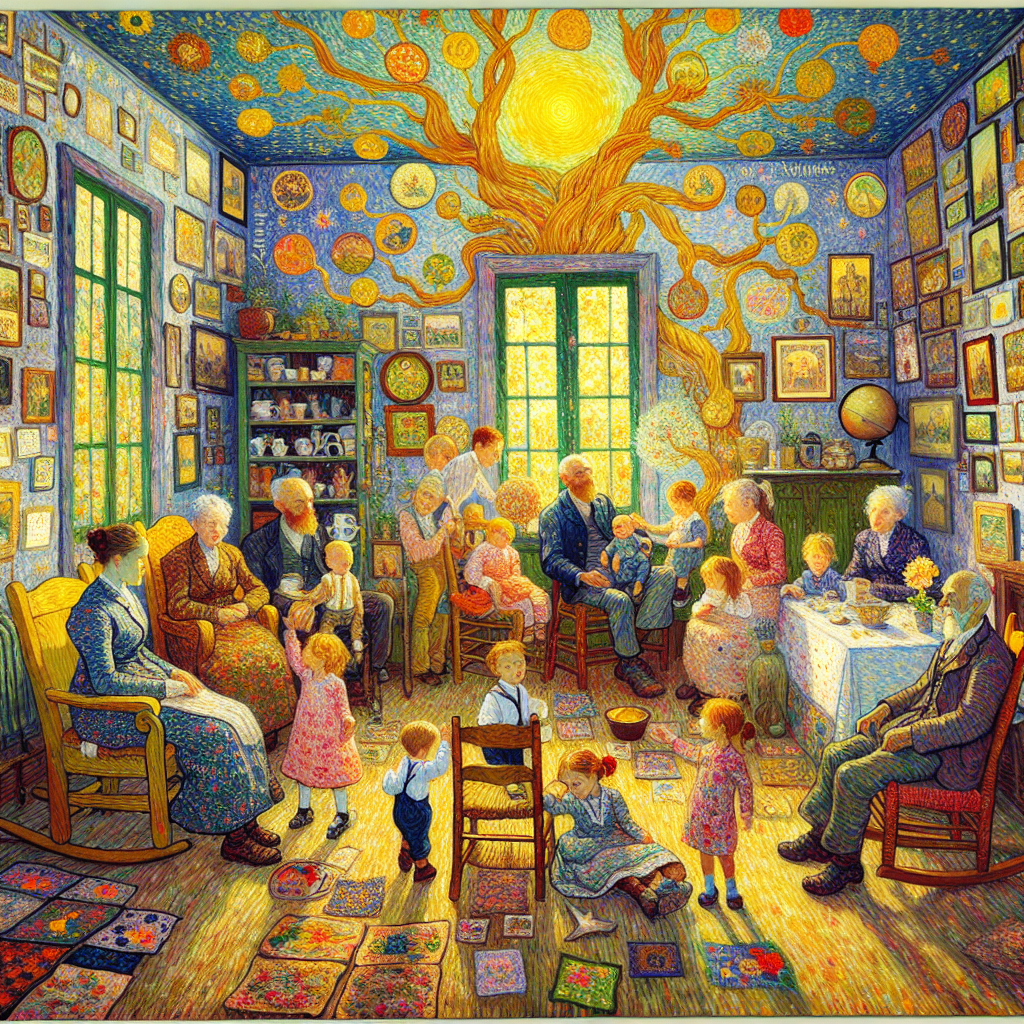
Personal archives are the heart and soul of our identities, serving as living memorials to the lives we’ve led and the legacies we wish to leave behind. They are not mere collections of old photographs or knick-knacks; they are rich narratives chronicling our journey through time. Every piece contained within these archives holds a significance that goes beyond its physical form—a snapshot of who we are, what we’ve valued, and the stories we’ve lived. However, in an era characterized by digital chaos and fleeting moments, the absence of governance for these archives risks the disarray of our personal histories.
Imagine the chaos when our treasures are left unorganized or forgotten, their narratives diluted over time. Proper governance acts as a vigilant guardian, ensuring each memory is preserved in its full context. This thoughtful approach to archiving isn’t just an investment in preservation; it is an ethical responsibility to acknowledge and honor the lives and struggles that came before us, ensuring that future generations inherit a cohesive, relatable family story.
As we sift through memories, deciding what to keep and what to celebrate, we empower ourselves and those we love with clarity and purpose. Legacy storytelling transforms our recollections into powerful tools for connection, fostering an understanding that bridges gaps between generations. It’s vital not only for the individual but for the community at large, creating a tapestry that strengthens social bonds and facilitates a deeper sense of belonging.
The role of technology cannot be understated in this process. It equips us with tools to organize, digitize, and share our stories in ways that resonate profoundly with others. By utilizing digital platforms effectively, we can manage personal archives in ways that promote engagement, allowing our descendants to interact with our histories effortlessly.
Ultimately, by taking action today to curate and govern our personal archives, we engage in an act of stewardship that transcends time. We’re not just preserving memories; we’re crafting enduring narratives that echo through the ages. Our stories matter—spanning the tapestry of humanity, they create connections and empower both the storyteller and the listener. Let’s not merely remember; let’s celebrate our journeys and boldly share them with the world, ensuring our legacies are not just preserved but cherished.

Conclusion
Conclusion:
- Personal archives reflect our identities and serve as memorials to our lives and legacies.
- They encapsulate meaningful narratives that document our journeys beyond just physical items.
- Lack of governance may lead to disorganization and dilution of personal histories.
- Proper archiving ensures memories are preserved in context, acknowledging past lives and struggles.
- Legacy storytelling empowers individuals and strengthens community bonds across generations.
- Technology facilitates the organization, digitization, and sharing of personal stories effectively.
- Curating personal archives allows us to craft lasting narratives that resonate and connect with future generations.
Conclusion
Other Resources

Other Resources
Here is a list of other resources you can review online to learn more:
- International End of Life Doula Association
- Remembered.com
- Knotify.me
- GhostMemo
- Geneanet
- How to Avoid Losing Your Family History One Generation at a Time
- Funeral Finder
- Living Wisely
- Cake
- Digital Legacy Association
- Tributize
- LegalNature
- Legacy Family Tree
- UpCounsel
- LegacyLearned
- NoLo
- FutureMe
- Forever Missed
- APH
- Funeral Services Guide
Use This Prompt To Get More Resources With Your Favorite Online AI Tool: Please provide me with a list of online articles with their URLs in a bulleted list that I can read regarding Why Personal Archives Need Governance

Other Resources
Glossary Terms
Why Personal Archives Need Governance – Glossary Of Terms
1. Archiving: The process of storing and preserving documents and records for future reference.
2. Governance: The framework of policies, procedures, and responsibilities that guide the management of personal archives.
3. Metadata: Information that describes the content, context, and structure of archived materials, facilitating retrieval and understanding.
4. Access Control: Policies that determine who can view or use personal archives and under what circumstances.
5. Retention Schedule: A plan that outlines how long records should be kept before being destroyed or archived.
6. Digital Preservation: The strategies and processes used to ensure the long-term accessibility of digital records.
7. Content Management: Systems and practices for organizing, storing, and retrieving information within personal archives.
8. Risk Assessment: The process of identifying and evaluating potential risks to the preservation and integrity of personal archives.
9. Physical Storage: The methods and materials used to store physical records safely and securely.
10. Legal Compliance: Adhering to laws and regulations governing the management of personal archives, including privacy and copyright issues.
11. Authentication: Processes to verify the authenticity and accuracy of archived records.
12. Disaster Recovery: Plans and procedures implemented to restore access and functionality to personal archives after a catastrophic event.
13. Archival Standards: Established guidelines and best practices for managing and preserving archives.
14. User Engagement: Involving users in the governance process to ensure their needs and rights are considered.
15. Record Classification: The system for categorizing records to facilitate organization and retrieval.
16. Preservation Strategy: A plan outlining methods and practices for maintaining the integrity of archived materials over time.
17. External Stakeholders: Individuals or organizations outside the governance body that have a vested interest in the management of personal archives.
18. Content Curation: The selection, organization, and presentation of archived materials to enhance their value and usability.
19. Transparency: Openness in governance practices, ensuring stakeholders understand policies and decisions affecting personal archives.
20. Interoperability: The ability for different systems and formats to work together, enabling easier access to archived information.
21. Data Integrity: Assurance that archived records remain accurate and unaltered over time.
22. Collaboration: Working with other archivists, professionals, or institutions to share resources and information best practices.
23. Policy Framework: A structured outline of governance policies specific to the management of personal archives.
24. User Rights: The entitlements of individuals regarding the access, use, and privacy of their archived materials.
25. Archival Appraisal: The process of determining the value and significance of records for long-term preservation.
26. Security Measures: Protocols and technologies implemented to protect personal archives from unauthorized access or damage.
27. Ethical Considerations: The moral principles guiding decisions about the governance and management of personal archives.
28. Collection Development: Strategies for acquiring and managing the materials that form part of personal archives.
29. Documentation Standards: Established guidelines for creating and maintaining records to ensure consistent management practices.
30. Stakeholder Engagement: The involvement of individuals and groups in the decision-making processes related to personal archives governance.

Glossary Of Terms
Other Questions
Why Personal Archives Need Governance – Other Questions
If you wish to explore and discover more, consider looking for answers to these questions:
- How do I start organizing my personal archive if I don’t know where to begin?
- What criteria should I use to decide what to keep, digitize, or discard?
- Which digitization methods and file formats best ensure long-term accessibility?
- How should I name and structure files and folders for future discovery?
- What metadata should I capture for each item and how do I attach it?
- What backup strategies (e.g., 3-2-1 rule) should I use for digital archives?
- Which tools, apps, or platforms are recommended for personal archive management?
- How do I secure sensitive or private information within my archive?
- How should I manage access rights and permissions for family members or executors?
- What legal steps (wills, digital estate planning) ensure access to digital assets after death?
- How do copyright and intellectual property laws affect what I can archive or share?
- How do I obtain and document consent from others whose stories or images are included?
- What ethical considerations apply to publishing or sharing family archives publicly?
- How should I handle traumatic, sensitive, or potentially harmful materials in the archive?
- When should I consult a professional archivist, conservator, or lawyer?
- How much time, effort, and cost should I expect when building and maintaining an archive?
- What low-cost or no-cost options exist for long-term preservation of digital and physical items?
- How do I ensure media formats remain accessible as technology and standards evolve?
- How often should I review, update, and migrate my archive to new systems or formats?
- How can I preserve provenance and context so future generations understand an item’s significance?
- What policies should I set for sharing, publishing, or monetizing archived content?
- How can I integrate social media, email, cloud accounts, and messaging histories into my archive?
- How do I handle passwords, encrypted files, and locked devices in my archival plan?
- What are best practices for physical storage—temperature, humidity, enclosures, and handling?
- What templates, prompts, or interview techniques help capture oral histories and personal narratives?
- How do I catalog, index, and tag items to make searching and browsing easy?
- Which metadata standards or controlled vocabularies (e.g., Dublin Core) should I adopt?
- How do I balance curated storytelling with preserving the raw completeness of records?
- When is it appropriate to donate personal materials to libraries, archives, or museums?
- How should I resolve conflicting narratives, disputed facts, or biased accounts in family archives?
- How can I involve and train family members to maintain and continue the archive?
- How do I evaluate the cultural, historical, or monetary value of items in my archive?

Other Questions
Haiku
Why Personal Archives Need Governance – A Haiku
Legacy stories told,
Treasured tales through time’s embrace,
Memory’s heart beats on.
Haiku
Poem
Why Personal Archives Need Governance – A Poem
In the whispers of time, our stories wait,
Each photo, letter, a woven fate.
From dusty boxes, memories rise,
A treasure of life beneath endless skies.
Governed with care, our legacies thrive,
In the chaos of days, our truths come alive.
With structured grace, we pen our past,
Gifted to futures, where echoes will last.
Ethically bound, we honor the light,
Of ancestors journeys, their struggles and fight.
In narratives shared, our heartstrings entwine,
Creating connections that heartbreak defines.
Digital realms offer tools to reflect,
Crafting our tales with love and respect.
As we organize fragments of who we became,
We empower the next, leading them to the flame.
So gather your treasures, share in the art,
With every shared memory, you gift from the heart.
For in every story, a legacy glows,
A bridge through the ages, where compassion flows.

Poem
Checklist
Why Personal Archives Need Governance – A Checklist
Emotional Appeals
✅______ Reflect on your most cherished memories and stories—consider what items hold deep emotional significance.
✅______ Gather family members for story-sharing sessions to strengthen bonds and preserve collective memories.
✅______ Create a dedicated space for displaying personal artifacts to foster daily connection with your past.
Rational Appeals
✅______ Assess the scope of your personal archives—what items are essential, relevant, or outdated?
✅______ Develop a systematic organization method (by category, date, or significance) to streamline access to your archives.
✅______ Use digital tools to back up and categorize your archives for easy retrieval and longevity.
Ethical Appeals
✅______ Obtain consent when sharing stories that involve family or friends; respect their perspectives and privacy.
✅______ Aim for an honest representation of your history—include both triumphs and challenges to convey a fuller narrative.
✅______ Consider how your archived stories may influence and guide future generations ethically.
Authority Appeals
✅______ Research trusted resources and online communities focused on personal archive management for guidance and best practices.
✅______ Consult experts or attend workshops on legacy storytelling to enhance your archival skills.
Narrative Appeals
✅______ Spend time crafting cohesive narratives around key life events and milestones—transform dates into stories.
✅______ Document not just the “what” but the “why” behind important experiences to enrich the narrative context.
Social Appeals
✅______ Share your personal archives with friends and family to invite dialogue and deepen connections through storytelling.
✅______ Participate in local history projects or community storytelling events to contribute to collective memory and culture.
✅______ Encourage others to create and share their own archives, fostering an environment of mutual support and understanding.

Checklist
At LegacyExplorations, we help people plan and explore their legacy by collecting information and news regarding end-of-life planning.
Please share this post with your friends, family, or business associates who may want help to plan or explore their legacy.