

Modern Solutions For Tomorrow’s Legacies: Rethink Estate Planning
By Tom Seest
At LegacyExplorations, we help people plan and explore their legacy by collecting information and news regarding end-of-life planning.
Please share this post with your friends, family, or business associates who may want help to plan or explore their legacy.
Why Traditional Estate Planning Is Outdated
Traditional estate planning has long been seen as the final chapter in a life story, often filled with legalese and chilly paperwork. Yet, as we navigate an ever-changing world, it’s become as outdated as a rotary phone in a smartphone age. Families are not just looking for a last will; they’re seeking connection, meaning, and the ability to pass down not just assets but inspiring narratives. This isn’t just logistics; it’s about Legacy Storytelling.
Imagine a family gathered together, not just to divvy up assets but to share tales of triumph, resilience, and love. They want to know who their grandparents were beyond the names on a piece of paper. This storytelling taps into the heart of what it means to be part of a lineage. It pulls at our emotions, inspiring trust in the bonds we share. When you share your life’s story—your failures, your victories, your lessons—a powerful connection is formed that transcends mere possessions.
From a rational standpoint, the traditional model falls short. It often operates on the presumption that everyone needs a complex trust or endless legal documents. Yet, many families simply need a clear understanding of their values and vision. Legacy Storytelling allows individuals to articulate what truly matters, steering the focus away from mere distribution of wealth to the soulful sharing of wisdom and experiences. It’s a practical approach that resonates with our times, fostering clarity and reducing conflict.
Ethically, we have a responsibility to ensure our loved ones understand not only what we leave behind but the context of our decisions. What legacies are worth leaving? When you frame your estate in terms of your beliefs and values, you elevate the conversation, encouraging families to reflect on a shared future built on trust and understanding.
Moreover, society continuously evolves, reflecting changing dynamics in family structures. The traditional estate model isn’t built for the modern family—blended households, evolving relationships, and diverse aspirations require a new approach. By embracing Legacy Storytelling, we empower families to have honest conversations about what they want their lives—and indeed their legacies—to look like.
A collaborative, narrative-driven approach not only preserves wealth but also endows it with purpose. It invites each family member to engage deeply in the conversation about their collective future, fostering a stronger bond that honors the past while shaping the next generation’s path. This holistic view of estate planning transforms it from a dry obligation into a meaningful journey, where the essence of who we are is celebrated, shared, and cherished for years to come.

Why Traditional Estate Planning Is Outdated
Why Traditional Estate Planning Is Outdated
- Traditional estate planning is viewed as outdated, akin to a rotary phone in a smartphone age.
- Families seek connection and storytelling instead of just asset distribution.
- Legacy Storytelling emphasizes sharing personal narratives, fostering emotional bonds.
- The traditional model often overlooks the need for clear values and visions.
- Framing estates around beliefs elevates conversations about legacies.
- Modern family dynamics require an adaptable approach to estate planning.
- A collaborative, narrative-driven strategy transforms estate planning into a meaningful journey.

Why Traditional Estate Planning Is Outdated
Table Of Contents
- Why Traditional Estate Planning Is Outdated
- Why Is Traditional Estate Planning Failing Modern Families?
- How Does Outdated Estate Planning Affect Your Loved Ones?
- What Emotional Burdens Arise From Ineffective Estate Planning?
- Are There Better Alternatives to Traditional Estate Planning Methods?
- How Can Personalized Planning Benefit Your Unique Family Dynamics?
- How Can Modern Technology Improve Your Estate Planning Strategy?
- What Stories Illustrate the Pitfalls Of Relying on Traditional Plans?
- Conclusion
- Other Resources
- Glossary Of Terms
- Other Questions
- Haiku
- Poem
- Checklist
Why Is Traditional Estate Planning Failing Modern Families?
In an age where families often span diverse locations, cultures, and lifestyles, traditional estate planning can feel as outdated as an old flip phone. The typical will, often a bureaucratic formality, fails to capture the richness of a family’s Legacy Storytelling—where each member’s unique narrative intertwines with love, struggle, and triumph. This isn’t just paperwork; it’s a map of what matters most, woven into the very fabric of family life.
Consider the heartfelt connection you have with your children. When you talk about Grandma’s old recipes or the family fishing trip that turned into a legendary adventure, that’s Legacy Storytelling in action. These stories anchor us, providing context and meaning in times of uncertainty. Yet, if your estate plan merely directs assets with sterile legal jargon, it misses the emotional weight of those experiences. Without attention to the human element, you risk a transaction instead of a transition, leaving your loved ones to navigate the aftermath with confusion rather than clarity.
Rationality often takes a backseat in the traditional model. You might think, “If I have a will, everything is taken care of.” But what happens when relationships sour or unexpected surprises arise? It’s as if we’ve put our trust in a flimsy safety net, rather than a robust plan that evolves alongside our families. Modern estate planning needs to embrace flexibility and adaptability, recognizing that life doesn’t adhere to a neat timeline.
Ethically, we owe it to our loved ones to ensure that our intentions are crystal clear. Complex assets, family businesses, or cherished heirlooms require a thoughtful approach to ensure your wishes and values shape future decisions. When done right, planning becomes an act of love—a final gift, rather than a burden.
Engaging families in this planning process fosters connection. Encouraging open conversations about desires, hopes, and fears strengthens relationships and builds trust. It transforms the act of planning into a shared experience, uniting family members around a table instead of dividing them through conflict.
Ultimately, embracing a modern approach means recognizing that estate planning is more than just a legal necessity. It’s about preserving memories, values, and stories—the very essence of who we are as families. By prioritizing Legacy Storytelling alongside practical considerations, we create not just a plan for our assets, but a roadmap that’s rich with meaning, ensuring that our legacies live on in the hearts of those we leave behind.

Why Is Traditional Estate Planning Failing Modern Families?
Why Is Traditional Estate Planning Failing Modern Families?
- Traditional estate planning feels outdated in today’s diverse family contexts.
- Standard wills often overlook the importance of family narratives and Legacy Storytelling.
- Emotional connections and shared family stories provide meaning during uncertain times.
- Estate plans should prioritize adaptability rather than rigid legal formalities.
- Clear intentions are essential for managing complex assets and family heirlooms ethically.
- Engaging families in planning fosters trust and strengthens relationships.
- Modern estate planning preserves memories and values, creating meaningful legacies.

Why Is Traditional Estate Planning Failing Modern Families?
How Does Outdated Estate Planning Affect Your Loved Ones?
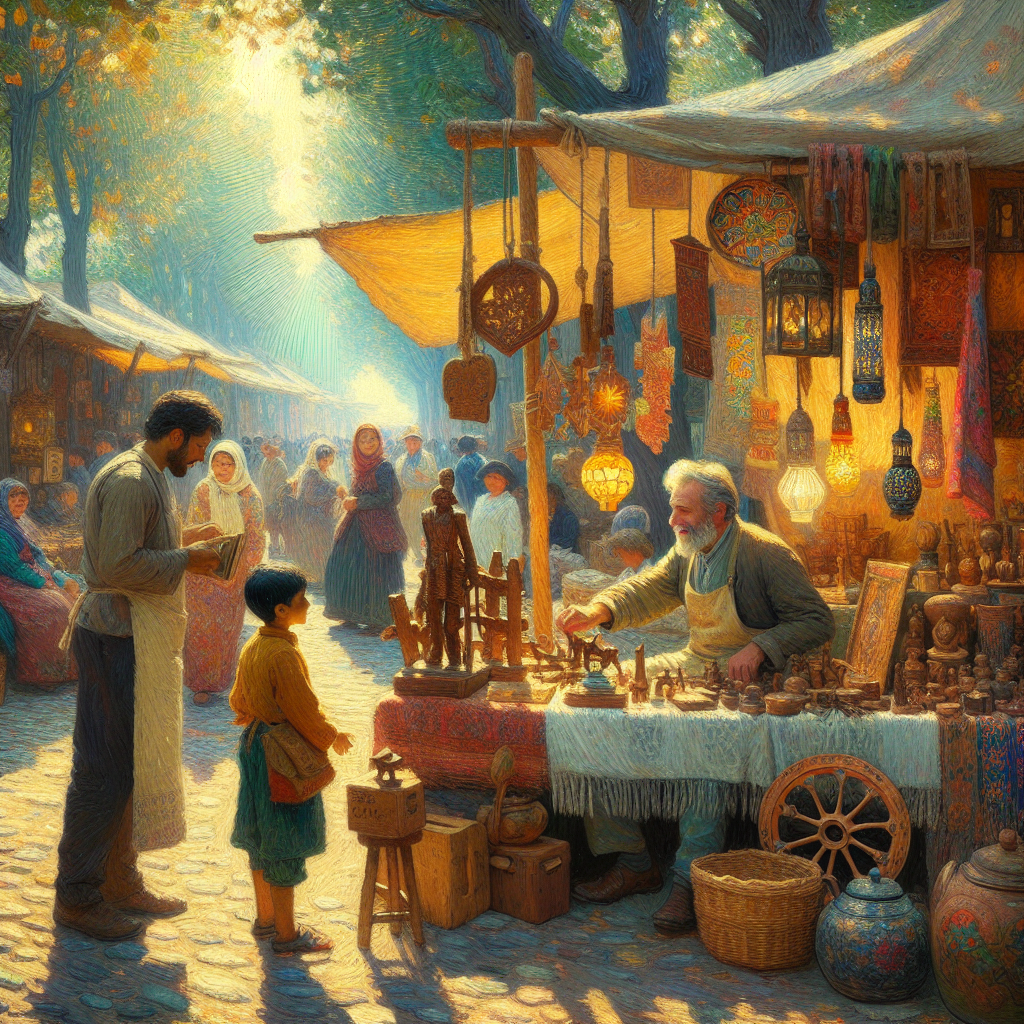
Outdated estate planning is like a neglected toolbox—sure, it’s still there, but the tools are rusted and ineffective. Imagine the heartache when a loved one departs unexpectedly, leaving behind not just sorrow, but confusion, frustration, and conflicts that could have been avoided. Without a solid, updated plan, what could have been a smooth transition for your family instead becomes a chaotic scramble to decipher your wishes, causing resentment among those left to pick up the pieces.
Legacy storytelling is powerful. It shapes who we are, how we’re remembered, and the lessons we leave behind. When your estate plan isn’t current, it undermines all those stories and values you’ve spent your life cultivating. Picture your children or grandchildren trying to navigate through outdated documents, unsure of what you truly desired for them. That uncertainty not only disrupts the honor of your legacy but also places unnecessary stress on them. They might find themselves in disputes over assets or be burdened with decisions you could have clarified.
From a rational perspective, an outdated estate plan is an open invitation for chaos. Taxes and state laws evolve; what worked a decade ago may no longer align with your current wishes or life circumstances. Think of the ethics involved—your loved ones deserve to inherit not just your possessions but also your intentions. Leaving them with a muddled plan can lead to painful decisions that stray far from your original vision.
We have to recognize the authority we have over our legacies. Updating your estate plan is not just a bureaucratic task; it’s a responsibility to those who will carry your torch. It’s an act of love, ensuring that when the time comes, your family remembers your intentions rather than wrestling with confusion.
Let’s get real for a moment. This isn’t just about paperwork; it’s about connection. The act of engaging in estate planning fosters a conversation about your family’s values and aspirations, strengthening bonds. When you bring your loved ones into the discussion, you forge a sense of unity and trust—reminding them that their futures matter profoundly to you.
Investing time to revisit your estate plan isn’t just a practical step; it’s a heartfelt commitment to the legacy you want to leave behind. Don’t leave your loved ones navigating an outdated map when they should be celebrating the journey you’ve crafted together.
How Does Outdated Estate Planning Affect Your Loved Ones?
How Does Outdated Estate Planning Affect Your Loved Ones?
- Outdated estate planning leads to confusion and conflict among loved ones after a loss.
- A current estate plan preserves family legacies and cultivates values.
- Uncertainty from outdated documents creates stress for heirs and may spark disputes.
- An outdated plan risks misalignment with evolving taxes and state laws.
- Updating an estate plan is a moral responsibility to clearly express intentions.
- Engaging in estate planning fosters family discussions about values and aspirations.
- Revisiting your estate plan is a commitment to your legacy and family unity.

How Does Outdated Estate Planning Affect Your Loved Ones?
What Emotional Burdens Arise From Ineffective Estate Planning?
Ineffective estate planning can cast a long shadow over families, burdening them with emotional weight that often stretches far beyond the legal nuances of wills and trusts. When loved ones pass away without a clear roadmap—without that essential Legacy Storytelling—chaos can ensue. Families find themselves caught in a web of uncertainty and strife, where grief is compounded by confusion. Instead of coming together to honor a life well-lived, they may become mired in disputes over assets, leading to fractured relationships and lingering resentment.
Every family has a story, a unique narrative woven together by shared memories, values, and dreams. When that narrative is disrupted due to poor planning, it can be heart-wrenching. A widowed spouse may find themselves wrestling with not just the loss of their partner but also the daunting task of navigating legal jargon, squabbles among heirs, and the stress of placing emotional worth on items that were once cherished. Such burdens can be overwhelming, stirring feelings of betrayal, anger, and despair.
From a rational perspective, the numbers don’t lie. According to various studies, families that engage in effective estate planning face fewer legal disputes and significantly lower emotional distress. When things are clearly outlined, loved ones can focus on what truly matters: remembering and celebrating a life, rather than wrestling over tangible possessions. It’s a simple truth that, in the absence of planning, individuals often must turn to courts to resolve their differences, which only heightens stress and exacerbates the emotional toll.
Ethically, there’s a moral obligation to leave behind more than just possessions; there’s a duty to impart wisdom, values, and guidance. By crafting a well-thought-out estate plan, individuals not only safeguard their assets but also offer their families a gift—the gift of clarity and unity. This act of foresight can inspire confidence in both the planner and the heirs, fostering respect and trust among family members.
Ultimately, ineffective estate planning doesn’t just create logistical issues; it takes a heavy emotional toll. By embracing proactive planning, families can honor their legacies, ensuring that their stories are told, their values upheld, and their connections strengthened for generations to come. When we take the time to share our Legacy Storytelling, we not only preserve our narratives but also create a solid foundation for our loved ones as they navigate the difficult waters of loss.

What Emotional Burdens Arise From Ineffective Estate Planning?
What Emotional Burdens Arise From Ineffective Estate Planning?
- Ineffective estate planning burdens families with emotional pain and confusion after a loved one’s death.
- Without clear legacy storytelling, families may face disputes over assets, leading to strained relationships.
- Disruption of family narratives due to poor planning can exacerbate grief for surviving loved ones.
- Effective estate planning reduces legal disputes and emotional distress, allowing families to celebrate lives instead.
- Individuals have a moral duty to leave behind guidance, wisdom, and unity through proper planning.
- Proactive estate planning offers families clarity, respect, and trust among members.
- Sharing legacy storytelling preserves family narratives and strengthens connections for future generations.

What Emotional Burdens Arise From Ineffective Estate Planning?
Are There Better Alternatives to Traditional Estate Planning Methods?
When it comes to estate planning, many think of musty documents and cold, hard numbers. But there’s a pulse underneath this process—a legacy that’s waiting to be told. Traditional methods, while essential, often miss the heart of what we leave behind: our stories, lessons, and values. Enter legacy storytelling, a powerful tool that goes beyond spreadsheets and legal jargon. It’s about weaving the fabric of our existence into something tangible for generations to come.
Imagine this: instead of a dusty will tucked away in a drawer, you have a narrative—a beautifully crafted tale that encapsulates your journey, your trials, and, most importantly, the wisdom gained. This isn’t just an emotional exercise; it’s a rational approach to ensuring that your loved ones understand not only what you left them but why you left it. It fosters connection and reinforces the values that you hold dear. You’re not just passing down assets; you’re handing down a guiding light.
From an ethical standpoint, sharing your legacy through storytelling creates a culture of openness and honesty. It allows family members to have conversations that might otherwise be uncomfortable. You’re inviting them to reflect on their relationship with you and with each other. It’s about building trust within the family, breaking down barriers, and creating a space where everyone feels valued.
Authority is built through sharing experiences—your experiences. Readers can relate to a narrative of perseverance, growth, and even mistakes. Every story has its bumps and turns, and these make the journey relatable. By framing your legacy as a narrative, you establish yourself as the author of your life’s work, cementing your place in the hearts and minds of those you love.
In a world dominated by technology and impersonal communication, legacy storytelling offers a return to our roots. It’s social, inviting loved ones to engage with your story long after you’ve moved on. It creates a tapestry that binds families together, reminding them of their shared history and values.
It’s time to consider whether traditional estate planning methods are enough for what you want to leave behind. A legacy of storytelling might be the deeper connection that transforms mere inheritance into meaningful remembrance. Embrace this alternative and inspire your loved ones to carry forward not just your assets, but your essence.

Are There Better Alternatives to Traditional Estate Planning Methods?
Are There Better Alternatives to Traditional Estate Planning Methods?
- Estate planning often focuses on cold documents and numbers, neglecting the personal legacy we leave behind.
- Legacy storytelling serves as a tool to convey personal journeys, lessons, and values beyond legalities.
- Crafting a narrative helps loved ones understand not just what is inherited but the reasoning behind it.
- Sharing your legacy fosters family openness and encourages conversations about relationships and values.
- Telling personal stories builds trust, making connections stronger and creating a sense of belonging.
- Legacy storytelling bridges generational gaps, inviting future generations to engage with shared histories.
- Rethinking traditional estate planning can pave the way for meaningful remembrance and a deeper family connection.

Are There Better Alternatives to Traditional Estate Planning Methods?
How Can Personalized Planning Benefit Your Unique Family Dynamics?
When it comes to family, every household has its own unique story—filled with triumphs, struggles, and the rich tapestry of experiences that bind us together. Personalized planning serves as a roadmap, one that doesn’t just guide us through logistics but also honors our legacy storytelling, ensuring our family’s narrative continues with intention and purpose.
Imagine a family gathering where everyone shares their hopes and dreams. It’s not just about piecing together a financial plan or setting long-term goals; it’s about creating a robust framework that fits your family’s rhythm. By taking the time to understand each member’s aspirations and challenges, personalized planning weaves together these diverse threads into a cohesive strategy. This is family-focused decision-making at its finest—where every voice is heard and valued.
Rationally, personalized planning addresses the practical challenges families face day-to-day. Uncertainty can be daunting, whether it’s navigating education costs or preparing for unforeseen events. A tailored approach not only provides clarity but fosters confidence. Families equipped with a solid plan find solace in knowing they are prepared, empowering them to focus on what truly matters—each other.
Then there’s the ethical dimension. Families are often motivated by more than just financial stability; they seek to create a legacy, to leave behind something tangible and meaningful for future generations. Personalized planning encourages families to think beyond their current needs and consider the values and lessons they wish to pass on. This empowerment fosters a deeper sense of connection among family members, building bridges of trust across generations.
Narratively, these planning sessions become moments of shared experiences. They invite us to reflect on our past while paving the way for future growth. These conversations can spark laughter, poignant stories, and sometimes even reconciliation, reminding us that personal history is not just something we inherit but a shared journey we navigate together.
Socially, when we engage in personalized planning, we cultivate understanding and unity among family members. It nurtures a culture of collaboration, ensuring that each member feels a stake in the family’s future. This collective effort transforms planning from a task into an opportunity for bonding, reinforcing the idea that together, we can create a life that reflects our hopes and dreams.
In this journey, personalized planning doesn’t just equip you for the future; it ensures that, as a family, you remain connected to your legacy—your story—and each other.

How Can Personalized Planning Benefit Your Unique Family Dynamics?
How Can Personalized Planning Benefit Your Unique Family Dynamics?
- Every family has a unique story filled with experiences that connect them.
- Personalized planning serves as a roadmap, guiding families through logistics while honoring their narrative.
- It involves understanding individual aspirations and challenges, creating a cohesive strategy that values every voice.
- Addresses practical challenges, providing clarity and fostering confidence in uncertain situations.
- Encourages families to think beyond current needs and consider values they wish to pass on to future generations.
- Planning sessions become opportunities for shared experiences, reflection, and familial growth.
- Cultivates understanding and unity, turning planning into a bonding opportunity for the family.

How Can Personalized Planning Benefit Your Unique Family Dynamics?
How Can Modern Technology Improve Your Estate Planning Strategy?
In today’s world, the tools at our fingertips can turn the heavy burden of estate planning into a journey of legacy storytelling, one that honors who we are and the values we cherish. Imagine using cutting-edge software to craft a digital narrative that encompasses not just assets, but the essence of your life’s journey. This isn’t just paperwork; it’s a living document that reflects your hopes, dreams, and the lessons learned along the way.
Think about it. The ease of technology means you can engage family members in this process, fostering connections that strengthen relationships before they’re tested by loss. Gathering loved ones to share memories and aspirations creates an intimate tapestry of stories that enriches your legacy. It’s about weaving together the threads of your life, showing future generations not just what you left them materially, but also the values and ethos that have guided your journey.
Modern technology empowers you to personalize your estate plan with tools that allow for collaboration and transparency. Cloud storage and secure online platforms enable you to involve family members, creating an open dialogue that demystifies the process. This shared experience not only cultivates trust but also mitigates misunderstandings that often arise in times of grief. It’s a proactive approach, ensuring that the conversations you start today can guide the decisions made tomorrow.
Consider your digital footprint—social media accounts, personal blogs, photo libraries. These are not just data points; they are the modern-day time capsules of your life. Technology allows you to specify how you want these treasured remnants to be handled, ensuring that your digital legacy aligns with your values. It’s a chance to leave behind not just financial security, but a comprehensive narrative that encapsulates who you are.
Engaging in estate planning might feel daunting, but with the right technology, it transforms into a meaningful process that celebrates life rather than merely addressing the inevitable. It’s about confronting the difficult with courage, using state-of-the-art resources to ensure that the stories of our lives are told honestly and authentically.
In this age of digital advancement, it’s time to embrace the possibilities. With modern tools, we can build a legacy that resonates deeply, connects generations, and inspires action—not just within our own families, but as a testament to the impact we wish to leave behind. It’s an essential step in honoring our past while shaping a hopeful future for those we hold dear.

How Can Modern Technology Improve Your Estate Planning Strategy?
How Can Modern Technology Improve Your Estate Planning Strategy?
- Technology transforms estate planning into a journey of legacy storytelling, reflecting personal values and life essence.
- Engaging family members fosters connections and strengthens relationships through shared memories and aspirations.
- Modern tools allow for personalized estate plans with collaboration and transparency, enhancing family involvement.
- Cloud storage and secure platforms create open dialogue, reducing misunderstandings during times of grief.
- Your digital footprint, including social media and personal blogs, serves as modern-day time capsules of life.
- Estate planning with the right technology celebrates life and ensures authentic storytelling of personal narratives.
- Embracing digital advancements helps build a legacy that resonates and inspires future generations.

How Can Modern Technology Improve Your Estate Planning Strategy?
What Stories Illustrate the Pitfalls Of Relying on Traditional Plans?
What Stories Illustrate the Pitfalls of Relying on Traditional Plans?
In a world that celebrates the new and the next, the stories of those who clung to traditional plans resonate deeply. Take, for example, the tale of a small family-owned farm, passed down for generations. For years, the family adhered to a rigid framework, believing their methods would protect their legacy. They resisted innovation, convinced that what worked for their ancestors could weather even the fiercest storms. But when a series of unexpected droughts hit, their traditional irrigation plans faltered. The very legacy they sought to preserve became their downfall.
This story illustrates a broader truth about reliance on outdated strategies. It raises questions not just in the realm of agriculture, but in businesses, communities, and even personal decisions. Why do we cling to these established narratives? There’s an undeniable comfort in legacy storytelling. It binds us to our heritage, evoking emotions that stir our hearts and roots our identities in time-honored values. Yet, when those values no longer hold water—literally or metaphorically—we need to pause and reassess.
Consider the ethical implications as well. Are we doing a disservice to future generations by sticking to plans that stifle creativity and adaptability? In today’s fast-paced world, relying solely on traditional methods can lead to stagnation. The stories of companies that clung to outdated practices, only to find themselves crushed by nimbler competitors, are abundant. Each serves as a stark reminder that the past, while rich with lessons, cannot predict the future.
A narrative of resistance can incite a gut reaction—an urge to break free. Think of the corporate giants that eventually embraced change; their transformation stories are inspiring and relatable. They illustrate a journey from a tight, restrictive plan to one that invites flexibility and evolution. These are stories of courage, of trusting instinct over tradition.
As we listen to these stories, we find ourselves inspired to act. By recognizing the pitfalls of rigid adherence to traditional plans, we foster connections that urge us to innovate and adapt. The legacy we choose to honor must be one that empowers us to brave new paths, grounded in the wisdom of the past but unafraid to embrace the future.

What Stories Illustrate the Pitfalls Of Relying on Traditional Plans?
What Stories Illustrate the Pitfalls Of Relying on Traditional Plans?
- Stories highlight the dangers of relying on traditional plans, as illustrated by a family-owned farm that suffered due to outdated methods.
- The farm’s rigid adherence to inherited practices faltered during unexpected droughts, leading to their downfall.
- This narrative serves as a broader cautionary tale about outdated strategies in agriculture, business, and personal decisions.
- Clinging to established narratives provides comfort but may hinder innovation and adaptability.
- Sticking to traditional methods can create stagnation, risking obsolescence in a fast-paced world.
- Successful corporate transformations emphasize the importance of flexibility and embracing change over strict adherence to tradition.
- Recognizing the pitfalls of traditional plans encourages innovation and adapting to new paths while respecting past wisdom.

What Stories Illustrate the Pitfalls Of Relying on Traditional Plans?
Conclusion
Traditional estate planning is becoming increasingly outdated in today’s complex world, often reduced to a series of impersonal documents that fail to capture the essence of family legacies. While once seen as a final chapter of life, estate planning must evolve to reflect the values, stories, and emotional connections that bind families together. The outmoded approach focuses on distributing assets through legal jargon, missing the opportunity to convey the deeper narratives that define us.
Imagine family gatherings where stories of past generations are shared—tales of perseverance, love, and identity that resonate beyond wealth. Legacy storytelling enriches these moments, transforming the rigid structure of traditional planning into a meaningful journey. Families want clarity, context, and connection—not just lists of possessions. This evolution in thinking emphasizes that estate planning is not merely about passing down material goods but about fostering understanding and unity among loved ones.
From a practical standpoint, outdated plans can create confusion, especially among families with complex dynamics. Without a clear narrative, heirs may face disputes and misunderstandings that can lead to resentment, overshadowing grief with conflict. A modern approach—rooted in the stories that families share—enables open dialogue and reduces the emotional burdens that often accompany loss.
Ethically, families owe it to one another to articulate their intentions clearly. Leaving behind a muddled plan can invite chaos, undermining the very values one intends to pass on. By rethinking estate planning, families not only honor their legacies but also create a supportive space for future generations to thrive.
Modern technology offers tools that enhance this narrative-driven approach. By integrating digital platforms and collaborative tools, families can co-create their estate plans, engaging in meaningful conversations that solidify bonds and clarify intentions. This isn’t just about paperwork; it’s about embracing a living legacy that continues to influence those left behind.
Stories of families that adhered too rigidly to traditional plans illustrate the risks of failing to adapt. Like the family farm that couldn’t withstand unexpected changes, families must remain flexible, allowing for growth and evolution. The past provides valuable lessons, but it cannot dictate the future. By embracing innovative estate planning strategies, families can create a legacy rich in love, values, and shared experiences, ensuring the stories and connections endure for generations to come.

Conclusion
Conclusion:
- Traditional estate planning is increasingly seen as outdated and impersonal, failing to reflect family legacies.
- Estate planning should evolve to encompass the values, stories, and emotional connections of families, not just asset distribution.
- Legacy storytelling enhances family gatherings, sharing narratives that resonate beyond material wealth.
- Modern estate planning emphasizes clarity, context, and connection to foster understanding and unity among loved ones.
- Outdated plans can lead to confusion and disputes among heirs, adding emotional burdens during times of loss.
- Families should articulate their intentions clearly to prevent chaos and honor their legacies.
- Technology can facilitate a narrative-driven approach, allowing families to co-create estate plans and strengthen bonds.

Conclusion
Other Resources

Other Resources
Here is a list of other resources you can review online to learn more:
- How Has Time Changed The Cost Of Capturing Family Legacy Stories
- Legacy Family Tree
- LegalZoom
- EverNote
- Obituary Templates
- FuneralWise
- PartingWishes
- Ancestry
- NoLo
- WishesKeeper
- Meminto
- AmericanAncestors
- Legacy Learned
- Is There A Need To Pay For Copyrighting Services For Personal Or Family Legacy Stories?
- LifeNaut
- LifeWeb 360
- Storyfile
- RocketLawyer
- Knotify.me
Use This Prompt To Get More Resources With Your Favorite Online AI Tool: Please provide me with a list of online articles with their URLs in a bulleted list that I can read regarding Why Traditional Estate Planning Is Outdated

Other Resources
Glossary Terms
Why Traditional Estate Planning Is Outdated – Glossary Of Terms
1. Estate Planning: The process of preparing for the management and distribution of an individual’s assets after death.
2. Trusts: Legal arrangements that hold assets for beneficiaries, often used to avoid probate.
3. Wills: Legal documents stating how a person’s assets should be distributed after their death.
4. Probate: The legal process of validating a will and distributing assets, which can be lengthy and costly.
5. Power of Attorney: A legal document granting someone the ability to act on another’s behalf in financial or medical matters.
6. Living Will: A document outlining a person’s wishes regarding medical treatment and life support in case of incapacitation.
7. Digital Assets: Online accounts and digital property, such as cryptocurrencies and social media profiles, which require specific planning.
8. Beneficiary Designation: Specifies who will receive an asset upon the owner’s death, often bypassing probate.
9. Joint Ownership: A method of holding property that allows co-owners to have automatic rights of survivorship.
10. Tax Implications: Financial consequences of estate transfers that may arise from inheritance or estate taxes.
11. Healthcare Proxy: An individual authorized to make medical decisions on someone else’s behalf when they are unable to do so.
12. Asset Protection: Strategies to protect an individual’s wealth from claims by creditors or lawsuits.
13. Testamentary Trust: A trust that is created by a will and comes into effect upon the death of the individual.
14. Legacy: The impact or influence an individual leaves behind, often including financial or property assets.
15. Family Limited Partnership: A business structure that can help manage family assets and provide liability protection.
16. Gift Tax: A federal tax on certain transfers of property made while one is still alive.
17. True Property Ownership: The understanding of how property is titled and the implications for estate distribution.
18. Intestate: The state of dying without a valid will, leading to state laws dictating asset distribution.
19. Elder Law: A legal practice area focusing on issues affecting older individuals, including estate planning.
20. Charitable Remainder Trust: A trust that provides income to beneficiaries during their lifetime, with the remainder going to charity.
21. Spousal Rights: Legal entitlements of a spouse concerning inheritance, which can affect estate distribution.
22. Succession Planning: Preparing for the future management of a company’s assets and leadership, crucial for business owners.
23. Heirs: Individuals legally entitled to inherit property or assets from someone who has passed away.
24. Asset Allocation: The strategic distribution of investments to balance risk and return in estate planning.
25. Estate Tax Exemption: The threshold amount excluded from estate taxation, affecting wealth transfer strategies.
26. Prenuptial Agreement: A contract made before marriage outlining the distribution of assets in case of divorce or death.
27. Legacy Planning: The process of organizing one’s estate to ensure wishes are fulfilled and to create a lasting impact.
28. Trustee: An individual or entity appointed to manage a trust according to the terms set by the grantor.
29. Executor: A person named in a will to carry out the directions specified and manage the estate.
30. Life Insurance: A policy providing financial support to beneficiaries upon the death of the policyholder, often used in estate planning.
Glossary Of Terms
Other Questions
Why Traditional Estate Planning Is Outdated – Other Questions
If you wish to explore and discover more, consider looking for answers to these questions:
- What exactly is “legacy storytelling” and how does it differ from a traditional will or trust?
- Which legal documents do I still need if I incorporate legacy storytelling into my estate plan?
- How do I begin translating personal stories and values into legally useful guidance for heirs?
- Are narrative elements (letters, videos) legally binding or merely advisory?
- How do I combine emotional legacy materials with formal legal instruments without creating conflicts?
- How often should I update both my legal estate plan and my legacy story?
- What role should heirs play in creating or reviewing a legacy story and estate plan?
- How do I handle sensitive family issues or estranged relatives when telling my legacy story?
- What professional advisors should I involve (attorneys, financial planners, therapists, genealogists, storytellers)?
- How much does a modern, integrated estate plan cost compared with a traditional plan?
- Can legacy storytelling reduce the likelihood of will contests and family disputes?
- What are the best practices for documenting and preserving audio, video, and digital artifacts?
- How should digital assets (social media, cloud photos, cryptocurrency) be managed and transferred?
- What security and privacy measures are needed for storing digital legacy materials?
- How do state and national laws affect disposal or access to digital accounts after death?
- How can technology platforms facilitate collaborative family planning while protecting confidential information?
- Are there standard templates or tools for legacy storytelling, and how customizable are they?
- How does legacy storytelling work for blended families, stepchildren, and nontraditional family structures?
- How should family businesses be handled within a legacy-focused estate plan?
- What succession strategies protect the business while honoring family stories and values?
- How can I ensure heirlooms and sentimental items are distributed in a way that preserves meaning?
- How do taxes, probate, and creditor claims interact with legacy-driven distribution plans?
- What estate- and gift-tax strategies work best with a values-centered legacy approach?
- How do trusts (revocable, irrevocable, special needs) fit into legacy storytelling?
- Can legacy storytelling be used to encourage responsible stewardship or philanthropy?
- How do I document charitable intentions and make them legally enforceable?
- What are recommended ways to address healthcare decisions, end-of-life wishes, and advance directives within a legacy plan?
- How do powers of attorney and guardianship designations align with narrative intentions?
- What should guardians and caretakers of minors know about the family legacy and values?
- How do I protect vulnerable heirs (minors, disabled adults) while honoring my values?
- What are the legal implications of including video wills or recorded messages in my estate plan?
- How do different jurisdictions recognize or treat nontraditional estate documents and multimedia wishes?
- How can mediation or facilitated family meetings be integrated into planning to reduce conflict?
- What are effective ways to communicate financial literacy and stewardship to heirs before transfer?
- How do I measure whether a legacy plan is achieving its emotional and practical goals?
- How long should personal stories and legacy materials be preserved, and who should control access?
- What ethical concerns arise when curating or editing family stories for future generations?
- How do cultural, religious, or intergenerational differences affect legacy storytelling choices?
- How should international assets or heirs in other countries be handled in a legacy-focused plan?
- What contingency plans should be in place for executor incapacity or refusal to serve?
- How do I choose and prepare an executor, trustee, or legacy steward who will honor both legal and narrative intentions?
- What liability risks do executors or trustees face when implementing nonbinding legacy instructions?
- How can emerging technologies (AI, blockchain) be used to authenticate, preserve, or deliver legacy content?
- What are practical next steps for someone ready to modernize their estate planning with legacy storytelling?

Other Questions
Haiku
Why Traditional Estate Planning Is Outdated – A Haiku
Stories of old times,
Tradition binds, yet it breaks—
Legacy’s new path.
Haiku
Poem
Why Traditional Estate Planning Is Outdated – A Poem
In a world where legacies intertwine,
Traditional paths grow dim, outdated lines.
A last will, cold, with signatures worn,
Fails to capture the stories reborn.
Families yearn for a tapestry rich,
Where love and memories weave and stitch.
Not just the assets, but wisdom to share,
Tales of triumph, of burdens, and care.
From hearts to heads, an ethical call,
To frame our intentions, embracing the whole.
Through laughter and tears, they gather and speak,
Each voice a narrative, every bond unique.
Modern technology opens the door,
A canvas for stories, a space to explore.
Engaging each member in planning the way,
Fostering trust that won’t easily fray.
A legacy told in colors, not grey,
Guides future generations, lighting their way.
So let’s move beyond just numbers and charts,
Crafting our legacies, stitching our hearts.
In unity found, the burdens grow light,
Transforming our futures, ensuring whats right.
For every story shared holds power and grace,
In Legacy Storytelling, we find our place.

Poem
Checklist
Why Traditional Estate Planning Is Outdated – A Checklist
Emotional Appeal
✅______ Share personal stories and experiences with family members.
✅______ Discuss values that guide your decisions and legacy.
✅______ Create a family narrative that includes cherished memories and traditions.
Rational Appeal
✅______ Outline your estate planning goals clearly (e.g., asset distribution, care for dependents).
✅______ Identify any legal documents needed for modern estate planning.
✅______ Reflect on the flexible components of your plan to adapt to life changes.
Ethical Appeal
✅______ Discuss the importance of transparency in your wishes with family members.
✅______ Ensure your estate plan conveys your beliefs and values.
✅______ Commit to regular updates of your plan in line with your evolving life circumstances.
Authority Appeal
✅______ Consult with estate planning professionals for guidance.
✅______ Research relevant laws and regulations affecting your estate.
✅______ Emphasize the importance of informed decisions in your planning process.
Narrative Appeal
✅______ Encourage family members to contribute their stories and perspectives.
✅______ Use storytelling as a means to explore family history and future aspirations.
✅______ Document and preserve family legacies in a narrative format.
Social Appeal
✅______ Organize family meetings to discuss estate planning collaboratively.
✅______ Foster an environment where family members feel comfortable sharing their thoughts and concerns.
✅______ Highlight the collective impact of your legacy on future generations.

Checklist
At LegacyExplorations, we help people plan and explore their legacy by collecting information and news regarding end-of-life planning.
Please share this post with your friends, family, or business associates who may want help to plan or explore their legacy.