

Embracing The Calm: The Comfort In Stories We Leave Behind
By Tom Seest
At LegacyExplorations, we help people plan and explore their legacy by collecting information and news regarding end-of-life planning.
Please share this post with your friends, family, or business associates who may want help to plan or explore their legacy.
Why Vanishing Stories Feel Safer
In an age where the world spins faster than we can keep up, the comfort of familiar narratives feels like an anchor in a turbulent sea. Legacy storytelling, rooted in tradition and shared experiences, offers a safe harbor from the chaos. These stories, passed down through generations, not only tie us to our past but also ground us in our present, allowing us to navigate life’s uncertainties with a sense of continuity and belonging.
Consider how the stories we tell shape our identity. They connect us to our ancestors, reminding us of who we are and where we come from. When faced with a tumultuous world, we crave those connections because they provide a sense of community. Legacy storytelling fosters this sense of belonging, enveloping us in a narrative that reassures us we are part of something greater. This shared experience strengthens social bonds, forging ties that can withstand the pressures of modern life.
Emotionally, these stories resonate deeply. They tap into our hopes, fears, and dreams, acting as mirrors reflecting our own journeys. When a familiar tale unfolds, it can feel like slipping into an old sweater, offering warmth and security. We resonate with the lessons embedded within these narratives, and they remind us that others have faced similar challenges. This shared humanity not only soothes our anxiety but also sparks conversations that matter. We find solace in knowing that we are not alone; that our struggles are woven into a larger tapestry of life.
Rationally, legacy storytelling engages our intellect. It presents timeless truths that cut through the noise of fleeting trends. By grounding ourselves in these narratives, we equip ourselves with wisdom gleaned from generations past. It gives us the tools to face the complexities of today’s world with confidence. The ethical weight of these stories also adds depth. They often illustrate fundamental human values—resilience, empathy, and integrity—that demand our respect and reflection.
Ultimately, in a fast-paced and ever-changing society, vanishing stories serve as the connective tissue that brings us together. They remind us of our roots, allow us to embrace our vulnerabilities, and empower us to face the future with clarity and purpose. As we delve into our legacy storytelling, we don’t just consume stories; we preserve them, ensuring that they continue to inspire and guide future generations.

Why Vanishing Stories Feel Safer
Why Vanishing Stories Feel Safer
- Legacy storytelling serves as an anchor amidst a fast-paced world, providing comfort and continuity.
- These narratives connect us to our past and shape our identity through shared experiences.
- They foster a sense of belonging and community, strengthening social bonds in modern life.
- Emotionally, legacy stories resonate with our hopes and fears, offering security and reflection.
- They provide timeless truths and wisdom from generations that help us navigate current complexities.
- These narratives illustrate fundamental human values such as resilience, empathy, and integrity.
- Legacy storytelling preserves connections to our roots and empowers us for the future, guiding new generations.

Why Vanishing Stories Feel Safer
Table Of Contents
- Why Vanishing Stories Feel Safer
- Why Do We Seek Comfort In Vanishing Stories?
- How Do Stories Create Safety?
- Can Narratives Heal Emotional Wounds?
- What Truth Lies In Our Favorite Tales?
- How Do Familiar Stories Guide Our Choices?
- Why Do We Trust the Authority Of Storytellers?
- What Social Connections Do Stories Weave?
- Conclusion
- Other Resources
- Glossary Of Terms
- Other Questions
- Haiku
- Poem
- Checklist
Why Do We Seek Comfort In Vanishing Stories?
In a world that often feels chaotic and overwhelming, the allure of vanishing stories resonates deeply within us. These are the tales that flicker like candle flames, reminding us of legacies past and the fragility of existence. They encapsulate a truth about our collective journey—one that invites us to pause and reflect. Legacy storytelling, in its essence, connects generations, threading the wisdom of our ancestors into the fabric of our everyday lives.
When we immerse ourselves in these narratives, we engage not just our minds but our very souls. It’s in the cadence of the storyteller’s voice, the weight of their words, that we find refuge. These stories soothe our hearts, offering comfort in the face of uncertainty. They resonate with our yearning for connection, reminding us that, despite our individual struggles, we are not alone in our human experience. Each tale serves as a bridge—a shared understanding of joy, sorrow, triumph, and defeat.
On a rational level, we crave these stories because they provide context. They frame our current challenges within a larger narrative, showing us that adversity is not a new phenomenon but a thread woven through the fabric of time. As we grapple with our fears—whether personal or societal—these narratives offer lessons learned from those who came before us. They are beacons of hope and resilience, illuminating pathways forward even in the darkest of times.
There’s also an ethical dimension at play here. By valuing and preserving legacy storytelling, we honor the voices of those marginalized or forgotten. Engaging with these stories demands that we listen, reflect, and act, fostering a sense of responsibility toward our communities. In doing so, we embody the very essence of what it means to be human—nurturing empathy and understanding in a world often divided.
Socially, we gather around stories, creating a tapestry of shared experiences that knit us together. Whether around a campfire, in our living rooms, or on a digital platform, these narratives catalyze discussion and connection. They offer us not only the comfort of familiarity but also the challenge to grow and evolve.
Ultimately, as we seek comfort in these vanishing stories, we are not merely looking for nostalgia; we are searching for our place in a lineage of human experience. By embracing this legacy storytelling, we allow ourselves to remember, reflect, and resonate with the wisdom of those who have traversed the human condition before us, cultivating a deeper appreciation for our journey ahead.

Why Do We Seek Comfort In Vanishing Stories?
Why Do We Seek Comfort In Vanishing Stories?
- Vanishing stories resonate in a chaotic world, reminding us of our fragile existence and legacies.
- Legacy storytelling connects generations, weaving ancestral wisdom into our lives.
- These narratives engage our minds and souls, providing refuge and comfort.
- Stories offer context for current challenges, showing that adversity is part of the human experience.
- Preserving legacy storytelling honors marginalized voices and fosters community responsibility.
- Storytelling creates shared experiences, promoting discussion and connection in various settings.
- Desire for these stories reflects a search for belonging within the human journey and legacy.

Why Do We Seek Comfort In Vanishing Stories?
How Do Stories Create Safety?
Stories have an extraordinary power to create a sense of safety in our lives, both physically and emotionally. At their core, stories connect us through shared experiences and lessons learned. Each time we gather around a fire or sit in the living room, we’re engaging in what could be termed Legacy Storytelling. These narratives remind us of our shared humanity, grounding us in an understanding that we all navigate similar fears, struggles, and triumphs. They forge bonds stronger than steel, offering comfort in times of uncertainty.
Think about it: when we hear stories of resilience, we don’t just listen; we embody the lessons that resonate with our hearts. The tale of an underdog rising against the odds fosters inspiration, encouraging us to confront challenges head-on. This emotional engagement is vital; it gives us permission to feel safe in our vulnerability. When we see ourselves in these stories, we recognize our own struggles as part of a larger tapestry woven with threads of hope and perseverance.
The rational mind appreciates structure and clarity, and stories provide both. They articulate the complexities of human experience, laying out the risks and rewards of making tough choices. A well-told story not only entertains but educates, guiding us through ethical dilemmas and moral landscapes. By detailing the consequences of actions taken—or avoided—stories empower us to make informed decisions in our own lives, reinforcing a sense of responsibility and ethical grounding. This is where authority comes in; reputable storytellers—be they authors, professors, or community leaders—lend credence to the narratives, instilling confidence in listeners.
Moreover, stories resonate on a social level. They evoke empathy, allowing us to step into the shoes of others, to feel their fears and joys. This connection fosters a community of support, creating an environment where we can express ourselves freely, knowing others understand our plight. When we share our experiences—our own legacy—we open pathways for dialogue and connection. It’s the ultimate invitation to build relationships founded on trust and the shared pursuit of safety.
In a world filled with chaos and uncertainty, the act of storytelling serves as a stabilizing force. It builds bridges between generations and teaches us that safety is not merely the absence of danger but the presence of belonging, community, and understanding. Ultimately, stories nurture our spirits, inviting us to engage, reflect, and act. They’re not just tales—they’re the fabric of a safe and connected society.

How Do Stories Create Safety?
How Do Stories Create Safety?
- Stories create a sense of safety, both physically and emotionally.
- They connect us through shared experiences and remind us of our common humanity.
- Legacy Storytelling fosters bonds and provides comfort during uncertainty.
- Resilience stories inspire and validate our vulnerabilities, allowing us to confront challenges.
- Well-structured stories educate and help navigate ethical dilemmas.
- Storytelling evokes empathy and creates supportive communities.
- Ultimately, stories promote belonging and understanding, forming the foundation of a connected society.

How Do Stories Create Safety?
Can Narratives Heal Emotional Wounds?
Every one of us carries a story, a unique narrative that shapes our identity and informs our choices. It’s often said that we are the sum of our experiences, yet many of those experiences come with scars—emotional wounds that linger long after the event itself. That’s where the power of legacy storytelling comes in. It’s not just about recounting events; it’s about weaving together threads of human experience into a tapestry that speaks to the heart, head, and gut.
Consider how stories have been used throughout history, not just to entertain but to educate, inspire, and heal. When we share our journeys, we’re doing more than just passing time; we’re passing on lessons learned, wisdom gained, and challenges faced. This is the essence of legacy storytelling—it’s a way to connect with others, to find solace in shared struggles. We become part of a greater narrative, one where our own trials and triumphs resonate with the humanity around us.
From a rational standpoint, sharing personal narratives can serve as a therapeutic tool. Psychological studies underscore the benefits of expressive writing or storytelling as a means of processing trauma. Engaging with our stories allows us to reinterpret past experiences, fostering a sense of understanding and closure. This cognitive reframing can lead to healing, proving that there is immense power in not only telling our stories but in listening to others.
Ethically, we have a responsibility to share and honor the stories of our lives. Each story carries not just our own truths but the echoes of those who walked with us. This connection fosters a sense of community—turning isolated experiences into shared memories. Legacy storytelling builds bridges where once there were walls. It creates spaces for vulnerability, encouraging others to step forward and share their own narratives.
Moreover, narrative fosters trust. When we hear someone recount their story, we’re often moved by the authenticity and rawness of their truth. It’s easier to relate to someone who’s been through the trenches. This shared vulnerability invites connection, making it easier to empathize with others and their struggles.
So, let’s lean into the power of narratives. Let’s recognize that our stories, rich with emotion and experience, have the potential to heal—not just us, but those around us. In this interconnected world, the act of sharing our legacy is not a solitary endeavor; it’s a lifeline that can uplift and inspire action in others. It’s time to reclaim our narratives and, in doing so, soothe the emotional wounds we carry, one story at a time.
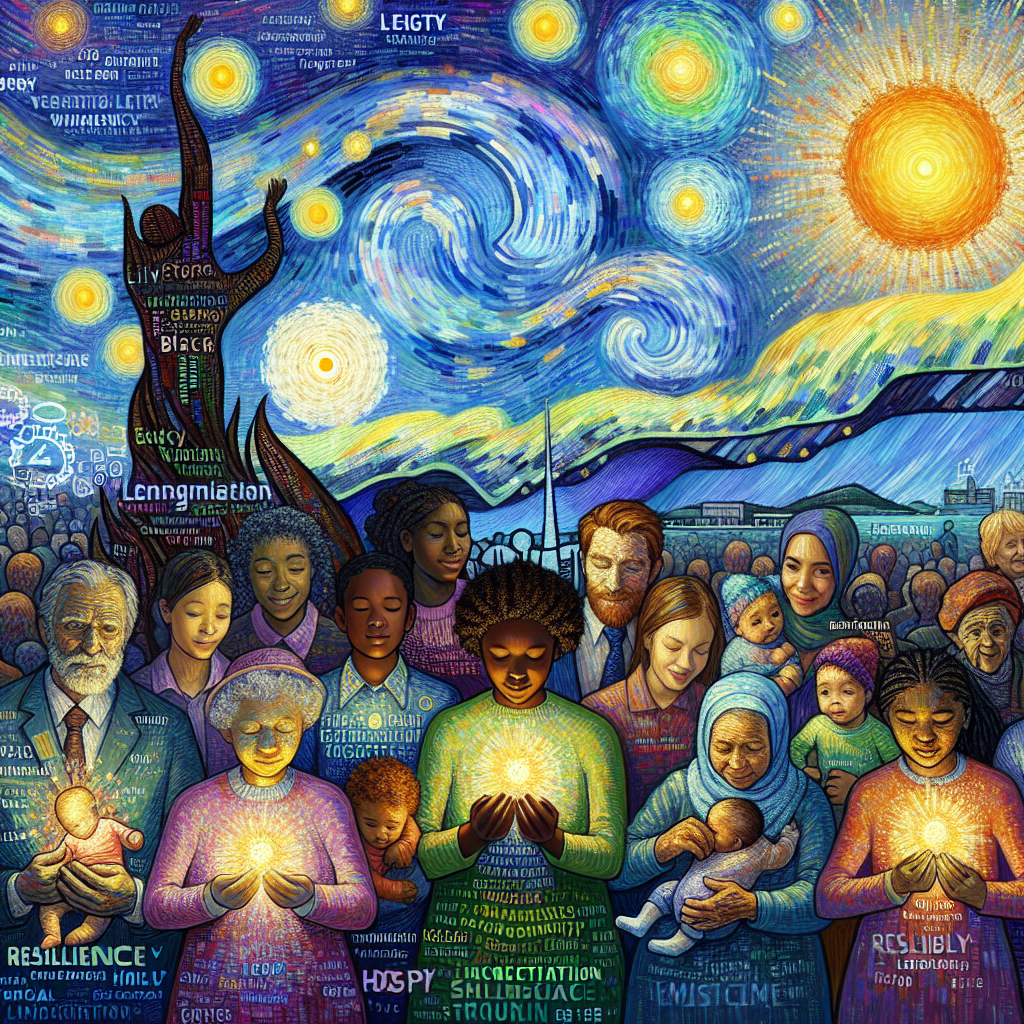
Can Narratives Heal Emotional Wounds?
Can Narratives Heal Emotional Wounds?
- Everyone has a unique story that shapes their identity and choices.
- Legacy storytelling weaves together human experiences and provides emotional healing.
- Sharing personal narratives allows for education, inspiration, and connection.
- Expressive writing and storytelling are therapeutic tools for processing trauma.
- Ethically sharing our stories honors both personal truths and the experiences of others.
- Narratives foster trust and empathy through shared vulnerability.
- Reclaiming and sharing our narratives can uplift others and facilitate healing.

Can Narratives Heal Emotional Wounds?
What Truth Lies In Our Favorite Tales?
Stories have a unique power to connect us across generations and cultures. They weave a tapestry of our hopes, fears, and aspirations, offering a glimpse into the human experience that is rich and varied. Through legacy storytelling, we find echoes of our own lives, revealing universal truths that resonate deep within us. These tales are not just products of imagination; they are reflections of the human condition, shaped by the values and lessons of those who came before us.
Consider the timeless narratives that have traveled through time: they speak to our hearts, igniting emotions we often struggle to articulate. They resonate with our fundamental quests for love, belonging, and understanding. From the fireside stories of ancient civilizations to the novels that crowd our bookshelves today, these narratives bridge the gap between the past and the present, inviting us to ponder our own legacy. In each character’s journey, we see pieces of ourselves, prompting introspection about our choices and dreams.
But there’s an insight that goes beyond mere emotion; some stories provoke thought and challenge our perceptions. They hold mirrors to society, shining a light on issues that demand our attention. When we indulge in these tales, we engage in a form of dialogue with ourselves and others, grappling with ethical dilemmas that might otherwise go unexamined. Whether it’s a classic tale of sacrifice or a contemporary saga of resilience, each plot twists our minds, urging us to consider the greater implications of our actions and decisions.
Moreover, the beauty of storytelling resides in its authority. Stories are often handed down by figures who bear wisdom, providing us with guidance. These voices—whether they belong to grandparents, philosophers, or cultural leaders—speak to us with an authenticity that compels us to listen. Through their narratives, we learn not just to survive but to thrive, instilling a sense of responsibility towards future generations.
Together, these elements remind us that we are all part of a larger narrative. The tales we cherish connect us through shared experiences, frustrations, and triumphs. They forge bonds within families and communities, uniting us around truths that are often difficult to confront but essential to acknowledge. As we reflect on our favorite stories, let us remember that they are more than entertainment—they are invitations to explore our souls, challenge our minds, and engage our hearts in the shared journey of life.

What Truth Lies In Our Favorite Tales?
What Truth Lies In Our Favorite Tales?
- Stories connect us across generations and cultures, reflecting our hopes, fears, and aspirations.
- Legacy storytelling reveals universal truths and echoes our lives, shaping our understanding of the human condition.
- Timeless narratives speak to fundamental quests for love, belonging, and understanding, bridging the past and present.
- Some stories provoke thought and challenge perceptions, serving as mirrors to society and exploring ethical dilemmas.
- Storytelling carries authority through wisdom passed down from figures like grandparents and cultural leaders.
- Tales connect us through shared experiences, forging bonds within families and communities.
- Stories invite exploration of our souls and challenge our minds, playing a crucial role in our shared journey of life.

What Truth Lies In Our Favorite Tales?
How Do Familiar Stories Guide Our Choices?
Familiar stories shape our lives in a profound way, serving as both compass and anchor in a world full of options. These tales are woven into the fabric of our culture, each one contributing to our legacy storytelling, reminding us where we’ve been and illuminating where we might go. Picture the classic hero’s journey: a character faces adversity, learns valuable lessons, and emerges transformed. This isn’t just entertainment; it’s a blueprint for our own lives.
When we encounter these narratives, we feel a visceral connection to the emotions within. We laugh, cry, and sometimes cringe, because they resonate with our experiences. This emotional pull can guide our choices. Consider a time when you faced a challenge—didn’t a familiar story surface in your mind, nudging you toward resilience? Perhaps it was the tale of an underdog, inspiring you to fight back when the odds looked insurmountable. When we relate to these characters and their struggles, we see possibilities within ourselves and realize we are not alone in the journey.
But beyond the gut feelings, familiar stories engage our rational mind as well. They hold lessons in decision-making, emphasizing values that matter. Think of the ethics enveloped in every narrative—loyalty, courage, and integrity. By reflecting on these core values, we question our choices. Are we making decisions that honor these lessons? When confronted with choices, it’s the familiar stories that remind us of the legacy we want to create, keeping us aligned with our true selves.
These narratives also hold weight in our social circles. Stories create connections, fostering discussions that shape our communities. They serve as a reference point, allowing us to share opinions, experiences, and insights. When a friend recounts a favorite tale, it brings us together, evoking shared emotions and sparking dialogue. Whether it’s a classic fairy tale or a modern day saga, they remind us that the themes of love, loss, and triumph are universal—embedded in our social DNA.
We’re surrounded by familiar stories, and they continuously guide our choices. In this web of connection, we are encouraged to not only seek our paths but to confidently forge them. As we embrace these stories, we begin to realize one truth: our lives are, at their core, stories yet to be told. It’s up to us to write the next chapter.

How Do Familiar Stories Guide Our Choices?
How Do Familiar Stories Guide Our Choices?
- Familiar stories profoundly shape our lives, acting as a compass and anchor amidst choices.
- These narratives are integral to culture, reflecting our history and potential future.
- The hero’s journey illustrates personal transformation through adversity, serving as a life’s blueprint.
- Emotional connections to stories resonate with our experiences, guiding resilience during challenges.
- Stories teach core values such as loyalty, courage, and integrity, influencing our decision-making.
- They foster social connections, facilitating discussions and shared experiences within communities.
- Ultimately, our lives are unwritten stories, with the potential for us to shape the next chapter.

How Do Familiar Stories Guide Our Choices?
Why Do We Trust the Authority Of Storytellers?
Why Do We Trust the Authority of Storytellers?
There’s something timeless about the way stories weave through our lives, connecting us to the past, present, and future. Legacy storytelling isn’t just a means of entertainment; it’s a lifeline passed down through generations. It shapes our worldviews and outlines the very fabric of our shared experiences. When a storyteller takes the stage, they wield a power that transcends mere words, tapping into our emotions and unearthing feelings we didn’t know we had. This is where trust begins—when the narrative resonates with our heart.
Every great tale has a core truth, an ethical backbone that speaks to our collective conscience. When a storyteller shares their trials, triumphs, or fears, they bring us face-to-face with the human experience. We see ourselves in their struggles, connecting not just on an intellectual level but on a deeply personal one. This is the magic of storytelling: it allows us to relate, to feel, and to reflect. The authority of the storyteller lies in their ability to articulate shared values and moral lessons, pulling at our heartstrings while challenging our perceptions.
But it isn’t just about emotions. There’s a rational appeal woven into the mix. As we listen, the logic in a good story unfolds, encouraging us to engage our minds. The framework of a well-told tale often involves a clear beginning, middle, and end, allowing for reflection and insight. The storyteller guides us through complexities, offering clarity amidst chaos, helping us make sense of our world. This blend of heart and head creates a compelling rationale for why we trust these narratives.
Then there’s the gut feeling—the instinctive trust that emerges when we see authenticity. When storytellers share their legacy, their passion shines through; it’s palpable. We sense their commitment to the truth, whether they share a personal anecdote or reveal a hard-earned lesson. This vulnerability fosters a deeper connection, making us want to believe them.
In our increasingly fragmented society, stories hold the power to unify. They remind us of our shared humanity. When we embrace legacy storytelling, we’re not just consuming content; we’re participating in a tradition that shapes our identity and community. It’s this shared journey, laden with emotional depth, logical insight, and gut instinct, that fortifies our trust in storytellers, urging us to listen and engage.

Why Do We Trust the Authority Of Storytellers?
Why Do We Trust the Authority Of Storytellers?
- Stories connect us to the past, present, and future, serving as a lifeline passed down through generations.
- Storytelling shapes worldviews and represents shared experiences, fostering emotional resonance and trust.
- Every great tale contains a core truth that reflects collective conscience, allowing personal connections to emerge.
- Storytellers articulate shared values and moral lessons, engaging both heart and mind.
- A well-crafted story with a clear structure provides clarity, helping audiences make sense of complexities.
- Authenticity and vulnerability displayed by storytellers enhance trust and deepen connections with the audience.
- Legacy storytelling unifies fragmented societies, reinforcing shared humanity and community identity.

Why Do We Trust the Authority Of Storytellers?
What Social Connections Do Stories Weave?
In a world that often prioritizes speed over substance, stories emerge as timeless threads woven through the fabric of our lives. Each tale we tell not only reflects our experiences but also shapes our connections with others, creating a legacy that transcends generations. Storytelling serves as a powerful bridge, linking hearts and minds and inviting us to dive deep into shared human experiences.
Consider the legacy of storytelling: it lives in the campfire glow of our childhoods and the whispered tales of our ancestors. It is here where we discover our roots and the values that bind us. These narratives resonate with our rational minds, provoking thought and reflection. They remind us that we are not alone in our struggles, victories, and dreams. These stories echo the ethical dilemmas that define our choices, urging us to act with integrity and empathy.
When we listen to a story—whether it is about overcoming adversity, the joy of love, or the wisdom gained from failure—we engage with something greater than ourselves. These narratives activate a sense of authority; we start seeing ourselves as part of a larger story, one that is filled with lessons and insights worth sharing. Through them, we recognize the moral complexities that shape our world and the profound impact we can have on one another’s lives.
Socially, stories draw us together. They are the stuff of laughter and tears, binding us in moments of shared understanding. Think of those times when a simple phrase about a childhood experience or a life lesson brought strangers together in laughter or led to a moment of silence in shared sorrow. Each of these connections is a reminder of our shared humanity. They resonate not just in our minds but in our very gut—triggering laughter, provoking tears, and inspiring us to action.
So, as we navigate today’s fast-paced landscape, let us not forget the power of our stories. Let us cherish the legacy of storytelling that has been passed down through the ages. It’s in sharing these tales that we foster trust and confidence, not just in the stories themselves, but in each other. The next time you sit down with friends or family, remember that your story could ignite a spark, inspire change, or forge a bond that lasts a lifetime. Each story has the potential to weave a stronger social fabric, inviting others to be part of something profound. Embrace it, share it, and watch how the legacy of storytelling connects us all.

What Social Connections Do Stories Weave?
What Social Connections Do Stories Weave?
- Stories are timeless, shaping our connections and creating a lasting legacy.
- Storytelling acts as a bridge, connecting hearts and minds through shared human experiences.
- It helps us explore our roots and values, resonating with our rational minds.
- Narratives reflect our struggles and victories, encouraging integrity and empathy.
- Listening to stories fosters a sense of authority and weaves us into a larger narrative.
- Stories create shared understanding, invoking laughter and tears to bind us together.
- Sharing stories can inspire change, build trust, and strengthen social connections.

What Social Connections Do Stories Weave?
Conclusion
In a world that spins relentlessly faster, the comfort of legacy storytelling stands as an anchor amidst the chaos. These narratives, steeped in tradition and shared experiences, do more than connect us with our past; they create a vital sense of belonging. By weaving together the threads of our identities, these stories reinforce the idea that we are part of something larger—a shared human experience rich with emotions, challenges, and triumphs.
Emotionally, these tales resonate deeply, allowing us a space to reflect on our hopes and fears. They remind us that we are not alone; others have traversed similar paths. This shared humanity sparks essential conversations, nurturing community and understanding. When we recount these familiar tales, it’s as if we slip into a well-worn sweater—comfortable and reassuring, offering warmth in turbulent times.
On a rational level, legacy storytelling presents timeless truths that cut through the noise of modern life. These narratives provide context, framing our challenges within the larger tapestry of human experience. They equip us with wisdom that empowers informed decision-making, ensuring we navigate the complexities of contemporary existence with confidence.
Ethically, these stories invite reflection, illustrating fundamental human values like resilience and empathy. They demand not only our attention but our respect. By engaging with legacy storytelling, we honor the voices of those who came before us, recognizing the responsibility we hold to preserve these narratives for future generations.
Moreover, storytelling fosters social connections. Whether through shared laughter, tears, or moments of quiet reflection, these tales have the power to unite. Gathering around stories, whether in person or digitally, creates communal bonds. They act as bridges, inviting dialogue and fostering a sense of trust.
Ultimately, the act of storytelling goes beyond mere entertainment; it cultivates safety and understanding. In recognizing the lessons embedded within these narratives, we find solace and strength. As we engage with legacy storytelling, we not only preserve the wisdom of our ancestors but also forge connections that will resonate for generations to come. In essence, these stories are lifelines, guiding us through the trials of life and reminding us of our shared journey. Embrace this legacy; it’s a powerful reminder of our roots and an invitation to write the next chapter of our collective story.

Conclusion
Conclusion:
- Legacy storytelling serves as an anchor in a fast-paced world, fostering connection to our past and a sense of belonging.
- These narratives resonate emotionally, revealing shared experiences and nurturing community and understanding.
- They present timeless truths, providing context that empowers informed decision-making amidst modern complexities.
- Legacy stories invite ethical reflection on fundamental values such as resilience and empathy, demanding respect and attention.
- Storytelling fosters social connections, creating communal bonds through shared experiences and dialogue.
- The act of storytelling cultivates safety and understanding, offering solace and strength in challenging times.
- Engaging with legacy storytelling preserves ancestral wisdom and forges enduring connections for future generations.

Conclusion
Other Resources

Other Resources
Here is a list of other resources you can review online to learn more:
- Digital Legacy Association
- Ancestry
- How To Write Legacy Story Headlines That Appeal To The Heart, Gut and Head
- Ever Loved
- GhostMemo
- FutureMe
- Legacy Family Tree
- USLegalWills.com
- YouMattered
- NoLo
- Funeral Finder
- Storyfile
- LegalNature
- Everplans
- RocketLawyer
- How Has Time Changed The Cost Of Capturing Family Legacy Stories
- MyWishes
- Xarona
- LastPass
- Trust And Will
Use This Prompt To Get More Resources With Your Favorite Online AI Tool: Please provide me with a list of online articles with their URLs in a bulleted list that I can read regarding Why Vanishing Stories Feel Safer

Other Resources
Glossary Terms
Why Vanishing Stories Feel Safer – Glossary Of Terms
1. Vanishing: The act of disappearing or fading away from perception or existence.
2. Stories: Narratives or accounts that convey experiences, events, or emotions through structured sequences.
3. Safety: A state of being protected from harm, danger, or emotional distress.
4. Perception: The process of interpreting sensory information or awareness of reality.
5. Narrative: A structured story that presents a sequence of events in a coherent manner.
6. Comfort: A state of physical or emotional ease and contentment.
7. Escape: The act of breaking free from constraints or difficult situations, often through imagination or storytelling.
8. Imagery: Descriptive language that creates vivid mental pictures for the reader.
9. Fiction: Literary works that involve imaginative storytelling, often not based on real events.
10. Therapeutic: Related to healing or beneficial practices that promote emotional well-being.
11. Identity: The qualities, beliefs, and characteristics that define an individual or group.
12. Connection: The relationship or bond formed between individuals through shared experiences or emotions.
13. Reality: The state of things as they actually exist, independent of perceptions or beliefs.
14. Escapism: The tendency to seek distraction and relief from unpleasant realities, often through stories.
15. Crisis: A time of intense difficulty or danger, often leading to a transformative experience.
16. Catharsis: Emotional release achieved through expressing and processing feelings, often facilitated by storytelling.
17. Narrative Distance: The emotional space between the storyteller and the characters or events within a story.
18. Perspective: A point of view or attitude toward a subject, influencing understanding and interpretation.
19. Symbolism: The use of symbols to represent ideas or qualities, adding deeper meaning to narratives.
20. Cocooning: A feeling of safety and comfort created by retreating from the outside world, analogous to protective storytelling.
21. Empathy: The ability to understand and share the feelings of others, enhanced through storytelling.
22. Reassurance: The act of providing comfort or support, often sought in narratives that create a sense of safety.
23. Transcendence: The experience of going beyond ordinary limits, often explored in narratives that evoke safety through resolution.
24. Resilience: The capacity to recover quickly from difficulties, often illustrated in stories of overcoming adversity.
25. Detachment: A psychological state where feelings are less strong, offering emotional safety in narratives.
26. Comfort Zone: A psychological space where one feels safe and at ease, often reflected in familiar narratives.
27. Hope: A feeling of expectation and desire for a certain thing to happen, often a theme in reassuring stories.
28. Narrative Arc: The structure of a story, including the setup, conflict, climax, and resolution that facilitates feelings of safety.
29. Closure: A sense of resolution or conclusion, often sought in stories that provide safety through endings.
30. Introspection: The examination of one’s own thoughts and feelings, often facilitated by engaging with stories that promote safety.

Glossary Of Terms
Other Questions
Why Vanishing Stories Feel Safer – Other Questions
If you wish to explore and discover more, consider looking for answers to these questions:
- What exactly do we mean by “vanishing” or “legacy” stories?
- Which specific examples of vanishing stories are most at risk of being lost?
- How can individuals and communities actively preserve these stories?
- What evidence supports the claim that stories provide emotional safety and resilience?
- Are there cultural differences in how stories create comfort and belonging?
- Can nostalgic stories ever impede social progress or critical thinking?
- How do we balance honoring tradition with questioning harmful elements in old stories?
- Who decides which stories are preserved and which are forgotten?
- How do power dynamics and marginalization influence whose stories survive?
- What ethical responsibilities do storytellers have when representing others’ experiences?
- How can legacy storytelling be adapted for the digital age without losing authenticity?
- What role do schools, museums, and institutions play in sustaining narrative legacies?
- How do familiar narratives concretely shape our everyday choices and moral judgments?
- Can personal narratives and public myths be used to manipulate social trust or opinion?
- What techniques make a storyteller appear credible or authoritative?
- How can storytelling be integrated into therapeutic practices for healing trauma?
- Are some types of stories more likely to promote empathy than others?
- How do we distinguish between authentic oral traditions and curated or commercialized narratives?
- What metrics or methods can measure the social impact of preserving particular stories?
- How do intergenerational storytelling practices change as families become more mobile or global?
- When is it appropriate to reinterpret or rewrite legacy stories for modern audiences?
- How can listeners responsibly engage with and transmit stories they inherit?

Other Questions
Haiku
Why Vanishing Stories Feel Safer – A Haiku
Tales echo through time,
Binding hearts in shared wisdom,
Safety in our truths.

Haiku
Poem
Why Vanishing Stories Feel Safer – A Poem
In a world of chaos and speed,
We seek solace in tales that lead.
From ancient whispers, lessons flow,
Our legacies bind us, hearts aglow.
Stories cradle our fears and dreams,
Evolving through generations, they stitch our seams.
In every struggle, in joy and strife,
They mirror our journeys, reflecting our life.
Tales of resilience, of hope ignited,
In shared moments of laughter, we’re united.
With every word, wisdom’s passed,
A tapestry woven, our bonds steadfast.
The ethics within each narrative thread,
Guide our choices, by their lessons, we’re led.
They challenge our minds, provoke deeper thought,
In their embrace, compassion is sought.
Storytellers’ voices ring true and clear,
In their authenticity, we find no fear.
They invite us to share, to connect and engage,
In the legacy of stories, we write our page.
So gather around, let the old tales unfold,
In familiar narratives, let our truths be told.
For in every story, a universe lies,
Binding us together beneath vast skies.

Poem
Checklist
Why Vanishing Stories Feel Safer – A Checklist
Checklist for Embracing Legacy Storytelling
✅______ Reflect on a story that resonates with your personal experiences.
✅______ Share a memory tied to a familiar narrative that brings comfort.
Rational Engagement
✅______ Identify a lesson or truth from a legacy story that applies to your life today.
✅______ Consider how the structure of a favorite tale provides clarity in complex situations.
Ethical Reflection
✅______ Evaluate the moral dilemmas presented in stories you cherish.
✅______ Discuss how legacy storytelling can foster empathy and understanding in your community.
Authority Recognition
✅______ Acknowledge who the trusted storytellers are in your life and why their narratives resonate.
✅______ Explore the impact of historical or cultural figures whose stories shape your worldview.
Narrative Sharing
✅______ Share a personal story that embodies resilience or hope.
✅______ Encourage others to recount their own journeys, fostering a communal atmosphere.
Social Connection
✅______ Organize a storytelling gathering with family or friends to share experiences.
✅______ Use storytelling as a tool for community building, discussing shared themes and challenges.
Gut Instinct
✅______ Trust your feelings when a story stirs your emotions; explore why it resonates.
✅______ Reflect on moments when storytelling prompted you to take action or change a perspective.
Legacy Preservation
✅______ Commit to documenting and sharing stories from your family history.
✅______ Encourage the younger generation to engage with and preserve legacy storytelling traditions.
Continued Engagement
✅______ Make a habit of exploring new stories that connect to your past.
✅______ Seek out diverse narratives that challenge your understanding and expand your perspective.
Feedback and Dialogue
✅______ Create space for discussion after sharing stories to deepen connections and insights.
✅______ Invite feedback on narratives told, fostering a culture of openness and learning.

Checklist
At LegacyExplorations, we help people plan and explore their legacy by collecting information and news regarding end-of-life planning.
Please share this post with your friends, family, or business associates who may want help to plan or explore their legacy.