

Embracing Imperfection: The Key To Building Lasting Legacies
By Tom Seest
At LegacyExplorations, we help people plan and explore their legacy by collecting information and news regarding end-of-life planning.
Please share this post with your friends, family, or business associates who may want help to plan or explore their legacy.
Why Waiting for Perfection Kills Legacy Projects
Waiting for perfection in legacy projects can be a brutal trap—one that devours passion, stalls progress, and suffocates creativity. Picture this: you’ve spent years dreaming of sharing a meaningful legacy, crafting a tale that bridges generations. Every detail, every word, holds weight. But every time you sit down to write, you find yourself wrestling with doubt. “Is this good enough? Will they understand?” The pursuit of perfection pulls you back, like a weighted anchor, and soon, that vibrant legacy storytelling you envisioned lies dormant, overshadowed by fears and uncertainties.
In these moments, it can be hard to remember legacy projects aren’t meant to be flawless. They’re about authenticity—a real connection with those you wish to inspire. Think of the great stories shared around a campfire, flickering shadows dancing on faces, laughter echoing through the night. What makes those moments resonate isn’t the polished narrative but the rawness of experience, the flaws that make us human. These tales impart wisdom, foster connection, and serve as reminders that perfection exists in imperfection.
Don’t let the fear of inadequacy squash your voice. The heart of your legacy is in the journey, not the destination. When you choose to start and embrace the messiness of creation, you invite others to join you. You lead by example, showing them that their stories matter too. Imagine the communities formed around the simple act of sharing—where vulnerability nurtures strength, and courage inspires others to rise. That’s legacy storytelling at its finest.
Rationally, the world isn’t waiting for your impeccable masterpiece; it craves authenticity. It celebrates the relatable struggle, the honesty that resonates within us all. By accepting that your work doesn’t need to be perfect, you unlock doors for others to share their own narratives. This ethical invitation fosters a social movement of storytelling—an ecosystem where imperfections are valued, and voices once silenced find their sound.
So get out there. Write your legacy even if it’s not perfect. Let the world see your heart, and in doing so, you might just encourage someone else to share theirs. Together, we can transform fear into action, leaving behind a tapestry of stories that emphasize connection and embrace authenticity.

Why Waiting for Perfection Kills Legacy Projects
Why Waiting for Perfection Kills Legacy Projects
- Perfectionism in legacy projects can hinder creativity and progression.
- Legacy storytelling centers on authenticity and personal connection rather than flawlessness.
- Powerful stories resonate due to their rawness and human imperfections.
- Fears of inadequacy should not prevent you from expressing your voice.
- Embracing the messiness of creation encourages community and shared experiences.
- The world values relatable struggles and authentic narratives over perfect ones.
- Writing your legacy, regardless of imperfections, can inspire others to share their stories.

Why Waiting for Perfection Kills Legacy Projects
Table Of Contents
- Why Waiting for Perfection Kills Legacy Projects
- What Emotional Ties Do You Have To Your Legacy Project?
- Are You Sacrificing Progress For Perfection In Your Work?
- How Would Your Life Change If You Prioritized Action Over Perfection?
- When Is “Good Enough” Truly Enough For Your Legacy?
- What Impact Could Completing Your Project Have On Future Generations?
- How Can Fear Of Failure Hinder Your Creative Endeavors?
- What Stories Can You Share That Highlight The Importance Of Action?
- Conclusion
- Other Resources
- Glossary Of Terms
- Other Questions
- Haiku
- Poem
- Checklist
What Emotional Ties Do You Have To Your Legacy Project?
When you think about your legacy project, what stirs in your heart? This endeavor is more than just a checklist — it’s the narrative threads of your life intertwined with the dreams and hopes that fuel your very spirit. Our legacy is a canvas painted with the stories we tell, the values we embrace, and the connections we forge. Each brushstroke reflects our choices and our sacrifices, echoing through time like a resonant melody.
Legacy storytelling invites us to dive into the depths of our experiences, creating something tangible that transcends our day-to-day existence. It’s the reminder of who we are and who we aspire to be, capturing the essence of our journey while imparting lessons learned along the way. This isn’t just about documenting facts; it’s about wrapping your truth in emotion, sharing the highs and lows that make your story uniquely yours. It’s a call to arms, a fight against the entropy of forgetfulness, a plea to leave footprints in the hearts of others.
If you pause and really think about it, your legacy is woven into the very social fabric of those you care about. Through your project, you honor past generations while planting seeds for the future. It’s a comforting notion, isn’t it? To know that the laughter, struggles, and triumphs of your life can ripple through time, creating a legacy that not only tells your story but inspires others to share theirs. This is not just rational thought — it’s an ethical commitment to understanding that every life is a story worth telling, deserving of a space in the collective human experience.
True authority comes from authenticity; it thrives in the raw, unfiltered moments that define us. This isn’t merely documentation — it’s a legacy storytelling movement that invites others to step forward, take ownership of their narratives and honor their journeys, too. When you articulate your emotional ties to your project, you create a connection, a shared humanity that resonates deeply within others.
Lean into your legacy project with purpose and passion. Consider what you want to pass down, not just to be remembered, but to invoke action and inspire change. Your story carries weight; wield it wisely. What emotional ties do you have to your legacy? Explore them, embrace them, and let them guide your path forward.

What Emotional Ties Do You Have To Your Legacy Project?
What Emotional Ties Do You Have To Your Legacy Project?
- Your legacy project embodies the narrative of your life, combining dreams and values.
- Legacy storytelling transcends daily existence, capturing personal experiences and lessons learned.
- It emphasizes the emotional truth of your journey, documenting both highs and lows.
- Your legacy connects you to past generations while influencing future ones.
- Every life is a unique story worth sharing, contributing to the larger human experience.
- Authenticity in storytelling fosters deep connections and a shared sense of humanity.
- Approach your legacy project with intention to inspire and invoke meaningful change.

What Emotional Ties Do You Have To Your Legacy Project?
Are You Sacrificing Progress For Perfection In Your Work?
Progress and perfection often find themselves locked in an endless tug-of-war within our minds and hearts. Each morning, as we roll out of bed, we face a choice: to stride boldly into the mess of our work, or to tiptoe around, polishing every detail until it shines like a trophy. But here’s the hard truth: while we’re preoccupied with chasing perfection, we might just be sacrificing our progress—our opportunity to create a meaningful legacy.
Consider the craftsman who spends hours honing an exquisite piece of furniture. He carefully shapes each joint, smooths each surface, ensuring every contour is flawless. But in his quest for perfection, he risks losing sight of the joy that comes from creation itself. Instead of focusing solely on the end product, what if he shifted his perspective? What if each imperfection told a story—one of relentless effort, resilience, and growth? This simple shift transforms an object of beauty into a vessel of legacy.
We all have our narratives, shaped by triumphs and setbacks alike. Think about your own journey. The moments you stumbled and picked yourself up were just as important, if not more so, than when everything went smoothly. These experiences knit together a tapestry that tells a more profound story—one that resonates on an emotional level and connects with others. When we share our triumphs alongside our failures, we foster a sense of camaraderie. This connection with others reminds us that we’re not alone in our pursuit of excellence.
Now let’s engage the rational side of our minds. Perfectionism often leads to paralysis, leaving us stuck in one spot, constantly re-evaluating and second-guessing our choices. Progress, however, fuels innovation. It’s the key that unlocks potential and allows us to make waves in our personal and professional lives.
What’s at stake? Ethically speaking, we owe it to ourselves and our communities to be transparent about our journeys. Each time we embrace progress over perfection, we send a message that growth demands courage—an invitation for others to do the same.
So the next time you’re tempted to chase after that elusive ideal, ask yourself: What legacy do you want to leave behind? One of polished perfection, or one that reflects the beautiful, messy journey of progress? It’s a question worth contemplating, and perhaps, a chance to take action.

Are You Sacrificing Progress For Perfection In Your Work?
Are You Sacrificing Progress For Perfection In Your Work?
- Progress and perfection often conflict within our minds and hearts.
- Choosing to focus on progress over perfection can lead to more meaningful legacies.
- Crafting with a focus on joy and storytelling resists the allure of unattainable perfection.
- Sharing both triumphs and failures fosters connections and camaraderie with others.
- Perfectionism can lead to paralysis, while progress fuels innovation and personal growth.
- Embracing progress encourages transparency and reinforces the courage to grow.
- Consider the legacy you wish to leave: one of perfection or one shaped by your journey.

Are You Sacrificing Progress For Perfection In Your Work?
How Would Your Life Change If You Prioritized Action Over Perfection?
When was the last time you put off a dream, weighed down by the quest for perfection? Maybe it was starting that small business you’ve always dreamed of or finally picking up that rusty guitar gathering dust in the corner. Each of us has a narrative we tell ourselves about what we can achieve—too often tainted by the myth that things must be flawless before we take the plunge. But here’s a question worth pondering: how would your life shift if you embraced action over perfection?
Consider this: the weight of wanting everything to be just right can be paralyzing. We become so focused on achieving an ideal that we miss out on the beauty of imperfection. It’s in those imperfect moments—those clumsy attempts at speaking on stage, or the first tentative steps toward a new project—where real growth happens. The experience itself becomes part of your legacy, a story you can share that resonates with others.
Emotionally, pursuing action means stepping onto a dynamic stage where life unfolds around you, rather than a static backdrop of unmet expectations. Every little misstep becomes a building block, adding depth to your narrative. You’re not just living; you’re creating a legacy filled with adventurous tales, rich with lessons learned. These stories don’t just belong to you; they inspire friends, family, and even strangers facing their own fears. When you embrace action, you invite others into a shared journey of growth and connection.
Rationally, let’s face it—perfection is a moving target. The standards we set for ourselves often evolve faster than we can meet them. By prioritizing action, you allow yourself room to pivot, adapt, and improve alongside your experiences. Decisions made in motion provide invaluable insights that can only be gleaned by taking that first step.
Ethically, when we act, we model resilience. We show others around us that living fully means being okay with bumps and bruises along the way. You become an authority on not only trying but thriving within the discomfort that comes with it.
Embrace action, not as a rejection of perfection, but as a celebration of the journey. When life throws you a curveball, swing away with courage. Your story is worth telling—imperfections and all. The world longs for more authentic legacies, so don’t wait. Take that leap, forge ahead, and watch how your life transforms when you prioritize action over perfection.

How Would Your Life Change If You Prioritized Action Over Perfection?
How Would Your Life Change If You Prioritized Action Over Perfection?
- Often, the fear of imperfection holds us back from pursuing dreams, such as starting a business or learning an instrument.
- Many people mistakenly believe everything must be perfect before taking the first step.
- Embracing action allows us to experience growth through imperfect moments and clumsy attempts.
- Sharing our imperfect experiences can create a relatable legacy that inspires others.
- Prioritizing action over perfection leads to adaptability and insights gained through experiences.
- Acting models resilience, showing others that it’s okay to face challenges and learn from them.
- Celebrating the journey encourages us to tell our stories authentically, imperfections and all.

How Would Your Life Change If You Prioritized Action Over Perfection?
When Is “Good Enough” Truly Enough For Your Legacy?
When it comes to your legacy, how do we define “good enough”? It’s a question that stirs the heart and ignites the mind. Picture this: a weathered craftsman stands in his workshop, surrounded by remnants of a life’s work—each piece telling a story. He’s not just creating; he’s investing in a legacy that transcends time. That’s the essence of legacy storytelling. It’s about understanding that the impact you leave behind is woven into the fabric of those lives you touch.
Consider the sacrifices made to establish the foundations of your legacy. The late nights, the moments of doubt, the relentless pursuit of excellence—all contributing to what you want your family, friends, and community to remember. Let’s face it, achieving the extraordinary isn’t merely about accolades or money in the bank; it’s about building a reputation that echoes through generations. How many times have you heard stories of mentors whose quiet guidance shaped destinies? These moments, these connections, reinforce the notion that true legacy isn’t measured by material success but by the values and wisdom passed down.
In a world flooded with the superficial, striving for perfection can become exhausting. Embrace the idea that “good enough” can often be a catalyst for reflection and growth. Your legacy doesn’t have to be flawless to be impactful. It relies heavily on authenticity and vulnerability, reminding us all that being perfectly imperfect can foster deeper connections with those around us. There’s power in sharing your struggles and triumphs, building a narrative that others can relate to and aspire to emulate.
Imagine gathering around a campfire, sharing stories of challenges overcome and dreams pursued. In those stories, you’ll discover that “good enough” is about honoring your journey while inspiring others. That simpler, more relatable approach opens the door for connection and collaboration—elements essential for a legacy that resonates.
So, as you ponder your legacy, remember that it’s less about reaching a peak of perfection and more about the passion and heart you infuse into everything you do. In that spirit, recognize that “good enough,” when grounded in authenticity, can launch a legacy that not only speaks to the head but touches the heart and gut—a legacy that endures, inspires, and uplifts. You’ve got this.

When Is “Good Enough” Truly Enough For Your Legacy?
When Is “Good Enough” Truly Enough For Your Legacy?
- Defining “good enough” in terms of legacy involves emotional reflection and mental engagement.
- A craftsman symbolizes legacy storytelling, highlighting the importance of the stories behind one’s work.
- Legacy is shaped by sacrifices, including hard work, doubts, and the pursuit of excellence.
- True legacy is about reputation and the values passed down, not just material success.
- Striving for perfection can be exhausting; “good enough” can lead to reflection and personal growth.
- Sharing struggles and triumphs fosters deeper connections, creating a relatable legacy.
- Ultimately, a legacy should reflect passion and authenticity, resonating with and inspiring future generations.

When Is “Good Enough” Truly Enough For Your Legacy?
What Impact Could Completing Your Project Have On Future Generations?
Imagine standing on the shoulders of those who came before you, gazing into a future that could be radically different because of the choices you make today. Completing your project isn’t just a task—it’s the beginning of a legacy, a chance to create a story that intertwines your aspirations with the journeys of countless others. When we talk about legacy, we’re not just discussing what you leave behind; we’re diving deep into storytelling—a powerful vehicle that conveys our values, dreams, and lessons learned.
Take a moment to consider the ethical imperative we face. By committing to complete your endeavor, you’re not merely wrapping up a project; you’re crafting an example for future generations. Your efforts today hold the power to inspire tomorrow’s innovators, thinkers, and dreamers. They will see your work, hear your story, and understand that perseverance and passion can transform ideas into realities. This isn’t just about a single moment in time; it paints a broader canvas where others can trace their paths, informed by your successes and perhaps even your failures.
Now, think about the rational aspect. Every project that sees completion contributes to a tapestry of human achievement—a narrative rich with trial, error, and triumph. When you realize that your efforts could ignite a spark in someone else, it adds immense value to your work. The ripples of your contribution extend far beyond your immediate circle, influencing cultural, social, and technological evolution in profound ways. Who knows? Your findings or creations might be the catalyst for groundbreaking innovations 50 years from now.
Moreover, consider this: every time someone shares your story or learns from your project, it fosters connection. It reminds us that while we may be individuals, we are united in our desire to create, to innovate, and to leave the world a little better than we found it. When families gather to share stories of courage and determination, your name could be mentioned as a beacon of hope and resourcefulness.
So, as you stand at the cusp of completion, remember that the work isn’t just yours anymore. It’s a thread in the larger narrative of humanity—a story waiting to inspire generations to come. Embrace this chance to make a meaningful impact, knowing that your legacy could shape lives well beyond your own.

What Impact Could Completing Your Project Have On Future Generations?
What Impact Could Completing Your Project Have On Future Generations?
- Imagine creating a legacy through the choices you make today that can lead to a radically different future.
- Your project completion signifies the start of a story that intertwines your aspirations with others’ journeys.
- Legacy encompasses storytelling, which conveys values, dreams, and lessons learned.
- Completing your endeavor serves as an ethical imperative to inspire future generations of innovators and thinkers.
- Your work can have far-reaching impacts, contributing to a broader tapestry of human achievement.
- Sharing your story fosters connections, reminding us of our common desire to create and improve the world.
- As you finish, recognize that your work is part of a larger narrative that has the power to inspire and shape future lives.

What Impact Could Completing Your Project Have On Future Generations?
How Can Fear Of Failure Hinder Your Creative Endeavors?
Fear of failure is a formidable opponent, often standing in the way of our most creative endeavors. It lurks like a shadow, whispering doubts into our minds, twisting confidence into hesitation. Picture this: you have a brilliant idea—something that could transform not just your life, but the lives of others. Yet, that little voice tells you, “What if it flops? What if no one understands?” And just like that, potential slips away unnoticed, buried under the weight of those burdensome fears.
Let’s consider the journey of creation as a legacy, a form of storytelling that connects us with the past, present, and future. Every innovation, every work of art, every piece of music is a thread in the grand tapestry of human experience. When we let fear dictate our actions, we rob ourselves of the chance to contribute our unique voice to this ongoing narrative. History is rife with examples of those who faced rejection and ridicule before cementing their place in our collective memory. J.K. Rowling was rejected by numerous publishers before finally achieving success; her story is one of grit, resilience, and the power of belief.
Rationally, we understand that failure is a part of the process. The most successful entrepreneurs, artists, and creators have all experienced setbacks. They didn’t let failure define them; they let it teach them. Each misstep provided invaluable insights, guiding them toward eventual success. If we allow fear to bind our hands, we miss out on those lessons that only adversity can impart.
Ethically, we owe it not only to ourselves but also to those who look up to us—a younger generation, colleagues, or even friends—to model brave exploration. When we share our struggles along with our victories, we not only inspire others to take leaps of their own, but we also foster a culture where creativity thrives in the face of uncertainty.
So, what’s it going to be? Are we going to let fear keep us from running headlong into our wildest ideas? Or will we rise up, daring to stumble, learn, and create? By embracing the possibility of failure, we empower ourselves to write our own legacy: a legacy rich with stories that inspire and connect us all. It’s time to grab hold of that brush, that pen, or that microphone. Your canvas awaits!

How Can Fear Of Failure Hinder Your Creative Endeavors?
How Can Fear Of Failure Hinder Your Creative Endeavors?
- Fear of failure can hinder creativity and cause hesitation.
- Doubts can overshadow brilliant ideas that have the potential to transform lives.
- Creation is a legacy that connects us with past, present, and future narratives.
- Fear can prevent us from contributing our unique voices to the ongoing story of humanity.
- History shows that many successful individuals faced rejection and setbacks before finding success.
- We owe it to ourselves and others to model brave exploration and share our experiences.
- Embracing failure allows us to empower ourselves and create inspiring legacies.

How Can Fear Of Failure Hinder Your Creative Endeavors?
What Stories Can You Share That Highlight The Importance Of Action?
Life is a tapestry woven from countless stories, and within those stories lies the pure essence of human experience. Many of us can recall a moment when action changed the course of our lives or the lives of those around us. These aren’t pages in a book; they’re living, breathing echoes of legacy storytelling that remind us why taking that leap is often worth the risk.
Take, for instance, the tale of a neighbor who abruptly ditched a steady job to start a small business. Most would think him reckless, but that decision wasn’t just about profit margins. It embodied a yearning for something greater—a chance to empower others, to create jobs, and to contribute positively to the community. He faced countless obstacles, but each step forward was driven by a belief in his vision. His journey wasn’t just his own; it was a story that inspired others to leap into action, too. It made them question their own fears and aspirations, knitting a tighter community in the process.
Now, let’s pivot to a more sobering example—an individual who fought relentlessly for environmental change. With sheer determination, they rallied their local community to clean up a polluted river, battling apathy and indifference. But here’s the thing: that action was infectious. One person’s hard-won fight laid the groundwork for not just cleaner water, but a movement that transformed hearts and minds over generations. Today, the river sings a different song, all because someone decided that inaction was no longer an option.
These stories resonate deeply, ticking boxes in our hearts, heads, and guts. They remind us that every choice matters, that action reverberates beyond our immediate sphere. They connect us—inviting each of us to step out of our passive roles and wear the badge of champions for change. We come to trust that these stories, rich with emotion and ethical undercurrents, are not just anecdotes; they are blueprints for cultivating courage.
As you think about your own legacy, consider the narratives unfolding around you. Who needs your voice? What action is waiting to be taken? Your decisions today could spark stories that ignite a fire within others, lighting the way for future generations. Be the storyteller, the actor, the catalyst. Your moment is now; let it resound.

What Stories Can You Share That Highlight The Importance Of Action?
What Stories Can You Share That Highlight The Importance Of Action?
- Life is comprised of countless stories that reflect the essence of human experience.
- Key moments can change the course of lives, highlighting the importance of taking risks.
- A neighbor’s leap from a steady job to entrepreneurship exemplified a desire to empower and uplift the community.
- This entrepreneur’s journey inspired others to confront their fears and aspirations, fostering a tighter community.
- An individual’s fight for environmental change demonstrated how personal actions can spark significant movements.
- Such stories encourage us to take action and become champions for change, reminding us that every decision matters.
- Consider the narratives around you; your actions today can inspire future generations and create your legacy.

What Stories Can You Share That Highlight The Importance Of Action?
Conclusion
Legacy projects are not about chasing perfection but celebrating imperfection. When we aim for flawless execution, we often find ourselves paralyzed by doubt and fear, hesitating to share our stories. The heart of legacy storytelling lies not in polished narratives but in authentic connections—much like the stories exchanged around a campfire, where vulnerability fosters strength and camaraderie. It’s these imperfect tales, filled with struggles and growth, that resonate most deeply with others.
Allowing ourselves to embrace imperfection opens the door for genuine progress. Each project’s completion isn’t merely a checklist item; it’s an opportunity to create a lasting narrative that intertwines our aspirations with those of future generations. Picture the craftsman who pours his soul into his work. Every bump and flaw becomes a testament to resilience, transforming individual experiences into a collective legacy that inspires others.
Moreover, the ethical duty to share our journeys fosters a storytelling movement that values authenticity over unattainable perfection. Our stories—imperfect yet impactful—create a profound ripple effect, inspiring others to step forward with their narratives. When we model this bravery, we not only enrich ourselves but also invite others into a shared experience that speaks to our common humanity.
Let’s face it: perfection is an ever-moving target. Focusing on progress allows for flexibility and adaptation—realities that ignite innovation and creativity. It’s about honoring the sacrifices that pave the way for our legacies. Each moment spent in pursuit of real change contributes to a broader tapestry of human experience. This isn’t just rational thought; it’s a call to acknowledge that our legacies—painted with the brushstrokes of authenticity, emotion, and shared concerns—are ultimately about connection.
So, as you reflect on your legacy, recognize that it doesn’t need to be flawless to matter. “Good enough” serves as the foundation for a legacy filled with heart. Through your commitment to action, step beyond fear, and embrace the journey. Your narratives—rich with authenticity and lessons learned—hold the potential to inspire those around you. Every decision, every story shared, is a thread in the larger narrative of humanity—a legacy waiting to be imprinted upon the hearts of many. Go ahead, unleash your voice. The world is waiting, and your legacy deserves to be seen, faults and all.

Conclusion
Conclusion:
- Legacy projects focus on celebrating imperfection rather than chasing perfection.
- Authentic connections in storytelling create vulnerability, strength, and camaraderie.
- Embracing imperfection allows for genuine progress and meaningful narratives.
- The craftsman’s work, with its flaws, symbolizes resilience and collective legacy.
- Sharing imperfect yet impactful stories encourages a movement of authenticity.
- Progress over perfection fosters innovation, creativity, and a deeper human connection.
- Your legacy matters even if it’s not flawless; it can inspire others through shared experiences.

Conclusion
Other Resources

Other Resources
Here is a list of other resources you can review online to learn more:
- LifeSite
- LifeBio
- Ancestry
- IronClad Family
- Afternote
- Knotify.me
- RootsMagic
- RocketLawyer
- deviantART
- YouMattered
- Personal Legacy Advisors
- Legacy Family Tree
- Storyfile
- Storyfile Life
- PartingWishes
- FutureMe
- LegalZoom
- MyHeritage
- Cake
- LegalNature
Use This Prompt To Get More Resources With Your Favorite Online AI Tool: Please provide me with a list of online articles with their URLs in a bulleted list that I can read regarding Why Waiting for Perfection Kills Legacy Projects

Other Resources
Glossary Terms
Why Waiting for Perfection Kills Legacy Projects – Glossary Of Terms
1. Perfectionism: The compulsive need to achieve flawlessness, which can lead to procrastination and hinder progress.
2. Legacy Projects: Long-term initiatives often focused on significant achievements or contributions intended to outlast the creator.
3. Procrastination: The act of delaying or postponing tasks, often fueled by the desire for perfection.
4. Innovation: The process of creating new ideas or methods, which can be stifled by the fear of imperfection.
5. Risk Aversion: The tendency to avoid taking risks, which can prevent experimentation and growth in projects.
6. Feedback Loop: A system where inputs are used to generate improvements; critical for refining projects without striving for perfect initial outcomes.
7. Iteration: The process of repeating cycles in development, allowing for gradual improvements rather than aiming for immediate perfection.
8. Minimum Viable Product (MVP): A product with just enough features to satisfy early customers and provide feedback for future development.
9. Mindset: A personal attitude that influences perceptions and behaviors; adopting a growth mindset can help overcome perfectionism.
10. Failure: The lack of success in achieving a desired outcome, often seen as a critical step towards learning and future success.
11. Vision: A forward-thinking image of what a project or initiative aims to achieve over time.
12. Mission: The core purpose or goal of a project, guiding its direction and efforts.
13. Sustainability: The capacity to maintain progress over time without depleting resources or causing harm.
14. Collaboration: The act of working together with others, which can lead to shared insights and reduce the pressure of individual perfection.
15. Adaptability: The ability to adjust plans and approaches in response to new information or changing circumstances.
16. Milestone: A significant point in a project timeline that marks completion of a key phase or deliverable.
17. Overthinking: The process of excessively analyzing or worrying about details, which can lead to paralysis in decision-making.
18. Resource Allocation: The distribution of available resources, which can impact the efficiency and effectiveness of project execution.
19. Cultural Shift: A change in organizational or societal norms that can encourage risk-taking and diminish perfectionist tendencies.
20. Leadership: The act of guiding and influencing others, essential for promoting a culture that values progress over perfection.
21. Scalability: The ability to grow or expand a project without losing effectiveness or efficiency.
22. Execution: The process of putting plans into action, where waiting for perfection can delay results.
23. Benchmarking: The practice of comparing project performance against standards or best practices to identify areas for improvement.
24. Long-Term Vision: A focus on sustained impact and success over time, rather than immediate results.
25. Learning Curve: The rate of a person’s progress in gaining experience or new skills; reflects the importance of ongoing learning in projects.
26. Emotional Intelligence: The ability to understand and manage one’s own emotions and those of others, critical for navigating challenges in teamwork.
27. Prioritization: The practice of ranking tasks or goals based on their importance, helping to focus efforts on what’s necessary rather than perfect.
28. Empowerment: Granting individuals the authority and confidence to make decisions, which can stimulate innovation and reduce the fear of failure.
29. Change Management: The process of preparing, supporting, and helping individuals and teams adapt to changes within projects or initiatives.
30. Resilience: The capacity to recover quickly from difficulties; key to persisting through challenges in legacy projects without seeking perfection.

Glossary Of Terms
Other Questions
Why Waiting for Perfection Kills Legacy Projects – Other Questions
If you wish to explore and discover more, consider looking for answers to these questions:
- What are legacy projects, and why are they significant?
- How can embracing imperfection lead to a more authentic legacy?
- What practical steps can one take to overcome the fear of perfectionism?
- How can emotional connections enhance the storytelling process in legacy projects?
- What specific examples illustrate the balance between progress and perfection?
- How do different cultures view the concept of legacy and storytelling?
- What role does community support play in completing legacy projects?
- How can individuals find their unique voice when telling their legacy stories?
- What strategies can help someone prioritize action over perfection in their work?
- How can reflecting on past experiences contribute to a more meaningful legacy?
- What resources are available for those looking to start their own legacy projects?
- How can legacy storytelling encourage intergenerational conversations?
- What common fears do people face when beginning a legacy project, and how can they be addressed?
- What impact does vulnerability have on connecting with audiences during storytelling?
- How do lessons learned from failure contribute to a richer legacy?

Other Questions
Haiku
Why Waiting for Perfection Kills Legacy Projects – A Haiku
Unpolished, we rise,
In imperfections, we weave
Legacies alive.

Haiku
Poem
Why Waiting for Perfection Kills Legacy Projects – A Poem
In the shadows of perfection, our dreams sometimes stall,
Caught in the web of doubt that suffocates the call.
For legacy’s not flawless; it breathes, it bends, it flows,
In every scar and stumble, it’s the human story that glows.
Imagine tales by the fireside, laughter, love unfurled,
Where rawness meets connection, igniting hearts across the world.
Your legacy’s a canvas, painted with every choice,
It’s the echo of your journey, waiting for your voice.
What if progress triumphed over that relentless chase for “best”?
Each flawed and messy moment holds a truth, a story blessed.
In the craftsman’s tender hands, imperfection speaks so loud,
It champions the struggles, where creativity is crowned.
With each step taken boldly, we carve our mark in time,
A blueprint of our battles, a testament in rhyme.
Fear may whisper softly, “What if I fall apart?”
But action births connection, igniting life and heart.
So lift the pen, embrace the mess, let laughter break the mold,
Your story’s worth the telling, let its beauty be unrolled.
Remember, as you forge ahead, in every leap of faith,
Your imperfect legacy could spark a brighter wraith.
In the tapestry of life, where every thread entwines,
Your voice can bridge the past and future, drawing sacred lines.
So seize the chance, let courage win, and let your heart ignite,
For in the hands of imperfection, lies a legacy of light.
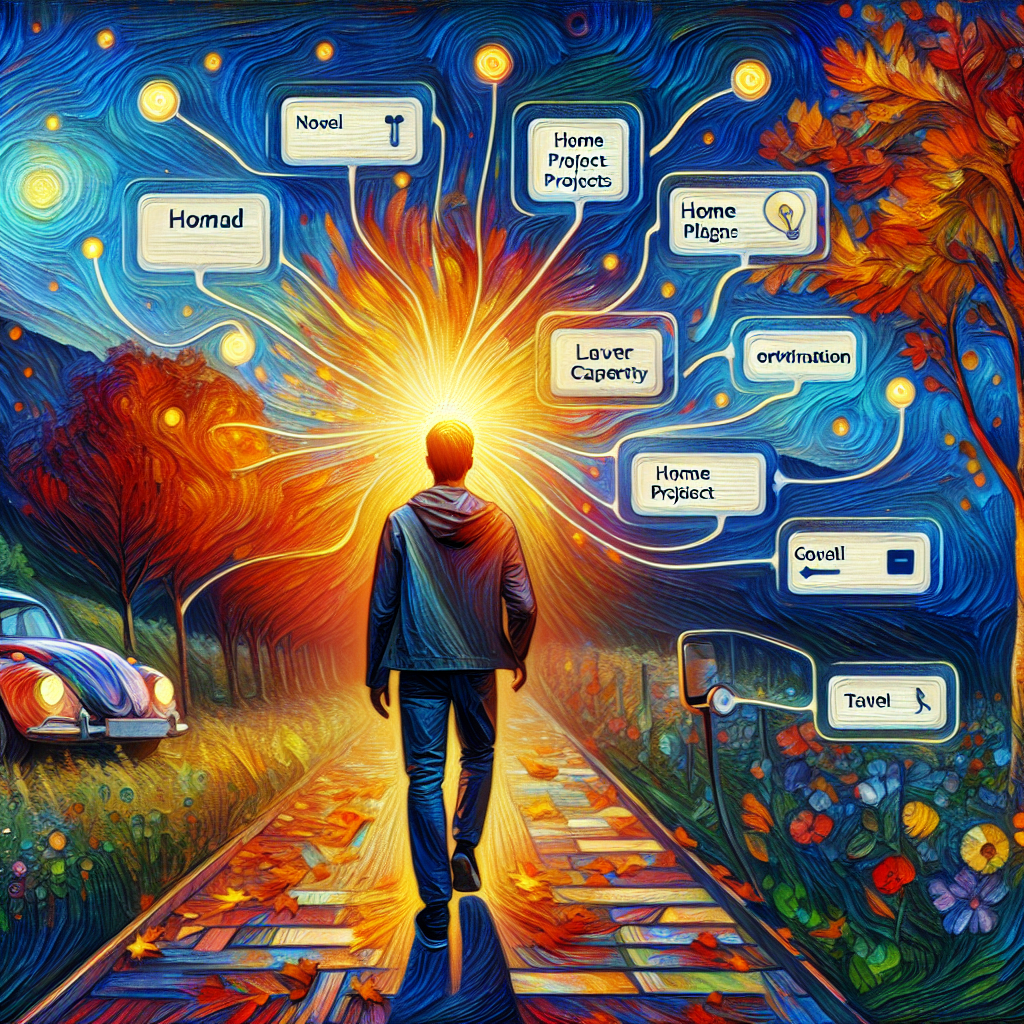
Poem
Checklist
Why Waiting for Perfection Kills Legacy Projects – A Checklist
Legacy Project Action Checklist
*Emotional Appeals*
_____ Reflect on the emotional connections tied to your legacy project. What memories, values, and passions drive your desire to share your story?
_____ Identify the stories from your life that evoke powerful emotions. How can these be woven into your narrative to touch others’ hearts?
*Rational Appeals*
_____ Challenge yourself to define what “good enough” means for your project. List the core elements that truly matter, focusing on authenticity over perfection.
_____ Write down three specific actions you can take toward progress, recognizing that each step is valuable regardless of its outcome.
*Ethical Appeals*
_____ Consider the responsibility you have to inspire others. What values and lessons do you want to pass down through your legacy project?
_____ Reflect on how embracing imperfection can encourage others to share their stories. What impact could your openness to vulnerability have on your community?
*Authority Appeals*
_____ Research examples of influential figures in your field who embraced imperfection. What lessons can you learn from their journeys?
_____ Seek feedback from trusted mentors or peers. Their insights can help you recognize the strength in vulnerability and action over perfection.
*Narrative Appeals*
_____ Craft a short narrative about a time you overcame fear or doubt in your creative endeavors. Use this story to motivate yourself and others.
_____ Imagine the future impact of your completed project. What stories will your legacy inspire in future generations?
*Social Appeals*
_____ Share your progress with trusted friends, family, or community groups. Use their support and encouragement to propel your project forward.
_____ Organize or participate in a storytelling event, allowing others to share their journeys. How can your experiences resonate and create community connections?
*Gut Appeals*
_____ Identify any fears or doubts that are holding you back. Write them down and counter each one with a positive affirmation of strength or resilience.
_____ Commit to taking one small step in the next week toward completing your legacy project. What immediate action can help alleviate feelings of stagnation?
Use this checklist to ignite your passion, embrace the imperfect journey, and create a legacy that echoes through time.

Checklist
At LegacyExplorations, we help people plan and explore their legacy by collecting information and news regarding end-of-life planning.
Please share this post with your friends, family, or business associates who may want help to plan or explore their legacy.