

Building Meaningful Connections: The Heart Of Archive Architecture
By Tom Seest
At LegacyExplorations, we help people plan and explore their legacy by collecting information and news regarding end-of-life planning.
Please share this post with your friends, family, or business associates who may want help to plan or explore their legacy.
Why Your Archive Needs Architecture, Not Just Search
In today’s digital world, where information floods our screens like a torrent, having an archive isn’t enough. It’s not just about gathering data; it’s about creating a robust architecture that transforms static files into a living, breathing Legacy Storytelling resource. Imagine an archive designed not merely to search but to connect, to evoke a sense of belonging, and to breathe life into memories.
When we talk about legacy, we’re tapping into something profound. Each document, photograph, or piece of media is more than just a file—it’s a fragment of our history, weaving together the threads of who we are. An archive built with intention allows these pieces to tell their stories, resonating with the heart and stirring emotions. It invites us to reflect on our journeys and those of the people who walked alongside us.
On a rational level, consider the implications of a disorganized archive. When information is scattered, the risk of losing valuable insights rises. It’s not just frustrating; it’s detrimental to progress. With the right architecture, you create paths that guide users effortlessly through a wealth of information. This structure turns chaos into clarity, allowing easier access to knowledge that can drive innovation, foster collaboration, and spark creativity.
Ethically, we owe it to our past to preserve and honor it properly. Each entry in your archive carries the weight of experience, lessons learned, and dreams deferred. A thoughtfully designed archive respects these contributions, ensuring that future generations can learn from the stories of those who came before them. This obligation is not merely a duty but a privilege, one that should inspire action in every steward of knowledge.
Moreover, every good archive resonates on a social level—it’s about community and shared experience. A well-structured archive can foster connections among individuals who may not even know they have a shared history. It encourages dialogue, inspires nostalgia, and cultivates a deeper understanding of diverse perspectives.
Ultimately, building an archive without a strong architectural framework is akin to erecting a house of cards. It may stand for a while, but with a little wind, it will collapse, leaving behind a jumble of memories and lost tales. Investing in a proper structure empowers your archive to weather any storm, ensuring your legacy endures and thrives for generations to come. It’s time to transform your archive into an epicenter of Legacy Storytelling, where every click resonates with purpose and connection.
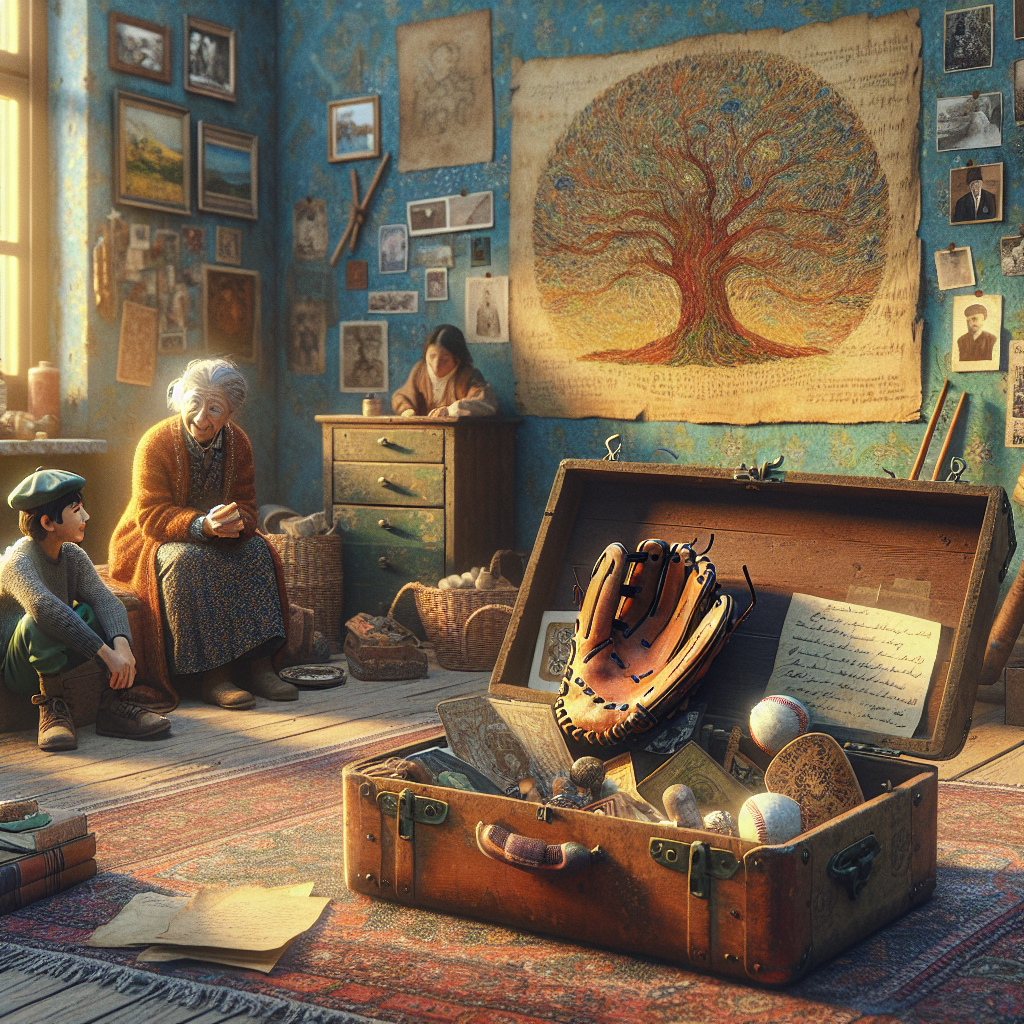
Why Your Archive Needs Architecture, Not Just Search
Why Your Archive Needs Architecture, Not Just Search
- In today’s digital age, archives need robust architecture to transform static data into a Legacy Storytelling resource.
- An effective archive connects individuals, evokes a sense of belonging, and brings memories to life.
- Each media piece in an archive represents a fragment of history, encouraging reflection on personal and collective journeys.
- A disorganized archive risks losing valuable insights and can hinder progress; a well-structured archive enhances clarity and access.
- Ethically, it is crucial to preserve history for future generations, allowing them to learn from past experiences.
- A structured archive fosters community connections, dialogues, and a deeper understanding of diverse perspectives.
- A strong architectural framework is essential; without it, an archive risks collapse, losing memories and stories.

Why Your Archive Needs Architecture, Not Just Search
Table Of Contents
- Why Your Archive Needs Architecture, Not Just Search
- What Stories Can Your Archive Tell Beyond Mere Information?
- How Does Poor Organization Impact Your Decision-Making Process?
- What Ethical Considerations Arise From Inadequate Archival Practices?
- Can a Well-Architected Archive Enhance Collaboration Within Teams?
- How Can Improved Archive Architecture Pave the Way for Innovation?
- Why Do We Often Lose Valuable Memories In Our Archives?
- How Can A Well-Structured Archive Enhance Our Understanding?
- Conclusion
- Other Resources
- Glossary Of Terms
- Other Questions
- Haiku
- Poem
- Checklist
What Stories Can Your Archive Tell Beyond Mere Information?
In every archive, there lies a treasure trove not just of data, but of human experience—a fulcrum where legacy storytelling meets the heart and soul of communities. Think of the dusty box tucked away in an attic or a collection of letters yellowed with age. Each piece holds a story, a testament to existence, bravery, triumph, or even loss. These artifacts, while they may seem ordinary, weave together a narrative tapestry that can connect generations and foster understanding in an increasingly fragmented world.
When we explore the depths of an archive, we tap into something profound—a chance to stand on the shoulders of those who came before us. It offers a rational exploration of our history, revealing patterns and shaping our beliefs. Yet, it transcends the mere accumulation of facts; it challenges us to think critically about our past and how it defines our present and future. As we sift through these stories, we wrestle with questions that tug at our very core: Who were we? What did we value? How have we shaped the world around us?
Legacy storytelling is not just about celebrating victories. It cradles the weight of failures and the lessons they impart. By unveiling the raw, unsanitized truths of human experience, it cultivates a space for ethical reflection. We learn empathy when we understand the struggles faced by others. These archives urge us to acknowledge our collective flaws, driving conversations that can inspire actionable change and deeper connections.
Consider for a moment the community that rallies around a shared past. Here, the power of these stories serves as a unifying force, creating social bonds that defy time and circumstance. The whispers of ancestors echo in the laughter and tears of those who stand together, fostering trust and confidence in one another. They remind us that we are part of something greater than ourselves, a lineage of resilience that encourages us to forge ahead with purpose.
So, the next time you encounter an archive—whether in a library, a family attic, or even online—pause to appreciate the lives that shaped its contents. These stories go beyond mere information; they are calls to action. They invite us to engage, to share, and to remember. In the quiet corners of our archives, the echoes of the past resonate, waiting for us to listen, learn, and carry their legacy into tomorrow.

What Stories Can Your Archive Tell Beyond Mere Information?
What Stories Can Your Archive Tell Beyond Mere Information?
- Archives contain valuable data and human experiences that connect communities and tell stories.
- Artifacts showcase bravery, triumph, and loss, creating a narrative tapestry across generations.
- Exploring archives helps us understand our history and shapes our beliefs, prompting critical reflection.
- Legacy storytelling encompasses both victories and failures, fostering ethical reflection and empathy.
- Archived stories encourage acknowledgment of collective flaws, inspiring meaningful conversations and change.
- Communities united by shared history build trust and resilience, reminding us of our greater connections.
- Engagement with archives serves as a call to action, inviting us to remember and learn from the past.

What Stories Can Your Archive Tell Beyond Mere Information?
How Does Poor Organization Impact Your Decision-Making Process?
Poor organization can wreak havoc on your decision-making process, often leading to confusion and missed opportunities. Imagine standing amidst a cluttered workspace, papers strewn about, reminders lost in the digital ether. It’s like trying to navigate a maze blindfolded—exhausting and frustrating, isn’t it? You might think that you can sort through the chaos and pull out the essentials, but every moment you spend sifting through distractions takes away from the clarity needed to make sound choices.
At the heart of decision-making lies a compelling legacy. Each decision, big or small, shapes the narrative of your life, contributing to a story far greater than just a single chapter. When organization is lacking, that story can become disjointed. The clarity you need to weave your legacy can become obscured, and each choice can feel less impactful, less aligned with your values. Think about the trusted figures in your life, the ones whose stories resonate with you—those are often people who lean into structure, clarity, and purpose. Their impact is profound because they own their narrative, making decisions that echo their values and beliefs.
Rationally, the consequences of disorganization are tangible. It leads to mistakes, misplaced information, and sometimes outright disaster. A poorly organized life can cause stress that seeps into every aspect of your daily routine, ultimately influencing your ability to think critically and evaluate the options before you. Every poorly made choice becomes a weight on your shoulders. However, when your environment is orderly, your mind can flow freely, allowing for deeper contemplation and informed decisions.
On an ethical level, consider how chaos influences not just your decisions but those of others around you. When you are organized, you encourage a culture of respect and accountability—traits that not only benefit you but inspire those who look to you for guidance.
Engaging in intentional organization allows people to connect more deeply with their choices and the stories they tell. It fosters a social responsibility, allowing you to share your experiences and invite others to reflect on their paths. Organization isn’t just about keeping your drawers tidy; it’s about creating a space for thoughtful decisions and meaningful legacy storytelling that can resonate with future generations. The next time you feel overwhelmed, remember the power of order; it’s a tool for deciding not just for today, but for the legacy you want to leave behind.

How Does Poor Organization Impact Your Decision-Making Process?
How Does Poor Organization Impact Your Decision-Making Process?
- Poor organization hampers decision-making, causing confusion and missed opportunities.
- Disorganization leads to a cluttered environment, affecting clarity and focus.
- Each decision shapes personal narrative and legacy, which can become disjointed without order.
- Trusted figures often exemplify structure and clarity in their decision-making.
- Disorganization causes tangible consequences, such as mistakes and stress impacting daily life.
- Being organized fosters a culture of respect and accountability among peers.
- Intentional organization enhances meaningful choices and storytelling for future generations.

How Does Poor Organization Impact Your Decision-Making Process?
What Ethical Considerations Arise From Inadequate Archival Practices?
In a world enriched by diverse narratives, legacy storytelling holds a profound place. Each document, photograph, or artifact is a thread in the larger tapestry of human experience. Yet, consider what happens when these threads are left to fray, tucked away in forgotten corners of neglect. Inadequate archival practices don’t just threaten the preservation of history; they jeopardize the very foundation of our collective identity.
When we fail to properly archive materials, we strip future generations of their context—of their connections to those who came before them. This isn’t just about keeping dusty records; it’s about fostering a sense of belonging. Imagine a child wandering through the remnants of their family history, or a researcher seeking answers in the echoes of the past. When we neglect our duties as custodians, we rob them of moments that could have sparked curiosity and nurtured understanding.
The ethical implications run deep. An incomplete or poorly maintained archive can inadvertently promote misinformation. Decisions made based on flawed data can lead to misrepresented legacies, clouding perceptions and shaping biases. When we think about the responsibility that comes with these records, it’s crucial to recognize not just the authority vested in archivists, but also the moral imperative to uphold truth and clarity. Each piece of history is a testament to resilience, pain, joy, and growth—elements that inform who we are as society today.
Moreover, there’s an emotional weight tied to history. The stories we choose to preserve reflect our values and priorities. What happens to those narratives that don’t make the cut? Whose voices are silenced? Inadequate practices create a hierarchy of memory, privileging certain experiences over others. This lack of inclusivity can breed alienation, stifling community connections and deeper understanding.
Archival quality impacts our social fabric. When we engage in effective legacy storytelling, we cultivate a culture that acknowledges all contributions, fostering empathy and respect. By prioritizing ethical considerations in archival practices, we lay the groundwork for an informed populace that can learn from the past, advocate for their place in the present, and inspire action toward a more inclusive tomorrow.
The call to action is clear: let’s commit to diligent archival methodologies. Let’s stand guard over our history, ensuring that every voice—every story—deserves its rightful place in the annals of time, lighting the way for those who will follow.

What Ethical Considerations Arise From Inadequate Archival Practices?
What Ethical Considerations Arise From Inadequate Archival Practices?
- Legacy storytelling enriches our understanding of diverse narratives and human experiences.
- Neglecting archival practices threatens the preservation of history and undermines collective identity.
- Improperly archived materials deprive future generations of context and connections to their past.
- Flawed archives can lead to misinformation, misrepresented legacies, and biased perceptions.
- Inclusivity in archival practices is essential to avoid silencing certain voices and creating a hierarchy of memory.
- Effective legacy storytelling fosters empathy and respect, strengthening social fabric.
- Commitment to diligent archival methodologies ensures every voice and story has a rightful place in history.

What Ethical Considerations Arise From Inadequate Archival Practices?
Can a Well-Architected Archive Enhance Collaboration Within Teams?
A well-architected archive isn’t just a repository for documents; it’s the heartbeat of collaboration within any team. Imagine a place where your team’s legacy storytelling comes to life—where every project, every triumph, and even the setbacks are captured and preserved. This archive serves as a living testament to your collective journey, reinforcing shared values and a vision that fuels collaboration.
Think about it. When teams have access to well-organized, thoughtfully curated documents, they’re not just sharing information; they’re sharing experiences. It’s about leveraging the past to shape the future. Each piece of archived work embodies lessons learned, successes celebrated, and challenges overcome. An accessible archive invites individuals to reflect on their contributions, fostering pride in what the team has accomplished together. It creates a narrative that everyone can relate to, binding team members through a common thread of history.
Now, let’s bring in the head and gut. Rationally, a well-architected archive enhances efficiency. It minimizes the time spent searching for critical documents; instead, team members can dive into their projects with clarity and purpose. Emotional connection flourishes when individuals can see how their work fits into the larger mosaic. This clarity not only motivates but also empowers. Every team member knows they can draw from the wealth of knowledge embedded in the archive, instilling confidence that they’re supported by their predecessors.
Ethically, a transparent archive nurtures trust. It shows that everyone’s contributions are valued, and it invites open dialogue about the past while allowing for growth and innovation. When team members feel their voices are heard in the storied history, they’re more likely to contribute their ideas and perspectives. This collaborative spirit does more than just breathe life into projects; it facilitates a culture where feedback is welcomed and improvements are made.
Socially, a well-architected archive nurtures a sense of belonging. It becomes a shared space where everyone can see the impact of their efforts. When individuals can walk through the pages of their team’s legacy storytelling, they internalize the understanding that they are part of something greater. This connection instills a sense of responsibility and inspires action, pushing the team toward even more ambitious goals.
In embracing a well-architected archive, teams unlock collaboration that isn’t just efficient but deeply human. It transforms the way they work together, drawing strength from their history while charting a bold course for the future.

Can a Well-Architected Archive Enhance Collaboration Within Teams?
Can a Well-Architected Archive Enhance Collaboration Within Teams?
- A well-architected archive is essential for team collaboration and storytelling.
- It preserves every project, success, and failure, reinforcing shared values and vision.
- Organized documents foster shared experiences, leveraging the past for future shaping.
- An accessible archive invites reflection and fosters pride in team accomplishments.
- A transparent archive enhances efficiency by minimizing time spent searching for documents.
- It nurtures trust, encouraging contribution and open dialogue among team members.
- A well-structured archive creates a sense of belonging and responsibility, inspiring ambitious goals.

Can a Well-Architected Archive Enhance Collaboration Within Teams?
How Can Improved Archive Architecture Pave the Way for Innovation?
In an age where information flows like a river, the foundation of our archives has a profound impact on our capacity to innovate. Think about it: archives are not just dusty rooms filled with old papers; they are the legacy storytelling mechanisms of our society. Each document, image, or video has a story waiting to be uncovered, and in many cases, these stories are the keys to unlocking the next big idea.
Imagine that you’re sifting through the remnants of the past, where each piece of information has evolved through countless hands and minds. Improved archive architecture transforms this process from chaotic to cohesive, allowing us to navigate through the complexities of historical data with the ease of flipping through a favorite book. It’s not just about preserving what was; it’s about breathing life into those narratives and connecting them to our present and future.
From a rational perspective, the advantages are clear. Streamlined access to archived materials can spark new thoughts, drive innovation, and foster collaboration across fields. Consider how breakthroughs often arise from unexpected connections. A scientist examining historical data could stumble upon a forgotten theory that spurs a groundbreaking discovery. Through effective archive design, we remove barriers and create pathways for creativity, making the past relevant to numerous contemporary challenges.
Ethically, there’s a responsibility we hold to respect, maintain, and utilize our archived materials wisely. These are the stories of our ancestors, our communities, and our shared humanity. An improved architectural approach ensures that these voices are not lost or silenced, but rather illuminated and valued. These narratives encourage us to craft a future that honors the lessons of yesteryears.
Engagement is woven into the fabric of innovation. When we build connections to the past, we foster a sense of belonging and purpose. By sharing these stories, we encourage grassroots movements and bridge gaps within communities. Socially, there lies power in storytelling; it unites us and strengthens collective memory, reinforcing the idea that we are all part of a larger narrative.
Ultimately, the architecture of our archives doesn’t just preserve the past; it plants the seeds for future innovation. The legacy storytelling facilitated through improved design breathes vibrancy into our shared history, empowering the innovators of tomorrow to build on the shoulders of giants. When we open our archives with intention and foresight, we aren’t merely safeguarding history; we’re igniting a passion for discovery and change that resonates across time.

How Can Improved Archive Architecture Pave the Way for Innovation?
How Can Improved Archive Architecture Pave the Way for Innovation?
- Archives serve as legacy storytelling mechanisms, not just repositories of old documents.
- Improved archive architecture allows for cohesive navigation of historical data.
- Streamlined access to archived materials can drive innovation and collaboration.
- Effective archive design fosters unexpected connections, potentially leading to breakthroughs.
- There is an ethical responsibility to respect and utilize archived materials wisely.
- Storytelling strengthens community bonds and reinforces collective memory.
- Properly designed archives empower future innovators and ignite a passion for discovery.

How Can Improved Archive Architecture Pave the Way for Innovation?
Why Do We Often Lose Valuable Memories In Our Archives?
In the pursuit of preserving our legacies, we often overlook a simple truth: memories are more than just stories to be stored; they are the threads that bind us to our past, our identity, and each other. Why do we then allow these precious snapshots of our lives to fade away in dusty archives? The answer lies not just in the quality of our storytelling but also in the heart of how we collect and relate these memories.
A vital piece of the puzzle is how we approach Legacy Storytelling. Many believe that preserving memories is an act of merely documenting events. However, true storytelling involves evoking emotions and painting vivid pictures in the mind’s eye. When we merely file away photographs or jot down dates without the richness of context or feeling, we create a void that renders those memories less impactful. Just think about it: a photograph of a family picnic is far more powerful when accompanied by a narrative about the laughter, the spilled lemonade, and the unexpected rain that turned a perfect day into a cherished adventure.
Moreover, the rational side of us understands that memories are like fragile threads in the tapestry of our lives. Our brains, equipped for survival, tend to prioritize experiences that carry emotional weight. The memories we associate with deep feelings—joy, sorrow, triumph—are more likely to be retained. To lose these valuable pieces of our past is not just a personal loss; it’s a loss to our families and communities, depriving future generations of relatable stories that could inspire confidence or action.
It’s essential to consider the ethical implications of archiving our histories. When we neglect the voices of those who came before us, we risk erasing their struggles and triumphs. The act of documenting isn’t simply about saving information; it’s about honoring the people behind those moments. We hold a responsibility to ensure that every legacy we preserve is infused with authenticity, engaging others through its genuine nature.
Finally, we must cultivate a social environment where sharing memories is encouraged and celebrated. By fostering connections through storytelling, we not only enrich our own understanding of the past but also create a communal bond that reinforces trust and empathy. The memories we choose to keep alive will ripple through time, shaping the stories of those who follow us. Let’s take the time to breathe life into our archives, turning forgotten fragments into the vibrant, living narratives that deserve to be cherished.

Why Do We Often Lose Valuable Memories In Our Archives?
Why Do We Often Lose Valuable Memories In Our Archives?
- Memories connect us to our past, identity, and each other.
- True legacy storytelling evokes emotions and provides context.
- Photographs and dates alone lack the emotional impact of rich narratives.
- Memories associated with deep feelings are more likely to be retained.
- Neglecting past voices risks erasing their stories and struggles.
- Documenting histories honors individuals and ensures authenticity.
- Cultivating a supportive environment for sharing strengthens communal bonds.

Why Do We Often Lose Valuable Memories In Our Archives?
How Can A Well-Structured Archive Enhance Our Understanding?
An archive is more than just a repository—it’s a living, breathing entity that bridges the past and the present. Each item within this structured collection serves as a key, unlocking doors to forgotten tales and untold truths. Imagine standing before a dusty box, the scent of aged paper wafting through the air, and knowing that within it lies a tapestry of human experience. This is where legacy and storytelling intertwine, revealing the heart and soul of communities, cultures, and individuals.
When we engage with an archive, we aren’t just sifting through facts and figures; we’re immersing ourselves in stories that resonate deeply. Each document, photograph, or artifact is steeped in historical context and emotional weight. Take a moment to consider the letter of a soldier writing home, pouring their fears and dreams onto the page. This is legacy storytelling at its finest—it connects us to those who came before us, urging us to listen to their voices and learn from their choices.
From a rational perspective, a well-structured archive transforms chaos into order, allowing us to navigate mountains of information with ease. It empowers researchers, students, and curious minds alike to draw insights from past events, fostering a deeper understanding of our world. This structured approach amplifies the value of each document, creating a roadmap to knowledge and enlightenment. When we can access information efficiently, we become informed citizens, equipped with the insights necessary to engage in meaningful conversations about our society.
Moreover, the ethical dimension of archiving cannot be overlooked. Holding onto our history means we’re honoring the contributions and experiences of those who might otherwise be forgotten. In preserving these narratives, we cultivate a sense of responsibility to ensure that future generations inherit a rich tapestry of stories—ones that foster empathy, respect, and a shared sense of identity. By curating archives thoughtfully, we uphold the ethical duty to teach, learn, and connect.
Beyond personal reflection, a well-structured archive fosters social interaction. It encourages communities to gather, share, and celebrate their shared history. Within these archives lie not just records, but common threads that knit us together. This communal experience nurtures understanding and fortifies the bonds that unite us, reinforcing the notion that we’re all part of a larger legacy. Engaging with history in this way is not merely an academic exercise; it’s an invitation to explore who we are as individuals and as a collective. Embracing the narratives within these archives can lead to action—a desire to contribute, to create, and to carry forward the stories that define us.

How Can A Well-Structured Archive Enhance Our Understanding?
How Can A Well-Structured Archive Enhance Our Understanding?
- An archive is a dynamic entity that connects past and present, revealing historical narratives.
- Items within an archive serve as keys to unlock forgotten stories and truths.
- Engaging with archives allows immersion in narratives steeped in historical context and emotional weight.
- A well-structured archive organizes information, aiding researchers and promoting insight into our world.
- Preserving history honors the contributions of individuals and fosters a sense of responsibility toward future generations.
- Archives encourage community interaction, nurturing shared history and reinforcing social bonds.
- Embracing archive narratives can inspire action and a desire to contribute to our collective legacy.

How Can A Well-Structured Archive Enhance Our Understanding?
Conclusion
Why does your archive need architecture? Because in a world overflowing with information, simply gathering data won’t cut it. An archive deserves more than just a search function; it requires a design brimming with purpose. It’s about forging meaningful connections, where history isn’t merely a collection of files but a vibrant narrative that speaks to our hearts.
Each document, photograph, and memory has its own story—tiny fragments that weave together to tell the tale of who we are. An intentionally constructed archive ensures these stories resonate deeply, inviting us to reflect and connecting us to our collective journey. On a rational level, disorganized information leads to missed insights, inefficiencies, and frustration. With an effective architectural framework, we turn chaos into clarity, facilitating innovative thinking, collaboration, and creativity.
Ethically, preserving our pasts is an obligation—not just to the artifacts themselves but to those whose experiences they represent. Every entry carries weight, echoing the lessons of yesteryears that can guide future generations. This commitment is a privilege that every steward of knowledge should embrace. Furthermore, a well-structured archive promotes community and shared experiences. It fosters dialogue, ignites nostalgia, and demonstrates how our histories are intertwined, creating bonds between individuals who might not even realize they share common roots.
Building an archive without a sound structure is akin to constructing a house of cards—visually impressive but liable to collapse at the slightest gust. With intentional architecture, your archive becomes resilient, ensuring that the stories contained within withstand the test of time, remaining accessible and impactful for years to come.
A well-organized archive can also be a powerful tool for innovation. It provides a treasure map of knowledge that inspires creativity and reveals connections across disciplines. When we encounter the history embedded in our archives, we realize that each piece has the potential to inspire breakthroughs, fulfilling our thirst for progress while honoring those who have come before us.
Remember that memories are more than mere data points; they are the threads that bind our identity. Poor archival practices lead to lost opportunities, not just for understanding the past but for engaging meaningfully with our futures. When we invest in our archive’s structure, we breathe life into those memories. This approach fosters a shared narrative that propels communities forward, cultivates empathy, and enriches our understanding of the world.
In essence, your archive should be an epicenter of legacy storytelling—where each click resonates with purpose, forging a vibrant pathway from the past to the future, urging us to listen, learn, and carry those legacies into tomorrow.

Conclusion
Conclusion:
- An archive requires purposeful design beyond mere data collection.
- Each document and memory contributes to a collective narrative of identity.
- Effective architectural frameworks transform disorganized information into clarity and collaboration.
- Ethical preservation of the past is essential for honoring shared experiences and history.
- A well-structured archive fosters community dialogue and reveals common roots.
- Organized archives inspire innovation and create connections across disciplines.
- Investing in archive structure enriches understanding and propels communities forward.

Conclusion
Other Resources

Other Resources
Here is a list of other resources you can review online to learn more:
- Storyfile
- FindMyPast
- How to Avoid Losing Your Family History One Generation at a Time
- StoryCorps
- Is There A Need To Pay For Copyrighting Services For Personal Or Family Legacy Stories?
- FutureMe
- RocketLawyer
- Directive Communication Systems
- Forever Missed
- Obituary Templates
- Storyworth
- Everplans
- LifeSite
- Memorial Matters
- deviantART
- International End of Life Doula Association
- Trust And Will
- YouMattered
- RootsMagic
- Bcelebrated
Use This Prompt To Get More Resources With Your Favorite Online AI Tool: Please provide me with a list of online articles with their URLs in a bulleted list that I can read regarding Why Your Archive Needs Architecture, Not Just Search

Other Resources
Glossary Terms
Why Your Archive Needs Architecture, Not Just Search – Glossary Of Terms
1. Archive: A collection of historical documents or records maintained for preservation and reference.
2. Architecture: The structured design and organization of systems or spaces to facilitate usability and accessibility.
3. Search: The process of seeking information within a database or archive, often using keywords or phrases.
4. Metadata: Data that describes other data, providing context and structure for easy retrieval and management.
5. Taxonomy: A classification system that organizes items into categories for better understanding and retrieval.
6. Usability: The ease of use and effectiveness of a system, allowing users to achieve their goals with minimal effort.
7. Accessibility: The design principle that ensures all users, including those with disabilities, can access and interact with information.
8. Information Retrieval: The discipline of obtaining information systemically from a large repository based on user queries.
9. Schema: A structured framework that defines how data is organized and how relationships among data are managed.
10. Content Management System (CMS): A software application that facilitates creating, editing, managing, and publishing digital content.
11. Digital Preservation: Techniques and strategies used to maintain and ensure continued access to digital materials over time.
12. Repository: A centralized location for storing and managing digital assets and archives.
13. Interoperability: The ability of different systems or organizations to work together and exchange information seamlessly.
14. Archival Standards: Established guidelines and best practices that govern the management and preservation of archival materials.
15. User Interface (UI): The means by which a user interacts with a computer system, software, or application.
16. Search Engine Optimization (SEO): Strategies applied to enhance the visibility and ranking of information in search results.
17. Data Governance: The overall management of data availability, usability, integrity, and security.
18. Version Control: A system that keeps track of changes to documents, allowing for the management of revisions and edits.
19. Cloud Storage: A model of storing data on remote servers accessed over the internet, offering flexibility and scalability.
20. Data Lifecycle: The stages data goes through, from creation and storage to archiving or deletion.
21. Annotation: Additional information or commentary added to digital content to enhance understanding and context.
22. Linking: Creating connections between related data or resources to facilitate navigation and retrieval.
23. Collection Policy: Guidelines that define what materials are collected and preserved within an archive.
24. Preservation Strategy: Methods and plans implemented to maintain and protect archival materials from deterioration.
25. User Experience (UX): Overall experience a user has when interacting with a system, encompassing usability and satisfaction.
26. Content Discovery: The process by which users find and access relevant information within an archive.
27. Data Migration: The process of transferring data from one system or format to another, ensuring continuity and accessibility.
28. Information Architecture: The structural design of shared information environments, focused on organizing and labeling content effectively.
29. Retention Policy: Guidelines outlining the duration for which data should be kept before it is disposed of or archived.
30. Dublin Core: A set of vocabulary terms used to describe digital resources, aiding in cataloging and searching.

Glossary Of Terms
Other Questions
Why Your Archive Needs Architecture, Not Just Search – Other Questions
If you wish to explore and discover more, consider looking for answers to these questions:
- What specific problems does “archive architecture” solve that search alone cannot?
- What are the core principles of good archive architecture?
- How do I start designing an archive architecture for my organization?
- What metadata standards should I use (e.g., Dublin Core, METS) and why?
- How should I structure taxonomies, ontologies, or controlled vocabularies for my archive?
- How do I balance hierarchical organization with flexible tagging and faceted search?
- Which file formats and container types should be prioritized for long-term preservation?
- What are best practices for digitization and capturing context during ingestion?
- How do I maintain provenance and authenticity of archived items?
- What tools and platforms support robust archive architecture (open source and commercial)?
- How can AI and machine learning be used to enhance classification, tagging, and discovery?
- What are common architectural patterns for scaling archives as collections grow?
- How do I design an archive to support collaboration across teams and departments?
- What access control, permissions, and role models are recommended for archives?
- How should sensitive, private, or restricted materials be handled and secured?
- What legal and compliance issues must archivists consider (copyright, GDPR, retention laws)?
- How can archives ensure inclusivity and avoid privileging certain voices or perspectives?
- What governance structures and policies are needed to sustain an archive over time?
- Who should own responsibility for archival strategy, curation, and ongoing maintenance?
- How do I create workflows for ingestion, curation, review, and preservation?
- What are the costs (time, staff, infrastructure) of building and maintaining a well-architected archive?
- How do I measure the impact, usage, and ROI of an archive beyond raw search metrics?
- What KPIs or success metrics indicate a healthy archive architecture?
- How can archives be designed to foster storytelling and emotional engagement for users?
- What UX and discovery patterns (browsing, narratives, curated exhibits) best support legacy storytelling?
- How do I integrate archival systems with existing knowledge bases, CMS, or enterprise systems?
- What APIs or interoperability standards should be used to enable external access and reuse?
- How should archives handle versioning, updates, and corrections to records?
- What disaster recovery, backup, and redundancy strategies are recommended for archives?
- How do you plan for format obsolescence and future migrations?
- What training and change management are needed so staff and users adopt archival practices?
- How can crowdsourcing, community contributions, and annotation be incorporated responsibly?
- What are common pitfalls and anti-patterns in archive architecture to avoid?
- How do archives preserve context (who, when, why) alongside the artifacts themselves?
- How can archives support research, teaching, and public engagement initiatives?
- Are there case studies or examples of organizations that successfully transformed archives into storytelling resources?
- How should access logging, auditing, and usage analytics be implemented and used?
- What ethical frameworks guide decisions about what to keep, redact, or remove?
- How can an archive be designed to encourage serendipitous discovery and unexpected connections?
- What short-term and long-term roadmap milestones should be included in an archive modernization plan?

Other Questions
Haiku
Why Your Archive Needs Architecture, Not Just Search – A Haiku
Archives hold our past,
Stories weave through timeless threads,
Legacy lives on.

Haiku
Poem
Why Your Archive Needs Architecture, Not Just Search – A Poem
In the realm of memory’s embrace,
Where whispers of the past interlace,
An archive stands, not just a store,
But a bridge to hearts, a legacy’s core.
Each document, a pulse, a life once lived,
In structured grace, their essence is sieved.
Not mere files, but stories untold,
Inviting us in, to be brave and bold.
With clarity guiding our quest for truth,
We navigate history, reclaiming our youth.
In chaos, decisions falter and fall,
But order ignites innovation, answering the call.
Ethics weave through each delicate thread,
Preserving the voices of those who have fled,
Acknowledging struggles, triumphs, and pain,
Creating connections, our shared humanity’s gain.
Communities rally, the past brings us near,
As narratives mold, they nurture and steer.
In every archive, a treasure, a key,
Unfolding the stories that shape you and me.
So, breathe life into spaces where memories dwell,
Let the heart of your archive’s stories tell,
For in every click, in every shared glance,
We honor our roots, and together we dance.

Poem
Checklist
Why Your Archive Needs Architecture, Not Just Search – A Checklist
Archive Architecture Checklist
✅______ Reflect on how your archive evokes a sense of belonging.
✅______ Incorporate storytelling elements that enhance emotional connections to historical documents.
✅______ Encourage narratives that highlight shared human experiences and values.
Rational Appeals
✅______ Evaluate the organizational structure of your archive for clarity and efficiency.
✅______ Identify pathways that streamline access to information, reducing frustration and chaos.
✅______ Assess the capability of the archive to support decision-making and innovation.
Ethical Appeals
✅______ Ensure archival practices respect and honor the contributions of past individuals.
✅______ Evaluate the inclusiveness of the archive to avoid erasing diverse voices and experiences.
✅______ Emphasize the responsibility to preserve history accurately for future generations.
Authority Appeals
✅______ Highlight the expertise of archivists and the importance of proper archival methods.
✅______ Use authoritative sources to validate the significance of a well-structured archive.
✅______ Encourage collaboration with experienced professionals in the field of archival science.
Narrative Appeals
✅______ Develop compelling stories around key artifacts that connect past and present narratives.
✅______ Use visual and contextual elements to enhance the storytelling aspect of the archive.
✅______ Encourage users to contribute their own narratives to enrich the collective story.
Social Appeals
✅______ Create opportunities for community engagement and dialogue surrounding the archive’s contents.
✅______ Foster a sense of community ownership and pride by highlighting shared histories.
✅______ Facilitate social connections through collaborations and joint projects that utilize the archive.

Checklist
At LegacyExplorations, we help people plan and explore their legacy by collecting information and news regarding end-of-life planning.
Please share this post with your friends, family, or business associates who may want help to plan or explore their legacy.