

Securing Your Legacy: Strengthen The Foundation Of Your Digital Memory
By Tom Seest
At LegacyExplorations, we help people plan and explore their legacy by collecting information and news regarding end-of-life planning.
Please share this post with your friends, family, or business associates who may want help to plan or explore their legacy.
Why Your Digital Archive Is Structurally Unstable
In a world where memories are often stored in the cloud, it’s easy to forget that our digital archives are not as permanent as we’d like to believe. We pour our hearts into creating digital legacies, stories woven into pixels and bytes, thinking they’re immovable. But the truth is, without proper structure, our digital archives are like a house of cards waiting to tumble.
Consider this: every photo, every video, every document encapsulates a piece of our legacy. They tell our stories, capturing pivotal moments that shape who we are. Yet, in the rush to document our lives, we often overlook the framework that holds these precious artifacts together. If our archives lack organization and a reliable backup plan, we risk losing not just data but our very identity—those irreplaceable stories that define our shared human experience.
From a rational standpoint, this instability may seem like an inconvenience until it’s too late. Think about it—a failed hard drive, a forgotten password, or an unplanned delete can mean losing years of memories. Suddenly, the photos from your child’s first steps or your grandparents’ wedding become digital ghosts, memories fated to fade away. This scenario isn’t just a technical mishap; it’s an emotional gut punch that serves as a stark reminder of our vulnerability.
Ethically, we owe it to ourselves and future generations to safeguard these snapshots of life. Legacy storytelling isn’t just an art; it’s a responsibility. We have an obligation to preserve not just our own stories but those of our family and friends, creating a tapestry of experiences that future generations can reflect upon and learn from.
On a social level, sharing our digital legacies fosters connections, creating conversations that can bridge generations. These stories resonate with our shared humanity, reminding us that we are all part of something greater than ourselves. When we invest time and energy into organizing and safeguarding our digital archives, we send a message: these moments matter; they deserve to be preserved and celebrated.
So, let’s take action. Embrace the challenge of structuring your digital archives, ensuring that your legacy storytelling can withstand the tests of time. It’s not just about keeping data safe; it’s about honoring the stories that shape our lives and fostering lasting connections with those who come after us. Remember, a well-structured digital archive is more than just security; it’s a heartfelt investment in our shared narrative.

Why Your Digital Archive Is Structurally Unstable
Why Your Digital Archive Is Structurally Unstable
- Digital memories are vulnerable and not as permanent as believed.
- Every photo, video, and document is a vital part of our legacy.
- Lack of organization and backup plans risks losing irreplaceable stories.
- Simplistic technical mishaps can lead to significant emotional loss.
- Ethically, we must preserve our and others’ stories for future generations.
- Sharing digital legacies fosters connections and reminds us of our shared humanity.
- Organizing digital archives is a crucial investment in our narratives.

Why Your Digital Archive Is Structurally Unstable
Table Of Contents
- Why Your Digital Archive Is Structurally Unstable
- Why Do We Trust Our Digital Archives to Last Forever?
- What Emotional Weight Does Our Digital History Carry?
- How Do Outdated Formats Threaten Our Cherished Memories?
- Are We Sacrificing Important Data for Convenience?
- What Steps Can Ensure the Integrity Of Our Digital Archives?
- How Does Digital Instability Impact Our Sense Of Identity?
- Is Our Reliance on Technology Making Us Vulnerable to Loss?
- Conclusion
- Other Resources
- Glossary Of Terms
- Other Questions
- Haiku
- Poem
- Checklist
Why Do We Trust Our Digital Archives to Last Forever?
In a world where the click of a button can summon memories, feelings, and experiences once seemingly lost to time, we find ourselves entrusting an intangible promise to our digital archives. These repositories of our lives are more than just bits and bytes; they are our legacy, a storytelling tapestry woven into the very fabric of our existence. Each photo, each message, each video serves as a piece of our story—capturing moments that define who we are and who we aspire to be.
Our relationship with technology is instilled with a sense of responsibility that goes beyond mere convenience. We have learned, through countless late-night scrolling marathons, that the digital landscape can serve as an extension of ourselves. The compelling narrative of our lives unfolds through these platforms, allowing us to connect with others, share our victories, and document our struggles. It’s not just the data; it’s the realness of our human experience captured in pixels and code.
Yet, trust is a fragile thing, often resting on the shaky ground of fallibility and doubt. Many of us have witnessed the ephemeral nature of the digital world, where websites come and go, and files become corrupted or are simply forgotten. Yet, we continue to pour our lives into these archives, driven by a belief in progress and the ethic that our stories deserve to be preserved. We choose to elevate our stories above chance, hoping our efforts will mean something long after we are gone.
This drive for legacy is not merely personal; it’s social. We crave connection, and sharing our stories reinforces our bonds with others. By trusting our digital archives to last, we open ourselves to a shared narrative, one that transcends generations and allows future explorers to discover who we were and what mattered most to us. Each snapshot, framed in nostalgia, could one day serve as a beacon of inspiration for someone exploring their path in life.
Ultimately, we trust our digital archives not out of naïveté but from a collective yearning for permanence in a transient world. The fabric of our legacy depends on the threads woven through our storytelling, demanding our best and most authentic selves. By investing our trust in these digital repositories, we ensure that our stories live on, inviting others to join in a greater narrative that celebrates the intricate dance of experience, knowledge, and heart.

Why Do We Trust Our Digital Archives to Last Forever?
Why Do We Trust Our Digital Archives to Last Forever?
- Digital archives serve as a legacy, capturing memories and defining our identity.
- Our relationship with technology involves responsibility and reflects our human experiences.
- Trust in digital repositories is fragile due to the transient nature of the digital world.
- Despite risks, we continue to document our lives, believing in the importance of preservation.
- This pursuit of legacy strengthens social connections and shared narratives across generations.
- Nostalgic snapshots may inspire future explorers on their personal journeys.
- Investing in digital archives ensures our stories and experiences endure beyond our lifetime.

Why Do We Trust Our Digital Archives to Last Forever?
What Emotional Weight Does Our Digital History Carry?
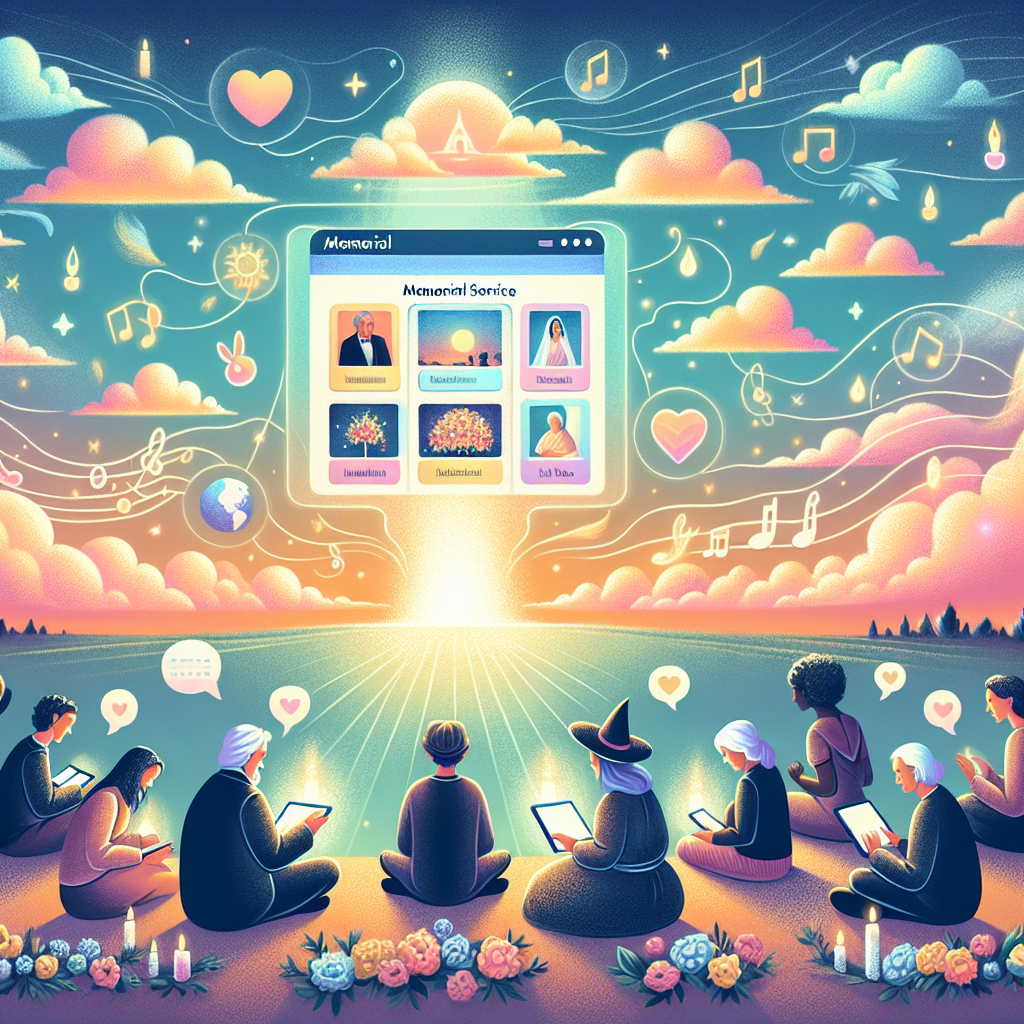
In the fast-paced whirlwind of our digital lives, each click, each post, and each comment we make contributes to a sprawling web of digital history that’s as personal as it is public. What does this mean for us? It’s more than just data stored away in servers; it’s our *legacy*, a *storytelling* journey that reflects who we are, the decisions we make, and the relationships we build. This tapestry of bytes carries emotional weight, one that often goes unnoticed until a moment arises that brings it all into focus.
Imagine scrolling through old photos or status updates. Each snapshot isn’t just a moment frozen in time; it’s a portal to feelings that danced on your heartstrings, triumphs celebrated, and challenges faced. It’s about the connections forged; a simple “like” or comment can reignite bonds that might have faded. The emotional resonance of these interactions reminds us that we’re not alone. Behind those screens are real people who have rallied around us, shared laughter in tough times, and celebrated milestones—reminders that we’re all part of a larger narrative.
Yet, with this connection comes a responsibility. Our digital footprints can weigh heavy, especially when shared carelessly. The ethical considerations of how we present ourselves online matter. It’s one thing to share victories and another to tarnish someone else’s legacy with a momentary lapse in judgment. We must ask ourselves: Who do we want to be in our *legacy storytelling*? Are we the authors of our own tales or mere spectators in a chaotic narrative?
The authority figures in this realm—platforms, influencers, and even our peers—shape how we perceive this digital history. They set the tone, but we have the power to define our stories. This is where the heart of the matter lies; we hold the keys to forge connections that can inspire, support, and uplift each other. Embracing transparency and authenticity in our online personas fosters trust and invites others to do the same.
As we navigate this vast marketplace of ideas and experiences, let’s use our digital platforms not just to reflect who we are but to create a legacy worth sharing. Let our stories resonate, evoke action, and foster community. The emotional weight of our digital history should remind us that in the end, what matters most are the connections we build and the stories we leave behind.

What Emotional Weight Does Our Digital History Carry?
What Emotional Weight Does Our Digital History Carry?
- Each digital action contributes to a personal and public digital history, forming our legacy.
- Old photos and posts serve as emotional portals, revealing connections and shared experiences.
- Interactions online can strengthen bonds and remind us of our community.
- Digital footprints carry ethical responsibilities concerning how we present ourselves.
- We must consider our role as authors of our stories rather than mere spectators.
- Platforms and peers influence our digital narratives, but we control our storytelling.
- Emphasizing transparency and authenticity fosters trust and encourages community building.
What Emotional Weight Does Our Digital History Carry?
How Do Outdated Formats Threaten Our Cherished Memories?
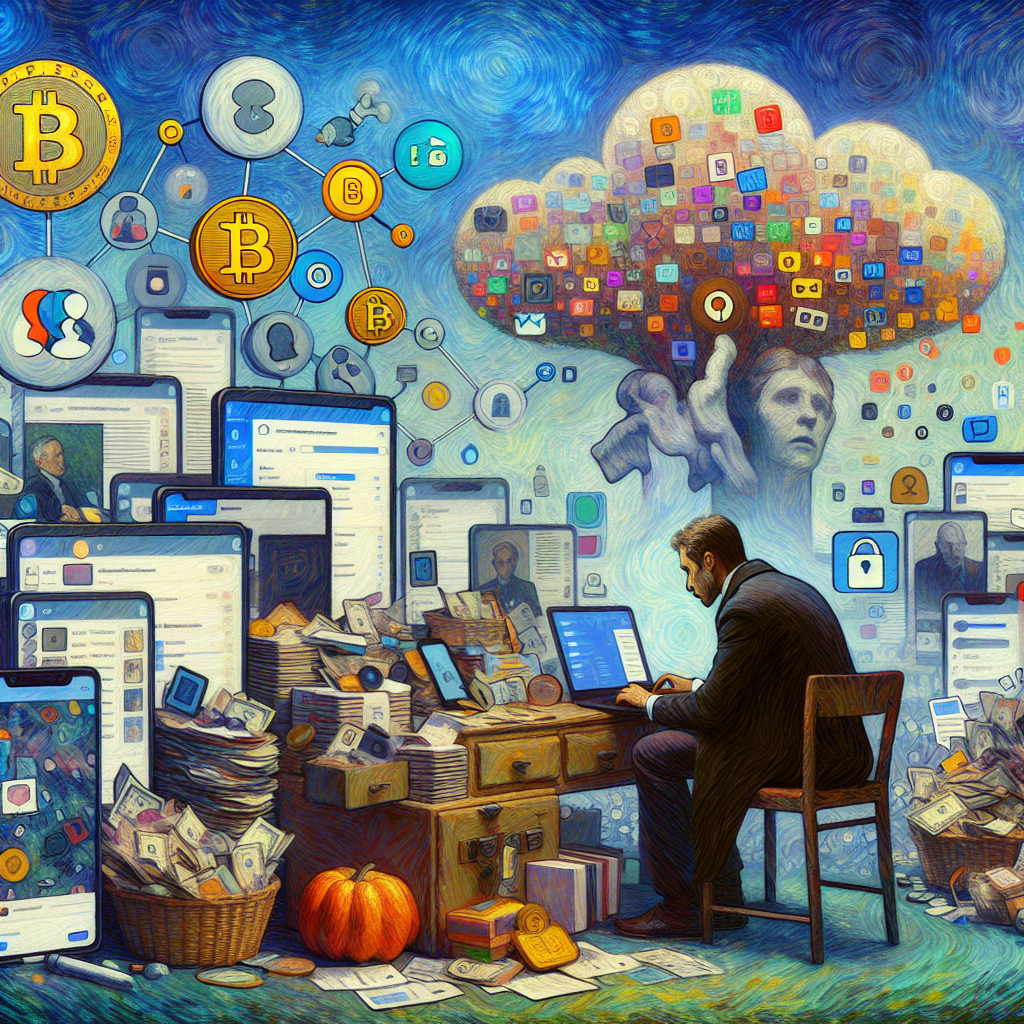
In a world that’s increasingly digital, we risk losing the tapestry of our pasts to the cold embrace of outdated formats. Picture this: family gatherings filled with laughter and crucial moments preserved in aging VHS tapes, cassettes, and floppy disks. These were once the lifelines to our most cherished memories, the relics of our Legacy Storytelling. Yet, as technology evolves, those formats are becoming ghosts of a bygone era, leaving our precious stories vulnerable to fading away.
The irony is both heartbreaking and frustrating. We invest time in capturing the fleeting moments of our lives—first steps, birthdays, and heartfelt tributes—only to have them trapped in mediums that future generations might struggle to access. Imagine a child who finds a dusty tape, intrigued but unable to relive the joy of their parents’ wedding day because they lack the equipment to play it. That disconnection isn’t just a technical issue; it’s a fracture in the narrative of our lives, severing ties between generations.
Emotionally, these outdated formats hold an ethical weight. They compel us to ask: What responsibility do we have to preserve our stories? The very essence of storytelling lies in its ability to bridge gaps and foster connections. When we let our memories decay in outdated formats, we risk depriving others of the lessons, love, and laughter contained within those tales. Our lives are stories worth telling, and they deserve to be shared, not left to gather dust and rot.
Rationally, we can argue that transitioning to modern storage solutions—cloud services or digital archives—is akin to modernizing a library to better serve its community. This transition doesn’t erase origins but rather enhances accessibility, ensuring that our cherished moments continually exist in a format that everyone can embrace.
To confront this issue is to rally for preservation—our own personal battles against time. The urgency is palpable. We have the power to transform our memories, to be the heroes of our own stories. If we delay, we risk losing not only moments but also the context and richness they bring to our lives today. After all, each cherished memory is a thread in the fabric of our existence, and it’s up to us to protect and weave them into the future. What better legacy can we leave behind than the stories that defined us?
How Do Outdated Formats Threaten Our Cherished Memories?
How Do Outdated Formats Threaten Our Cherished Memories?
- The rise of digital formats threatens the preservation of past memories captured in outdated media like VHS tapes, cassettes, and floppy disks.
- Future generations may struggle to access cherished memories trapped in obsolete formats, leading to a disconnection in family narratives.
- Outdated formats raise ethical questions about the responsibility of preserving personal stories and their importance in connecting generations.
- Transitioning to modern storage solutions, such as cloud services, enhances accessibility without erasing original memories.
- Preserving memories is a personal battle against time, emphasizing the urgency of action to maintain connections and context.
- Each memory is a vital thread in the fabric of existence, deserving protection and integration into future narratives.
- The ultimate legacy lies in the stories that define us, emphasizing the importance of sharing these narratives.

How Do Outdated Formats Threaten Our Cherished Memories?
Are We Sacrificing Important Data for Convenience?
In a world bustling with tech conveniences, we often ignore a profound question: Are we sacrificing important data for mere convenience? The ease of sharing and accessing information through our devices can make it feel like a no-brainer. We click “agree” to user agreements without a second thought, surrendering our personal history, preferences, and even our future to the platforms we adore.
Consider the implications of this convenience. At the heart of it lies our legacy—stories and experiences that shape who we are. When we share snippets of our lives online, we engage in a kind of Legacy Storytelling that connects us with others. But this connection can come at a price. With each new app or platform, we trade privacy for ease, often without realizing what we stand to lose. Our data becomes an invisible currency, monetized by corporations, while we’re left with a captivating narrative that might not even reflect our true selves.
Logically, it raises a conundrum. On one hand, we crave instant access and seamless experiences; we want our devices to know us, to serve us better. On the other, there’s a nagging sense of vulnerability lurking beneath that slick interface. Are we giving up more than we’re gaining? The harsh truth is that while we enjoy the perks of technology, our personal stories—our authenticity—may be more susceptible to manipulation than we’d like to admit. It’s not just about numbers or algorithms; it’s about who we let into our lives and the narratives we allow to be crafted around us.
Ethically, we must question the responsibilities of those who hold our data. Are they honoring our stories, or merely leveraging them for profit? Engaging in this dialogue can empower us. When we become more aware, we can demand better—better protections for our data, better practices from companies, and a culture of respect for personal narratives.
So, let’s connect on this. As we navigate this digital landscape, remind yourself of the value of your story. Reflect on what matters in your life beyond convenience. By doing so, you inspire not just confidence in your choices but also collective action toward a more responsible digital future. Your legacy deserves to be told on your terms—not lost in the shadows of convenience.

Are We Sacrificing Important Data for Convenience?
Are We Sacrificing Important Data for Convenience?
- Rapid technological conveniences raise concerns about sacrificing important data for ease.
- Clicking “agree” on user agreements often leads to surrendering personal information without awareness.
- Legacy storytelling online connects individuals but comes with potential privacy risks.
- Data shared becomes an invisible currency, monetized by corporations, impacting personal narratives.
- Seeking instant access raises questions about authenticity and the vulnerability of personal stories.
- Ethical responsibilities of data holders must be questioned to ensure respect for personal narratives.
- Awareness fosters empowerment, enabling demands for better data protections and practices.

Are We Sacrificing Important Data for Convenience?
What Steps Can Ensure the Integrity Of Our Digital Archives?
In a world where our lives are increasingly played out online, the preservation of our digital archives is not just an afterthought; it’s a responsibility we bear for future generations. The integrity of these archives speaks volumes about our commitment to Legacy Storytelling, a testament to who we are and what we value. It’s not just about preserving data; it’s about ensuring that the narratives of our lives remain intact, relatable, and true.
First, we must tackle the emotional aspect of this endeavor. There’s a profound sense of connection when we think about the stories we tell—stories of triumph, regret, love, and loss. These narratives are part of our individual and collective identity. Keeping our digital archives secure is akin to safeguarding the letters and photographs our grandparents cherished. When we protect these digital treasures, we honor the lives lived before us and those yet to come. It’s a call to action that resonates with every fiber of our being.
Rationally, the steps to ensure integrity can be straightforward. Regularly backing up data across multiple platforms is essential. It’s like having insurance for the valuable memories and information we hold dear. Employing reliable software for organizing and managing files not only protects them from deterioration but also makes them accessible when we need them. In our rapidly changing digital landscape, equipping ourselves with the right tools ensures we don’t lose sight of what matters.
On an ethical level, we hold a collective duty to preserve these records. Our digital footprints affect our communities, shaping the narratives they tell. By maintaining accurate archives, we contribute to a more truthful and authentic historiography, avoiding the pitfalls of misinformation that can arise when records are lost or tampered with. This integrity fosters trust—trust in the records we keep, trust in the stories we share, and trust among our communities.
Yet, we must also consider our role as authority figures in this digital age. Whether as family members, educators, or professionals, we have the power to guide others in valuing their own digital archives. Sharing knowledge about preservation techniques sparks social engagement and encourages others to take similar steps, amplifying our collective commitment to safeguarding these records.
Ultimately, ensuring the integrity of our digital archives is about fostering human connection. It’s about recognizing the narratives that bring us together and inspiring action to protect them. In every backup and thoughtful organization, we are participating in a legacy—a Legacy Storytelling that connects past, present, and future. Together, let’s take the necessary steps to ensure our stories endure.

What Steps Can Ensure the Integrity Of Our Digital Archives?
What Steps Can Ensure the Integrity Of Our Digital Archives?
- Preservation of digital archives is a responsibility for future generations.
- Integrity of these archives reflects our commitment to Legacy Storytelling.
- Emotional connection to narratives is vital, representing our identity.
- Regular data backups across platforms are essential for safeguarding memories.
- Maintaining accurate archives contributes to truthful historiography and builds trust within communities.
- Authority figures can guide others in valuing and preserving digital records.
- Protecting our digital stories fosters human connection across generations.

What Steps Can Ensure the Integrity Of Our Digital Archives?
How Does Digital Instability Impact Our Sense Of Identity?
Digital instability, a term that describes the precariousness of our online lives, is more than just a buzzword; it’s a profound force shaping our identities, both personally and communally. In a world where our legacy storytelling often unfolds on digital platforms, the fragility of these narratives can leave us feeling untethered. When we share bits of our lives online, we construct a tapestry of who we are. Yet, as the algorithms shift and platforms rise and fall, those narratives can unravel, leaving a void where connection once thrived.
Imagine a young person who meticulously curates their online presence, believing that this carefully crafted digital persona reflects their true self. Each post is a brushstroke in the broader painting of their identity. But when one platform imposes changes, removing beloved features or altering how stories can be shared, it’s like an artist being told their palette has been drastically reduced. That shock waves through their sense of self, shaking confidence and triggering anxiety about who they are outside the confines of that screen.
This digital landscape isn’t merely about our individual tales; it’s about a collective experience. Our histories are not just personal; they intertwine with others. Each story we tell and retell shapes our community’s narrative. Yet, as we navigate these unstable platforms, how do we preserve the essence of our shared experiences? The erosion of continuity in our digital lives can lead to disconnection, making it difficult to foster community bonds. The challenge lies in ensuring our legacy storytelling endures, even amidst technological upheaval.
Every swipe and scroll holds power—not just to entertain or inform, but to shape our identities and our relationships. We need to recognize that our stories matter and that the threads of our digital lives can be woven together to create a resilient fabric of community, one that stands the test of digital instability. So, let’s take the time to engage with one another authentically, both online and off. It’s about real connections, nurturing trust, and ensuring that our stories live on, not just as echoes in the ether but as legacies that inspire and empower those who come after us.
As we stand at this intersection of digital innovation and personal identity, crafting a narrative that binds us together can provide a sense of grounding amidst the chaos, encouraging us not only to share our own stories but also to uplift those of others. We shape our futures with our digital footprints—let’s make them count.

How Does Digital Instability Impact Our Sense Of Identity?
How Does Digital Instability Impact Our Sense Of Identity?
- Digital instability impacts personal and communal identities in our online lives.
- Legacy storytelling on digital platforms can feel fragile and lead to disconnection.
- Individuals create online personas that reflect their identities but are vulnerable to platform changes.
- The erosion of continuity disrupts community bonds and shared experiences.
- Every interaction online shapes our identities and relationships.
- Engaging authentically online is crucial for nurturing connections and trust.
- Our digital footprints have lasting significance; we must create meaningful narratives.

How Does Digital Instability Impact Our Sense Of Identity?
Is Our Reliance on Technology Making Us Vulnerable to Loss?
In a world where our devices are often our lifelines, we must pause and consider what we might be sacrificing in the pursuit of convenience. Legacy storytelling has woven a rich tapestry of human experience, epitomizing our shared history, values, and lessons learned. Yet, in the blink of an eye, we’ve traded intimate narratives for mere notifications, often jeopardizing our genuine connections.
Think back to the days when storytelling was a community affair. Families gathered around the hearth, sharing tales that not only entertained but imparted wisdom and strength — stories that shaped identities. Today, how often do we find ourselves glued to screens, scrolling past moments that deserve our attention? The visceral joy of laughter shared around a dinner table gets lost amid the cold glow of a smartphone. Our society, once rooted in personal experiences and face-to-face conversations, finds itself searching for meaning in emojis and likes. Emotionally, this shift leaves a void — a yearning for authenticity that even the sleekest gadget cannot fill.
Rationally speaking, our dependence on technology has made certain aspects of life easier. Information is at our fingertips, and choices are just a click away. However, this convenience comes with a hefty price. Cybersecurity threats loom larger than ever, as hackers exploit our trust in digital systems. What happens when data breaches expose our most personal narratives, tainting our legacy? Our reliance on technology, designed to connect us, can also alienate us from the very core of our identity.
Ethically, we are confronted with a dilemma: Are we ensuring that future generations inherit a wealth of stories, or are we condemning them to a landscape barren of genuine human connection? The power of storytelling lies not just in the content, but in its delivery — a responsibility we must not let slip through our fingers.
Our craving for connection is at a crossroads. By fostering authentic conversations and embracing the rich tradition of storytelling, we can reclaim what we stand to lose. Each story shared is a thread weaving us back together in a world that can feel increasingly fragmented. Let us not wait for a moment of crisis to recognize the value of human connection. Instead, let’s take action now, advocating for a balance between embracing technology and nurturing our legacies. Storytelling isn’t just a pastime; it’s our lifeblood, one that deserves to flow freely through our lives, reminding us who we are and what we stand for.

Is Our Reliance on Technology Making Us Vulnerable to Loss?
Is Our Reliance on Technology Making Us Vulnerable to Loss?
- Devices have become essential but may jeopardize genuine human connections.
- Legacy storytelling reflects shared history and emotional bonds.
- Community storytelling fosters wisdom and shapes identities.
- Over-reliance on screens disrupts personal experiences and meaningful interactions.
- While technology offers convenience, it increases risks like cybersecurity threats.
- Future generations may inherit a lack of authentic human connection.
- Reclaiming storytelling can help restore meaningful connections in a fragmented world.

Is Our Reliance on Technology Making Us Vulnerable to Loss?
Conclusion
Digital archives are the bridges to our past, yet they often stand on shaky ground. In our rush to capture memories—photos of cherished moments, videos of significant milestones—we create a digital house of cards, vulnerable to collapsing at any moment. Every file and every byte is a piece of our story, a reflection of who we are and the lives we’ve lived. But when these archives lack structure, we risk not just losing data but losing our very identities, those irreplaceable stories that bind us to our families and communities.
Rationally, it’s easy to underestimate this risk until it’s too late—a hard drive failure or an accidental deletion can turn treasured memories into ghosts. We must confront the emotional reality of digital instability: the heartbreak of realizing that a child’s first steps or a beloved family event could vanish with a click. Ethically, we owe it to future generations to preserve these narratives. It’s our responsibility to ensure that our legacies remain intact, fostering connections across time and distance, thereby enriching our shared human experience.
As we navigate the complexities of the digital world, it becomes evident that our yearning for connection drives us to share our stories. This quest for legacy is not merely personal; it’s a societal endeavor—one that challenges us to consider how we present ourselves and our tales. Are we building a legacy that uplifts and connects, or are we allowing convenience and passivity to define us?
The emotional weight of our digital history is immense. Every interaction online—whether it’s a comment, a “like,” or a shared photo—holds potential to reignite relationships and reinforce our human connections. However, with this privilege comes the need for mindfulness in how we engage with our digital platforms. We find ourselves at a crossroads, confronted with the choice to uplift our digital narratives or risk blending into anonymity.
To secure our digital legacies, we must be proactive. Regular backups and thoughtful organization are practical steps to safeguard our memories. This isn’t merely about data; it’s about honoring our past and the stories that shape our identities. As technology continues to evolve, we must advocate for responsible practices that protect our histories while fostering community relationships that transcend generations.
In the end, preserving our digital archives is a heartfelt investment in who we are and who we hope to be. Let’s embrace the challenge of constructing reliable digital legacies that withstand the tests of time—a legacy worth sharing, worth celebrating, and worth passing down. Together, we can ensure that our stories endure, reminding us of our shared journey and our place within the human tapestry.

Conclusion
Conclusion:
- Digital archives serve as crucial links to our past but are often precarious.
- The risk of losing memories increases without structured digital storage.
- Accidental deletions or hard drive failures can erase treasured moments.
- We have an ethical responsibility to preserve stories for future generations.
- Our quest for legacy is both personal and societal, influencing how we present ourselves.
- Engagement on digital platforms should be mindful to maintain meaningful connections.
- Proactive measures like regular backups and organization are essential for safeguarding our digital legacies.
Conclusion
Other Resources

Other Resources
Here is a list of other resources you can review online to learn more:
- APH
- LifeWeb 360
- Obituary Templates
- WishesKeeper
- LegacyLearned
- deviantART
- FutureMe
- Remembered.com
- LastPass
- YouMattered
- Association of Personal Historians
- Legacy
- Postumo
- Storyworth
- Geneanet
- AmericanAncestors
- How to Avoid Losing Your Family History One Generation at a Time
- LifeBio
- RootsMagic
- International End of Life Doula Association
Use This Prompt To Get More Resources With Your Favorite Online AI Tool: Please provide me with a list of online articles with their URLs in a bulleted list that I can read regarding Why Your Digital Archive Is Structurally Unstable

Other Resources
Glossary Terms
Why Your Digital Archive Is Structurally Unstable – Glossary Of Terms
1. Digital Archive: A collection of digital files or data stored for preservation and access.
2. Structural Instability: The vulnerability of a digital archive to corruption or loss due to its underlying design or organization.
3. Data Corruption: The alteration or damage of data that renders it unusable or incorrect.
4. Redundancy: The inclusion of extra copies or elements in a digital archive to prevent data loss.
5. Metadata: Information that describes the context, content, and structure of digital files.
6. File Format: The specific encoding of data in a digital file that determines its usability and compatibility.
7. Preservation: The process of maintaining and protecting digital archives from deterioration over time.
8. Bit Rot: The gradual corruption of digital data over time, often due to storage medium degradation.
9. Obsolescence: The state of a file format or technology becoming outdated and unsupported.
10. Integrity Check: A method used to verify that data remains accurate and unaltered.
11. Access Control: Mechanisms that regulate who can view or edit files within a digital archive.
12. Storage Media: Physical devices or technologies used to store digital information, such as hard drives or cloud storage.
13. Data Migration: The process of transferring data from one storage system or format to another.
14. Cloud Storage: A service that allows data to be stored remotely on servers accessed via the internet.
15. Technical Debt: The consequences of taking shortcuts in the design or implementation of a digital archive, often leading to future challenges.
16. Versioning: Maintaining multiple versions of files to track changes and preserve historical data.
17. Backup: A copy of data stored separately to prevent loss in case of failure or corruption.
18. Retrievability: The ease with which data can be accessed and restored from a digital archive.
19. Fragmentation: The scattering of data across different locations in storage, making access less efficient.
20. Access Protocols: Rules and standards governing how data is retrieved and managed within digital archives.
21. User Interface: The means by which users interact with a digital archive, impacting usability and experience.
22. Data Lifecycle: The stages data goes through from creation to disposal, affecting preservation strategies.
23. Compliance: Adherence to legal and regulatory standards concerning data management and privacy.
24. Interoperability: The ability of different systems or software to work together and access digital archives.
25. Checksum: A value used to verify the integrity of data by comparing the original with its stored version.
26. Digital Forensics: The recovery and investigation of material found in digital form, often to understand loss or corruption.
27. Data Governance: The management and policies regarding data quality, accountability, and usage within an organization.
28. Archival Standards: Established guidelines and best practices for the preservation and management of digital archives.
29. Scalability: The capability of a digital archive to handle increasing amounts of data or traffic without performance degradation.
30. Lifecycle Management: Strategies for overseeing the various stages of data from creation through archiving or deletion.

Glossary Of Terms
Other Questions
Why Your Digital Archive Is Structurally Unstable – Other Questions
If you wish to explore and discover more, consider looking for answers to these questions:
- How do I prioritize which photos, videos, documents, and messages are worth preserving?
- Which file formats are best for long‑term preservation of images, audio, video, and documents?
- How often should I migrate files to newer formats or storage media to avoid obsolescence?
- What is the expected lifespan and failure risk of different storage media (HDD, SSD, tape, optical, USB)?
- How many backups should I keep, and where should I store them geographically?
- What backup strategy (e.g., 3‑2‑1, versioning, incremental) is most effective for personal archives?
- How can I verify backups are intact and detect silent data corruption?
- What tools or software can automate backups, organization, and metadata preservation?
- How should I preserve and store metadata (timestamps, geolocation, captions, authorship)?
- How do I safely convert obsolete physical media (VHS, cassette, floppy) to digital formats?
- What resolution, codecs, and settings should I use when digitizing analog media for archival quality?
- How do I choose between cloud storage, local storage, and hybrid solutions for my archive?
- What are the ongoing costs and subscription considerations for cloud archival services?
- How can I ensure reliable access to my digital archive for heirs, executors, or trusted contacts?
- What legal mechanisms (digital wills, access delegations, estate planning) should I use for digital assets?
- How do platform terms of service and data portability rules affect my ability to retain and export content?
- What privacy and security risks come from centralizing personal archives in commercial cloud services?
- How should I manage passwords, encryption keys, and account recovery information for archived data?
- When and how should I encrypt my archive, and how will encryption impact future access by heirs?
- How do I protect my archive against ransomware, hacking, accidental deletion, and physical disasters?
- When is it appropriate to hire professional archival or digitization services versus doing it myself?
- How can I document provenance, authenticity, and chain of custody for important digital items?
- What metadata standards, file naming conventions, and folder taxonomies make archives searchable and sustainable?
- How should I handle copyright, consent, and privacy concerns when preserving images or data about other people?
- Should I include social media posts, direct messages, and comments in a personal legacy archive?
- How do I preserve context (captions, conversation threads, timestamps) so future viewers understand items?
- How often should I review, cull, or curate my archive instead of saving everything indiscriminately?
- How can I make my archive usable and understandable to future generations who may not know current formats?
- What are best practices for organizing large photo and video collections for easy browsing and discovery?
- How can checksums, hashes, and fixity checks be used to detect and prevent file degradation over time?
- What documentation should accompany an archive (readme files, format lists, instructions for access)?
- How do I estimate current and future storage needs and plan for archive growth?
- How should I plan for disaster recovery (fire, flood, theft) with respect to digital heirlooms?
- What ethical frameworks should guide decisions about preserving, editing, or deleting content involving others?
- How can libraries, museums, or community archives assist individuals in preserving personal digital legacies?
- How will emerging technologies (AI, new codecs, cloud provider changes) affect the long‑term accessibility of current formats?
- What are practical, low‑effort first steps someone can take today to stabilize a fragile digital archive?

Other Questions
Haiku
Why Your Digital Archive Is Structurally Unstable – A Haiku
Memories in pixels,
Fragile threads weave through our lives,
Guard them, share their light.

Haiku
Poem
Why Your Digital Archive Is Structurally Unstable – A Poem
In digital realms where our memories dwell,
We weave our stories, a tapestry to tell.
Yet, fragile are these threads, so easily frayed,
With clicks and swipes, our legacies swayed.
Photos and whispers in clouds may reside,
But without solid structure, they drift with the tide.
A drive forgotten, a password mislaid,
Moments dissolve, like shadows that fade.
To preserve our essence, a duty we hold,
Our tales carry wisdom, as precious as gold.
Connecting the ages, bridging the past,
Legacy storytelling, our bonds that last.
Yet, convenience can blind us; we trust what we share,
Surrendering pieces of life to the air.
Each like, each post, a currency lost,
Are we gaining connections at too high a cost?
Outdated formats haunt, those relics of yore,
Memories trapped, waiting to be restored.
The urgency beckons, let’s act to revive,
A chorus of voices ensuring we thrive.
In the chaos of bytes, our identities sway,
We seek to feel whole in a digital fray.
Let’s cherish our stories, uplift one another,
In every connection, sisters and brothers.
As we navigate pixels and narratives wide,
Let’s weave our legacies with love as our guide.
Digital archives, more than mere fragments of time,
They’re the echoes of life’s sweet, enduring rhyme.

Poem
Checklist
Why Your Digital Archive Is Structurally Unstable – A Checklist
Emotional Appeals
✅______ Reflect on the importance of your memories in shaping your identity.
✅______ Consider how preserving your digital legacy can foster emotional connections with future generations.
✅______ Acknowledge the emotional weight of shared stories and experiences.
Rational Appeals
✅______ Regularly back up your digital files across multiple platforms to safeguard against data loss.
✅______ Organize your digital assets using reliable software for easy access and preservation.
✅______ Assess the reliability of your storage options and consider modern solutions to avoid outdated formats.
Ethical Appeals
✅______ Commit to preserving the stories of your family and friends along with your own.
✅______ Recognize your responsibility to maintain accurate and authentic digital records.
✅______ Engage in discussions about data ownership and ethical storytelling practices.
Authority Appeals
✅______ Educate yourself on best practices for digital preservation from credible sources.
✅______ Seek guidance from experts on organizing and maintaining your digital archives.
✅______ Share knowledge about digital storage techniques within your community.
Narrative Appeals
✅______ Construct a compelling narrative that connects your digital stories, emphasizing their importance.
✅______ Use storytelling to engage others and inspire action in preserving their own memories.
✅______ Create a legacy that honors the interconnectedness of individual stories and collective history.
Social Appeals
✅______ Encourage conversations about shared experiences within your digital communities.
✅______ Foster connections by sharing and discussing important life moments online.
✅______ Invite family and friends to participate in preserving shared memories and digital narratives.

Checklist
At LegacyExplorations, we help people plan and explore their legacy by collecting information and news regarding end-of-life planning.
Please share this post with your friends, family, or business associates who may want help to plan or explore their legacy.