

The Power Of Leaving A Lasting Impact
By Tom Seest
At LegacyExplorations, we help people plan and explore their legacy by collecting information and news regarding end-of-life planning.
Please share this post with your friends, family, or business associates who may want help to plan or explore their legacy.
Will Anyone Care About Your Legacy?
When we think about our legacy, it often feels like staring at a vast ocean that stretches far beyond the horizon. What will we leave behind? Will our names echo through the halls of history, or will they be washed away like footprints in the sand? It’s a heavy question, one we tend to ponder during quiet moments, but let’s get real: for most of us, the answer is that our legacy will be as monumental as a grain of salt in that ocean.
Now, don’t get me wrong; it’s not about the scale of your legacy but the substance. The truth is, meaningful legacies aren’t built on a grand stage; they’re crafted in mundane moments. Think about it: the way you treat your neighbor, the kindness shown to a stranger, the lessons you impart to your children—these are the building blocks of what you leave behind. It’s not always about fame or fortune; sometimes it’s simply about being decent in a world that is, at times, anything but.
Take a moment to consider the people you admire. Are they the ones who shouted the loudest, or were they the quiet influencers who quietly made the world a better place? I think we all remember the unsung heroes in our lives: that teacher who believed in you when no one else did or the mentor who offered sound advice at just the right time. These individuals may never have their names etched in stone, but their legacies are felt deeply, passed down through stories and lessons that ripple through generations.
So, will anyone care about your legacy? The answer might surprise you. Legacy isn’t just about being remembered; it’s about the impact you have on those around you right now. It’s in the laughter shared with friends, the compassion shown in tough times, and the integrity with which you navigate life’s challenges. Ultimately, if you cultivate authentic relationships and contribute positively to your community, your legacy will weave itself into the fabric of their lives.
It’s less about leaving behind a grand narrative and more about infusing meaning into everyday actions. So be present, be kind, and live with intention. In doing so, you may very well build a legacy worth cherishing.

Will Anyone Care About Your Legacy?
Will Anyone Care About Your Legacy?
- Legacy often feels like an overwhelming concept, akin to a vast ocean.
- Most personal legacies may seem insignificant compared to history’s grandeur.
- Meaningful legacies are created through small, everyday actions rather than grand gestures.
- Positive interactions, kindness, and teaching others are key components of a lasting legacy.
- Admired individuals are often quiet influencers rather than loud figures of fame.
- Legacy is about the immediate impact on those around you, not just being remembered.
- To build a cherished legacy, focus on presence, kindness, and intentional living.

Will Anyone Care About Your Legacy?
Table Of Contents
- Will Anyone Care About Your Legacy?
- How Can I Define My Legacy?
- Why Is It Important To Think About My Legacy?
- Who Are The People That Might Remember Me?
- What Impact Do I Want To Have On Others?
- How Do I Ensure My Values Are Conveyed?
- What Stories Do I Want To Be Told About Me?
- How Can I Document My Life Experiences?
- Conclusion
- Other Resources
- Glossary Of Terms
- Other Questions
- Haiku
- Poem
- Checklist
How Can I Define My Legacy?
Defining your legacy isn’t just an exercise in nostalgia or a mere summation of accomplishments; it’s about understanding the impact you leave behind. After all, legacy is more than just a collection of moments; it’s the echo of your actions resonating through time. So how do you define that lasting impression you want to make on the world around you?
Start by digging deep into your values. What do you truly stand for? Is it hard work, integrity, compassion, or creativity? These core principles will serve as the cornerstone of your legacy. Reflect on the moments in your life when you felt proudest. Perhaps it was the time you lent a hand to a neighbor in distress or when you innovated a solution to a frustrating problem at work. Each of these instances adds a unique thread to the fabric of your legacy.
Next, consider the relationships you cherish. The people who come into your life—the friends, family, and even the strangers you encounter—are integral to the legacy you create. Think about how you interact with them. Are you patient and understanding, or rushed and dismissive? To define your legacy, you need to check in with your impact on those around you. Lifting someone up, celebrating their successes, and being present in their lives contributes to the lasting mark you leave.
But don’t forget to acknowledge the mistakes. We all stumble, and these missteps are just as influential as your triumphs. How you recover from failure is often more telling than the achievements themselves. Sharing your experiences of growth and resilience can inspire others to navigate their own challenges—building a legacy of perseverance.
Lastly, think about how you want to be remembered. If people were to gather years from now to share stories about you, what would you hope to hear? Crafting your legacy involves intentionally living in a way that aligns with that vision. Set goals that reflect your values and aspirations, and take the necessary steps to turn those ambitions into reality.
Ultimately, defining your legacy is about being true to yourself and impacting others positively. Reflecting on your values, nurturing relationships, learning from mistakes, and living with intention are all keys to ensuring that when you’re no longer here, your legacy will be one of inspiration, strength, and connection—a testament to the life you lived and the people you touched.

How Can I Define My Legacy?
How Can I Define My Legacy?
- Defining your legacy involves understanding the impact you leave behind, not just reflecting on past accomplishments.
- Identify core values such as hard work, integrity, compassion, or creativity as the foundation of your legacy.
- Reflect on proud moments that contribute unique experiences to your legacy, such as helping others or solving problems.
- Consider the relationships in your life and how your interactions with others shape your legacy.
- Acknowledge mistakes and failures as important aspects of your journey, and share experiences of growth and resilience.
- Think about how you wish to be remembered and live intentionally to align your actions with that vision.
- Ultimately, a meaningful legacy is built on authenticity, positive impact on others, and a commitment to your values.

How Can I Define My Legacy?
Why Is It Important To Think About My Legacy?
When you pause for a moment to consider your legacy, you’re looking beyond the day-to-day grind of life and acknowledging that time is a finite resource. Your legacy isn’t just an afterthought; it’s the sum of your experiences, choices, and the impact you have on the people around you. In the grand scheme, it’s the mark you leave on the world once you’re gone—and, believe me, it’s worth pondering.
The first reason to think about your legacy is ownership. We live in a society that often emphasizes achievement, success, and the hustle, but what does it mean to be a success? Is it a fat paycheck, or is it the way you’ve influenced those who come after you? Thinking about your legacy encourages you to define your values and understand what truly matters in your life. It turns the focus from individualism to communalism, as you start to see how your actions ripple outward.
Moreover, considering your legacy can serve as a powerful motivator. When you recognize that your choices today contribute to the story you’re writing, it can inspire you to make decisions that align more closely with your values. Whether you’re mentoring a younger generation, engaging in community service, or simply showing kindness to those you encounter, every action matters. This serves as a reminder to actively participate in your own narrative rather than passively watching it unfold.
Then there’s the aspect of accountability. Thinking about your legacy holds you responsible for the kind of impact you’re having. If you reflect on who you want to be remembered as, you may find yourself more likely to make choices that are in harmony with that vision. It turns everyday actions into deliberate steps towards something greater—a way to ensure you’re not just taking up space but actually adding value.
Lastly, legacy provides a sense of continuity. In a world that can sometimes feel chaotic and disconnected, knowing that you’re contributing to a lasting story can be deeply grounding. It reminds you that life doesn’t merely end; it transforms. When you consider what you’ll leave behind, you’re also embracing the cycle of life and the influence you can have on future generations.
In all its forms, legacy is a reminder that we’re all part of something larger. It’s not just about accumulating wealth or accolades; it’s about building connections and leaving a meaningful imprint on those who follow. So, take the time to think about your legacy—because it ultimately shapes the world you inhabit while you’re here.

Why Is It Important To Think About My Legacy?
Why Is It Important To Think About My Legacy?
- Considering your legacy encourages reflection on the finite nature of time and life beyond daily routines.
- Your legacy is defined by your experiences, choices, and impact on others.
- Reflecting on your legacy helps define personal values and what truly matters in life.
- Thinking about legacy serves as a motivator to align decisions with your values and actively participate in your narrative.
- Legacy fosters accountability, prompting deliberate choices that contribute positively to your desired impact.
- It provides a sense of continuity, reminding you of your role in contributing to a lasting story that influences future generations.
- Ultimately, legacy is about meaningful connections and leaving a lasting imprint on the world, beyond mere wealth and accolades.

Why Is It Important To Think About My Legacy?
Who Are The People That Might Remember Me?
When you start pondering the question, “Who are the people that might remember me?” you’re diving into a deep pool of reflection. It’s not just about fame or fortune; it’s about legacy. Now, legacy is a weighty term, often reserved for those who’ve made monumental contributions or carved their names into history. But I contend that the true measure of legacy is far more accessible; it’s about the everyday moments that connect us, the simple interactions and heartfelt exchanges we often overlook.
Think about it—who are the individuals in your life who might look back and recall that you were there for them? Maybe it’s the neighbor you helped fix a leaky roof or the coworkers you shared a few laughs with during those challenging late nights. These are the people who might remember you not for grand gestures but for the tiny sparks you ignited in their lives. Perhaps it’s the teacher who fueled a student’s curiosity about the world, or the friend who offered a listening ear through tough times. The connections forged in these little moments can ripple through the fabric of time.
Let’s not forget our families. They’re the folks who often see us in our truest, most vulnerable states, long before the world does. Your legacy is woven into the stories they tell about you at family gatherings—be it your knack for storytelling, the advice you shared, or the way you always encouraged others to pursue their passions. They might remember you as the one who fought for their dreams or simply as the person who always knew where to find the good snacks.
But it doesn’t stop there. In today’s fast-paced world, even acquaintances can play a role in shaping your legacy. Those brief encounters—the barista who remembers your favorite coffee order, the mail carrier who swaps pleasantries—these all contribute to the tapestry of your existence. They might not change the world, but they remind us that we’re all interwoven in a vast, intricate network of people and experiences.
So, as you contemplate the question of who might remember you, consider these everyday connections. It’s in the mundane, the repetitive, and the seemingly insignificant that our true legacy lies. When we take a moment to reflect on these relationships, we see that our impact may be larger than we ever imagined. Because at the end of the day, it’s the kindness we share and the love we spread that truly shape how we’ll be remembered.

Who Are The People That Might Remember Me?
Who Are The People That Might Remember Me?
- Reflecting on “Who are the people that might remember me?” leads to deeper thoughts on legacy.
- Legacy is not solely defined by fame; it encompasses everyday interactions and heartfelt moments.
- Consider those who may recall you for small acts of kindness, like helping a neighbor or sharing laughs with coworkers.
- Family often remembers us in our most vulnerable states, shaping our legacy through their stories.
- Acquaintances, like baristas or mail carriers, also contribute to the tapestry of our existence.
- Everyday connections, even if seemingly insignificant, play a vital role in shaping our true legacy.
- Ultimately, the kindness and love we share influence how we will be remembered by others.

Who Are The People That Might Remember Me?
What Impact Do I Want To Have On Others?
When it comes to the legacy we leave behind, it often begins with the small moments—those seemingly insignificant interactions that shape our relationships and, ultimately, our effect on the world. Every conversation, every gesture, has the power to ripple outward, creating waves of influence that extend far beyond what we may realize. The desire to leave a lasting impact isn’t about grandeur; it’s about authenticity, sincerity, and the choices we make every day.
Think about it. We’re all moving through this life, often hustling to meet deadlines or achieve our goals, but in the midst of that chaos, have we considered the kind of legacy we want to create? It’s easy to get caught up in the noise of accomplishments and accolades, thinking they define us. But if you take a step back and examine your intentions, you might find that true impact is measured not in trophies but in the little things—the moments when you uplift someone else, lend a hand, or offer a kind word.
Imagine a world where everyone strives to leave a positive mark. Each act of kindness reverberates through community, shaping the environment we all inhabit. We have the power to ignite change through simple acts: a compliment to a coworker, volunteering for a local cause, or even just listening when someone needs to be heard. It’s in those moments you craft a legacy that speaks to who you are, what you believe, and how you want to be remembered.
Now, I’m not suggesting that we don capes and turn ourselves into superheroes. Real impact often comes from the most ordinary of circumstances. Embrace the grit and grind of daily life. Recognize that every interaction holds potential—an opportunity to inspire, to teach, or to support. Our influence is not going to be measured in bank accounts but in how we treat people.
So, when you reflect on the question, “What impact do I want to have on others?” remember it’s not just about you. It’s about the connections you forge, the relationships you nurture, and the legacy you build. Make it one that you can be proud of—one that resonates with authenticity and leaves a legacy worth sharing.

What Impact Do I Want To Have On Others?
What Impact Do I Want To Have On Others?
- Legacy starts with small moments and interactions that shape relationships.
- Each conversation and gesture can create far-reaching waves of influence.
- True impact comes from authenticity and sincere daily choices, not grand gestures.
- Reflecting on the kind of legacy desired helps prioritize meaningful actions over accolades.
- Acts of kindness, such as compliments or volunteer work, contribute to a positive community.
- Every interaction presents an opportunity to inspire, teach, or support others.
- Impact is defined by the quality of connections and the legacy left behind, not material success.

What Impact Do I Want To Have On Others?
How Do I Ensure My Values Are Conveyed?
When it comes to ensuring your values are conveyed, it’s a lot like building a legacy. A legacy isn’t just about what you leave behind; it’s about the impact you have while you’re still around. There’s a fine line between telling people what you believe and demonstrating those beliefs through action. So, let’s break it down, shall we?
First off, you need to know your values inside and out. They should be as familiar to you as the back of your hand. Think about what really matters to you—integrity, hard work, respect, kindness—the whole nine yards. Write them down. Yes, I said write them down. This isn’t just an exercise; it’s an important step in clarifying your beliefs. When you have a tangible list, it becomes your personal compass, guiding decisions and interactions.
Next, consider how you communicate these values. Words are powerful, but actions speak louder. You could talk about your commitment to teamwork until you’re blue in the face, but if you’re always the one undermining others, people are going to see right through you. Be consistent. Show up, put in the effort, and support those around you. Your day-to-day behavior should serve as a walking billboard for what you stand for.
Now, let’s talk about the power of storytelling. Share your experiences—the challenges you faced and the choices you made that reflect your values. People connect with stories. They resonate on a level that mere words often don’t reach. When you intertwine your values with your personal anecdotes, you create a connection that transcends a mere conversation. Suddenly, you’re not just another voice in the crowd; you’re memorable.
Lastly, be open to feedback. It’s critical to listen and adjust as necessary. This isn’t about changing your core beliefs but refining how you express them. Engage in conversations with others who share your values and those who don’t. The insights you gain from these interactions can help you convey your values more effectively.
In short, ensuring your values are conveyed isn’t a one-and-done deal. It’s a continuous effort that shapes your legacy. So put in the work, stay true to yourself, and you’ll find that what you stand for will naturally resonate with those around you. Remember, paving your path with authenticity will lead you to a legacy worth leaving.
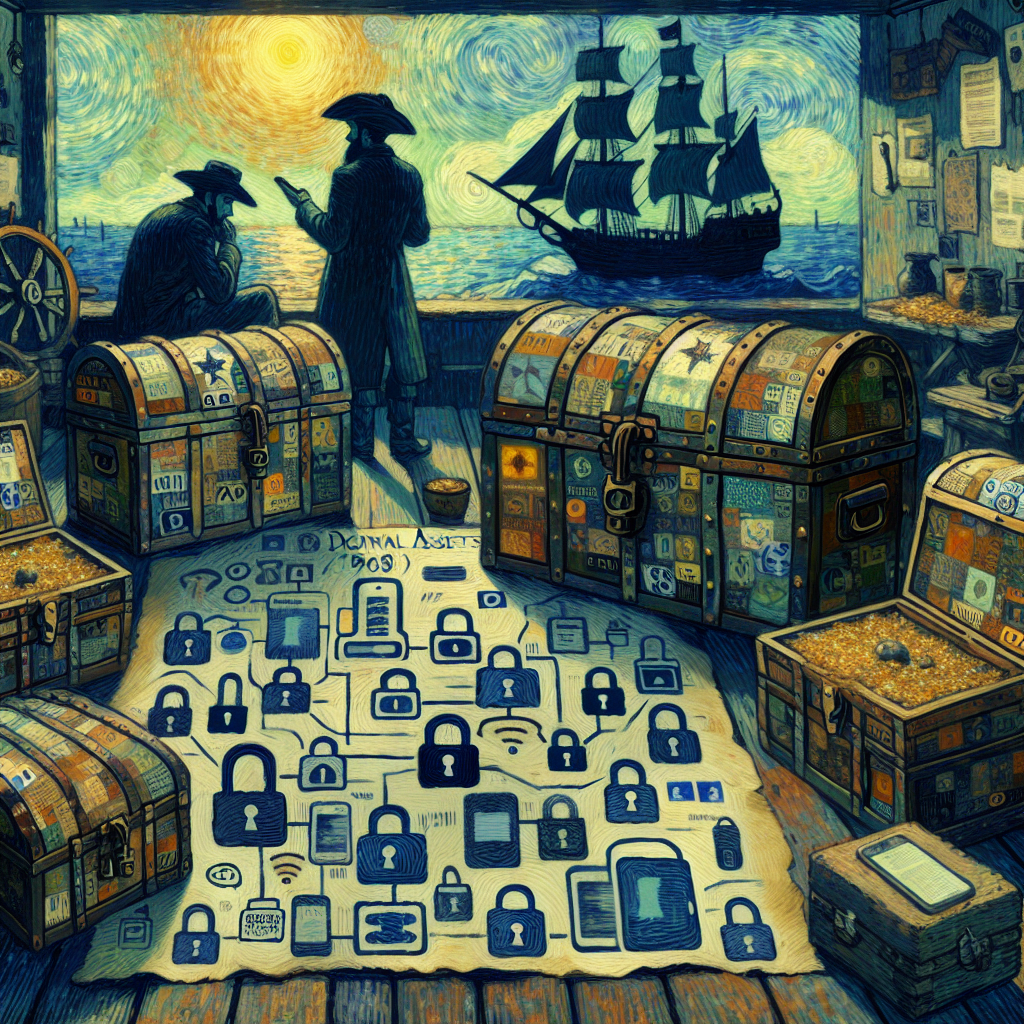
How Do I Ensure My Values Are Conveyed?
How Do I Ensure My Values Are Conveyed?
- Conveying values is akin to building a legacy, focusing on impact while present.
- Understanding your values is crucial; write them down to clarify beliefs.
- Actions are more impactful than words; consistent behavior exemplifies your values.
- Storytelling enhances communication; share personal experiences that reflect your values.
- Feedback is essential; be open to listening and refining how you express your beliefs.
- Conveying values is a continuous effort that shapes your legacy.
- Authenticity in your actions will create a meaningful legacy.

How Do I Ensure My Values Are Conveyed?
What Stories Do I Want To Be Told About Me?
When the final curtain falls, and the applause fades into memory, what remains is the legacy we leave behind. It’s a curious question, isn’t it? We often go about our lives, grinding away, focused on the everyday hustle. But when all is said and done, what stories do I want people to share? If I could hold the reins and steer my narrative, I’d want it to be one steeped in authenticity and connection.
I envision moments when I’m not just a name in the history books but a figure who made a difference in the lives of those around me. Maybe it’s about how I rolled up my sleeves and tackled the tough jobs that nobody else wanted to do. Perhaps I want them to recall how I always took the time to mentor the next generation, offering advice along with a calloused hand and a ready laugh. Shaping a legacy doesn’t require grand gestures. Sometimes, it’s the small acts of kindness that resonate the most—being present, listening, and genuinely caring.
But here’s where it gets tricky: in a world obsessed with social media highlights and flashy accomplishments, it’s vital to stay grounded. I hope my stories shift the focus away from accolades and awards and instead shine a light on grit, perseverance, and perhaps a few hard-earned lessons. It’s about falling down and getting back up; it’s about the times I stumbled yet still reached out to help others find their footing.
You’ll hear tales of camaraderie, of working alongside folks with different backgrounds, united by a common purpose. I want the stories to illustrate that collaboration is what creates change—a tapestry woven from shared experiences and mutual respect.
Above all, I want to be remembered as someone who lived life fully and authentically, facing challenges head-on, with a sense of humor and humility. If the legacy I leave behind inspires even one person to take a leap of faith, lend a helping hand, or advocate for a cause, then my stories won’t just be told; they will resonate through the lives of others, creating a ripple effect of positivity and action. So, what stories do I want to be told about me? The answer is simple: the ones that highlight a life lived with intention, compassion, and a spirit ready to embrace the journey.

What Stories Do I Want To Be Told About Me?
What Stories Do I Want To Be Told About Me?
- The legacy we leave behind is what truly matters after our time is done.
- It’s essential to focus on authenticity and connection in one’s narrative.
- Making a difference in others’ lives often comes from doing difficult tasks and mentoring the next generation.
- Small acts of kindness can be more impactful than grand gestures.
- In a social media-driven world, it’s important to emphasize grit, perseverance, and valuable lessons learned.
- Collaboration across diverse backgrounds is crucial for creating meaningful change.
- The desired legacy includes living life fully, inspiring others, and embracing challenges with humor and humility.

What Stories Do I Want To Be Told About Me?
How Can I Document My Life Experiences?
When it comes to documenting your life experiences, there’s a certain art to it. It’s not just about scribbling down what you had for breakfast or the mundane details of your day. It’s about crafting a narrative that reflects your legacy—a record of who you are and what you’ve been through. So let’s roll up our sleeves and dig in.
First off, start with the big moments. These are the milestones that define you: graduating from school, getting married, having children, and everything in between. Don’t just list these events. Dive into them. Reflect on the lessons you learned, the challenges you faced, and the emotions that swept through you in those pivotal moments. What did you feel as you walked across that stage, diploma in hand? Be honest. It’s those raw emotions that connect us to the past and create a meaningful legacy.
Now, let’s not forget the smaller, everyday moments. They may seem trivial, but they often shape who we are just as much as the big events do. The quiet conversations over coffee, the late-night adventures with friends, the hard-fought battles of your daily grind—these experiences deserve a place in your narrative. Try to jot down reflections about what was happening behind the scenes. How did you feel? What were you thinking? These are the details that paint a full picture.
Consider the format, too. Journals, blogs, scrapbooks—there are countless ways to document your life. Pick one that resonates with you, and don’t let the intimidation of a blank page hold you back. Sometimes, just starting with bullet points or little sketches can get the ball rolling. You don’t have to be an accomplished writer or artist; just be you. Trust me, your authentic voice will shine through.
As you compile these stories, think about the legacy you’re leaving behind. This isn’t just a collection of memories; it’s a window into who you are. It’s a treasure trove for future generations to sift through when they long to know more about you. This is your opportunity to shape how you’re remembered. After all, what better gift can you give than a glimpse into your life—flaws, triumphs, and all? We’re all just trying to leave a little piece of ourselves behind, and documenting your life experiences is a powerful way to do just that. So pick up that pen, hit the keyboard, or grab that camera, and start capturing your story today.

How Can I Document My Life Experiences?
How Can I Document My Life Experiences?
- Documenting life experiences goes beyond simply recording daily activities; it’s about creating a meaningful narrative.
- Start with significant life moments such as graduations, weddings, and major milestones, and reflect on the emotions and lessons learned.
- Smaller, everyday moments also shape our identities; quiet conversations and daily struggles contribute to our overall story.
- Pay attention to the behind-the-scenes thoughts and feelings associated with both big and small experiences.
- Choose a documentation format that resonates with you, whether it’s a journal, blog, or scrapbook, and don’t be intimidated by the blank page.
- Understand that what you compile is not just a memory collection, but a legacy and insight for future generations.
- Start capturing your story authentically, as it is a powerful way to leave a piece of yourself behind.

How Can I Document My Life Experiences?
Conclusion
As we wrap up our journey through the delicate and often overwhelming concept of legacy, let’s take a moment to step back and absorb the reality of what we’re dealing with. Legacy isn’t some grand monument erected in your honor; it’s the sum of the little things—the caring gestures, the quiet acts of kindness, and the stories we weave with those around us. Tom Seest reminds us that it’s not about how spectacularly we shine but how authentically we engage with the lives we touch. These seemingly mundane interactions can ripple through time, planting seeds of influence that bloom in ways we may never see.
Consider the people who come to mind when you think of your own role models. Chances are they aren’t the ones who screamed the loudest or flashed the biggest billboards. They’re the quieter souls—those who made a difference in their own understated ways. Think back on your own life. Who are the unsung heroes who lifted you up, believed in you, and guided you? Remember, you have that power too. It’s in your hands to impact those around you in meaningful ways.
Now, let’s not kid ourselves; we all want to be remembered for something special. But the question is: what do you want those memories to be? What stories do you hope will be told about you? In a world that often focuses on the fast-paced race for achievement, it’s vital to take a moment and reflect. Ask yourself how you want to make your mark. Is it through daily integrity, through acts of listening, or through lifting others when they need it most?
Moreover, don’t be afraid of vulnerability. Every mistake turned lesson is a vital chapter in your legacy. It’s not just about the shiny moments but also about resilience—the ability to bounce back and help others rise as well.
Ultimately, legacy is an intricate tapestry woven from our values, our interactions, and our genuine intentions. It’s about being deliberate in our choices, fostering authentic relationships, and constantly asking ourselves how we can contribute positively to the lives we encounter. So, as you move through your days, embrace the idea that you have everything it takes to build a legacy worth telling. Be kind, live deeply, and create ripples that will echo long after you’ve gone. Your actions today can lead to a profound legacy tomorrow—a legacy that can inspire and uplift those who remember you. Get out there and start crafting a legacy worth telling.

Conclusion
Conclusion:
- Legacy is not a grand monument but the sum of small, caring gestures and acts of kindness.
- Authentic engagement in people’s lives creates influence that can ripple through time.
- Role models are often those who make quiet, understated differences rather than seeking attention.
- Everyone has the power to impact those around them in significant ways.
- Reflect on how you want to be remembered and the stories others will tell about you.
- Embrace vulnerability and learn from mistakes; resilience is also a vital part of your legacy.
- Legacy is shaped by values, genuine intentions, and positive contributions to relationships.

Conclusion
Other Resources

Other Resources
Here is a list of other resources you can review online to learn more:
- Meminto
- Tributize
- Ancestry
- MyHeritage
- LifeWeb 360
- Funeral Services Guide
- FamilySearch
- UpCounsel
- LegacyFamilyTree
- Willmaker
Use This Prompt To Get More Resources With Your Favorite Online AI Tool: Please provide me with a list of online articles with their URLs in a bulleted list that I can read regarding Will Anyone Care About Your Legacy?

Other Resources
Glossary Terms
Will Anyone Care About Your Legacy? – Glossary Of Terms
1. Legacy: The impact, memories, values, and contributions a person leaves behind after their passing.
2. Influence: The capacity to have an effect on the character, development, or behavior of someone or something, often shaping one’s legacy.
3. Memorial: A structure or event established to honor and remember the life and contributions of an individual.
4. Heritage: Traditions, achievements, and cultural elements passed down through generations that shape a person’s legacy.
5. Impact: The strong effect or influence of a person’s actions on others, communities, or society at large.
6. Philanthropy: The act of donating money, goods, or time to support charitable causes and improve the welfare of others, often forming a key part of one’s legacy.
7. Remembrance: The act of remembering someone who has passed, which plays a crucial role in preserving their legacy.
8. Values: The guiding principles and beliefs that influence an individual’s decisions and actions, forming the foundation of their legacy.
9. Memories: Personal recollections and experiences that can keep a person’s spirit alive in the minds of others.
10. Authenticity: The quality of being genuine or true to oneself, which is often crucial in building a cherished legacy.
11. Contribution: The act of giving or helping, forming the basis through which individuals can be remembered positively.
12. Narrative: The story or account of a person’s life, including their experiences and achievements, that shapes how their legacy is perceived.
13. Mentorship: The guidance and support offered by someone experienced, contributing to the growth of others and enhancing one’s legacy.
14. Recognition: Acknowledgment of someone’s achievements or contributions that aids in establishing their legacy.
15. Inspiration: The motivation one provides to others through their actions and achievements, contributing to a lasting legacy.
16. Sustainability: The ability to create enduring impacts and legacies that positively affect future generations.
17. Reflection: The act of contemplating one’s life and contributions, often leading to deeper understanding of what constitutes a meaningful legacy.
18. Connection: Relationships with family, friends, and communities that help ensure an individual’s legacy is carried forward.
19. Generosity: The willingness to give freely, often in the form of time, resources, or love, which can define a person’s legacy.
20. Transcendence: The idea that a person’s influence and legacy can extend beyond their lifetime, affecting future generations.
21. Storytelling: The act of sharing personal narratives and life experiences that communicate an individual’s legacy to others.
22. Accountability: The responsibility one has for their actions, which can significantly affect how a legacy is remembered or evaluated.
23. Continuity: The ongoing existence and connection to a person’s legacy over time, often maintained through traditions or teachings.
24. Vision: A forward-looking perspective that guides one’s actions and ideals, helping to create a meaningful legacy.
25. Purpose: The reason behind one’s actions and contributions, often defining the nature of their legacy.
26. Cultural Legacy: The body of knowledge, customs, and values transmitted from one generation to another that shapes community identities.
27. Appreciation: Recognition and gratitude for someone’s contributions, often vital in keeping their legacy alive in people’s hearts.
28. Intention: The purpose or aim behind actions that communicate one’s values and can solidify their legacy.
29. Enduring Legacy: A legacy that continues to influence and inspire long after a person has passed away.
30. Civic Engagement: Participation in activities that promote the well-being of the community, creating a lasting impact worthy of remembering.

Glossary Of Terms
Other Questions
Will Anyone Care About Your Legacy? – Other Questions
If you wish to explore and discover more, consider looking for answers to these questions:
- What are the common misconceptions about legacy?
- How can I balance my personal goals with building a legacy?
- What are some examples of legacies that have positively impacted communities?
- How do cultural differences influence the perception of legacy?
- Can I change or redefine my legacy over time?
- What role does mentorship play in shaping a legacy?
- How can I inspire others to think about their legacies?
- What tools or methods can help in documenting my legacy effectively?
- How can I ensure my legacy is inclusive and respects diversity?
- What are the psychological benefits of reflecting on one’s legacy?
- How do personal values evolve, and how does it affect legacy?
- What resources are available for those looking to understand and document their legacy?
- How do I start conversations about legacy with my family and friends?
- What impact does social media have on the way we view legacy today?

Other Questions
Haiku
Will Anyone Care About Your Legacy? – A Haiku
Legacy we build bright,
In quiet acts of kindness,
Echo through the years.
Haiku
Poem
Will Anyone Care About Your Legacy? – A Poem
In the quiet dawn, where thoughts reside,
We ponder the echoes that time can’t hide.
A name, a whisper upon history’s shore,
Yet vast as the ocean, what’s left in store?
Not grand achievements, nor fame on high,
But kindness woven, like clouds through the sky.
The warmth of a smile, a hand lent in need,
These moments of grace, the true legacy seed.
Who remembers you, in shadows or light?
The neighbor you aided, the friend in their plight—
It’s not in the spotlight, but small, subtle threads,
In laughter shared late, in the words that were said.
Reflect on your values, the compass you hold,
Integrity, compassion, not just tales of gold.
Each choice we make, every life we steer,
We craft our stories—each moment held dear.
What tales will they tell, in heart’s gentle space?
Of mentorship, laughter, a warm, kindly face.
Not for accolades in a world so grand,
But the grit and the heart—that’s the legacy planned.
So write down your truths—both the light and the dark,
In daily adventures, let your spirit embark.
Your experiences matter, each joy and each scar,
They’re threads of connection, our guiding memoir.
When all is said, and the hushed silence falls,
May you leave a soft ripple, as kindness befalls.
For it’s in these small moments, life’s impact will grow,
A legacy rooted, where love’s rivers flow.

Poem
Checklist
Will Anyone Care About Your Legacy? – A Checklist
1. Reflect on Your Values
_____ Identify what truly matters to you (e. g. , integrity, kindness, creativity).
_____ Write down your core values as a guiding list.
2. Identify Meaningful Moments
_____ Recall specific instances when you felt proud of your actions.
_____ Think about how those moments reflect your values.
3. Assess Your Relationships
_____ Consider the people in your life—family, friends, colleagues, strangers.
_____ Reflect on how you interact with them (e. g. , kindness, patience).
4. Acknowledge Your Mistakes
_____ Recognize past failures and how they shaped you.
_____ Share your recovery stories to inspire resilience in others.
5. Visualize Your Legacy
_____ Imagine what you want people to say about you after you’re gone.
_____ Write down the stories you wish to be told.
6. Engage in Authentic Actions
_____ Make daily choices that align with your values.
_____ Seek opportunities to uplift and support others.
7. Consider Your Impact
_____ Reflect on how your actions ripple into the lives of others.
_____ Think about small, everyday interactions that could create a lasting impact.
8. Document Your Life
_____ Choose a method (journal, blog, scrapbook) to record your experiences.
_____ Include both big milestones and small, everyday moments.
9. Share Your Values
_____ Use storytelling to convey your beliefs and experiences thoughtfully.
_____ Be open to feedback and adjust how you communicate your values.
10. Be Present and Intentional
_____ Make a conscious effort to live in the moment and show kindness.
_____ Cultivate meaningful relationships that contribute to your legacy.
11. Review and Revise
_____ Periodically reflect on your legacy and adjust your actions as needed.
_____ Revisit your list of values and stories to keep your legacy aligned with your evolution.
By following this checklist, you can actively shape and document your legacy while making a positive impact on those around you.

Checklist
At LegacyExplorations, we help people plan and explore their legacy by collecting information and news regarding end-of-life planning.
Please share this post with your friends, family, or business associates who may want help to plan or explore their legacy.