

Preserving Your Legacy For Future Generations
By Tom Seest
At LegacyExplorations, we help people plan and explore their legacy by collecting information and news regarding end-of-life planning.
Please share this post with your friends, family, or business associates who may want help to plan or explore their legacy.
Will Your Grandchildren Know Your Story Without Immediate Effort?
We live in a world bursting at the seams with noise. Every day, we’re bombarded by a torrent of information, photos, and updates about everything from celebrity gossip to the latest viral dance craze. Yet, amidst this cacophony, we often overlook the importance of our own stories. Legacy storytelling is more than just a trend; it’s a bridge connecting generations. Think about it—when you see your grandkids, what image will they have of you? What tales will they pass on?
If you don’t take the time to share your experiences, they may never know who you really are. The stories that shape us—our triumphs, failures, and the lessons learned along the way—aren’t just fodder for a family gathering. They’re the essence of our legacy. Now, considering that today’s youth are glued to screens, the challenge is even greater. You might assume they will mine your life for nuggets of wisdom, but it’s a big leap from scrolling through someone’s life online to genuinely understanding it.
Without immediate effort, our narratives can fade into obscurity. Sure, you can rely on the family photo albums and a few half-remembered anecdotes to get by, but is that enough? Those distant memories are often just pixels on a screen, failing to capture the nuances that make your story resonate. They lack the warmth of a shared laugh or the poignant silence after a tear-jerking moment.
So, it’s time to roll up your sleeves. Get to grafting your legacy. Take the initiative to document your experiences, whether through writing, recording videos, or simply having honest conversations with your family. Share the quirks and peculiarities that make your story worth telling. Did you have a job that seemed absurd at the time? What kind of dumb mistakes did you make? Trust me; those moments—raw and unfiltered—are gold!
Don’t wait for someone else to paint your portrait; grab the brush yourself. Your grandchildren shouldn’t have to dig for your essence in the depths of a digital treasure trove. They should bask in the glow of your stories, laughing, crying, and absorbing the richness of a life well lived. After all, your legacy is your gift, and it should be cherished, not forgotten. So, do it now—leave a piece of yourself that they can hold onto for years to come.

Will Your Grandchildren Know Your Story Without Immediate Effort?
Will Your Grandchildren Know Your Story Without Immediate Effort?
- We live in a noisy world filled with information and updates, but personal stories are often overlooked.
- Legacy storytelling connects generations, shaping how future family members perceive us.
- Sharing our experiences helps preserve who we are and allows our stories to live on.
- Today’s youth are consumed by screens, making it harder for them to connect with our narratives.
- Family photos and anecdotes alone are insufficient to convey the richness of our experiences.
- It’s vital to actively document and share our unique stories through various mediums.
- Your legacy should be a cherished gift for future generations, so take steps to create it now.

Will Your Grandchildren Know Your Story Without Immediate Effort?
Table Of Contents
- Will Your Grandchildren Know Your Story Without Immediate Effort?
- Will Your Grandchildren Know Your Story Without Immediate Effort?
- How Can You Document Your Life Experiences For Future Generations?
- What Tools Can Help Preserve Your Family History Effectively?
- What Mediums Are Best For Recording Your Life Stories Long-Term?
- How Often Should You Update Your Family History Documentation?
- What Challenges Might Arise When Trying To Share Your Life Story?
- How Can You Encourage Family Members To Contribute Their Memories?
- Conclusion
- Other Resources
- Glossary Of Terms
- Other Questions
- Haiku
- Poem
- Checklist
Will Your Grandchildren Know Your Story Without Immediate Effort?
In a world where everything is digitized and fast-paced, it’s easy to overlook an essential part of our existence: our stories. Legacy storytelling isn’t just a quaint notion reserved for campfires and family reunions; it’s a fundamental piece of who we are. But here’s the kicker—if we stick with the status quo, will our grandchildren really know our stories? Chances are, they won’t unless we take immediate action.
Imagine your grandkids, years down the road, rifling through a box of dusty old photos. They stumble upon a faded photograph of you, perhaps standing proudly next to a beat-up pickup truck or holding a fish you caught on a family outing. What will they think? Will they connect with you? Or will it merely be an enigma, a relic of a bygone era? If we don’t put our stories on display—through words, pictures, or even the occasional video—they’ll simply be lost to time. Legacy storytelling involves more than just recounting events; it’s about sharing the heart and soul of experiences that shaped you.
Think about it: every laugh, every struggle, and every triumph has the potential to be a powerful piece of your family’s narrative. Without immediate effort, all those moments can wither away, leaving future generations with little more than a name…and maybe a grave marker. Are we okay with that? I sure hope not. Your legacy isn’t just a collection of memories; it’s a treasure trove of lessons and wisdom waiting to be passed down.
It’s high time we step up to the plate and make ourselves heard. You don’t have to write a memoir or collect every detail of your life. Just begin with simple stories shared over dinner or a cup of coffee. Record those tales—no matter how small they may seem—and start the tradition of passing them down. Today, while you have the chance, take a few minutes to jot down thoughts or record a simple video. Trust me: your grandkids will appreciate the effort, and it might just turn into the kind of wisdom that guides them through their own lives.
In this age of instant information, don’t let your story fade into obscurity. Take that immediate effort. Share your legacy, one story at a time, and ensure that someday, your grandchildren will know exactly who you were.

Will Your Grandchildren Know Your Story Without Immediate Effort?
Will Your Grandchildren Know Your Story Without Immediate Effort?
- Legacy storytelling is vital in a fast-paced, digitized world.
- Future generations may not know our stories unless we take action.
- Photos alone won’t connect grandchildren to their ancestors’ experiences.
- Sharing our stories involves conveying the emotions and lessons from our lives.
- Every moment of laughter, struggle, and triumph contributes to family narratives.
- Start with simple storytelling and record memories through various mediums.
- Take immediate action to ensure your legacy is understood and appreciated.

Will Your Grandchildren Know Your Story Without Immediate Effort?
How Can You Document Your Life Experiences For Future Generations?
In a fast-paced world where it’s all too easy to get swept away by the hustle and bustle, the notion of preserving our life experiences for future generations often feels like a daunting task. But take a moment to consider this: the stories we carry—our struggles, triumphs, and everything in between—are treasures waiting to be unearthed. This isn’t just about jotting down a few notes; it’s about Legacy Storytelling, a term that encapsulates the art of weaving the narrative of our lives into something that can inspire those who come after us.
The first step in this journey of artistic preservation is to ask yourself, “What do I want my future generations to know about me?” It could be the values you hold dear, the hard lessons learned, or the joyful moments that made you laugh until you cried. Write it all down. Start with broad strokes, like the big milestones—your first job, the day you got married, the birth of your children. But don’t stop there. Dive deeper into the minutiae. What did you feel in those moments? What did you learn? It’s these little details that create a vibrant tapestry of your life.
Next, consider the format. Maybe you’re a storyteller at heart and prefer to write a memoir or a series of letters addressed to your descendants. Alternatively, you might lean towards verbal storytelling, recording your experiences on video for a more personal touch. Whichever route you choose, the key is authenticity. Don’t polish your memories to perfection; rather, embrace the imperfections. The moments that brought you pain or joy, laughter or tears, are what connect us, transcending generations.
Gather artifacts, too. Photographs, postcards, newspaper clippings—these treasures serve as anchors to your narrative. They bring to life the words you’ll pen, making your experiences relatably human.
Share your stories regularly, not just for posterity’s sake, but to foster connection in the here and now. Organize family gatherings where stories are exchanged, ensuring that everyone, young and old, listens and contributes.
In this busy world, don’t overlook the importance of Legacy Storytelling. With a little effort and a big heart, you can create a bridge to the future, ensuring that your life experiences resonate through time, inspiring and guiding those who come after you.

How Can You Document Your Life Experiences For Future Generations?
How Can You Document Your Life Experiences For Future Generations?
- Legacy Storytelling preserves personal narratives for future generations.
- Reflect on what you want future generations to know about your life.
- Document both major milestones and the meaningful details of your experiences.
- Choose an authentic format for storytelling, whether written or verbal.
- Incorporate artifacts, like photographs and clippings, to enrich your narrative.
- Regularly share stories to foster connections within your family.
- Legacy Storytelling creates a bridge to the future, inspiring generations to come.

How Can You Document Your Life Experiences For Future Generations?
What Tools Can Help Preserve Your Family History Effectively?
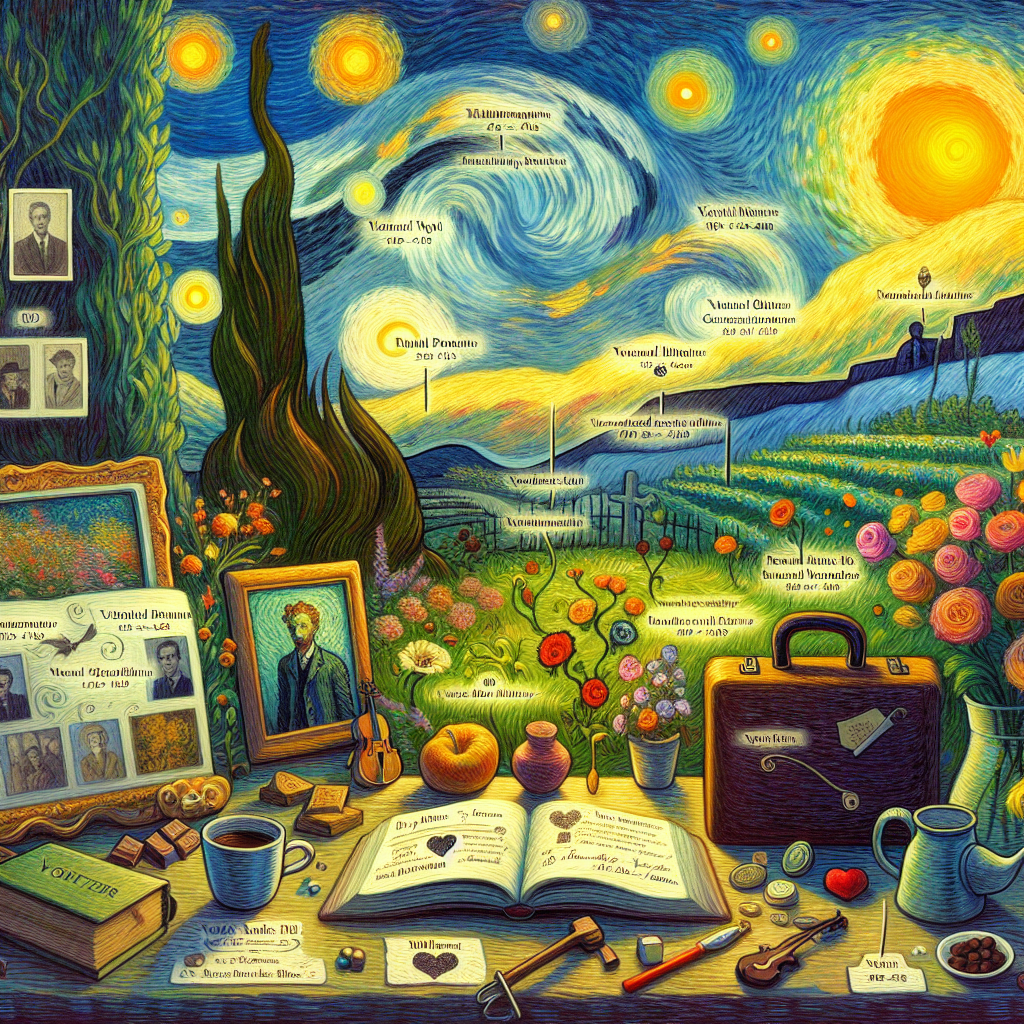
When it comes to preserving family history, it’s a task that often feels overwhelming. Yet, with the right tools in your toolbox, it can be as rewarding as it is enlightening. Here are some tools and techniques that embody the spirit of legacy storytelling, allowing you to weave together the rich tapestry of your family’s past, one thread at a time.
First up, let’s talk about digital archiving. Scanners and high-quality cameras are your best friends here. Old photographs and documents are invaluable nuggets of history that deserve a proper retirement plan. Scanning these artifacts not only saves precious original copies from fading away but also provides you with the perfect opportunity to share them with loved ones far and wide. Once digitized, consider using online platforms dedicated to family history, such as Ancestry.com or FamilySearch.org. These sites offer you the chance to both create a digital family tree and connect with distant relatives who may hold additional pieces of your family puzzle.
Now, moving on to capturing those invaluable stories, let’s not shy away from audio and video recording. There’s something profoundly personal about hearing the voices of our ancestors, sharing experiences that shaped their lives. A simple smartphone or voice recorder can facilitate this. Set up an informal interview with family members—ask them about their childhood, their biggest challenges, and the wisdom they’ve gleaned over the years. These conversations are the threads that bind generations, forming a legacy storytelling that every family should strive to preserve.
Next, think about creating a family website or blog. This is a fantastic way to compile all your findings, stories, and photographs in one accessible place. Plus, it allows family members from all corners of the globe to contribute their own insights and experiences, turning your individual narrative into a cooperative masterpiece.
Don’t underestimate the power of physical products, either. Print a family history book or scrapbook, complete with visual aids and compelling narratives. It’s a tangible way to pass down your legacy, setting your family history in stone, or rather, in print. Each generation can add their own chapters, ensuring the stories live on in every new pair of eyes.
Lastly, digital platforms like social media can serve as modern-day vessels for legacy storytelling. Create private family groups where members can share memories, photos, and, yes, the occasional joke. These spaces become living albums of your family heritage, breaching geographical divides and allowing each member to contribute their voice.
Remember, preserving your family history isn’t just about the past—it’s about laying down the tracks for future generations. So grab those tools, roll up your sleeves, and get to work!
What Tools Can Help Preserve Your Family History Effectively?
What Tools Can Help Preserve Your Family History Effectively?
- Preserving family history can be overwhelming but rewarding with the right tools.
- Digital archiving using scanners and high-quality cameras helps save old photographs and documents.
- Online platforms like Ancestry.com and FamilySearch.org allow for creating a digital family tree and connecting with relatives.
- Audio and video recording of family stories provides personal insights into ancestors’ lives.
- Creating a family website or blog compiles stories, findings, and photographs in one accessible location.
- Physical products such as family history books or scrapbooks serve as tangible legacies for future generations.
- Social media can facilitate legacy storytelling through private family groups for sharing memories and photos.

What Tools Can Help Preserve Your Family History Effectively?
What Mediums Are Best For Recording Your Life Stories Long-Term?
When it comes to capturing your life stories for future generations, the challenge isn’t just finding the right words—it’s finding the right medium. In this digital age, where everything from your grandma’s recipes to your cat’s latest antics can be instantly shared and forgotten, taking a thoughtful approach to legacy storytelling becomes paramount. So, what mediums are best for chronicling your experiences long-term? Buckle up, because we’re diving into the options.
First on the list: the classic pen and paper. There’s something undeniably personal about putting ink to paper. Journal entries, handwritten letters, or even a fully penned memoir can serve as tangible artifacts of your life. They hold not just your words but the essence of your being—the smudges, the misspellings, and the little doodles that reflect who you are. And let’s not forget that paper can withstand the test of time if stored properly. Barring a cataclysmic event, a well-kept notebook can last for generations, making it a reliable option for legacy storytelling.
Now, if you lean towards the techy side, consider digital audio or video recording. Smartphones today come equipped with high-quality cameras and microphones, allowing you to document your stories in real time. Imagine sitting down with your grandkids and letting them hear your voice recounting pivotal moments in your life. Not only does this embed your personality into the stories, but it also captures the nuances of how you tell them—the laughter, the pauses, even the tears. Just be sure to back it up on a hard drive or cloud storage so that future generations can access your tales without a hitch.
For those who might be a little more tech-savvy, blogging or podcasting offers a creative outlet for legacy storytelling. These platforms allow you to share your life experiences as you live them, inviting others to engage with your narrative while preserving it for posterity. The beauty of blogs and podcasts is their accessibility; not only can you reach family and friends, but you can potentially connect with a broader audience—your legacy becoming a public treasure.
Ultimately, whether you choose the comforting weight of a journal or the dynamic flow of digital media, what matters most is the stories themselves. Documenting your life isn’t just about leaving behind a record; it’s about sharing who you are. So pick a medium that resonates with you, and let your tales flow. Your legacy is your story, and it deserves to be told.

What Mediums Are Best For Recording Your Life Stories Long-Term?
What Mediums Are Best For Recording Your Life Stories Long-Term?
- Choosing the right medium is crucial for capturing life stories for future generations.
- Pen and paper offer a personal touch and can serve as timeless artifacts of one’s life.
- Handwritten journals and letters can capture the essence of who you are, including idiosyncratic elements.
- Digital audio and video recordings allow for real-time storytelling, preserving voice and emotion.
- Backing up digital stories is important for accessibility by future generations.
- Blogging and podcasting provide creative platforms for legacy storytelling, reaching wider audiences.
- Regardless of the medium, the significance lies in sharing your stories and preserving your legacy.

What Mediums Are Best For Recording Your Life Stories Long-Term?
How Often Should You Update Your Family History Documentation?
Updating your family history documentation isn’t just a chore; it’s part of the vital dance of legacy storytelling. Think of it as a living organism—breathing, evolving, and, when treated with care, enriching the tapestry of your family’s narrative. So, how often should you roll up your sleeves and dive into this task? The answer isn’t as simple as an annual clean-up or a quarterly review. It’s a fluid, ongoing process that depends on a few key factors.
First, consider the life events that touch your family. Births, deaths, weddings, and significant milestones like graduations are all worthy of documentation. Each event carries its own story—its own emotional weight. When these moments occur, that’s your green light to document. If Aunt Sally celebrates her 80th birthday, don’t just send her a card; pen a few words that capture her essence and place it in the family history file. This doesn’t just add to the archive; it weaves Aunt Sally’s voice into the fabric of your legacy storytelling.
Next, technology plays a role, and believe it or not, even the most modern of conveniences can become your best friend in this task. With digital archives, photo preservation tools, and family genealogy apps, updates can be streamlined to fit your busy life. If new software emerges that promises to make your documentation easier or more engaging, hop on it! Don’t wait for the next family reunion or holiday gathering. If inspiration strikes while you’re perusing old photos or reminiscing with a loved one, seize the moment!
Moreover, making it a ritual can help ease the pressure. Set aside a regular time—a monthly coffee break or a Sunday afternoon—to reflect on your family legacy. Encourage everyone to contribute, share stories, or even update their sections. This creates a community around your family history that can be just as rewarding as the documentation itself.
In this fast-paced world, family history may seem like a luxury. But don’t underestimate its power. It’s not just about preserving the past; it’s about enriching the present and crafting a narrative for future generations to carry. So update often, document freely, and let the stories flow. Your legacy storytelling is waiting!

How Often Should You Update Your Family History Documentation?
How Often Should You Update Your Family History Documentation?
- Updating family history is a crucial part of legacy storytelling, akin to a living organism.
- The frequency of updates is not fixed; it’s an ongoing process influenced by various factors.
- Document significant life events—births, deaths, weddings, and milestones to capture their stories and emotional weight.
- Utilize technology such as digital archives and genealogy apps to streamline the documentation process.
- Be proactive about updating; don’t wait for family gatherings to document inspiration and memories.
- Establish a regular ritual for reflection and contributions to encourage community involvement in family history.
- Family history enriches the present and preserves narratives for future generations; update frequently and share stories freely.

How Often Should You Update Your Family History Documentation?
What Challenges Might Arise When Trying To Share Your Life Story?
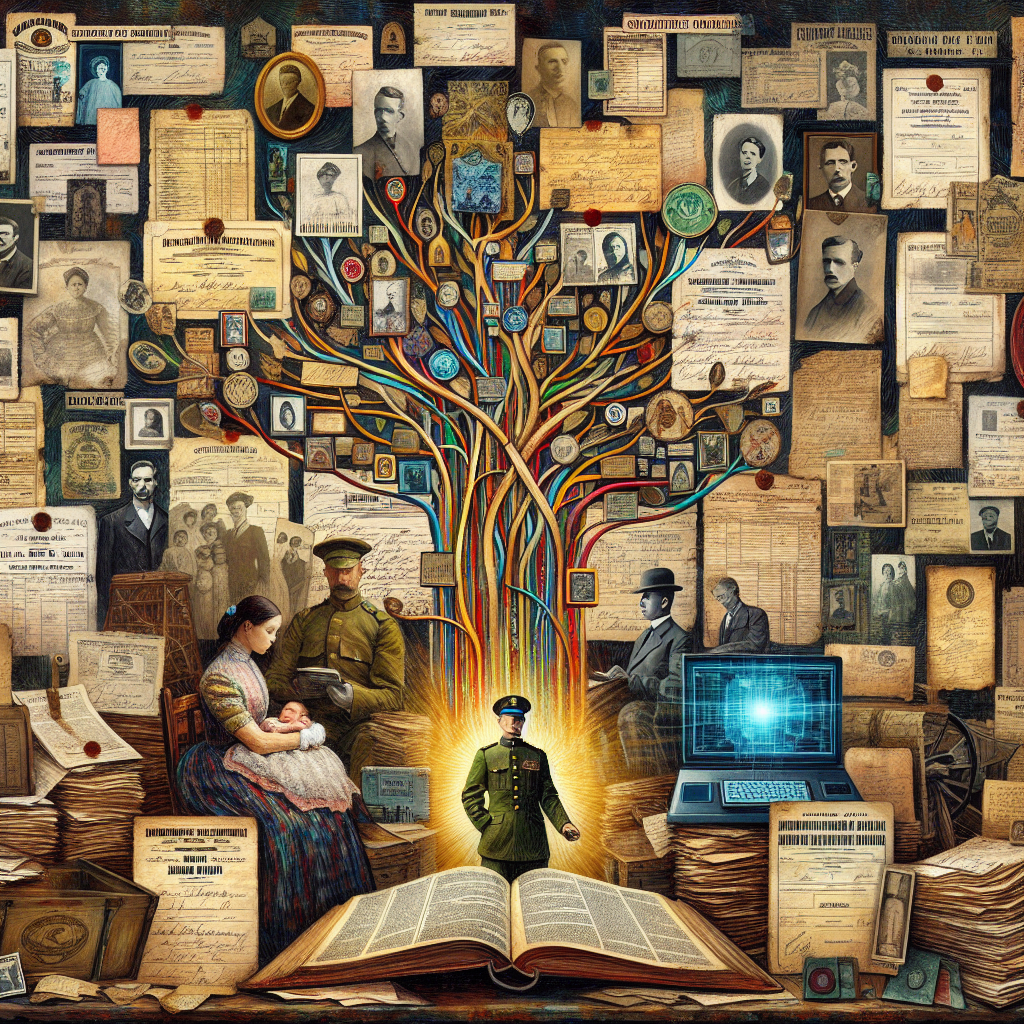
When it comes to Legacy Storytelling, the desire to share your life story is often laden with complexities and challenges. It’s a noble pursuit, one that can bridge generations and impart wisdom to those who come after us. However, diving into the depths of your own experiences can sometimes feel like trying to navigate a minefield blindfolded.
First off, there’s the question of vulnerability. Opening up about your life isn’t just about recounting events; it’s laying bare your triumphs and, perhaps more daunting, your failures. The fear of judgment can loom large. Who wants to expose their scars to the world? It’s easier to keep the curtain drawn, to keep those stories locked away, than to risk the have-nots and should-haves surfacing for judgment. Sharing can be liberating, but it can also make you feel like a deer in headlights.
Then there’s the issue of audience. Who are you telling your story to? Is it a family gathering, a memoir for future generations, or perhaps a public forum? Each audience requires a different approach. The intimate family stories that may bring tears to your mother’s eyes might leave a distant relative completely bewildered. Tailoring your message for different listeners adds an extra layer of difficulty. It’s like trying to cook a meal that caters to all different tastes, and the recipe is still in your head.
Moreover, there’s the challenge of memory itself. Our brains tend to edit experiences in lieu of nostalgia or regret over time. What seemed like a minor blip on the radar during your youth might emerge later as a pivotal moment when seen in the rearview mirror. Trying to objectively sift through your past can be like piecing together a puzzle with half the pieces missing. You remember the highlights, sure, but the nuanced details that bring those moments to life? Those often fade away.
And let’s not forget about the practical aspects—time, format, and technology. Whether you’re typing away on a computer, scribbling in a notebook, or recording narrations, the logistics can become overwhelming. Finding the right method to convey your experience can feel as daunting as the stories themselves.
While the intention of Legacy Storytelling is powerful, the obstacles are real. The journey of sharing your life story can be tumultuous, but, oh, what a ride it is. Face those challenges head-on, and you might just discover a nuanced narrative waiting to be told.
What Challenges Might Arise When Trying To Share Your Life Story?
What Challenges Might Arise When Trying To Share Your Life Story?
- Legacy Storytelling is a noble pursuit that bridges generations and imparts wisdom.
- Sharing personal experiences involves vulnerability and the fear of judgment over triumphs and failures.
- Understanding the audience is crucial, as different settings require tailored storytelling approaches.
- Memory challenges arise as experiences may be edited over time, altering perceptions of past events.
- Practical logistics, such as time, format, and technology, add complexity to the storytelling process.
- Despite the obstacles, the journey of sharing one’s story is impactful and rewarding.
- Confronting these challenges can lead to the discovery of a rich and nuanced narrative.

What Challenges Might Arise When Trying To Share Your Life Story?
How Can You Encourage Family Members To Contribute Their Memories?
Encouraging family members to contribute their memories can feel like a daunting task, but it’s often simpler than you might think. The key is to transform the serious act of legacy storytelling into an enjoyable and engaging experience. First, let’s set the stage. Gather your family members in a comfortable space, perhaps around the dinner table or on a cozy couch. This intimate setting sends a message: every story matters, and everyone is welcome to share their piece of the family puzzle.
Start small. You don’t need to dive straight into the deep waters of family history. Begin with light prompts—ask about a favorite holiday memory or a cherished childhood toy. Draw them in with questions like, “What was the most trouble you ever got into?” You’ll find that laughter is a great lubricator for conversation. Remember, sharing memories should be a joyous event, not an interrogation.
Next, implement the “story circle” technique. Each person takes a turn sharing one memory while everyone else listens attentively. This not only helps in remembering different perspectives but also strengthens family bonds. Make it fun—add props like old photographs or mementos to kick-start discussions. A faded photograph of your uncle in bell-bottoms could open up a treasure trove of stories, and before you know it, you’ve got a lively evening filled with nostalgia.
In this digital age, consider using technology to your advantage. Set up a family group chat or a shared online document where everyone can jot down memories or anecdotes as they come to mind. You could even create a family podcast or video series where members can record their stories, allowing people to contribute at their own pace and comfort level. This way, it’s not just about the act of storytelling but about preserving the rich tapestry of your family history.
Encourage participation by emphasizing the importance of every individual’s voice. Remind them that these stories are not just personal tales; they’re the threads that weave the fabric of your family’s legacy. As memories are shared and recorded, they become a gift that can be passed down through generations—a treasure chest of moments that define who you are as a family.
Ultimately, the goal is simple: create an atmosphere where storytelling is celebrated and every memory is cherished. In doing so, you’re ensuring that your family’s legacy is not only remembered but also revered, passed down like an heirloom that continues to grow richer with each telling.

How Can You Encourage Family Members To Contribute Their Memories?
How Can You Encourage Family Members To Contribute Their Memories?
- Encourage family members to share memories in an enjoyable and engaging way.
- Gather in a comfortable setting, emphasizing that every story matters.
- Start with light prompts, like favorite holiday memories or childhood toys.
- Utilize the “story circle” technique for sharing while everyone listens.
- Incorporate props like old photographs to stimulate discussion and fun.
- Use technology, such as group chats or podcasts, to facilitate sharing memories.
- Create an atmosphere where storytelling is celebrated and every memory cherished.

How Can You Encourage Family Members To Contribute Their Memories?
Conclusion
Ladies and gents, let’s take a moment to reflect on something crucial—your story. You see, in this frenetic world where we’re swamped by information like it’s a digital tsunami, the tales that make us who we are often get lost in the shuffle. But here’s the rub: your legacy isn’t just a collection of experiences and memories; it’s a vital link that binds generations together. Do your grandkids know who you truly are? If you keep your story locked up tighter than a jar of pickles, chances are they won’t.
We’ve all been there, rifling through dusty photo albums, squinting at grainy images, trying to extract a narrative from a single snapshot. If our lives exist only in half-remembered anecdotes and a couple of forgotten family gatherings, they’ll amount to nothing more than faded memories—just pixels on a screen. You don’t want your grandchildren scrolling through your life like it’s a social media feed. You want them engaged, laughing, crying, and soaking in the rich tapestry of your life!
So, what’s the fix? It’s time to roll up your sleeves and get to work. Shared stories— the joyous, the painful, the downright absurd— are what make your legacy resonate. Begin now: write it down, record your voice, share dinner table tales, or even fire up the old smartphone to catch some of those unfiltered moments on video. The quirks and eccentricities—the job that went sideways, the epic mistakes you made—these are golden nuggets that future generations will treasure.
Don’t wait. Your narrative deserves the spotlight, and it’s your job to ensure it shines brightly for your grandkids and beyond. Think of legacy storytelling not as a chore but as a gift, a bridge that spans generations, ensuring that laughter, wisdom, and life lessons get passed down through the ages. Take the initiative, revel in the storytelling process, and turn those awkward family dinners into epic tales that future generations will recount with joy.
Get out there, craft your legacy, and cherish your memories. Embrace the journey of telling your story; it’s an invaluable treasure for those who will come after you. They’ll thank you for it someday, and trust me, the world could always use a little more authenticity and heart. The time to act is now—your grandchildren are counting on you.

Conclusion
Conclusion:
- Your story is crucial in a world overwhelmed by information.
- Your legacy connects generations and should not be kept hidden.
- Engaging storytelling is vital for your grandkids to know who you are.
- Dusty photo albums and forgotten memories don’t capture your life fully.
- Share your life’s joyful, painful, and absurd moments through various mediums.
- Legacy storytelling is a gift that ensures wisdom and laughter are passed down.
- Embrace the storytelling journey; it’s an invaluable treasure for future generations.
Conclusion
Other Resources

Other Resources
Here is a list of other resources you can review online to learn more:
- EverNote
- deviantART
- LifeBio
- USLegalWills.com
- FutureMe
- Digital Legacy Association
- EverLoved
- Funeral Finder
- Obituary Templates
- PartingWishes
Use This Prompt To Get More Resources With Your Favorite Online AI Tool: Please provide me with a list of online articles with their URLs in a bulleted list that I can read regarding Will Your Grandchildren Know Your Story Without Immediate Effort?

Other Resources
Glossary Terms
Will Your Grandchildren Know Your Story Without Immediate Effort? – Glossary Of Terms
1. Ancestry: The lineage or heritage of an individual, often researched for historical context or family connection.
2. Archive: A collection of documents or records persevered for future reference, often containing personal or family history.
3. Oral History: The practice of collecting and preserving personal narratives and traditions through spoken stories and interviews.
4. Legacy: Something handed down by a predecessor; can refer to values, traditions, or tangible items like property and ethics.
5. Memoir: A written account of someone’s personal experience or narrative focusing on specific events or periods in life.
6. Genealogy: The study of family descent and the tracing of lineage through historical records, often creating family trees.
7. Preservation: The process of maintaining and protecting artifacts, documents, or traditions to ensure they endure over time.
8. Cultural Heritage: The legacy of physical artifacts and intangible attributes of a group or society that are inherited and preserved.
9. Storytelling: The art of narrating stories, often passed down through generations to convey history, morals, or community values.
10. Tradition: Customs or beliefs passed down from one generation to another, which may include practices, stories, and values.
11. Digital Archive: An electronic repository for storing documents, photos, videos, and other digital files related to an individual’s history.
12. Decentralized History: The concept of many storytelling mediums that allow personal histories to be shared more widely outside traditional structures.
13. Future Ancestral Literacy: The ability of future generations to understand and interpret stories and histories of their ancestors.
14. Memory Mapping: A method of visualizing personal histories and memories, often using maps or timelines to connect experiences to locations.
15. Story Sharing Platforms: Online tools or websites designed to facilitate the sharing and documenting of personal stories and family histories.
16. Family Archiving: The systematic organization and preservation of a family’s historical documents and memories for future reference.
17. Legacy Journals: Personal diaries or journals aimed at recording significant life events, lessons learned, and personal philosophies for heirs.
18. Historical Context: The background information that provides context for understanding personal stories within broader societal events.
19. Memoir Writing: The craft of composing personal stories in a structured format, often with a focus on lessons learned or life-changing experiences.
20. Elders’ Wisdom: The knowledge and insights of older generations, traditionally conveyed through storytelling and personal interactions.
21. DNA Testing: A method used to trace ancestry and heritage by analyzing genetic information, revealing connections to ancestors.
22. Nostalgia: A sentimental longing for the past, particularly relating to one’s own experiences and histories.
23. Photographic Narratives: The use of images alongside text to create or tell stories about people, places, and events from personal history.
24. Memory Preservation: Activities aimed at capturing and safeguarding personal memories and experiences to share with future generations.
25. Narrative Identity: The internalized and evolving story of the self, which shapes personal identity and can be communicated to others.
26. Family Reunion: A gathering of family members, often used as a platform to share stories, reinforce connections, and celebrate heritage.
27. Community Storytelling Events: Organized gatherings that promote the sharing of personal histories within local communities, strengthening cultural bonds.
28. Intangible Heritage: Non-physical aspects of a culture, such as folklore, traditions, and performing arts, that contribute to storytelling.
29. Ethogram: A record or log used to document behaviors and practices of a person or group, often used in studying familial interactions.
30. Inheritances of Memory: The concept that memories and stories are bequeathed across generations, shaping the identity of descendants.

Glossary Of Terms
Other Questions
Will Your Grandchildren Know Your Story Without Immediate Effort? – Other Questions
If you wish to explore and discover more, consider looking for answers to these questions:
- What are some effective methods for documenting your life stories?
- How can I engage younger generations in legacy storytelling?
- What are the emotional benefits of sharing personal stories?
- How can storytelling tools be utilized in family history documentation?
- What are some common pitfalls to avoid when sharing your life story?
- How do I choose the right stories to share with my family?
- What role do family gatherings play in preserving legacy stories?
- How can I create a family history project that includes contributions from all members?
- What are the long-term benefits of documenting family histories?
- How can I ensure that my family history documentation is accessible to future generations?
Other Questions
Haiku
Will Your Grandchildren Know Your Story Without Immediate Effort? – A Haiku
Share your true story,
Legacy threads intertwine—
Youth grasp warmth of you.

Haiku
Poem
Will Your Grandchildren Know Your Story Without Immediate Effort? – A Poem
In a world where noise drowns the past,
Amidst the chaos, stories fade fast.
A bridge to generations, we must construct,
So future kin know us, our lives unstuck.
For what will they find in the digital tide?
A mere glimpse through pixels, where truths may hide.
Without immediate effort to share from our hearts,
Our essence may dwindle, as time swiftly departs.
Gather ’round tables, in warmth we confide,
With laughter and tears, let our histories glide.
Capture the whims and the scars of the years,
Every triumph, each blunder, mixed laughter with tears.
Not just stories told—let’s document well,
Through scribbled letters and tales we can tell.
Record our voices, our laughter, our sighs,
For in those small moments, our legacy lies.
Photos and artifacts tell tales of their own,
But words woven deeply create a rich tone.
So use every medium—paper, video, or blog,
Each slice of our life—a meaningful cog.
Yet challenges rise, like shadows in light,
Vulnerability lingers, a fear of the fight.
But with love in the air and acceptance at hand,
We open our hearts, and together we stand.
Encourage the family, let memories flow,
In circles of stories, our bonds gently grow.
Through smiles and through tears, let our voices unite,
As we pass down our legacies, shining so bright.
So in this swift age, don’t let silence prevail,
Embrace your own story, let your truth set sail.
For in sharing our lives, we build a grand scheme—
A legacy crafted, a family dream.

Poem
Checklist
Will Your Grandchildren Know Your Story Without Immediate Effort? – A Checklist
1. Identify Your Story
_____ Reflect on key life experiences you want to share with future generations (triumphs, challenges, lessons).
2. Choose a Format
_____ Decide how you want to document your stories (writing, video, audio).
3. Gather Artifacts
_____ Collect meaningful items (photos, letters, mementos) that can enhance your narrative.
4. Schedule Regular Storytelling Sessions
_____ Set aside time for family gatherings or personal reflection to share new stories or updates.
5. Prompts for Sharing
_____ Prepare a list of open-ended questions to help you and family members recall memories (e. g. , “What was your favorite holiday?”).
6. Engage Family Participation
_____ Organize a family story circle where everyone shares a memory, enhancing connection and participation.
7. Utilize Technology
_____ Create a family group chat or shared online document for easy memory recording and sharing.
8. Record Conversations
_____ Use a smartphone or voice recorder to capture interviews with family members to document their stories.
9. Create Digital Archives
_____ Scan and digitize old photos and documents to preserve them and make them accessible to family members.
10. Establish a Family History Ritual
_____ Consider making documentation a family tradition (e. g. , monthly storytelling dinners).
11. Share Your Process
_____ Involve younger generations by showing them how to document and share their own stories.
12. Update Regularly
_____ Incorporate significant life events and milestones into your family history documentation as they happen.
13. Embrace Vulnerability
_____ Allow yourself to share both successes and failures in your stories to create authenticity.
14. Enjoy the Journey
_____ Remember to make storytelling a fun and engaging activity that fosters connection, not a task to dread.
15. Celebrate Contributions
_____ Acknowledge and value every family member’s stories to reinforce the importance of collective legacy.
By following this checklist, you can take actionable steps towards preserving your legacy and ensuring that future generations know their family story.
Checklist
At LegacyExplorations, we help people plan and explore their legacy by collecting information and news regarding end-of-life planning.
Please share this post with your friends, family, or business associates who may want help to plan or explore their legacy.