

Building A Timeless Legacy Across Generations
By Tom Seest
At LegacyExplorations, we help people plan and explore their legacy by collecting information and news regarding end-of-life planning.
Please share this post with your friends, family, or business associates who may want help to plan or explore their legacy.
Will Your Legacy Bridge Generations and Cultures?
When we think about legacy, it’s easy to focus on the material—lands, wealth, and perhaps a nice collection of trinkets that nobody really wants. But what if I told you that the most valuable gifts we can pass down go beyond the physical? That’s where Legacy Storytelling comes into play. It’s not just a trend; it’s a meaningful way to connect hearts and minds across generations and cultures.
Imagine for a moment your grandmother sitting in her favorite chair, sharing tales from her youth—stories filled with laughter, tears, and lessons learned. Each story is a thread, weaving a fabric of shared experience that wraps around you. As she recounts her journey, she’s not just reminiscing; she’s bridging the gap between her world and yours, pulling you into a rich tapestry of human experience that knits together past and present.
Now, think about your own stories. What lessons have you learned? What challenges did you face? Your own life narrative is not just your story; it’s a universal experience that can resonate across cultures and ages. Sharing your legacy through storytelling opens doors to understanding and connection, inviting others to learn from your experiences while offering a glimpse into different perspectives. It’s like holding a mirror up to society where everyone can see themselves reflected, each with their own unique story but bound by shared emotions and struggles.
The beauty of Legacy Storytelling is that anyone can be a storyteller. It doesn’t require an audience or even a platform. It can happen around a dinner table, in a letter, or even in a simple conversation. The act of sharing is a gift, one that invites others to reflect, empathize, and perhaps even inspire change within themselves.
So, why not start today? Take a moment to jot down a story, record a conversation, or pass down an old family recipe with a twist. Your story has the potential to echo through time, fostering connections that transcend not only generations but cultures as well. By sharing your legacy, you’re inviting others into your world—to learn, to grow, and ultimately to understand that we are all threads in the same beautiful tapestry of humanity. Embrace the power of your story; it could be the bridge that connects us all.

Will Your Legacy Bridge Generations and Cultures?
Will Your Legacy Bridge Generations and Cultures?
- Legacy goes beyond material possessions; it encompasses the stories and experiences we share.
- Legacy Storytelling is a meaningful way to connect across generations and cultures.
- Personal stories, filled with laughter and lessons, create a shared fabric of human experience.
- Your life narrative can resonate universally, offering insights across different ages and cultures.
- Anyone can be a storyteller; sharing can occur in informal settings, like around a dinner table.
- Sharing your legacy encourages reflection, empathy, and potential personal transformation in others.
- By documenting and sharing your story, you foster connections that enhance understanding and unity in humanity.

Will Your Legacy Bridge Generations and Cultures?
Table Of Contents
- Will Your Legacy Bridge Generations and Cultures?
- What Does It Mean To Leave A Legacy?
- How Can My Legacy Impact Future Generations?
- How Do I Define My Personal Values For My Legacy?
- What Role Do Cultural Differences Play In Legacy?
- What Traditions Should I Pass Down To My Heirs?
- How Do I Ensure My Values Are Respected Across Cultures?
- What Are Effective Ways To Communicate My Legacy Vision?
- Conclusion
- Other Resources
- Glossary Of Terms
- Other Questions
- Haiku
- Poem
- Checklist
What Does It Mean To Leave A Legacy?
When we think about legacy, it often conjures up images of grand gestures or monumental achievements. But let’s take a step back and consider a different angle: legacy isn’t just what we leave behind in terms of wealth or accolades; it’s about the stories we tell and the lives we touch along the way. That’s where the art of Legacy Storytelling comes into play. It’s the way we communicate our values, our experiences, and our passions to those who come after us.
You see, every single one of us has a unique story. It’s shaped by our triumphs, our failures, and, yes, even our mundane, everyday moments that so often go unnoticed. Think about it—how often do we reminisce about the lessons learned from our toughest days or the laughter shared around the dinner table? These little snippets of life create a tapestry of memories that can inspire others long after we’re gone. That’s where the power of storytelling shines.
Imagine a young person sitting under a tree, listening to their grandparent recount tales of resilience, creativity, or kindness. Those stories become a guiding light, sparking curiosity and instilling values that transcend time. This is the essence of legacy: imparting wisdom and inspiration to future generations, building a bridge from the past to the future.
But let’s not forget the power of action. Legacy isn’t something we passively leave behind; it’s cultivated through our choices every day. Whether it’s mentoring a young adult, volunteering in your community, or simply being the kind of friend who listens, every act counts. These moments, combined with our personal narratives, become the foundation of what we leave behind.
So, how do we begin this journey of Legacy Storytelling? Start small. Share a meaningful story with someone you care about. Let them in on your experiences, your quirks, and your dreams. Create an environment where stories are welcomed and cherished. Encourage others to share their tales too; you might be surprised at how much you can learn.
When all is said and done, our legacies won’t just be about the physical things we leave behind, but the connections we forge, the stories we share, and the lives we touch. So, let’s step up and start crafting a legacy that resonates—one that’s rich, meaningful, and undeniably human.

What Does It Mean To Leave A Legacy?
What Does It Mean To Leave A Legacy?
- Legacy is not only about wealth or accolades but also about the stories we tell and lives we touch.
- Each person has a unique story shaped by their triumphs, failures, and everyday moments.
- Every small memory has the potential to inspire others long after we are gone.
- Storytelling imparts wisdom and values to future generations.
- Legacy is actively cultivated through daily choices and actions.
- Begin Legacy Storytelling by sharing meaningful stories with others and creating a welcoming environment for storytelling.
- Our true legacies are defined by the connections we make and the impact we have on others’ lives.

What Does It Mean To Leave A Legacy?
How Can My Legacy Impact Future Generations?
When we think about legacy, it often conjures up images of grand monuments or famous names etched in stone. But let me tell you, legacy isn’t just about the big stuff. It’s about the everyday choices we make and the stories we pass down. In fact, Legacy Storytelling is one of the most powerful ways we can influence the lives of those who come after us.
Think about it: every time you share a personal story—a family tradition, a lesson learned the hard way, or even a laugh over a silly mistake—you are crafting a piece of your legacy. These nuggets of wisdom don’t just disappear into the ether; they plant seeds in the minds of your kids, grandkids, and beyond. It’s like giving them a toolbox loaded with the tools they’ll need to navigate their own lives. And trust me, they will remember your stories when the chips are down.
Now, you might be wondering how your everyday actions tie into this whole legacy business. Well, let’s break it down. When you approach life with gratitude and resilience, you’re modeling behaviors for future generations. They watch you, they learn from you, and they absorb your values like sponges. Every small act of kindness, every moment of integrity—it all adds up. You’re not just living; you’re teaching.
And here’s the kicker: your legacy doesn’t need to be flawless. It can be messy and imperfect, just like life itself. Embrace your failures and share those stories, too. Vulnerability is relatable and connects us in profound ways. Remember, your children or grandchildren won’t judge you for not having it all figured out; they will likely find strength in your honesty.
So, what can you do today? Start telling your stories! Gather the family around the table and share your experiences. Write them down or pass them on through conversations. The more you weave your legacy into the fabric of your family, the stronger the threads of connection will be. But don’t stop there—encourage your loved ones to share their stories as well. Foster a culture of storytelling, and watch how it transforms bonds across generations.
In a world that often feels disconnected, your legacy can ground future generations, providing them with the tools they need to carve out their own paths. It’s a lasting impact, and it’s one you have the power to shape today. So roll up your sleeves, open your heart, and start crafting that legacy you want to leave behind!

How Can My Legacy Impact Future Generations?
How Can My Legacy Impact Future Generations?
- Legacy is not only about grand monuments; it’s shaped by everyday choices and shared stories.
- Legacy Storytelling influences future generations through personal stories, traditions, and lessons learned.
- Sharing experiences acts as a toolbox for children and grandchildren, helping them navigate life.
- Modeling gratitude and resilience teaches values that future generations will absorb.
- Your legacy can be imperfect; sharing your failures fosters connection through vulnerability.
- Encourage family storytelling to strengthen connections and create a culture of shared experiences.
- Your legacy can provide grounding for future generations, empowering them to carve their own paths.

How Can My Legacy Impact Future Generations?
How Do I Define My Personal Values For My Legacy?
Defining your personal values is not just a task; it’s an invitation to craft the narrative of your life, a blueprint for your legacy storytelling. When we talk about a legacy, we’re often knee-deep in grand concepts—achievements, accolades, or even the sheer volume of stuff left behind. But let me tell you, the heart of your legacy doesn’t rest in external markers; it beats in the values you choose to live by.
Start by slowing down and taking a good look in the mirror. What do you actually stand for? What principles make your heart race with purpose? It’s a crucial moment; it’s where you dig deeper into the layers of yourself that often go untouched in our busy lives. Are you a champion of honesty? A seeker of justice? Perhaps you value connection above all, or you’re driven by a relentless curiosity. Whatever it is, identify those core values because they will serve as your compass, steering the way your life unfolds.
Now, hold those values up like a lamp in the dark. How do they resonate in your day-to-day life? Are you living in alignment with them, or have they been shelved for more convenient distractions? Reflection is critical here. For me, it’s like wearing a worn-out pair of boots that have taken me on countless adventures: comfortable, reliable, and a testament to the journeys we’ve undertaken together. You see, your personal values are your boots, carrying you forward through life’s landscapes.
Once you’ve identified and embraced your personal values, it’s time for legacy storytelling. Share your values through actions; let them spill out into the world. Maybe it’s volunteering your time to a cause close to your heart or simply providing guidance to someone who could use a helping hand. It’s the little moments that ripple outwards, influencing the lives around you.
Before you know it, you’ll find that your legacy isn’t just what you leave behind; it’s how you influence those who come after you. Become a storyteller of your own life—act in ways that reflect your values and inspire others to do the same. In a world desperate for authentic voices, your values are like stars in the night, guiding and illuminating a path for others. So, roll up your sleeves, jump in, and live your values out loud. Your legacy will thank you for it.

How Do I Define My Personal Values For My Legacy?
How Do I Define My Personal Values For My Legacy?
- Defining personal values crafts the narrative of your life and serves as a blueprint for your legacy.
- The essence of legacy lies in the values one lives by, not just external achievements or possessions.
- Self-reflection is crucial to identify core values that resonate with one’s purpose.
- Personal values act as a compass, guiding life’s direction amidst distractions.
- Embrace and align daily actions with identified values to create an authentic life.
- Legacy storytelling involves sharing values through actions, positively influencing others.
- Living out loud with your values not only enhances your legacy but also inspires those around you.
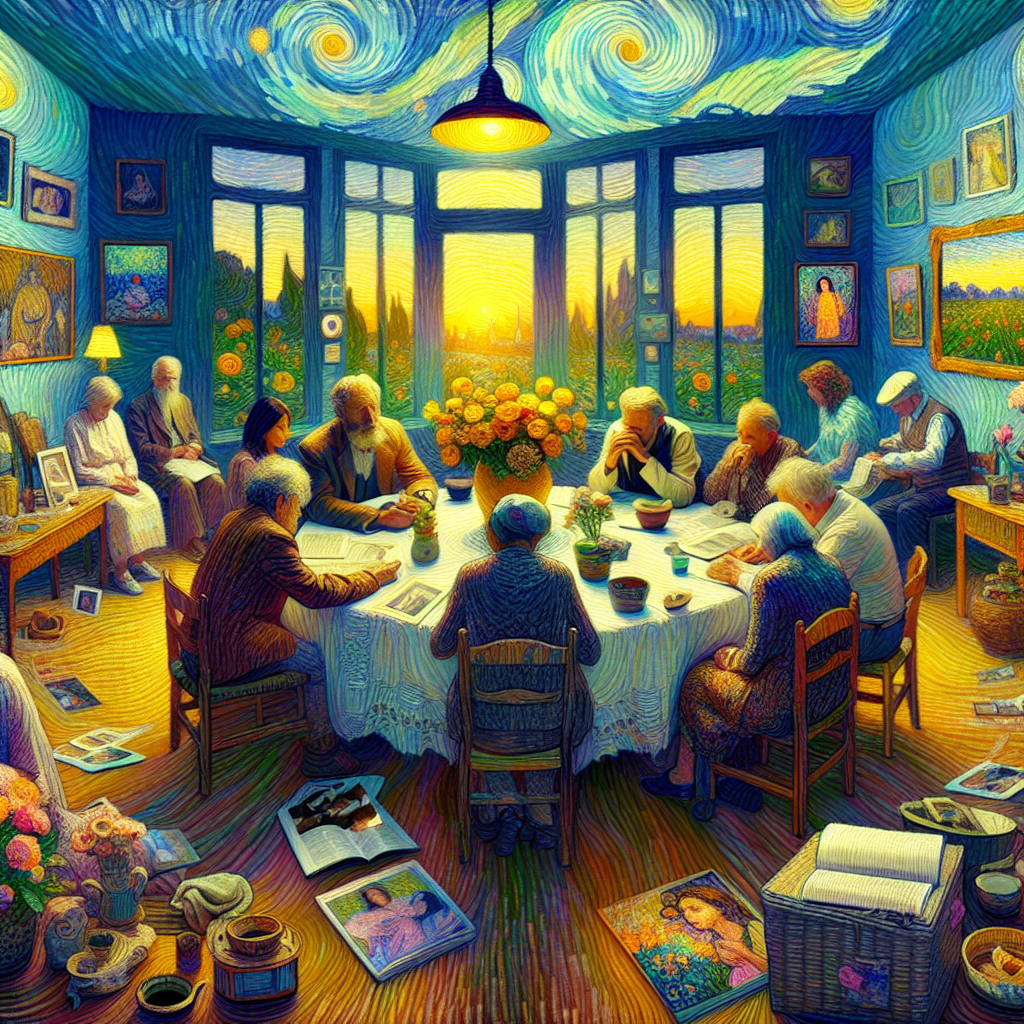
How Do I Define My Personal Values For My Legacy?
What Role Do Cultural Differences Play In Legacy?
When we talk about legacy, we often think of the monumental achievements that stand the test of time—a towering statue, a best-selling book, or perhaps the ethos of a company that grew from a single garage. But if we take a moment to muddy our boots and look deeper, we quickly realize that legacy is nothing without the stories that shape it. Legacy storytelling is a thread woven through the lives of our families, communities, and societies.
Cultural differences play a massive role in how we tell these stories and what they mean to us. Imagine two people, raised in different cultures, trying to explain what legacy means to them. One might tell of ancestors who forged a path through hardship, illuminating the way for future generations. The other might emphasize the importance of communal achievements, painting a vibrant picture of collective victories and shared experiences. Both stories are powerful, but they stem from unique viewpoints shaped by distinct traditions and values.
Take a moment to reflect on your own background. What tales have been handed down to you? Perhaps your grandmother shared stories around the dinner table, infusing them with laughter, tears, and life lessons learned the hard way. Or maybe you found solace in folktales that offered characters who faced trials much like your own. Each of these narratives serves to build your understanding of not only where you come from but also where you’re going.
Cultural differences enrich these stories; they shape the narrative’s tone, context, and rhythm. They guide how we connect with others, the values we prioritize, and the lessons we hold dear. In a globalized world, cultural diversity prompts us to broaden our perspectives and weave new threads into our legacy storytelling.
So, what can we do with this knowledge? Start by seeking out these diverse narratives, whether in books, films, or from people in your community. Listen attentively—there’s wisdom to be found in every tale, even if it feels foreign at first. By embracing these differences, we honor the complexities of humanity, ensuring that our legacies are rich tapestries of experience. It’s not just about what we leave behind but how our stories bring us together, forming connections that can defy time and distance. Embrace your own legacy, and let the world’s myriad stories inspire you to create one that truly resonates.

What Role Do Cultural Differences Play In Legacy?
What Role Do Cultural Differences Play In Legacy?
- Legacy is often associated with monumental achievements but is deeply rooted in storytelling.
- Cultural differences significantly influence the narratives people share about legacy.
- Personal backgrounds shape individual interpretations of legacy through unique stories and experiences.
- Stories from family, such as those shared by grandparents, provide insight into one’s heritage and future.
- Cultural diversity enriches legacy storytelling by influencing tone, context, and connectivity.
- Engaging with diverse narratives from various media enhances understanding and appreciation of different legacies.
- Ultimately, embracing varied stories helps create a richer, more interconnected legacy for ourselves and others.

What Role Do Cultural Differences Play In Legacy?
What Traditions Should I Pass Down To My Heirs?
When it comes to our families, the tools we use to forge connections can take many forms, but one of the most meaningful is the act of Legacy Storytelling. Think about it for a minute: stories are the lifeblood of our heritage. They bind us to our past, ground us in the present, and light a path for future generations. So, what traditions should you consider passing down to your heirs? Let’s take a stroll down memory lane and explore a few possibilities that might resonate deeply with you and your family.
First, consider the annual family gathering. Whether it’s a Thanksgiving feast, a summer barbecue, or even just a Sunday dinner, these occasions serve as a platform for storytelling. It’s during these moments that the tales of your ancestors come alive. “Did you ever hear about Great-Uncle Joe and that time he tried to win a pie-eating contest?” These kinds of stories reveal not just facts but the very essence of who we are, complete with laughter, lessons, and perhaps a little folly. Legacy Storytelling shapes your family’s narrative and creates a sense of belonging.
Next, think about your family’s unique recipes. Food has a way of evoking memories, bringing back feelings of warmth and togetherness. Perhaps it’s Grandma Jane’s famous chocolate chip cookies or Great-Grandpa’s secret chili recipe. Every time you whip up one of these dishes, you’re not just cooking; you’re keeping the family’s spirit alive and passing down a piece of your history. Encourage your heirs to learn these recipes so they can pass them on, creating a delicious cycle of memories.
Another tradition might involve a shared hobby or activity—whether it’s fishing, gardening, or playing an instrument together. These activities allow you to spend more time with your loved ones while deliberately crafting memories and stories worth sharing. Not only do they build skills and relationships, but they also form a tangible connection between you and your heirs, a thread that weaves the fabric of your family legacy.
Finally, consider writing letters or recording oral histories. Documenting your thoughts and experiences will not only paint a vivid picture of your life for your heirs but also encourage them to reflect on their own journey. A few well-placed words can inspire trust, confidence, and a commitment to cherishing those familial connections.
So, as you ponder your own traditions, remember: it’s not just about what you pass down, but how you do it. Make it personal, make it heartwarming, and, above all, make it memorable. This is your chance to craft a legacy that will resonate for generations to come.

What Traditions Should I Pass Down To My Heirs?
What Traditions Should I Pass Down To My Heirs?
- Legacy Storytelling is a meaningful way to connect families and preserve heritage.
- Annual family gatherings serve as platforms for sharing stories and connecting with ancestors.
- Unique family recipes evoke memories and foster a sense of togetherness across generations.
- Shared hobbies or activities create memorable experiences and strengthen family bonds.
- Documenting thoughts through letters or oral histories provides a vivid life picture for heirs.
- Encouraging reflection in heirs can inspire trust and commitment to family connections.
- Making traditions personal and memorable is essential in crafting a lasting family legacy.

What Traditions Should I Pass Down To My Heirs?
How Do I Ensure My Values Are Respected Across Cultures?
If you’ve ever traveled to a new place, you know the thrill of stepping into the unknown. But it can also be a bit disorienting, can’t it? The customs, the languages, the very way people carry themselves—it can all feel like a different universe. Yet, amid these differences, there’s something universal that binds us together: our values. It’s not just about what we believe but how those beliefs inform our legacy. So, how do we ensure that our values are respected when we venture into these diverse cultural landscapes?
First and foremost, embrace the power of legacy storytelling. Your story is part of who you are. Sharing it provides a bridge between cultures, helping others see the values that shape your life and actions. Whether it’s a cherished family tradition, a personal triumph over adversity, or a moment of epiphany that altered your path, these tales reveal not just facts but the feelings and beliefs associated with them. When you share your story, you invite others into your world, making it easier for them to respect and understand your values.
But don’t just tell—listen, too! Engage in a dialogue rather than a monologue. Take the time to hear the stories of those around you. Their experiences, struggles, and triumphs may differ greatly from yours, but that only enriches the conversation. This mutual exchange not only builds trust but lays the groundwork for respect.
Also, recognize that values can often be expressed differently across cultures. What signifies respect in one culture might be perceived differently in another. It’s essential to be open-minded, willing to adjust your expectations and interpretations. Approach each interaction with curiosity rather than judgment, and you’ll find that respect is often reciprocated.
Lastly, lead by example. Show up authentically, embodying your values in every interaction. Whether it’s kindness, integrity, or humility, let these principles guide your actions. People are observant. They’ll notice when you live your values, and that will inspire respect in return.
In this big, beautiful world filled with cultural richness, your values don’t need to shrink to fit. Instead, they can expand and adapt, becoming a thread in the vibrant tapestry of shared human experience. Embrace the journey, share your legacy, and watch as respect follows in your footsteps.

How Do I Ensure My Values Are Respected Across Cultures?
How Do I Ensure My Values Are Respected Across Cultures?
- Traveling to new places can be thrilling yet disorienting due to unfamiliar customs and languages.
- Universal values bind people together, influencing personal legacy and beliefs.
- Embrace legacy storytelling to share your personal narratives that reflect your values.
- Engage in dialogue by listening to the experiences and stories of others to build mutual respect.
- Recognize that values may be expressed differently across cultures; approach interactions with curiosity.
- Lead by example by living authentically and embodying your principles in every interaction.
- Your values can expand and adapt, contributing to a shared human experience as you embrace cultural diversity.
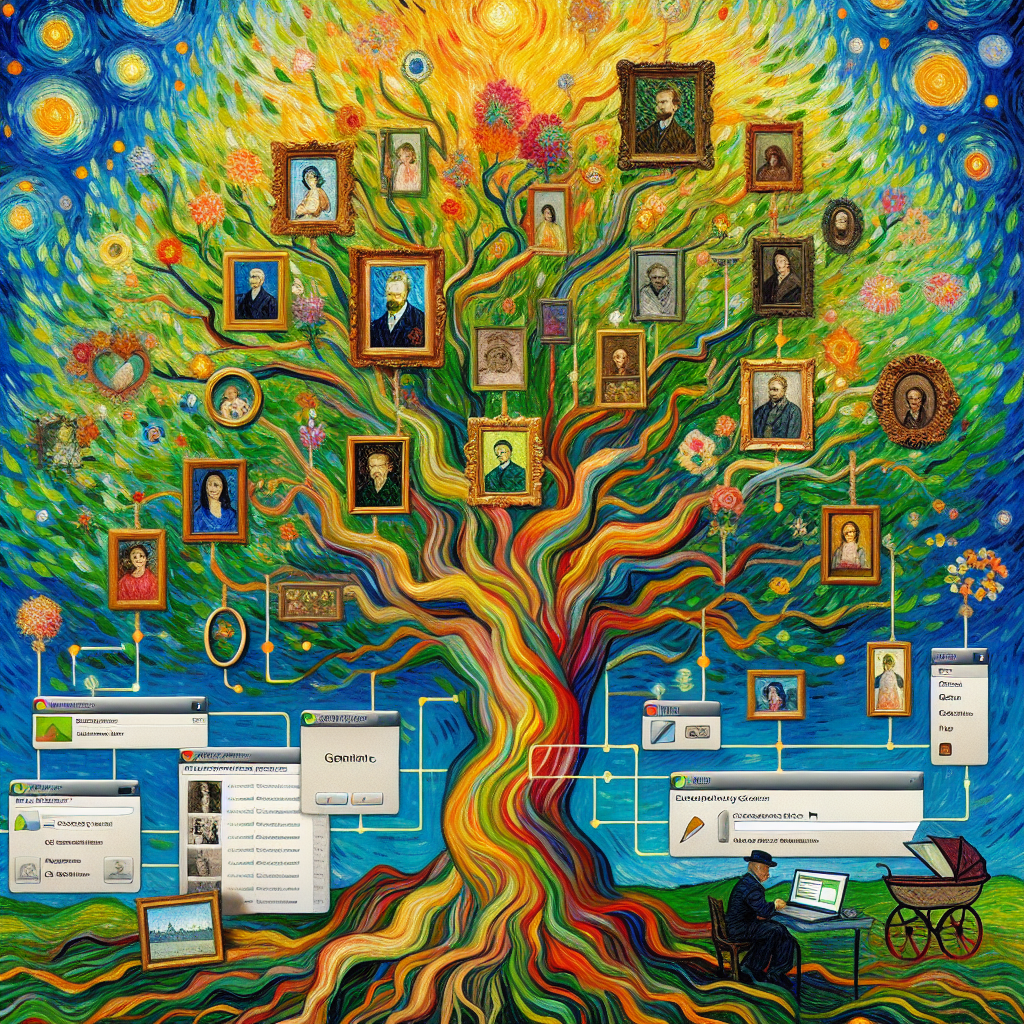
How Do I Ensure My Values Are Respected Across Cultures?
What Are Effective Ways To Communicate My Legacy Vision?
When you think about your legacy, it’s easy to imagine grand gestures or monumental achievements. But the truth is, the most lasting impact often comes from simple, heartfelt communication. So, how do you articulate that vision for future generations? It all starts with Legacy Storytelling.
Think of your life as a tapestry woven with experiences, lessons, and moments that have shaped who you are. Sharing these stories isn’t just a nostalgic trip down memory lane; it’s an opportunity to connect with others on a deeper level. People resonate with stories—they remember them, share them, and, most importantly, learn from them. So, put pen to paper or let your words flow freely in a heartfelt conversation. Share your successes, failures, and the little lessons learned along the way. Your journey is unique, and it holds the key to understanding your vision.
As you delve into Legacy Storytelling, consider your audience. Who do you want to inspire? It could be your children, grandchildren, or even a community group you care deeply about. Tailor your stories to resonate with them. Kids might love hearing about your adventurous exploits, while adults may appreciate the wisdom gleaned from tough times. Using vivid imagery and relatable language will captivate your listeners, making your vision not just accessible, but engaging.
Don’t be afraid to be vulnerable. Sharing your struggles and setbacks will establish a real connection and foster trust. People relate to imperfection. They may see themselves in your stories and take courage from your ability to overcome adversity. Authentic emotion is a powerful tool—use it to propel your legacy vision forward.
Engagement can also go beyond words. Consider using multimedia—photos, videos, or even podcasts—to enhance your storytelling. Visual aids can serve as catalysts that make your experiences more concrete and accessible. They offer a glimpse into your life, inviting others to step into your shoes and truly understand your journey.
Finally, encourage dialogue. Invite your listeners to share their thoughts, experiences, or dreams. Legacy is a two-way street; by involving others, you not only enrich your own narrative but also create a vibrant community that honors the past while looking forward to the future.
Your legacy is not just about you; it’s a living, breathing conversation that can inspire generations to come. Let your stories lead the way.
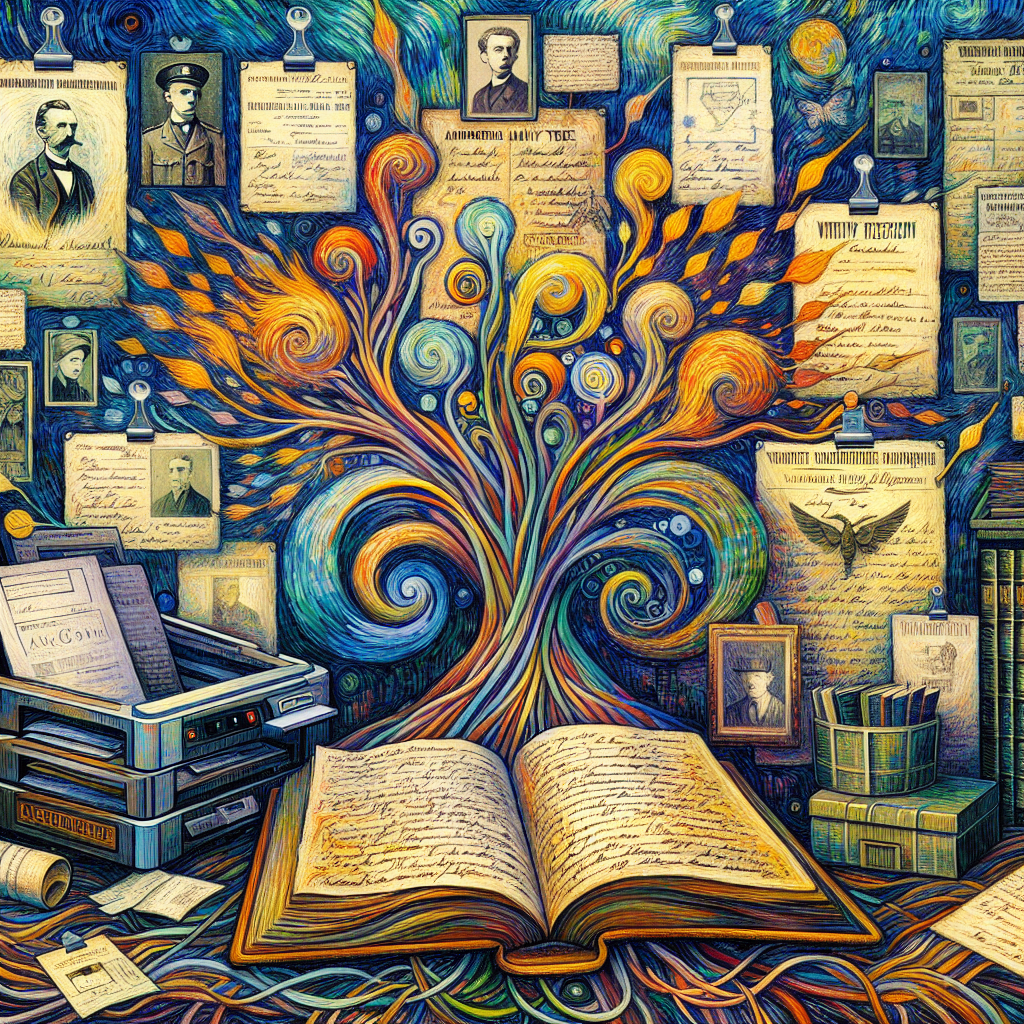
What Are Effective Ways To Communicate My Legacy Vision?
What Are Effective Ways To Communicate My Legacy Vision?
- Legacy is often shaped by simple, heartfelt communication rather than grand gestures.
- Legacy Storytelling involves sharing experiences, lessons, and unique journeys with others.
- Consider your audience, tailoring stories to engage specific groups like children or community members.
- Authentic vulnerability in your storytelling fosters trust and connection, making your lessons relatable.
- Multimedia elements like photos and videos can enhance storytelling and provide a deeper understanding of your journey.
- Encouraging dialogue and sharing among your audience enriches the narrative and builds a sense of community.
- Your legacy is a dynamic conversation that inspires future generations; let your stories guide this journey.

What Are Effective Ways To Communicate My Legacy Vision?
Conclusion
As we wrap this whole discussion up, let’s take a moment to appreciate the true essence of legacy. Sure, we often picture grand ostentations—foundations built, statues erected—but at the heart of it all, legacy is as simple as the stories we tell and the lives we nurture along the way. You see, it’s not about the size of the impact; it’s about the meaningful connections forged through shared experiences and narratives that resonate across generations and cultures. When we dive into Legacy Storytelling, we uncover an avenue to not only maintain our personal histories but to bridge those stories with others, creating an expansive network of shared human experience.
Think about it: some of the most memorable times in our lives were spent around a table, recounting family tales, laughing at our mishaps, or recalling the wisdom passed down from previous generations. Every story is a thread, weaving itself into the grand tapestry of who we are. Each narrative, whether filled with joy or laden with hardship, serves to impart lessons that can guide future generations through their journeys. It’s this alchemy of storytelling that celebrates our common humanity, allowing us to see ourselves in one another, regardless of age, culture, or background.
Now, let’s make this practical. What can we do today to ensure our legacies are rich and varied? Start by sitting down, pen in hand, and jotting down a story that resonates. Perhaps it’s a cherished family recipe, a tale of resilience, or just a moment that made you laugh like no other. Share these stories at family gatherings, start conversations that welcome others to share their experiences, and nurture that beautiful cycle of storytelling. Remember, it’s the vulnerability, the imperfect struggles, and the lessons learned that truly connect us; it’s where relatability lives.
And even as we embrace our own narratives, let’s be open to the countless variations out there. Different cultures enrich our collective legacy, offering perspectives that deepen our understanding and appreciation for the human experience. By listening actively and engaging with these diverse stories, we not only honor our own values but cultivate respect and understanding across divides.
Ultimately, your legacy isn’t merely what you leave behind; it’s more about how you’ve influenced the lives of those around you while you’re here—how you’ve stitched your individual thread into the vast tapestry of humanity. So, roll up your sleeves, embrace the power of your story, and begin crafting that timeless legacy today. It has the potential to unite and inspire, bridging gaps, and creating connections that will echo through the ages.

Conclusion
Conclusion:
- Legacy is not just about grand gestures; it’s rooted in the stories we tell and the lives we nurture.
- Meaningful connections through shared experiences and narratives resonate across generations and cultures.
- Legacy storytelling helps maintain personal histories and connects with others, forming a shared human experience.
- Memorable moments often arise from storytelling during gatherings, weaving our individual experiences into a collective narrative.
- Every story, joyful or challenging, imparts lessons that guide future generations.
- Embrace storytelling by sharing your own narratives and inviting others to share theirs, fostering a vibrant cycle of connection.
- Your legacy is about the influence you have on others, crafting a timeless narrative that unites and inspires.

Conclusion
Other Resources

Other Resources
Here is a list of other resources you can review online to learn more:
- 23AndMe
- GhostMemo
- Tributize
- Cake
- Memorial Matters
- Storyworth
- My Wonderful Life
- PartingWishes
- Geni
- IronClad Family
Use This Prompt To Get More Resources With Your Favorite Online AI Tool: Please provide me with a list of online articles with their URLs in a bulleted list that I can read regarding Will Your Legacy Bridge Generations and Cultures?

Other Resources
Glossary Terms
Will Your Legacy Bridge Generations and Cultures? – Glossary Of Terms
1. Legacy: The impact or contributions one leaves behind after death, including values, beliefs, and physical assets.
2. Generations: Groups of individuals born and living around the same time, typically spanning around 20-30 years apart.
3. Cultures: The social behaviors, norms, values, and practices shared by a group of people, often shaped by history, geography, and traditions.
4. Bridging: The act of creating connections or understanding between different groups, often overcoming divides.
5. Tradition: Established beliefs, practices, and customs handed down through generations, playing a vital role in cultural identity.
6. Heritage: The properties, practices, and values passed from previous generations, contributing to one’s cultural identity.
7. Intergenerational: Pertaining to interactions, relationships, or exchange of ideas between different generations.
8. Cultural Exchange: The sharing of cultural elements (ideas, traditions, art, etc. ) between different communities, fostering understanding and acceptance.
9. Inclusivity: The practice of creating environments that welcome and respect diverse backgrounds, promoting equality and acceptance.
10. Empathy: The ability to understand and share the feelings or perspectives of others, especially those from different backgrounds.
11. Cultural Identity: The feeling of belonging to a particular culture, shaped by language, traditions, and shared experiences.
12. Legacy Planning: The process of determining how to pass on one’s values, assets, and teachings to future generations.
13. Social Responsibility: The concept of individuals and organizations acting in a way that benefits society as a whole.
14. Narrative: A story or account that conveys experiences, values, and beliefs, often used to teach and inspire others.
15. Mentorship: A relationship in which a more experienced individual guides and advises a less experienced person, facilitating knowledge transfer.
16. Cultural Sensitivity: Awareness and respect for the differences and similarities between cultures, essential for effective communication.
17. Cross-Generational Learning: The exchange of knowledge, skills, and experiences between people of different ages to foster understanding.
18. Values: Core beliefs and principles that guide behavior and decision-making across generations.
19. Communication: The process of sharing information, thoughts, and feelings, key to bridging cultures and generations.
20. Storytelling: The art of conveying stories that can reflect cultural heritage and values, vital for legacy creation.
21. Diversity: The presence of varied cultural, ethnic, and social groups within a community, enriching collective experiences.
22. Advocacy: The act of supporting or promoting a cause, often focused on social change or the rights of marginalized groups.
23. Reciprocity: Mutual exchange beneficial for both parties, essential for fostering relationships across cultures and generations.
24. Cultural Competence: The ability to effectively interact with and understand individuals from diverse cultures.
25. Philanthropy: The desire to promote the welfare of others, often through charitable donations and initiatives.
26. Intersectionality: Recognizing that various aspects of a person’s identity (race, gender, class, etc. ) interact to shape their experiences.
27. Community: A group of individuals who share common interests, values, or goals, often influencing personal and collective legacies.
28. Intercultural Dialogue: Open and respectful exchange between individuals or groups from different cultures to promote understanding.
29. Culmination: The highest point of development or achievement, representing the end goal of building a meaningful legacy.
30. Sustainability: The practice of ensuring that cultural, environmental, and economic practices remain viable for future generations.

Glossary Of Terms
Other Questions
Will Your Legacy Bridge Generations and Cultures? – Other Questions
If you wish to explore and discover more, consider looking for answers to these questions:
- What are the key elements of effective Legacy Storytelling?
- How can I start sharing my stories with my family?
- What are some examples of legacies that have positively impacted future generations?
- How do different cultures approach storytelling and legacy?
- What are some practical tips for documenting my family’s history?
- How can storytelling be used as a tool for understanding cultural differences?
- What traditions have successfully been passed down through generations?
- How can I encourage younger generations to share their stories?
- What challenges might arise when sharing stories across different cultures?
- How do I deal with disagreements about family legacy narratives?
- How can storytelling enhance family bonds?
- What role does technology play in preserving and sharing legacies today?
- How can I ensure my storytelling is inclusive of different perspectives?
- What impact does sharing my failures have on my legacy?
- How can storytelling help navigate difficult family dynamics?

Other Questions
Haiku
Will Your Legacy Bridge Generations and Cultures? – A Haiku
Timeless tales to share,
Threads of life connect us all—
Legacy we weave.

Haiku
Poem
Will Your Legacy Bridge Generations and Cultures? – A Poem
In whispers soft, our stories weave,
Beyond the trinkets we leave to grieve.
A tapestry rich, through laughter and tears,
Crossing the bridge of our hopes and fears.
As grandmothers sit in their favorite chair,
Tales of old paths linger in the air,
Each lesson learned, a guiding light,
Illuminating darkness, igniting the night.
Not in the wealth or monuments grand,
But in every choice, every helping hand.
The stories of struggle, the joys that we share,
In each humble moment, a legacy rare.
So gather ‘round, let the memories flow,
From recipes cherished to the laughter that glows.
Invite all the voices, let diversity sing,
In this dance of cultures, find the peace it can bring.
With open hearts, we look within,
Define our values where legacies begin.
Not flawless perfection, but flawed and true,
In vulnerability’s glow, our strength comes through.
As we pass down our heritage, rich and bright,
Embrace the collective, in day and in night.
For in our stories, future paths are forged,
A bridge made of wisdom where understanding surged.
So share your narrative, let it resound,
In this vibrant tapestry, together we’re bound.
And as threads intertwine, across time and place,
The legacy we leave is a love-filled embrace.

Poem
Checklist
Will Your Legacy Bridge Generations and Cultures? – A Checklist
Reflection and Storytelling
1. Identify Your Stories
_____ Reflect on significant life events that shaped your values.
_____ Write down personal anecdotes that illustrate important lessons learned.
2. Choose Your Medium
_____ Decide how you want to share your stories (e. g. , written letters, recorded videos, conversations, or family gatherings).
3. Engage with Family
_____ Plan a family gathering where storytelling is the focus.
_____ Encourage family members to share their own stories.
Define and Share Your Values
4. Clarify Personal Values
_____ List your core values (e. g. , honesty, kindness, resilience).
_____ Reflect on how these values guide your daily actions.
5. Demonstrate Your Values
_____ Actively live your values through your actions (e. g. , volunteering, mentoring).
_____ Share anecdotes that demonstrate these values in practice.
6. Document Your Values
_____ Write a letter or create a video explaining your values and why they are important.
Foster Cultural Understanding
7. Celebrate Cultural Differences
_____ Engage with diverse narratives by reading or listening to stories from different cultures.
_____ Incorporate these perspectives into your own storytelling.
8. Encourage Open Dialogue
_____ Create spaces for discussions about values and experiences with family and community members.
_____ Be open to learning from others.
Traditions and Practices
9. Identify Family Traditions
_____ Make a list of traditions you currently practice or would like to start (e. g. , family recipes, storytelling events).
_____ Decide which traditions you want to pass down to future generations.
10. Create Legacy Projects
_____ Plan activities that allow family members to contribute to the family legacy (e. g. , compiling a family cookbook, creating a scrapbook).
Communication and Legacy Vision
11. Articulate Your Legacy Vision
_____ Write down what you hope your legacy will be.
_____ Share this vision with your family in an understandable and heartfelt manner.
12. Utilize Multimedia
_____ Consider creating a video or audio recording of your stories, including photographs or memorabilia to enhance understanding.
13. Invite Participation
_____ Encourage your family to contribute their own stories, completing the tapestry of your collective legacy.
Continuous Engagement
14. Regular Check-ins
_____ Schedule regular family gatherings or moments to share stories and check-in about values and traditions.
_____ Use these moments to reinforce the importance of your legacy.
15. Adapt and Evolve
_____ Be open to revisiting and updating your legacy as new experiences and insights emerge.
_____ Keep the dialogue alive as each generation adds their own perspectives.
By following this checklist, you can begin creating and sharing a legacy that bridges generations and cultures, ensuring that your stories and values resonate deeply with those who come after you.

Checklist
At LegacyExplorations, we help people plan and explore their legacy by collecting information and news regarding end-of-life planning.
Please share this post with your friends, family, or business associates who may want help to plan or explore their legacy.