

Unraveling Memories: A Journey Of Healing And Self-Discovery
By Tom Seest
At LegacyExplorations, we help people plan and explore their legacy by collecting information and news regarding end-of-life planning.
Please share this post with your friends, family, or business associates who may want help to plan or explore their legacy.
Writing Your Story When The Memories Feel Like Fog
Writing your story when the memories feel like fog can be a daunting task, yet it’s precisely in those murky moments that the most powerful truths often emerge. Picture this: a family gathered around the dinner table, sharing tales that seem just out of reach. You can almost hear the laughter, feel the warmth of those encounters, but the specifics have faded like old photographs left in the sun. That’s where legacy storytelling comes in—it’s about more than just recollecting events; it’s about capturing the essence of who we are and where we’ve been.
Everyone has a story, a lineage woven through time, marked by laughter, tears, and the lessons we’ve learned along the way. When those memories feel foggy, it’s easy to think you have nothing to share. But don’t sell yourself short. Recollect the feelings of those moments, the emotions tied to them, and let that guide your pen. Simply reminiscing sparks a series of connections—like a thread pulling on another, revealing the fabric of your experiences.
Start by diving into the memories you can access, no matter how disjointed. Write about the smells, the sounds, the sensations that surround them. Picture your grandmother’s kitchen as she rolled out dough, the chatter of family interlaced with the bubbling pots on the stove. Even if the details seem slightly out of focus, the emotions are crystal clear. Capture that spirit, and you’ll find clarity in the chaos.
Think of the impact your words could have—not just for you, but for generations to come. As you navigate the fog, remember that you’re not alone; others feel this way too, standing in the half-light of recollection, yearning for truth. When you put pen to paper, you’re contributing to a shared narrative. You are setting a foundation for someone else to learn from, to laugh at, or to find solace in.
So embrace the haze. Lean into those fragmented memories. There’s beauty in the struggle, a connection waiting to be forged. Your story matters. It’s okay if it feels hazy right now. The fog can lift, and when it does, you might just find a legacy worth sharing, one that resonates far beyond your own experience. Writing isn’t merely about clarity; it’s about authenticity, about tapping into the vast network of our human experiences. Get started; the fog is no match for your heart’s resolve.

Writing Your Story When The Memories Feel Like Fog
Writing Your Story When The Memories Feel Like Fog
- Writing your story can be challenging, especially when memories feel unclear.
- Legacy storytelling captures the essence of who we are and our experiences.
- Everyone has a story marked by emotions, laughter, and lessons learned.
- Recollect the feelings tied to your memories; they can guide your narrative.
- Start writing about accessible memories, focusing on sensory details.
- Your words can have a lasting impact, creating a shared narrative for future generations.
- Embrace fragmented memories; there’s beauty and connection in the struggle of storytelling.

Writing Your Story When The Memories Feel Like Fog
Table Of Contents
- Writing Your Story When The Memories Feel Like Fog
- How Can You Navigate The Fog Of Forgotten Memories?
- What Stories Are Waiting To Be Uncovered In Your Heart?
- Which Memories Shape Who You Are Today?
- How Do You Find Clarity When Memories Blur Together?
- What Role Does Vulnerability Play In Telling Your Story?
- How Can Memories Of Joy And Pain Coexist In Your Narrative?
- What Techniques Help Spark Recollection When Details Fade?
- Conclusion
- Other Resources
- Glossary Of Terms
- Other Questions
- Haiku
- Poem
- Checklist
How Can You Navigate The Fog Of Forgotten Memories?
Navigating the fog of forgotten memories is like wandering through a thick mist—uncertain, disorienting, and at times, haunting. Yet, this journey holds the potential to uncover gems of wisdom, resilience, and connection that can redefine not just who we are, but how we see the world. Embracing the art of legacy storytelling can illuminate the path forward in unexpected ways.
When we engage with our memories, we’re not just dusting off old photographs in the attic of our minds. No, we’re tapping into our deepest truths, our human experiences, the essence of what binds us to one another. Think of stories shared around the dinner table or passed down from grandparents—these narratives carry weight and wisdom. They remind us that we belong to something bigger than our individual, momentary experiences. By reflecting on our past, we honor those who came before us and acknowledge their struggles and triumphs.
With each recollection, a spark ignites. It is this spark that calls to our ethical duty—to preserve our stories, to pass on our legacies. In a world often obsessed with the future, we must not forget the monumental power held within our shared histories. It is through these tales that we instill values in the next generation, providing them a compass to navigate their own foggy paths. Just as the elders of our families once did, our storytelling creates a bridge between past and present, guiding others toward hope and understanding.
But let’s not overlook the practical side. Memory can be fragile. By writing down your thoughts or engaging in conversations with loved ones, you fortify your recollections against time’s relentless erosion. Record these stories, whether through journals or audio recordings. Not only will it help you navigate your own fog, but it will also create opportunities for connection with others who may share similar experiences. Picture it: a gathering sparked by a shared memory, laughter intermingling with tears, forging bonds that remind us—we are not alone.
The challenge lies not in avoidance, but in embracing the fog. Confront your forgotten memories and invite them to the surface. Ask questions, seek answers, and summon the courage to dive deeper. Within that haze lies the very fabric of your being, a tapestry rich with lessons and enduring love. As you venture forth, remember: navigating this fog is not merely about recollection, it’s about connecting. Your story matters. Embrace it, share it, and let it light the way not just for you, but for those who follow.

How Can You Navigate The Fog Of Forgotten Memories?
How Can You Navigate The Fog Of Forgotten Memories?
- Navigating forgotten memories can be disorienting yet holds potential for wisdom and connection.
- Legacy storytelling illuminates paths and enhances understanding of our shared human experiences.
- Stories shared in communal settings remind us of our belonging to a larger narrative.
- Reflecting on the past honors those before us and recognizes their struggles and triumphs.
- Preserving and passing on our stories instills values in future generations.
- Writing and recording memories fortifies them against time and fosters connections with others.
- Embracing forgotten memories invites deeper insights and highlights the importance of our stories.

How Can You Navigate The Fog Of Forgotten Memories?
What Stories Are Waiting To Be Uncovered In Your Heart?
What stories are waiting to be uncovered in your heart? Each of us carries a wealth of experiences, triumphs, and even heartaches that shape who we are. These stories, though sometimes buried under the busyness of life, hold the power to connect us to others, to our past, and to the very essence of our being.
Every wrinkle tells a story, every scar is a testament. Have you ever paused to reflect on your own legacy storytelling? Stories are not just to be told; they are to be lived. When we take the time to delve into our memories and share them, we forge bonds that resonate on levels we often underestimate. Think about it: sharing your experience isn’t just about you. It’s about affirming the struggles, joys, and lessons that make up the human condition.
Engaging with our stories invites others to do the same, and in that exchange lies a profound antidote to loneliness and isolation. When you open up, you create a ripple effect—others feel inspired to share their stories, too, because authenticity breeds authenticity. Vulnerability isn’t weakness; it’s one of the strongest forms of connection we have. In this age where it’s easy to hide behind screens, choosing to be real and authentic makes you a beacon, drawing others in.
And let’s not forget the ethical responsibility we have to preserve these narratives. Each story is a thread in the larger tapestry of humanity. When you reflect on your experiences, consider how they contribute to the greater good. Perhaps you’ve weathered a storm that could guide someone else through theirs. Or maybe a lesson learned the hard way can save another from a similar fate. This is not just storytelling—it’s legacy storytelling.
Imagine the gut-wrenching realization that your own hurdles and victories can shift someone else’s perspective. Each story is an opportunity to learn, grow, and ultimately transform someone’s life. So, as you sit quietly with your thoughts, invite the stories trapped in your heart to emerge. Recognize their power. Once released, they can take on a life of their own, touching souls and forging connections that endure long after the moment has passed. Embrace your stories; they’re waiting to be told.

What Stories Are Waiting To Be Uncovered In Your Heart?
What Stories Are Waiting To Be Uncovered In Your Heart?
- Everyone carries unique experiences that shape their identity.
- Stories provide deep connections to ourselves and others, often hidden beneath life’s busyness.
- Each physical mark reflects a personal narrative, inviting reflection on one’s legacy.
- Sharing personal stories affirms universal struggles and joys, enhancing human connection.
- Engaging with stories can combat loneliness and inspire authenticity in others.
- There’s an ethical responsibility to preserve and share our narratives for the greater good.
- Releasing your stories can transform lives and forge lasting connections.

What Stories Are Waiting To Be Uncovered In Your Heart?
Which Memories Shape Who You Are Today?
The memories we hold onto often act like a time capsule, preserving the essence of who we are. Think about it for a minute: which memories float to the surface when you’re alone with your thoughts? Maybe it’s your grandparent’s laughter echoing in a sunlit kitchen, or the feeling of dirt under your nails after a long day of work. These aren’t just fleeting moments; they’re the building blocks of our identity, the legacy we carry forward.
Storytelling has a unique power to help us make sense of our experiences. When we share our stories, we breathe life into the memories that shape us. Maybe that’s why we gravitate toward those campfire tales or family legends. They remind us that we are part of something bigger, a tapestry woven with the threads of triumphs and trials. Every story we tell creates connections—rooting us in our families, our communities, and the world. It’s through this shared experience that we find common ground, which is why anecdotes from your childhood can strike a chord with someone from a completely different background.
As we navigate this chaotic world, it’s critical to engage with our past. Reflect on lessons learned from moments of failure or unexpected joy, and consider how these experiences can inform your decisions today. Rationally, the choice to reflect is empowering; we gain insight not only into our behavior but also into the universal elements of the human experience. We affirm that struggle often precedes growth. The gut instinct to embrace vulnerability can lead to heartwarming connections with others, reminding us that we’re not alone in our battles.
On the ethical front, perhaps it’s our responsibility to pass these stories along—not just to preserve our legacy, but to inspire the next generation. Every time we share a piece of who we are, it heightens our collective humanity, forging a path for others to follow or even to challenge.
So, dig deep into those memories. Unearth the gems that shaped your character, and let them guide you as you navigate life’s twists and turns. Whether it’s a lesson from your childhood or an unexpected connection with a stranger, remember that your story matters. It’s not just about where you’ve been; it’s about the legacy you’re crafting for those who come after you.

Which Memories Shape Who You Are Today?
Which Memories Shape Who You Are Today?
- Memories function as a time capsule, preserving our identity and experiences.
- Personal memories like laughter and hard work form the building blocks of who we are.
- Storytelling brings our experiences to life, connecting us to something larger than ourselves.
- Shared stories create bonds among families and communities, highlighting common human experiences.
- Engaging with our past helps us learn from failures and joys, informing our present decisions.
- It’s our ethical responsibility to share stories, preserving legacies and inspiring future generations.
- Your personal story is significant and shapes the legacy you leave for those who come after you.

Which Memories Shape Who You Are Today?
How Do You Find Clarity When Memories Blur Together?
Life has a funny way of blurring memories together, doesn’t it? One moment, you’re sharing laughter with friends on a sunlit afternoon, and the next, you’re lost in a fog of faces and moments that don’t quite fit. That’s where the magic of legacy storytelling comes in. It’s more than just recounting tales; it’s about anchoring those moments in your mind and heart, making them vivid and alive once again.
When you take the time to share your story, you’re not just reminiscing; you’re weaving a tapestry of experiences that allows you to revisit the past with clarity and purpose. You see, every life is like a book filled with chapters that deserve their due attention. Whether it’s the heartwarming recollection of a long-lost friend or the bittersweet first steps of your child, reliving those moments cultivates a sense of identity. This isn’t only emotional; it’s rational, too. The act of storytelling helps your brain organize experiences, reconstructing what might feel like a jumble of chaos into a cohesive narrative.
Now, let’s talk ethics for a moment. Sharing these memories can bridge generations, fostering connections that run deeper than time and distance. When you share your story, you’re giving others a chance to learn from your experiences—triumphs, struggles, and all. It compels them to reflect on their lives, making them think, “What’s my legacy?” You invite them on a journey, creating a sense of community based on shared experiences, even if they’re different in nature.
Remember that feeling in your gut when you tell a story that resonates? It’s an incredible thing. The vulnerability of recounting the past can lead to powerful connections. And that’s trust—drawing people in, allowing them to see your humanity through genuine experiences.
Clarity in the blur of life comes not just from time, but from intentional reflection. By embracing the art of legacy storytelling, you empower yourself to sift through memories with purpose. You have a voice, a narrative, and a community ready to listen. So, grab that pen, gather round, and begin to share. Because every shared story isn’t just a memory; it’s a clarion call to connect, inspire, and remember.

How Do You Find Clarity When Memories Blur Together?
How Do You Find Clarity When Memories Blur Together?
- Life can blur memories, making it hard to recall clear moments.
- Legacy storytelling helps anchor and revive past experiences in a vivid manner.
- Sharing stories weaves a tapestry of personal experiences, fostering a clear sense of identity.
- Storytelling organizes chaotic experiences into a cohesive narrative, aiding memory recall.
- Sharing memories bridges generational gaps and fosters deeper connections among people.
- Vulnerably recounting stories leads to powerful connections and establishes trust with others.
- Intentional reflection through legacy storytelling empowers individuals to share their narratives effectively.

How Do You Find Clarity When Memories Blur Together?
What Role Does Vulnerability Play In Telling Your Story?
Vulnerability is the pulse of authentic storytelling; it’s the lifeblood that transforms a mere recount of events into a rich, resonant legacy. When you dare to share your struggles, imperfections, and fears, you strip away the armor and expose your true self. This breathtaking leap into the unknown not only humanizes your narrative, but it also creates a bridge that connects you to others in a profound way.
Think about it—when was the last time you felt a genuine connection with someone? It often happens in those unguarded moments, when someone reveals a piece of their heart. That shared experience taps into an emotional reservoir, where real empathy thrives. People crave connection, and your story—raw and honest—serves as an invite to feel seen and understood. Vulnerability invites others into your life and reminds them that they are not alone in their struggles. We’re all carrying our own burdens, and the moment we share our stories, we foster a sense of community.
From a rational perspective, embracing vulnerability can lead to deeper, more impactful conversations. It challenges the conventional narrative that strength is synonymous with perfection. In reality, the strongest among us are those who recognize their own flaws and face them head-on. This journey toward authenticity in legacy storytelling carries weight; it grabs the attention of your audience and sparks critical thinking about their own experiences. The stories we tell can inspire action, provoke thought, and encourage others to embark on their paths of courage.
Ethically, there’s something noble about owning your truth. It demonstrates integrity and invites others to do the same. When you speak from your heart, you’re not just weaving a tale; you’re laying a foundation of trust. People resonate with authenticity, and they are more likely to engage with your message if they feel it comes from a genuine place. This connection fosters a lasting impression—your legacy, carved not just in words, but in the hearts of those who hear it.
So, take that leap. Embrace vulnerability. Let your story breathe. By weaving together your successes and setbacks, you craft a legacy that stands as a testament not just to who you are, but also to the shared humanity we all experience. When we’re willing to be vulnerable, we aren’t just telling stories; we’re forging connections that can inspire, uplift, and unite.

What Role Does Vulnerability Play In Telling Your Story?
What Role Does Vulnerability Play In Telling Your Story?
- Vulnerability enhances authentic storytelling, transforming mere events into a rich legacy.
- Sharing struggles and fears exposes your true self and humanizes your narrative.
- Genuine connections often arise in unguarded moments of sharing heartfelt experiences.
- Vulnerability fosters empathy, allowing others to feel seen and understood in their own struggles.
- Embracing vulnerability leads to deeper conversations and challenges the notion that strength equals perfection.
- Owning your truth demonstrates integrity and builds trust with your audience.
- Sharing both successes and setbacks creates a legacy that inspires unity and collective humanity.

What Role Does Vulnerability Play In Telling Your Story?
How Can Memories Of Joy And Pain Coexist In Your Narrative?
In the intricate tapestry of our lives, the threads of joy and pain are woven together, creating a rich narrative that defines who we are. This coexistence is not just a literary device; it’s a profound truth of the human experience. Think about it: the laughter shared with friends during a summer picnic is forever intertwined with the tears shed in the wake of loss. These moments, though seemingly at odds, contribute to our legacy storytelling—a powerful means to convey our life’s lessons.
When we embrace both the uplifting and the heartbreaking chapters of our story, we cultivate a deeper connection with ourselves and others. The joy brings us together, igniting celebration and camaraderie, while the pain fosters empathy and understanding. It’s in that contrasting blend that we find resonance with those around us. Imagine sitting around a campfire, sharing tales of triumphs, but also the struggles that brought us to those joyous peaks. Those stories of resilience—of mourning turned to healing—tap into a primal instinct. They remind us that we are not alone; our experiences echo through the ages.
Rationally speaking, acknowledging pain alongside joy equips us with a more complete understanding of life. The world is not black and white; it’s a spectrum filled with hues of experience. To ignore one in favor of the other is to deny the richness of our existence. Embracing this balance empowers us to grow, learn, and face our challenges with renewed strength. And let’s not forget the ethical dimension—by sharing our full truths, we honor the complexity of the human condition. We create a safe space for others to share their own narratives, fostering a community where vulnerability is met with acceptance.
Authority doesn’t always come from accolades or titles; sometimes, it’s born from the stories we tell. Those who’ve traversed the valleys of despair and emerged into light often hold the most poignant lessons. Their narrative is one of courage, an invitation for others to explore the interplay of joy and pain within their own journeys.
So next time you reflect on your own story, don’t shy away from the bittersweet. Embrace the full spectrum of your experiences. It’s in this brave confrontation with both joy and pain that we cultivate deeper connections, inspire trust, and ignite action in ourselves and others. Remember, every memory adds a stroke to your canvas—a testament to a life fully lived.

How Can Memories Of Joy And Pain Coexist In Your Narrative?
How Can Memories Of Joy And Pain Coexist In Your Narrative?
- The coexistence of joy and pain forms a rich narrative that defines our human experience.
- Moments of laughter and loss are intertwined, enhancing our storytelling and life lessons.
- Embracing both uplifting and heartbreaking experiences cultivates deeper connections with ourselves and others.
- Sharing stories of resilience fosters empathy, reminding us that we are not alone in our struggles.
- Acknowledging pain alongside joy provides a more complete understanding of life’s spectrum of experiences.
- Sharing our full truths honors the complexity of the human condition and creates a safe space for others.
- Reflections on our stories encourage us to embrace bittersweet memories, deepening connections and inspiring action.

How Can Memories Of Joy And Pain Coexist In Your Narrative?
What Techniques Help Spark Recollection When Details Fade?
Memories may fade, but the techniques that spark recollection remain as vibrant as ever, weaving together our past with the present. One way to reignite those flickering mental images is through legacy storytelling. It’s in these narratives that we find a roadmap—both for ourselves and for future generations. Think of a grandparent sharing tales of resilience during tough times. Each story, laced with laughter and tears, not only preserves their legacy but also inspires the listener, creating a deep bond that transcends time.
Remember the last time you gathered with friends or family? Conversations flowed, punctuated by shared memories. The ability to recount stories draws people closer, invoking a sense of belonging that’s essential to our human experience. It’s more than just words; it’s an invitation to understand one another. When you listen to a story, you witness not just an event but the very essence of a person’s journey—complete with their struggles, triumphs, and lessons learned. This helps us relate to one another on a profound level.
Even in our busy lives, when distractions seem endless, there are concrete techniques to help spark those elusive recollections. Try creating a memory jar filled with small notes, each capturing a moment worth remembering. Pull one out when the world feels overwhelming to remind yourself of the beauty that once was. You’ll find that this tactile engagement stimulates the senses, anchoring memories in a way that a mere photo can’t replicate.
Another powerful technique is visualization. Close your eyes and create a mental movie of cherished moments. Imagine the sights, sounds, and scents. The more vivid the details, the stronger the connection, making it easier to navigate back to that neural map of reminiscence. This isn’t just a mental exercise; it’s a commitment to honoring the tapestry of your life and the lives around you.
Embrace these methods as your secret arsenal against the erosion of memory. Cultivating the art of reflection and storytelling adds richness to our lives. It allows us to find empathy amid diversity, to draw strength from the collective experiences that shape our existence. Every story matters, and every recollection brings us back to the heart of our shared humanity. So, gather your stories, ask questions, and cherish every moment, because in doing so, you keep your legacy alive.

What Techniques Help Spark Recollection When Details Fade?
What Techniques Help Spark Recollection When Details Fade?
- Memories fade, but storytelling techniques help preserve our past and connect to the present.
- Legacy storytelling provides a roadmap for both ourselves and future generations.
- Sharing personal narratives fosters deep bonds and inspiration, transcending time.
- Recounting stories creates a sense of belonging and understanding among listeners.
- Concrete techniques, like memory jars and visualization, can reignite memories.
- Tactile engagement through memory jars anchors recollections in unique ways.
- Embracing reflection and storytelling enriches lives and maintains the essence of our shared humanity.

What Techniques Help Spark Recollection When Details Fade?
Conclusion
Navigating the fog of forgotten memories is more than just an exercise in nostalgia; it’s an act of profound self-discovery and connection. When those memories feel out of reach—like whispers lost in the wind—what emerges can be a tapestry woven with the threads of joy, pain, resilience, and authenticity. Think of legacy storytelling as not merely recalling past events but as a way to anchor yourself in the essence of who you are. Each story you share can be a lifeline, linking you to your family, your community, and the very fabric of humanity itself.
Imagine sitting at a table, surrounded by loved ones, recounting tales from your past—some funny, some bittersweet. It’s in these shared moments that we realize we’re not alone in our struggles and triumphs. The act of storytelling transcends individual experiences, forming a collective narrative that strengthens our bonds. The emotional resonance of your memories serves as a powerful testament to your journey and offers invaluable insights to those who follow. This reinforces an ethical responsibility: to preserve and share these narratives, passing down lessons learned and values instilled to guide future generations.
But let’s not forget the practical side—your voice has authority, especially when you speak from your heart. Your truths, mingled with vulnerability, create genuine connections that resonate deeply with others. You create a space for empathy and understanding, inspiring those around you to reflect on their own stories. We each carry the weight of our experiences, and when we own our narratives, we become beacons of hope and strength for others navigating their fogs.
While the memories might feel blurry, every recollection has the potential to unfold into clarity and purpose. Step into that fog with courage. Embrace the disjointed pieces of your past and let them guide you in crafting a narrative that reflects not just where you’ve been but who you aspire to be. There’s beauty in the struggle, and it’s within that haze that you’ll find wisdom waiting to be uncovered. Your story matters—not just to you, but to the world. Embrace it, and watch how it lights the way for others, illuminating paths once shrouded in uncertainty.
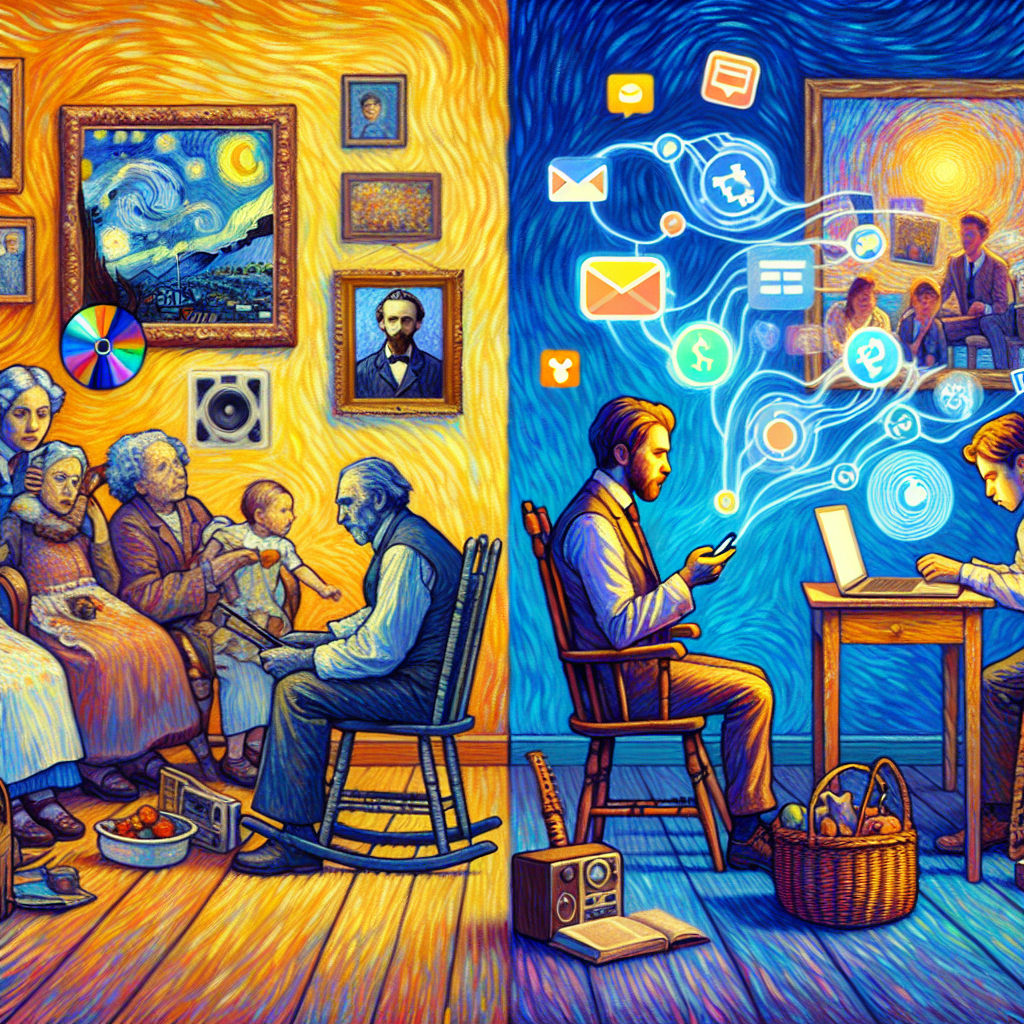
Conclusion
Conclusion:
- Navigating forgotten memories fosters self-discovery and connection.
- Legacy storytelling links individuals to their families and communities.
- Shared stories highlight our collective experiences and strengthen bonds.
- Emotional memories serve as testimonials, providing insights for future generations.
- Speaking from the heart fosters genuine connections and empathy.
- Every recollection has the potential to reveal clarity and purpose.
- Embracing personal narratives can illuminate paths for others in their own struggles.

Conclusion
Other Resources

Other Resources
Here is a list of other resources you can review online to learn more:
- MyWishes
- DocuBank
- Remembered.com
- LastPass
- Personal Legacy Advisors
- UpCounsel
- How to Save Your Family�s Stories from Being Lost Forever � A Step-by-Step Guide to Creating a Lasting Digital Legacy
- Geneanet
- LivingDNA
- IronClad Family
- How To Write Legacy Stories That Appeal To The Heart, Gut and Head
- MyMoriam
- Directive Communication Systems
- Meminto
- YouMattered
- FutureMe
- RootsMagic
- Lexikin
- Is There A Need To Pay For Copyrighting Services For Personal Or Family Legacy Stories?
- International End of Life Doula Association
Use This Prompt To Get More Resources With Your Favorite Online AI Tool: Please provide me with a list of online articles with their URLs in a bulleted list that I can read regarding Writing Your Story When The Memories Feel Like Fog

Other Resources
Glossary Terms
Writing Your Story When The Memories Feel Like Fog – Glossary Of Terms
1. Memoir: A narrative composed of personal memories and experiences, often reflecting on significant life events.
2. Autobiography: A comprehensive account of a person’s life written by themselves, detailing their entire life journey.
3. Flashback: A literary device that involves a scene taking place before the current narrative, often used to reveal essential background information.
4. Nostalgia: A sentimental longing for the past, often evoking mixed feelings of joy and sadness.
5. Emotional Clarity: The state of understanding and articulating one’s feelings and experiences in a coherent manner.
6. Stream of Consciousness: A narrative technique that captures the continuous flow of thoughts and feelings in a character’s mind.
7. Sensory Detail: Descriptive language that appeals to the five senses, enhancing readers’ immersion in the narrative.
8. Metaphor: A figure of speech that makes a comparison between two unrelated things, enhancing understanding through imagery.
9. Theme: The underlying message or central idea explored throughout a narrative.
10. Voice: The distinctive style and tone used by the author to convey their unique perspective in writing.
11. Perspective: The viewpoint from which the story is told, influencing how events and characters are perceived.
12. Resilience: The ability to recover and adapt in the face of adversity, often highlighted in personal stories.
13. Catharsis: The emotional release experienced through art or literature, allowing for healing and insight.
14. Fragmentation: A narrative technique that reflects the disjointed nature of memories, often seen in stories about trauma.
15. Character Development: The process of creating and evolving characters over the course of a narrative.
16. Setting: The time and place where a narrative unfolds, providing context for the events and emotions.
17. Imagery: Descriptive language that creates vivid pictures in the reader’s mind, appealing to emotion and sense.
18. Chronology: The arrangement of events in the order that they happened, essential for clarity in storytelling.
19. Journal Writing: A personal practice of documenting thoughts, feelings, and experiences for reflection and clarity.
20. Writing Prompt: A statement or question designed to inspire writers by sparking creativity and thought.
21. Cohesion: The quality of being logically connected and consistent throughout the narrative.
22. Editing: The process of revising and refining a written piece to improve clarity, coherence, and style.
23. Anxiety: A common emotional response characterized by feelings of unease, often experienced when recalling difficult memories.
24. Healing: The process of recovering from emotional pain, often explored in personal writing and storytelling.
25. Authenticity: The quality of being genuine and true to one’s own voice and experiences in writing.
26. Self-Reflection: The act of contemplating one’s thoughts, emotions, and experiences to gain insight and understanding.
27. Vulnerability: The willingness to express one’s deepest feelings and experiences, often leading to deeper connections with readers.
28. Narrative Arc: The structured chronological construction of a story, typically involving a beginning, middle, and end.
29. Therapeutic Writing: The practice of using writing as a tool for personal growth, healing, and emotional expression.
30. Closure: The resolution or concluding thoughts that provide a sense of completeness to a story.

Glossary Of Terms
Other Questions
Writing Your Story When The Memories Feel Like Fog – Other Questions
If you wish to explore and discover more, consider looking for answers to these questions:
- What specific methods can help me access my memories more easily?
- How can I create a supportive environment for sharing my stories?
- What role do other people play in helping me remember my past?
- Are there exercises I can do to improve my storytelling skills?
- How do I handle memories that bring up negative emotions?
- What are some common themes in legacy storytelling?
- How can I ensure my stories are preserved for future generations?
- What types of memories are most impactful for legacy storytelling?
- How can I effectively engage others in sharing their own stories?
- What resources are available for those wanting to explore legacy storytelling more deeply?

Other Questions
Haiku
Writing Your Story When The Memories Feel Like Fog – A Haiku
In foggy whispers,
Memories blend joy and pain,
Your story sparks light.

Haiku
Poem
Writing Your Story When The Memories Feel Like Fog – A Poem
In the fog where memories linger,
A tapestry of life awaits,
Each thread connects the heart’s song,
Unearthing paths we’ve yet to trace.
Gathered ‘round a table’s glow,
Echoes of laughter, bittersweet,
The highs and lows entwined as one,
In every story, a chance to meet.
Dive into the essence of the past,
The scents, the sounds that spark alive,
Each disjointed piece a flickering light,
Guiding others as we strive.
Embrace the haze, don’t shy away,
For in that blur resides the truth,
A legacy, a healing balm,
The wisdom gleaned from each lost youth.
Let vulnerability paint your tale,
With strokes of joy and deep despair,
In sharing scars, we bridge the gap,
Revealing strength in what we bear.
Memories of warmth and pain unite,
Creating bonds that time can’t sever,
With every story, a call to connect,
A celebration of our shared endeavor.
Methods to spark what time obscures,
A memory jar, a vivid gaze,
Rekindle joys, and honor the tears,
As we write our truths through fleeting days.
So wield your pen, ignite your soul,
For legacy storytelling ignites the spark,
In the fog, may your heart unfold,
Crafting a light in the world’s dark.

Poem
Checklist
Writing Your Story When The Memories Feel Like Fog – A Checklist
Storytelling and Memory Navigation Checklist
Heart (Emotional Appeal)
_____ Reflect on a cherished memory: What feelings arise when you think about it?
_____ Identify a story from your past that brings you joy. How can you share it with others?
_____ Consider a challenging moment that shaped who you are. How did you overcome it?
_____ Reach out to a loved one and share an emotional memory together.
Head (Rational Appeal)
_____ Write down your memories in a journal. What techniques can help spark recollection?
_____ Visualize a past experience: What details stand out most vividly to you?
_____ Analyze how your past experiences influence your current decisions or outlook.
_____ Create a memory jar: What small notes of significant memories can you include?
Gut (Instinctive Appeal)
_____ Embrace vulnerability: Share a personal story that resonates with your current feelings.
_____ Contemplate on the coexistence of joy and pain in your life. How do they shape your narrative?
_____ Trust your instincts: What stories feel most important to tell right now?
_____ Invite discomfort: Identify a memory you’ve avoided and consider why it matters.
Ethical Appeal
_____ Consider the impact of your story on future generations. What legacy do you wish to leave?
_____ Reflect on how sharing your experiences can help others. What lessons can you pass on?
_____ Evaluate the importance of documenting your family history. How does it honor your lineage?
_____ Ask yourself what stories of struggle and triumph you have that could offer guidance to someone else.
Authority Appeal
_____ Read or listen to stories from mentors or elders. What insights do they offer you?
_____ Seek feedback on your storytelling from trusted friends or family. How do they perceive your narrative?
_____ Look for books or resources on legacy storytelling. What techniques do they recommend?
_____ Explore the stories of influential figures: What can you learn from their experiences?
Narrative Appeal
_____ Craft a narrative from a collection of memories: What overarching theme emerges?
_____ Tell your story in a way that connects with universal human experiences.
_____ Encourage a group sharing session: How do varied stories from others enrich your understanding?
_____ Play with structure: Experiment with different narrative forms to express your memories creatively.
Social Appeal
_____ Share your stories in a community setting, fostering connection and empathy.
_____ Engage with others who share similar experiences. How do their stories resonate with yours?
_____ Consider how storytelling creates a sense of belonging. Who can you invite to participate in this journey?
_____ Reflect on how sharing your truth can challenge others to be authentic and share their own stories.
Use this checklist to guide your journey in writing your story and navigating your memories, enhancing your connections both with yourself and the people around you.

Checklist
At LegacyExplorations, we help people plan and explore their legacy by collecting information and news regarding end-of-life planning.
Please share this post with your friends, family, or business associates who may want help to plan or explore their legacy.