

An Overview Of You Bought Convenience – You Sold Portability
By Tom Seest
At LegacyExplorations, we help people plan and explore their legacy by collecting information and news regarding end-of-life planning.
Please share this post with your friends, family, or business associates who may want help to plan or explore their legacy.
You Bought Convenience – You Sold Portability
In today’s fast-paced world, we’ve traded an essential piece of ourselves for convenience, sacrificing portability in the process. There was a time when our belongings were an extension of who we were, rich with stories and memories. Every tool, every gadget, every relic told a legacy story, weaving the fabric of our lives together. Now, we oftentimes don’t even know what’s in our pockets, let alone the depth of their significance.
Consider the evolution of our daily carry. One moment, we cherished the weight of our possessions—the well-worn leather wallets that held photographs, the trusty pocket knives that had accompanied us through years of adventures. Each item had a purpose, each scratch or dent a mark of an experience lived. Yet, somewhere along the line, the allure of convenience lured us away from that authenticity. We opted for ultra-slim phones, multifunction devices that promise to do it all—but at what cost?
While we celebrate the ease of having a world of information at our fingertips, let’s take a moment to reflect on what we’ve lost. The simplicity of a handwritten letter, the tangible feel of a book’s pages, the camaraderie of sharing a meal without the distraction of screens. Approaching this shift rationally, we see how a barrage of notifications can lead to technological fatigue, where mental space is overwhelmed by the very devices designed to simplify our lives. Is it ethical to continuously prioritize convenience at the expense of meaningful connections? Are we truly satisfied in this brave new world when we find ourselves craving depth in a society tailored for brevity?
Tales of yesteryear remind us that there’s power in recognizing our history. Legacy storytelling isn’t merely about preserving facts; it’s about fostering connections, encouraging empathy, and nurturing a sense of belonging. Imagine discussing the triumphs and tribulations of our loved ones around a dinner table, reliving each moment through shared laughter and tears. That’s where the heart finds its rhythm and the gut its grounding.
As we march forward into a future brimming with possibilities, let’s choose to balance convenience with our innate desire for portability, bringing with us those meaningful stories that shape our identity. It’s time for a movement—not just towards technology but towards a life rich with the essence of who we are, marked by every story we hold dear. Trust in the journey, embrace the legacy you carry, and inspire others with the path you forge ahead.
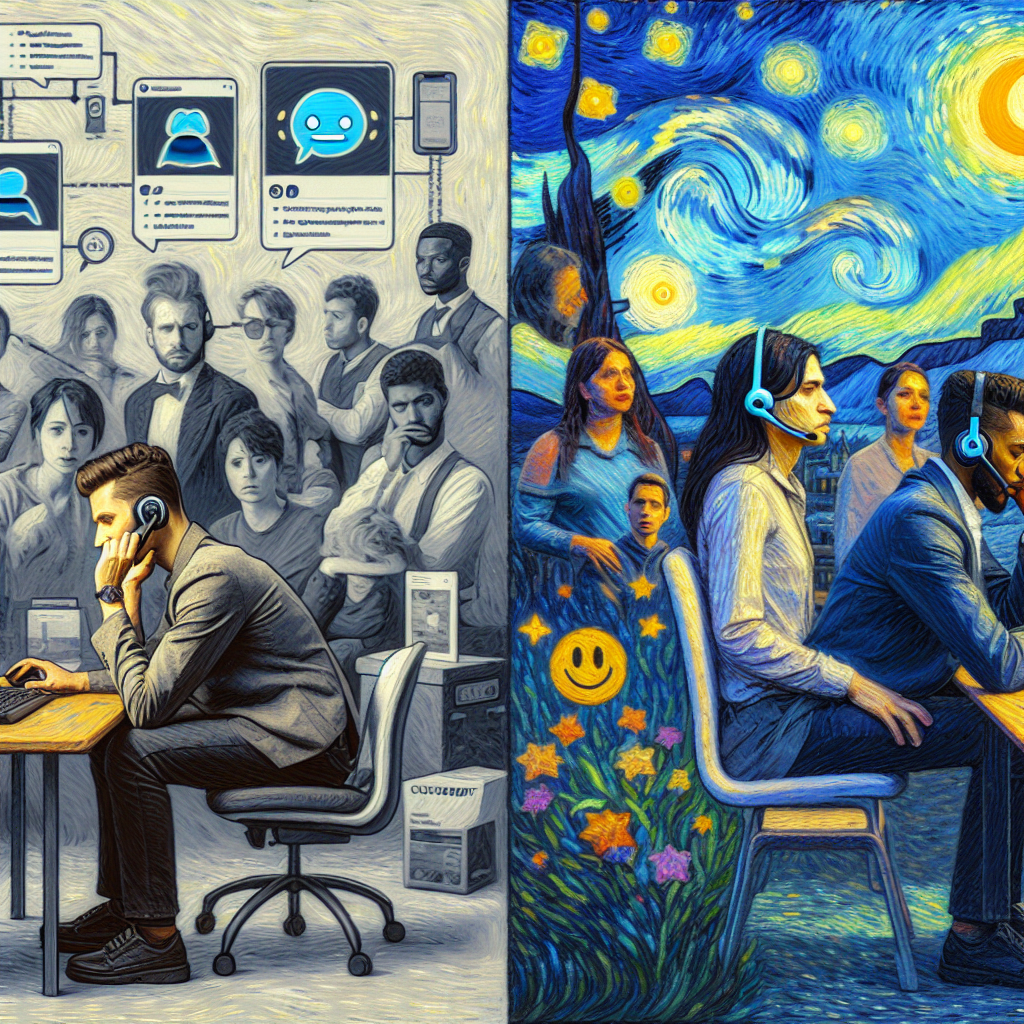
You Bought Convenience – You Sold Portability
You Bought Convenience – You Sold Portability
- The shift to convenience has led to a loss of connection with personal belongings and their stories.
- Belongings once reflected personal history and experiences, now often forgotten in pockets.
- Many have traded meaningful possessions for multifunctional devices, sacrificing authenticity.
- Modern technology offers ease but can lead to overwhelming notifications and distractions.
- There is a need to reflect on ethical implications of prioritizing convenience over connections.
- Legacy storytelling fosters empathy and belonging, reinforcing personal connections.
- A movement towards balancing convenience and meaningful narratives is essential for identity.

You Bought Convenience – You Sold Portability
Table Of Contents
- You Bought Convenience – You Sold Portability
- What Sacrifices Did You Make for Convenience?
- How Does Portability Impact Your Daily Life?
- Are You Missing Meaningful Connections for Convenience?
- Can Convenience Lead to a Loss Of Personal Time?
- Is Chasing Convenience Diminishing Your Well-Being?
- How Does Convenience Shape Your Decision-Making Process?
- What Ethical Costs Come with Prioritizing Convenience?
- Conclusion
- Other Resources
- Glossary Of Terms
- Other Questions
- Haiku
- Poem
- Checklist
What Sacrifices Did You Make for Convenience?
In today’s fast-paced world, convenience often demands a steep price, far beyond the dollars spent on the latest gadget or service. Look closer, and you’ll see a pattern—a patchwork of choices stitched together by a desire for ease, sacrificing something far more profound in return. We’ve all been there, caught in the grip of convenience, sacrificing time with family for the lure of a quick online order, or pushing aside meaningful conversations in favor of a mindless scroll on our devices.
Consider the legacy we craft with every choice we make. Each decision, whether for convenience or necessity, becomes a thread in our personal narrative. Are we trading our stories for the fleeting satisfaction of convenience? What stories are left untold when we choose shortcuts over connections? The heart knows the truth: there’s richness in life’s messiness, in the laughter shared over home-cooked meals, or the stories that spill out during late-night talks. These moments build the foundation of our legacy, yet they’re often overshadowed by the siren’s call of efficiency.
Rationally, think about the impact these choices have on our lives and communities. When we choose convenience, we might save a few minutes but, in doing so, could be neglecting the relationships that ground us and the skills that empower us. We’ve grown accustomed to instant gratification, but consider this: the things that truly matter often take time. The relationships we nurture, the crafts we pursue, and the stories we tell are what define us—not the convenience we chase.
Ethically, it’s essential to recognize the broader implications of our choices. Every time we opt for convenience, we might be participating in a system that promotes disconnection. It’s easy to overlook the laborers, the artisans, and the community members who pour their hearts into their crafts. They deserve our attention. Their stories matter, and by supporting them, we uphold the values of integrity and respect.
Socially, we’re all in this together. Share your experiences and your sacrifices. Engage in conversations about the choices we make daily and their ripple effects. Let’s forge connections that transcend mere convenience and build a community grounded in understanding and shared stories. After all, the richness of life lies not in the ease of living but in the depth of our experiences and the legacy we leave behind.

What Sacrifices Did You Make for Convenience?
What Sacrifices Did You Make for Convenience?
- Convenience often comes at a high cost, sacrificing more than just money.
- Choosing convenience can lead to neglecting meaningful relationships and experiences.
- Each choice we make contributes to our personal narrative and legacy.
- The richness of life is found in shared moments and connections, not just efficiency.
- Instant gratification can hinder the nurturing of important relationships and skills.
- Ethically, convenience choices may contribute to disconnection and overlook the efforts of artisans and community members.
- Building a community based on shared stories requires engaging in meaningful conversations about our daily choices.

What Sacrifices Did You Make for Convenience?
How Does Portability Impact Your Daily Life?
In a world that moves at breakneck speed, portability has woven itself into the very fabric of our daily existence. It’s not just about the latest tech gadget that fits snugly in your pocket; it’s about how these innovations shape the stories we live and the connections we forge. In essence, portability grants us the freedom to write our legacy storytelling in real-time, allowing us to connect with others regardless of distance.
Imagine a parent juggling work and family, a woman hurrying to catch the bus while fielding calls, or a student collaborating on a group project from a coffee shop. Each moment is a testament to how portability empowers individuals to take control of their lives. It’s this control that sparks inspiration, eliciting a sense of trust and confidence in our capabilities. We carry the tools to create, share, and thrive wherever we are, transforming the mundane into something extraordinary.
Rationally, the benefits of portability are clear. The convenience of having essential information, social connections, and even work at our fingertips enhances productivity and efficiency. This accessibility fosters a sense of autonomy, enabling us to juggle tasks and create a healthy work-life balance. But there’s an emotional undercurrent here, too. The ease of carrying our lives with us—photos of loved ones, shared memories, and daily responsibilities—can be both a comfort and a burden. It’s a delicate balance that speaks to the human experience, highlighting the importance of our relationships.
Ethically, we must consider how this portability affects not just our lives but also the lives of those around us. The smartphone in your hand may allow you to connect with family across the globe, but it’s also a reminder of the digital divide. It challenges us to advocate for equality in access to technology, ensuring that everyone has the opportunity to share their story, too.
Let’s not forget the narratives we curate. Each time we capture a moment, we contribute to a collective memory—our legacy storytelling. Our experiences matter, and in sharing them, we inspire others to reflect on their journeys. The social fabric of our lives is strengthened through these stories, as we weave together threads of joy, challenge, and triumph.
Portability impacts us in profound ways, reminding us that we are not just sharing information but also shaping our lives and those around us. Embrace it, reflect on it, and let your story unfold.

How Does Portability Impact Your Daily Life?
How Does Portability Impact Your Daily Life?
- Portability is integral to modern daily life, facilitating real-time legacy storytelling and connections.
- It empowers individuals like parents, workers, and students to take control of their lives and responsibilities.
- Portability enhances productivity by providing easy access to essential information and social interactions.
- It fosters autonomy, aiding in the management of work-life balance, but also carries emotional burdens.
- Ethically, portability highlights issues like the digital divide and calls for equitable access to technology.
- Every captured moment contributes to collective memory, enriching our narratives and inspiring others.
- Portability profoundly impacts our lives, emphasizing the importance of sharing and shaping our stories.

How Does Portability Impact Your Daily Life?
Are You Missing Meaningful Connections for Convenience?
In our fast-paced, convenience-driven world, meaningful connections often fall by the wayside. We swipe right on dating apps, send hastily composed texts, and share the latest viral memes—all quick fixes for the human yearning for connection. Yet, beneath the surface of this convenience lies a void, a longing for authentic relationships that enrich our lives and add depth to our legacy. We trade the richness of face-to-face conversations for the ease of a quick phone call and forget the essence of true companionship.
Consider the powerful concept of legacy storytelling. It’s not just about what we achieve, but how we connect with others through our experiences. When we share our stories—our triumphs, failures, and even our mundane moments—we reveal our authenticity, drawing others into our lives. These narratives become the threads that weave the fabric of our connections. They linger in the minds of our families and friends, forging bonds based on empathy and understanding.
There’s a gut-level urgency in recognizing what’s at stake. We live in a time where isolation can often feel more comfortable than vulnerability. The irony? This convenience that shields us from deeper interaction can ultimately rob us of the rich tapestry of human experience. Each moment spent in genuine connection is an opportunity to build a legacy that speaks to others, echoing through time and fostering relationships that endure.
Rationally, we know that social connections contribute to our happiness and well-being. Studies consistently show that those engaged in meaningful relationships are happier and healthier. By prioritizing depth over convenience, we enhance not just our own lives but also the lives of those around us. It’s not merely a personal pursuit; it’s an ethical imperative, a moral responsibility we hold towards ourselves and our communities.
We must reclaim the narrative of our lives by prioritizing authentic interactions. It’s time to step away from the screens and engage with those around us—recognizing the power of a simple, heartfelt conversation. Life’s richness lies not in the number of likes or followers, but in the quality of our connections. Embracing this ethos fosters trust, confidence, and a sense of belonging, reminding us all that meaningful connections are not just a luxury; they are a fundamental human need.

Are You Missing Meaningful Connections for Convenience?
Are You Missing Meaningful Connections for Convenience?
- Meaningful connections are diminishing in a convenience-driven world.
- Legacy storytelling emphasizes the importance of sharing personal experiences to build authentic relationships.
- Isolation often feels more comfortable than vulnerability, hindering deeper interactions.
- Genuine connections contribute to happiness and well-being, supported by studies.
- Prioritizing depth over convenience enhances personal and communal lives.
- Reclaim the narrative by prioritizing authentic interactions and heartfelt conversations.
- Meaningful connections are essential for trust, confidence, and a sense of belonging.

Are You Missing Meaningful Connections for Convenience?
Can Convenience Lead to a Loss Of Personal Time?
In today’s world, convenience reigns supreme. We live in an era where everything we desire is just a click away—groceries delivered to our doorsteps, meals cooked in mere minutes, and even companions waiting to chat at our fingertips. This ease can feel like a blessing, but beneath the allure of instant gratification lies a question worth pondering: at what cost does this convenience come?
Let’s take a moment for a little legacy storytelling. Imagine your grandparents, enduring hardships, rising before dawn to forge a life from the ground up. Their victories weren’t marked by how quickly they could order a pizza or how many streaming services they subscribed to. They wove their stories through struggle, labor, and the rich tapestry of living. Their sacrifices taught us the value of time—not merely as a commodity to be spent, but as the very essence that defines our lives.
Rationally speaking, the technology that frees up our schedules can also rob us of our most precious commodity: time. Each minute saved on errands is often swapped for mindless screen time, scrolling through social media, or binge-watching the latest show. We find ourselves caught in a cycle where convenience leads to a paradox—a false sense of free time that vanishes into the ether. What might we be losing? Authentic connections, deep conversations, or even moments of quiet reflection that nourish our souls?
Ethically, we must ask ourselves how this shift impacts the people around us. Relying on convenience can create distance—physically and emotionally—between us and our loved ones. When was the last time you gathered around the table for a home-cooked meal? Or took a leisurely walk with a neighbor? These experiences shape us, forging relationships that last a lifetime.
On a broader scale, we are part of a community that should support and uplift one another. When we choose to invest time into meaningful interactions, we enrich not only our lives but the lives of those around us. This social connection is a powerful antidote to the solitude that often accompanies modern convenience.
Ultimately, it’s about finding the balance. Embrace convenience where it liberates your time for what truly matters. But don’t let it eclipse the moments that define your legacy—the laughter shared, the stories told, and the love given freely. In reclaiming our time, we reclaim our lives.

Can Convenience Lead to a Loss Of Personal Time?
Can Convenience Lead to a Loss Of Personal Time?
- Convenience prevails in modern society, offering services like grocery delivery and quick meals.
- Instant gratification raises questions about the cost of convenience.
- Previous generations valued time through hard work and labor, not through speed or technology.
- While technology saves time, it often substitutes valuable interactions with mindless activities.
- Relying on convenience can create emotional and physical distance from loved ones.
- Investing in meaningful relationships enriches the community and fights solitude.
- Finding a balance is crucial to ensure convenience does not overshadow key life experiences.

Can Convenience Lead to a Loss Of Personal Time?
Is Chasing Convenience Diminishing Your Well-Being?
In today’s world, convenience often wears a shiny coat that distracts us from its hidden costs. We rush through our days, grabbing takeout instead of cooking, clicking “next-day delivery” instead of supporting local businesses. But what does this relentless pursuit of convenience do to our well-being? Let’s take a walk down the path together.
Consider this: our choices shape our legacy. Each meal skipped or connection missed becomes a thread woven into our life’s story—a legacy storytelling that reflects our values. When we opt for ease over effort, we lose not just nutrition but also the joy of preparing food with care, sharing it with loved ones, and anchoring ourselves in communities. The aroma of a home-cooked meal isn’t just about taste; it’s about tradition, family, and the stories passed down through generations.
Rationally speaking, what are the implications of our choices? Convenience may save us time, but it often robs us of experiences that bind us to the fabric of life. When was the last time you shared a laugh over a homemade dish? Or learned a skill while tackling a DIY project? These moments deepen our connections, foster relationships, and build resilience. They nourish our minds and souls in ways that mere expedience never can.
Let’s talk ethics. Supporting local artisans, farmers, and businesses aligns our daily decisions with a commitment to community. When we buy local, we are backing hard-working individuals striving for their dreams. Imagine the ripple effect: a healthier economy, job creation, and vibrant neighborhoods. Suddenly, those small choices carry weight, transforming us from passive consumers into active participants in our society.
Storytelling has power. Imagine a neighbor’s face lighting up when you choose to share a meal with them—a simple act that can inspire trust and forge connections. This is the heart of well-being: cultivating relationships, being present, and valuing the moment over the mere chase for convenience.
Challenge yourself to slow down. Embrace the beautiful mess of life: cook a meal from scratch, take the longer route, learn from failures. In doing so, you reclaim your well-being, enriching your narrative while leaving a meaningful legacy. Choosing depth over ease not only enhances your life but also enriches everyone around you. It’s time to put down the remote, step away from the screen, and engage with the tapestry of life we are all weaving together.

Is Chasing Convenience Diminishing Your Well-Being?
Is Chasing Convenience Diminishing Your Well-Being?
- Convenience often hides its negative effects, leading to rushed lifestyles and missed connections.
- Choices impact our legacy, with skipped meals and connections reflecting our values.
- Opting for convenience sacrifices not just nutrition but also joy in food preparation and community bonds.
- Experiences from homemade meals and DIY projects deepen connections and build resilience.
- Supporting local businesses strengthens community ties, contributing to a healthier economy and vibrant neighborhoods.
- Acts of sharing, like a meal with a neighbor, foster trust and meaningful relationships.
- Embracing life’s messiness by cooking from scratch and taking the longer route enriches well-being and leaves a lasting legacy.

Is Chasing Convenience Diminishing Your Well-Being?
How Does Convenience Shape Your Decision-Making Process?
In our fast-paced, ever-connected world, convenience has morphed from a luxury into a necessity, shaping not only how we make decisions but also who we are. We often find ourselves choosing the path of least resistance, the easy button, instinctively gravitating towards options that promise speed and simplicity. But what does that mean for our journey and the legacy we create?
Consider the stories we tell—those legacy stories that speak of our experiences and choices. Convenience influences these narratives, making them rich with lessons learned from shortcuts taken and paths avoided. We might think of convenience as a benign ally in our daily grind, whispering sweetly from our smartphones, promising efficiency and ease. Yet, this constant allure can be deceptive, steering us away from deeper, more meaningful choices that may require time and effort but lead to a more enriched life.
Think about it: each time we opt for the instant gratification of fast food over a home-cooked meal, we lose not just a moment of connection around the dinner table but also a chance to create memories that bind us to our loved ones. The rational choice might point to the ease of convenience, but the emotional pull leans toward the shared laughter, the culinary misadventures, and the stories that fill our lives with richness.
Ethically, convenience can sometimes tempt us into choices that don’t align with our values. It’s easy to fall for flashy ads and promises of quick fixes, but deep down, we must grapple with a question: Are these decisions fostering a legacy we can be proud of? Authority figures in various fields constantly remind us that slower, more thoughtful choices often pay off in the long run. This speaks to our gut—intuitive and visceral, urging us to consider the long-term impact over immediate satisfaction.
Socially, we are creatures of influence, often swayed by the opinions and behaviors of those around us. When we see friends, family, or respected figures opt for convenience, it reinforces our decisions. It’s a chain reaction, a shared experience that pulls us together, but it can also lead us down a path that sacrifices the values we hold dear.
Recognizing how convenience shapes our decisions invites us to pause, reflect, and choose with purpose. Embrace the complexity of decision-making, understanding that the easy choice isn’t always the right one, and that our true legacy lies in the meaningful stories we craft from our decisions.

How Does Convenience Shape Your Decision-Making Process?
How Does Convenience Shape Your Decision-Making Process?
- Convenience has become a necessity in our fast-paced, connected world, affecting decision-making and personal identity.
- People tend to choose options that promise speed and simplicity, which can have implications for their life’s legacy.
- Legacy stories reflect the experiences shaped by convenience, often highlighting lessons from shortcuts and missed opportunities.
- Opting for quick solutions, like fast food, can lead to the loss of meaningful connections and shared experiences.
- Ethical considerations arise as convenience can conflict with personal values and long-term satisfaction.
- Social influences reinforce the tendency to choose convenience, sometimes compromising deeply held values.
- Recognizing the impact of convenience encourages intentional decision-making, emphasizing the importance of meaningful choices.

How Does Convenience Shape Your Decision-Making Process?
What Ethical Costs Come with Prioritizing Convenience?
In our fast-paced world, convenience often reigns supreme. We rush through our days, seeking quick solutions, instant gratification, and effortless living. Yet, as we chase the allure of simplicity, we might overlook the more profound costs that come with it. These costs are etched into our legacy, quietly shaping the world we leave behind for future generations.
When convenience leads to shortcuts in our lives, it doesn’t just impact our schedules; it affects our values. Consider the choices we make daily—opting for fast fashion, cheap tech, or pre-packaged meals. Sure, they’re easy, but at what ethical expense? Each purchase often carries a story of exploitation and environmental degradation. The quick fix today may become a moral dilemma tomorrow, forcing us to grapple with the narratives we contribute to and the legacy we build.
The issue transcends individual choices to become a societal concern. As we prioritize our convenience, we unwittingly endorse practices that harm our communities and our planet. Is the fleeting ease of a single click worth the broader ramifications? Our reliance on technology often distances us from the simplicity and satisfaction found in authentic craftsmanship. It’s easy to forget that behind every efficient service or speedy product lies a tapestry of human effort, ethics, and empathy.
As we navigate these waters, it’s crucial to rethink our relationship with convenience. Every choice we make weaves into the larger narrative of society. By supporting local artisans, ethical brands, or sustainable practices, we not only reclaim elements of our humanity but also foster a connection to those whose stories matter. These decisions inspire trust and cultivate confidence in our ability to contribute positively to our communities.
Imagine a future where our convenience doesn’t come at the expense of someone else’s well-being. By prioritizing thoughtful living over instantaneous consumption, we can create a legacy that values human dignity, craftsmanship, and environmental stewardship. The stories we tell shape our identities and impact those who come after us. Each small, deliberate choice becomes part of a larger story—a legacy of responsibility and care.
Ultimately, the costs of convenience challenge us to reflect. Are we merely consumers, or are we stewards of the world we inhabit? In this journey, let’s challenge ourselves to embrace discomfort and to recognize that true progress often requires going beyond convenience, crafting a narrative that honors our shared humanity.

What Ethical Costs Come with Prioritizing Convenience?
What Ethical Costs Come with Prioritizing Convenience?
- Convenience often drives daily choices, prioritizing quick solutions over deeper considerations.
- Shortcuts in life affect not just schedules, but also personal values and ethical concerns.
- Common conveniences like fast fashion, cheap tech, and pre-packaged meals carry hidden costs of exploitation and environmental harm.
- The societal impact of convenience promotes practices detrimental to communities and the planet.
- Technology can create distance from authentic craftsmanship, often obscuring the effort behind products.
- Supporting local artisans and ethical brands fosters community connections and reflects shared humanity.
- Embracing thoughtful living can lead to a legacy that values dignity, craftsmanship, and environmental stewardship.

What Ethical Costs Come with Prioritizing Convenience?
Conclusion
In an age dominated by convenience, it’s crucial to reflect on the choices that shape our lives and narratives. We’ve traded cherished connections for the ease of a swipe or the lure of instant gratification, jeopardizing the authenticity of our experiences. Once, our possessions told stories—each scratch on a well-used wallet or each crease in a favorite book was a testament to adventures lived. Now, we often carry equipment that merely serves functional purposes, devoid of meaning. This shift towards convenience questions the ethical implications of our choices, as we prioritize fleeting satisfaction over meaningful connections.
Convenience has become a double-edged sword. On one hand, it offers liberation from mundane tasks, but on the other, it risks erasing the richness of our experiences. When did we start valuing efficiency over warmth? The gut tells us that life’s richness lies not in time saved, but in moments shared—whether it’s a laughter-filled dinner or a heartfelt conversation. These experiences construct the legacy we leave behind, weaving a story that resonates within our communities.
We must also examine how convenience fuels decision-making. The instinct to choose the familiar, quick path can often obscure deeper, more fulfilling options. Rationally, we know that investing time in important relationships fosters joy and well-being. Surrounding ourselves with stories—not just our own, but those of others—enhances our collective experience. It’s vital to recognize that every time we opt for the quick fix, we contribute to a narrative that can either uplift or undermine our values.
Engaging with our surroundings, supporting local artisans, and sharing home-cooked meals is not just about the act itself; it’s about participating in a larger story that values authenticity over superficiality. Ethical consumption must guide us, encouraging a community marked by empathy and connection.
As we lean into the future, let’s remember: it’s not about abandoning convenience altogether but about striking a balance. By embracing the discomfort of deeper connections, we can reshape our narratives—transforming them from mere tales of convenience into heartfelt legacies that enrich both our lives and those around us. In this movement, we reclaim not just our time but our humanity, fostering a life that celebrates who we are through shared stories and meaningful interactions.

Conclusion
Conclusion:
- Convenience impacts the choices shaping our lives and narratives.
- We sacrifice meaningful connections for instant gratification and ease.
- Possessions once told stories; now, items lack personal significance.
- Choosing convenience raises ethical questions about the value of our experiences.
- Life’s richness lies in shared moments, not merely saved time.
- Convenience often leads to superficial choices, obscuring deeper connections.
- Striking a balance between convenience and authenticity can reshape our narratives.

Conclusion
Other Resources

Other Resources
Here is a list of other resources you can review online to learn more:
- FuneralWise
- Geneanet
- LegacyLearned
- Meminto
- Geni
- MyMoriam
- Bcelebrated
- How to Avoid Losing Your Family History One Generation at a Time
- FamilySearch
- NoLo
- LegalZoom
- How to Save Your Family�s Stories from Being Lost Forever � A Step-by-Step Guide to Creating a Lasting Digital Legacy
- Everplans
- Tributes
- WishesKeeper
- MyHeritage
- FutureMe
- DocuBank
- Storyfile Life
- StoryCorps
Use This Prompt To Get More Resources With Your Favorite Online AI Tool: Please provide me with a list of online articles with their URLs in a bulleted list that I can read regarding You Bought Convenience – You Sold Portability

Other Resources
Glossary Terms
You Bought Convenience – You Sold Portability – Glossary Of Terms
1. Convenience: The quality of being easy to use or access without much effort.
2. Portability: The capability of being easily carried or moved.
3. Consumerism: The practice of acquiring goods and services in increasing amounts.
4. Efficiency: The ability to accomplish a task with minimal wasted effort or resources.
5. Accessibility: The design of products or services to be usable by people with varying abilities and needs.
6. Mobility: The ability to be moved freely and easily, particularly in reference to products used on-the-go.
7. Compactness: The quality of being small in size or volume, enhancing portability.
8. Technology: Tools, systems, and devices that enhance convenience in daily life.
9. User Experience: The overall experience a person has when interacting with a product or service.
10. Ergonomics: The study of designing equipment and devices that fit the human body and its cognitive abilities for increased comfort and efficiency.
11. Streamlining: Simplifying a process or product to improve efficiency and ease of use.
12. Adaptability: The quality of being able to adjust to different conditions or uses.
13. Versatility: The ability of a product to be used for multiple purposes or in various conditions.
14. Functionality: The range of operations that an item is capable of performing.
15. Innovation: The introduction of new ideas, methods, or products designed to improve convenience or portability.
16. Sustainability: Meeting present needs without compromising the ability of future generations to meet theirs, often through convenient and portable solutions.
17. Design Thinking: A problem-solving approach that focuses on understanding user needs and creating practical solutions.
18. Digital Nomad: A person who uses technology to work remotely while traveling or living outside a traditional office environment.
19. Wearable Technology: Devices incorporated into clothing or accessories that offer convenience and portability.
20. Instant Gratification: The desire for immediate fulfillment, often driving the demand for convenient solutions.
21. On-Demand Services: Services provided immediately upon request, enhancing convenience for users.
22. Personalization: Tailoring products or services to meet individual user preferences or needs.
23. Service Design: The process of planning and organizing a business’s resources to improve the user experience.
24. E-Commerce: Buying and selling goods and services online, increasing convenience for consumers.
25. Cloud Computing: The delivery of computing services over the internet, allowing access to data and applications from anywhere.
26. Mobile App: Software applications designed to run on smartphones or tablets, providing convenience and portability for users.
27. Smart Devices: Electronics capable of connecting to the internet and being controlled remotely, enhancing convenience.
28. Subscription Model: A business model where consumers pay a recurring price at regular intervals for a product or service, offering the convenience of automatic availability.
29. User Interface: The space where interactions between humans and machines occur, crucial for optimizing convenience.
30. Feedback Loop: The process in which users provide input to improve products, enhancing functionality and convenience based on user experience.

Glossary Of Terms
Other Questions
You Bought Convenience – You Sold Portability – Other Questions
If you wish to explore and discover more, consider looking for answers to these questions:
- What exactly do you mean by “portability” in daily life and which forms of portability have been lost?
- How can I balance convenience and portability without feeling overwhelmed?
- What concrete examples show what we’ve sacrificed for convenience (objects, skills, rituals)?
- What small daily habits can I change to reclaim more meaningful time?
- How do I evaluate which conveniences are worth keeping and which to give up?
- What are practical steps to reduce notification overload and technological fatigue?
- How can I preserve and pass on legacy stories in a digital age?
- What specific activities foster deeper face-to-face connections in modern life?
- How does convenience affect mental health, stress, and attention span?
- What research or evidence links convenience-driven choices to well-being or loneliness?
- How do convenience choices impact local economies, artisans, and laborers?
- What ethical criteria should I use when choosing products or services for convenience?
- How can I support ethical and sustainable alternatives without sacrificing too much convenience?
- What role does socio-economic status play in access to portable technologies and choices?
- How can families create rituals that resist convenience and strengthen legacy storytelling?
- Which skills tend to atrophy because of over-reliance on convenient services, and how can I relearn them?
- How can I ensure my convenience choices don’t harm the environment long term?
- What are simple ways to carry and curate meaningful physical mementos in a minimalist life?
- How does prioritizing convenience influence my decision-making and values over time?
- What rules or frameworks can help me make purposeful decisions instead of defaulting to ease?
- How can communities organize to value craft, time, and connection over instant consumption?
- What are the long-term costs (financial, social, cultural) of always choosing convenience?
- How can educators and parents teach younger generations to value depth over instant gratification?
- What technological design choices encourage portability and legacy rather than solely convenience?
- How do data privacy and surveillance factor into convenience-driven technologies?
- What metrics or habits can I use to measure whether convenience is improving or degrading my life?
- How can workplaces balance productivity tools with preserving employee time and meaningful interactions?
- What are realistic first steps for someone who wants to reclaim time, skill, and story from convenience?
Other Questions
Haiku
You Bought Convenience – You Sold Portability – A Haiku
In a world of ease,
Connections fade, stories lost—
Depth is worth the weight.

Haiku
Poem
You Bought Convenience – You Sold Portability – A Poem
In a world that spins with instant desire,
We trade our depth for the shine of ease,
Each swipe, each click, a fleeting fire,
Yet beneath the surface, the heart does cease.
Once, possessions held stories, deep and bold,
A wallet worn, a knife with scars,
Now sleek devices, treasures bought and sold,
But they dim our light, obscure our stars.
With every choice that leans toward haste,
We risk the ties that bind us to the past,
Meaningful moments, too often laid waste,
Echoes of laughter in memories cast.
Connection feels shallow, the rhythms fade,
As screens mesmerize in a tempting trance,
Yet the richness of life can’t be remade,
When we choose the quick over the sacred dance.
Let’s reclaim the table, the mess, the messengers,
Share stories that linger, let emotions arise,
In crafting a legacy, let kindness endeavour,
For in the depth of our ties, true wealth lies.
So as we march forth in this rapid parade,
Balance the quick with the heart’s mindful grace,
Truth beckons softly, in depth we’re remade,
Let’s walk hand in hand, in life’s warm embrace.

Poem
Checklist
You Bought Convenience – You Sold Portability – A Checklist
Reflect on Personal Values
✅______ What values guide your choices in daily life?
✅______ Are your decisions reinforcing these values or conflicting with them?
Assess Your Daily Rituals
✅______ How often do you engage in activities that foster connection (e.g., family meals, game nights)?
✅______ List the rituals you cherish and those that could be improved.
Prioritize Authentic Interactions
✅______ Schedule regular face-to-face interactions with loved ones.
✅______ Consider ways to replace quick digital interactions with meaningful conversations.
Balance Convenience with Depth
✅______ Identify instances where convenience has replaced meaningful experiences.
✅______ Commit to engaging in one deeper, more intentional interaction each week.
Encourage Legacy Storytelling
✅______ Share a personal story that has shaped your identity with someone.
✅______ Prompt others to share their stories during gatherings or conversations.
Support Local and Ethical Choices
✅______ Make a list of local businesses or artisans to support this week.
✅______ Reflect on the stories behind the brands you choose and their impact on the community.
Create Space for Reflection
✅______ Designate time each week to reflect on your experiences and choices.
✅______ Journal about what you prioritize and what you might be sacrificing for convenience.
Engage in Mindful Consumption
✅______ Question the ethical implications of every purchase you make.
✅______ Research and choose products that align with your values.
Reconnect with Hobbies
✅______ Identify hobbies or activities that require time and effort, yet bring joy.
✅______ Reintroduce one of these activities into your weekly routine.
Capture and Share Memories
✅______ Create a dedicated space (physical or digital) for documenting and sharing memories and stories.
✅______ Encourage friends and family to contribute their stories, creating a collective legacy.

Checklist
At LegacyExplorations, we help people plan and explore their legacy by collecting information and news regarding end-of-life planning.
Please share this post with your friends, family, or business associates who may want help to plan or explore their legacy.