
Claim Your Worth: Access Is The Key To True Ownership
By Tom Seest
At LegacyExplorations, we help people plan and explore their legacy by collecting information and news regarding end-of-life planning.
Please share this post with your friends, family, or business associates who may want help to plan or explore their legacy.
You Dont Own What You Cant Access
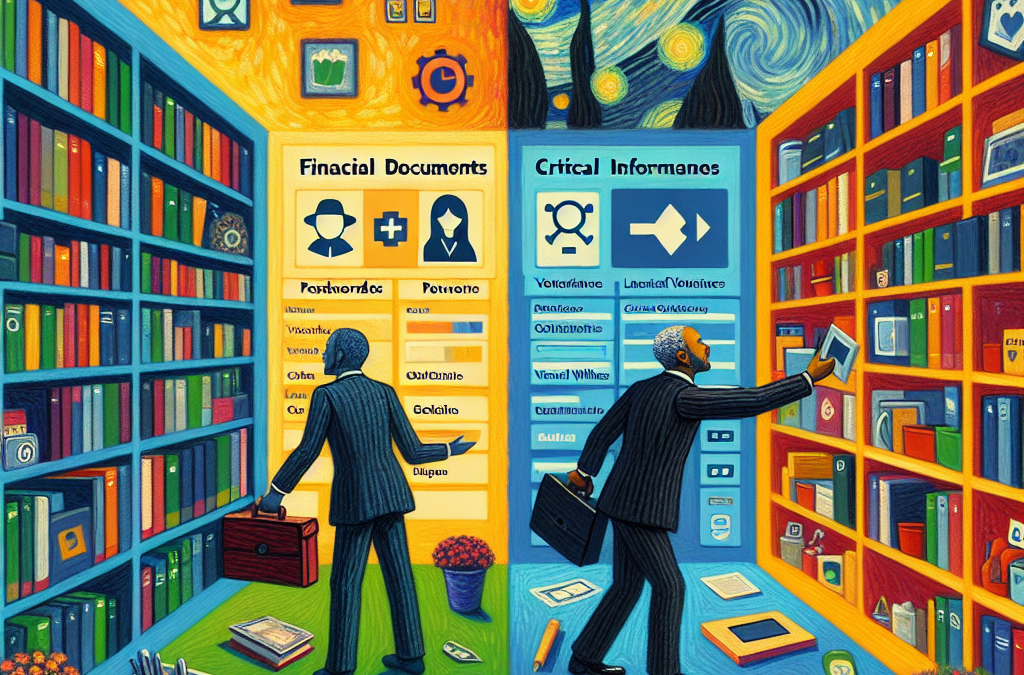
You don’t own what you can’t access. It’s a simple truth that runs deeper than any ownership title or property line. The concept of ownership has evolved, yet we find ourselves tied to things we can’t hold or understand—be it digital data, online accounts, or intangible assets. In this age of information, possession isn’t just about having; it’s about having the ability to connect, engage, and truly appreciate the treasures we seek.
Think about legacy storytelling. Each story we pass down becomes a thread in the fabric of our collective experience. Yet, if those stories are locked away in a vault of inaccessible technology or buried under an avalanche of forgotten passwords, what good are they? A narrative is only as powerful as its ability to be shared, explored, and cherished. The legacy we leave should resonate with those who come after us—not fade into obscurity because the means of access is lost.
On one hand, consider the palpable loss wrapped in inaccessible memories. Think of a family heirloom, not merely an object but a portal to our past, a vessel of love, sacrifice, and triumph. Now imagine that object is tucked away behind impenetrable digital barriers, rendering our heritage forgotten. The emotional weight of such a loss compels us to recognize that true ownership extends beyond possession; it encompasses the responsibility to keep those stories alive, to foster a connection that transcends generations.
Yet there’s also a rational aspect. We invest in technology and services, believing they’ll provide security and convenience, only to find ourselves at the mercy of companies that control our data. Being locked out of our own lives means relinquishing our autonomy. The ethical concern surfaces: who truly owns our stories and the information tied to them? A society that prioritizes access empowers individuals to claim their narratives, to mold their legacies with every click, upload, and share.
From a broader perspective, understanding the value of access fosters community. When we advocate for open channels of communication and share our stories, we create a tapestry of interconnected lives. As we recognize the importance of being able to tell and retell these stories, we inspire trust and confidence in one another. This is our call to action: ensure that what we create can be accessed, celebrated, and built upon. The stories we safeguard and share shape our legacy, and if we want to claim them, we must ensure they are accessible to all who wish to engage with them.

You Dont Own What You Cant Access
You Dont Own What You Cant Access
- Ownership transcends mere possession, focusing on access and connection to digital and intangible assets.
- Legacy storytelling is vital for preserving collective experiences; inaccessible stories lose their significance.
- Inaccessible memories, like family heirlooms, highlight the emotional weight of lost heritage.
- True ownership involves the responsibility to keep stories alive for future generations.
- Individuals often relinquish autonomy by relying on companies that control their data; ethical questions arise about ownership of personal narratives.
- Advocating for open communication fosters community and trust, connecting lives through shared stories.
- Ensuring accessibility of creations is essential for shaping and celebrating our legacies.

You Dont Own What You Cant Access
Table Of Contents
- You Dont Own What You Cant Access
- What Does It Mean to Truly Own Something?
- How Does Access Shape Ownership?
- What Are the Ethical Implications Of Access Rights?
- Who Decides What We Can Access In Our Lives?
- How Does Limited Access Affect Our Sense Of Belonging?
- What Stories Illustrate the Struggle for Access and Ownership?
- How Do Social Norms Influence Our Perceptions Of Ownership?
- Conclusion
- Other Resources
- Glossary Of Terms
- Other Questions
- Haiku
- Poem
- Checklist
What Does It Mean to Truly Own Something?
To truly own something is more profound than simply possessing it. Ownership goes beyond the tangible; it envelops our emotions, our responsibilities, and our stories. When we think about what it means to own a piece of land, a family heirloom, or even an idea, we tap into a legacy that intertwines with our very existence. It’s about the legacy we build and the stories we tell.
In the quiet moments after a hard day’s work, consider how you feel when you look at your backyard, a project that you’ve nurtured over time. That piece of earth isn’t just a plot of soil; it’s a canvas for memories, shaped by laughter, growth, and even heartache. It’s a narrative written over the years, with each tree planted and each fence mended contributing to the tale of who you are and where you’ve come from. The ability to witness the seasons change as your garden flourishes is an ownership that’s visceral and real. It lifts us beyond mere consumption into a realm of stewardship.
Emotional investment plays a critical role in truly owning something. Think of that cherished photo album filled with images of loved ones. Each picture tells a part of your family’s story and carries weight. The laughter captured in one frame or the solemn expressions in another are relics of moments that shaped not just individuals but the collective identity of a family. When we open that album, we don’t just revisit memories; we reaffirm our connection to those who came before us, acknowledging the ethical obligation we feel to honor their stories.
Ownership also engages us socially. We thrive in giving and sharing, spreading our stories and encouraging others to share theirs. When we open up about what we own, we’re not just sharing possessions; we’re sharing part of our identity. This sharing creates trust and builds community. It’s a reminder that we’re not alone in our experiences; others have stories that resonate and echo our own.
In a world so focused on fleeting trends and material accumulation, it’s vital to recognize that true ownership is about commitment. It’s about taking something in your hands, holding it close, and ensuring it carries forward, creating a resonating legacy through storytelling. This sense of ownership resonates in our hearts, engages our intellects, and stirs our guts — motivating us to celebrate and protect what truly matters.

What Does It Mean to Truly Own Something?
What Does It Mean to Truly Own Something?
- True ownership extends beyond mere possession to encompass emotions, responsibilities, and personal narratives.
- Owning a space, like a backyard, becomes a canvas for memories, reflecting personal growth and experiences.
- Emotional investment in items, such as family photo albums, reinforces connections to heritage and collective identity.
- Sharing ownership stories fosters community, building trust and highlighting shared experiences.
- True ownership signifies commitment, emphasizing the need to nurture and preserve what we cherish.
- It promotes a deeper engagement that transcends materialism, aligning with values of stewardship and legacy.
- Recognizing the weight of ownership inspires celebration and protection of meaningful possessions.

What Does It Mean to Truly Own Something?
How Does Access Shape Ownership?
Access is often the first step toward ownership, shaping not only what we own but how we connect with the essence of our communities. The journey from having access to claiming ownership is a powerful narrative woven into the fabric of society. Consider those moments when a shared story or experience transcends mere words, becoming a legacy that bonds individuals. This is legacy storytelling in action—it’s where the heart meets the head.
When we speak of access, we’re diving into a realm of opportunity. Think about the child who, thanks to a community program, discovers a talent for painting. That child’s access to art supplies, mentorship, and encouragement shapes not just their artistic journey but their entire future. It instills confidence, ignites passion, and ultimately, nurtures a sense of ownership over their craft. This experience resonates with our emotional core; it’s a reminder of what’s possible when barriers are broken down.
Yet, accessing resources alone isn’t enough. Ownership comes with a sense of responsibility and stewardship. It demands an ethical framework that goes beyond self-interest. When people feel truly connected to what they own, they often take better care of it, whether it’s a piece of land or a community project. This connection fosters a deeper relationship with the world around us and encourages ethical stewardship that can ripple outwards. It’s not just about claiming what’s yours; it’s about nurturing a community that’s built on trust and shared responsibility.
Narratives play a pivotal role in this process. Each person’s story contributes to the collective understanding of what ownership means. By sharing our experiences, we empower others to grasp the significance of their own access. These tales can inspire action, motivating individuals to protect what belongs to them and to advocate for others who may not have the same opportunities.
Social connections deepen the impact of ownership. A community united in purpose can bring about change that an individual alone cannot achieve. When people come together to ensure that everyone has access, they’re creating a legacy that goes beyond individual success. They’re investing in a future where ownership is a shared journey, filled with lessons learned and stories told. Through access, we build bridges—transforming not just our lives, but the lives of many. In this way, access shapes ownership, creating a cycle of empowerment and connection that reverberates through generations.

How Does Access Shape Ownership?
How Does Access Shape Ownership?
- Access is the first step toward ownership, influencing community connections.
- The transition from access to ownership is a significant societal narrative.
- Legacy storytelling links individuals through shared experiences and bonds.
- Access provides opportunities, exemplified by a child’s artistic journey aided by resources.
- Ownership entails responsibility and ethical stewardship beyond self-interest.
- Narratives empower individuals to understand and advocate for their own access.
- Community collaboration enhances ownership, fostering collective success and shared legacies.

How Does Access Shape Ownership?
What Are the Ethical Implications Of Access Rights?
Access rights are not simply legal constructs; they represent a tapestry woven from the threads of our values, our history, and our collective hopes. In an age where information flows faster than a river during spring thaw, the question of who gets access—and who doesn’t—takes on monumental significance. Each of us has a legacy, a story, shaped by the access we’ve had to knowledge, opportunity, and resources. But this legacy isn’t solely ours; it is intertwined with the narratives of those around us.
Imagine a child growing up in a community bustling with creativity and innovation, yet separated from resources that fuel those aspirations. What happens to that child’s potential? The answer isn’t just statistical—it’s deeply human. This is where emotion meets reason: access is about fulfilling dreams. Just as we celebrate the success stories that illustrate triumph over adversity, we must recognize those who are denied their full potential due to lack of access. These stories resonate deeply within us, reminding us of the power each voice holds.
From a rational standpoint, ethics demand we consider fairness. Imagine a society where access to education, healthcare, or even simple internet usage is governed by wealth or geography. We risk a rift that fractures our community, creating an echo chamber of privilege and exclusion. Ethical implications extend far beyond individual circumstances; they threaten the very fabric of our society, our connectedness. It begs the question: what kind of legacy are we building if access remains a privilege for a few?
Authority figures—policymakers, educators, and leaders—bear heavy responsibility. Their decisions echo through the generations. We look to them not just for guidance, but moral clarity. Our trust in their ability to foster equitable access is paramount. When they act wisely, they foster a society where opportunity knows no bounds, where access genuinely reflects our shared humanity.
Ultimately, access rights are about more than just entitlement; they are about connection. They invite us to support one another, to engage with the stories of people around us. When we elevate voices that have been marginalized, we cultivate a deeper, multifaceted understanding of our community. This is the essence of legacy storytelling—not merely recounting what has been, but actively shaping what is yet to come. We have the power to advocate for access rights, ensuring that our society thrives on the full spectrum of human experience.
What Are the Ethical Implications Of Access Rights?
What Are the Ethical Implications Of Access Rights?
- Access rights are influenced by our values, history, and collective hopes.
- Access determines individual and community potential, intertwining personal legacies with broader narratives.
- Emotional and rational aspects of access highlight its role in fulfilling dreams and recognizing challenges faced by others.
- Ethical considerations of access focus on fairness, warning against privilege-driven disparities in education, healthcare, and resources.
- Authority figures hold significant responsibility in promoting equitable access and inspiring trust within the community.
- Access rights encompass connection, urging support and understanding among diverse voices.
- Advocating for access rights enriches society by embracing the full spectrum of human experience.

What Are the Ethical Implications Of Access Rights?
Who Decides What We Can Access In Our Lives?
In a world teeming with information and countless choices, the question of who dictates our access becomes more pertinent. Picture a thread that connects us all—a legacy storytelling that shapes our perceptions, values, and ultimately, our access to life’s opportunities. The dynamics of this access are woven into the very fabric of society, often dictated by invisible hands that decide which voices are amplified and which are drowned out.
Consider the parents who instill values in us from an early age. They impart lessons of hard work and integrity, shaping not just our character but also our worldview. As we grow, we encounter systems—educational, political, and economic—that further define our trajectory. These frameworks, while often imposing, have the power to empower as well. For instance, education is marketed as the great equalizer, yet access to quality education remains elusive for many. When we acknowledge that, we spark a conversation about ethics and equity—a call for a system that deserves our trust.
Yet, it’s not just institutions wielding this power. Peer groups and social circles weigh in too. Think about how we discuss choices—a simple dinner invitation can be a reflection of our values, our status, and our community bonds. These narratives, rich with personal stories, expose the underlying truths about who we are and what we choose to embrace or reject. It’s a shared experience; every time we gather around a table, we contribute to a collective narrative that transcends individual lives.
But what about our personal motivations? This matter of choice is deeply intertwined with our gut feelings. We often make decisions based on emotions rather than logic. Are we drawn to voices that resonate with our own experiences? Do we shy away from those challenging our comfort zones? It’s a delicate dance, finding the balance between belonging and growth. The challenge lies in embracing dissenting opinions while nurturing the relationships that matter most.
As we stand at this crossroads, the agency we exert over our choices becomes a powerful tool. We can choose to engage with diverse narratives, challenge the status quo, and advocate for equitable access in our lives. By redefining who possesses the keys to our doors, we can foster a society that values every story, every voice, and ultimately, every individual. Through our actions, we can ensure that the legacy we leave behind is one where access isn’t dictated by power but shared through understanding.

Who Decides What We Can Access In Our Lives?
Who Decides What We Can Access In Our Lives?
- Access to information and opportunities is determined by various societal dynamics.
- Parents shape values and character, influencing our worldview from an early age.
- Educational, political, and economic systems can both impose constraints and provide empowerment.
- Access to quality education remains unequal, prompting discussions about ethics and equity.
- Peer groups and social circles influence our choices and reflect our values and status.
- Personal motivations and emotions play a significant role in decision-making.
- Exercising agency in our choices can promote diverse narratives and equitable access for all.

Who Decides What We Can Access In Our Lives?
How Does Limited Access Affect Our Sense Of Belonging?
##
In a world that seems ever more connected, the paradox of limited access strikes at the core of human experience. It’s in this contrast that we find a powerful narrative, a legacy storytelling that shapes our understanding of belonging. When access to spaces—be it physical, digital, or emotional—is restricted, the inherent desire to connect and participate becomes a double-edged sword.
Imagine standing outside a club with your friends, laughter echoing from within, but the door is locked to you. It’s not merely a loss of opportunity; it’s a visceral ache that questions your worthiness, your identity. In that moment, belonging feels transactional, defined by who gets to join the circle and who is left looking in. For individuals from marginalized communities, this exclusion can feel like an institutional stamp declaring, “You don’t belong here.” It’s a message received loud and clear, speaking to the gut and cracking open the heart.
On a rational level, we know that belonging fosters resilience and a sense of purpose. Studies have shown that people who feel connected to their communities are more likely to thrive emotionally and intellectually. With limited access, however, we sever those crucial ties, leaving individuals to navigate their lives in isolation. This disconnection breeds cynicism and a lack of trust—not just in others but in themselves. The very fabric of society begins to fray when individuals feel alienated from the narrative being spun around them.
Ethically, we grapple with the moral implications of access disparities. Who decides who gets in? When we deny others entry, we not only undermine our collective potential but also restrict the richness that diverse voices bring to our shared experiences. It requires conscious action from those in positions of power to dismantle barriers, fostering environments where every story can be told, every voice heard.
Legacy storytelling reminds us that belonging is not just a perk; it’s a human right. It beckons us to create spaces where the rich tapestry of experiences can intertwine. Connecting with one another—not just through shared interests, but shared humanity—invites collaboration and compassion. As we work towards breaking down barriers, we inspire a community mindset where access is seen not as a privilege but as a shared responsibility. Only then can we nurture a culture where everyone can claim their place, enriching the very definition of belonging.

How Does Limited Access Affect Our Sense Of Belonging?
How Does Limited Access Affect Our Sense Of Belonging?
- The paradox of limited access underscores the human experience, affecting our sense of belonging.
- Exclusion from spaces can create visceral feelings of unworthiness and alienation, particularly for marginalized communities.
- Belonging is linked to resilience and purpose, but limited access leads to emotional and intellectual isolation.
- This disconnection fosters cynicism and distrust, unraveling the fabric of society.
- Moral implications arise regarding who controls access, impacting the richness of diverse narratives.
- Legacy storytelling emphasizes that belonging is a human right, requiring conscious actions to dismantle barriers.
- Creating inclusive environments encourages collaboration, compassion, and a shared sense of responsibility for access.

How Does Limited Access Affect Our Sense Of Belonging?
What Stories Illustrate the Struggle for Access and Ownership?
Access and ownership are not just legal concepts—they are the lifeblood of communities and individuals, intertwining with our very identity and legacy. In this modern age, countless stories highlight the relentless pursuit for both, showcasing the lengths to which people will go to secure their rightful place in the world.
Consider the legacy of a small-town entrepreneur. After years of hard work and sacrifice, she manages to establish a thriving business. Yet, despite her efforts, she faces systemic barriers that limit her access to necessary resources—financing, mentorship, and even basic infrastructure. Her story encapsulates the emotional weight of dreams deferred, a testimony to the courage required to forge a path when the odds are stacked against you. It beckons listeners to reflect on their own journey, resonating deeply with anyone who has faced obstacles on their path to ownership and self-determination.
On the flip side, there are tales of entire communities rallying against neglect and injustice. Consider a neighborhood that has come together to reclaim its parks and public spaces. Initially facing bureaucratic hurdles and indifference, these community members unite through legacy storytelling, weaving their histories and aspirations into an unwavering demand for their rights. Their collective voice provides not just power, but purpose, bridging the gap between a forgotten past and a hopeful future.
Yet, these stories are not merely anecdotes; they invoke ethical considerations that stir the conscience. The unjust disparities in access highlight a moral imperative for action, challenging leaders, policymakers, and society at large to re-examine the structures that allow inequity to persist. Here, the authority of lived experiences becomes paramount. The voices of those who have walked the hard road toward access and ownership carry immense weight, urging us to listen, to empathize, and ultimately, to act.
These narratives create a social bond, inviting engagement in the collective mission of uprooting the barriers that hinder progress. They inspire trust and confidence in shared endeavors, fostering a sense of agency as individuals recognize that change is within their grasp. The fight for access and ownership isn’t just a quest for material gains; it’s a call to honor our shared humanity and ensure that every voice has a stake in the story being told. It’s through these tales that we connect, inspire action, and continue the legacy of resilience and empowerment that shapes our communities.

What Stories Illustrate the Struggle for Access and Ownership?
What Stories Illustrate the Struggle for Access and Ownership?
- Access and ownership are vital for community identity and legacy.
- A small-town entrepreneur faces systemic barriers despite her hard work and success.
- Her story highlights the emotional toll of pursuing dreams amidst challenges.
- Communities can unite to reclaim neglected spaces, overcoming bureaucratic obstacles.
- Collective storytelling empowers communities by linking pasts with future aspirations.
- Disparities in access highlight ethical responsibilities for leaders and society.
- The pursuit of access and ownership fosters social bonds and a shared mission for change.

What Stories Illustrate the Struggle for Access and Ownership?
How Do Social Norms Influence Our Perceptions Of Ownership?
How Do Social Norms Influence Our Perceptions of Ownership?
Ownership isn’t just about having something; it’s about the legacy we build, the stories we tell, and the connections we forge. When we think about what it means to possess an item, it’s often wrapped in the social norms that guide our lives. These norms shape our perceptions of what it means to own something, and they carry with them the weight of legacy storytelling—a narrative that extends beyond the individual to the community and the culture.
Consider the simplicity of a child clutching their first toy. This small act of ownership is powerful. It doesn’t just represent possession; it embodies a story, a glimpse into their world. As they grow, the understanding of ownership evolves. Social norms dictate what’s deemed acceptable—who can own what, why it matters, and how it’s expressed. In a society where prestige is tied to material wealth, the narrative surrounding ownership often leans toward status—a tangible way to communicate success. Each object becomes a chapter in a story of worth and value, crafted by societal expectations.
But there’s another layer to this tale—an ethical dimension. When we examine our perceptions of ownership through the lens of social norms, we begin to recognize the responsibilities tied to what we own. It’s not just about the item; it’s about how we relate to it and to one another. A community raises questions about stewardship. Do we respect and care for what we have? Are we mindful of the ecological and social impacts of our ownership? This reflection can lead to a collective ethos, transforming how we view our possessions and our place within the broader narrative of humanity.
Envision a homeowner who isn’t merely living within a structure but is part of a larger story—one that includes neighbors, traditions, and shared experiences. This connection to others strengthens the sense of belonging. Social norms teach us that ownership is not a solo act; it’s interdependent, shaped by the alliances we form and the legacies we choose to uphold.
As we navigate our lives, understanding how social norms influence our perceptions of ownership can inspire a profound shift in how we engage with the world. Let’s challenge the status quo. Let’s foster connections that lead to more responsible ownership and legacy storytelling—transforming our material possessions into agents of positive change. When we embrace this collective narrative, we empower ourselves and those around us, igniting a movement grounded in trust, confidence, and action.

How Do Social Norms Influence Our Perceptions Of Ownership?
How Do Social Norms Influence Our Perceptions Of Ownership?
- Ownership is shaped by social norms, influencing perceptions and narratives around possession.
- A child’s first toy illustrates the power of ownership as a personal and communal story.
- Understanding of ownership evolves with age and societal expectations around material wealth.
- Ownership also carries ethical responsibilities regarding stewardship and care for possessions.
- Connections to others enhance the sense of belonging and underscore interdependence in ownership.
- Challenges to societal norms can inspire responsible ownership and legacy storytelling.
- Embracing a collective narrative fosters empowerment and promotes positive societal change.

How Do Social Norms Influence Our Perceptions Of Ownership?
Conclusion
Access is the gateway to ownership, a concept that resonates deeply across our emotional, intellectual, and ethical landscapes. In this age, where information flows like water and yet often feels inaccessible, it’s clear that true ownership isn’t merely about possession—it’s about the ability to connect and share our stories. When we speak about ownership, we’re not just talking about physical items or digital assets; we’re engaging with the narratives that shape our identities and communities.
Imagine the weight of unshared family heirlooms or locked-away memories that could be treasures to future generations. This loss is palpable, highlighting the necessity to keep our histories alive and accessible. Ownership demands more than mere title—it compels us to nurture and protect those shared stories. Every piece of land you cultivate, every family photo that sparks joy, ties back to our roots and responsibilities. It’s a tactile reminder of who we are and who we’ve been.
Yet, with technology dictating our access to these memories and identities, we often find ourselves at the mercy of systems that constrain our autonomy. This raises the critical ethical question: Who truly owns our stories? A society that values access not only empowers individuals but creates a rich tapestry of shared experiences, fostering community connections that transcend individual narratives.
The struggles for access echo in countless stories—of entrepreneurs barred from equitable resources or communities uniting to reclaim neglected shared spaces. These narratives challenge us to rethink ownership as a collective ethos rather than isolated achievements. In nurturing a culture where everyone feels they belong, we can foster an environment rich in diverse voices. It’s a powerful turn—a movement toward not just sharing ownership but participating in a legacy defined by collective strength and resilience.
So, as we reflect on ownership and access, let’s commit to ensuring that what we create is accessible to all. Let’s harness our stories to connect with one another, amplify marginalized voices, and build a future where legacy storytelling thrives. Remember, our stories don’t just belong to us—they’re threads in the larger fabric of humanity. Claiming them means making sure they’re woven into the lives of those who come after us. Together, we can foster a culture of openness, courage, and communal ownership that honors every individual’s narrative. This is our call to action.

Conclusion
Conclusion:
- Access is essential to ownership, transcending emotional, intellectual, and ethical domains.
- True ownership involves sharing stories rather than mere possession of items or assets.
- Unshared family heirlooms represent lost treasures that highlight the importance of keeping histories accessible.
- Ownership requires nurturing and protecting shared narratives, which tie us to our roots.
- Technological systems often restrict our access to memories, raising questions about who truly owns our stories.
- The struggle for access drives a collective rethinking of ownership as a shared ethos rather than individual gain.
- Emphasizing accessibility fosters a culture of openness and communal ownership that honors diverse narratives.

Conclusion
Other Resources
Other Resources
Here is a list of other resources you can review online to learn more:
- Willmaker
- Obituary Templates
- Forever Missed
- FamilySearch
- MyHeritage
- FutureMe
- Ancestry
- AmericanAncestors
- Legacy
- Geneanet
- Meminto
- UpCounsel
- ForeverMissed
- International End of Life Doula Association
- Everplans
- WishesKeeper
- Geni
- LifeSite
- How to Save Your Family�s Stories from Being Lost Forever � A Step-by-Step Guide to Creating a Lasting Digital Legacy
- IronClad Family
Use This Prompt To Get More Resources With Your Favorite Online AI Tool: Please provide me with a list of online articles with their URLs in a bulleted list that I can read regarding You Dont Own What You Cant Access

Other Resources
Glossary Terms
You Dont Own What You Cant Access – Glossary Of Terms
1. Asset: Anything of value that can be owned or controlled, including digital and physical items.
2. Access: The ability to obtain or make use of something, particularly in relation to data or resources.
3. Ownership: The state of having legal rights over an asset or property.
4. Control: The power to influence or direct something; in terms of ownership, it implies having authority over an asset.
5. Digital Rights: Legal rights related to the use and ownership of digital content and assets.
6. Access Rights: Permissions granted to users to view or modify data or assets.
7. License: A legal authorization to use, produce, or distribute a product, often governed by terms and conditions.
8. Cloud Storage: Online data storage accessed through the internet, where ownership and access can be complex.
9. Intellectual Property: Creations of the mind, such as inventions, designs, and brands that are legally protected.
10. Data Ownership: The concept of holding rights over data, including control, use, and distribution.
11. Service Agreement: A contract defining the terms of service between a provider and a user, often related to access and rights.
12. User Agreement: A contract that outlines the rules and guidelines for a user’s interaction with a service or asset.
13. Subscription Model: A business model where payment is made to access a service over a defined period, affecting ownership rights.
14. Content Delivery Network (CDN): A system that delivers content to users based on their geographic location, highlighting access over ownership.
15. Digital Divide: The gap between those who have easy access to digital technology and those who do not, impacting ownership perceptions.
16. Rights Management: The process of managing rights and permissions related to digital content and ownership.
17. Non-fungible Token (NFT): A unique digital asset representing ownership of items such as art and collectibles using blockchain technology.
18. Access Control: A security technique to regulate who or what can view or use resources, emphasizing access over ownership.
19. Data Privacy: The handling and protection of personal information, often tied to ownership and access rights.
20. User Profile: A collection of data representing an individual user, influencing how access rights are allocated.
21. Terms of Service: Rules that users must agree to in order to use a service, typically governing access and ownership issues.
22. Digital Footprint: The trail of data an individual leaves online, often complicating ownership of digital assets.
23. Software as a Service (SaaS): A software distribution model ensuring access through the internet, where ownership is generally retained by the provider.
24. Access Token: A digital token used to gain access to resources, signifying temporary access rather than ownership.
25. Proprietary Software: Software owned by an individual or company that restricts access and modification by others.
26. Data Portability: The ability to transfer data from one service to another, highlighting the tension between access and ownership.
27. API (Application Programming Interface): A set of rules allowing different software entities to communicate, often tied to access rather than ownership.
28. Cryptocurrency: Digital currency that can be owned but often raises questions about control and access.
29. User Experience (UX): The overall experience a user has when interacting with a product or service, influenced by access and ownership factors.
30. Entitlement: A user’s right to access or control certain assets based on agreements, laws, or policies.

Glossary Of Terms
Other Questions
You Dont Own What You Cant Access – Other Questions
If you wish to explore and discover more, consider looking for answers to these questions:
- What concrete examples illustrate when access, not legal title, determines true ownership?
- How can individuals protect digital assets and ensure future access for heirs?
- What legal mechanisms exist for transferring access to online accounts after death?
- How do companies’ terms of service affect a person’s ability to claim or transfer their data?
- What is the difference between ownership and stewardship in practical terms?
- How does encryption and strong authentication impact family access to memories and documents?
- What policies or standards support data portability and user control over personal information?
- How can communities create shared access without compromising privacy or security?
- Which technologies make legacy storytelling and long-term access more reliable?
- What ethical frameworks should guide decisions about who gets access to communal or cultural assets?
- How do socioeconomic factors shape who gains meaningful access to resources and narratives?
- What are the psychological effects of being locked out of personal or community histories?
- How can organizations balance intellectual property rights with public access to cultural materials?
- What steps can policy makers take to reduce access inequality in education and technology?
- How should families document credentials, passwords, and access plans in a secure way?
- What role do libraries, archives, and public institutions play in preserving access to stories?
- How do social norms and cultural expectations influence who is allowed to claim ownership?
- What are notable legal cases or precedents about access vs. ownership of digital property?
- How can grassroots movements or neighborhoods successfully reclaim public spaces and access?
- What practical metrics measure whether access has been equitably distributed in a community?
- How do platforms’ business models conflict with users’ long-term access interests?
- What are the trade-offs between accessibility and security when opening up resources?
- How can educators teach legacy storytelling and the ethics of access to younger generations?
- Who should be accountable when access is denied due to corporate shutdowns or service failures?
- What funding models support sustainable, community-controlled access infrastructure?
- How can marginalized groups reclaim narratives that have been suppressed or locked away?
- What are low-cost, practical strategies for individuals to back up and share family histories?
- How might future technological shifts (AI, blockchain, decentralized storage) change access and ownership?

Other Questions
Haiku
You Dont Own What You Cant Access – A Haiku
Ownership is more than claims,
Access breathes life into dreams;
Together we thrive.

Haiku
Poem
You Dont Own What You Cant Access – A Poem
Access and Ownership A Poem
In shadows where the stories lie,
Tales untold, forgotten sigh,
Ownership, a fragile thread,
Breathes in the truths we’ve left unsaid.
You don’t own what you cant possess,
Not the trinkets, not the stress,
But the bonds that brightly weave,
A legacy we all believe.
From gardens nurtured with our hands,
To albums filled with family strands,
Each photo breathes a timeless song,
A narrative where we belong.
Yet access, the gate, both wide and small,
Shapes our journeys, grants us all—
The chance to share, connect, and grow,
To plant the seeds of what we sow.
In the quiet hum of community,
Where every voice can claim its unity,
Barriers break when stories flow,
Empowering hearts, helping us know.
Who decides which paths are free?
The gatekeepers of our history,
Yet with each act of shared embrace,
We build a world, a sacred space.
So let’s unlock the doors we find,
And nurture legacies intertwined,
For in the sharing, we ignite,
The strength of voices, bold and bright.
Together we’ll weave the future’s thread,
A tapestry of all weve said,
Claiming worth from stories shared,
In every heart, the legacy bared.

Poem
Checklist
You Dont Own What You Cant Access – A Checklist
Emotional Appeals
✅______ Reflect on the personal stories that shape your identity and sense of ownership.
✅______ Identify one cherished memory linked to an object or digital asset you own.
✅______ Consider how accessing your family stories impacts your emotional well-being.
Rational Appeals
✅______ Assess how technology influences your control over personal data and assets.
✅______ Investigate digital tools available to help manage and secure your online presence.
✅______ Evaluate the potential consequences of not maintaining access to your important assets.
Ethical Appeals
✅______ Reflect on the ethics of ownership in a digital age – who truly owns your stories?
✅______ Advocate for policies that promote equitable access to resources in your community.
✅______ Commit to sharing knowledge and resources to support others in claiming their narratives.
Authority Appeals
✅______ Research reputable sources that emphasize the importance of digital ownership and access rights.
✅______ Follow thought leaders in the field of data privacy and digital ethics for ongoing education.
✅______ Participate in community discussions led by local experts about access and ownership challenges.
Narrative Appeals
✅______ Share a personal story about overcoming access barriers in your life.
✅______ Compile a collection of collective stories from your community that showcase the importance of access.
✅______ Encourage others to explore their own stories and how they relate to the theme of ownership.
Social Appeals
✅______ Connect with others who value storytelling and access in your network.
✅______ Facilitate a group discussion focused on the significance of shared narratives.
✅______ Join community initiatives that promote open access and resource sharing.

Checklist
At LegacyExplorations, we help people plan and explore their legacy by collecting information and news regarding end-of-life planning.
Please share this post with your friends, family, or business associates who may want help to plan or explore their legacy.