

Capture The Heart: Where Moments Become Memories That Matter
By Tom Seest
At LegacyExplorations, we help people plan and explore their legacy by collecting information and news regarding end-of-life planning.
Please share this post with your friends, family, or business associates who may want help to plan or explore their legacy.
You Recorded the Event – But Not the Emotion
You’ve captured the moments, the sights, and the sounds—the concrete details that form a great collection of memories. But those memories are hollow if they lack the essence of the emotions that accompanied them. It’s like assembling a puzzle with bright colors and intricate shapes while neglecting to infuse the pieces with the stories that give them significance. This is where legacy storytelling takes center stage. It’s not just about recording events but embracing the feelings entwined in those moments.
Imagine an autumn afternoon, the golden sunlight filtering through the trees, laughter echoing as family members gather. You can film the scene; the camera captures the joy, the smiles, the hugs. But without the emotion, without the underlying current of love and connection, you’ve merely documented an event. It’s in those fleeting glances and heartfelt embraces where the truth resides. Those emotions are the glue that binds the event to the narrative of who we are. They shout into the silence, beckoning you to remember, feel, and reflect.
Storytelling isn’t just a craft; it’s an act of ethical duty to preserve the heart of our shared experiences. It harnesses the power of vulnerability, connecting us to our past and linking generations. By sharing the laughter that echoed through that autumn day, you invite others into your world, fostering connection and understanding. When you allow yourself to be emotionally curious, you inspire trust—trust that your narrative holds value beyond the mere facts of time and place.
Think of legacy storytelling as an invitation to delve deeper, as a challenge to not let the passage of time erase the emotional artifacts of our lives. Each story is a thread woven into the tapestry of our society; it’s a testament to resilience, love, and the human experience. Your stories can inspire action, prompting others to share their own narratives, thus keeping the cycle of connection alive.
When you sit around a dinner table, reflecting on the past, don’t just recount what happened—share how it felt. The stories we tell shape who we are. So, when you click that record button, remember: you’re not just capturing events; you’re documenting emotions that transcend time and space, inviting others to walk alongside you in your journey. In doing so, you ensure that your legacy survives, not as a series of events, but as a heartfelt tapestry of life.

You Recorded the Event – But Not the Emotion
You Recorded the Event – But Not the Emotion
- Capturing moments, sights, and sounds creates a collection of memories.
- Memories lack significance without the accompanying emotions.
- Legacy storytelling involves embracing feelings entwined in moments, not just recording events.
- Emotions are essential in binding events to personal narratives and shared experiences.
- Storytelling serves as an ethical duty to preserve emotional artifacts of life.
- Sharing personal stories fosters connection, understanding, and trust among generations.
- Documenting emotions is crucial for ensuring a legacy that reflects a heartfelt tapestry of life.

You Recorded the Event – But Not the Emotion
Table Of Contents
- You Recorded the Event – But Not the Emotion
- What Memories Did You Wish You Captured Beyond the Visuals?
- How Can Emotions Deepen Your Perception Of Recorded Moments?
- Why Do Some Events Feel Different When Seen Through a Lens?
- How Do You Reflect on the Emotions Tied to Your Recorded Memories?
- What Stories Do Your Recordings Miss That Your Heart Knows Well?
- What Regrets Do You Have About Missed Emotional Moments?
- What Ethical Considerations Come Into Play When Recording Emotions?
- Conclusion
- Other Resources
- Glossary Of Terms
- Other Questions
- Haiku
- Poem
- Checklist
What Memories Did You Wish You Captured Beyond the Visuals?
As we navigate the tapestry of life, each moment we experience is a thread that weaves into our personal legacy. Yet, how often do we pause to consider the stories behind those fleeting moments? We may have countless pictures stored away, but what memories slip through the cracks of our consciousness, the ones not encapsulated by a camera lens? These unrecorded memories often hold the essence of who we are, painting a vivid portrait of our existence that transcends mere visuals.
Consider the warmth of a loved one’s laughter, the kind of sound that wraps around you like a favorite blanket. Or think of the subtle exchange of glances shared during a moment of triumph, the unscripted air filled with mutual understanding and joy. These nuances define our experiences, much more than a snapshot can convey. Each interaction, each fleeting connection, plays a role in our legacy storytelling, forming a narrative that shapes our identities and the relationships we cultivate.
It’s about more than nostalgia; it’s about the weight of meaning. Emotional memories resonate at our core, reminding us of who we’ve loved, who we’ve lost, and the profound impact of those connections. Rationally, capturing these intangible moments encourages reflection, leading us to understand the forces that drive us and the values we cherish. And ethically, we owe it to those we cherish to honor our shared journeys, documenting the stories that make our lives richer.
Think for a moment about the elder who shares their wisdom at the dinner table, or the child asking questions about the world with innocent curiosity. These are the moments that stitch our social fabric, where community and connection thrive. The stories we don’t capture visually may indeed be the ones that inspire the most profound trust and confidence in our fellow humans. They remind us that life is not lived in solitary frames but in the collective experiences that shape our legacy.
This isn’t just about reminiscing; it’s a call to action. Let us strive to engage more deeply with the people we love and even the strangers we meet. We can become storytellers of our own lives and the lives around us by nurturing those unrecorded moments. Start today. Write down the laughter, the silence, the simple gestures that matter. Transform your legacy storytelling into vibrant narratives that honor the emotional landscape of your life. Capture more than just visuals; capture the heartbeats in between.

What Memories Did You Wish You Captured Beyond the Visuals?
What Memories Did You Wish You Captured Beyond the Visuals?
- Life consists of moments that contribute to our personal legacy.
- Many meaningful memories are not captured by photographs.
- Emotional connections and shared experiences define our identities.
- Intangible memories inform our understanding of ourselves and our values.
- Every interaction, even those not visually recorded, shapes our social fabric.
- Engaging deeply with others enhances our storytelling and legacy.
- Documenting experiences can enrich our lives beyond mere visuals.

What Memories Did You Wish You Captured Beyond the Visuals?
How Can Emotions Deepen Your Perception Of Recorded Moments?
How can emotions deepen your perception of recorded moments? Imagine a dusty old photo album, each page a portal to a different time, each image echoing laughter, tears, or even silence. These aren’t just snapshots; they’re fragments of our Legacy Storytelling, rich with the emotions that shaped us.
When you look at these captured moments, emotions act like a lens, sharpening your focus and peeling back the layers of that experience. A simple picture of a family gathering transforms into a tapestry woven with the threads of joy, nostalgia, or perhaps sorrow. The heart takes center stage, connecting you to those times and people, making every glance an echo of shared memories.
Rationally, this phenomenon isn’t just poetic; it’s backed by science. Research shows that emotionally charged experiences are more easily remembered, and those memories can be recalled vividly, almost like reliving them. This invites us to consider the role of emotions in shaping not just personal narratives, but the very way we perceive our past. When a moment is infused with feeling—be it love, loss, or triumph—it invites deeper reflection and understanding.
Ethically, there’s a responsibility to engage with these emotions, to share stories that honor the lives and lessons woven through time. Emotions serve as a bridge, connecting individuals in a broader social context. When we share our experiences, we inspire others to reflect on their own lives, creating a sense of camaraderie. This is especially powerful in a world that often feels disconnected. Sharing recorded moments becomes an act of vulnerability and strength, as we reveal our true selves.
Consider the authority in your own experiences. Each moment you capture holds the weight of your unique story, contributing to a collective narrative that resonates with others. This fosters a connection, not just within our circles but across generations. Emotions breathe life into recorded moments, inviting others into our world, fostering empathy and understanding.
In that spirit, embrace the emotions tied to your memories. Every photograph, every video clip, contains a narrative waiting to be told—your legacy waiting to unfold. By sharing these moments, you’re not just preserving history; you’re inviting others to join you on a journey through shared humanity, encouraging deeper connections and inspiring action in how we relate to one another.

How Can Emotions Deepen Your Perception Of Recorded Moments?
How Can Emotions Deepen Your Perception Of Recorded Moments?
- Emotions enhance the perception of recorded moments, transforming simple photos into rich narratives.
- These captured moments are connected to feelings like joy, nostalgia, or sorrow, deepening personal reflection.
- Emotionally charged experiences are easier to remember and can be recalled vividly.
- Sharing emotional stories fosters connections and inspires others to reflect on their own experiences.
- Engaging with emotions carries a responsibility to honor the lives and lessons of the past.
- Each recorded moment contributes to a collective narrative, fostering empathy across generations.
- Sharing personal memories not only preserves history but also encourages deeper human connections.

How Can Emotions Deepen Your Perception Of Recorded Moments?
Why Do Some Events Feel Different When Seen Through a Lens?
When we witness an event unfold, whether it’s a celebratory gathering or a moment of deep significance, our understanding and emotional connection often shift dramatically when we view it through a different lens. This isn’t just about camera angles or lighting; it’s about how perspective shapes our experience and narrative. Legacy storytelling, a powerful tool employed in cultures worldwide, teaches us that every moment holds the potential to be more than just an occurrence—it can become a cherished memory or a pivotal part of our journey.
Think about it: when you’re at a concert, the energy of the crowd is palpable, but when you watch it on screen, you’re invited to analyze the performance, reflect on the lyrics, and connect with the artist’s journey in a way that’s deeply personal. The lens allows us to pause and digest, turning raw emotion into intimate reflection. In a way, it feels like peering into a shared human experience, gathering pieces of others’ lives while intertwining them with our own.
From a rational standpoint, different lenses act as filters for our understanding. They guide our attention to specific aspects that might otherwise go unnoticed. Consider how powerful the elder telling stories of their youth can be. They hold authority, serving as bridges between generations; their stories evoke both nostalgia and inspiration, reminding us of the values that bind us. This act of sharing becomes an ethical duty, ensuring we recognize the importance of preserving our collective legacy through storytelling.
But beyond the head and heart, there’s a gut feeling when we shift our perspective. Think of how it feels to be on the front lines of a community event that inspires you. The connection fosters a sense of solidarity, making you want to take action, to be a part of something bigger than yourself. When filtered through a broader lens, these events often spark movements, drive change, and influence others.
The lens is empowering; it enhances our ability to communicate and connect. It transforms fleeting moments into pivotal recollections woven into the tapestry of our lives, reminding us of our capacity to learn from each experience. It invites us to cherish the past while embracing the future, inspiring trust in the narratives we create. In this shared journey, we find our stories intertwined, reinforcing the value of legacy storytelling as a means to unite us across time and space.

Why Do Some Events Feel Different When Seen Through a Lens?
Why Do Some Events Feel Different When Seen Through a Lens?
- Perspective shifts our understanding and emotional connection with events.
- Legacy storytelling converts moments into cherished memories or pivotal experiences.
- Viewing events through different lenses allows for reflection and personal connection.
- Elders sharing their stories bridge generational gaps and evoke nostalgia.
- Shifting perspectives fosters solidarity and inspires action in community events.
- The lens empowers communication and transforms moments into significant recollections.
- Legacy storytelling unites us across time, emphasizing the importance of shared narratives.

Why Do Some Events Feel Different When Seen Through a Lens?
How Do You Reflect on the Emotions Tied to Your Recorded Memories?
Reflecting on the emotions tied to our recorded memories isn’t just an exercise in nostalgia; it’s an essential part of our human experience. Each moment captured in photos or videos carries with it a story—a legacy storytelling that connects us to our past, shaping who we are today. These memories, laden with both joy and sorrow, are not mere snapshots; they are threads weaving together the fabric of our lives.
To engage with these emotions, it’s crucial to approach them honestly. We often shy away from difficult memories, fearing the pain they might bring back. Yet, confronting those moments can be transformative. When we allow ourselves to feel the weight of loss or the warmth of love, we invite authenticity into our lives. This process isn’t just about looking back; it’s about understanding our journey and the narratives that define us. Embracing our memories fosters a sense of belonging to something larger than ourselves, nurturing connections with others who share similar experiences.
Think about it: the stories passed down through generations are often rooted in concrete emotions—hope, courage, resilience. By reflecting on our own recorded memories, we contribute to a collective understanding of what it means to be human. When you view a photograph that captures a fleeting moment of laughter or a milestone, you’re not just seeing an image; you’re feeling the echoes of that time, resonating within you. You’re reminded of the laughter that filled the room, the warmth of a hug, or the bittersweet taste of change.
This isn’t just therapeutic; it’s a moral obligation to honor our past, allowing us to cultivate deeper empathy for ourselves and those around us. As we share these emotions, we create opportunities for others to do the same, inviting them into our stories and building a community grounded in shared experiences. Every memory has the potential to ignite conversations that foster understanding and compassion, bridging gaps across generations.
Take a moment to reflect on your own legacy storytelling. What memories hold the most emotion for you? What stories do you want to carry forward? By doing so, you not only enrich your own life but also contribute to a legacy that inspires trust, confidence, and action in others. It’s a journey worth taking, filled with the promise of connection and the power of shared humanity.

How Do You Reflect on the Emotions Tied to Your Recorded Memories?
How Do You Reflect on the Emotions Tied to Your Recorded Memories?
- Reflecting on emotions tied to memories is essential to the human experience.
- Recorded moments carry stories that shape our identities and connections to the past.
- Engaging with both joyful and painful memories fosters authenticity in our lives.
- Confronting difficult moments can lead to transformation and deeper self-understanding.
- Embracing memories nurtures a sense of belonging and shared experiences with others.
- Every memory contributes to collective human understanding and emotional resonance.
- Legacy storytelling enriches lives and inspires trust and action within communities.

How Do You Reflect on the Emotions Tied to Your Recorded Memories?
What Stories Do Your Recordings Miss That Your Heart Knows Well?
In our fast-paced world, we often rely on technology to capture our most precious moments. Yet, could it be that these recordings miss the essence of what truly matters? The stories that live in our hearts possess a depth of emotion and experience that a mere video or audio clip can never encapsulate. These are the tales of our life journeys—the legacy storytelling that shapes who we are and how we connect with others.
Think of the story behind a simple photograph. It might be a candid image of laughter shared around a dinner table, but what it doesn’t convey is the laughter’s origin. Perhaps it was built on years of hard work, struggle, or triumph. It speaks volumes about friendship, family bonds, and the fleeting nature of time. While technology can document moments, it often misses the nuanced narratives that breathe life into our existence.
The stories we carry intersect with our values and ethics. They remind us of our shared human experience, reinforcing the idea that we aren’t alone in our struggles or victories. Our recordings might outline events, but the heart knows the unspoken truths—those moments of vulnerability and courage that build trust and connection within our communities. The emotional weight of those untold stories can resonate deeply, stirring something primal within us.
Consider the voice of authority—someone who has experienced life’s trials and the triumphs that define us. Sharing those experiences inspires confidence in others, instigating action that can change the course of lives. Each story holds the power to illustrate lessons learned, values forged in the fires of adversity, and the wisdom we gain as we navigate our journeys. We are not just telling tales; we are forging connections that uplift, educate, and inspire.
Every story you may have missed—those that your heart knows intimately—serves as an invitation to reflect on your own legacy. The act of storytelling is not just about sharing; it’s about fostering relationships and making sense of our place in the world. It’s about reaching out to others and saying, “You’re not alone.” Let’s embrace the untold stories that linger in our hearts. They’re the threads that connect us all, reminding us of our shared humanity and urging us forward in a world that often feels disconnected. So, as you think about what recordings capture, remember that the most powerful narratives are those that resonate deep within, waiting to be told.

What Stories Do Your Recordings Miss That Your Heart Knows Well?
What Stories Do Your Recordings Miss That Your Heart Knows Well?
- Technology captures moments but may miss deeper emotional significance.
- Stories of life journeys create connections and shape our identities.
- Photographs tell surface stories, lacking the context of shared experiences.
- Untold stories reflect our values, ethics, and shared human experience.
- Life experiences inspire confidence and foster connections through storytelling.
- Storytelling invites reflection on personal legacies and relationships.
- Powerful narratives resonate within us, urging connection in a disconnected world.

What Stories Do Your Recordings Miss That Your Heart Knows Well?
What Regrets Do You Have About Missed Emotional Moments?
We all carry a collection of unfinished stories, moments we let slip through our fingers, like grains of sand in an hourglass. These aren’t just tales of opportunities lost; they’re chapters where connection might have bloomed, where laughter and tears could have intertwined to create the rich fabric of our legacy. Think back to times you held back, whether from fear, pride, or sheer indecision. Those pauses, those quiet hesitations often become the regrets that haunt us, bartering our peace for a “what if.”
Legacy is more than just what we leave behind; it’s the stories we tell and those we fail to tell. Each emotional moment we let slip hasn’t just affected us. It resonates through our families, our friends, and even into the future—echoes of missed chances that could have strengthened our bonds or transformed relationships. These missed connections don’t merely fade into the background; they linger, highlighting our shared humanity and reminding us that vulnerability can be a bridge, not a barrier.
Maybe it was the time you hesitated to express gratitude to a friend dragging you through a tough patch or the moment you didn’t reach out to a family member in need. In these instances, consider how different the outcome could have been had you chosen to engage fully. It’s easy to rationalize inaction, clinging to the belief that silence is a safe haven. But in reality, it’s often in those very moments where we have the chance to make the strongest impact.
When we share our stories—our failures, our missed opportunities—we cultivate authenticity, creating an environment where others can also feel free to engage. This fosters a community rooted in empathy and understanding. Engaging authentically means we invite others to step into their own narratives, embracing their vulnerabilities rather than shying away. The stories we dare to share inspire trust and confidence among our peers, offering a counter-narrative to isolation.
To avoid future regrets, we must reclaim those emotional moments. Acknowledge the weight of silent wishes and act on them. Write that letter, make that call, share that look of understanding. Be bold in your expressions; you never know which heartfelt words might reach into someone’s soul, forming connections that will build your legacy. Don’t let your story be one of missed moments; instead, let it unfold as a tapestry of bold emotions and treasured connections.
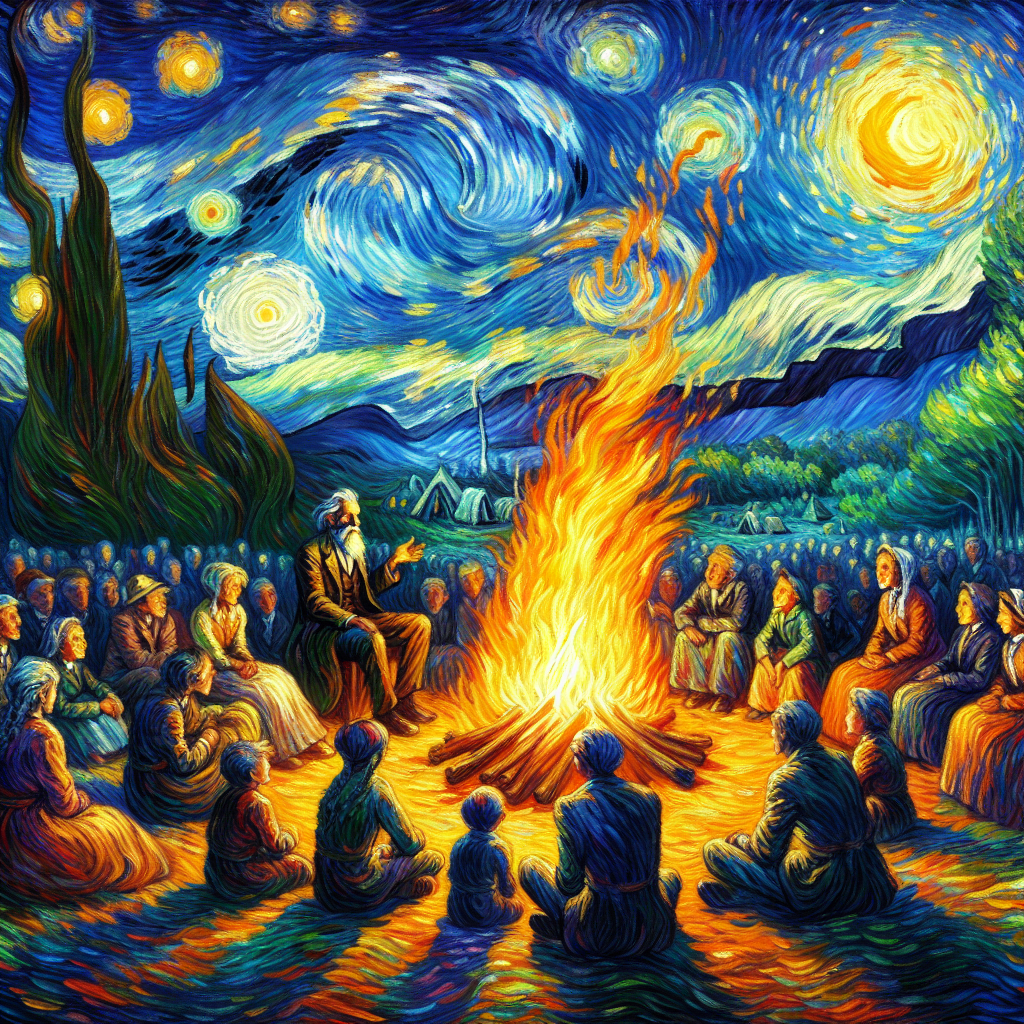
What Regrets Do You Have About Missed Emotional Moments?
What Regrets Do You Have About Missed Emotional Moments?
- Everyone has unfinished stories and moments that represent lost opportunities.
- Regrets often stem from hesitation due to fear, pride, or indecision.
- Legacy encompasses both the stories told and those left untold, impacting relationships and future generations.
- Missed connections highlight our shared humanity and the importance of vulnerability.
- Inaction can often prevent meaningful engagement and the opportunity to make an impact.
- Sharing personal stories fosters authenticity, empathy, and understanding within a community.
- To create a fulfilling legacy, act on silent wishes and embrace emotional expressions.

What Regrets Do You Have About Missed Emotional Moments?
What Ethical Considerations Come Into Play When Recording Emotions?
Recording emotions can be a powerful tool, giving life to moments that might otherwise slip away. But as we delve into this uncharted territory, we must pause to consider the ethical implications. This isn’t just about capturing a fleeting smile or a tear; it’s about weaving the threads of Legacy and Storytelling into the fabric of our interactions. It requires us to tread thoughtfully.
First, let’s acknowledge the human element. Each emotion recorded is a fragment of someone’s existence, a window into their soul. To simply point a camera or pen at someone’s vulnerability without their consent feels not only careless but also unsettling. By seeking permission, we honor their story; we transform the act of recording into a collaborative journey. This isn’t just ethical; it builds trust. When we validate their experience, we create a connection—inviting them to share their rawest truths.
In the quest for authenticity, we must remember the weight that emotional expression carries. We risk sensationalizing pain or joy for our gain if we aren’t careful. What feels authentic to one observer may come off as exploitation to another. This cognitive dissonance can lead to a societal disconnect. We need to approach emotional recording not as detached observers but as stewards of a deeper narrative, aware that our storytelling impacts both individuals and communities.
It’s crucial to consider the potential consequences of immortalizing someone’s emotions. The power dynamics at play can be daunting. Who speaks, and whose voice is drowned out? In a world hungry for stories, we must ensure diverse narratives are celebrated, rather than relegated to the background. This responsibility creates a richer tapestry of experiences—a cultural lexicon enriched by varied perspectives that resonate across social divides.
By integrating ethical considerations into our practice, we foster a virtuous cycle of recording and respecting. Each emotion captured isn’t just a moment caught on film or paper; it’s a piece of someone’s Legacy, a story meant to be shared—not for shock value but to promote understanding and empathy.
Recording emotions is about more than capturing a fleeting moment; it’s about recognizing the profound weight of our responsibility. Let’s embrace it, honor it, and ensure that every story recorded is a story worth telling.

What Ethical Considerations Come Into Play When Recording Emotions?
What Ethical Considerations Come Into Play When Recording Emotions?
- Recording emotions helps preserve significant moments but involves ethical considerations.
- Each emotion is a fragment of an individual’s existence, requiring consent to honor their story.
- Seeking permission fosters trust and encourages sharing of authentic experiences.
- Care must be taken to avoid sensationalizing feelings, which can lead to exploitation.
- Power dynamics should be acknowledged to ensure diverse narratives are represented.
- Ethical practices in recording emotions contribute to a richer cultural narrative.
- Recording should aim to promote understanding and empathy, emphasizing the weight of responsibility.

What Ethical Considerations Come Into Play When Recording Emotions?
Conclusion
In the grand theater of life, we often find ourselves prodigiously snapping photos and recording videos, convinced that these tangible tokens are all we need to remember. Yet, just as a skin-deep image fails to capture the fragrance of a dinner feast or the warmth of a shared embrace, recorded events devoid of emotion render the essence of our experiences flat and hollow. What we overlook in our obsession with capturing moments is the profundity of their emotional landscape.
Memories become meaningful when they are tethered to the feelings we experienced: joy, sorrow, love, and the ties that bind us to others. Imagine a sun-drenched autumn day, where the laughter of family dances in the air like leaves swirling in the breeze. You can film the scene—the smiles, the hugs, but without the heartbeat of those moments—the connections and the shared love—you miss the very essence that transforms mere events into cherished memories.
Legacy storytelling emerges here as an ethical responsibility to share those emotions. Each fleeting glance and embrace tells a tale that transcends time, stitching together the fabric of our individual and collective stories. It invites vulnerability and inspires trust, allowing us to connect more profoundly with those around us. These narratives, deeply etched in emotions, serve not just as personal reflections but as bridges between generations.
Consider the voices of our elders—repositories of wisdom and emotion. Their stories, steeped in experience, highlight the importance of recording not just what happened but how it felt. It’s essential to engage with our memories not just visually but emotionally. Reflect on what slip through the cracks, the intangible but vital moments that can’t be placed neatly between two frames.
In recognizing our missed emotional opportunities, we unlock a pathway to authentic connection. Each untouched story represents a bond that could have been cultivated. Therein lies our challenge: to offer and seek understanding, to engage deeply with the present, and to document the emotions that are interwoven with our realities. So when that record button is pressed, let’s not merely capture the action—let’s ensure we’re tethering our narratives to the heartbeats and truths that define our human experience. In doing so, we gift ourselves and others a legacy that resonates across time, rooted in the universal stories of love, struggle, and triumph that define us all.

Conclusion
Conclusion:
- Capturing moments through photos and videos often overlooks the emotional essence of experiences.
- Memories gain meaning when linked to emotions like joy, sorrow, and love.
- Legacy storytelling is essential for sharing and preserving emotional connections.
- Stories from elders highlight the importance of recording not just events, but the feelings associated with them.
- Engaging with memories emotionally deepens our understanding and connection with the present.
- Recognizing missed emotional opportunities fosters authentic relationships and bonds.
- We should document narratives that resonate with our human experiences to create lasting legacies.

Conclusion
Other Resources
Other Resources
Here is a list of other resources you can review online to learn more:
- Remembered.com
- EverLoved
- GhostMemo
- LegacyFamilyTree
- Digital Legacy Association
- LastPass
- How to Avoid Losing Your Family History One Generation at a Time
- Obituary Templates
- LegalZoom
- AmericanAncestors
- MyMoriam
- Cake
- Memorial Matters
- LifeWeb 360
- WishesKeeper
- RocketLawyer
- How To Write Legacy Stories That Appeal To The Heart, Gut and Head
- Association of Personal Historians
- Legacy
Use This Prompt To Get More Resources With Your Favorite Online AI Tool: Please provide me with a list of online articles with their URLs in a bulleted list that I can read regarding You Recorded the Event – But Not the Emotion

Other Resources
Glossary Terms
You Recorded the Event – But Not the Emotion – Glossary Of Terms
1. Affect: The experience of feeling or emotion associated with an event.
2. Cognition: The mental process of acquiring knowledge and understanding through thought, experience, and the senses.
3. Detachment: The state of being emotionally uninvolved or disconnected from an experience.
4. Empathy: The ability to understand and share the feelings of another person.
5. Emotion: A complex psychological state involving a subjective experience, physiological response, and expressive behaviors.
6. Event: An occurrence or incident that can be recorded or remembered.
7. Expression: The way emotions are communicated, either verbally or non-verbally.
8. Introspection: The examination of one’s own conscious thoughts and feelings.
9. Memory: The faculty by which the mind stores and remembers information, including sensations and emotions.
10. Narrative: A spoken or written account of connected events; often shaped by emotional context.
11. Neutrality: The quality of being impartial, often resulting in a lack of emotional engagement.
12. Perception: The way in which something is regarded, understood, or interpreted, influenced by emotions.
13. Recording: The act of documenting information or events, typically devoid of emotional context.
14. Response: The reaction to an event, which can vary based on emotional engagement.
15. Reflective: Engaging in serious thought about an emotional experience, often leading to deeper understanding.
16. Subjectivity: The quality of being based on or influenced by personal feelings, tastes, or opinions.
17. Tactile Memory: The recollection of experiences through physical sensations or touch, which may or may not include emotional memory.
18. Transcription: The process of converting spoken or written words into a permanent record, often lacking emotional nuance.
19. Validation: The recognition and acceptance of one’s feelings and emotions, which can be absent in strictly factual accounts.
20. Vicarious Experience: Gaining emotional understanding through the experiences of others, rather than through personal involvement.
21. Visual Document: Any recorded image that represents an event without emotional context.
22. Dissonance: A state of tension that occurs when one’s recorded experiences do not align with emotional responses.
23. Analysis: The detailed examination of elements or structure of the event, often without emotional consideration.
24. Connection: The emotional link that can exist between individuals based on shared experiences.
25. Isolation: The state of being separated from emotional connections, which may distort the understanding of an event.
26. Interpretation: The way an event or memory is understood, which may lack emotional depth if strictly factual.
27. Insight: The understanding of the emotional implications of an event after reflection.
28. Significance: The importance attributed to an event, often influenced by emotional context.
29. Chronicle: A factual account of events in a detailed and factual manner, typically lacking emotion.
30. Desensitization: The reduction of emotional response to an event due to repeated exposure or lack of emotional engagement.

Glossary Of Terms
Other Questions
You Recorded the Event – But Not the Emotion – Other Questions
If you wish to explore and discover more, consider looking for answers to these questions:
- How do I reliably capture genuine emotion on video or audio?
- What specific interview questions or prompts best elicit heartfelt memories?
- How do I build trust quickly with subjects so they open up emotionally?
- What consents and permissions are required before recording someone’s emotions?
- How should I handle recording and sharing traumatic or deeply private memories?
- What techniques preserve ambient sounds and subtle nonverbal cues that convey emotion?
- Which recording formats and file types are best for long‑term preservation?
- How do I securely store and archive recordings to protect them from loss or degradation?
- How can I edit material without stripping away authenticity or emotional nuance?
- Where is the line between emotional storytelling and emotional manipulation?
- How do I balance a subject’s privacy with the desire to share their legacy publicly?
- What legal and ethical considerations should I be aware of when publishing emotional content?
- How can families be involved in legacy storytelling without creating conflict?
- What are best practices for interviewing elders or people with fading memories?
- How do I encourage reluctant or shy people to share meaningful emotional moments?
- How do I transcribe, annotate, and contextualize recordings for future generations?
- What methods ensure diverse voices and perspectives are included in a legacy project?
- How can storytelling be used therapeutically to help heal relationships or trauma?
- What frameworks or narrative structures work best for turning memories into compelling stories?
- How should I document and preserve physical artifacts, photos, or letters alongside recordings?
- How do I capture cultural or generational context that gives emotional memories deeper meaning?
- What tools, apps, or equipment help capture subtle emotional detail effectively?
- How do I document nonverbal communication—pauses, glances, body language—in a way that’s useful later?
- How can I avoid sensationalizing someone’s pain while still honoring its significance?
- What ethical policies should organizations adopt when creating and storing emotional archives?
- How do I handle consent and representation for minors, incapacitated people, or those unable to consent?
- How should I decide which stories to keep private, share within family, or publish publicly?
- What are affordable, reliable options for digitizing and backing up legacy materials?
- How can I measure or evaluate the impact of legacy storytelling on families and communities?

Other Questions
Haiku
You Recorded the Event – But Not the Emotion – A Haiku
Recorded moments fade,
Emotions weave our stories,
Legacy remains.

Haiku
Poem
You Recorded the Event – But Not the Emotion – A Poem
In the gallery of life, we gather sights,
Moments captured, but where are the lights?
The laughter echoes, but what of the tears,
The memories etched in unspoken years?
Snapshots may shine with vibrant scenes,
Yet emotions are threads in the fabric of dreams.
Let the heart be the lens through which we view,
The stories we carry, the bonds that are true.
Each glance, each embrace, a legacy sewn,
A tapestry rich in the narratives known.
In autumn’s embrace where warmth fills the air,
We beckon connection, a truth we can share.
Reflect on the warmth that a loved one can bring,
The nuances of kindness, the joy that they sing.
In the silence, the laughter, the simple, the grand,
These moments define us, together we stand.
Yet regret whispers softly of moments we missed,
The chances unseized, the words we dismissed.
Let not the heart’s stories be lost in the fray,
For every unspoken can brighten the day.
So venture beyond just the visual delight,
Capture emotions that dance in the light.
With trust as our guide, and vulnerability’s call,
We weave our legacies, embracing it all.

Poem
Checklist
You Recorded the Event – But Not the Emotion – A Checklist
Checklist for Emotional Legacy Storytelling
✅______ Capture the Heart ✅______ Reflect on the stories behind memories. What feelings do they evoke?
✅______ Engage in vulnerability. Share how moments made you feel with loved ones.
✅______ Document laughter and silence. These emotional nuances are as important as visuals.
✅______ Create a safe space for others to share their emotions and stories.
Engage the Head
✅______ Analyze what memories are missing. Consider the deeper narratives behind recorded moments.
✅______ Reflect on the emotional weight of experiences. How do they shape your identity?
✅______ Encourage introspection. What values emerge from your emotional reflections?
✅______ Use recorded moments as a springboard for conversations about shared experiences.
Appeal to the Gut
✅______ Connect through shared human experiences. Reach out to others with relatable narratives.
✅______ Embrace the courage to share missed moments. Acknowledge past hesitations and act moving forward.
✅______ Foster a sense of community. Create opportunities for collective storytelling.
✅______ Inspire action. Invite others to document their emotional stories as well.
Ethical Considerations
✅______ Seek consent before recording others’ emotions. Respect their vulnerabilities.
✅______ Avoid sensationalizing emotions. Focus on authenticity rather than exploitation.
✅______ Balance power dynamics. Ensure diverse voices are represented and heard in your storytelling.
✅______ Recognize the impact of shared narratives. Aim for understanding and empathy in your recordings.
Utilize Authority and Influence
✅______ Share personal insights and lessons learned from emotional experiences. They can guide and inspire others.
✅______ Establish yourself as a storyteller. Use your experiences to connect with wider audiences.
✅______ Create narratives that resonate across generations. Consider what legacy you want to leave behind.

Checklist
At LegacyExplorations, we help people plan and explore their legacy by collecting information and news regarding end-of-life planning.
Please share this post with your friends, family, or business associates who may want help to plan or explore their legacy.