

Unlock The Secrets Of Life Captured Through Your Lens
By Tom Seest
At LegacyExplorations, we help people plan and explore their legacy by collecting information and news regarding end-of-life planning.
Please share this post with your friends, family, or business associates who may want help to plan or explore their legacy.
Your Camera Knows More Than Your Children Will
In a world brimming with distractions, it’s easy to overlook the simple, profound power of storytelling—the kind your camera can master. Every click captures not just an image but a moment rippling with emotion, a slice of life that tells a story more profound than words can convey. As parents, we often think about the legacy we’ll leave behind, the memories we’ll mold. Yet, have we considered how those stories will be told? This is where our cameras come into play, preserving the whispered tales of our everyday lives, those fleeting seconds that our children may forget but your camera will eternally remember.
Think about it: photographs form an unspoken pact with time, challenging its relentless march. They speak volumes, recounting adventures, mistakes, and triumphs that shape us. They illustrate connection, cementing relationships that might otherwise fade away in the rush of life. The truth is, we live in narratives, whether through a newborn’s first steps or a family gathering laden with laughter and tears. Your camera doesn’t just capture these events; it immortalizes them, crafting your legacy storytelling that becomes an inherent part of your family’s history.
In this digital age, it’s crucial to recognize that your children will grow up in a world defined by images. Yet, beneath the gloss and glossiness of filtered photos lies the raw truth that life happens between those snapshots. The time spent together, the unscripted moments of joy and sorrow—your camera is there, quietly documenting the shared experience of simply being human.
Remember the last family event when laughter erupted, or perhaps a quiet moment of reflection? Your camera has captured that essence. It holds the power to unite generations, making each click a reminder of where we come from and where we’re headed. In a sense, it’s a vessel of trust, a device that holds the keys to emotion, revelation, and, ultimately, understanding.
So let’s embrace the art of photography not just as a hobby but as a vital part of our family’s fabric. Encourage those candid moments, relish the mundane turning into extraordinary, and let your camera become a cherished member of the family. With every picture taken, you’re preserving legacies, telling stories that your children can return to long after you’re gone. The camera may just be a tool, but it knows the heartbeats and the spirit of your family in ways even your children might not yet understand. Let’s make sure those stories live on, eternally speaking the truth of who we are and who we aspire to be.

Your Camera Knows More Than Your Children Will
Your Camera Knows More Than Your Children Will
- Storytelling through photography captures moments rich with emotion and meaning.
- Cameras preserve everyday tales that may be forgotten over time.
- Photographs form a connection with time, documenting experiences and shaping legacies.
- Photography illustrates the bonds of family, helping maintain relationships in a fast-paced life.
- Children grow up in a visually driven world, highlighting the importance of authentic moments.
- Every photograph serves as a reminder of family history, providing a sense of belonging and identity.
- Embracing photography as an art enriches family relationships and preserves shared memories.

Your Camera Knows More Than Your Children Will
Table Of Contents
- Your Camera Knows More Than Your Children Will
- What Memories Do We Capture That Our Children Will Forget?
- How Does Our Obsession with Photos Affect Real-Life Moments?
- Are We Witnessing Life Through a Lens Instead Of Living It?
- Can Photos Replace Genuine Experiences In Our Lives?
- How Do We Teach Children to Value Moments Over Pictures?
- Are We Losing Our Ability to Connect In the Digital Age?
- What Stories Do Our Photos Tell About Our Lives and Choices?
- Conclusion
- Other Resources
- Glossary Of Terms
- Other Questions
- Haiku
- Poem
- Checklist
What Memories Do We Capture That Our Children Will Forget?
In the whirlwind of life, we often find ourselves on a relentless quest to capture memories—snapshots of joy, laughter, and those fleeting moments that seem to define our existence. But what truly matters in this endeavor? As parents, we curate experiences, believing these memories will be the treasures our children carry into adulthood. Yet, amidst the chaos, we must confront a hard truth: many of these moments will fade, dissolve like footprints in the sand, leaving behind little more than a wistful nostalgia.
Legacy storytelling is more than just sharing tales; it’s about imbuing our lives with lessons and values that endure. The memories we frame in our minds and hearts hold power, and it’s our responsibility to shape them into stories that our children will cherish. Think of the evenings spent gathering around the table, sharing meals and laughter, or the days spent exploring the world, igniting their curiosity. These are the narratives that forge connections, reinforcing the bonds of family. But how often do we pause to consider which memories will actually resonate?
When we reminisce about our childhood, it’s not always the grand events we remember vividly—the vacations, the shiny gifts. Instead, it’s the quiet evenings filled with shared laughter or a parent’s gentle encouragement during tough times that linger in our hearts. These small moments knit together the fabric of our identity. It is crucial to prioritize experiences that ground our children in a sense of belonging and purpose, memories that whisper, “You are loved. You are valued.”
From an ethical standpoint, we owe it to our children to pass down a legacy that affirms their worth and teaches resilience. If we instead focus on superficial milestones, we risk leaving them with a hollow narrative, one that lacks the richness of authentic life experiences. The stories we tell and the values we instill create a sense of security and identity for our children.
Let’s recognize that fostering connection doesn’t always require extravagance; sometimes, it’s the simple, everyday moments that resonate most deeply. As we navigate this journey together, let’s commit to capturing the essence of our lives in a way that nurtures trust, inspires confidence, and instills a sense of belonging. The true measure of what we capture isn’t found in the photographs on our walls, but in the hearts and minds of our children, who will one day carry these memories forward as their own legacy.

What Memories Do We Capture That Our Children Will Forget?
What Memories Do We Capture That Our Children Will Forget?
- Life’s quest to capture memories often focuses on fleeting moments of joy and laughter.
- Parents curate experiences for children, hoping these become treasured memories in adulthood.
- Many moments fade, leaving only nostalgia, emphasizing the importance of meaningful legacy storytelling.
- Valuable memories often come from simple experiences, such as shared laughter and support during tough times.
- It’s essential to prioritize experiences that foster a sense of belonging and convey love and value.
- Authentic life experiences provide children with security and identity, while superficial milestones may result in hollow narratives.
- True connections are often rooted in everyday moments that inspire trust, confidence, and a lasting sense of belonging.

What Memories Do We Capture That Our Children Will Forget?
How Does Our Obsession with Photos Affect Real-Life Moments?
In a world where every moment is meticulously documented, our obsession with photos blurs the lines between memory and performance. We’re not just capturing moments; we’re crafting a legacy storytelling experience, framing our lives through the lens of social media. It’s as if we’re actors on a stage, more focused on the appreciation of our audience than the authenticity of our experiences. A sunset might lose its beauty when the only purpose is to snag the perfect shot for likes.
With each click, we risk sacrificing genuine connection for the fleeting validation of a double-tap. The heart yearns for intimate moments—those fleeting instances filled with laughter, tears, or quiet reflection. Yet, too often, these moments are interrupted by the need to document, leaving an emptiness where true connection should thrive. We’re walking a tightrope, balancing the urge to share and the desire to truly live.
Rationally, it’s clear that moments captured in photos can fade into mere pixels on a screen. They may gain ephemeral fame, but they often lack the depth and resonance of lived experience. When we cling to our screens, we miss the nuanced beauty of our surroundings—the warmth of a hug, the crackle of a campfire, or the scent of rain-soaked earth. These are not just experiences; they are the fabric of our lives and the stories that shape our identity.
Then there’s the ethical dimension. Are we honoring the moments we capture, or are we commodifying them? This shift towards viewing every interaction as a potential post can dilute the richness of interpersonal relationships. Authentic communication and connection are what create bonds between us, and allowing our compulsion to capture to take precedence can feel selfish and, at times, invasive.
Socially, we’ve created a culture where worth is often measured in followers and likes, which can evoke a sense of urgency that distracts from the real connections neighboring us. Imagine the power of being fully present—of listening, laughing, and sharing unmediated experiences. In doing so, we enrich our legacy storytelling. This is not just about documenting life but truly living it, fostering connections with those we hold dear, and creating memories that last far beyond a filtered snapshot.

How Does Our Obsession with Photos Affect Real-Life Moments?
How Does Our Obsession with Photos Affect Real-Life Moments?
- Obsession with photos blurs lines between memory and performance, creating a legacy storytelling experience.
- Focus on audience appreciation often overshadows authentic experiences, diminishing the beauty of moments.
- Each photo taken risks substituting genuine connections for fleeting likes and validation.
- Documenting moments can lead to missing the nuanced beauty of life and meaningful experiences.
- Ethical concerns arise regarding the commodification of moments and the impact on interpersonal relationships.
- Social culture emphasizes worth through followers and likes, detracting from authentic connections.
- True living involves being present, enriching connections, and creating lasting memories beyond digital captures.

How Does Our Obsession with Photos Affect Real-Life Moments?
Are We Witnessing Life Through a Lens Instead Of Living It?
In today’s fast-paced world, it seems like we’re experiencing life through a lens rather than truly living it. Our smartphones have become our windows to reality—a glossy barrier that often distorts our perception of the world around us. While we scroll through carefully curated feeds, the raw essence of life is sometimes overshadowed by the desire to document every moment. This phenomenon raises a critical question: Are we building a legacy of genuine experiences, or merely crafting a façade of highlights for others to see?
Legacy storytelling isn’t just about recounting the past; it involves weaving a narrative that connects generations, capturing both triumphs and failures. In a way, it’s our obligation to share authentic tales that resonate, instilling something deeper in our communities. When we focus on the story behind the moment instead of the perfect shot, we open ourselves to vulnerability and authenticity, fostering connections that transcend the superficial.
Think about the times that matter most—the laughter shared with loved ones, the hard-won lessons learned through struggle, or the simple joys found in everyday life. These are the moments that feed our souls. Yet, it’s all too easy to prioritize the ‘likes’ over genuine laughter, the accolades over real engagement. The pressure to present a polished version of our lives can lead to a disconnection from ourselves and those around us.
Rationally, we know the difference between living and merely observing life unfold, but emotionally, the pull to share often outweighs the joy of simply being. It’s time we reclaim our experiences from the grasp of social validation and focus on the richness of every moment. Each interaction is an opportunity to engage deeply, to listen, to share, and to grow, rather than to merely perform.
In this narrative-driven life, trust is established through authenticity. When we choose to share our true stories—stories filled with imperfections and real emotions—we craft a legacy that speaks to the heart of what it means to be human. This isn’t just a personal journey; it’s a collective ethos that invites others into a space of trust, confidence, and action. By engaging sincerely with the world, we enrich both our lives and the lives of those around us, creating memories that transcend the fleeting nature of digital moments. It’s the life lived wholeheartedly that leaves a lasting mark on our legacy.

Are We Witnessing Life Through a Lens Instead Of Living It?
Are We Witnessing Life Through a Lens Instead Of Living It?
- Modern life is often experienced through a digital lens, distorting reality.
- Smartphones prioritize curated moments over genuine life experiences.
- Legacy storytelling connects generations and captures authentic narratives.
- True moments of significance are often overshadowed by the desire for social validation.
- Living authentically fosters deeper connections and enriches community bonds.
- Reclaiming personal experiences enhances the richness of daily life.
- Authentic storytelling builds trust and leaves a lasting impact on our legacy.

Are We Witnessing Life Through a Lens Instead Of Living It?
Can Photos Replace Genuine Experiences In Our Lives?
In a world dominated by images, it’s tempting to think that a mere photograph could encapsulate an experience fully. But can a snapshot ever replace the richness of living through a moment? The truth is, while photos can preserve memories, they often fail to convey the depth of our lived experiences, the nuances of emotion, or the essence of a connection made in real time.
Picture this: a family gathering around a table, laughter echoing through the air as stories are shared. That moment, vibrant with joy, can be captured on camera, but the laughter—the warmth, the little glances exchanged—vanish when reduced to pixels. We may scroll through countless photos of breathtaking sunsets or adventurous trips, but a picture often leaves us wanting. It lacks the heat of the sun on your skin, the smell of the ocean breeze, or the taste of fresh food enjoyed in good company. What we often seek is the legacy of these experiences, stories that shape our identities and connect us to one another.
Storytelling goes beyond simply documenting what we see. It lives in the stories we tell each other, the memories we weave into the fabric of our lives. These narratives honor our past and build bridges to our future, making us feel part of something greater than ourselves. They remind us that while a photo can show a moment, it can’t carry its weight—the laughter, the triumph, the little challenges overcome that form the backbone of our stories.
When we begin to rely too heavily on photos to define our experiences, we risk losing the richness of engagement that connects us to those moments. True connection isn’t just seen; it’s felt in the gut, experienced with every sense, and communicated through shared laughter and tears. Ethically, we must ask ourselves what we value more: a collection of images that show where we’ve been, or the authenticity of human experience that shapes who we are?
Let’s not forget, the stories we share become part of our legacy. They are what endure through generations, passed down like treasured heirlooms that anchor us to our roots and remind us of the beauty of genuine human connection. It’s in engaging fully with life that we create the stories worth telling, the moments that linger long after the photo is taken. So, the next time you reach for your camera, consider this: what is it you truly want to capture? The moment itself or the legacy it will leave behind?

Can Photos Replace Genuine Experiences In Our Lives?
Can Photos Replace Genuine Experiences In Our Lives?
- Photographs can preserve memories but fall short in conveying the depth of lived experiences.
- Essence of moments, such as laughter and connection, often disappear when captured as images.
- Photos may evoke longing due to their inability to convey sensory experiences.
- Storytelling weaves memories into our identities and connects us to one another.
- Overreliance on photos can diminish the richness of engagement in experiences.
- True connections are felt deeply and communicated through shared emotions.
- Stories shared become our legacy, reminding us of the beauty of genuine human connection.

Can Photos Replace Genuine Experiences In Our Lives?
How Do We Teach Children to Value Moments Over Pictures?
In a world saturated with images, teaching children to value moments over pictures isn’t just a lesson; it’s a legacy we build together, one meaningful experience at a time. The art of legacy storytelling can change the way our kids perceive the world, making them not just passive consumers of snapshots but active participants in their own narratives.
Imagine a family camping trip. The sun blazes above as laughter echoes through the trees. The smell of campfire wafts through the air, mingling with the sound of storytelling. Instead of nudging everyone to pose for yet another filtered photo, pause for a moment. Share a story about that time your grandfather got lost in the woods, or recount the silly mishap with the marshmallows. In that moment, you’re giving your children a gift far more valuable than a perfect image; you’re building a bond forged in shared experiences and memories that will resonate far beyond a social media post.
This is where the heart enters the picture. Children thrive on connection, and nothing connects quite like stories. When you engage them this way, you’re cultivating a sense of empathy and understanding. They’ll learn that the moments spent laughing, crying, or simply being present hold infinitely more value than a snapshot that lasts only seconds. This isn’t just a matter of preference; it’s about nurturing their ability to find joy in the spontaneous and the imperfect.
On a rational level, research suggests that children exposed to storytelling are better equipped to navigate their emotions and understand their place in the world. They develop critical thinking skills and a sense of identity tied not to likes or shares but to their lived experiences. This understanding fosters a solid foundation for their development, encouraging them to engage with life in a deeply meaningful way.
Ethically, as stewards of their upbringing, we owe it to our children to guide them away from the ephemeral nature of social validation. By showing them the richness in live moments, we send a clear message: life is not about collecting likes; it’s about weaving a tapestry of connections that last a lifetime.
Legacy storytelling is more than entertainment; it’s an invitation to embrace the chaos of life’s unfiltered beauty. Let’s inspire our children to seek experiences, not just pictures, creating a future grounded in authenticity, resilience, and genuine connection. It’s not just about the snapshots; it’s about the story behind them.

How Do We Teach Children to Value Moments Over Pictures?
How Do We Teach Children to Value Moments Over Pictures?
- Teaching children to value moments over pictures fosters meaningful experiences.
- Legacy storytelling transforms kids into active participants in their narratives.
- Sharing stories during moments, like family camping trips, strengthens bonds.
- Engaging children through stories cultivates empathy and understanding.
- Research indicates storytelling helps children navigate emotions and develop critical thinking.
- Guiding children away from social validation emphasizes lasting connections.
- Legacy storytelling encourages seeking experiences rooted in authenticity and resilience.

How Do We Teach Children to Value Moments Over Pictures?
Are We Losing Our Ability to Connect In the Digital Age?
Are We Losing Our Ability to Connect in the Digital Age?
In an age where screens are our primary windows to the world, it’s easy to feel a disconnect—paradoxically, in a time when we are more “connected” than ever before. The legacy of human connection is slipping through our fingers like sand, and we need to pause, reflect, and consider the implications of our digital interactions.
Think of your favorite story, the kind that stays with you long after the last page has turned. Those moments of connection are built through legacy storytelling, narratives passed down through generations that anchor us to our shared humanity. They remind us that we are not just isolated individuals; we are part of a larger tapestry woven with shared experiences, emotions, and values. In the rush to swipe right or scroll endlessly, we risk losing that raw, unfiltered storytelling that fosters true bonding.
It’s not just about nostalgia; it’s about understanding the fundamental human need for connection. Every message we send, every comment we post, carries with it the weight of our intent. We seek validation, understanding, and camaraderie, yet the medium can mute our voices. A “like” can feel fleeting, lacking the depth of a genuine handshake or the warmth of a heartfelt conversation. We navigate an ocean of instant replies and emojis, yet the essence of what it means to connect often eludes us.
This digital age isn’t inherently bad, but it calls for a critical assessment of how we engage with each other. We can leverage technology to enhance our connections rather than replace them. It’s time to reclaim our narratives—to gather around our metaphorical campfires and share stories that matter. This isn’t merely a call to action; it’s an ethical imperative. We owe it to ourselves and future generations to bridge the gaps created by screens and pixels.
Let’s choose to cultivate deeper connections. Let’s prioritize moments of real engagement, where we can look into each other’s eyes and share in an authentic exchange. We possess the power to shape our digital interactions in a way that complements the rich tapestry of our human experience. As we navigate this complex world, let’s remember that at the heart of every text, tweet, and post lies the enduring need to connect with one another. We need to hold onto that truth, to ensure that as we evolve, we do not lose sight of what truly makes us human.

Are We Losing Our Ability to Connect In the Digital Age?
Are We Losing Our Ability to Connect In the Digital Age?
- The digital age fosters a paradox of increased connectivity but also feelings of disconnection.
- Legacy storytelling connects us through shared experiences, emotions, and values.
- Digital interactions risk diluting genuine connections; quick messages lack the depth of face-to-face communication.
- Social media interactions can feel fleeting and may mute our true intentions for connection.
- Technology should be leveraged to enhance, not replace, human connections.
- There is an ethical imperative to reclaim narratives and foster meaningful engagement.
- Prioritizing authentic exchanges can strengthen the essential human need for connection.

Are We Losing Our Ability to Connect In the Digital Age?
What Stories Do Our Photos Tell About Our Lives and Choices?
Every snapshot in our lives is more than just pixels and colors; it’s a visual ledger of our journey—what some might call legacy storytelling. We capture moments that freeze time—the laughter of loved ones at a celebration, the silence after a storm, the grit on a hard day’s work. Each photo holds fragments of our existence, like pieces of a mosaic that narrate who we are and what choices we make. We don’t just take pictures; we forge memories, crafting stories that ripple through time.
This legacy isn’t crafted in isolation. It’s a testament to our connections. A picture of a family dinner transcends the meal on the table; it salutes tradition, love, and shared experiences, much like the moments that shape our character. These images become anchors, reminding us of our roots and the values that guide us—showcasing not just who we’ve been, but who we aspire to be.
Consider the power of storytelling through the lens of nostalgia. When we glance at an old photo, it can evoke emotions that bring laughter or even tears. These feelings aren’t just memories; they’re reminders of choices made and paths taken. Did we chase our dreams, or did we let fear hold us back? Each face in those photos tells a story, an ethical compass guiding future generations, teaching them the importance of resilience, the beauty of adventure, and the essence of enduring relationships.
Moreover, our photographs create a social fabric, establishing a legacy that extends beyond our immediate circle. They inspire others to share their stories, fostering communal understanding and bonding over similar experiences. It’s this shared humanity that challenges us to reflect on how our choices impact not just our lives but the lives of others. The legacy we leave behind is etched into the very tapestry of society—a collective storytelling that echoes through time.
Ultimately, our photos challenge us to think critically about the life we’re documenting. Every choice is a thread woven into the fabric of our legacy. Are we living authentically? Are we capturing the moments that matter? When we embrace the stories of our lives, told through our unique perspectives, we invite others into our world—creating a connection that offers trust and inspiration. So, the next time you hold a camera or scroll through your gallery, remember: you are not merely taking photos; you are affirming your story, your legacy, and the choices that define you.

What Stories Do Our Photos Tell About Our Lives and Choices?
What Stories Do Our Photos Tell About Our Lives and Choices?
- Photographs serve as a visual ledger of our journeys, embodying legacy storytelling.
- Each photo captures significant moments, creating a mosaic of our existence.
- Images reflect our connections and shared experiences, showcasing our values and aspirations.
- Nostalgia in old photos evokes emotions, reminding us of choices made and paths taken.
- Photographs foster communal understanding, inspiring others to share their stories.
- The legacy we create influences not only ourselves but also society at large.
- Every choice documented through photos contributes to our unique stories and connections.

What Stories Do Our Photos Tell About Our Lives and Choices?
Conclusion
In a fast-paced digital world, it’s easy to forget the power of genuine storytelling and the emotions that bind us as families. As we navigate the noise and distractions, it becomes clear that our cameras serve as guardians of memories, uniquely capable of encapsulating moments that may otherwise slip away. Each photograph we take is more than just an image; it represents a chapter in our family’s saga, immortalizing laughter, connection, and the fleeting instances that shape our existence. This is the essence of legacy storytelling—crafting a narrative that endures far beyond our immediate grasp.
In this age of filtered lenses, our obsession with capturing the perfect shot often overshadows the experience itself. The raw beauty of life unfolds not in carefully curated images but in the shared moments that define who we are. Consider the family gatherings filled with laughter or those quiet evenings that resonate deeper than any social media post. It’s about recognizing that these memories shape our children’s identities far more than the superficial milestones often prioritized.
Legacy storytelling invites us to engage our children in this process. Rather than merely documenting our experiences, we can help them understand the richness of living through each moment. By sharing stories steeped in tradition and emotion, we instill values and insights that become part of their narrative. Teaching our children to value moments over pictures equips them with a sense of belonging and purpose, creating memories that honor their worth.
As we continue our journey through a world dominated by images, we must assess the quality of our connections. Are we cultivating relationships that matter, or are we merely performing for validation? True connection requires us to put down our devices, engage authentically, and focus on the art of being present. In this beautiful mess of life, it’s often the imperfections and unscripted moments that resonate most.
Ultimately, our photographs and the stories they tell serve as powerful reminders of our legacy. They invite future generations to reflect on their roots and choices, emphasizing the importance of genuine human experiences over fleeting images. So, let’s embrace our cameras not just as tools for documentation but as vessels for storytelling that honors our family’s history. Every snapshot has the potential to capture the heartbeat of our lives, allowing our children to revisit the truths and values we hold dear long after we’re gone.

Conclusion
Conclusion:
- In a digital world, genuine storytelling and family emotions are often overlooked.
- Cameras act as guardians of memories, capturing fleeting moments that shape our lives.
- Each photograph represents a vital chapter in a family’s narrative, immortalizing connections.
- The obsession with perfect shots can overshadow the value of shared experiences.
- Legacy storytelling engages children, helping them appreciate the richness of living through moments.
- True connections require authentic engagement, prioritizing presence over validation.
- Photographs serve as reminders of our legacy, encouraging future generations to reflect on their roots.
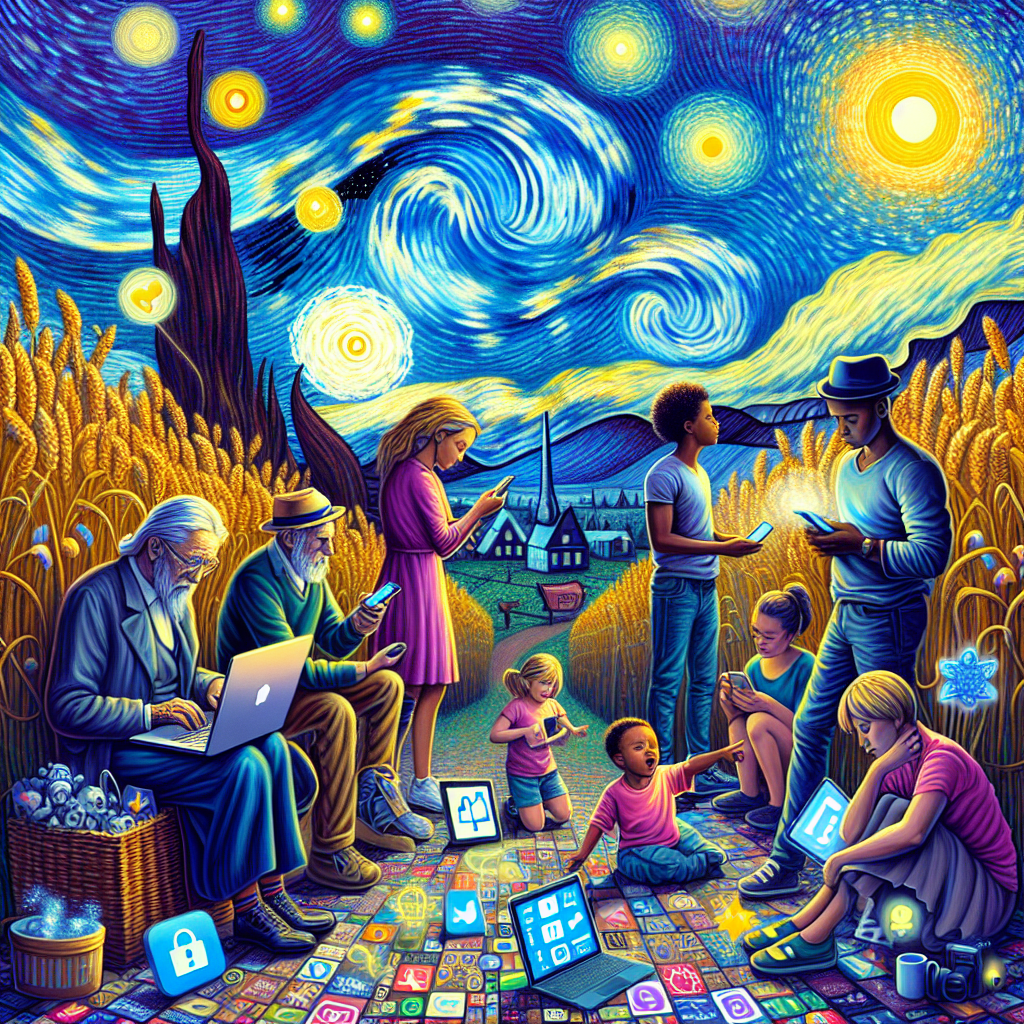
Conclusion
Other Resources

Other Resources
Here is a list of other resources you can review online to learn more:
- NoLo
- LastPass
- Geneanet
- EverLoved
- LivingDNA
- INELA
- ForeverMissed
- LegacyFamilyTree
- MyWishes
- Geni
- Bcelebrated
- FindMyPast
- Knotify.me
- LegacyLearned
- How Has Time Changed The Cost Of Capturing Family Legacy Stories
- UpCounsel
- Trust And Will
- RootsMagic
- How to Save Your Family�s Stories from Being Lost Forever � A Step-by-Step Guide to Creating a Lasting Digital Legacy
- Funeral Services Guide
Use This Prompt To Get More Resources With Your Favorite Online AI Tool: Please provide me with a list of online articles with their URLs in a bulleted list that I can read regarding Your Camera Knows More Than Your Children Will

Other Resources
Glossary Terms
Your Camera Knows More Than Your Children Will – Glossary Of Terms
1. Aperture: The opening in a camera lens that controls the amount of light entering the camera; influences depth of field.
2. Shutter Speed: The duration for which the camera shutter remains open, affecting motion blur and exposure.
3. ISO: A measure of the camera sensor’s sensitivity to light; higher ISO settings allow photography in low light but can increase noise.
4. Exposure: The amount of light that reaches the camera sensor, determined by aperture, shutter speed, and ISO settings.
5. Depth of Field: The range within a photo that appears sharp; controlled by aperture.
6. White Balance: A setting that adjusts the colors in an image to appear more natural under varying lighting conditions.
7. Focal Length: The distance between the lens and the image sensor; affects magnification and perspective.
8. Lens: An optical component that focuses light onto the camera sensor; various types exist for different effects.
9. Histogram: A graphical representation of the tonal distribution in an image, indicating exposure levels.
10. Exposure Triangle: The relationship between aperture, shutter speed, and ISO, which dictates proper exposure.
11. RAW File: Uncompressed image format that retains maximum data from the sensor for post-processing flexibility.
12. JPEG: A compressed image format commonly used for photographs; sacrifices some data for smaller file sizes.
13. Bokeh: The aesthetic quality of the out-of-focus areas in a photograph, influenced by lens design and aperture.
14. Dynamic Range: The range of luminance between the darkest and lightest parts of an image.
15. Macro: A photographic genre focusing on extreme close-up images of small subjects.
16. Portrait Mode: A camera setting designed to optimize images of people, usually with a shallow depth of field.
17. Panorama: A wide-format photograph that captures expansive scenes, often stitched from multiple images.
18. Tripod: A three-legged stand used to stabilize the camera for long exposures and steady shots.
19. Frame Rate: The number of individual frames captured per second in video recording; affects smoothness.
20. Slow Motion: A video effect created by recording at a high frame rate and playing back at a standard rate.
21. Drone Photography: Aerial photography captured using unmanned aerial vehicles, providing unique perspectives.
22. Tilt-Shift: A technique that creates a selective focus effect, often making scenes appear miniature.
23. Lighting: The arrangement or quality of light used in photography, crucial for mood and clarity.
24. Color Grading: The process of altering and enhancing the color and tone of images or videos in post-production.
25. Lead-in Lines: Compositional elements that guide the viewer’s eye toward the main subject of an image.
26. Rule of Thirds: A compositional guideline dividing an image into thirds both horizontally and vertically, placing key elements at intersections.
27. Time-Lapse: A photographic technique capturing a sequence of images at set intervals to record changes over time.
28. Sensor Size: The physical dimensions of the camera sensor, affecting image quality and depth of field.
29. Post-Processing: The editing of images after they have been captured to enhance or alter them.
30. Chroma Key: A technique used in video production to replace a solid color background, commonly known as “green screen. ”

Glossary Of Terms
Other Questions
Your Camera Knows More Than Your Children Will – Other Questions
If you wish to explore and discover more, consider looking for answers to these questions:
- How can I take photos that capture emotion and meaning rather than just faces and events?
- What camera, lens, or phone settings work best for candid family moments?
- How do I balance photographing an event with being present and engaged?
- How many photos should I take before it becomes excessive or harms the moment?
- How do I teach my children to value experiences more than likes and shares?
- What practical activities or rituals can encourage storytelling instead of just snapping pictures?
- How can I involve children in creating our family’s visual legacy?
- What are ethical guidelines for photographing and posting images of children and other people?
- How should I obtain consent when taking or sharing photos of family members and friends?
- How do I curate and organize thousands of photos so the important stories aren’t lost?
- What are the best ways to preserve digital photos for decades (formats, backups, services)?
- How do I digitize and integrate old printed photos into a modern legacy archive?
- How can captions, dates, names, and short stories be added effectively to photos?
- What are good formats for legacy storytelling beyond single images (albums, books, videos, audio)?
- How can I capture the sensory details (sound, smell, touch) that photos alone miss?
- How do I edit photos without losing authenticity or altering the memory?
- When is it appropriate to share family photos publicly versus keeping them private?
- How can photos be used to teach values like resilience, gratitude, and belonging?
- How do I avoid turning family life into a performance for social media?
- What signs indicate that photography is harming relationships or the moment?
- How can I use photos to create narratives that connect generations and cultural heritage?
- What projects can help turn a photo collection into a coherent family story or heirloom?
- How do I protect my photos from loss, theft, or unauthorized use online?
- How can I use multimedia (voice recordings, short videos) to complement still images?
- How can photos support memory for aging relatives or those with cognitive decline?
- What strategies work for curating a meaningful yearbook or annual family album?
- How do I teach children basic photography and storytelling skills?
- How should I address difficult or painful family stories sensitively through images?
- What long-term systems can I put in place so my photo legacy is accessible to future generations?
- How do I choose which moments are worth documenting and which are best left unphotographed?

Other Questions
Haiku
Your Camera Knows More Than Your Children Will – A Haiku
Moments whisper soft,
Truth behind every snapshot—
Legacy lives on.

Haiku
Poem
Your Camera Knows More Than Your Children Will – A Poem
In a world vibrant with life’s chase,
Our cameras hold stories, a sacred space.
Moments immortal, woven in light,
Capture the laughter, the joy, and the night.
Parents ponder the legacy they’ll leave,
Not just in words, but in images we weave.
Each click a heartbeat, each frame a tale,
Of bonds intertwined, a love that wont pale.
Yet in this vast sea of pixels and screens,
Are we losing the essence of what it means?
To truly engage, to connect heart to heart,
Not just through numbers, but where moments start.
Let’s cherish the chaos, the unfiltered grace,
A camping trip laughter, the warmth of each face.
Teach our children that life’s richest delight,
Is found in the living, not just in the sight.
Even as we share, let’s balance the art,
Of capturing memories while playing our part.
Because photos can tell but can’t fully embrace,
The depth of emotions when we share a space.
Let’s gather the stories, let laughter resound,
In the journey of life, let connection abound.
For in every moment, both small and profound,
Lies the true legacy that we leave all around.

Poem
Checklist
Your Camera Knows More Than Your Children Will – A Checklist
Heart Appeals
✅______ Reflect on the emotions captured in your photos. What story do they tell about your family’s love?
✅______ Identify moments that evoke joy, laughter, or tears. How can you preserve these feelings?
✅______ Consider the legacy you want to leave for your children. How do your photos contribute to that narrative?
Head Appeals
✅______ Evaluate the impact of digital distractions on your family’s storytelling. Are you present in the moment?
✅______ Analyze the memories you prioritize capturing. Are they the ones that truly matter?
✅______ Recognize the difference between documenting experiences and truly living them. How can you shift your focus?
Gut Appeals
✅______ Trust your instincts about the moments that feel significant. What does your gut say about the memories worth capturing?
✅______ Acknowledge the emotional weight of unfiltered experiences versus perfect pictures. What resonates more with you?
✅______ Embrace authenticity. How can you cultivate genuine connections in your storytelling?
Ethical Appeals
✅______ Reflect on the messages you’re sending through your photos about value and self-worth. Are they promoting authenticity?
✅______ Discuss with your family the importance of shared experiences over social media validation. How do your values align?
✅______ Examine the ethics of storytelling. Are you fostering genuine connections or merely curating a façade?
Authority Appeals
✅______ Research the psychological benefits of family storytelling and photography. How do experts suggest preserving memories?
✅______ Draw on family traditions. What storytelling practices have been passed down, and how can they enhance your legacy?
Narrative Appeals
✅______ Create a family narrative that highlights your shared experiences through photographs. What themes emerge?
✅______ Encourage storytelling during gatherings. How can you weave memories into the fabric of family life?
✅______ Foster an environment where each family member can share their perspectives. How can these stories contribute to your collective legacy?
Social Appeals
✅______ Engage with your family and friends in discussions about meaningful moments. What insights can be gained from their experiences?
✅______ Share your favorite family stories and encourage others to do the same. How can you create a community around storytelling?
✅______ Participate in projects or exhibitions that celebrate family legacies through photography. What social connections could this foster?

Checklist
At LegacyExplorations, we help people plan and explore their legacy by collecting information and news regarding end-of-life planning.
Please share this post with your friends, family, or business associates who may want help to plan or explore their legacy.