

Guard Your Legacy: Navigate The Digital Wilderness Wisely
By Tom Seest
At LegacyExplorations, we help people plan and explore their legacy by collecting information and news regarding end-of-life planning.
Please share this post with your friends, family, or business associates who may want help to plan or explore their legacy.
Your Digital Footprint Has No Trustee
In a world where every click and scroll builds a digital tapestry of our lives, the reality is stark: our digital footprint has no trustee. It’s a sobering thought, one that can’t help but tug at the heartstrings. Picture the stories behind those footprints—moments of joy, pain, triumph, and vulnerability—woven into pixels without a guardian to curate or protect them. This is where legacy storytelling comes into play, inviting us to envision the narratives we leave behind.
We’ve all left a mark online, often without a second thought. Each social media post, every shared photo, and every comment contributes to a vast archive of who we are. Yet, many don’t realize the responsibility that accompanies this digital existence. Our data isn’t just bytes of information; it captures the essence of our being, the core values we wish to share. When we think about our children or the generations to come, will they understand the choices we made? Will they see our struggles and victories as lessons or just random snippets?
The rational mind registers that the internet is a relentless recordkeeper, one that doesn’t forget easily. Each footprint is an opportunity to tell a story, to articulate beliefs, to shape perspectives. But without intention, those stories can be misrepresented, misunderstood, or lost entirely. What if we approached our online lives as a chance to craft a narrative that reflects our authentic selves? A chance to inspire trust in our communities and offer confidence in our experiences?
Ethically speaking, it’s critical to recognize our role as storytellers, not just passive participants in a digital landscape. The power to influence is enormous. Consider the impact of a single post that resonates with someone in need—supporting them during a tough time or encouraging them to take action. The stories we tell online can spark change, build bridges, and foster connections that extend beyond the screen.
Let’s take a moment to breathe and reflect on our digital narratives. It’s not just about what we put out there; it’s about the legacy we create. In an age where our lives can be reduced to a series of likes and shares, it’s essential to make those connections genuine, relatable, and powerful. Together, let’s become curators of our own stories, members of a community that values authenticity and purpose. It’s time to own our digital footprints, not as liabilities, but as avenues for change. After all, we’re all in this together.
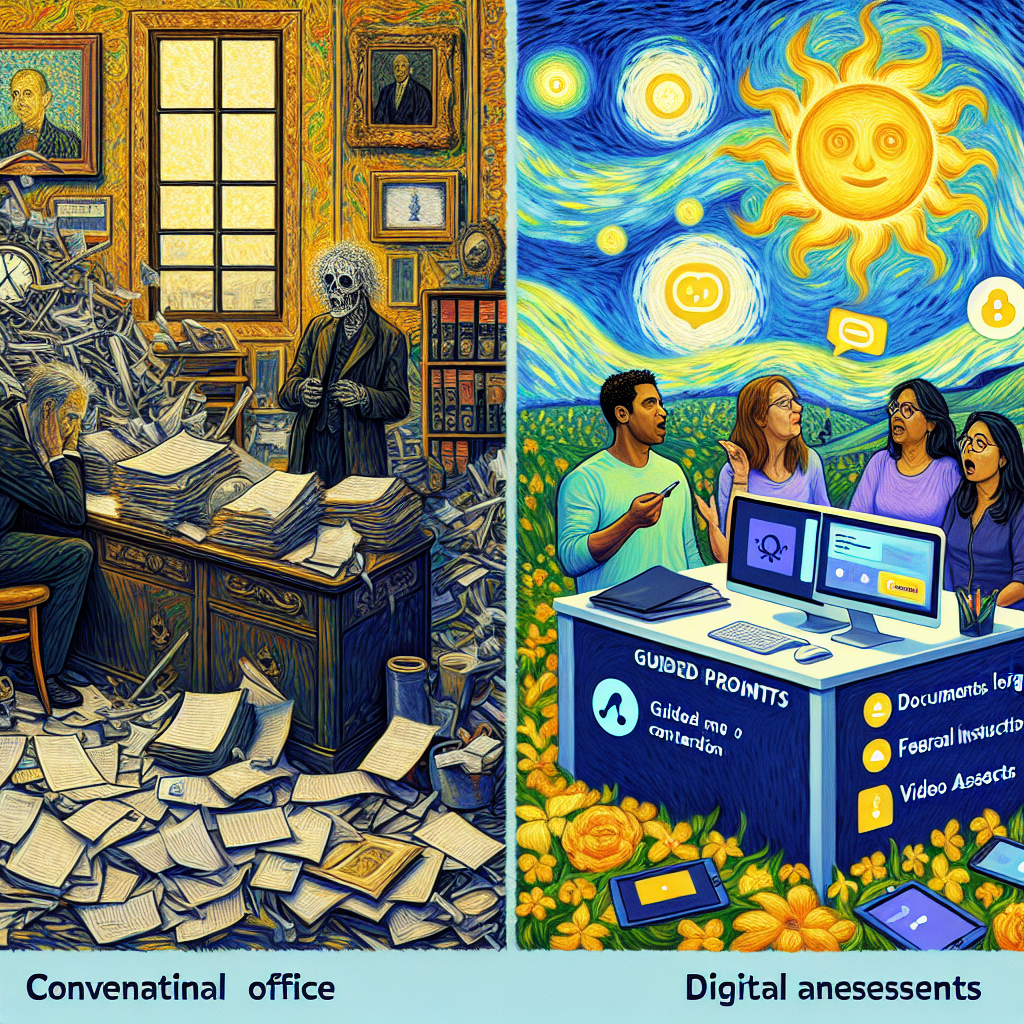
Your Digital Footprint Has No Trustee
Your Digital Footprint Has No Trustee
- Our digital footprint is a reflection of our lives, carrying stories of joy, pain, triumph, and vulnerability.
- Each online action contributes to an archive of who we are, which comes with responsibility.
- Data represents our essence and values, impacting how future generations perceive our choices.
- The internet serves as a relentless recordkeeper, making it essential to intentionally shape our narratives.
- As ethical storytellers, we can influence and support others through our online presence.
- Reflecting on our digital narratives helps create a meaningful legacy beyond mere likes and shares.
- Embracing our digital footprints as tools for change fosters community and authenticity.

Your Digital Footprint Has No Trustee
Table Of Contents
- Your Digital Footprint Has No Trustee
- How Would It Feel to Lose Control Over Your Online Identity?
- Are You Aware Of the Risks Attached to Your Digital Footprint?
- How Do Others Perceive Your Digital Legacy After Your Passing?
- Is It Time to Rethink the Way We Handle Digital Footprints?
- What Stories Does Your Online Presence Tell About You?
- How Do Societal Norms Shape Our Understanding Of Digital Immortality?
- What Role Does Trust Play In Managing Your Online Identity?
- Conclusion
- Other Resources
- Glossary Of Terms
- Other Questions
- Haiku
- Poem
- Checklist
How Would It Feel to Lose Control Over Your Online Identity?
Losing control over your online identity can feel like a slow, creeping dread that settles into your bones. It’s not merely about passwords or insecure accounts; it’s about the very essence of who you are being hijacked. Imagine waking up one day to find that your digital footprint—your memories, beliefs, and experiences—has been manipulated by someone else. Your social media posts, photos, and even your opinions, twisted and reshaped to tell a story that’s not yours.
In the digital age, our online presence is akin to a legacy. It shapes how we are perceived, both personally and professionally. When that legacy is at the mercy of hackers or algorithm-driven biases, it stirs a gut-wrenching feeling of vulnerability. Rationally, we understand that this loss equates to a loss of narrative. We are storytellers; we weave together our experiences, values, and beliefs to create a portrait of ourselves. To have that stolen or distorted isn’t just a privacy issue—it’s a fundamental breach of self.
Ethically, it raises questions about our digital rights and the responsibilities of those in authority. Who owns our online stories? Who decides how they are told? These inquiries dive deep into the moral fibers of our society and touch on trust—trust in the platforms we use, trust in the individuals we interact with. The weight of losing that trust can be paralyzing. It’s not just about the electrons and data; it’s about a connection to our communities and loved ones.
Consider a time when you felt your voice was silenced, perhaps during a heated debate or a misunderstood post. Now multiply that feeling by a thousand as your entire online life is reinterpreted and redefined by an impersonal force. The narrative constructed without your consent can spiral into something entirely different, erasing the stories you wanted to tell—the moments of joy, introspection, and growth that you hold dear.
In this brave new world, it’s imperative to take action. Empower yourself with knowledge about digital privacy. Advocate not just for yourself but for others who may not realize the stakes. Each step toward safeguarding your identity strengthens the social fabric that binds us—one of shared stories and mutual respect. Let your story be told as you see fit, fiercely defending the legacy you wish to leave behind, for it is the heart of who we are.
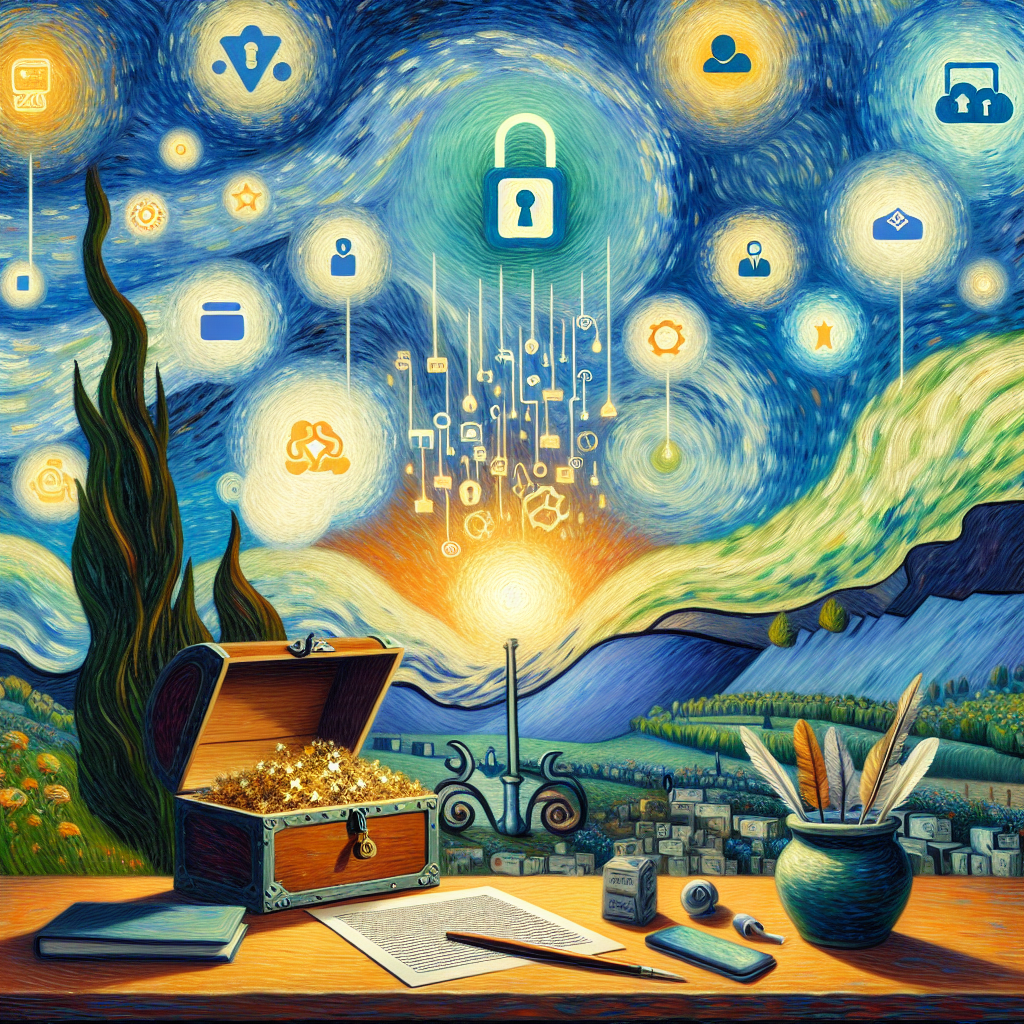
How Would It Feel to Lose Control Over Your Online Identity?
How Would It Feel to Lose Control Over Your Online Identity?
- Losing control over online identity evokes a creeping sense of dread about personal essence being hijacked.
- Digital footprint reflects memories, beliefs, and experiences, susceptible to manipulation by others.
- Online presence shapes personal and professional perceptions, making vulnerability a significant concern.
- Losing control equates to a loss of narrative, violating fundamental aspects of self.
- Ethical questions arise regarding ownership of online stories and trust in digital platforms.
- Silencing of individual voices by external forces leads to distorted personal narratives.
- Empowerment and advocacy for digital privacy are essential for protecting personal legacies.

How Would It Feel to Lose Control Over Your Online Identity?
Are You Aware Of the Risks Attached to Your Digital Footprint?
In today’s interconnected world, where every click can leave a mark, we must confront a stark reality: our digital footprints tell a story, a legacy of sorts, that can shape our futures in ways we might not fully comprehend. Think about it for a moment—every social media post, every online purchase, even trivial searches contribute to a narrative woven into the vast fabric of the internet. Is that story one you’re proud to share?
Your digital presence is like a legacy storytelling. It reflects who you are, but it can also reveal what you’d rather keep hidden. A casual comment made years ago can resurface at the most unexpected moments, potentially affecting job opportunities or relationships. Imagine a hiring manager stumbling upon an old photo or careless remark. It’s not just an embarrassment; it can be the difference between a dream job and a missed opportunity. The stakes are real.
Rationally speaking, data breaches have become commonplace. Companies that we trust with our information can fall prey to cyber attacks, exposing our personal details to malicious actors. Ethics come into play when we think about how companies use and sell that data. Are you aware of whom you’re sharing your information with? Accountability matters in a world where anonymity can obscure intent. Awareness helps us make informed choices, protecting our personal narratives from unwitting manipulation.
Still, it’s more than mere numbers and risks—we’re talking about our identities, our reputations. Connecting our digital actions to our tangible realities illustrates a crucial point: we’re all in this together. If we each take a moment to consider the potential ripple effects of our online behavior, we foster a community of trust and responsibility. That’s a narrative we should all believe in, where our shared stories guide us toward better digital citizenship.
So next time you hit “post” or “send,” pause and reflect. Ask yourself: what story am I telling? Will this add to my legacy or tarnish it? Trust your gut; if something doesn’t feel right, it probably isn’t. The choices we make online are extensions of who we are, and ensuring they align with our values is the first step toward navigating the digital landscape responsibly. Embrace the power of your digital footprint, and let it tell a story worth telling—one of integrity, consideration, and respect.

Are You Aware Of the Risks Attached to Your Digital Footprint?
Are You Aware Of the Risks Attached to Your Digital Footprint?
- Digital footprints create a narrative that shapes our futures, often unconsciously.
- Online presence reflects identity but can reveal undesirable aspects, impacting opportunities.
- Data breaches are common, risking personal information exposed to malicious entities.
- Understanding how companies handle personal data is crucial for accountability.
- Our online actions connect to our real-life identities, emphasizing shared responsibility.
- Before posting, consider the long-term impact on your legacy and identity.
- Online choices should align with personal values, promoting responsible digital citizenship.

Are You Aware Of the Risks Attached to Your Digital Footprint?
How Do Others Perceive Your Digital Legacy After Your Passing?
In a world increasingly defined by the digital footprint we leave behind, the question of how others perceive your digital legacy takes on profound significance. Legacy storytelling isn’t just about what you’ve accomplished; it’s about how those accomplishments resonate with the people you’ve touched. When you pass, your online presence transforms into a tapestry of memories, a narrative woven from the posts, photos, and interactions that shaped your life. What story do you want to leave behind?
Imagine a loved one scrolling through your social media accounts years after you’re gone. Each post, each shared moment, they’re blown away by the vibrancy of your story — the laughter, the achievements, the struggles. Your legacy isn’t simply a collection of highlights. It’s a raw, honest account that invites reflection and inspires others. It’s a way to connect, engage, and foster a sense of belonging that transcends death.
This isn’t just emotional; it’s rational. Your digital presence can serve as a lighthouse in the foggy sea of life, guiding family and friends through their grief. When they see your candid moments of vulnerability mixed with triumph, they recognize their own humanity. They feel less alone in their struggles and inspired to pursue their dreams, carrying your spirit with them.
Ethically, there’s a duty we all share: to authentically represent ourselves. Your digital legacy should reflect the values you want to impart. Honesty, kindness, generosity—these become the impressions that linger long after you’ve entered the quiet of eternity. In this age of information, authority comes from sharing meaningful experiences that evoke trust. A genuine narrative fosters connections that continue to impact others, long after the last post has been made.
Ultimately, your digital legacy is not just a collection of pixels; it’s a living testament to who you are, a rich narrative that can inspire action. Family and friends might rally around your memory, forging deeper bonds as they share stories inspired by your journey. The conversations born from your past can motivate them to live fully, honoring you through their actions, ensuring your legacy not only persists but thrives.
Your online impressions shape how the world remembers you—so make every moment count. Your story matters, and it could very well empower others to tell theirs.

How Do Others Perceive Your Digital Legacy After Your Passing?
How Do Others Perceive Your Digital Legacy After Your Passing?
- The significance of one’s digital legacy in shaping how they are remembered.
- Legacy storytelling encompasses not just achievements but the impact on others.
- Your online presence creates a narrative of memories through posts and interactions.
- A digital legacy offers connection, reflection, and inspiration beyond death.
- Authenticity in representing oneself is essential for lasting impressions.
- Your legacy serves as a guide for loved ones, helping them through grief.
- Every online moment contributes to your story, influencing and empowering others.

How Do Others Perceive Your Digital Legacy After Your Passing?
Is It Time to Rethink the Way We Handle Digital Footprints?
Rethinking how we handle digital footprints isn’t just about protecting our privacy; it’s about understanding the legacy we leave behind in this vast digital world. Every post, every like, and every shared moment contributes to a mosaic that tells our story—not just for us but for future generations who may sift through the remnants of our online lives seeking to understand who we were.
Consider this: our digital behaviors shape our legacy storytelling in ways we can’t fully grasp today. Each click sends out ripples, forging connections and associations that extend beyond our immediate circles. Imagine a parent sharing tales of their childhood online; those charming anecdotes become a part of their children’s heritage. The warmth of their history intertwines with the stark realities of a digital trail that might also reveal mistakes or moments of weakness. This complexity illustrates the dual-edged sword of our online personas.
From a rational standpoint, we must acknowledge that in our quest for connection, we often leave breadcrumbs that can lead to unintended destinations. Today’s shared experiences can easily morph into tomorrow’s regrets, particularly when information is mishandled or misrepresented. The implications of this are not trivial; they weigh heavily on our personal reputations and our capability to forge trust in a hyper-connected world.
But it’s not just an intellectual exercise. There’s an ethical dimension we can’t afford to overlook. As we conduct our lives online, we must ask ourselves: what values are we broadcasting? Are we showcasing authenticity, or are we curating a façade? Genuine engagement, through well-thought-out posts or poignant reflections, fosters an environment where vulnerability can thrive. We learn from our missteps and triumphs alike, threading a more human narrative through our digital lives.
This is also about community—a shared responsibility. We owe it to each other to engage with care, to uplift through positive interactions, and to protect those stories worth preserving. Our online constructs will reflect towards future generations—what will they say about us? Ultimately, it’s this interwoven tapestry of individual stories, bloopers, and triumphs that form the legacy we all share. It’s time to reconsider how we curate and protect our digital footprints, not just as a personal endeavor but as a communal calling, ensuring our legacy storytelling is something we can all be proud of.

Is It Time to Rethink the Way We Handle Digital Footprints?
Is It Time to Rethink the Way We Handle Digital Footprints?
- Rethinking digital footprints is essential for understanding the legacy we leave behind.
- Every digital interaction contributes to a mosaic of our personal stories for future generations.
- Digital behaviors can shape our legacy in ways we may not fully comprehend today.
- Shared experiences can turn into regrets when information is handled poorly, impacting personal reputation.
- There is an ethical responsibility to consider the values we project online—authenticity versus facade.
- Community engagement is crucial; we must support and uplift positive narratives online.
- Curating and protecting our digital footprints is a collective responsibility for a commendable legacy.

Is It Time to Rethink the Way We Handle Digital Footprints?
What Stories Does Your Online Presence Tell About You?
In a world dominated by screens, your online presence paints a vivid picture of who you are long before you even walk into a room. Think about it: the photos you share, the comments you leave, and the articles you endorse contribute to a narrative that others will read, interpret, and, quite frankly, judge. This isn’t just about likes or follows; it’s about Legacy Storytelling, the way you craft your life story for current and future generations. Each post is a brushstroke on the canvas of your legacy.
When someone Googles your name, they’re not just searching for a résumé; they’re looking for authenticity. They want to discover the depths of your character, the passions that drive you, and the values you uphold. Is your online presence a reflection of hard work, integrity, and resilience? Or does it echo fleeting moments and superficial highlights? The choices you make about what to share and how to present yourself shape your narrative in ways you may not even realize.
Consider the emotional weight of a single photograph—a candid shot from a charity event or a snapshot of a family gathering. These images evoke a spectrum of feelings, creating connections that transcend digital distances. Your online persona has the power to spark conversations, inspire empathy, and build bridges between diverse groups of people. The way you engage with others adds to your authority and credibility, establishing you as someone worth listening to.
Now, let’s not forget the ethical dimension. What messages are you amplifying? Are you contributing positively to discussions, championing causes that matter, and helping elevate voices that need to be heard? This makes a profound statement about your character and the impact you want to leave behind.
Finally, remember that we live in a socially interconnected world. Your online presence does not exist in isolation. It intertwines with the stories of your friends, family, and community, creating a rich tapestry of shared experiences. As you navigate these digital waters, keep in mind that authenticity resonates more than perfection. Show up as your true self—the good, the bad, and the beautifully imperfect.
Ask yourself: What do you want your online presence to say about you? Your narrative is in your hands. Craft it wisely, for it is your legacy; it’s the story that future generations will read.

What Stories Does Your Online Presence Tell About You?
What Stories Does Your Online Presence Tell About You?
- Your online presence shapes how others perceive you before meeting in person.
- The content you share contributes to your narrative, emphasizing Legacy Storytelling.
- People seek authenticity when searching for your name, beyond just a résumé.
- Your online persona can foster connections, inspire empathy, and enhance credibility.
- The ethical implications of your posts reflect your character and influence.
- Your presence intertwines with others’ stories, creating a shared digital experience.
- Authenticity is more impactful than perfection in shaping your legacy.

What Stories Does Your Online Presence Tell About You?
How Do Societal Norms Shape Our Understanding Of Digital Immortality?
In a world where we’re quick to post, share, and comment, our digital footprints weave a complex tapestry of our lives. This tapestry is not just a series of ones and zeros; it’s a narrative crafted through legacy storytelling. Our understanding of digital immortality is deeply influenced by societal norms and shared values. The poignant question emerges: what do we leave behind?
As we navigate the digital landscape, our interactions are etched in virtual stone. These moments reflect our identities, influenced by the communities we belong to and the stories we tell. This is where the heart comes into play. A simple post or a shared meme can resonate, creating bonds that transcend time and space. Think about it. When someone shares a memory or a heartfelt tribute to a loved one online, it invites others to reflect on their own relationships, igniting a spark of connection. In that sense, our digital existence becomes a collective legacy, a voice speaking long after we’re gone.
But the head knows the reality isn’t so straightforward. Understanding digital immortality intersects with ethics and technology. Who controls our data? What happens when our online personas outlive us? These are vital inquiries as societal norms dictate acceptable boundaries around privacy and memory. People are increasingly calling for stronger regulations on data usage, advocating for the rights of the digital dead. This isn’t just about preserving memories; it’s about respecting dignity. Authority figures in technology and ethics must grapple with these nuances, ensuring our legacies are honored, not exploited.
Let’s bring this closer to home. Picture your grandparents, with their tales of resilience and love, now translated into digital form. Their stories can be shared across generations, shaping the way your family connects. This narrative power fosters a sense of responsibility to curate our digital legacies intentionally. We have the unique opportunity to craft our online presence with foresight and care, leaving behind not just a trail of likes and shares, but a rich, authentic legacy that speaks to future generations.
In this era of digital permanence, as we explore our understanding of digital immortality, let’s embrace the responsibility to help each other navigate this intricate web. By doing so, we reinforce the notion that our digital lives are not just personal; they’re a shared human experience, a testament to the intricate connections we forge and the legacies we create.

How Do Societal Norms Shape Our Understanding Of Digital Immortality?
How Do Societal Norms Shape Our Understanding Of Digital Immortality?
- Digital footprints form a complex tapestry of life narratives shaped by legacy storytelling.
- Understanding digital immortality is influenced by societal norms and values, raising questions about what we leave behind.
- Online interactions reflect identities and foster connections that transcend time and space.
- Concerns about ethics and technology arise, particularly regarding data control and the longevity of online personas.
- Stronger regulations and respect for the dignity of the digital deceased are increasingly advocated.
- Intentionally curating digital legacies fosters connections across generations, enhancing familial narratives.
- Digital lives are a collective human experience, emphasizing shared connections and legacies.

How Do Societal Norms Shape Our Understanding Of Digital Immortality?
What Role Does Trust Play In Managing Your Online Identity?
Trust is the bedrock upon which our online identities stand. In this sprawling digital landscape, every click and keystroke contributes to a narrative we craft about ourselves—our legacy storytelling. It’s not just about the carefully curated photos or the witty comments; it’s about who we are when no one is watching. The stories we tell online shape perceptions, influence relationships, and can define our futures.
Trust often hinges on authenticity. When we share our true selves, vulnerabilities and all, we form connections that resonate deeply. Think about it: when someone speaks from the heart, it doesn’t matter if they’re sharing a triumph or a struggle; it’s the honesty that strikes a chord. In a world filled with polished images and filtered realities, it’s the raw, unedited moments that foster trust. People crave relatability—stories that mirror their own experiences generate empathy, and empathy builds bonds.
Rationally, a trustworthy online identity is an asset. Employers, colleagues, and acquaintances increasingly rely on digital footprints to gauge our character and capabilities. They seek consistency across platforms, a coherent narrative that aligns with our real-life values and actions. Being transparent online not only cultivates credibility but also protects us from the pitfalls of misrepresentation. When we establish a trustworthy reputation, we gain influence—an authority that commands respect in conversations, collaborations, and communities.
Ethically, managing our online identities invites us to take responsibility for the stories we share. Each post, each tweet, contributes to a collective narrative that shapes public perception. It’s vital to remember that trust isn’t just about setting the record straight; it’s about being aware of the impact our narratives can have on others. Upholding ethical standards in our storytelling encourages an online environment that promotes respect and understanding.
Social connections thrive on trust. In an age where relationships can be both vast and fragile, cultivating a trustworthy online identity can bridge gaps and foster communities. When we engage genuinely with others, we encourage them to share their stories, creating a cycle of trust that strengthens ties and nurtures mutual support.
Ultimately, managing your online identity is more than a personal project; it’s a journey that hinges on trust. Embrace it, and you’ll not only inspire confidence in others but also honor the legacy of your unique story.

What Role Does Trust Play In Managing Your Online Identity?
What Role Does Trust Play In Managing Your Online Identity?
- Trust is fundamental to our online identities and personal narratives.
- Authenticity fosters deep connections and resonates with others.
- A trustworthy online presence is valuable for professional and personal evaluations.
- Consistency across digital platforms reinforces credibility and aligns with real-life values.
- Ethical storytelling encourages awareness of the impact our narratives have on others.
- Genuine engagement strengthens social connections and builds communities.
- Managing online identity is a journey that inspires confidence and honors personal legacy.

What Role Does Trust Play In Managing Your Online Identity?
Conclusion
The digital landscape we inhabit is like a vast wilderness, filled with opportunities and risks. Every action we take online, whether posting a celebratory photo or sharing a moment of vulnerability, contributes to an evolving narrative: our digital legacy. It’s heart-wrenching to consider that our footprints—those pixels and bytes that represent our most intimate stories—exist without a guardian to protect them. This legacy storytelling asks us to reflect on our contributions, on our intentions, and ultimately on the stories we wish to leave behind.
While our digital identities can inspire and connect, they can also be misused, leading to a sense of unease about the control we have, or don’t have, over our narratives. The emotion connected to losing control over our online presence is palpable; it’s about more than just data—it’s about our very selves being redefined by others. The gut-wrenching thought of our experiences being misrepresented or our voices distorted is a wake-up call for responsible digital citizenship.
Rationally, it’s clear that we must embrace the responsibility that comes with our online actions. Each post is not just a fleeting moment; it can impact our reputations and the opportunities available to us. Employers, loved ones, and even future generations will comb through our digital history, searching for authenticity and meaning. How do we align our online personas with our true selves? We must curate our legacies with intention, fostering connections that matter and inspiring trust in our communities.
This leads us to the ethical dimension of our digital lives. We are not merely passive participants; we have the power to tell our stories genuinely. Each narrative we share can uplift others, creating a ripple effect of understanding and compassion. As we engage with others online, we reinforce a collective responsibility—one where we support and respect each other’s truths, transforming our platforms into spaces of authenticity.
Ultimately, your digital legacy is more than a collection of posts; it’s a vibrant tapestry of your life that can influence and inspire others long after you’re gone. By taking ownership of your online identity and engaging with integrity and purpose, you mold a legacy worth celebrating. This isn’t just about preserving memories; it’s about honoring the connections that make us human, reminding ourselves that we are all part of a larger narrative—as a community, and as storytellers in the digital age.

Conclusion
Conclusion:
- The digital landscape is filled with both opportunities and risks, contributing to our digital legacy.
- Our online actions create a narrative that lacks adequate protection, emphasizing the need for reflection on contributions and intentions.
- Digital identities can inspire but also lead to misuse, resulting in a loss of control over personal narratives.
- Losing control over online presence can redefine our experiences and voices, stressing the importance of responsible digital citizenship.
- We must embrace the impacts of our online actions, as they affect our reputations and future opportunities.
- Engaging in digital storytelling with purpose fosters connections and supports a culture of authenticity.
- Your digital legacy is a tapestry of life experiences that can inspire others; taking ownership and engaging with integrity is crucial.

Conclusion
Other Resources

Other Resources
Here is a list of other resources you can review online to learn more:
- 23AndMe
- Afternote
- Legacy Learned
- deviantART
- Your Digital Afterlife
- FuneralWise
- YouMattered
- Association of Personal Historians
- Geni
- Forever Missed
- IronClad Family
- Willmaker
- Remembered.com
- MyHeritage
- PartingWishes
- ForeverMissed
- Legacy Family Tree
- UpCounsel
- USLegalWills.com
- Is There A Need To Pay For Copyrighting Services For Personal Or Family Legacy Stories?
Use This Prompt To Get More Resources With Your Favorite Online AI Tool: Please provide me with a list of online articles with their URLs in a bulleted list that I can read regarding Your Digital Footprint Has No Trustee

Other Resources
Glossary Terms
Your Digital Footprint Has No Trustee – Glossary Of Terms
1. Digital Footprint: The trail of data left by users on digital platforms, including websites visited and online interactions.
2. Trustee: An individual or organization that holds and manages assets or information for the benefit of another.
3. Data Privacy: The aspect of information technology that focuses on the proper handling and protection of personal data.
4. Online Identity: The persona a user adopts on digital platforms, shaped by online activities and interactions.
5. Cookies: Small data files stored on a user’s device by websites to remember information about the user’s visit.
6. Personal Data: Any information that relates to an identifiable individual, such as names, email addresses, and payment information.
7. Surveillance: The monitoring of behavior and activities, often facilitated by technology, to gather information about individuals.
8. Social Media: Online platforms that facilitate the creation and sharing of content, enabling interactions among users.
9. Data Breach: An incident where unauthorized access to sensitive data occurs, potentially leading to data theft.
10. Anonymity: The state of being unidentified or untraceable, often sought by users to protect their digital privacy.
11. Digital Imprint: The unique digital signature each user leaves behind through their online actions and habits.
12. Cybersecurity: The protective measures and technologies designed to safeguard computers and networks from attacks or breaches.
13. User Agreement: A legal contract outlining the terms and conditions that govern the use of a digital service or platform.
14. Metadata: Data that provides information about other data, often used to enhance or clarify the context of the original data.
15. Cloud Storage: Online storage services that allow users to save and access data remotely via the internet.
16. Geolocation: The identification of a user’s physical location through digital means, often used for targeted services and advertisements.
17. Phishing: A fraudulent attempt to obtain sensitive information by disguising as a trustworthy entity via electronic communication.
18. Encryption: The process of converting information into a coded format to prevent unauthorized access during storage or transmission.
19. Malware: Malicious software designed to disrupt, damage, or gain unauthorized access to computer systems.
20. Data Ownership: The legal rights and control a person has over their personal data and how it can be utilized.
21. Algorithm: A set of rules and calculations used by digital platforms to process data and deliver content to users.
22. Informed Consent: Agreement by a user to the processing of their data, provided they have been fully informed of the implications.
23. Data Mining: The practice of analyzing large datasets to discover patterns and trends that can inform decision-making.
24. Identity Theft: The act of using someone else’s personal information without their permission, often for financial gain.
25. Internet Cookies: Data packets sent by web servers to a user’s browser, allowing websites to remember user preferences and activities.
26. Virtual Footprint: Synonym for digital footprint; emphasizes the digital nature of the traceable data.
27. Behavioral Tracking: Monitoring and recording user actions online to gather data for personalization and targeted marketing.
28. Third-party Data Sharing: The practice of sharing user information with external entities, often for advertising or analytics.
29. Pseudonymity: The use of a fictitious identity online to protect a user’s real identity while engaging in digital activities.
30. Data Lifecycle: The stages that data goes through from creation to deletion, including collection, storage, usage, and disposal.

Glossary Of Terms
Other Questions
Your Digital Footprint Has No Trustee – Other Questions
If you wish to explore and discover more, consider looking for answers to these questions:
- What is a digital trustee and can I designate one for my online accounts?
- What concrete steps can I take today to protect and curate my digital legacy?
- How do I create a digital will or include digital assets in my estate plan?
- Which platforms offer legacy contacts or memorialization settings and how do they work?
- How can family or executors gain lawful access to accounts after my death?
- Who legally owns the content I post—me, the platform, or both?
- How do laws like GDPR or “right to be forgotten” affect my digital footprint?
- How long do social platforms and cloud services retain deleted or inactive content?
- What methods are available to permanently erase content from the internet and backups?
- What third‑party services or companies manage digital legacies, and are they trustworthy?
- How much does professional digital legacy management typically cost?
- How can I prevent my online identity from being hijacked, altered, or impersonated posthumously?
- What are best practices for storing and sharing passwords, keys, and two‑factor information with heirs?
- Should I leave explicit instructions about tone, curation, or which posts to preserve or remove?
- How do I decide which parts of my online presence are worth preserving versus what to delete?
- How can I ensure future generations understand the context behind old posts, photos, or comments?
- What options exist for repairing reputation or providing context for problematic past content?
- Can algorithms or AI misrepresent my legacy, and how can that be mitigated?
- What ethical considerations arise when family members or companies curate someone else’s digital story?
- Who is the appropriate person or entity to be responsible for curating a deceased person’s digital archives?
- How do cultural and societal norms shape expectations about digital immortality and memorialization?
- What responsibilities do platforms and tech companies have toward preserving or protecting the digital dead?
- Can digital content be monetized after death and what are the legal/ethical implications?
- How should I back up photos, videos, messages, and other cloud‑stored assets for long‑term preservation?
- What issues arise with encrypted accounts or accounts protected by biometrics when heirs need access?
- What documentation (passwords, context notes, consent forms) should I leave for executors or family?
- How can I perform an audit of my digital footprint to identify risks and preservation priorities?
- How do data breaches affect the longevity and perception of my digital legacy?
- What happens to subscriptions, domain names, and recurring payments after an account holder dies?
- How are intellectual property rights handled for digital works after death?
- How will employers, colleagues, or institutions likely interpret my online history when assessing my legacy?
- What guidance should I give minors and dependents about protecting their own future digital legacies?
- How can families create a shared archival project that respects privacy and preserves memory?
- How do cross‑border differences in law and platform policy affect management of international digital assets?
- What technical formats and storage media best ensure content remains accessible decades from now?
- What role can community norms and collective action play in improving how we handle digital footprints?
- How can organizations, employers, or community groups support members in planning digital legacies?

Other Questions
Haiku
Your Digital Footprint Has No Trustee – A Haiku
Tread the digital path,
Each tale etched in pixels glows;
Craft your legacy.
Haiku
Poem
Your Digital Footprint Has No Trustee – A Poem
In the digital realm where echoes reside,
Our footprints tell tales we cannot hide.
Pixels and postings, a tapestry spun,
Moments of joy, of battles fought, won.
No guardian watches this fragile trace,
Legacy shaped in a virtual space.
Stories of struggle, of love, and of fears,
Crafting our narratives through laughter and tears.
Remember your essence, the heart of your fight,
What will remain when you fade from sight?
Each word is a brushstroke, your legacy calls,
A vibrant reflection of life’s rise and falls.
Yet shadows loom large, control can be lost,
Identity traced at an unthinkable cost.
Guardians of data, who tells your tale?
Voices distorted can silence or pale.
A brief moment shared might illuminate paths,
Creating connections that linger and last.
Let’s heed the call to curate with care,
For every impression is a story we share.
In warmth and in honesty, trust plays its part,
In a world that judges before you even start.
Craft your presence with intention and grace,
For every digital mark is a part of your place.
As generations seek the truth of who we were,
Let’s shape our legacy, let our stories confer.
In every encounter, a chance to inspire,
To ignite flames of kindness, to uplift and admire.
So engage in this journey, with voices combined,
Embrace your narrative, let authenticity bind.
For in this vast web, we’re all linked together,
Our digital footprints—our stories forever.
Poem
Checklist
Your Digital Footprint Has No Trustee – A Checklist
Checklist for Managing Your Digital Footprint
✅______ Reflect on your narrative. Consider the emotions tied to your online posts. What legacy do you wish to convey?
✅______ Share authentic stories. Highlight moments that reflect your true self, emotions, and values. Make your digital presence relatable and genuine.
Head
✅______ Assess privacy settings. Regularly review and update privacy settings on all social media platforms to control who sees your content.
✅______ Stay informed about risks. Educate yourself on common threats to your online identity, including data breaches and misinformation.
Gut
✅______ Trust your instincts. If something feels off about a post or interaction, pause and reassess before engaging.
✅______ Evaluate impact. Consider the potential long-term effects of your online actions. What story does your digital footprint tell now and in the future?
Emotional Appeals
✅______ Create meaningful connections. Engage with stories that resonate emotionally, fostering a sense of community and shared experience.
Rational Appeals
✅______ Document digital legacy. Keep a record of significant online interactions or contributions that you want future generations to remember.
Ethical Appeals
✅______ Take responsibility for sharing. Consider the ethics of what you post. Are you reinforcing positive values? Are you respecting the privacy of others?
Authority Appeals
✅______ Leverage expert insights. Follow thought leaders in digital privacy and ethics to stay updated on best practices for managing your online identity.
Narrative Appeals
✅______ Craft your story intentionally. Share narratives that align with your values and inspire others, contributing positively to the broader community.
Social Appeals
✅______ Engage with your community. Foster connections by participating in discussions that matter to you and sharing content that uplifts and informs.
Checklist
At LegacyExplorations, we help people plan and explore their legacy by collecting information and news regarding end-of-life planning.
Please share this post with your friends, family, or business associates who may want help to plan or explore their legacy.