

Unraveling Truths: Navigating The Complexities Of Your Estate
By Tom Seest
At LegacyExplorations, we help people plan and explore their legacy by collecting information and news regarding end-of-life planning.
Please share this post with your friends, family, or business associates who may want help to plan or explore their legacy.
Your Estate Contains Conflicting Evidence
When we think about our estate, we often envision the legacy we leave behind—tangible assets, cherished items, perhaps a few dusty heirlooms. But beneath this surface lies something more complex: conflicting evidence about who we were and the stories we told during our lifetime. Your estate isn’t just about property or money; it’s also a canvas of your legacy storytelling.
Imagine a child standing in an empty room filled with boxes of memories—their parents’ old photographs, love letters, and keepsakes collected over the years. Each item reveals a fragment of a narrative, yet some pieces may seem at odds with each other. Herein lies the crux. Those conflicting narratives can be disorienting. The idyllic moments captured in photographs may clash with stories passed down through whispered conversations. It’s the struggle between how we wish to be remembered and the complicated reality of our lives.
Rationally, we know that every person has layers, a rich fabric interwoven with triumphs and failures. The values we impart to our loved ones often stand in contrast to our everyday decisions. This dichotomy can be troubling, but it serves a purpose. By confronting these contradictions head-on, we can weave a more authentic narrative—a celebration of our humanity. Instead of shying away from the messy parts, we embrace them, painting a fuller picture of who we were.
Ethically, owning this complexity fosters a deeper connection with those we leave behind. It encourages conversations about the human experience—how we often make choices that conflict with our ideals. This dialogue invites our loved ones to explore their own values and struggles, promoting growth through understanding and empathy.
Socially, sharing these stories—both good and bad—can forge community bonds. When we open up about the contradictions in our lives, we remind others that they are not alone in their struggles. This act creates a shared space for vulnerability and honesty, building a network of support that transcends generations.
By acknowledging the conflicting evidence within your estate, you invite your family to participate in a collective legacy storytelling process. Trust that this authenticity will resonate long after you’re gone, empowering your loved ones to embrace their own stories with courage. So, as you plan your estate, consider the narratives that need telling—and remember, it’s these inconsistencies that truly define us.

Your Estate Contains Conflicting Evidence
Your Estate Contains Conflicting Evidence
- Estate planning encompasses not just assets but also the legacy of storytelling.
- Conflicting narratives within an estate can reveal deeper complexities of individual lives.
- Items like photographs and keepsakes can portray contrasting aspects of a person’s story.
- Confronting life’s contradictions can lead to a more authentic narrative of humanity.
- Owning these complexities fosters meaningful connections with loved ones and promotes dialogue.
- Sharing both positive and negative stories helps build community and support across generations.
- Acknowledging conflicting evidence encourages a collective legacy storytelling process.

Your Estate Contains Conflicting Evidence
Table Of Contents
- Your Estate Contains Conflicting Evidence
- What Emotions Arise When Faced with Conflicting Estate Evidence?
- How Does Conflicting Evidence Complicate Your Estate Planning?
- What Authority Figures Can Help Resolve Estate Evidence Conflicts?
- How Do Personal Narratives Shape Perceptions Of Estate Conflicts?
- What Are the Emotional Impacts Of Unresolved Estate Disputes?
- How Can You Rationally Assess Conflicting Evidence In Your Estate?
- What Social Implications Arise From Challenging Estate Claims?
- Conclusion
- Other Resources
- Glossary Of Terms
- Other Questions
- Haiku
- Poem
- Checklist
What Emotions Arise When Faced with Conflicting Estate Evidence?
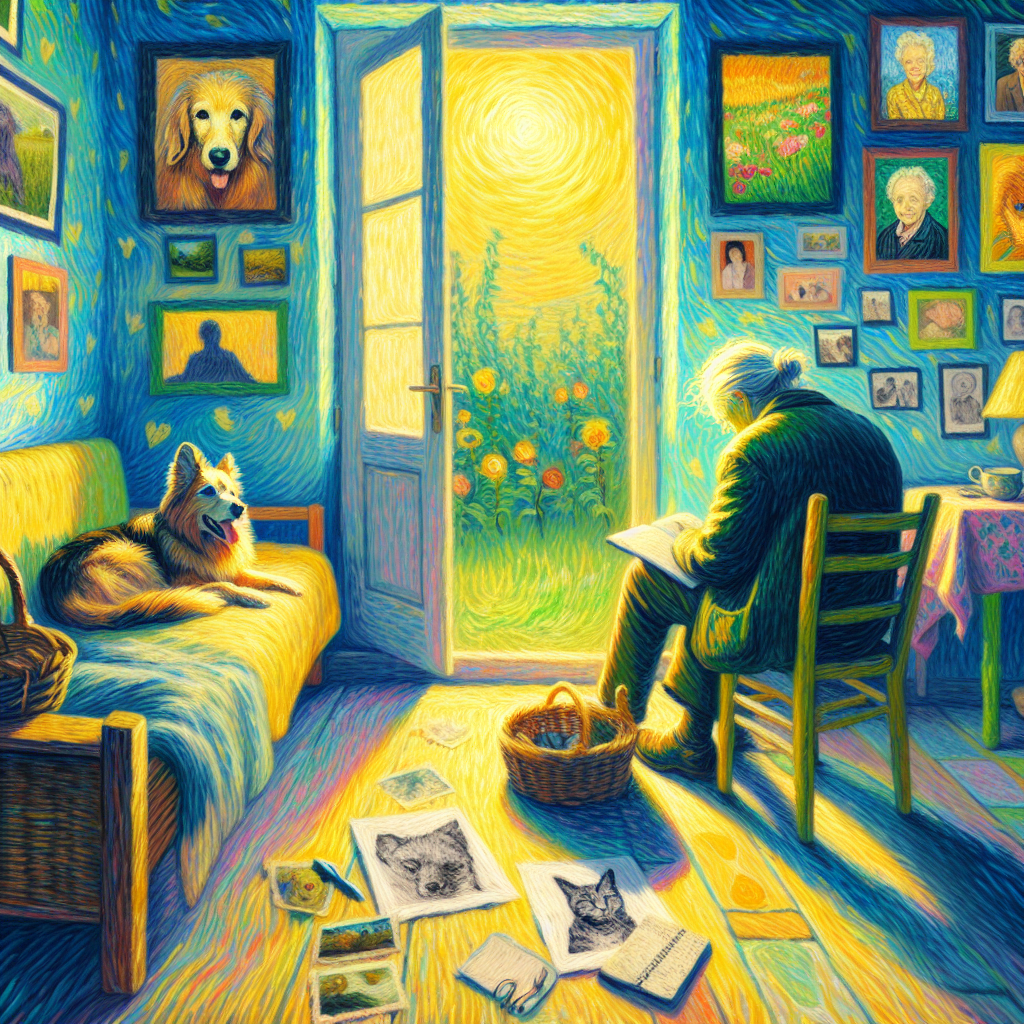
In the realm of estate planning, conflicting evidence can stir a whirlwind of emotions, challenging our perceptions of family and legacy. When faced with the stark reality of differing testimonies, documents that don’t align, or memories that clash, it’s not just a legal matter—it’s a deeply human experience. Consider this: legacy is more than just our material possessions; it’s the storytelling woven through generations. Each person holds a piece of that narrative, but what happens when the chapters don’t match?
As we sift through the remnants of a loved one’s life, there’s a palpable tension in the air, a guilt that settles in the gut when concerns arise about who gets what. Anger may flare as memories of family disputes bubble to the surface, each conflict echoing a sentiment of betrayal or bias. It’s a heart-wrenching reality, where each choice feels heavy, rippling through relationships and shaping the way we view the bonds we hold dear. The desire to honor a legacy often collides with the instinct to protect one’s own interests, leaving many to question their values and the integrity of their choices.
Yet, amidst the confusion, there lies a call to rise above—a chance to engage in legacy storytelling that connects us, rather than divides us. It’s a reminder that our emotional responses, while significant, should lead us toward understanding rather than further conflict. Listening to the stories behind the evidence can unlock empathy, transforming a battleground into a bridge. When we seek to understand the why behind differing perspectives, we foster an environment ripe for collaboration, creating solutions that respect every voice.
In this landscape, the rational mind urges us to document clearly, to ensure our wishes are known and upheld. But the heart reminds us that life’s complexities can’t be distilled to mere paperwork; it’s about people, histories, and ultimately, love. Ethical decisions emerge from an honest appraisal of conflicts, rooting our actions in a shared humanity that transcends ownership.
Navigating these turbulent waters requires not just facts, but a collaborative spirit that honors every storyteller involved in a legacy. It’s about coming together to rewrite the narrative, to build trust through dialogue, and to celebrate the fullness of our shared experiences, ensuring that the story told—regardless of conflicting evidence—reflects a heart aligned with love and understanding.

What Emotions Arise When Faced with Conflicting Estate Evidence?
What Emotions Arise When Faced with Conflicting Estate Evidence?
- Conflicting evidence in estate planning stirs deep emotions and challenges perceptions of family and legacy.
- Legacy encompasses not just material possessions but the interwoven storytelling across generations.
- Tensions arise from differing testimonies and disputes over inheritance, affecting relationships.
- The desire to honor a legacy often conflicts with individual interests, leading to ethical dilemmas.
- Legacy storytelling presents an opportunity to foster understanding and empathy instead of conflict.
- Effective estate planning balances clear documentation of wishes with the complexities of human relationships.
- A collaborative spirit is essential in honoring every individual’s narrative and promoting trust and dialogue.
What Emotions Arise When Faced with Conflicting Estate Evidence?
How Does Conflicting Evidence Complicate Your Estate Planning?
Navigating the intricate landscape of estate planning can be as perplexing as untangling a stubborn knot. When conflicting evidence emerges—be it a handwritten note that contradicts your will, verbal promises made years ago, or family whispers that murky the waters—it complicates matters not just legally, but emotionally. This is more than just paperwork; it’s about the legacy you leave behind.
Consider the impact of these discrepancies. Each document, every piece of evidence, represents a thread in your legacy storytelling. It’s what you wish to convey to your loved ones about your values, your wishes, and your life’s essence. But when those threads clash, they don’t just confuse the legal process; they create fissures in family relationships. This isn’t just about dollars and cents; it’s about trust, love, and the stories that bind us.
Imagine your children gathering around a table after your passing, sorting through a jumble of documents that tell conflicting narratives. The shock and confusion can erode the bond they share, morphing grief into discord. This realization can stir feelings deep in the gut, weighing heavily on what should be a tribute to your life rather than a battleground for differing interpretations.
From a rational perspective, conflicting evidence can slap a hefty delay on finalizing your estate, resulting in additional legal fees and potential disputes that could stretch over years. It’s a detour that drains resources and energy, diverting focus from meaningful memories to frustrating confrontations. When you stop and consider the ethical implications, the responsibility intensifies. You owe it to your loved ones to be clear, consistent, and upfront about your intentions, providing a roadmap rather than a maze.
The authority behind estate planning is paramount. Consulting knowledgeable professionals can bring clarity, ensuring that your wishes are unmistakably documented. They can help weave together the narratives that truly reflect your desires, bridging gaps and aligning conflicting evidence.
Ultimately, securing your legacy means embracing the power of storytelling—a story that speaks not just to your head, but to your heart and gut. Take the reins before conflicting evidence complicates your estate planning, fostering connection and anticipation for what your loved ones will remember. The aim is to inspire trust and confidence in the love and intentions that you leave behind, creating bonds that outlast any disputes.

How Does Conflicting Evidence Complicate Your Estate Planning?
How Does Conflicting Evidence Complicate Your Estate Planning?
- Estate planning can be complicated by conflicting evidence, such as handwritten notes or verbal promises.
- Conflicting documents create emotional turmoil and can damage family relationships.
- Discrepancies can lead to stress during the estate settlement process, converting grief into discord.
- Legal disputes from conflicting evidence can result in delays and additional costs.
- Clear and consistent intentions in estate planning are crucial for legacy clarity.
- Consulting professionals can help ensure that estate wishes are accurately documented and aligned.
- Effective storytelling in estate planning fosters trust and connection among loved ones.

How Does Conflicting Evidence Complicate Your Estate Planning?
What Authority Figures Can Help Resolve Estate Evidence Conflicts?
When it comes to estate disputes, where emotions run high and family legacies hang in the balance, authority figures play a pivotal role in guiding the resolution process. These individuals, often steeped in experience and wisdom, help navigate the stormy waters of conflict. Consider the role of a skilled mediator, whose job is to create a safe space for families to share their LEGACY STORYTELLING. This isn’t just about dividing assets; it’s about honoring the memories and intentions behind those assets, reconnecting family members to the love and dreams that once united them.
Judges and legal professionals also step in as arbiters of reason, ensuring that all parties adhere to the rule of law while respecting the emotional weight of the situation. Their expertise offers a rational framework to assess evidence, reminding everyone involved that there’s much at stake—not just financially, but in terms of the family’s history and reputation. This rational approach can defuse tension, allowing family members to view each other not as adversaries but as individuals with shared backgrounds and experiences.
Ethics is another pillar in resolving these conflicts. Estate planners and lawyers functioning within a strong ethical framework provide an anchor amidst emotional turmoil. They bring a code of conduct that advocates for fairness and clarity. These professionals often invoke a sense of duty, not just to their clients but also to the legacy left behind by loved ones who have passed. By focusing on ethical best practices, they elevate the conversation from conflict to collaboration, compelling families to work together to honor the intents of their departed.
Engaging with authority figures also invites a narrative that fosters connection. It’s easy to get lost in anger and resentment, but bringing in an experienced facilitator can transform a conflict into an opportunity for healing. Whether through conversation or writing—capturing family stories and values—these figures can help unravel misunderstandings that overshadow every family gathering. Showing that estate conflicts are not just about what’s at stake, but about unearthing what truly matters takes courage and willingness to listen.
Ultimately, the presence of authority figures in estate evidence conflicts builds trust—a trust that can drive families toward resolution and understanding. They are key players, not merely to impose decisions but to inspire dialogue and foster relationships that transcend the bitterness of conflict, turning past grievances into hopeful futures. It’s not just about what is legally right; it’s about what keeps a family united, ensuring their legacy endures beyond the constraints of dispute.

What Authority Figures Can Help Resolve Estate Evidence Conflicts?
What Authority Figures Can Help Resolve Estate Evidence Conflicts?
- Authority figures are crucial in resolving estate disputes, providing guidance in emotionally charged situations.
- Skilled mediators create safe spaces for families to share their legacy storytelling, focusing on intentions behind assets.
- Judges and legal professionals ensure adherence to the law while recognizing the emotional weight of disputes.
- Ethical frameworks from estate planners and lawyers advocate for fairness and clarity during conflicts.
- Experienced facilitators can turn conflicts into opportunities for healing by fostering connection through conversation or writing.
- The presence of authority figures builds trust, helping families resolve disputes and fosters understanding.
- The goal is not just legal resolution, but ensuring family unity and the enduring legacy of loved ones.

What Authority Figures Can Help Resolve Estate Evidence Conflicts?
How Do Personal Narratives Shape Perceptions Of Estate Conflicts?
How Do Personal Narratives Shape Perceptions of Estate Conflicts?
In the tangled web of estate conflicts, personal narratives hold a powerful sway. These stories, often filled with love, loss, and legacy, transform legal disputes into deeply human experiences. When families face the question of inheritance, it’s not just about assets; it’s about the emotional landscapes these assets inhabit. The heart pulls us toward memories of shared laughter around the dinner table, while the head reminds us of the legal nuances that add layers of complexity to every decision.
Legacy storytelling isn’t simply a collection of facts; it forms the bedrock on which families build their identities. Each item in an estate, from grandma’s china to dad’s trusty old truck, tells a tale of experience and connection. When disputes arise, these narratives can be invoked to evoke empathy and understanding. It’s easy to get lost in the numbers and legal jargon, but the essence lies in the stories that remind us of the values and beliefs shaped by generations.
Consider a brother and sister at odds over their late mother’s jewelry. A mere possession becomes a symbol of their shared childhood, filled with memories of her teaching them lessons about love and generosity. Here, the conversation shifts from entitlement to inheritance and understanding, fostering connection rather than division. Stories like theirs illuminate the ethical considerations at play, reminding all parties involved that this isn’t just about what’s on the table but what that table represents.
The authority of these narratives lends weight to discussions, offering a framework that can guide families toward resolution. It’s in these moments of storytelling—where voices blend with emotion, history, and experience—that the path to understanding often reveals itself. Those involved must wrestle with the question: What does it mean to honor our family’s legacy?
Social perceptions are influenced heavily by how these personal stories are shared within the community. When individuals recount their experiences, they broaden the dialogue around estate conflicts, fostering a sense of shared experience and creating a collective understanding that transcends individual disputes. As people listen and share, they cultivate a community of support that encourages healing.
It’s clear that personal narratives don’t merely shape perceptions; they forge pathways to resolution, inspiring trust and connection even in the most complex of conflicts. Embracing these stories can lead to compassion and collaboration, turning potential battlegrounds into gardens of understanding.

How Do Personal Narratives Shape Perceptions Of Estate Conflicts?
How Do Personal Narratives Shape Perceptions Of Estate Conflicts?
- Personal narratives significantly impact estate conflicts, transforming legal disputes into emotional experiences.
- Inheritance involves not only assets but also the emotional connections tied to them.
- Legacy storytelling is essential for family identity, with each estate item symbolizing shared memories.
- Disputes can move from entitlement to understanding through personal stories, fostering connection.
- Narratives provide a framework for discussions, guiding families toward resolution and understanding.
- Sharing personal stories within the community creates collective understanding and support.
- Embracing these narratives can inspire trust and compassion, turning conflicts into opportunities for collaboration.

How Do Personal Narratives Shape Perceptions Of Estate Conflicts?
What Are the Emotional Impacts Of Unresolved Estate Disputes?
Unresolved estate disputes can cast a long shadow over families, leaving emotional scars that often run deeper than any financial consideration. When a loved one passes, we expect grief, maybe even relief, and a chance to celebrate their life. But when disagreements arise among heirs over who gets what, that expectation can quickly turn into a battleground.
These disputes are not just about property; they’re about legacy and storytelling. Each family has a unique narrative, woven from shared experiences and cherished memories. When the family legacy is under threat, it’s like tearing a chapter from a beloved book. The feelings of betrayal can be overwhelming. Siblings who once laughed together may find themselves on opposite sides of a negotiating table, each convinced of their right to what they believe is their due. That’s where the gut punch comes in—not just the loss of an inheritance, but the loss of connection and trust.
As the disputes linger, families might start to fracture. Relationships built on a lifetime of shared history begin to crumble under the weight of unresolved anger and resentment. This erosion of family bonds can leave profound emotional scars, turning gatherings into silent standoffs and holidays into reminders of division. The once-warm feelings of togetherness whooshed away, leaving a chill that no festive cheer can counterbalance.
Rationally, it’s easy to see how disputes may stem from misunderstandings or miscommunications. Perhaps the deceased didn’t express their wishes clearly, or maybe differing perspectives on what constitutes fairness lead to chaos. Yet, despite the rationality, emotions reign supreme. The heart wants what it wants—recognition, validation, closure. When these needs are unmet, frustration festers, leading to a swirling vortex of blame and guilt.
Ethically, it begs the question: what does it mean to honor a loved one’s memory? Each family member must grapple with the values of respect and integrity. Choosing to resolve disputes rather than dwell in them reflects a commitment to uphold the deceased’s legacy.
In this context, taking action is crucial. Engaging in open dialogues, seeking mediation, or finding a trusted advisor can be powerful steps toward healing. It’s about preserving relationships and fostering a sense of community that celebrates the past while forging a more united future. This journey doesn’t just honor a legacy; it tells a new story—one of resilience, love, and togetherness. It’s not just about the assets left behind; it’s about the bonds that withstand the test of time.

What Are the Emotional Impacts Of Unresolved Estate Disputes?
What Are the Emotional Impacts Of Unresolved Estate Disputes?
- Unresolved estate disputes can create deep emotional scars, impacting family dynamics significantly.
- Disagreements among heirs shift the focus from grief to conflict over inheritance, complicating the grieving process.
- Family legacies are tied to shared narratives, and disputes jeopardize these cherished stories and memories.
- Resentment and anger can erode family bonds, transforming gatherings into tensions rather than celebrations.
- Disputes often arise from misunderstandings or differing views on fairness, leading to emotional turmoil.
- Ethical considerations challenge families to honor their loved one’s memory while navigating conflicts respectfully.
- Taking proactive measures such as open dialogue and mediation is essential for healing and preserving family unity.

What Are the Emotional Impacts Of Unresolved Estate Disputes?
How Can You Rationally Assess Conflicting Evidence In Your Estate?
When it comes to our legacy, the stakes couldn’t be higher. Imagine standing in the middle of your estate—property lines drawn, family ties tangled, and emotions running high. Often, conflicting evidence surfaces that can send us into a tailspin about what’s just, right, or fair. Yet, this is where the journey toward clarity begins, and it starts with understanding the power of Legacy Storytelling.
First, frame the narrative of your estate. What does your property mean to you? What stories do the walls hold? These aren’t just bricks and mortar; they embody the memories of a lifetime. By embracing Legacy Storytelling, you craft a narrative that aligns not only with the facts but with the values and principles that shaped your life. This storytelling allows you to connect emotionally with those involved, dispersing tension and illuminating the path forward.
Next, dissect the evidence. Approach the conflicting claims with a rational mindset—look at the documents, the appraisals, the agreements. What does the data tell you? As cold as numbers can be, they provide the foundation on which to build. But don’t lose sight of the human element. Recall that the interpretations of these facts carry the essence of the relationships behind them. Engaging with family members or advisors not only uncovers the truth but fosters dialogue and builds trust, removing the fog of suspicion and misunderstanding.
Ethics play a crucial role in this assessment. Uphold the principles that reflect your character. Whether it’s fairness, respect, or compassion, these guideposts help evaluate conflicting evidence through a moral lens. Your legacy isn’t just about possessions—it’s about the impression you leave on those you care about. Determine how each piece of evidence aligns with your ethical beliefs, and let that guide your decisions.
It’s also important to seek authority. Bring in trusted professionals—lawyers, accountants, or mediators—who can help navigate complexities. Their expertise adds a layer of credibility, ensuring that your findings and decisions stand on solid ground. This collaborative approach reassures family members that the process is transparent and fair, reinforcing mutual respect.
Ultimately, your decisions will resonate long after you’re gone. The resolution of conflicting evidence in your estate isn’t merely a task; it’s an essential step in preserving your legacy. Through emotional connection, rational analysis, principled ethics, and collaborative effort, you create a narrative that honors both your past and guides your family into the future.

How Can You Rationally Assess Conflicting Evidence In Your Estate?
How Can You Rationally Assess Conflicting Evidence In Your Estate?
- The importance of Legacy Storytelling is highlighted in managing estates with emotional complexity.
- Framing the estate narrative allows for emotional connections tied to memories and values.
- Analyzing conflicting claims requires a rational approach, focusing on documents and data.
- Maintaining human relationships is crucial when interpreting facts and engaging family members.
- Ethical principles such as fairness and respect guide the evaluation of evidence.
- Involving professionals enhances credibility and ensures transparency in the decision-making process.
- Decisions made in estate resolution significantly impact one’s legacy and family future.

How Can You Rationally Assess Conflicting Evidence In Your Estate?
What Social Implications Arise From Challenging Estate Claims?
Challenging estate claims isn’t just a legal battleground; it’s a deeply personal journey that stretches across generations, weaving through family ties, legacies, and unspoken wishes. At the heart of this issue lies the importance of legacy storytelling. Every family has a narrative, a compilation of dreams, struggles, and triumphs that mold their collective identity. When a dispute arises over an estate, it doesn’t merely dissolve assets; it fractures stories.
Think about it. When a loved one passes, their belongings are not just material possessions; they embody memories, traditions, and the very essence of who they were. Challenging these claims often pits family members against one another, igniting emotional fires that can scar relationships for years, if not generations. The subtle tug-of-war over what was left behind can obscure the real story—the one about love, sacrifice, and the values that were meant to be passed down.
From a rational standpoint, legal challenges can lead to unintended consequences that ripple through the community. Families may spend not just their inheritance but also their time and emotional reserves in prolonged disputes. Legal fees mount, relationships strain, and the very spirit of the legacy being fought over can become a distant memory, overshadowed by anger and resentment. It’s a cautionary tale that echoes through courtrooms and across dining tables alike, compelling us to pause and consider the real cost of these battles.
Ethically, we must ask ourselves: what does it mean to honor a loved one’s wishes? When challenges arise, the ethical threads that bind us start to unravel. True legacy storytelling requires empathy, understanding, and sometimes, a willingness to let go of our own desires for the greater good of the family narrative. Those who fight without regard for the collective story risk losing more than just a share of the estate; they risk losing the true essence of their family.
Shared experiences can build bridges. When families approach these discussions with respect for each other’s perspectives, they not only navigate the difficult waters of estate claims but also strengthen their bonds. The conversations can become a platform for healing and connection.
Challenging estate claims evokes powerful emotions that can drive people apart or pull them closer together. It’s a call to action for families to cherish their legacy stories, to protect them, and to remember that in the end, love and connection matter far more than possessions.

What Social Implications Arise From Challenging Estate Claims?
What Social Implications Arise From Challenging Estate Claims?
- Challenging estate claims is a personal journey that impacts family legacies.
- Estate disputes fracture family stories and disrupt collective identity.
- Belongings represent memories and values, not just material items.
- Legal battles can lead to emotional strain and unintended consequences.
- Ethical considerations arise about honoring a loved one’s wishes during disputes.
- Approaching discussions with respect can strengthen family bonds.
- Ultimately, love and connection are more significant than material possessions.

What Social Implications Arise From Challenging Estate Claims?
Conclusion
Navigating the complexities of your estate requires more than just a logical approach; it’s about understanding the rich tapestry of emotions, values, and connections that make up a life well-lived. Your estate holds stories—some harmonious, others in conflict—that combine to create the narrative of who you are. It may seem simpler to focus on material possessions, but the true essence of an estate is woven from the memories, lessons, and relationships it represents.
Think of a child rummaging through a box of their parents’ belongings. Each item serves as a conduit to untold stories, revealing the intricate layers of family history. However, these stories can clash, leaving heirs with confusing legacies of love and discord. The moments captured in photographs might stand counter to familial anecdotes, challenging perceptions of the past. This juxtaposition can ignite a whirlwind of emotions—grief, anger, guilt—as families grapple with their divergent memories and the meanings attached to inherited items.
From a rational perspective, clarity is vital. Conflicting documents and promises can derail estate planning, complicating the intended legacy. It’s essential to establish unambiguous documentation that reflects your wishes, ensuring that your intentions are clearly communicated. Yet, even as you rationalize through the paperwork, don’t lose sight of the narrative at play. Engage your family in discussions about what your possessions symbolize—how they embody love, shared history, and cherished moments.
Ethically, there’s a duty to confront these complexities honestly. By acknowledging and discussing the contradictions present in your estate, you nourish empathy and understanding among your loved ones. Encourage them to explore their own values in the context of the legacy you leave behind, unearthing deeper connections and promoting growth through shared experiences.
The impact of unresolved disputes runs deep, often fracturing familial bonds and leaving scars that can outlast any estate. It’s crucial to recognize that the financial ramifications of a battle over an estate may pale in comparison to the emotional toll on relationships. Legal challenges and miscommunications can create rifts that overshadow the very essence of familial ties.
Finally, authority figures—mediators, legal experts—serve as essential kayakers in this turbulent sea of estate planning. They can guide families through the murky waters while preserving the emotional integrity of the collective narrative. The ultimate aim isn’t merely to resolve disputes but to create an environment ripe for collaboration and understanding.
Your estate tells a story—one worth preserving and celebrating. Embrace the messiness of conflicting evidence. It humanizes us and ensures that the legacy you leave is one bathed in love, trust, and connection, forging a path for your loved ones to embrace their own narratives with courage and authenticity.

Conclusion
Conclusion:
- Navigating your estate involves understanding emotions, values, and connections, not just material possessions.
- Your estate represents stories that reflect both harmony and conflict in family histories.
- Conflicting memories can evoke strong emotions like grief and anger among heirs.
- Clarity in documentation is essential for effective estate planning and communication of your wishes.
- Engaging family members in discussions about the meaning of possessions helps nurture understanding.
- Unresolved disputes over estates can damage familial relationships more than financial conflicts.
- Professionals can help navigate estate complexities, aiming for collaboration and preservation of emotional integrity.

Conclusion
Other Resources

Other Resources
Here is a list of other resources you can review online to learn more:
- deviantART
- WishesKeeper
- Cake
- Is There A Need To Pay For Copyrighting Services For Personal Or Family Legacy Stories?
- How Has Time Changed The Cost Of Capturing Family Legacy Stories
- LegacyFamilyTree
- EverLoved
- Your Digital Afterlife
- Funeral Finder
- USLegalWills.com
- Legacy Family Tree
- Legacy Learned
- Geni
- EverNote
- FuneralWise
- Digital Legacy Association
- Memorial Matters
- Knotify.me
- LegalZoom
Use This Prompt To Get More Resources With Your Favorite Online AI Tool: Please provide me with a list of online articles with their URLs in a bulleted list that I can read regarding Your Estate Contains Conflicting Evidence
Other Resources
Glossary Terms
Your Estate Contains Conflicting Evidence – Glossary Of Terms
1. Estate: The total worth of a person’s assets, including property, investments, and personal belongings, at the time of their death.
2. Conflicting Evidence: Information or data that contradicts or opposes another piece of evidence, potentially complicating legal matters.
3. Testamentary: Relating to a will or testament, which outlines how a person’s estate will be distributed after their death.
4. Probate: The legal process through which a deceased person’s will is validated and their estate is administered.
5. Intestate: Referring to a person who dies without leaving a valid will, causing their estate to be distributed according to state laws.
6. Executor: An individual appointed to manage and distribute a deceased person’s estate according to the terms of their will.
7. Witness: A person who observes the signing of a will or legal document, confirming its authenticity.
8. Affidavit: A written statement confirmed by oath, often used in legal proceedings to provide evidence.
9. Estate Plan: A strategy for managing a person’s assets, liabilities, and health care decisions during life and after death.
10. Will Contest: A legal challenge to the validity of a will, often arising from disputes among heirs or beneficiaries.
11. Holographic Will: A hand-written and signed will that lacks the formalities of a standard will but may still be considered valid in certain jurisdictions.
12. Trust: A legal arrangement where one party holds property for the benefit of another, often used to manage assets after death.
13. Beneficiary: An individual or entity designated to receive assets or benefits from a will, trust, or insurance policy.
14. Non-Probate Assets: Assets that pass directly to beneficiaries without going through probate, often including life insurance and retirement accounts.
15. Claims Against the Estate: Demands for payment from creditors or beneficiaries that must be settled before distributing estate assets.
16. Decedent: A deceased person, particularly in legal contexts regarding inheritance and estate management.
17. Legacy: A gift or inheritance left to a beneficiary in a will.
18. Power of Attorney: A legal document granting one person authority to act on behalf of another in financial or legal matters.
19. Guardian: An individual assigned the responsibility of caring for a minor child or incapacitated adult, often appointed in a will.
20. Estate Tax: A tax levied on the transfer of the estate of a deceased person, calculated based on its value.
21. Sole Ownership: When a single individual owns an asset or property without any co-owners.
22. Joint Tenancy: A form of property ownership where two or more individuals hold equal shares, with rights of survivorship.
23. Living Will: A legal document outlining a person’s wishes regarding medical treatment in case they become incapacitated.
24. Residual Clause: A provision in a will that defines how any remaining assets should be distributed after specific gifts are made.
25. Disinheritance: The legal act of intentionally preventing a person from receiving assets from an estate.
26. Witness Signature: The act of a witness signing a will, indicating they observed the testator signing it and affirming its legitimacy.
27. Estate Litigation: Legal disputes arising from the administration of an estate, often triggered by conflicts over a will or beneficiary claims.
28. Disclosure: The act of revealing or providing information related to an estate, often required by law during probate.
29. Forensic Accounting: The use of accounting skills to investigate financial discrepancies or disputes related to an estate.
30. Mediator: A neutral third party who facilitates discussions and negotiations between conflicting parties to reach a settlement regarding an estate.

Glossary Of Terms
Other Questions
Your Estate Contains Conflicting Evidence – Other Questions
If you wish to explore and discover more, consider looking for answers to these questions:
- What types of evidence are legally valid in an estate dispute?
- How is a handwritten note weighed against a formal will?
- Can verbal promises override written estate documents?
- How do courts resolve direct contradictions between multiple wills or documents?
- What steps should an heir take if they discover conflicting documents after a death?
- When should you hire an attorney versus a mediator to handle estate conflicts?
- What is the typical timeline and cost for contesting a will?
- How do probate procedures handle conflicting evidence?
- What duties and powers does an executor have when evidence conflicts?
- How can authenticity of documents (signatures, dates) be proven or challenged?
- What kinds of digital evidence (emails, texts, social media) are admissible?
- How should families document intentions to minimize future disputes?
- How do estate laws and standards for evidence differ by state or country?
- What ethical obligations do lawyers, executors, and advisors have in disputes?
- How can sentimental or non-monetary items be divided fairly?
- What mediation techniques help preserve family relationships during disagreements?
- What are common red flags of forgery or undue influence?
- What financial or tax consequences can arise from prolonged estate disputes?
- How do you secure and catalog estate documents and keepsakes to prevent future conflict?
- What recourse exists if an heir suspects someone destroyed or hid evidence?
- Can beneficiaries be added or removed after the decedent’s death?
- How long can estate litigation last, and are settlements reversible?
- What role can legacy storytelling or recorded statements play as evidence?
- What psychological impacts do unresolved estate disputes have on heirs, and where can they seek support?
- How should families approach conversations about legacy to balance honesty with respect?
Other Questions
Haiku
Your Estate Contains Conflicting Evidence – A Haiku
Conflicting stories clash,
Heirlooms of love, loss, truth,
Legacy we share.

Haiku
Poem
Your Estate Contains Conflicting Evidence – A Poem
In shadows where our stories dwell,
Our legacies tough tales tell.
From boxes filled with love’s embrace,
Conflicting truths take center space.
A child’s gaze on photographs,
Each moment glows, but memory halves.
The heart recalls both joy and strife,
Weaving the fabric of a life.
Secrets linger, whispered low—
What once was sacred now may sow
Seeds of discord, trust untwined,
Inherit our truths unredefined.
Rational minds seek clarity,
Yet feelings clash like stormy seas.
A jewelry box, a faded letter,
Promises made that won’t be better.
Ethical dilemmas weigh the heart,
Who owns the love from which we part?
Discuss to heal, to right the wrong,
In shared stories, we all belong.
Mediators mend the frayed seams,
Guiding through dreams, not just our schemes.
Legacy’s worth is not in gold,
But in the tales that must be told.
When disputes linger, scars do form,
Bonds fray in the unyielding storm.
Yet in the narrative’s gentle sway,
Connection blossoms, lighting the way.
So hold the stories, both dark and bright,
Embrace the wrong, find strength in the light.
For in the end, what truly lasts,
Is love’s legacy, shaped from the past.

Poem
Checklist
Your Estate Contains Conflicting Evidence – A Checklist
Emotional Recognition
✅______ Acknowledge the emotional weight of estate items and their significance in family narratives.
✅______ Allow space for grief and conflicting feelings among family members.
Rational Assessment
✅______ Gather all relevant documents and evidence related to the estate.
✅______ Analyze discrepancies and seek clarity in legal terms while considering emotional implications.
Ethical Considerations
✅______ Reflect on personal values and the ethics of honoring a loved one’s wishes.
✅______ Encourage open discussions about intentions and legacy to promote understanding among family members.
Engagement with Authority
✅______ Consult with estate planners or mediators to facilitate discussions.
✅______ Consider involving legal professionals to clarify and uphold your wishes formally.
Narrative Sharing
✅______ Create opportunities for family members to share their stories and memories related to estate items.
✅______ Encourage collaborative storytelling to strengthen bonds and encourage empathy.
Social Connection
✅______ Foster a supportive environment for family members to express their feelings without judgment.
✅______ Engage in community discussions or seek support groups focused on estate planning and conflicts.
Action Steps
✅______ Outline clear estate plans reflecting your wishes and ethical beliefs.
✅______ Prepare for potential disputes by documenting conversations and agreements regarding future legacies.
Conflict Resolution
✅______ Prioritize open communication when disagreements arise.
✅______ Explore mediation as an avenue for resolving conflicts collaboratively and respectfully.
Legacy Focus
✅______ Emphasize the importance of preserving family connections over material disputes.
✅______ Reflect on how estate planning can serve as a means of nurturing family bonds and collective memories.

Checklist
At LegacyExplorations, we help people plan and explore their legacy by collecting information and news regarding end-of-life planning.
Please share this post with your friends, family, or business associates who may want help to plan or explore their legacy.